Review · JAPAN
Tokyo: Tsukiji Fish Market Food and Culture Walking Tour
Come hungry, leave with a better feel for Tokyo. This three-hour walk through Tsukiji’s outer market is a good way to make sense of a crowded food district, especially with a local guide who can steer you toward Wagyu beef, tamagoyaki, fish cakes, fruit, and sushi. I like the small groups of two to eight people, and I like that the food comes with useful lessons about market customs, shrine etiquette, and the changing role of Tsukiji.
The strongest part is the combination of tasting and guidance. A guide such as Shun, Nazu, Miki, or Robert can help you order without guesswork and explain what you are eating. The main drawback is that the market does not offer its full experience every day, and the tour is not suitable for vegans, vegetarians, wheelchair users, or people with mobility limits.
Key points at a glance
- Start at Tsukiji Honganji Temple: The meeting point gives the tour a useful cultural beginning, with time to learn about the temple and the district.
- Taste more than a single meal: Expect high-grade Wagyu beef, Japanese omelet, fish cake, seasonal fruit, and either sushi or a seafood bowl.
- Small groups matter here: With no more than eight people, it is easier to hear the guide and move through narrow market lanes.
- The final seafood dish is a highlight: A chef may demonstrate fish preparation before serving sushi or a sashimi bowl, depending on the day.
- Plan around market closures: The fish wholesaler area and some food shops close on Wednesdays, Sundays, public holidays, and other scheduled closure days.
- Bring your own appetite and flexibility: The food is substantial, but exact tastings can change if a shop is closed or ingredients are unavailable.
Why Tsukiji still matters after the inner market moved
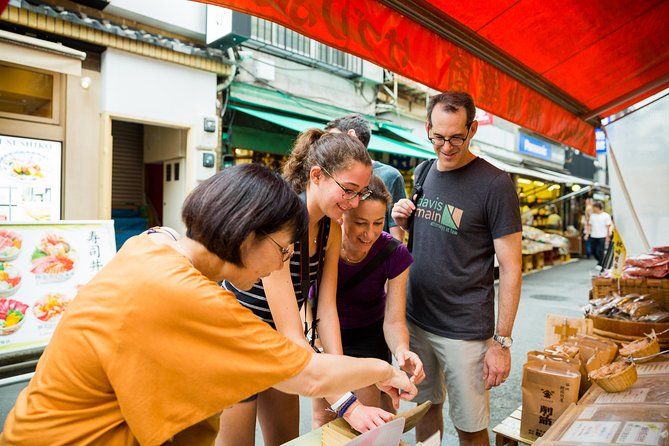
Many people arrive in Tokyo expecting the old Tsukiji tuna auction. That is no longer the setting here. The wholesale market moved to Toyosu, but Tsukiji’s outer market continues to operate as a dense food quarter filled with seafood shops, prepared food stalls, kitchen suppliers, restaurants, and small specialty sellers.
That distinction matters. This tour is not a visit to the famous tuna auction. It is a guided walk through the public-facing food market, with some access to the wholesale fish area depending on the day and current conditions.
I think that makes the experience more useful for a first visit. You are not simply looking at rows of stalls. You are learning how Japanese food shopping works, why chefs come here, and how to tell the difference between a snack, a market ingredient, and a proper meal.
The market can be confusing even when you are used to Tokyo. The lanes are busy, the menus may be unfamiliar, and many shops are designed for local shoppers rather than sightseers. A guide gives you a path through the noise and helps you spend your time on food instead of trying to work out where to begin.
More Fish Market Tours in Japan
- Tokyo Tsukiji Fish Market Food and Culture Walking Tour
★ 5.0 · 3,184 reviews - Tokyo: Tsukiji Fish Market Food and Walking tour
★ 5.0 · 1,724 reviews - Tokyo: Tsukiji Fish Market Guided Walking Tour
★ 4.9 · 1,397 reviews
Beginning at Tsukiji Honganji Temple
The tour meets at the main gate of Tsukiji Honganji Temple, a striking and memorable place to start. The temple is not just a convenient landmark. It gives the guide a natural way to explain the history of the neighborhood and the relationship between religion, trade, and daily life in Tokyo.
Several guides have used the opening part of the tour to explain temple customs, including how to perform the cleansing ritual properly. One guide also helped a group understand shrine etiquette before entering the market. That is a small detail, but it can make your first morning in Japan feel less like a checklist of sights.
You should arrive ready to walk. Comfortable shoes are essential, and comfortable clothing is sensible because the route includes narrow passages, crowded areas, and frequent stops. The tour lasts three hours, so it is not an exhausting trek, but it does involve a moderate amount of walking and standing.
The temple setting also helps ease you into the morning. Instead of being dropped straight into the market’s tight lanes, you get a short cultural introduction first. Guides such as Nazu and Miwako have been praised for connecting the temple’s story with the development of Tsukiji itself, which gives the food stops more meaning later.
The first look at Tsukiji Outer Market
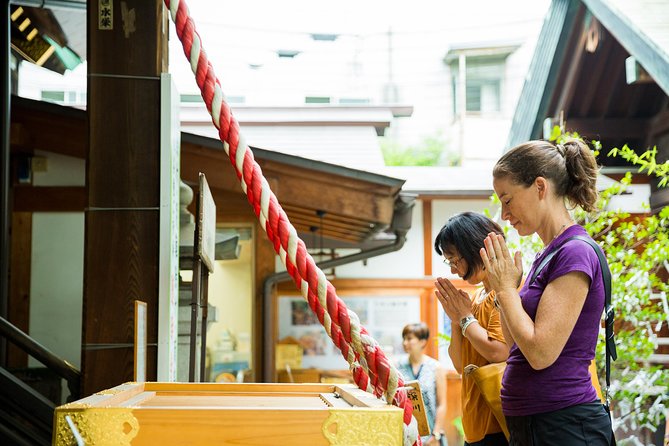
The first market section is a short guided orientation, followed by a longer food-focused walk. This is where the tour earns its price. Tsukiji is easy to visit on your own, but it is not always easy to understand on your own.
You will pass stalls selling fish, shellfish, fish cakes, fruit, tea, and other Japanese ingredients. Some items are ready to eat, while others are meant for home kitchens or restaurants. Your guide helps explain that difference and points out foods you might otherwise walk past.
The market is at its best when you let the guide set the pace. You may stop for a tasting, pause to look at a specialty product, or make a small purchase of your own. The route is not described as a rigid march from one shop to the next, and the best experiences seem to come when the group has time to ask questions.
One useful feature is the chance to shop after learning what you are looking at. A guide helped one group choose tea to take home, while another guide made vendor interactions easier for visitors who did not speak Japanese. That practical help can be worth a lot in a market where packaging and prices may not be obvious.
The food: Wagyu first, then a string of small bites
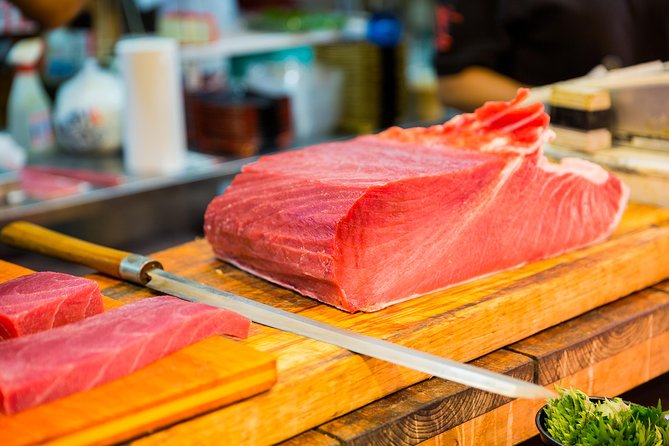
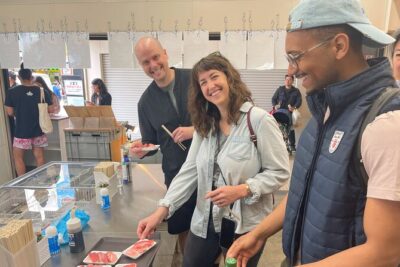
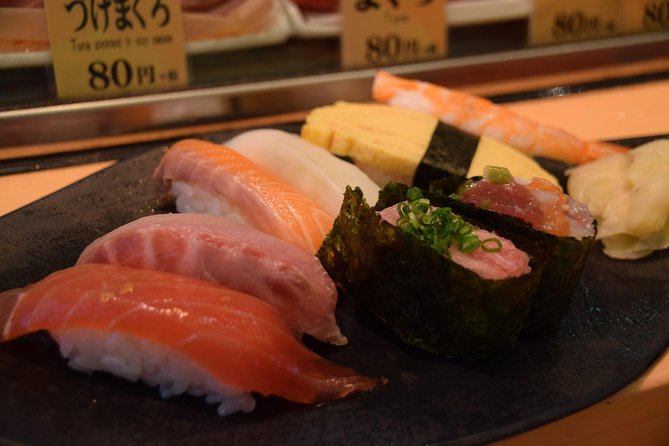
The tasting menu is varied rather than focused on one grand dish. The listed foods include top-grade Wagyu beef skewers, Japanese omelet, fried fish cake, seasonal fruit, and either sushi or a seafood bowl at the end.
The Wagyu is often the early favorite. The skewers are a simple market food, but the quality of the beef makes them feel special. One group liked them enough to return after the tour for another skewer. If you are interested in Japanese beef, this is one of the clearest reasons to book.
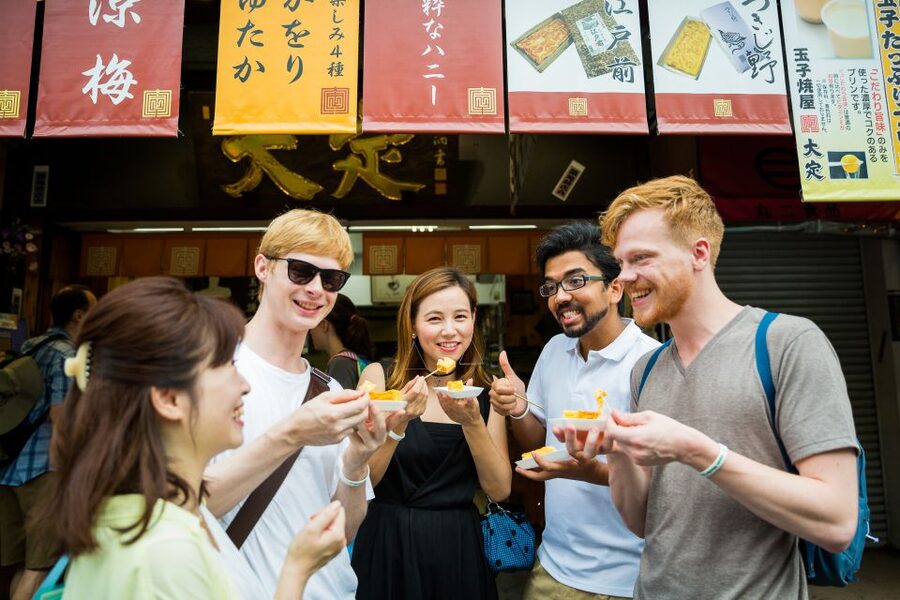
The Japanese omelet, or tamagoyaki, gives you a different taste. It is soft, lightly sweet, and very different from the savory egg dishes many visitors expect. Fish cake adds another texture, while seasonal fruit provides a fresh break between richer bites.
The exact selection may shift with the day, the season, and shop availability. Some groups have also tried foods such as squid, sea urchin, oysters, matcha ice cream, strawberries, and other market snacks. These extras are not guaranteed parts of the set menu, so think of them as possible discoveries rather than promises.
Alcohol is another point to clarify. The listed tour inclusions do not cover sake or beer, so you should not assume drinks are part of the price. One participant felt that extra charges for alcohol should have been clearer. If you want a drink, ask before ordering.
More Fish Market Tours in Tokyo
- Tokyo Sushi Making Class in Tsukiji with Professional Chef
★ 5.0 · 1,177 reviews - Tsukiji Fish Market Guided Tour and Sushi Making with Pro Chef
★ 5.0 · 775 reviews - Tsukiji Fish Market: Street Food & Culture Walking Tour
★ 5.0 · 669 reviews - Tsukiji Fish Market Small-Group Food Walking Tour
★ 5.0 · 621 reviews
The final seafood bowl or sushi stop
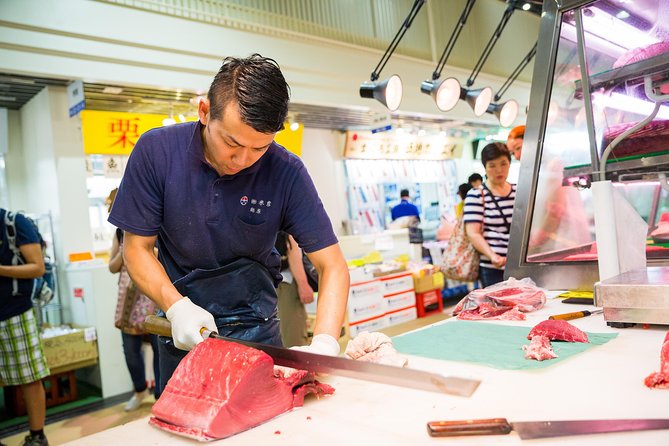
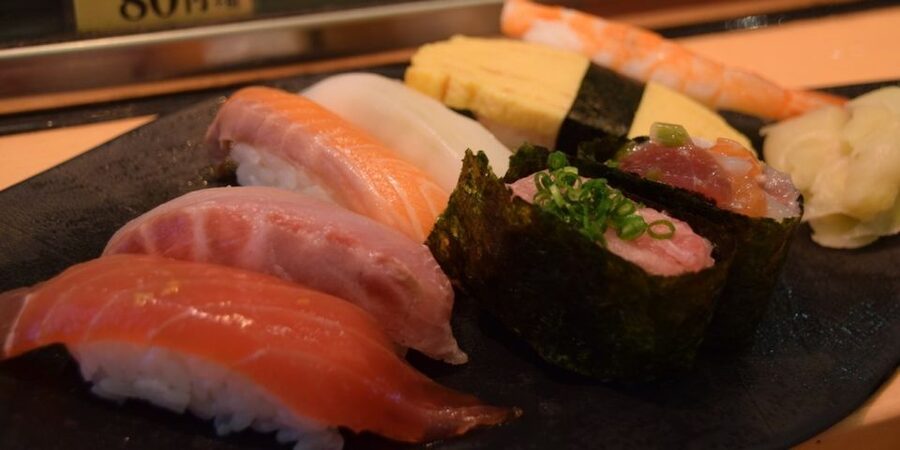
The tour finishes with a more substantial dish, either sushi or a seafood bowl, depending on the day and the available restaurant. This gives the morning a proper ending after the smaller tastings.
The seafood bowl is not just a quick plate dropped on the table. Several groups described a chef demonstrating how to cut and prepare fish before the meal. That short presentation adds a useful bit of craft to the experience, and it helps you see how fresh fish becomes a finished Japanese dish.
Some people may receive sushi instead. The choice depends on the schedule and the day, so do not book expecting one exact format. If a restaurant closes unexpectedly or cannot serve the planned meal, an alternative is provided.
By the time you reach this stop, you may already be close to full. That is not a complaint, but it is worth planning around. The sequence works best if you eat lightly before the tour. One person described the final meal as a fun destination but found they were not very hungry by the time they arrived.
The tour ends back near Tsukiji Honganji Temple and Tsukiji Station. That makes it easy to continue exploring the area, return to a stall you noticed earlier, or head to another part of Tokyo.
What makes the small group useful
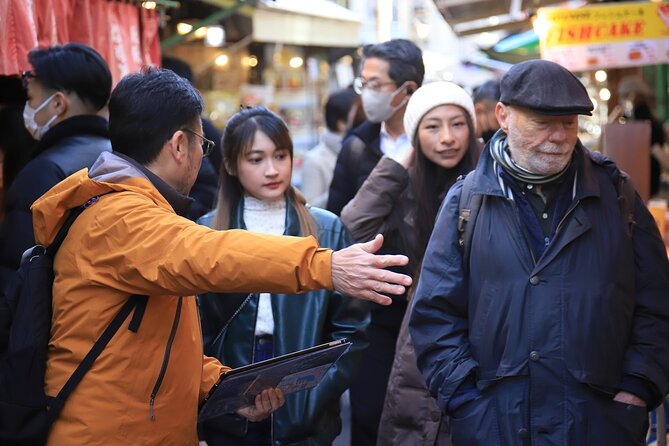
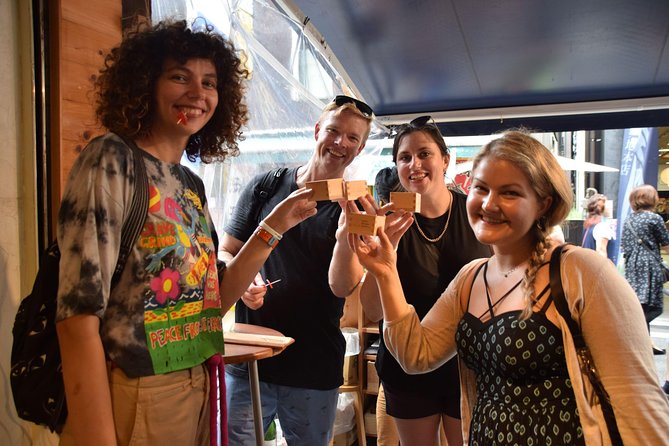
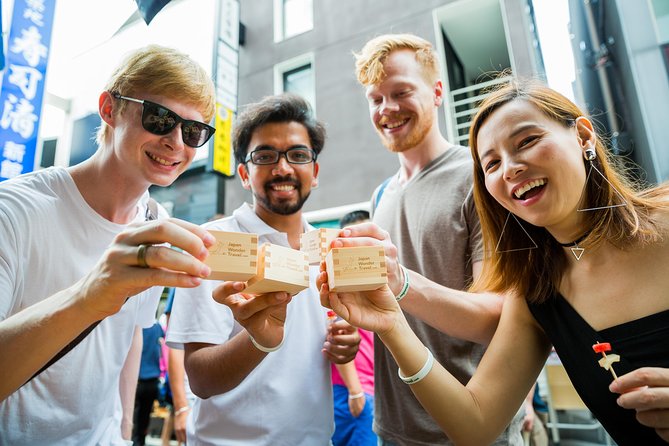
The group size is limited to two to eight people. In a market as crowded as Tsukiji, that is a practical advantage, not just a marketing detail.
A smaller group can gather around a stall without blocking as much space. You can also ask more questions and hear the guide more easily. A group of four felt especially personal to one participant, and several guides were praised for allowing time when someone wanted to examine a product or make an extra purchase.
The guide quality is central to the experience. The food is good, but you can buy food at Tsukiji without paying for a tour. You are paying partly for someone who knows where to go and partly for the explanations that connect each stop.
Several guides received especially warm praise. Shun was noted for his energy, kindness, and clear explanations. Nazu was praised for explaining the history and food choices. Robert was described as both entertaining and considerate, including when a slower walker needed extra help. Guides such as Luna, Yoshiko, Yuki, Miki, Miwako, and Chi Haru were also singled out for being friendly and well prepared.
The experience can vary with the guide assigned to your group. One person enjoyed the tour but wanted more detailed historical background. If history is your main reason for visiting, tell the guide early and ask questions. If food and local customs are your priorities, the format should suit you well.
Market timing, crowds, and closed days
Timing affects the feel of this tour. Early mornings can be busy, especially on Saturdays. One group began at 8:30 on a rainy Saturday and found the market crowded. Midweek was suggested as a calmer choice when possible.
Rain does not necessarily ruin the experience, but it can make the market harder to manage. Umbrellas, wet ground, narrow lanes, and surrounding noise can make it difficult to hear the guide. If the forecast is poor, wear practical shoes and keep your expectations flexible.
The biggest planning issue is the market calendar. The fish wholesaler area is closed on Wednesdays, Sundays, and other scheduled closure days. Some stalls in the outer market also close on those dates, and Japanese omelet, fish cake, and fruit may not be available.
The tour still operates on some of these days, including public holidays, so read the operating information carefully before booking. You will still have a guided food walk, but the range of shops and tastings can be reduced. If seeing the widest selection matters to you, choose a regular market day.
Is $96 a fair price?
At $96 per person, this is not the cheapest way to eat at Tsukiji. You can buy individual snacks for less, and independent visitors have the freedom to choose exactly what they want.
The value comes from the combination of food, translation help, orientation, and the small group. A guide can take you to stalls you might miss, explain what you are buying, handle communication with vendors, and give you context as you eat. The final sushi or seafood bowl also makes the price easier to justify than a short snack-only walk.
I would rate the value as strongest for first-time visitors to Tokyo, cautious eaters who want help ordering, and anyone who enjoys food with a story attached. It is weaker for experienced Japan visitors who already know Tsukiji well or prefer wandering alone.
The price also includes a fair amount of food. You may not need lunch immediately afterward. Still, the exact items can change, and drinks or personal purchases are extra. Think of the tour as a guided tasting route with a substantial seafood finish, not an unlimited buffet.
Who should book this Tsukiji walk?
This tour suits you if you want to understand the market quickly without spending your first visit guessing which stalls are worth your time. It is also a good fit for families with older children, couples, solo visitors, and small groups who prefer a relaxed introduction to Japanese food culture.
You should be comfortable walking and standing for three hours. The route is not suitable for wheelchair users or people with mobility impairments, and it is not designed for vegans or vegetarians. Vegetarian, halal, and gluten-free requests cannot be accommodated.
Fish and meat are central to the menu. If you do not eat seafood, you will miss the main point of the experience. Infants’ meals are not included, and the minimum drinking age is 20, though alcohol is not a core part of the tour.
Bring a camera if you like food photography, but stay aware of shop rules and the movement of other people. Tsukiji is a working market, not only a sightseeing set. Give vendors room, follow your guide’s instructions, and avoid stopping in the middle of a narrow lane.
Should you book the Tsukiji food tour?
I would book it if this is your first visit to Tsukiji and you want a clear, tasty introduction without the usual market confusion. The Wagyu skewer, seasonal bites, and final sushi or seafood bowl give the morning real substance, while the guide adds the local context you would likely miss alone.
Book on a regular market day if possible, and avoid a crowded weekend morning if your schedule allows. Eat lightly beforehand, wear good shoes, and check the menu limitations before committing.
Skip it if you are vegetarian, vegan, gluten-free, or looking for a quiet private meal. But if you enjoy seafood, Japanese snacks, and learning how a famous food district works, the $96 price is reasonable for three hours of guided eating in one of Tokyo’s most rewarding neighborhoods.
FAQ
Where does the Tsukiji food tour meet?
Meet your English-speaking guide at the main gate of Tsukiji Honganji Temple when the tour starts.
How long does the tour last?
The walking and food tour lasts three hours. The itinerary includes a short guided visit in the outer market followed by about two and a half hours of guided tastings and market exploration.
What food is included?
The included menu features high-grade Wagyu beef skewers, a fresh fish bowl or sushi depending on the day, Japanese omelet, seasonal fruit, and fried fish cake.
Is the tour suitable for vegetarians or vegans?
No. The tour cannot accommodate vegan, vegetarian, halal, or gluten-free requests, and it is not suitable for vegans or vegetarians.
Does the tour run when the fish market is closed?
The tour may still operate on Wednesdays, Sundays, public holidays, and other market closure days, but the fish wholesaler area and some shops may be closed. Japanese omelet, fish cake, and fruit may not be available on those dates.
Is the tour suitable for wheelchair users?
No. The tour involves a moderate amount of walking and is not suitable for wheelchair users or people with mobility impairments.
More Market Walking Tours in Tokyo
- Bangkok: City Highlights Temple and Market Walking Tour
★ 4.5 · 3,990 reviews - Marrakech: Ben Youssef, Secret Garden, & Souks Walking Tour
★ 4.6 · 2,802 reviews - Marrakech: Colorful Medina Souks Guided Walking Tour
★ 4.7 · 2,470 reviews - Air Raid Shelter + St. Nicholas Market Walking Tour
★ 5.0 · 1,950 reviews
More Market Walking Tours in Japan
- Tsukiji Fish Market: Street Food & Culture Walking Tour
★ 4.8 · 259 reviews - Tokyo: Guided Walking Tour of Tsukiji Market with Breakfast
★ 4.4 · 134 reviews - Tokyo: Tsukiji Market Walking Tour & Sushi Cooking Class
★ 4.6 · 122 reviews - Tokyo: Guided Walking Tour of Tsukiji Market with Lunch
★ 4.4 · 24 reviews
Just added around Tokyo
- Tokyo: Private Tsukiji Street Food & Sake with Local Guide★ 5.0 · 3 reviews
- Tokyo: Tsukiji Market Guided Tour & Sushi-Making Experience★ 4.4 · 11 reviews
- Tokyo: Tsukiji Market and Hama-rikyu Gardens Guided Tour★ 4.8 · 73 reviews
- Tokyo: Tsukiji Fish Market Culture Tour with Sashimi Tasting★ 4.6 · 54 reviews
- Tokyo’s Kitchen: Tsukiji Market Food & Culture Walk★ 4.7 · 74 reviews
- Tokyo: Tsukiji Fish Market Foodie and Educational Tour★ 5.0 · 4 reviews
- Tokyo : Tsukiji Fish Market Food Walking & Shrine Visit Tour★ 5.0 · 3 reviews
- Tokyo Morning Tour: Meiji Shrine, Asakusa & Fish Market★ 4.9 · 44 reviews
Fish Market Tours, compared.
Tokyo Tsukiji Fish Market Food and Culture Walking Tour
Read our review →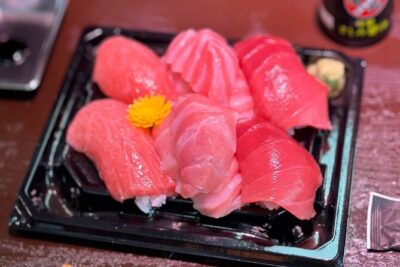
Tokyo Sushi Making Class in Tsukiji with Professional Chef
Read our review →
Tsukiji Fish Market Guided Tour and Sushi Making with Pro Chef
Read our review →
Tsukiji Fish Market: Street Food & Culture Walking Tour
Read our review →
Tsukiji Fish Market Small-Group Food Walking Tour
Read our review →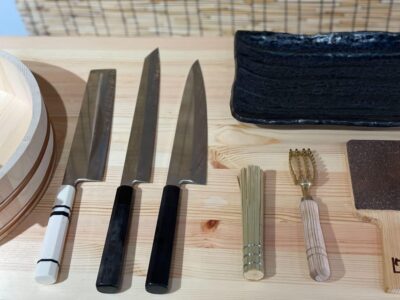
Tsukiji Fish Market Sushi Making Class with Pro Chef
Read our review →