Review · JAPAN
Tokyo: Guided Walking Tour of Tsukiji Market with Breakfast
Tokyo eats early. That is part of the fun. This 150-minute walk brings you into Tsukiji Outer Market for a breakfast of seven Japanese specialties, with a guide helping you understand what you are seeing and tasting. I especially like the mix of market food and cultural context, plus the visit to Tsukiji Hongwanji Temple before the crowds and stalls take over your attention.
I also like the small-group format, limited to 10 people. Guides such as Yumi, Nori, Minoko, and Rico have been praised for answering questions, translating with vendors, and adjusting tastings for picky eaters. The main drawback is that some guides may be harder to understand in English, and the market can feel crowded, noisy, and fast-moving.
Key points at a glance
- Seven breakfast tastings: Try items such as grilled seafood or beef skewers, Japanese omelette, tuna sandwiches, fish paste, tea, dashi stock, and a drink.
- A useful first stop: Tsukiji Hongwanji Temple gives you a quick look at the religious and architectural setting behind Japanese food traditions.
- Guided market navigation: Your guide leads you through shops, stalls, restaurants, and working wholesale areas that can be confusing on your own.
- Flexible food choices: Guides can adjust some tastings if you do not eat a particular ingredient or simply do not want to try it.
- Convenient location: The meeting point is about 50 meters from Tsukiji Station’s Hibiya Line Exit A1.
- Good for a first Tokyo breakfast: The tour ends early enough for you to keep exploring Tsukiji Outer Market afterward.
Starting at Tsukiji Hongwanji Temple
The tour begins in front of Tsukiji Hongwanji Temple, an easy meeting point if you arrive by subway. From Tsukiji Station on the Hibiya Line, take Exit A1, turn left, and look for the temple entrance about 50 meters away.
That simple meeting point matters in Tokyo. Stations can have several exits, and a food market is not the best place to search for a guide while hungry and disoriented. You should still arrive with enough time to find the correct exit and gather outside the temple.
The temple itself is more than a landmark used for meeting up. Its exterior has an unusual ancient Indian-inspired Buddhist design, giving you a very different first impression from the standard Japanese temple image many visitors expect. The tour includes time to admire the building from outside and learn about the connection between Japanese religion, culture, and cuisine.
This opening also gives the tour some balance. It is not only a food crawl. You begin with a cultural frame, then see how that setting connects with ingredients, preparation, and eating customs in the market.
More Fish Market Tours in Japan
- Tokyo Tsukiji Fish Market Food and Culture Walking Tour
★ 5.0 · 3,184 reviews - Tokyo: Tsukiji Fish Market Food and Walking tour
★ 5.0 · 1,724 reviews - Tokyo: Tsukiji Fish Market Guided Walking Tour
★ 4.9 · 1,397 reviews
Walking into Tsukiji Outer Market
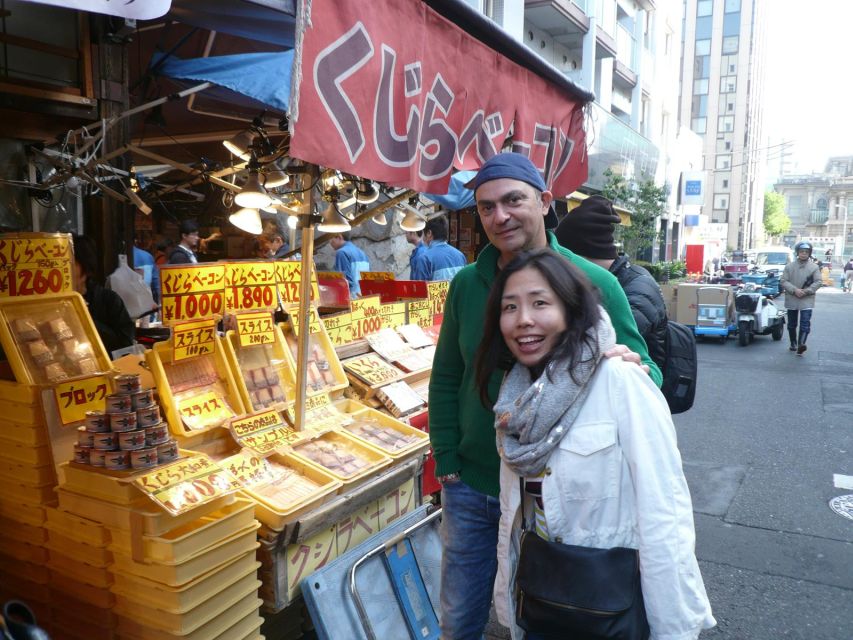
From the temple, you head into Tsukiji Outer Market, an area packed with food shops, restaurants, stalls, and businesses connected with the market trade. The experience is active and practical. You are not simply looking at displays. You are watching workers handle products, serve customers, and keep business moving.
A guide is useful here because the market can feel like a maze. You might pass unusual seafood, prepared foods, cooking supplies, and small places selling items you would not recognize. The guide can explain what you are looking at and help with communication when you want to buy something beyond the included tastings.
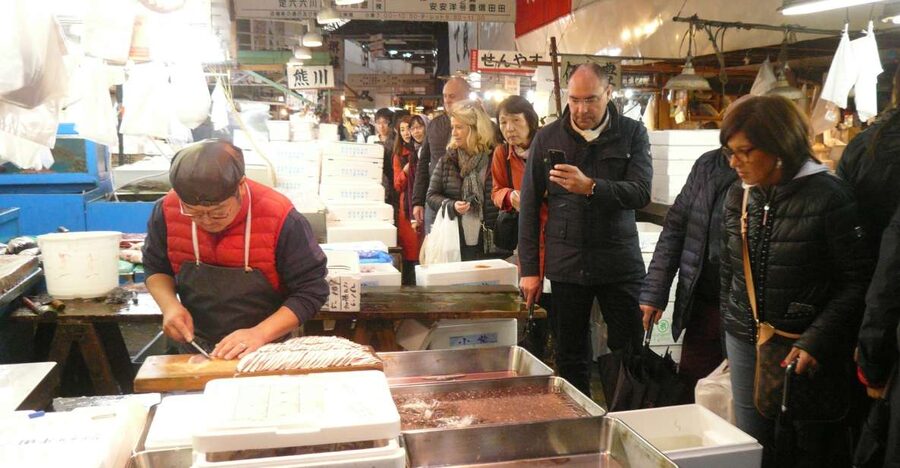
The tour also takes you near expert wholesalers busy at work. That is one of the more worthwhile parts of the experience because it shows the market as a working food center, not just a sightseeing stop. You should be respectful, keep moving when asked, and remember that many people are there to do business.
The market is popular, so expect people around you. The pace may slow near well-known stalls or narrow passages. Comfortable shoes are essential, and you should avoid bringing anything that makes walking or standing awkward.
What you actually eat during the 150 minutes
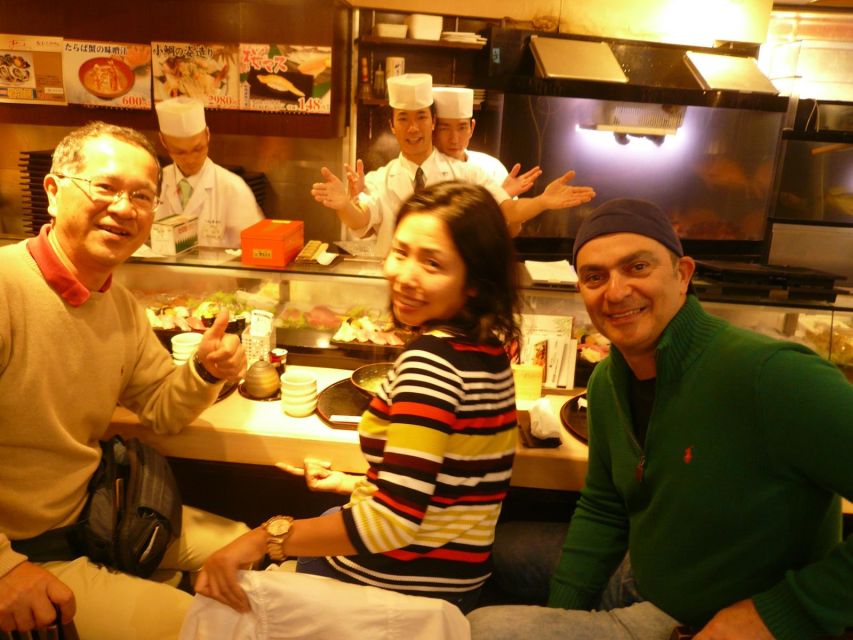
The seven tastings give the tour its main value. Instead of paying for one large meal, you sample several small portions across different food categories. That lets you try more without having to guess what to order at every stall.
The listed tastings include:
- Grilled seafood or beef skewers
- A Japanese-style omelette
- Tuna sandwiches
- Fried fish paste skewers
- A drink
- Japanese tea
- Dashi soup stock
Reviews also describe tastings such as barbecue, mochi, and onigiri, so the exact selection may vary with availability and the guide’s choices. That variation is normal in a working market. You should not expect a fixed restaurant menu served in a fixed order.
The skewers are a good introduction to the market because they are easy to eat while walking. Depending on the day, you may receive seafood or beef, and some guests have especially enjoyed wagyu beef. The Japanese omelette gives you a softer, sweeter contrast to grilled items.
Tuna sandwiches may sound less traditional than sushi, but they show how Japanese shops adapt familiar foods to local tastes. Fried fish paste skewers offer another texture and flavor, while dashi lets you taste the savory stock that forms the base of many Japanese dishes.
The drink and tea help break up the food. You may also appreciate the pause, since seven tastings over a morning can add up quickly. One important tip: arrive hungry. Several people have found the amount of food generous, and you may have little appetite for a later breakfast.
Food flexibility for picky eaters
You are not required to eat every item. Guides have adjusted tastings for people who do not eat certain foods, and they may offer an alternative when possible. This is especially helpful for families, since one person may be eager to try raw or unfamiliar foods while another is more cautious.
That flexibility seems to be one of the tour’s strongest practical features. Guides have also helped explain choices to vendors, so you can better understand what you are ordering instead of pointing at a mystery skewer and hoping for the best.
Still, the tour is built around tasting market foods. If you have serious allergies, strict dietary requirements, or a very limited diet, you should confirm what can be accommodated before booking. The provided information does not promise a specific allergy-free menu or vegetarian menu.
More Fish Market Tours in Tokyo
- Tokyo Sushi Making Class in Tsukiji with Professional Chef
★ 5.0 · 1,177 reviews - Tsukiji Fish Market Guided Tour and Sushi Making with Pro Chef
★ 5.0 · 775 reviews - Tokyo: Tsukiji Fish Market Food and Culture Walking Tour
★ 4.7 · 757 reviews - Tsukiji Fish Market: Street Food & Culture Walking Tour
★ 5.0 · 669 reviews
How the guides shape the experience
The guides are not just there to lead the route. Their biggest job is to make the market easier to read. They explain cultural details, help you communicate with vendors, wait in lines while the group looks around, and suggest other places to eat or shop afterward.
Names praised in the feedback include Yumi, Nori, Minoko, Rico, and other guides who worked in pairs. Yumi was singled out for guiding the group efficiently through the busy market and arranging tastings at points of interest. Nori was also praised for being a friendly companion and helping with the return to a hotel.
Guide quality can vary, as it does on any tour with several staff members. Most comments describe the guides as friendly, helpful, and well informed. One recurring concern is English clarity. If your guide speaks quickly or has a strong accent, you may need to ask for something to be repeated.
The small group helps. With no more than 10 people, you have a better chance to ask questions than on a large coach-style outing. Some departures have ended up being private or nearly private, although you should not book expecting that every time.
Why the cultural explanations matter
Tsukiji is easy to treat as a breakfast stop. You arrive, eat, take photos, and leave. The temple visit and explanations about religion and cuisine give the morning more meaning.
Dashi, tea, fish, rice, and prepared foods are not random menu items. They connect to everyday Japanese cooking and to the way food is presented and shared. A guide can point out those connections while you are tasting them, which is more useful than reading a short label after the fact.
The temple also provides a visual contrast to the market. You move from a quiet religious building to a crowded commercial area, then see how both belong to the same neighborhood. That contrast makes the morning feel like a small lesson in Tokyo rather than a string of food purchases.
You should not expect a long religious tour or an academic lecture. The temple stop is brief and viewed from the exterior. But for a two-and-a-half-hour food walk, the amount of cultural context is a welcome addition.
Value at $85 per person
At $85 per person, this is not the cheapest way to eat breakfast in Tokyo. If you are comfortable ordering on your own and already know Tsukiji, you can spend less by choosing a few items independently.
The price makes more sense if you value guidance. You are paying for seven tastings, an English-speaking guide, help with vendors, market orientation, cultural explanations, and the convenience of moving through a busy area without planning every stop yourself.
The food is only part of the calculation. A guide may save you from ordering something you do not want, help you understand what is available, and point out products you might otherwise walk past. The small group also gives the experience a more personal feel than a large organized outing.
I see the strongest value for first-time visitors to Tokyo, families, and anyone who wants to sample many foods without committing to full portions. It is less compelling for a serious food expert who already knows the market and prefers to set a private route.
The rating of 4.4 from 134 reviews suggests a consistently positive experience, though not a perfect one. The main points to weigh are the guide’s English clarity, the crowded market setting, and the fact that food choices may change.
Timing, walking, and practical comfort
The tour lasts 150 minutes, so you will be on your feet for much of the morning. Wear comfortable shoes, especially if you plan to continue exploring the market afterward.
The early finish is useful. You can stay in Tsukiji after the guided portion, revisit a shop, buy something to take away, or continue to another Tokyo attraction. The tour does not take up a full day, and that makes it easy to fit into a wider itinerary.
The meeting point is close to the subway, but you should pay attention to the station exit. Tokyo’s underground stations can be confusing, and arriving late can be a problem. One person missed the start after arriving late, so plan a buffer rather than aiming to reach the temple at the exact meeting time.
The tour is listed as wheelchair accessible. Still, the market includes busy public streets and crowded passages, so you may want to confirm the exact route and conditions if you have specific mobility needs.
Free cancellation is available up to 24 hours before the start time, and you can reserve now and pay later. Those terms help if your Tokyo schedule is still shifting, but check the booking details for the departure time you select.
Who should book this Tsukiji tour?
I would recommend it most strongly to:
- First-time visitors who want an easy introduction to Tsukiji
- People who enjoy trying several small foods rather than one large meal
- Families with mixed levels of food curiosity
- Visitors who want help translating with vendors
- Anyone interested in the connection between food, religion, and daily life
- Solo visitors who prefer company while navigating a busy market
You may want to skip it if you dislike eating while walking, have strict dietary needs, or prefer a quiet sit-down breakfast. It may also feel repetitive if you have already spent a lot of time in Tsukiji and know which stalls you want to visit.
For most people, the biggest benefit is not any single skewer. It is the combination of access, explanation, and low-stress navigation. You get a taste of the market, then remain free to explore on your own.
Should you book the Tsukiji breakfast walk?
Book this tour if you want to start a Tokyo day with food, local context, and a guide who can make the market less confusing. The seven tastings are varied, the temple adds cultural depth, and the small group allows for personal help.
I would book it early in your Tokyo stay. The guide can give you ideas for later meals, show you foods you may want to try again, and help you understand the market before you return independently.
I would not choose it solely for the promise of a private tour or a fixed menu. Group size and tastings can vary, and English communication may not be perfect. But at $85, it is a fair choice if you value convenience and want to taste widely without doing all the research yourself.
FAQ
Where does the Tsukiji market tour meet?
The meeting point is in front of Tsukiji Hongwanji Temple. From Tsukiji Station on the Hibiya Line, take Exit A1 and turn left. The temple entrance is about 50 meters from the station.
How long does the tour last?
The tour lasts 150 minutes, or two and a half hours.
How many people can join the tour?
It is a small-group tour limited to 10 participants.
What language is the tour offered in?
The live guided tour is offered in English.
What food is included?
The tour includes seven tastings. These include grilled seafood or beef skewers, Japanese-style omelette, tuna sandwiches, fried fish paste skewers, a drink, Japanese tea, and dashi soup stock. The exact selection may vary.
Is the tour suitable for wheelchair users?
The activity is listed as wheelchair accessible.
What should I bring?
Bring comfortable shoes because the experience involves walking through the market.
Can I cancel the booking?
You can cancel up to 24 hours in advance for a full refund. You can also reserve now and pay later.
More Market Walking Tours in Tokyo
- Bangkok: City Highlights Temple and Market Walking Tour
★ 4.5 · 3,990 reviews - Marrakech: Ben Youssef, Secret Garden, & Souks Walking Tour
★ 4.6 · 2,802 reviews - Marrakech: Colorful Medina Souks Guided Walking Tour
★ 4.7 · 2,470 reviews - Air Raid Shelter + St. Nicholas Market Walking Tour
★ 5.0 · 1,950 reviews
More Market Walking Tours in Japan
- Tsukiji Fish Market Small-Group Food Walking Tour
★ 5.0 · 621 reviews - Tsukiji Fish Market: Street Food & Culture Walking Tour
★ 4.8 · 259 reviews - Tokyo: Tsukiji Market Walking Tour & Sushi Cooking Class
★ 4.6 · 122 reviews - Tokyo: Guided Walking Tour of Tsukiji Market with Lunch
★ 4.4 · 24 reviews
Just added around Tokyo
- Tokyo: Private Tsukiji Street Food & Sake with Local Guide★ 5.0 · 3 reviews
- Tokyo: Tsukiji Market Guided Tour & Sushi-Making Experience★ 4.4 · 11 reviews
- Tokyo: Tsukiji Market and Hama-rikyu Gardens Guided Tour★ 4.8 · 73 reviews
- Tokyo: Tsukiji Fish Market Culture Tour with Sashimi Tasting★ 4.6 · 54 reviews
- Tokyo’s Kitchen: Tsukiji Market Food & Culture Walk★ 4.7 · 74 reviews
- Tokyo: Tsukiji Fish Market Foodie and Educational Tour★ 5.0 · 4 reviews
- Tokyo : Tsukiji Fish Market Food Walking & Shrine Visit Tour★ 5.0 · 3 reviews
- Tokyo: Guided Walking Tour of Tsukiji Market with Lunch★ 4.4 · 24 reviews
Fish Market Tours, compared.
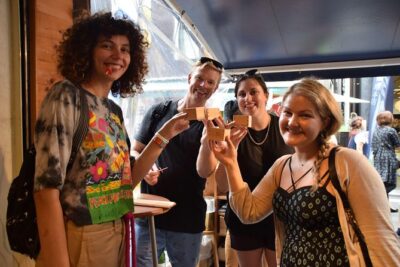
Tokyo Tsukiji Fish Market Food and Culture Walking Tour
Read our review →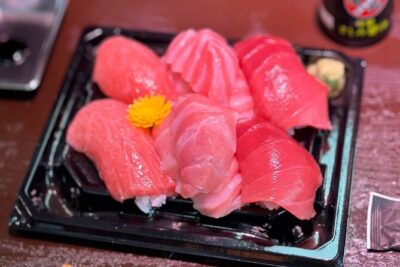
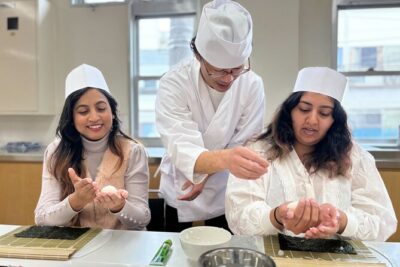
Tokyo Sushi Making Class in Tsukiji with Professional Chef
Read our review →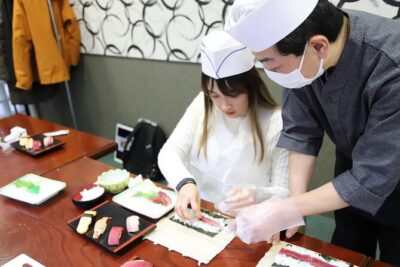
Tsukiji Fish Market Guided Tour and Sushi Making with Pro Chef
Read our review →Tsukiji Fish Market Food and Culture Walking Tour
Read our review →
Tsukiji Fish Market: Street Food & Culture Walking Tour
Read our review →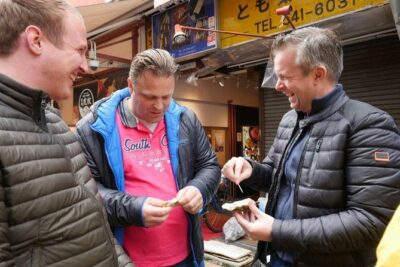
Tsukiji Fish Market Small-Group Food Walking Tour
Read our review →