
Review · JAPAN
Tokyo: Tsukiji Fish Market Sushi Making Class with Pro Chef
Fresh fish, steady hands, happy mistakes. This Tsukiji sushi class puts you in a traditional Japanese room near the heart of Tokyo’s outer fish market, where a professional sushi master teaches nigiri, maki, and fish preparation. I like the direct access to Tsukiji and the chance to use proper knives, tableware, and market ingredients rather than a simplified tourist kit. I also like the warm English-speaking support, with hosts such as Yuko, AJ, Satoko, and Micky helping make the instructions easy to follow.
The main thing to consider is that this is a practical introduction, not professional chef training. The class may also run past its planned finish, and the room is on the third floor of a traditional building with stairs only. You will need to tell the operator about allergies in advance, and vegetarian, vegan, halal, kosher, and gluten-free requests cannot generally be accommodated.
Key points at a glance
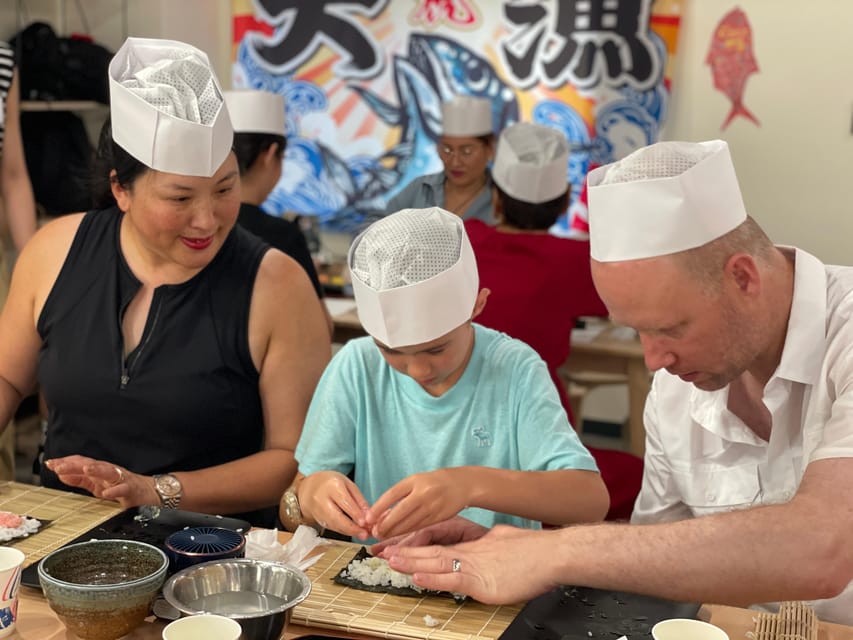
- You make five pieces of sushi: Four kinds of nigiri and one maki roll are included, along with additional sushi prepared by the chef.
- A real sushi master leads the lesson: You watch fish preparation, learn about Japanese knives, and get step-by-step help shaping your sushi.
- The setting is right in Tsukiji: You can explore the outer market before or after class, though market guidance depends on the option booked.
- English support keeps the class moving: Hosts interpret the chef’s instructions and explain sushi customs, ingredients, and technique.
- The class suits families and beginners: Children under four cannot join, but several families have enjoyed it with children around school age and older.
- The price is reasonable for a hands-on meal: At $63 per person, you receive instruction, ingredients, your own sushi, extra sushi from the chef, tea, soup, and a hat.
Why Tsukiji is a fitting place to learn sushi
Tsukiji is more than a backdrop for photographs. The outer market remains one of Tokyo’s best places to see seafood shops, prepared foods, kitchenware, and small places serving breakfast and lunch. Holding a sushi lesson here gives the food some context. You are not simply rolling rice in a classroom far from the source.
The class takes place in a local Japanese-style building in the center of the outer market. The room is on the third floor, reached by stairs. That detail matters. The setting sounds charming and traditional, but it will not work for wheelchair users or anyone who has trouble with stairs.
You may book an option that includes a walk through the market, or you may have a class-only format. The meeting point can vary, so check your selected option carefully. Market guidance is not included in every version, and you should not assume that a guide will escort you around Tsukiji unless your booking says so.
If you arrive early, give yourself time to explore the market on your own. If you visit after class, your sushi meal will help you recognize the fish, tools, and food customs you have just discussed. Either way, the location makes this easy to pair with a morning or midday visit to Tsukiji.
More Fish Market Tours in Japan
- Tokyo Tsukiji Fish Market Food and Culture Walking Tour
★ 5.0 · 3,184 reviews - Tokyo: Tsukiji Fish Market Food and Walking tour
★ 5.0 · 1,724 reviews - Tokyo: Tsukiji Fish Market Guided Walking Tour
★ 4.9 · 1,397 reviews
Meeting the host and sushi master
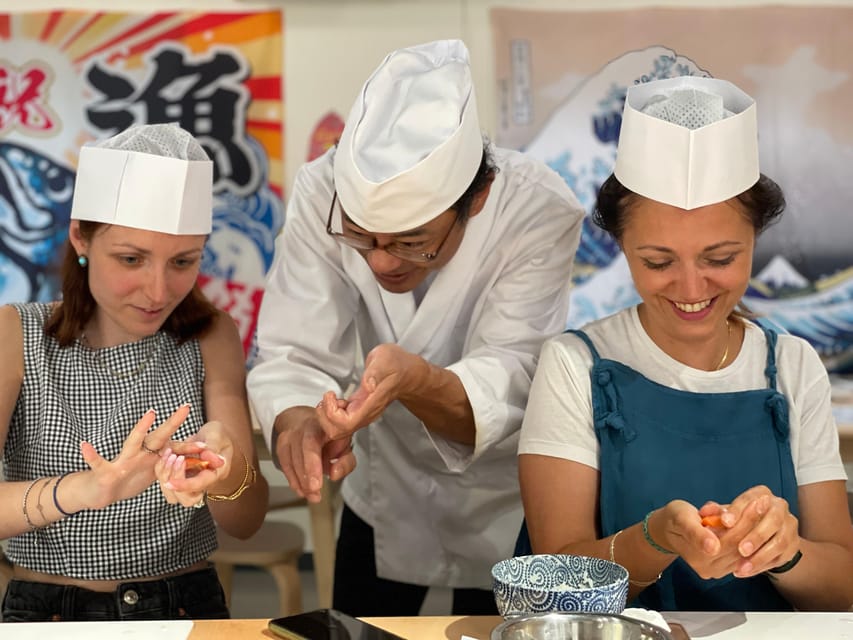
The English-speaking host is an important part of the experience. The chef may demonstrate technique in a mixture of Japanese and English interpretation, while the host fills in the cultural details and checks that everyone is keeping up.
The names vary by session. Past classes have included hosts and guides such as Yuko, AJ, Satoko, Shoko, Ike, Tack, Micky, and Kayo, with chefs including Tanaka, Kate, Koro, Kana, and Ishii. The repeated praise for the hosts centers on patience, clear explanations, and a friendly tone. That is useful for a hands-on class, because sushi shaping looks simple until you try it.
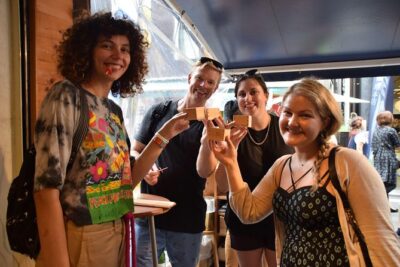
Small groups make a difference here. One session had six people, which allowed everyone to hear, ask questions, and receive personal corrections. Group size can vary, so I would not promise an intimate class every time, but the experience is designed around participation rather than watching from the back of a large room.
The atmosphere also seems suitable for families. Children under four are not allowed, and very young children may struggle with the quiet attention needed for knife and food handling. Older children who can listen and follow instructions should find plenty to enjoy. Families have taken part with children around nine, ten, and thirteen, and one child even received an origami creation from a staff member.
The fish preparation demonstration
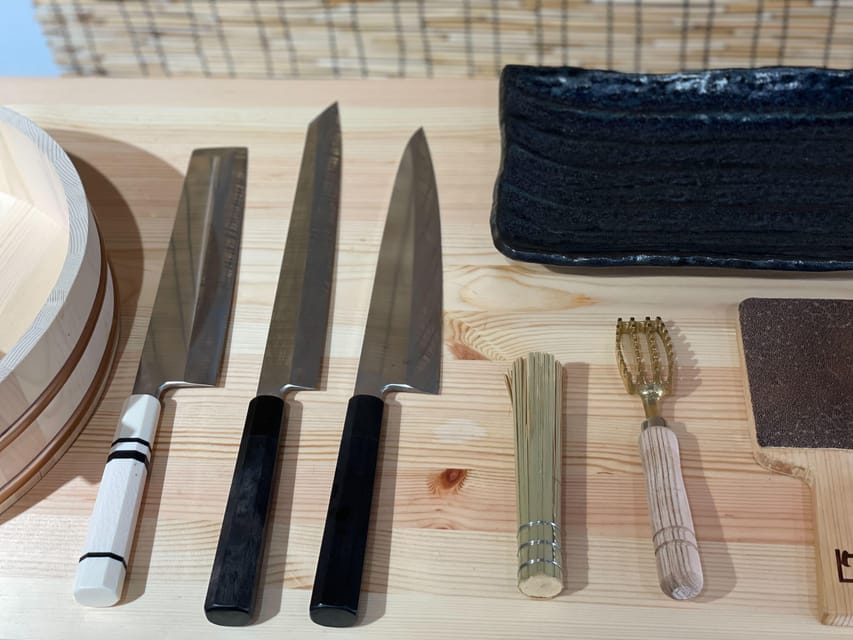
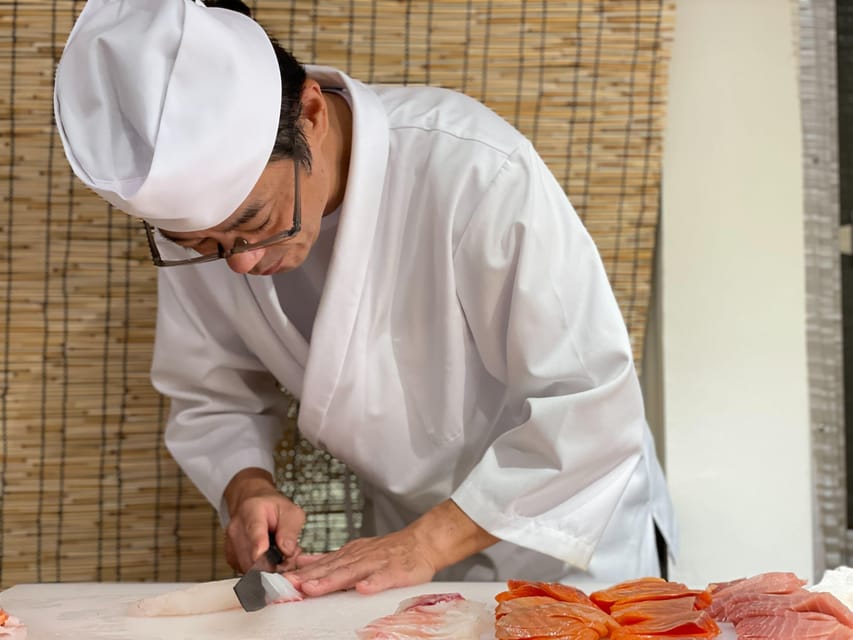
The first major lesson is a fish disassembly demonstration. The chef shows how a fish is prepared for sushi and sashimi, explaining the sequence of cuts and the role of Japanese knives.
This is one of the most valuable parts of the class because it shows what happens before a piece of fish reaches your plate. You see that sushi is not just rice, fish, and a dab of wasabi. Clean cuts, suitable knife technique, and careful handling all affect the final texture.
You will not simply watch a performance and then leave. The chef explains the process in a way beginners can follow, and some sessions include a chance to learn how to cut sushi or sashimi. The demonstration is especially useful if you enjoy food markets but have never understood the work behind a neat slice of sashimi.
Knife handling deserves attention. The class includes proper utensils, but that does not mean you should treat the knives casually. Listen carefully, copy the chef’s movements, and let the instructor correct you. This is a cooking lesson, not a race to produce the prettiest plate.
Making four nigiri and one maki
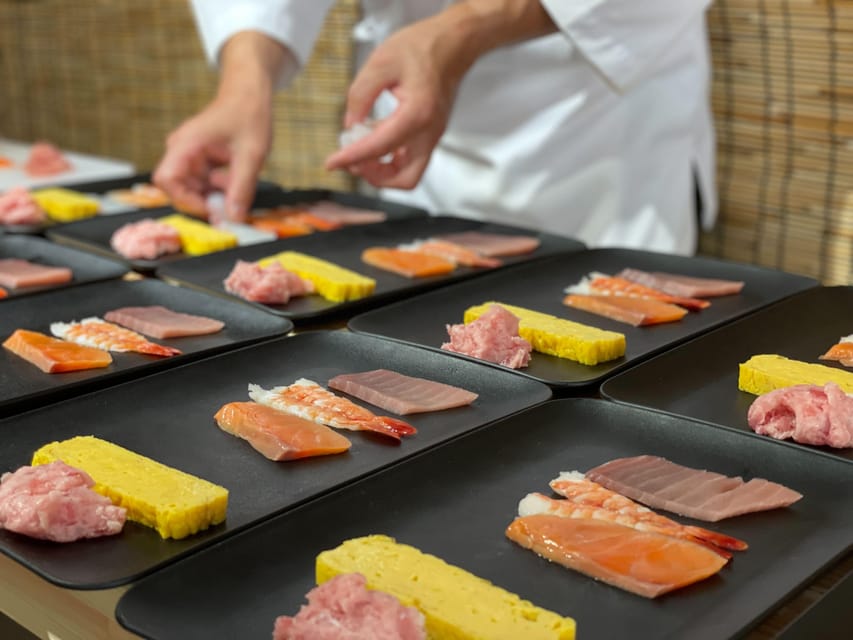
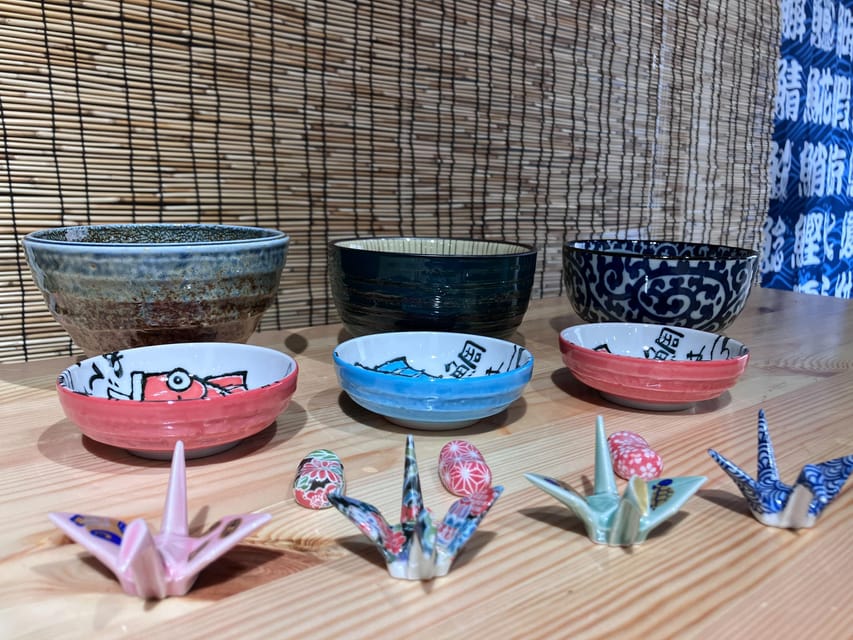
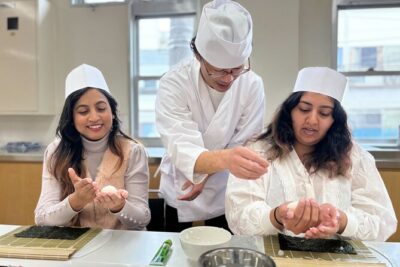
After the demonstration, the focus shifts to sushi itself. You learn what defines sushi, how to handle the rice, how to place the fish, and how to form nigiri. You also make one maki sushi roll, giving you two different styles to practice.
The included food is four different nigiri sushi and one maki sushi. That is enough variety to keep the lesson interesting without turning it into a rushed production line. You make the sushi yourself, then eat it, so the process has an immediate reward.
Nigiri looks spare, which can fool you into thinking it will be easy. The shape, pressure, rice portion, and placement of the topping all matter. A good chef can form a piece in seconds. You will be slower, and that is the point. The class lets you feel how much control goes into the chef’s quick movements.
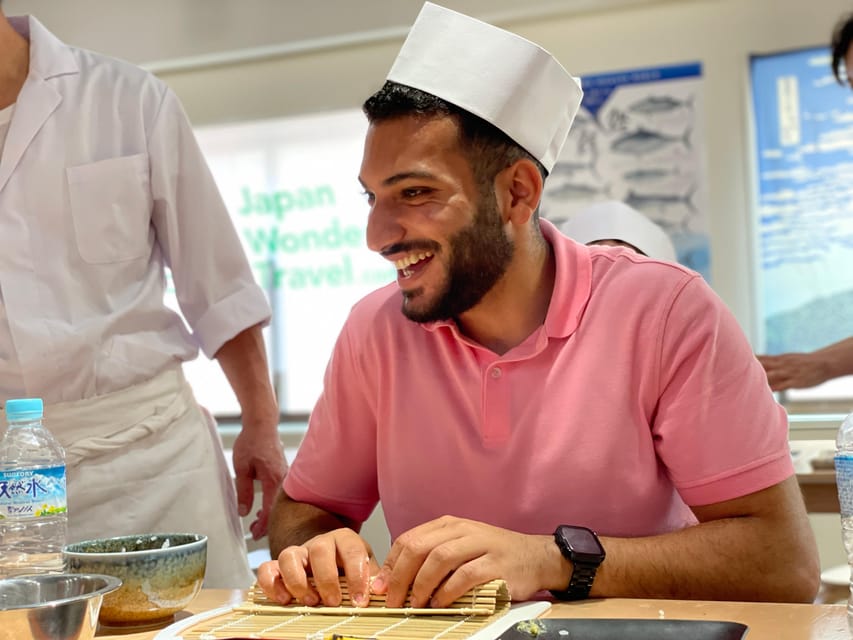
The maki roll offers a more familiar entry point. You work with the filling and seaweed, then learn how to roll and cut it. Even if your first pieces are uneven, you will leave with a clearer idea of why restaurant sushi looks so tidy.
The host and assistants guide you as you work. Several sessions have been praised for giving each person room to ask questions and get feedback. That makes this more useful than a demonstration where you watch a chef and try to remember every step later.
More Fish Market Tours in Tokyo
- Tokyo Sushi Making Class in Tsukiji with Professional Chef
★ 5.0 · 1,177 reviews - Tsukiji Fish Market Guided Tour and Sushi Making with Pro Chef
★ 5.0 · 775 reviews - Tokyo: Tsukiji Fish Market Food and Culture Walking Tour
★ 4.7 · 757 reviews - Tsukiji Fish Market: Street Food & Culture Walking Tour
★ 5.0 · 669 reviews
Eating your sushi with tea and dashi soup
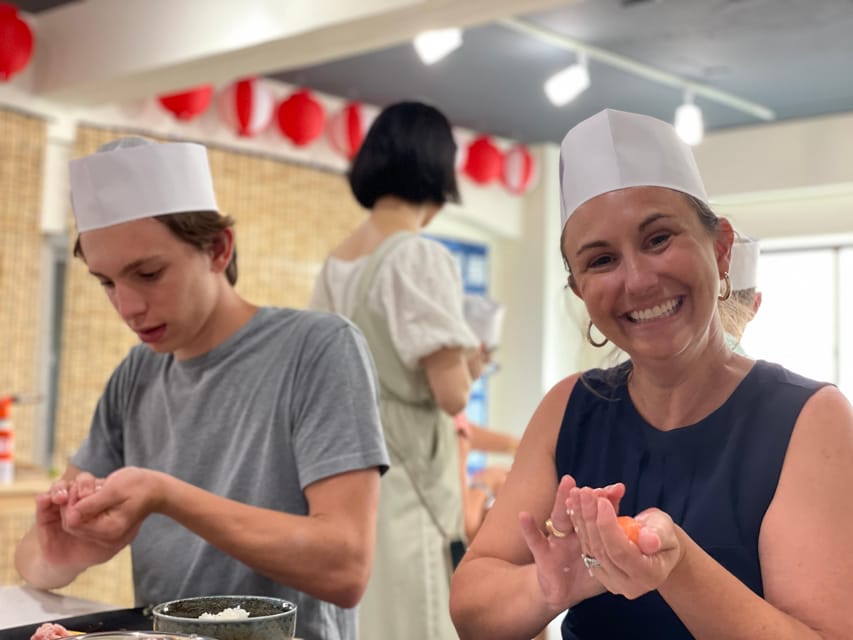
Once your pieces are ready, you eat what you made. The meal includes additional sushi prepared by the master, plus traditional dashi soup and green tea.
The chef’s sushi gives you a useful comparison. You can look at your piece beside the professional version and see the difference in shape, rice handling, and speed. The chef also prepares wasabi, described as fresh and expertly handled, so you get to taste the condiment in a more traditional setting.
The soup and tea keep the meal from feeling like a pile of samples. They also add a little Japanese table culture to the lesson. You may learn how to eat the sushi, how to handle the food, and why certain customs matter. One class included a blessing before eating, while others placed more emphasis on sushi history and manners.
Food quality is central to the value. The ingredients come from Tsukiji, and the sushi is prepared for you during the class. That does not make the experience a substitute for a high-end omakase meal, but it gives you something a restaurant cannot: the chance to handle the ingredients and understand the work behind your lunch.
If you do not normally eat raw fish, this may still be approachable, but you should disclose allergies before booking. The operator may be able to help with some allergy-related needs, but accommodation is not guaranteed.
What the $63 price really buys you
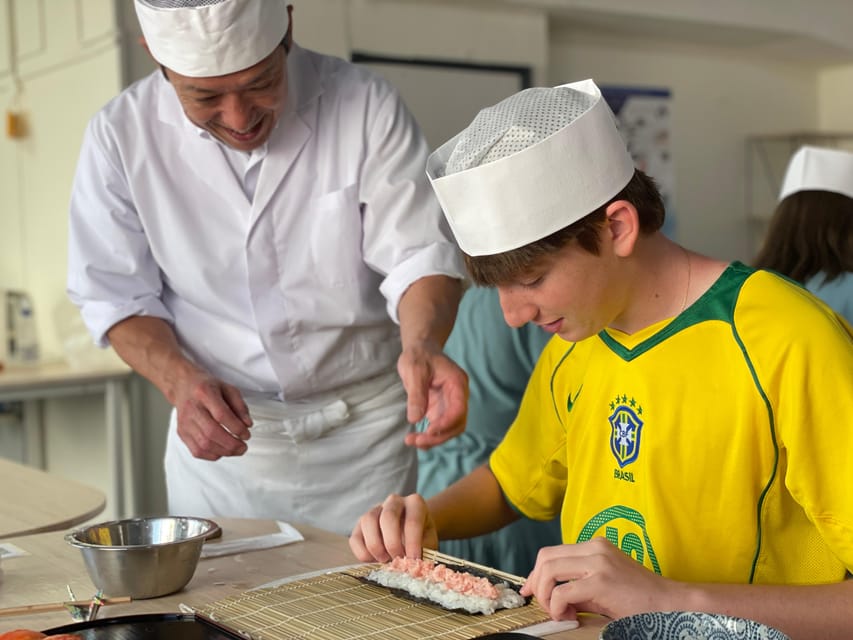
At $63 per person, this is not the cheapest food activity in Tokyo. It is also more than a quick sushi lunch. You are paying for a professional instructor, an English-speaking host, ingredients, proper utensils, tableware, five pieces of sushi that you make, more sushi from the chef, tea, soup, and a hat.
The value is strongest if you care about food technique or want an activity that teaches something. A restaurant meal gives you better speed and presentation. This class gives you participation, context, and a meal at the end.
The duration depends on the option, ranging from 90 minutes to four hours. The shorter version appears suited to the sushi lesson itself. Longer versions may include time around Tsukiji, so read the schedule before you book. The class can run beyond the planned ending, so avoid arranging a tight appointment immediately afterward.
The price also makes sense for a family or small group looking for one shared activity. Each person gets involved, and the meal is part of the lesson rather than an extra charge. Extra food and drinks are not included, so budget separately if you plan to keep eating around the market.
What I like most about the experience
I like the way the class connects sushi to place. You are using ingredients and utensils associated with Tsukiji, then eating in the same area where many visitors come to explore seafood and Japanese food culture.
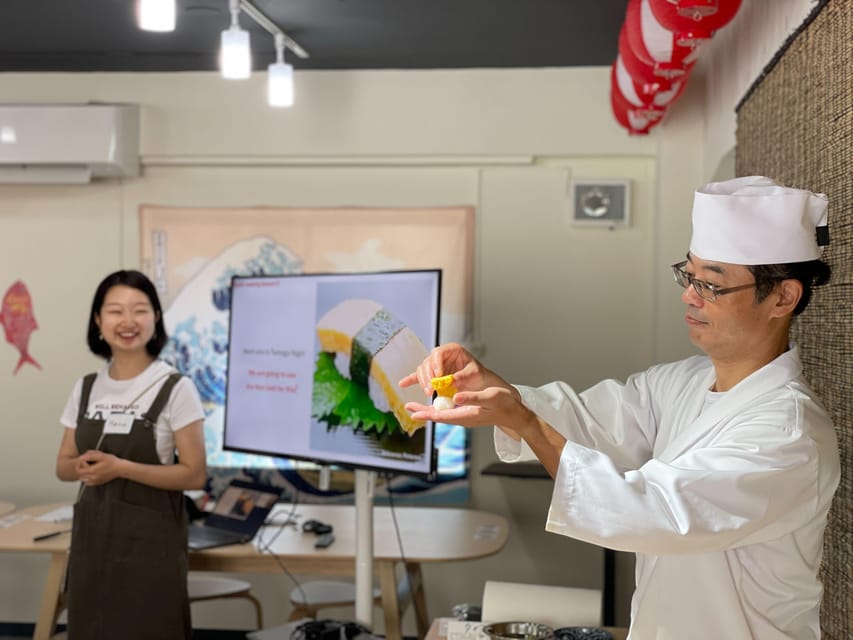
I also like the balance between demonstration and practice. The chef does not simply hand you a finished plate. You watch fish preparation, hear about knives, learn nigiri and maki, and then try the techniques yourself.
The English support is another strong point. Hosts such as Yuko, AJ, and Ike have been praised for making explanations clear and for helping people who were complete beginners. That matters because sushi instruction depends on small movements that are easy to miss.
The class also has a welcoming tone. Families, solo participants, couples, and groups of up to four people can all fit the format. A person who does not usually eat raw fish may find the guided introduction less intimidating than ordering an unfamiliar plate alone.
The limits you should know before booking
Do not book this expecting a full tour of Tsukiji unless your chosen option specifically includes one. The sushi workshop is the core activity. Market guidance is separate or option-dependent.
Diet is another firm limitation. The experience is not suitable for vegans or vegetarians, and halal, kosher, and gluten-free requests are not accommodated as standard. Allergy requests should be sent when you reserve, but the operator may not be able to alter every ingredient.
The stairs are not a minor detail for everyone. The classroom is on the third floor of a traditional building, with no elevator mentioned. Wheelchair users and people with mobility impairments should choose another activity.
Finally, this is a busy food lesson, not a quiet private meal. You will be handling food, watching demonstrations, listening to an interpreter, and working at your station. That energy suits curious beginners. It may not suit someone who wants a polished, leisurely sushi dinner.
Who should book this Tsukiji class?
I would recommend it to first-time visitors who want more than a market walk and more than a standard restaurant meal. It is especially good for sushi fans who want to understand the craft, families with attentive school-age children, and solo visitors who prefer a structured activity.
It is also a strong choice for people who enjoy taking new skills home. Several participants left feeling able to make sushi again, and the lesson covers enough basic technique to give you a useful starting point.
I would skip it if you need a fully accessible venue, require a strict vegetarian or vegan menu, or have a packed schedule that cannot absorb a late finish. I would also look elsewhere if you want advanced knife training or a serious professional course.
FAQ
Where does the sushi class take place?
It takes place in a traditional Japanese-style building on the third floor, in the center of Tokyo’s Tsukiji outer fish market.
How long does the experience last?
The available options range from 90 minutes to four hours. Check the starting times and duration for the option you choose.
What sushi will I make?
You will make four different nigiri sushi and one maki sushi.
Do I get to eat the sushi I make?
Yes. You eat the sushi you prepare, and the sushi master also makes additional sushi for you.
Is food included?
Fresh ingredients, your sushi, extra sushi from the chef, green tea, and dashi soup are included. Extra food and drinks are not included.
Is the class taught in English?
Yes. An English-speaking host interprets and guides the class, alongside the professional sushi master.
Is market guidance included?
It depends on the option booked. The sushi class is located in Tsukiji, but guidance through the market is not included in every option.
Can vegetarians or vegans join?
No. The activity is not suitable for vegans or vegetarians.
Can I request food substitutions for allergies?
You should report allergies when making your reservation. Allergy-related requests may be considered, but accommodation is not guaranteed.
Is the class accessible by wheelchair?
No. The classroom is on the third floor and can only be reached by stairs. The activity is not suitable for wheelchair users or people with mobility impairments.
Should you book it?
Book this class if you want a friendly, hands-on introduction to sushi in the place where Tokyo’s seafood culture is easy to see. The professional demonstration, English support, fresh ingredients, and chance to eat your own work give the $63 price solid value.
Before reserving, check the exact duration and meeting point, confirm if a market walk is included, and allow extra time after class. If stairs and raw seafood are not a problem, this is a practical and enjoyable way to make Tsukiji more than a quick photo stop.
Just added around Tokyo
- Tokyo: Private Tsukiji Street Food & Sake with Local Guide★ 5.0 · 3 reviews
- Tokyo: Tsukiji Market Guided Tour & Sushi-Making Experience★ 4.4 · 11 reviews
- Tokyo: Tsukiji Market and Hama-rikyu Gardens Guided Tour★ 4.8 · 73 reviews
- Tokyo: Tsukiji Fish Market Culture Tour with Sashimi Tasting★ 4.6 · 54 reviews
- Tokyo’s Kitchen: Tsukiji Market Food & Culture Walk★ 4.7 · 74 reviews
- Tokyo: Tsukiji Fish Market Foodie and Educational Tour★ 5.0 · 4 reviews
- Tokyo : Tsukiji Fish Market Food Walking & Shrine Visit Tour★ 5.0 · 3 reviews
- Tokyo Morning Tour: Meiji Shrine, Asakusa & Fish Market★ 4.9 · 44 reviews
Fish Market Tours, compared.
Tokyo Tsukiji Fish Market Food and Culture Walking Tour
Read our review →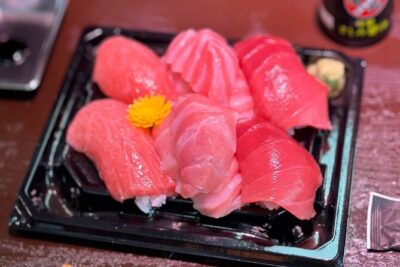
Tokyo Sushi Making Class in Tsukiji with Professional Chef
Read our review →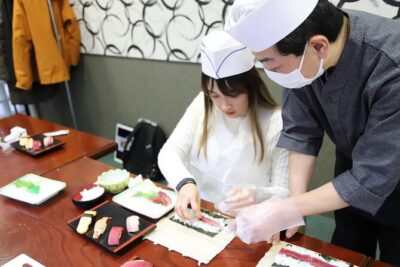
Tsukiji Fish Market Guided Tour and Sushi Making with Pro Chef
Read our review →Tsukiji Fish Market Food and Culture Walking Tour
Read our review →
Tsukiji Fish Market: Street Food & Culture Walking Tour
Read our review →
Tsukiji Fish Market Small-Group Food Walking Tour
Read our review →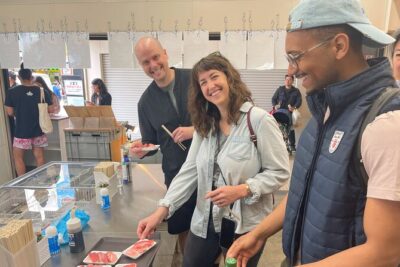
Tokyo Food Tour Taste Fresh Delights at Tsukiji Market
Read our review →Browse the lists this tour appears in