Review · JAPAN
Tokyo : Tsukiji Fish Market Food Walking & Shrine Visit Tour
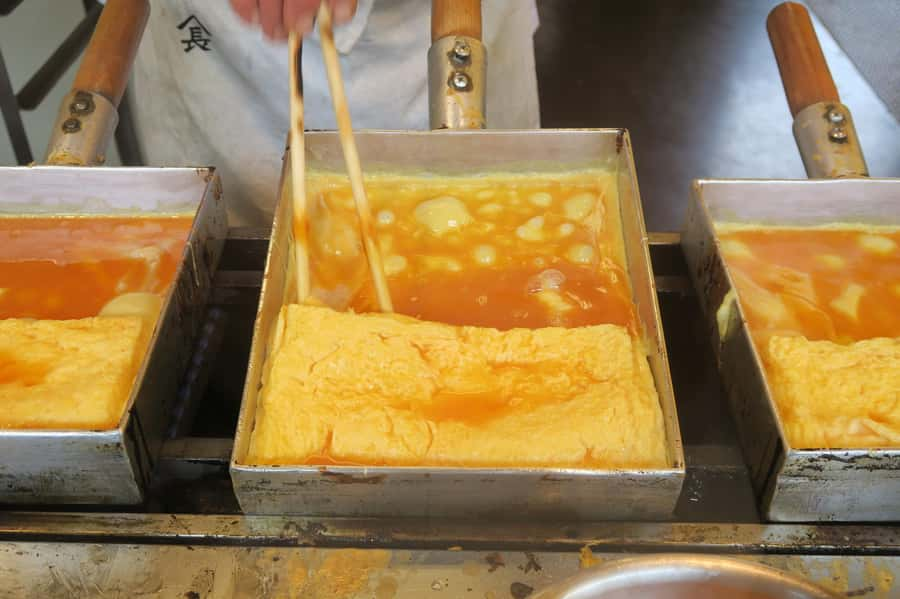
Tsukiji rewards an empty stomach. This two-hour walk combines fresh seafood and Wagyu tastings with market stories, Japanese tea, soup, fruit, and tamagoyaki. I like the small group size, limited to six, and I like that the tour includes a shrine visit rather than treating Tsukiji as only a place to eat.
The main consideration is the brisk schedule. You have 40 minutes in one market section, 30 minutes at Namiyoke Inari Jinja, and 50 more minutes around the market and fish wharf. The food lineup is generous, so go easy on breakfast. A January participant gave the same practical advice: arrive hungry.
Key points at a glance
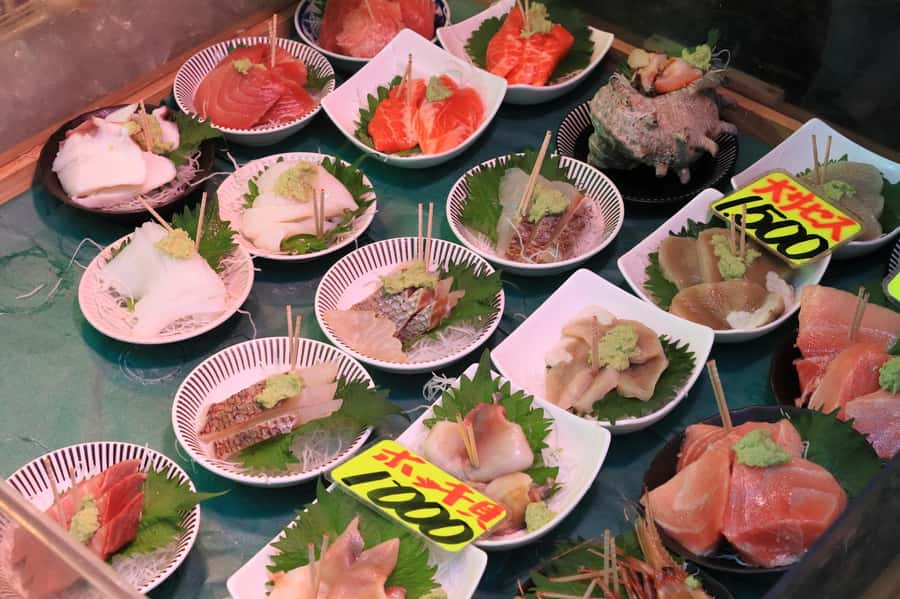
- Several tastings in one morning: Expect sashimi, premium Japanese beef, fruit, Japanese tea, umami soup, and tamagoyaki.
- A six-person limit: The small group makes it easier to ask questions and keep up in narrow market lanes.
- Two possible start times: Meet at 8:00 or 10:30 AM in front of Tsukiji Hongwanji Temple.
- A shrine lesson, not just a photo stop: At Namiyoke Inari Jinja, you learn the traditional way to worship at a Shinto shrine.
- A guide-led look at the fish wharf: The route includes time to observe how the fresh catch is handled.
- Good food planning matters: Lunch is not included, and the tastings may take the place of breakfast for some people.
Why Tsukiji Works So Well for a Food Walk
Tsukiji is a useful place to learn how food fits into daily life in Japan. The Outer Market is not simply a row of restaurants. It is a working food district, with shops and artisans connected to seafood, prepared dishes, produce, and traditional Japanese cooking.
That difference matters. Instead of ordering one meal and leaving, you sample several small tastes while moving through the market. The guide can point out what each shop does well and explain why particular ingredients matter. You get a broader picture of Tsukiji without having to guess which counters are worth your time.
I especially like the balance between eating and observing. The tour includes seafood sashimi, Wagyu, fruit, tea, soup with a strong umami flavor, and tamagoyaki, the sweet-savory rolled omelette found in many Japanese food markets. This is a wide range for two hours, and it gives you a useful introduction to flavors you may want to seek out later.
The food is not presented as a formal lunch. Think of it as a guided tasting walk. Portions and serving details are not specified, so you should not assume that every guest will receive a full meal. Still, the list is substantial enough that a heavy breakfast could be a mistake.
More Fish Market Tours in Japan
- Tokyo Tsukiji Fish Market Food and Culture Walking Tour
★ 5.0 · 3,184 reviews - Tokyo: Tsukiji Fish Market Food and Walking tour
★ 5.0 · 1,724 reviews - Tokyo: Tsukiji Fish Market Guided Walking Tour
★ 4.9 · 1,397 reviews
Meeting at Tsukiji Hongwanji Temple
The meeting point is the main gate of Tsukiji Hongwanji Temple. You meet the English-speaking guide there at either 8:00 or 10:30 AM, depending on the departure you select.
Starting at the temple gives the walk a clear landmark and a little cultural context before the food begins. It also avoids the confusion of trying to meet inside the market among signs, stalls, and narrow lanes. Look for the friendly English-speaking interpreter in front of the main gate.
The route returns to the same temple at the end. That is helpful if you want to continue sightseeing from a known point, though the tour does not include private transportation. You walk between the stops, so comfortable shoes make sense.
The group is capped at six people. That is one of the strongest practical features here. In a small group, you can hear explanations more easily, ask about ingredients, and stay close to the guide when the market gets crowded. A larger group would make tasting stops and narrow walkways less relaxed.
Forty Minutes Through Tsukiji Outer Market

The first market section lasts about 40 minutes and includes a guided walk, shopping time, visits, and photo stops. This is where the tour begins to show you how Tsukiji functions beyond its famous name.
The guide introduces the market through its shops, food sellers, and long-running craft traditions. You may see ingredients and prepared foods that are less familiar, but the tour is designed to make the experience approachable. The point is not just to look at displays. It is to taste selected foods and understand the work behind them.
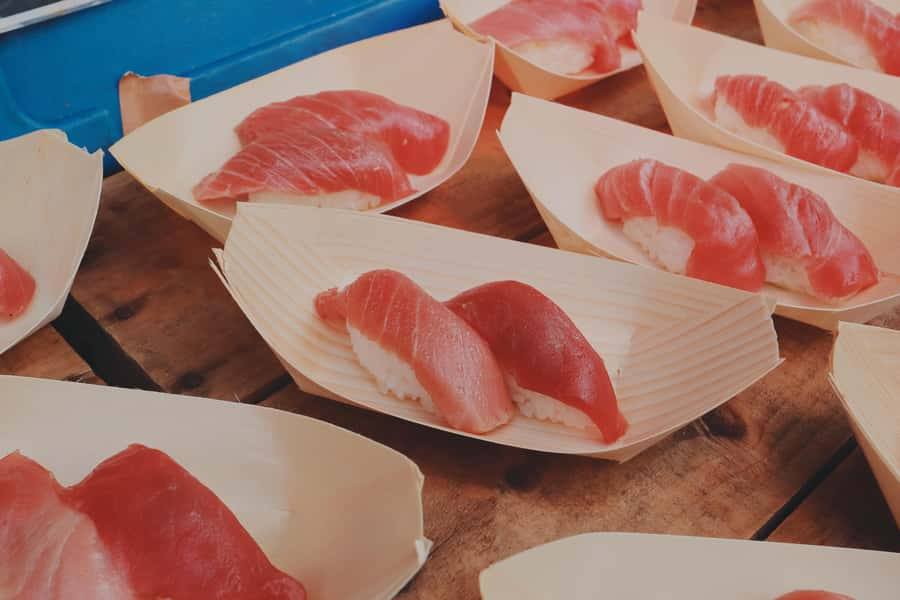
The seafood tasting is a major draw. Fresh sashimi gives you a direct sense of the market’s specialty, while the fish-wharf portion later adds useful context about how seafood is handled. These two parts work better together than either one would alone. First, you taste the finished product. Later, you observe the setting where the fresh catch is managed.
Wagyu adds a different note. Premium Japanese beef can be a memorable sample, but it is also one reason the $90 price needs to be judged as a package rather than as a simple walking tour. You are paying for several tastings, a guide, interpretation, and access to a carefully planned route.
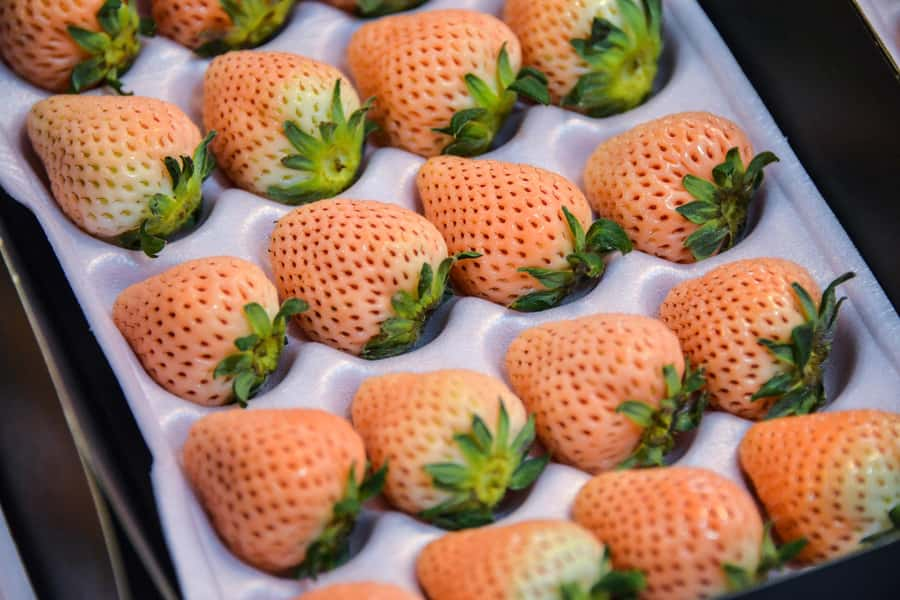
Fruit may sound less exciting beside sashimi and beef, but it helps round out the tasting. Japanese fruit is often valued for appearance, texture, and sweetness, and it gives your palate a break from savory foods. The included Japanese tea also helps pace the food rather than turning the morning into a rapid succession of rich bites.
Learning the Ritual at Namiyoke Inari Jinja
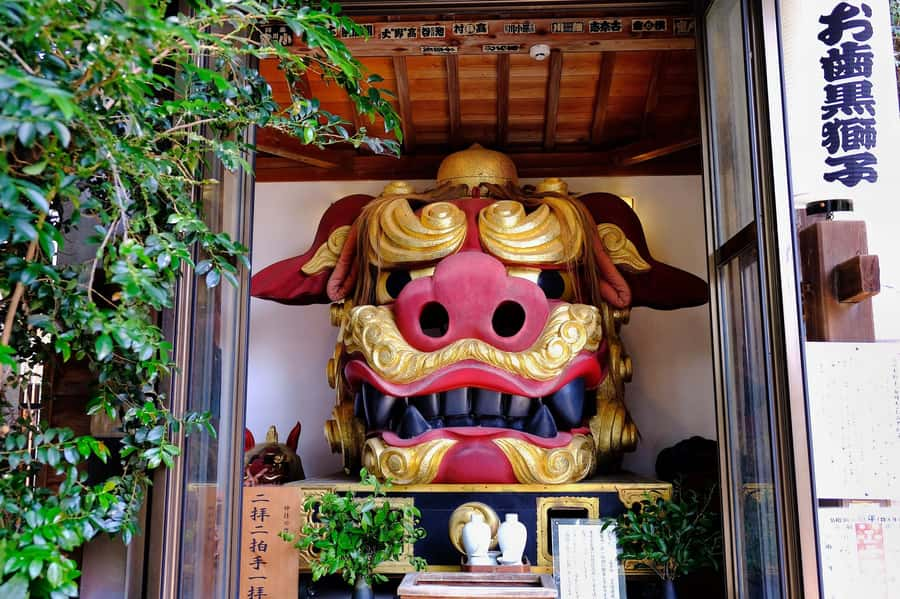
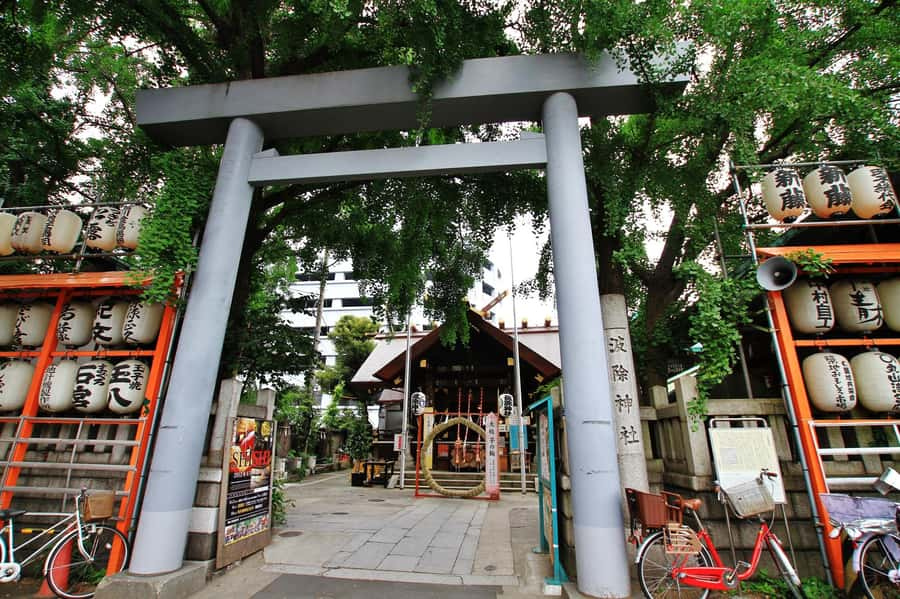
After the first market walk, the group visits Namiyoke Inari Jinja for about 30 minutes. This is more than a quick stop for a picture. The guide explains the myths connected with Japanese culture and shows you the proper way to pray at a Shinto shrine.
That lesson adds something many food tours miss. You learn how to behave at a sacred place, rather than treating the shrine as another backdrop. The visit also gives the tour a change of pace after the first round of tastings.
The shrine stop may be especially useful if you are new to Japan. You can ask questions about worship, etiquette, and the meaning of the setting in a relaxed way. The information provided does not promise a long historical lecture, so expect a practical introduction rather than a full religious studies class.
Thirty minutes is enough to learn the basic method and absorb the atmosphere without taking over the whole tour. If you prefer a tour focused only on eating, this pause may feel like a detour. For most people, though, it makes the experience feel more connected to Tokyo and less like a food crawl that could happen anywhere.
More Fish Market Tours in Tokyo
- Tokyo Sushi Making Class in Tsukiji with Professional Chef
★ 5.0 · 1,177 reviews - Tsukiji Fish Market Guided Tour and Sushi Making with Pro Chef
★ 5.0 · 775 reviews - Tokyo: Tsukiji Fish Market Food and Culture Walking Tour
★ 4.7 · 757 reviews - Tsukiji Fish Market: Street Food & Culture Walking Tour
★ 5.0 · 669 reviews
The Fish Wharf and the Second Market Visit
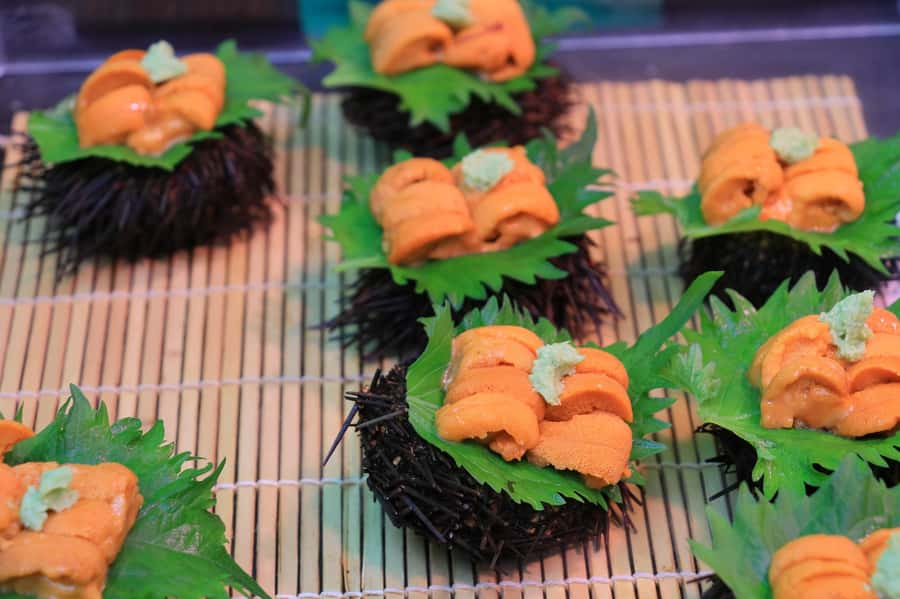
The route then returns toward the market for another 50 minutes. This section includes a visit to the fish wharf, where you observe how the fresh catch is handled. It is an important piece of the Tsukiji experience because it connects the market’s food stalls with the work that supplies them.
The wharf is not described as a hands-on activity, so you should expect to watch rather than participate. The value comes from seeing the working side of seafood distribution and understanding that the sashimi tasting is part of a larger chain of handling and preparation.
Back in the market, the guide takes you deeper into the food area. More tastings and visits give you time to compare different flavors and notice shops you might want to revisit on your own. This final stretch is also when the route becomes most useful as a planning tool for the rest of your Tokyo stay.
Pay attention to the names and locations of places that interest you. The tour ends back at Tsukiji Hongwanji Temple, but you may want to return to the market independently for a longer meal or more shopping. The walk gives you a first look. It does not attempt to cover every stall in Tsukiji.
What the Food Package Is Worth at $90
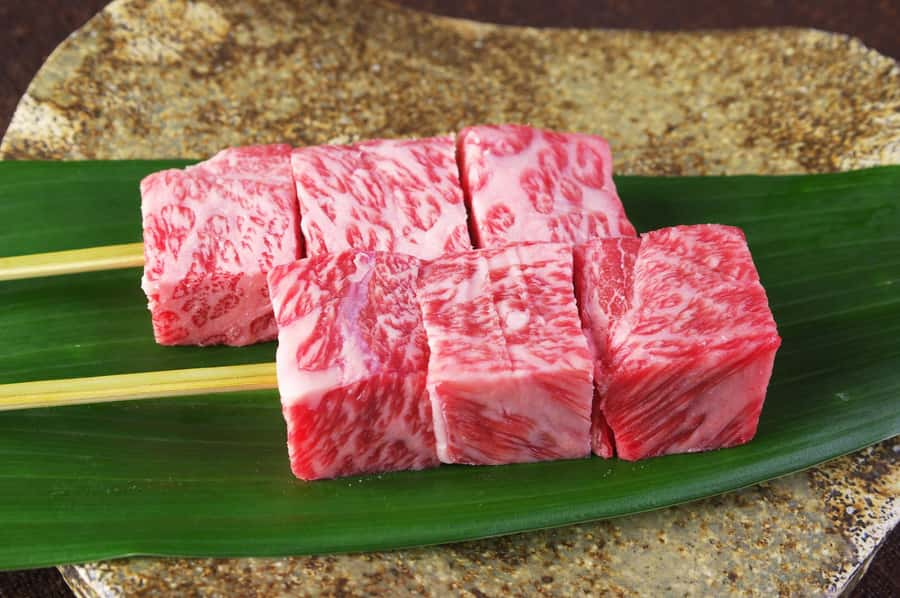
At $90 per person, this is not a bargain snack walk. The price makes more sense if you value a small group, an English-speaking guide, several premium tastings, shrine instruction, and a route that combines food with the working market.
The included items are:
- Fresh seafood sashimi
- Premium Japanese Wagyu tasting
- Japanese fruit
- Japanese tea
- Umami soup
- Tamagoyaki
- English-speaking guide
Wagyu and sashimi are the two headline foods, but the range is what gives the package its appeal. You are not paying for just one famous bite. You are sampling seafood, beef, fruit, soup, tea, and a traditional egg dish in one compact outing.
Lunch is not included. That is not necessarily a problem, since the tasting list is fairly full, but you should plan your day around it. The tour may leave you satisfied, or it may leave you ready for a proper meal, depending on portion sizes and your appetite. The activity description does not promise a set lunch.
I would judge the price favorably for a first visit to Tsukiji, especially if you want guidance and cultural explanation. If you already know the market well, speak Japanese, and prefer to choose every bite yourself, the value is less clear. You could spend less by wandering independently, but you would also lose the organized tastings and shrine lesson.
Guide Style and the Small Group Advantage
The strongest praise connected with this experience centers on the guide’s energy and ability to identify good things to try. Yuki, specifically, has been praised for highlighting the best tasting choices and explaining the market’s culture and past.
That is exactly the kind of guide you want here. Tsukiji can feel like a lot of information at once, with food shops, signs, aromas, and people moving in different directions. A guide who knows where to pause and what to taste can save you time and prevent the visit from becoming random snacking.
The group limit of six supports that style. You should be able to hear the guide and ask about foods that catch your eye. It also keeps the tasting process more manageable than a large coach-style group.
The tour is offered in English. The guide is described as friendly and able to interpret the market and shrine visit for English speakers. If you need a detailed answer about a particular food, tell the guide early, especially if you have dietary restrictions.
Allergies, Vegetarian Requests, and Timing
Meal customization is available for allergies, vegan guests, and vegetarian guests, but you must inform the operator in advance. Do not wait until the first tasting stop. The market route depends on food shops, so advance notice gives the guide a chance to prepare suitable choices.
The two-hour length is efficient, but it also means the route stays on schedule. Arrive at the correct meeting point before your chosen 8:00 or 10:30 start. The tour does not include private transportation, and the experience is built around walking.
The earlier start may suit you if you want a fuller morning in Tsukiji afterward. The later start may fit better with a slower morning, though you should still avoid a heavy breakfast. Since lunch is not included, consider how the tour fits with your next meal.
The cancellation terms are flexible: you can cancel up to 24 hours in advance for a full refund. You can also reserve now and pay later, which helps if your Tokyo plans are still shifting.
Who Should Book This Tsukiji Tour
I would recommend it to a first-time visitor who wants a guided introduction instead of a completely self-directed market visit. It is also a good match for food-focused people who want more than one dish and for curious visitors who appreciate learning shrine etiquette along the way.
The tour suits solo visitors and couples particularly well because the six-person cap keeps the experience personal. Families may also like the range of small tastings, though the supplied information does not specify a child policy.
You should think twice if you want a long, leisurely meal. This is a walking and tasting experience, not a sit-down lunch. You should also consider another plan if you dislike seafood, since sashimi and the fish wharf are central parts of the route.
If you have dietary needs, the option to customize food is useful, but advance notice is essential. Vegan and vegetarian guests are not excluded, yet the exact replacement dishes are not listed, so ask for confirmation before booking if your restrictions are strict.
Should You Book It?
Book this tour if you want Tsukiji organized for you, with a strong food lineup, a small group, and a cultural stop that adds meaning to the morning. The guide’s food recommendations, especially the praised work of Yuki, can make the $90 fee worthwhile for a first visit.
Skip it if you prefer to wander alone, eat a full restaurant meal, or control every purchase. For everyone else, the best strategy is simple: choose a start time, tell the operator about dietary needs, wear comfortable shoes, and arrive without a large breakfast.
FAQ
Where does the tour meet?
The meeting point is in front of the main gate of Tsukiji Hongwanji Temple in Tokyo.
What time does the tour start?
The tour offers starting times at 8:00 AM or 10:30 AM. You should check availability for your preferred time.
How long does the experience last?
The tour lasts two hours.
How many people are in the group?
The group is limited to six participants.
What language is the tour offered in?
The live tour guide speaks English.
What food is included?
The tour includes fresh seafood sashimi, Japanese fruit, Wagyu tasting, Japanese tea, umami soup, and tamagoyaki.
Is lunch included?
No. Lunch is not included in the activity.
Is transportation included?
No. Private transportation is not included. The experience is a walking tour that begins and ends at Tsukiji Hongwanji Temple.
Can the food be customized for dietary needs?
Yes. Meal options can be customized for allergies, vegan guests, and vegetarian guests. You need to inform the operator in advance.
Can I cancel for a full refund?
Yes. You can cancel up to 24 hours in advance for a full refund.
More Street Food Market Tours in Tokyo
- Tokyo Tsukiji Fish Market Food Tour: 15 Stops & Walk Local Street
★ 5.0 · 139 reviews - Tsukiji Fish Market Private Food Tour in Tokyo
★ 5.0 · 18 reviews - Tokyo: Tsukiji Fish Market Foodie and Educational Tour
★ 5.0 · 4 reviews - Tokyo: Private Tsukiji Street Food & Sake with Local Guide
★ 5.0 · 3 reviews
More Street Food Market Tours in Japan
- Tsukiji Fish Market Small-Group Food Walking Tour
★ 5.0 · 621 reviews - Tokyo Food Tour Taste Fresh Delights at Tsukiji Market
★ 5.0 · 429 reviews - Tsukiji Fish Market: Street Food & Culture Walking Tour
★ 4.8 · 259 reviews - Toyosu Market Morning Tuna Auction and Tsukiji Food Tour with Licensed Guide
★ 4.5 · 146 reviews
Just added around Tokyo
- Tokyo: Private Tsukiji Street Food & Sake with Local Guide★ 5.0 · 3 reviews
- Tokyo: Tsukiji Market Guided Tour & Sushi-Making Experience★ 4.4 · 11 reviews
- Tokyo: Tsukiji Market and Hama-rikyu Gardens Guided Tour★ 4.8 · 73 reviews
- Tokyo: Tsukiji Fish Market Culture Tour with Sashimi Tasting★ 4.6 · 54 reviews
- Tokyo’s Kitchen: Tsukiji Market Food & Culture Walk★ 4.7 · 74 reviews
- Tokyo: Tsukiji Fish Market Foodie and Educational Tour★ 5.0 · 4 reviews
- Tokyo: Guided Walking Tour of Tsukiji Market with Lunch★ 4.4 · 24 reviews
- Tokyo Morning Tour: Meiji Shrine, Asakusa & Fish Market★ 4.9 · 44 reviews
Street Food Market Tours, compared.
Old Town, Creek, Museums, Souks, & Street Food Tour
Read our review →
Old Town, Souks, Street Food, Guided Tour & Abra Ride
Read our review →

London Bridge & Borough Market Food Tour with 7 Authentic Dishes
Read our review →
Old Town, Souks, Street Food, Guided Tour & Abra Ride
Read our review →
Small Group Cooking Class & Market Food Tour in Florence
Read our review →