
Review · JAPAN
Tokyo: Tsukiji Market and Hama-rikyu Gardens Guided Tour
Tokyo serves breakfast with a side of history. This walking tour links Tsukiji Market with the calm paths of Hama-rikyu Gardens, giving you two very different views of the city in one outing. I like the chance to sample Japanese food culture at your own pace, and I like that the tour includes the garden entrance fee. The main drawback is that food, matcha, and transportation are extra, so the $31 price is only part of your final cost.
You begin at Tsukiji Hongwanji Temple, walk through the market, and finish at the gardens. The route is easy to understand, but it involves a good deal of walking, narrow market lanes, and standing time. Comfortable shoes are essential, and the conflicting accessibility information means you should confirm suitability before booking if you have mobility concerns.
Key points to know before booking

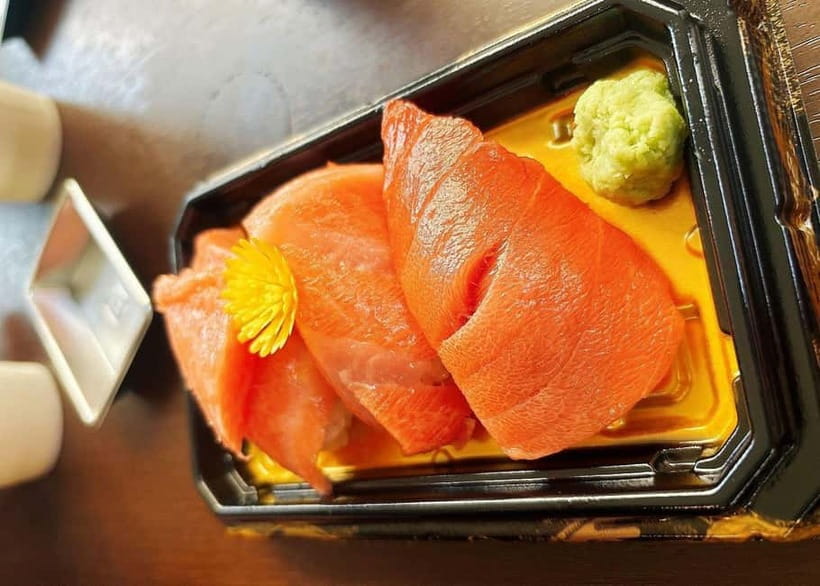
- Tsukiji still offers a serious food experience: Browse roughly 480 seafood types and 270 kinds of produce, then choose optional snacks such as scallops, tamagoyaki, sushi, wagyu skewers, and matcha sweets.
- The temple makes a peaceful opening stop: Tsukiji Hongwanji’s unusual architecture and quiet interior provide a useful pause before the market noise.
- Hama-rikyu changes with the season: Flowers are a major part of the visit, but what you see depends on when you go.
- The tour is on foot from start to finish: You meet outside Starbucks Coffee Tsukiji Station and end at Hama-rikyu Gardens.
- The $31 fee covers the guide and garden entry: Market food, matcha, wagashi, and transport are not included.
- Plan for 150 minutes to three hours: The listed route totals about two hours and 15 minutes, but food stops and free time can stretch the outing.
Why this Tsukiji and Hama-rikyu pairing works
Tsukiji Market and Hama-rikyu Gardens are close enough to visit together, yet they feel like separate worlds. One is filled with food stalls, shoppers, displays, and tight lanes. The other offers ponds, flowers, open paths, and views toward Tokyo’s modern buildings.
I like this contrast because it gives you more than a market visit. You see how food fits into daily Japanese life, then get a quieter look at an old garden created during the Edo period more than 370 years ago.
The tour also begins at a meaningful local landmark rather than sending you straight into the shopping lanes. Tsukiji Hongwanji Temple provides a calm start, and the guide can explain the temple’s background and distinctive architecture before the group moves on.
The route is short enough to fit into a busy Tokyo day. It also ends at Hama-rikyu Gardens rather than returning you to the meeting point, which can be useful if you plan to continue sightseeing in the area. You will need to arrange your own transport to Starbucks at the beginning and from the gardens afterward.
More Fish Market Tours in Japan
- Tokyo Tsukiji Fish Market Food and Culture Walking Tour
★ 5.0 · 3,184 reviews - Tokyo: Tsukiji Fish Market Food and Walking tour
★ 5.0 · 1,724 reviews - Tokyo: Tsukiji Fish Market Guided Walking Tour
★ 4.9 · 1,397 reviews
Starting at Tsukiji Hongwanji Temple
Meet the guide in front of Starbucks Coffee near Tsukiji Station. From there, the group walks to Tsukiji Hongwanji Temple for about 15 minutes of guided touring.
The temple is known for unusual architecture and a serene atmosphere. This stop is brief, but it gives the route some balance. You are not simply being led from one food stall to the next. You begin with a place suited to quiet observation, then move into the market’s crowded lanes.
I would pay attention to the guide here, even if you are eager to reach the food. A short introduction can help you notice details you might otherwise pass without a glance. The visit is also a good chance to settle into the walking pace and ask about the rest of the route.
Keep in mind that the temple portion is only around 15 minutes. If you want a long period for reflection or independent viewing, this tour may feel too quick. The attraction is being able to include the temple without giving up most of your market time.
Reading Tsukiji Market through food
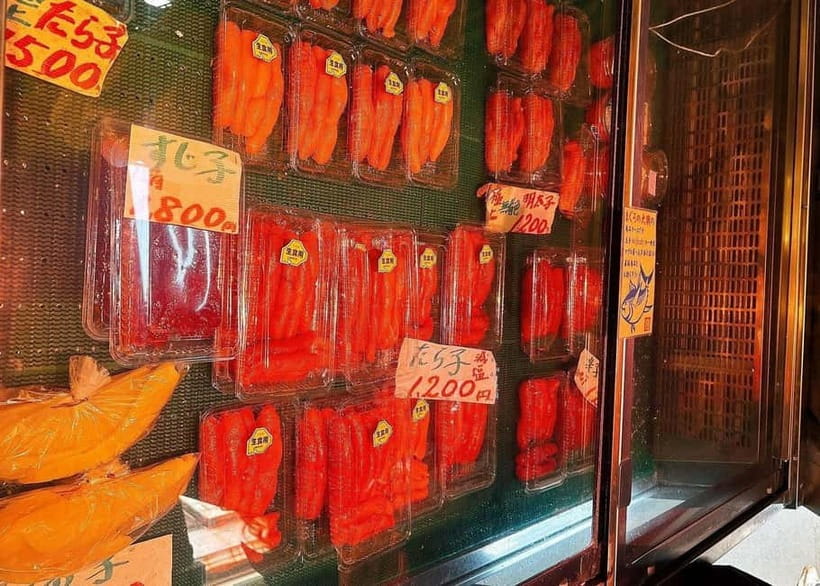
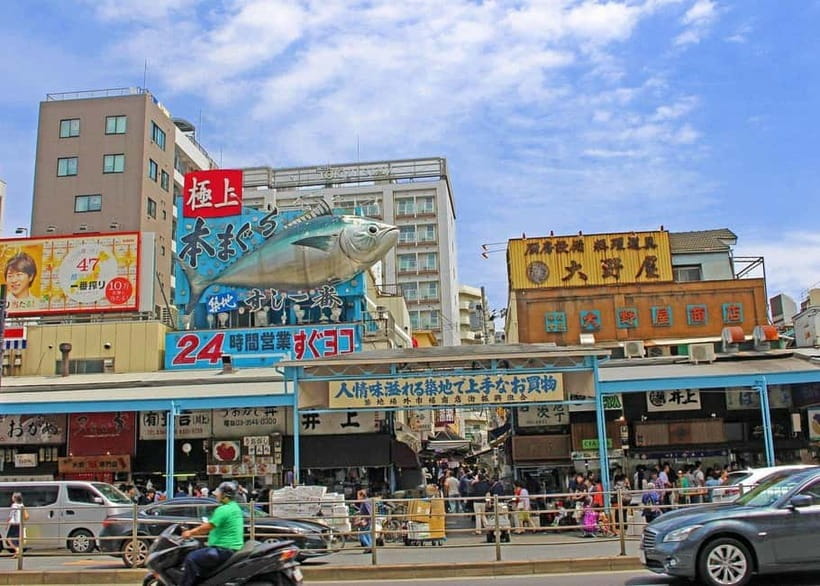
The main stop lasts about 45 minutes and includes guided touring, free time, and shopping. Tsukiji is described as a central wholesale market with an 83-year history, handling about 480 types of seafood and 270 types of produce.
Those numbers help explain the market’s appeal. You are not looking at one specialty counter or a small food hall. You are seeing a wide range of ingredients tied to Japanese cooking, from seafood and produce to prepared snacks and sweets.
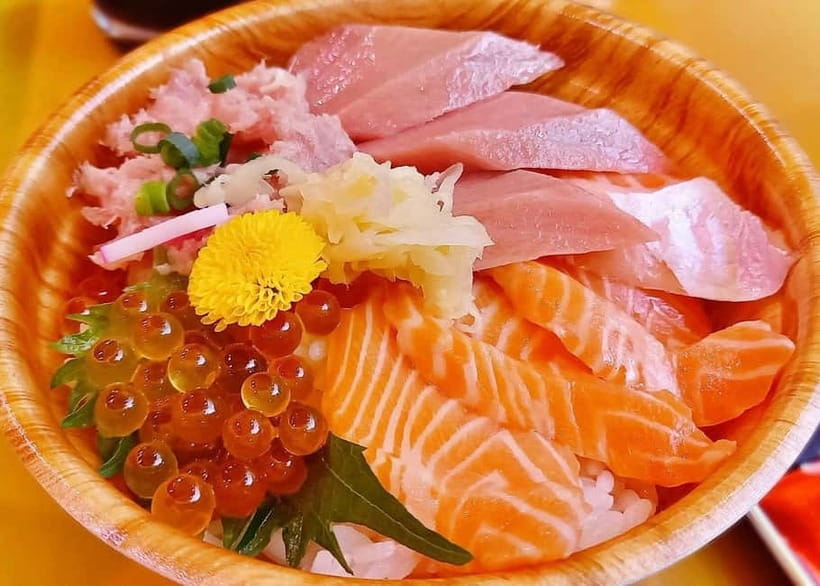
The narrow alleys are best approached slowly. You can browse first, then decide what you actually want to eat. Suggested foods include grilled scallops, tamagoyaki, sushi, wagyu skewers, and matcha sweets. Some are familiar to many visitors, while others offer a quick introduction to flavors and textures you may not encounter at home.
The food is not included in the tour fee. That is important because the market experience can become more expensive once you start sampling several items. I would bring some extra yen and treat the $31 price as payment for the guide and garden admission, not as a food-inclusive package.
You also have time for shopping. The tour is a better fit if you enjoy browsing and making your own choices rather than being served a fixed meal. If you want a full breakfast or lunch, you should plan for extra time or additional food after the tour, since 45 minutes can pass quickly when you are buying snacks, taking photographs, and listening to explanations.
A guide adds value here by giving context to what you see. Market displays can be confusing when you do not know the names of ingredients or how they are used. A live guide in English, Chinese, French, Korean, or Spanish can help turn a quick walk through the stalls into a more understandable food experience.
Still, this is not a private food tasting with guaranteed portions. Stall offerings, prices, and availability can vary. You should also expect to pay each vendor directly for anything you eat.
The 15-minute walk to Hama-rikyu
After Tsukiji, you walk for about 15 minutes to Hama-rikyu Gardens. This transfer is simple, but it adds to the total distance and time on your feet.
The short walk helps separate the two main parts of the tour. You leave the tight market streets and head toward a much quieter setting. Bring water, especially in warm weather, and avoid shoes that are fine for casual city walking but poor for extended standing.
Because the tour does not include transport between attractions, this section is done entirely on foot. You will also need to make your own way to the starting point and from the garden after the tour ends.
More Fish Market Tours in Tokyo
- Tokyo Sushi Making Class in Tsukiji with Professional Chef
★ 5.0 · 1,177 reviews - Tsukiji Fish Market Guided Tour and Sushi Making with Pro Chef
★ 5.0 · 775 reviews - Tokyo: Tsukiji Fish Market Food and Culture Walking Tour
★ 4.7 · 757 reviews - Tsukiji Fish Market: Street Food & Culture Walking Tour
★ 5.0 · 669 reviews
Hama-rikyu Gardens and the Tokyo skyline
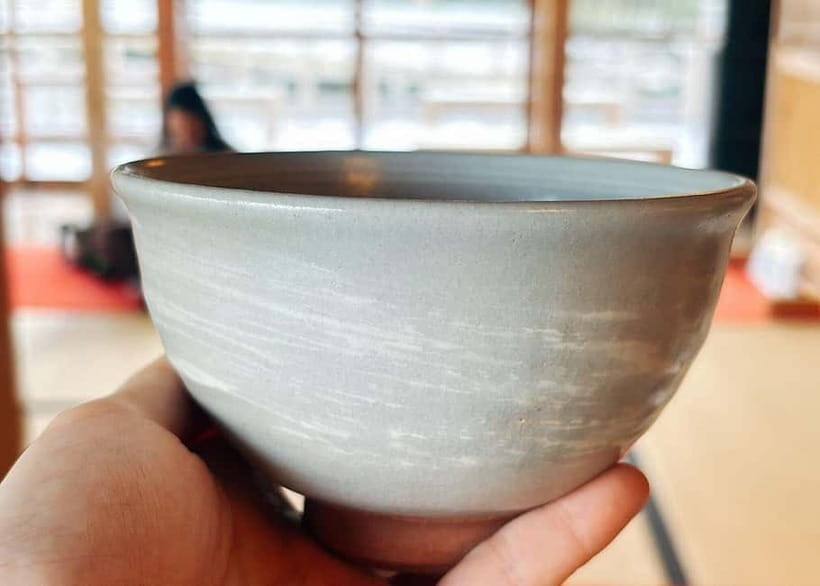
The garden visit lasts about one hour, with guided time and free time. Hama-rikyu was created during the Edo period more than 370 years ago, giving you a chance to see a traditional Japanese garden in the middle of present-day Tokyo.
The setting is one of the tour’s strongest features. You can look across carefully arranged garden spaces toward the city skyline, seeing old and new Tokyo in the same view. After the market’s close quarters, the open garden paths should feel like a genuine change of pace.
Flowers add another reason to visit, though the display depends on the season. You might find colorful blooms in full flower, but you should not book this tour expecting one fixed floral spectacle throughout the year. The garden remains worthwhile for its design and city views even when a particular flower season has passed.
The hour here gives you time to follow the guide and then wander independently. I like that balance. A guide can explain what you are seeing, while free time lets you take photographs or enjoy the quieter setting without constant commentary.
The garden admission is included, which strengthens the value of the tour. If you visited the market alone, you would still need to pay for your own food and arrange a separate visit to Hama-rikyu. Here, the guide connects both places and the entrance fee is already covered.
Optional matcha and wagashi tasting
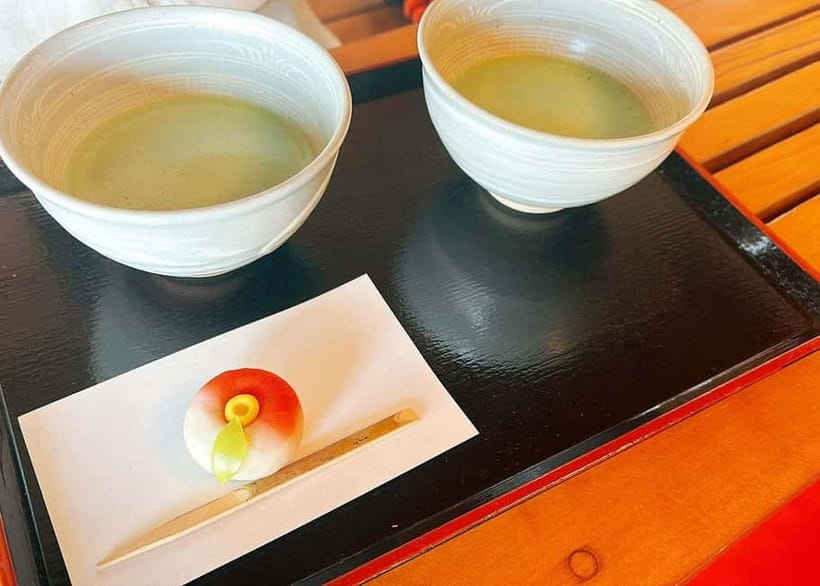
At Hama-rikyu, you can add a matcha and wagashi tasting for about 1,000 yen. This is optional and paid on-site.
The tasting can be a pleasant way to end the tour, especially if you want more than a quick look at Japanese sweets. You may also learn about Japanese etiquette while having the matcha and wagashi. Since the cost is separate, decide based on your interest and remaining time rather than feeling that it is required.
If you already sampled several foods at Tsukiji, you may prefer to skip it. If you want a slower cultural moment in the garden, the extra 1,000 yen is reasonable. Ask the guide about the timing on the day so you know how the tasting fits with the group’s schedule.
How much value do you get for $31?
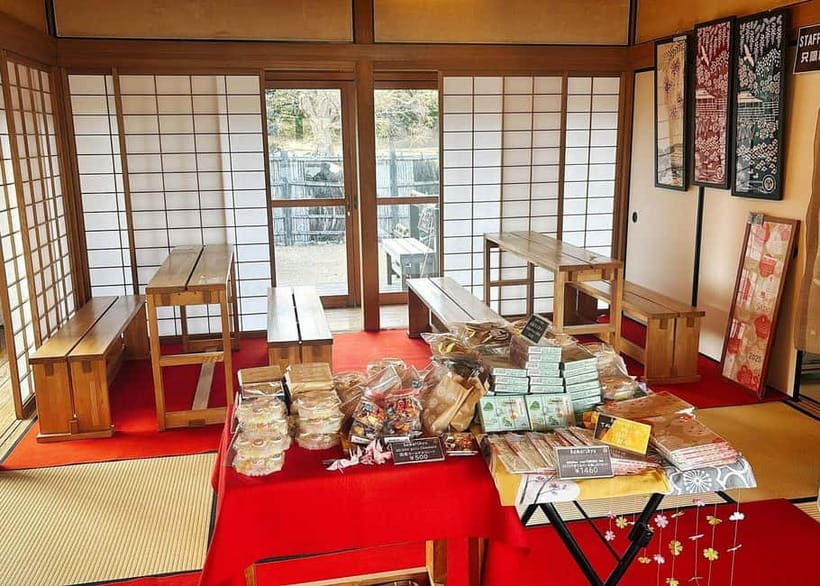
At $31 per person, this is a fairly sensible price for a guided walking tour that includes Hama-rikyu Gardens admission. You are paying for a local guide, a structured route, language support, and the convenience of connecting three distinct stops.
The value is strongest if you want orientation in Tsukiji. The market can be enjoyable on your own, but a guide may help you understand what you are seeing and avoid wandering without a plan. The garden admission also means you are not paying separately for the final stop.
The price is less attractive if you mainly want to eat. Food is extra, and the market portion is about 45 minutes. You could spend more than the tour cost on snacks if you sample several items.
I would also allow for a little flexibility in your budget. Bring money for stall food and the optional matcha tasting. No transport is included, so your journey to the meeting point and onward from Hama-rikyu is another separate cost.
The duration is listed as 150 minutes to three hours. The timed sections add up to roughly 135 minutes, not counting pauses, purchases, photographs, and transitions. That means the shorter estimate may suit a brisk group, while a slower food-focused visit could approach three hours.
Who will enjoy this walking tour most?
I would recommend the tour to first-time visitors who want a compact introduction to food, religion, gardens, and city scenery. It is also a good choice if you prefer having a guide explain the setting rather than piecing together the route alone.
Food lovers will appreciate the chance to choose among seafood, sushi, egg omelette, beef skewers, and sweets. You do not need to commit to a set menu, which suits people with different appetites or levels of food curiosity.
The route also works well for photographers. Tsukiji provides close-up food scenes and market details, while the temple and Hama-rikyu offer very different visual subjects. Bring a camera, as suggested, but remember to stay aware of other people in the narrow market lanes.
This is not the best choice if you want a relaxed, seated meal or a long visit at any single attraction. It may also be tiring for anyone uncomfortable with walking and standing.
The supplied information gives two different signals about accessibility. It describes the experience as wheelchair accessible, yet also says it is not suitable for wheelchair users or people with mobility impairments. Because the route includes narrow lanes and substantial walking, contact the provider before booking if accessibility matters to you.
Pregnant people are also listed as unsuitable for the activity. Smoking is not allowed.
Practical tips for a smoother visit
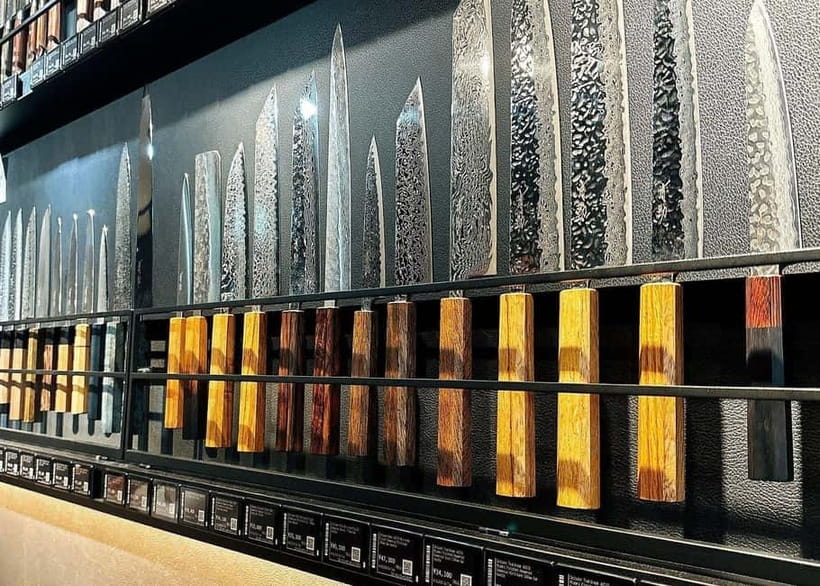
- Wear supportive walking shoes. The market, the transfer, and the garden all require time on your feet.
- Bring water, a camera, and enough money for optional food.
- Decide in advance how adventurous you want to be with market snacks. You can sample one item or build a small meal.
- Keep your schedule flexible. The advertised duration can stretch when you stop to eat, shop, or take photographs.
- Check the flower season if blooms are a major reason for your visit. The garden changes through the year.
- Remember that the tour finishes at Hama-rikyu Gardens. Plan your next stop from there.
- Ask about the matcha and wagashi timing if you are interested in the optional tasting.
- Confirm accessibility directly because the published suitability information is inconsistent.
Should you book the Tsukiji and Hama-rikyu tour?
Book it if you want a short, guided introduction to three sides of Tokyo: temple architecture, everyday food culture, and an Edo-period garden framed by skyscrapers. At $31, the included guide and garden admission make the outing a fair deal, especially for first-time visitors.
Skip it if your priority is a long market meal, independent exploration, or a slow garden visit. You will have limited time at Tsukiji, and every food purchase costs extra.
For most visitors who want structure without giving up free time, this is a well-balanced half-day choice. Just wear good shoes, carry some yen, and treat the route as a walking tour with optional eating, not an all-inclusive food excursion.
FAQ
Where does the tour begin?
The meeting point is in front of Starbucks Coffee near Tsukiji Station.
Where does the tour finish?
The tour finishes at Hama-rikyu Gardens.
How long does the tour take?
The stated duration is between 150 minutes and three hours. The scheduled stops and walking sections total about 135 minutes before adding food, shopping, photographs, and other pauses.
Is transportation included?
No. This is a walking tour, and transportation to and from the attractions is not included.
Is food included in the price?
No. Food from market stalls is optional and must be paid for separately.
How much does the matcha tasting cost?
The optional matcha and wagashi tasting costs about 1,000 yen, payable on-site.
Which languages are available?
The live guide may be available in Chinese, English, French, Korean, or Spanish.
What should I bring?
Bring comfortable shoes, water, and a camera. Smoking is not allowed during the activity.
Just added around Tokyo
- Tokyo: Private Tsukiji Street Food & Sake with Local Guide★ 5.0 · 3 reviews
- Tokyo: Tsukiji Market Guided Tour & Sushi-Making Experience★ 4.4 · 11 reviews
- Tokyo: Tsukiji Fish Market Culture Tour with Sashimi Tasting★ 4.6 · 54 reviews
- Tokyo’s Kitchen: Tsukiji Market Food & Culture Walk★ 4.7 · 74 reviews
- Tokyo: Tsukiji Fish Market Foodie and Educational Tour★ 5.0 · 4 reviews
- Tokyo : Tsukiji Fish Market Food Walking & Shrine Visit Tour★ 5.0 · 3 reviews
- Tokyo: Guided Walking Tour of Tsukiji Market with Lunch★ 4.4 · 24 reviews
- Tokyo Morning Tour: Meiji Shrine, Asakusa & Fish Market★ 4.9 · 44 reviews
Fish Market Tours, compared.
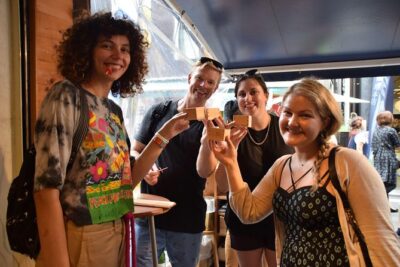
Tokyo Tsukiji Fish Market Food and Culture Walking Tour
Read our review →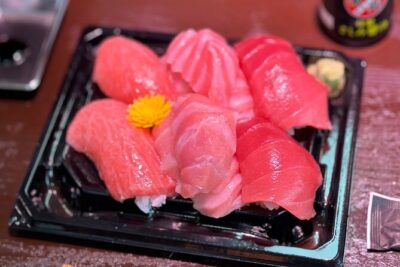

Tokyo Sushi Making Class in Tsukiji with Professional Chef
Read our review →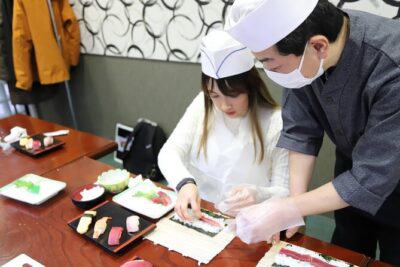
Tsukiji Fish Market Guided Tour and Sushi Making with Pro Chef
Read our review →Tsukiji Fish Market Food and Culture Walking Tour
Read our review →
Tsukiji Fish Market: Street Food & Culture Walking Tour
Read our review →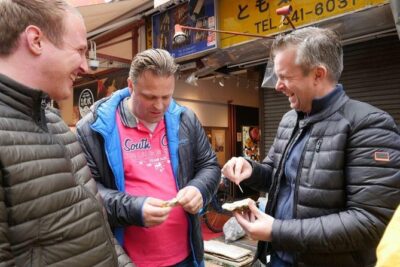
Tsukiji Fish Market Small-Group Food Walking Tour
Read our review →
Tsukiji Fish Market Sushi Making Class with Pro Chef
Read our review →Browse the lists this tour appears in