
Review · JAPAN
Tokyo’s Kitchen: Tsukiji Market Food & Culture Walk
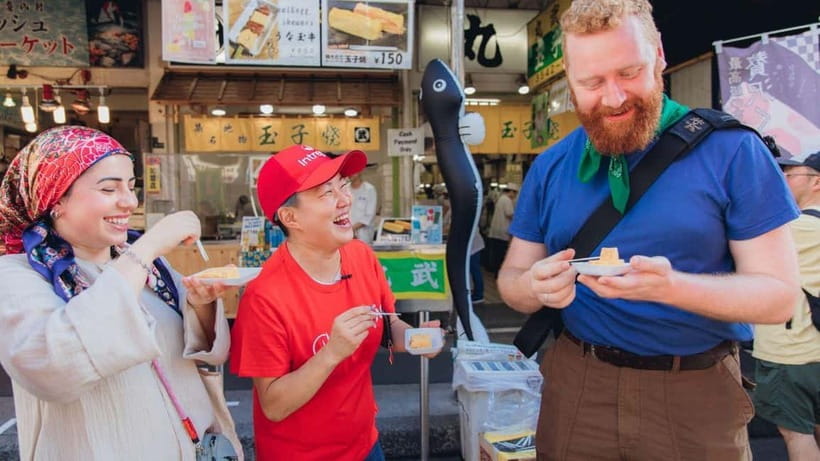
Tokyo eats early. This three-hour walk gives you a friendly way into Tsukiji Outer Market, with a local English-speaking guide translating the signs, explaining the food, and introducing you to vendors. I especially like the tiny group of six and the generous mix of sushi, snacks, and Wagashi sweets. The main drawback is that Tsukiji is crowded and market conditions can be wet, noisy, and weather-dependent.
I also like that this is more than a breakfast crawl. You’ll connect sushi and market customs with Buddhist and Shinto traditions, then visit a small shrine and learn simple Japanese rituals. Come hungry, wear closed-toe shoes, and tell the operator about dietary needs before you arrive. Vegetarian and vegan choices are possible, but the range may be limited.
Key points to know before you book
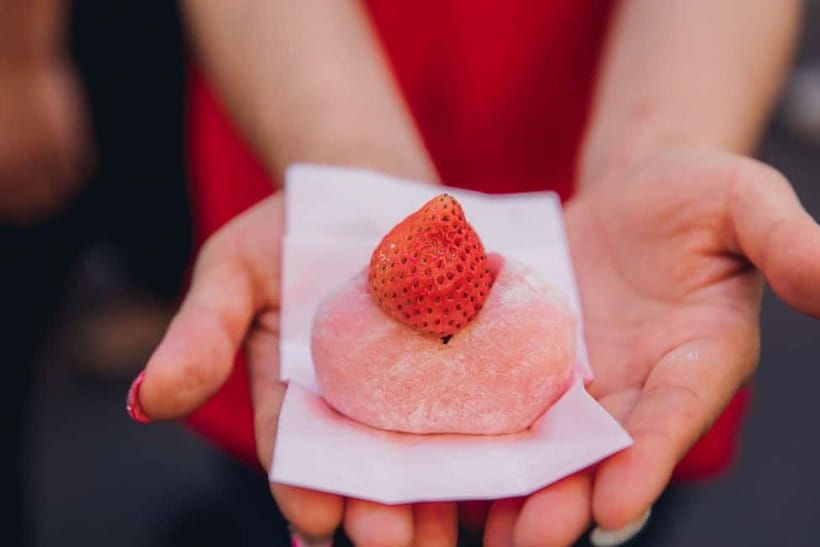
- The food keeps coming: Expect sushi, sashimi, tamagoyaki, Japanese snacks, seasonal Wagashi, tea, and possibly sake for adults.
- A six-person limit matters: Your guide can keep the group together and speak with vendors without turning the walk into a parade.
- It begins at Kabukiza Theatre: Meet at Higashi-ginza Station Exit 3, beside the small torii gate on Harumi Street.
- The old fish market still has a living community: The tuna auction moved to Toyosu, but Tsukiji remains a working food district with seafood, produce, sweets, and kitchen shops.
- Shrines add meaning to the meal: Kabuki Inari Shrine and Namiyoke Inari Jinja connect the market to local customs and daily respect.
- Plan for a real tasting session: Several people found there was enough food to replace breakfast, so arrive ready to sample rather than after a full meal.
Why Tsukiji still matters after the tuna auction moved
Tsukiji is no longer Tokyo’s main wholesale tuna auction site. That operation moved to Toyosu, and you should know this before booking so you do not arrive expecting a behind-the-scenes auction visit.
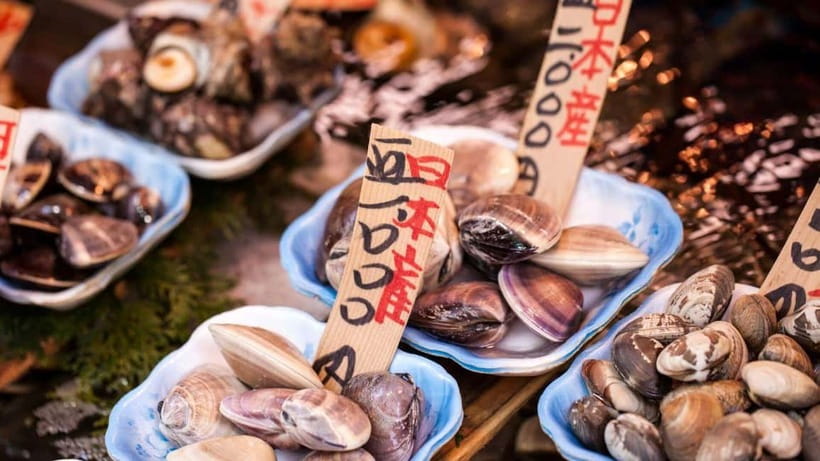
What remains is the Tsukiji Outer Market, a dense food district where shops and stalls sell seafood, produce, seasonings, sweets, tea, knives, and other cooking goods. It is less a single attraction than a working neighborhood devoted to food. The point of this tour is to make sense of that busy mix.
Without help, you may see rows of unfamiliar foods and wonder what is worth trying. With a guide, a piece of tamagoyaki becomes a chance to see how it is prepared, dashi gets a place in Japanese cooking, and Wagashi becomes part of a seasonal tradition rather than simply a pretty sweet.
The small group makes a practical difference. A six-person maximum gives you a better chance to hear explanations and ask questions. It also lets the guide move through crowded lanes without losing half the group at every stall.
Several guides have received strong praise for making the morning personal and relaxed. Mikki was singled out as a warm introduction to Tokyo, while Oku used photos, maps, and models to explain Japan and the market. Mihori, Shino, Shinto, Yumi, Kyou, Meg, and Kimi were also praised for their warmth, food knowledge, and care with the group.
That variety matters because your guide shapes the morning. The exact foods and pace may change with the market, but the best guides do more than point at dishes. They explain what you are seeing and help you approach vendors politely.
More Fish Market Tours in Japan
- Tokyo Tsukiji Fish Market Food and Culture Walking Tour
★ 5.0 · 3,184 reviews - Tokyo: Tsukiji Fish Market Food and Walking tour
★ 5.0 · 1,724 reviews - Tokyo: Tsukiji Fish Market Guided Walking Tour
★ 4.9 · 1,397 reviews
Starting at Kabukiza and Kabuki Inari Shrine
The meeting point is easy to identify if you use the details carefully. Go to Higashi-ginza Station, Exit 3, served by the Tokyo Metro Hibiya Line and Toei Asakusa Line. At street level, meet at the top of the escalator, in front of Kabukiza Theatre, on the Harumi Street side, by the little shrine and torii gate.
That location gives the tour a fitting beginning. Kabuki Inari Shrine is small, but it introduces the idea that Japanese food culture and religious customs often sit close together in everyday life. You’ll receive a guided visit rather than a long formal ceremony, with simple explanations of respect and local practice.
Do not expect a major shrine complex or an extended religious lesson here. The value is the setting and the connection. You begin beside one of Tokyo’s famous theaters, pause at a neighborhood shrine, and then walk toward the market that supplies much of the city’s food culture.
Your guide can also help with the basic gestures used at a shrine. That makes the visit useful if you are unfamiliar with Japanese customs and want to take part without making a mistake. The tone is practical, not intimidating.
Entering Tsukiji Outer Market with a guide
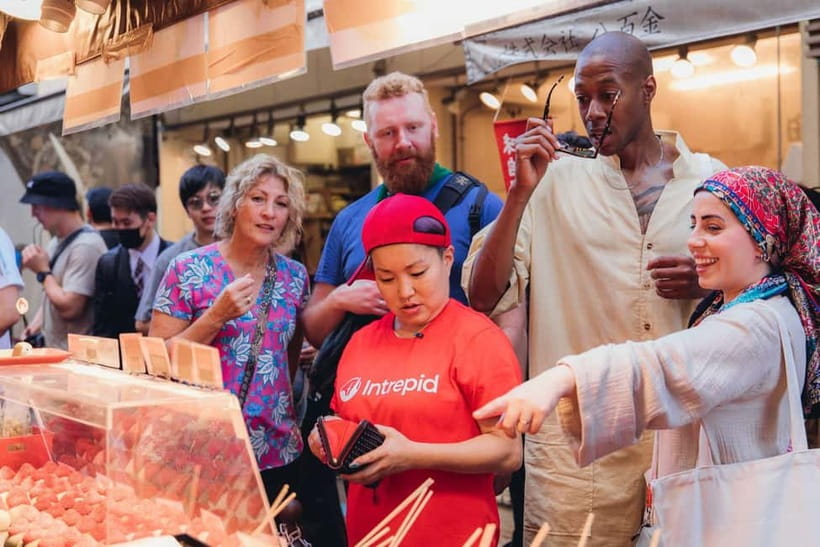
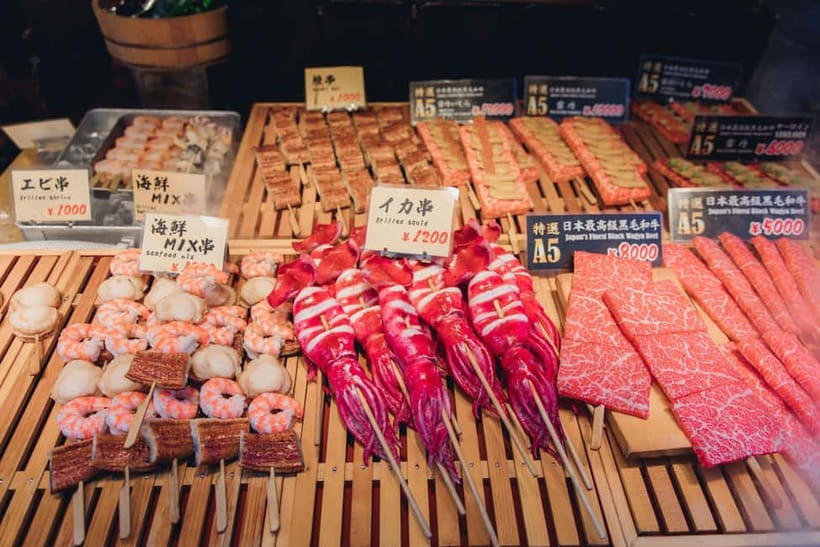
The market portion forms the heart of the tour. You’ll move among stalls selling fresh seafood, strawberries, soybeans, matcha, dashi, Kobe beef, tuna, tamagoyaki, sweets, and other Japanese foods. The exact route depends on what is open and available that morning.
This is where the tour earns its price. You are not simply handed a list of foods to find on your own. Your guide can explain what you are eating, translate when needed, and introduce you to vendors. Several guides were known by name in the market, which can make the exchange feel more natural and less like a tourist transaction.
You may see how tamagoyaki is made, sample pepper cola tea, try matcha or dashi, and look at foods that are difficult to identify from appearance alone. One tour included everything from strawberries and soybeans to Kobe beef and tuna. These details show how broad the market is: Tsukiji is not only about raw fish.
The pace sounds generous rather than rushed. One small group enjoyed an unhurried morning, while another guide waited when the group wanted extra time for eating and shopping. That flexibility is useful in a market, where a stall may be crowded one minute and easier to approach the next.
Still, you should expect a public market, not a quiet classroom. There may be queues for popular foods, and several lanes can feel packed. The walking surface can also be wet, so closed-toe shoes, especially sneakers, are the sensible choice.
If you dislike crowded food areas or need a lot of personal space, this may test your patience. The guide can keep the group together, but no guide can make Tsukiji empty.
What you are likely to eat during the three hours
The tastings are one of the strongest reasons to book. The tour includes multiple samples, with fresh sushi, Japanese snacks, and seasonal Wagashi named among the main offerings. The amount is enough that you should treat the experience as breakfast or an early lunch.
Sushi and sashimi provide the obvious Tsukiji connection, but the wider range makes the morning more interesting. You might try tamagoyaki, mochi, green tea, Kobe beef skewers, soybeans, matcha, or dashi. Some groups also had sake, and one guide prepared a final sushi spread with freshly grated wasabi.
Alcohol is available only to people aged 20 or older under Japanese rules. Anyone younger receives a non-alcoholic alternative. If you do not drink, the food and other beverages remain the main event.
The tastings are generally small rather than full restaurant portions. That is a benefit because you can sample more without becoming too full too early. It also means you should not expect one large sit-down meal included in the $80 price.
The best advice is simple: skip breakfast before you go. You do not need to arrive starving, but a full hotel buffet will leave little room for the market. Bring an open mind, since the appeal is trying several small things rather than ordering only familiar sushi.
Dietary planning takes a little care. Vegetarian and vegan options are available when possible, but choices may be limited because seafood is central to the market. Tell the operator about restrictions in advance. Do not assume every stall can adjust a dish on the spot.
More Fish Market Tours in Tokyo
- Tokyo Sushi Making Class in Tsukiji with Professional Chef
★ 5.0 · 1,177 reviews - Tsukiji Fish Market Guided Tour and Sushi Making with Pro Chef
★ 5.0 · 775 reviews - Tokyo: Tsukiji Fish Market Food and Culture Walking Tour
★ 4.7 · 757 reviews - Tsukiji Fish Market: Street Food & Culture Walking Tour
★ 5.0 · 669 reviews
Sushi, Buddhism, and Shinto customs
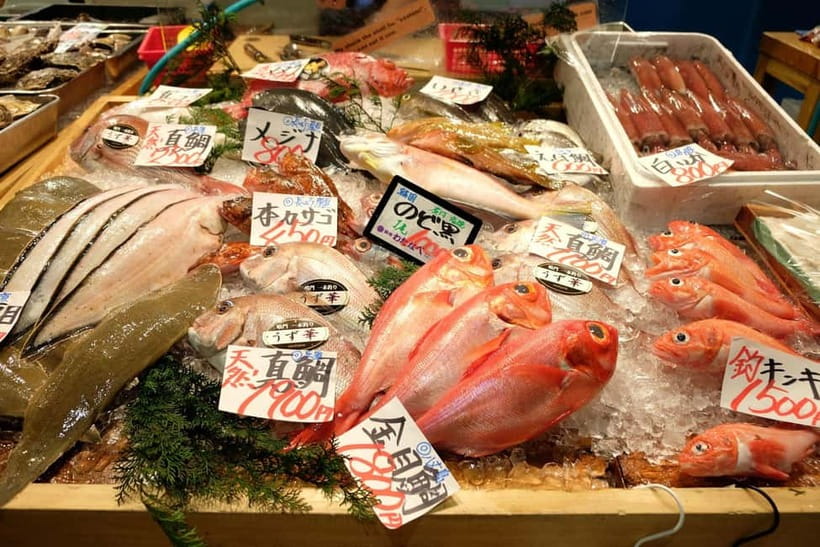
The cultural explanations give this tour more substance than a standard food walk. You’ll learn about sushi’s development and the way market life connects with Buddhist beliefs and Shinto ideas.
The tour does not present religion as a separate museum subject. Instead, it shows how food, gratitude, cleanliness, seasonal ingredients, and respect for place can appear in ordinary routines. That context helps explain why the market feels like more than a row of food counters.
You’ll also hear how Tsukiji changed after the tuna auction moved to Toyosu. This is useful context because the name Tsukiji still carries a strong association with Tokyo’s fish trade, even though the market’s role has shifted.
At Namiyoke Inari Jinja, the tour returns to a shrine setting. You’ll learn more simple rituals and customs, and the visit offers a quieter pause after the market’s crowded lanes. It is not an elaborate sightseeing stop, but it ties the morning together: food, work, community, and respect for local traditions.
The two shrine visits also help you see why the route begins before the first major tastings. The tour is not just a series of snacks with facts added afterward. It frames the market as part of a place with spiritual and working roots.
The final shrine visit and end at the fish market
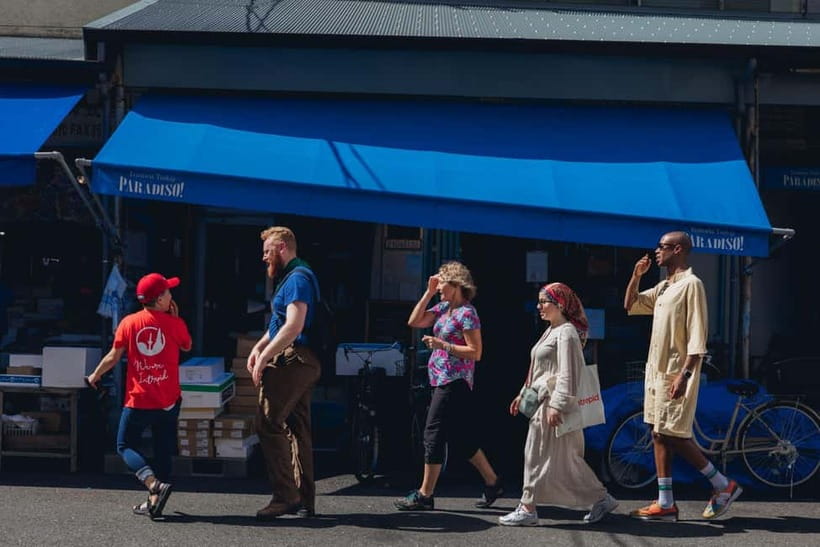
Namiyoke Inari Jinja is the last listed stop before the tour ends at Tsukiji Fish Market. The shrine visit gives you time to absorb the customs introduced earlier, including how to show respect in a simple, appropriate way.
Depending on the guide and the day, the final food stop may feel like a small feast. One group finished with sashimi and sake, and another prepared fresh sushi and ground its own wasabi. These are memorable touches, but they are not guaranteed as identical inclusions on every departure.
The official food list is broad enough to set expectations: sushi, Japanese snacks, and Wagashi are included. Extra food and drinks are not included, so you should bring money if you want to continue eating or shop after the walk.
Ending at the market is convenient if you want to stay longer. You can browse at your own pace, revisit a favorite stall, or buy food and kitchen goods after the guided portion. Since the tour does not include every possible purchase, this gives you room to spend according to your interests.
Is $80 good value for three hours?
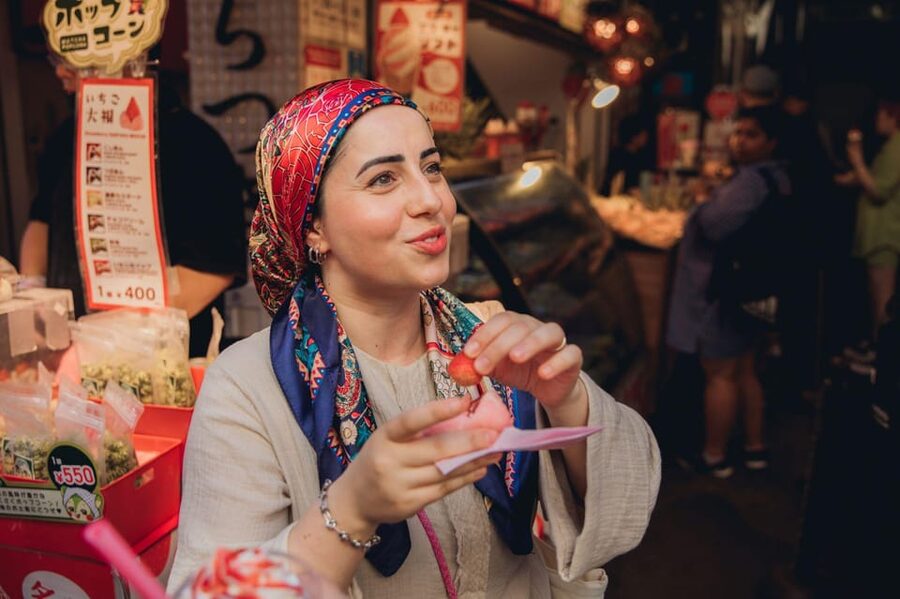
At $80 per person, this is not the cheapest way to walk through Tsukiji. You can enter the market without a tour and buy individual snacks yourself.
The value comes from the combination of food, translation, introductions, cultural context, and a six-person group. If you tried several samples independently, you might still miss the explanation of what they are, how they are made, and why they matter. You would also need to choose stalls, manage queues, and work out the market’s layout alone.
I think the price makes the most sense for a first morning in Tokyo. Lisa described the experience as an especially good start to the trip because it provided more food and context than simply walking through the market. That is exactly the role this tour fills: it helps you get your bearings fast while giving you an early meal.
The value drops if you already know Tsukiji well, speak Japanese comfortably, or mainly want to shop on your own. It also may not satisfy you if your dream is to see the wholesale tuna operation. That is at Toyosu, not part of this Tsukiji Outer Market walk.
The carbon-neutral operation and certified B Corp status may also matter to you. The tour is designed to support local people and use travel as a positive force, though those claims do not change the practical question of whether the food and guidance suit your budget.
Weather, footwear, and group comfort
Tokyo weather can affect this outing more than you might expect. Much of the experience takes place around open-air market lanes, and rain or wind can make the morning less pleasant. One person found the weather made them poorly prepared, so check the forecast and dress for conditions.
Wear closed-toe shoes. Wet market floors are a stated concern, and sneakers are a safer choice than sandals or dress shoes.
A three-hour walk sounds manageable, but it includes standing, moving through crowded areas, and eating along the way. Small children aged five and under join free, though you should mention them when booking so the operator can plan for them.
The six-person limit is especially useful for families and first-time visitors. A guide can keep track of a small group more easily, and the morning feels less like following a flag through Tokyo. The group may be smaller than six, too. One departure had only two people, and another had three.
Who should book this Tsukiji food walk?
I would choose this tour if you are visiting Tokyo for the first time, enjoy trying unfamiliar food, or want cultural context with your meal. It is also a good fit if you feel unsure about ordering at Japanese stalls or reading market signs.
Food-focused visitors will get the most from it, especially if sushi, tamagoyaki, Wagashi, tea, and local snacks all sound appealing. The tour also suits families with older children who can handle a busy three-hour walk and are curious about how food is made.
It is less suitable if you want a quiet sightseeing experience, a formal cooking class, or access to the wholesale tuna auction. Strict dietary needs may also make the food portion less satisfying, so contact the operator before booking.
The rating of 4.7 from 74 ratings fits the main strengths: friendly guides, a large number of tastings, and a warm connection with the market community. The clearest limitation is also easy to understand. You will see the public market rather than a full behind-the-scenes tour of its working operations.
Should you book it?
Book it if you want a lively first look at Tokyo through food, and if $80 feels fair for several tastings plus personal guidance. I especially recommend it for your first morning in the city, when a local guide can turn Tsukiji’s crowded lanes into a clear, tasty introduction.
Skip it if you are seeking the Toyosu tuna auction, a long quiet shrine visit, or complete control over your route and meals. For everyone else, arrive hungry, wear sensible shoes, tell the operator about dietary needs, and let the market decide what lands in your bowl.
FAQ
Where does the Tsukiji food tour meet?
It meets at Higashi-ginza Station Exit 3, served by the Tokyo Metro Hibiya Line and Toei Asakusa Line. At street level, look for the top of the escalator in front of Kabukiza Theatre, on the Harumi Street side, beside the small shrine and torii gate.
How long does the tour last?
The walking and tasting experience lasts three hours.
What language is the tour offered in?
The tour is conducted in English by a live English-speaking guide.
How many people can join the group?
The group is limited to six participants.
What foods are included?
Included tastings feature fresh sushi, Japanese snacks, and seasonal Wagashi sweets. The tour may also include foods and drinks such as tamagoyaki, tea, sashimi, and sake, depending on the day and the group.
Is alcohol included for people under 20?
No. In Japan, only people aged 20 or older may enjoy alcoholic drinks. Anyone under 20 is offered a non-alcoholic alternative.
Can vegetarian or vegan participants join?
Vegetarian and vegan options are available where possible, but choices may be limited because seafood is central to the market. Tell the operator about dietary restrictions ahead of time.
Are children allowed on the tour?
Yes. Children aged five and under join free. You should notify the operator when booking if you are bringing a child under six.
What should I wear?
Closed-toe shoes, such as sneakers, are recommended because market floors can be wet. Dress for the weather, since rain and wind can affect the outdoor market walk.
Does the tour visit the tuna auction?
No. The famous tuna auction moved from Tsukiji to Toyosu. This experience focuses on Tsukiji Outer Market, its food stalls, local shops, shrines, and cultural traditions.
More Food Trips in Tokyo
- Tsukiji Food and Toyosu Market with Government-Licensed Guide
★ 5.0 · 158 reviews - Toyosu Market Morning Tuna Auction and Tsukiji Food Tour with Licensed Guide
★ 4.5 · 146 reviews - Tokyo Tsukiji Fish Market Food Tour: 15 Stops & Walk Local Street
★ 5.0 · 139 reviews - Tsukiji Fish Market Private Food Tour in Tokyo
★ 5.0 · 18 reviews
More Food and Drink Trips in Tokyo
- Tsukiji Fish Market Small-Group Food Walking Tour
★ 5.0 · 621 reviews - Tokyo Food Tour Taste Fresh Delights at Tsukiji Market
★ 5.0 · 429 reviews - Tsukiji Fish Market: Street Food & Culture Walking Tour
★ 4.8 · 259 reviews - Inside Tokyo’s Kitchen: Tsukiji Market, Food & Culture Tour
★ 5.0 · 162 reviews
Just added around Tokyo
- Tokyo: Private Tsukiji Street Food & Sake with Local Guide★ 5.0 · 3 reviews
- Tokyo: Tsukiji Market Guided Tour & Sushi-Making Experience★ 4.4 · 11 reviews
- Tokyo: Tsukiji Market and Hama-rikyu Gardens Guided Tour★ 4.8 · 73 reviews
- Tokyo: Tsukiji Fish Market Culture Tour with Sashimi Tasting★ 4.6 · 54 reviews
- Tokyo: Tsukiji Fish Market Foodie and Educational Tour★ 5.0 · 4 reviews
- Tokyo : Tsukiji Fish Market Food Walking & Shrine Visit Tour★ 5.0 · 3 reviews
- Tokyo Morning Tour: Meiji Shrine, Asakusa & Fish Market★ 4.9 · 44 reviews
- Tokyo: Guided Walking Tour of Tsukiji Market with Lunch★ 4.4 · 24 reviews
Fish Market Tours, compared.
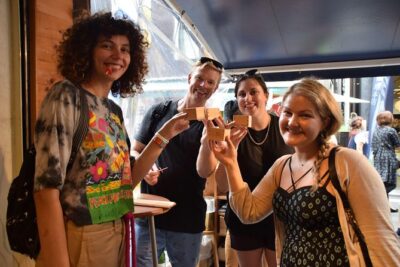
Tokyo Tsukiji Fish Market Food and Culture Walking Tour
Read our review →
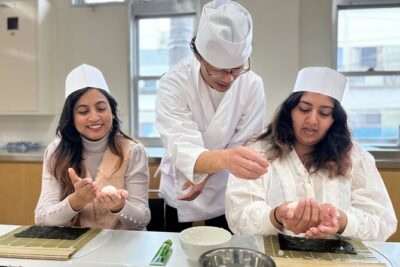
Tokyo Sushi Making Class in Tsukiji with Professional Chef
Read our review →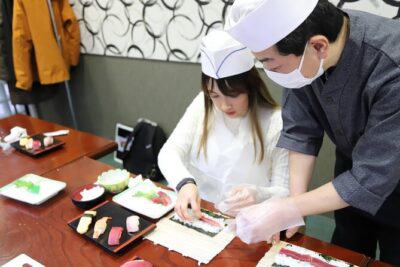
Tsukiji Fish Market Guided Tour and Sushi Making with Pro Chef
Read our review →Tsukiji Fish Market Food and Culture Walking Tour
Read our review →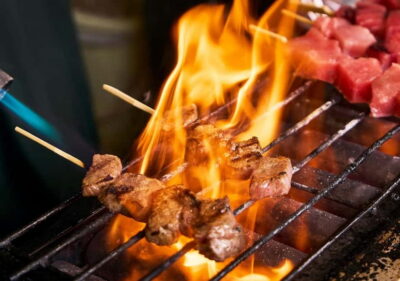
Tsukiji Fish Market: Street Food & Culture Walking Tour
Read our review →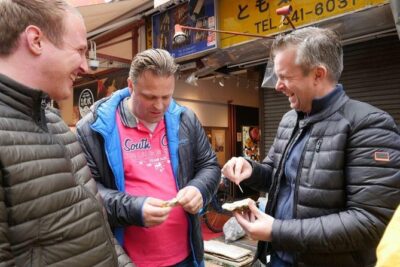
Tsukiji Fish Market Small-Group Food Walking Tour
Read our review →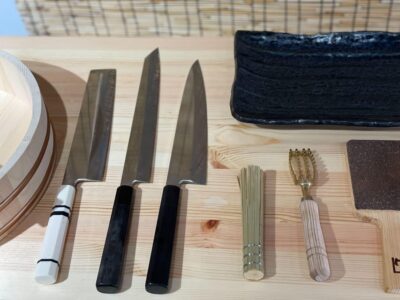
Tsukiji Fish Market Sushi Making Class with Pro Chef
Read our review →Browse the lists this tour appears in