
Review · JAPAN
Tsukiji Food and Toyosu Market with Government-Licensed Guide
Markets tell Tokyo’s story. This four-hour private walking tour links Toyosu’s modern wholesale complex with Tsukiji’s lively outer market, giving you two very different looks at Japanese food culture. I like the local guide support, especially for choosing market stalls and handling the train connection. I also like that you finish at Tsukiji, where you can stay for sushi, grilled seafood, or shopping at your own cost. The main drawback is timing: Toyosu can feel quiet at midday, and the regular tour does not include the tuna auction.
The tour costs $109.01 per person, before transport, food, and any admission fees. That is a fair price for a private guide if you want help with translation, market etiquette, food choices, and Tokyo’s public transport. It is less appealing if you only want to wander through Tsukiji on your own.
Key points at a glance
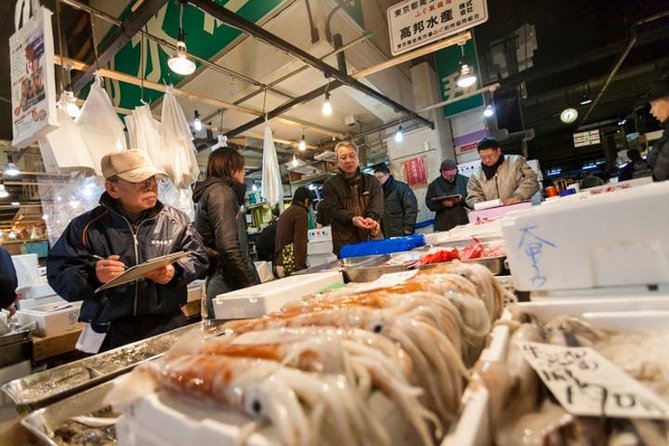
- Toyosu and Tsukiji show two sides of Tokyo’s seafood trade: one is a planned wholesale facility, the other is a compact food district full of shops and stalls.
- The private format lets the guide adjust the pace: guides such as Toyo, Suzuki, Kazu, Mina, Mami, Koji, and Show have helped families and solo visitors shape the outing around food, history, and shopping.
- Tsukiji is the eating highlight: fresh sushi, sea urchin, eel, tuna, crab, wagyu, and street food may all be available, but you pay for food separately.
- Public transport is part of the experience: your guide organizes the connection between markets, but train or monorail fares are extra.
- The standard tour does not include the tuna auction: a separate early-morning option is required, and the auction begins around 5:30 a.m.
- The tour ends at Tsukiji Outer Market: you can continue eating or shopping after the formal four-hour experience ends.
Why Toyosu and Tsukiji belong in the same morning
Tokyo’s two famous fish markets now serve different purposes. Toyosu took over the wholesale business from Tsukiji in 2018 and operates on a purpose-built site in Tokyo Bay. Tsukiji kept its outer-market life, with small food shops, restaurants, seafood counters, kitchen stores, and stalls aimed at shoppers and eaters.
Seeing both in one outing helps you understand the change. Toyosu is orderly, clean, and planned. Tsukiji is tighter, noisier, and much more hands-on. You see the contrast without spending half a day working out train routes and market entrances.
I especially like this pairing for a first morning in Tokyo. A guide can explain what you are seeing instead of leaving you with a series of anonymous buildings and seafood counters. You also get a chance to ask practical questions, such as which foods are best eaten immediately, how the auction system works, and where to find a particular souvenir.
The tour has a strong reputation, with a 4.8 rating from 158 ratings and a 94 percent recommendation figure. That reflects the main strength of the experience: the guide often makes more difference than the buildings themselves.
More Fish Market Tours in Japan
- Tokyo Tsukiji Fish Market Food and Culture Walking Tour
★ 5.0 · 3,184 reviews - Tokyo: Tsukiji Fish Market Food and Walking tour
★ 5.0 · 1,724 reviews - Tokyo: Tsukiji Fish Market Guided Walking Tour
★ 4.9 · 1,397 reviews
Toyosu Market, clean lines and a working wholesale center
The tour begins at Toyosu Market, at 6-chōme-6-1 Toyosu in Koto City. The listed visit lasts about one hour, and admission is not included. Your guide leads you through the public areas and explains how the market functions.
Toyosu does not feel like a traditional street market. It is a large, modern facility built to handle wholesale trade, with separate areas for seafood and produce. From the public viewing spaces, you may see the auction areas or learn how they operate, though the regular tour is not the early tuna-auction experience.
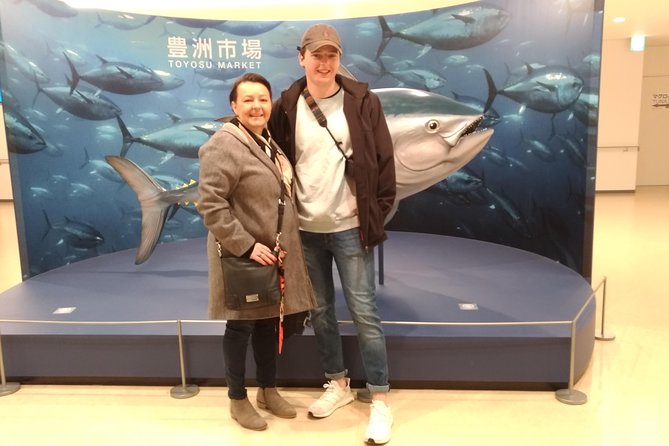
This distinction matters. The standard itinerary is designed to explain Toyosu rather than guarantee a view of the auction in progress. Some guides use videos, diagrams, or examples to show the auction process. One guide explained the tuna auction with a replica of a very large tuna, while another used a notebook to make market practices easier to understand.
The market can be surprisingly quiet. One midday visit found many stalls closed, which is a useful warning if you picture Toyosu as a constant wall of activity. Toyosu is most valuable for its structure, scale, and explanation of the wholesale system. Tsukiji supplies the stronger atmosphere and food stops.
The complex also has restaurants and shopping areas. Several guides have taken visitors toward the food court or nearby facilities after the main market visit. You should not assume every restaurant or stall will be open at every hour, so ask your guide about the best place to eat during your visit.
Riding between the markets adds useful Tokyo context
Transportation between Toyosu and Tsukiji is organized by your guide, but you pay the fares separately. This is not a private-vehicle tour. You walk to and from public transport and travel as part of a small private party.
That arrangement is one of the tour’s practical benefits. Tokyo’s train system is efficient, but a first visit can still involve unfamiliar stations, ticket machines, and IC cards. Guides have helped visitors recharge Suica cards, find the right platforms, and get through busy stations. One guide also used the monorail route to point out Tokyo Bay and the city skyline.
The transport leg is not just dead time. It gives you a short look at how Tokyo connects its waterfront districts with the central city. Still, build a little flexibility into your morning. The tour lasts about four hours, but walking, train transfers, food stops, and questions can make the schedule feel full.
The official meeting point is Toyosu Market, and the tour ends at Tsukiji Outer Market. Some guides have met people at hotels or started at Tsukiji instead, but those arrangements appear to depend on the booking and guide. Confirm the exact meeting place before setting out, especially if you are expecting hotel pickup.
Tsukiji Outer Market is where the food comes alive
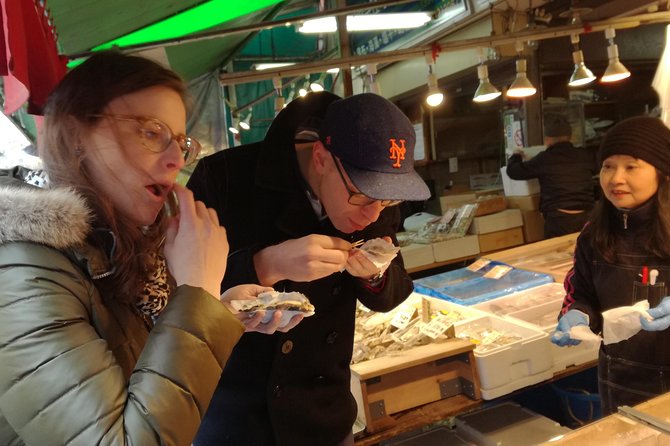
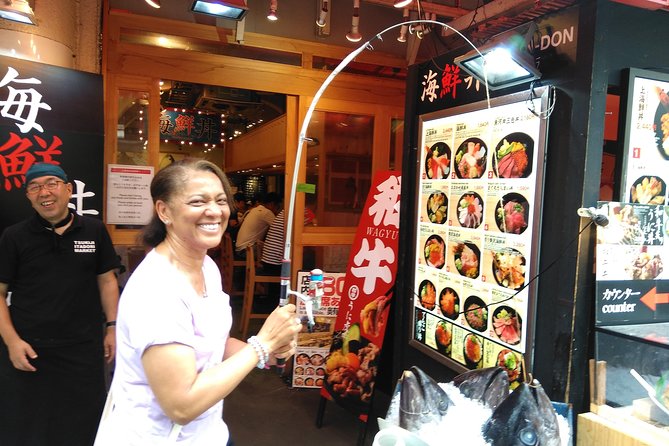
Tsukiji is the more rewarding stop for most people. The market area is compact and crowded, with food shops, seafood sellers, prepared dishes, restaurants, and small stores. You can browse at your own pace, but a guide helps you move through the narrow lanes and understand what is worth trying.
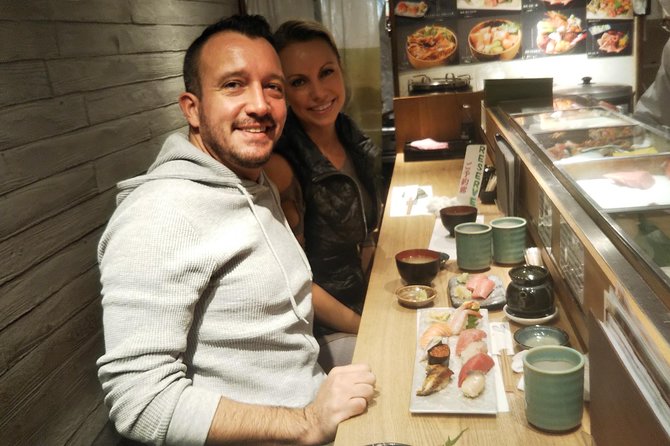
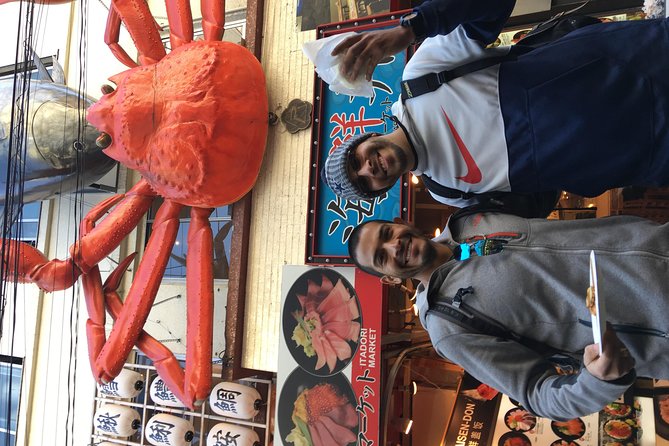
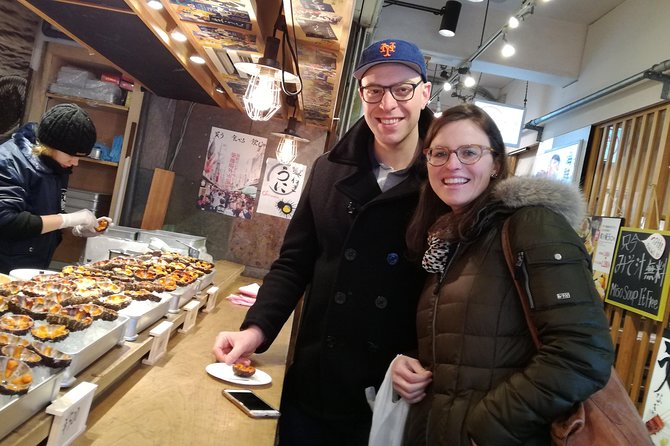
This is where the tour’s food value becomes clear. Guides have helped visitors find sea urchin, grilled eel, tuna, crab, sushi, wagyu, and other seafood dishes. You can sample as little or as much as you like, but all food and drink are extra. Bring cash, particularly if you plan to buy several small items or choose higher-priced seafood and wagyu.
The guide’s role is not simply to point at food. A good guide can explain how an item is prepared, identify unfamiliar seafood, suggest a sensible order, and help you avoid spending your whole budget at the first stall. Mami, for example, took visitors to a less tourist-focused area for tuna and crab. Koji guided a group through several food stops and later helped them find a sushi restaurant.
You should expect Tsukiji to be busier than Toyosu. That contrast is part of the appeal, but it can also be tiring. Watch your footing, stay close to your group, and remember that the market is a working food district rather than a theme park.
The tour does not force you to leave when the four hours end. Since the finish is at Tsukiji Outer Market, you can stay for breakfast or lunch at your own expense. This is one of the best ways to use the schedule: take the guided portion first, then eat without watching the clock.
More Fish Market Tours in Tokyo
- Tokyo Sushi Making Class in Tsukiji with Professional Chef
★ 5.0 · 1,177 reviews - Tsukiji Fish Market Guided Tour and Sushi Making with Pro Chef
★ 5.0 · 775 reviews - Tokyo: Tsukiji Fish Market Food and Culture Walking Tour
★ 4.7 · 757 reviews - Tsukiji Fish Market: Street Food & Culture Walking Tour
★ 5.0 · 669 reviews
Namiyoke Inari Shrine explains Tsukiji’s setting
The short visit to Namiyoke Inari Shrine lasts about 15 minutes. It is easy to overlook this stop if you are focused on seafood, but it gives the district a useful sense of place.
The shrine is associated with protection from waves, an appropriate connection for land reclaimed from the sea. Your guide can connect the shrine to Tsukiji’s waterfront setting and the older beliefs that shaped daily life in the area.
This is a brief cultural pause rather than a full shrine tour. It works well for people who want more than a food crawl but do not want the morning overloaded with monuments. If your priority is eating, the stop may feel short and secondary. If you like seeing how religion, geography, and city growth overlap, it adds welcome balance.
Tsukiji Hongwanji Temple gives the tour a calmer finish
The itinerary includes about 30 minutes at Tsukiji Hongwanji Temple, near the market’s main gate. The temple is known for its unusual construction and offers a change of mood after the close market lanes.
Your guide can introduce basic points about Japanese Buddhism and the temple’s place in the neighborhood. Some guides have included a short period of meditation here, giving you a quiet pause before returning to the food stalls.
The temple visit is included as a cultural counterweight. Without it, the tour could become four hours of pointing at seafood. The building and religious setting also help explain why Tsukiji is more than a place to buy breakfast.
The exact order can vary. The published route describes Toyosu first, followed by Tsukiji, Namiyoke Inari Shrine, and Tsukiji Hongwanji Temple. Individual guides have sometimes adjusted the route, met at hotels, or added other Tokyo sights when a booking was arranged more broadly. Treat the listed sequence as the normal plan, and ask ahead if you need a precise order.
The guides are the main reason to pay for this tour
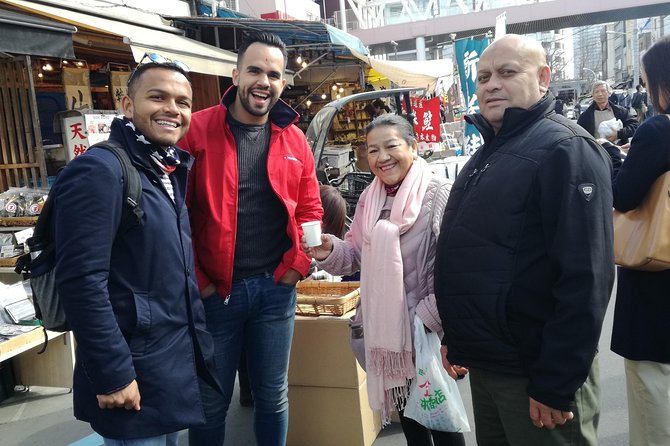
The provider uses licensed local English-speaking guides, and the strongest part of the experience is usually the human guidance. Names that appear in the guide team include Toyo, Yasuho Suzuki, Yoshii, Kazu, Mina, Mami, Koji, Show, Masa, Hiro, Shuji, Mio, Lily, Emi, and Kenji Kasama.
Their styles differ. Toyo has been praised for tailoring the morning to personal interests. Suzuki has focused on food and market explanation. Mina has been described as easygoing and friendly, while Mami has been especially useful for finding particular seafood areas. Show has used visual notes to explain market details, and Lily has helped visitors who felt uneasy about Tokyo’s train system.
That variety is worth remembering. You are not booking a performance by one fixed guide with a guaranteed personality. You are booking a private experience assigned to a local guide. The most useful step is to send your interests in advance: sushi, street food, seafood identification, photography, Japanese culture, shopping, or help with transport.
The private format suits families especially well. Guides have adjusted the outing for teenagers, helped with souvenirs, and answered questions at a pace that works for the group. Solo visitors also benefit because the guide can focus on one person’s food preferences and schedule.
What the $109.01 price really buys you
At $109.01 per person, this is not the cheapest way to see Tsukiji. You can walk through the outer market without a ticket, choose your own food, and use public transport independently.
The price makes more sense if you value time saved and decisions simplified. A private guide can take you directly to relevant areas, explain unfamiliar foods, help with language, and reduce the stress of finding the right train or stall. For a family or small group, the cost may feel reasonable because the guide’s attention is shared only with your party.
The price does not cover transport, food, drinks, admission fees outside the stated stops, or a private vehicle. The guide’s entry costs are covered only for sights included in the stated plan. You should also budget separately for lunch or breakfast, since the most enjoyable part of Tsukiji may happen after the official tour ends.
I would book it for a first Tokyo visit, a food-focused morning, or a family that wants a clear introduction without spending time studying market maps. I would skip it if you are comfortable with public transport, speak enough Japanese to order easily, and mainly want to browse at your own speed.
Timing, clothing, and small practical details
This is a walking tour lasting approximately four hours. Wear comfortable shoes and expect time on foot, in stations, and through crowded market lanes. The tour is conducted on foot apart from public transport between the markets.
The regular experience is not the tuna auction tour. If the auction is your main goal, book the separate Toyosu morning tuna auction and Tsukiji food tour instead. The auction begins around 5:30 a.m., so it requires a much earlier start than this standard experience.
Food timing deserves thought. A morning booking lets you finish at Tsukiji and eat afterward, which several guides have recommended in practice. A noonish arrival at Toyosu may find parts of the facility closed, so an earlier start is the safer choice if you want the most activity.
Confirmation is provided when you book. Most people can participate, and service animals are allowed. Free cancellation is available up to 24 hours before the start time, while later cancellations or changes are not accepted.
Should you book this market tour?
Book this experience if you want two contrasting markets, a private guide, and help eating your way through Tsukiji. It is particularly useful for families, first-time visitors, solo food lovers, and anyone uneasy about Tokyo’s rail system.
Do not book it just for the tuna auction, because that is not included. Also think twice if you want a long, unstructured meal or extensive time at every stall. The four-hour plan covers a lot, and the two markets can feel repetitive to anyone mainly interested in shopping.
For the best value, choose an early start, tell the provider what foods and sights matter to you, carry cash, and leave time after the tour for lunch at Tsukiji. That approach lets Toyosu explain the system, Tsukiji supply the flavor, and your guide handle the parts of Tokyo that are hardest to navigate alone.
FAQ
Where does the tour start?
The listed starting point is Toyosu Market at 6-chōme-6-1 Toyosu, Koto City, Tokyo 135-0061, Japan.
Where does the tour end?
The tour ends at Fish Market Tsukiji Outer Market in Tsukiji, Chuo City, Tokyo.
How long does the experience last?
The tour lasts approximately four hours.
Is the tour private?
Yes. Only your group participates, and multiple unrelated tour groups cannot be combined.
Is hotel pickup included?
The included pickup and drop-off are on foot within the designated Tokyo area. Some guide arrangements have involved hotel meetings, so confirm your exact meeting point before the tour.
Is transportation between Toyosu and Tsukiji included?
Your guide organizes the public transport connection, but transportation fees are not included in the tour price.
Is food included?
No. Food, drinks, and other personal expenses are paid separately.
Is the tuna auction included?
No. This experience is not the tuna auction tour. A separate Toyosu Market morning tuna auction and Tsukiji food tour is available for that purpose.
Are admission fees included?
Admission fees are not generally included. Guide entry fees are covered only for sights listed under the stated tour inclusions.
Can I stay at Tsukiji after the tour?
Yes. The tour ends at Tsukiji Outer Market, and you can remain there to eat breakfast or lunch at your own expense.
What happens if I need to cancel?
You can receive a full refund if you cancel at least 24 hours before the experience start time. Cancellations or changes made less than 24 hours before the start time are not accepted.
More Food Trips in Tokyo
- Toyosu Market Morning Tuna Auction and Tsukiji Food Tour with Licensed Guide
★ 4.5 · 146 reviews - Tokyo Tsukiji Fish Market Food Tour: 15 Stops & Walk Local Street
★ 5.0 · 139 reviews - Tokyo’s Kitchen: Tsukiji Market Food & Culture Walk
★ 4.7 · 74 reviews - Tsukiji Fish Market Private Food Tour in Tokyo
★ 5.0 · 18 reviews
More Food and Drink Trips in Tokyo
- Tsukiji Fish Market Small-Group Food Walking Tour
★ 5.0 · 621 reviews - Tokyo Food Tour Taste Fresh Delights at Tsukiji Market
★ 5.0 · 429 reviews - Tsukiji Fish Market: Street Food & Culture Walking Tour
★ 4.8 · 259 reviews - Inside Tokyo’s Kitchen: Tsukiji Market, Food & Culture Tour
★ 5.0 · 162 reviews
Just added around Tokyo
- Tokyo: Private Tsukiji Street Food & Sake with Local Guide★ 5.0 · 3 reviews
- Tokyo: Tsukiji Market Guided Tour & Sushi-Making Experience★ 4.4 · 11 reviews
- Tokyo: Tsukiji Market and Hama-rikyu Gardens Guided Tour★ 4.8 · 73 reviews
- Tokyo: Tsukiji Fish Market Culture Tour with Sashimi Tasting★ 4.6 · 54 reviews
- Tokyo’s Kitchen: Tsukiji Market Food & Culture Walk★ 4.7 · 74 reviews
- Tokyo: Tsukiji Fish Market Foodie and Educational Tour★ 5.0 · 4 reviews
- Tokyo : Tsukiji Fish Market Food Walking & Shrine Visit Tour★ 5.0 · 3 reviews
- Tokyo: Guided Walking Tour of Tsukiji Market with Lunch★ 4.4 · 24 reviews
Fish Market Tours, compared.
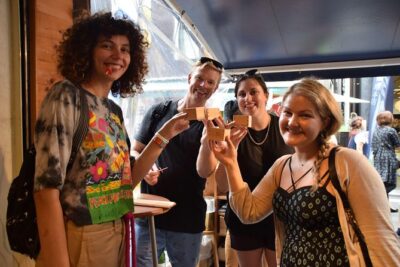
Tokyo Tsukiji Fish Market Food and Culture Walking Tour
Read our review →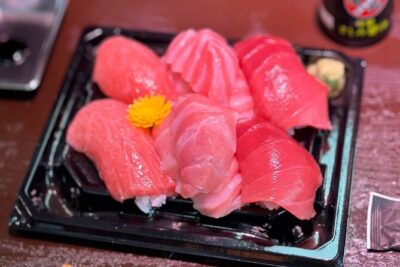
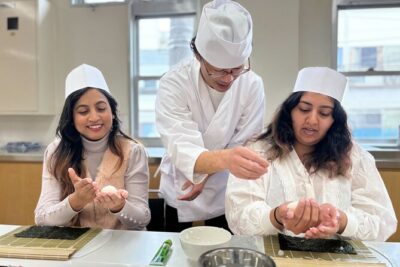
Tokyo Sushi Making Class in Tsukiji with Professional Chef
Read our review →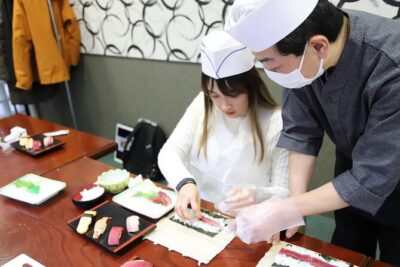
Tsukiji Fish Market Guided Tour and Sushi Making with Pro Chef
Read our review →Tsukiji Fish Market Food and Culture Walking Tour
Read our review →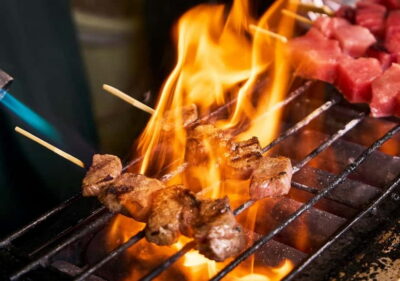
Tsukiji Fish Market: Street Food & Culture Walking Tour
Read our review →
Tsukiji Fish Market Small-Group Food Walking Tour
Read our review →
Tsukiji Fish Market Sushi Making Class with Pro Chef
Read our review →Browse the lists this tour appears in