
Review · JAPAN
Inside Tokyo’s Kitchen: Tsukiji Market, Food & Culture Tour
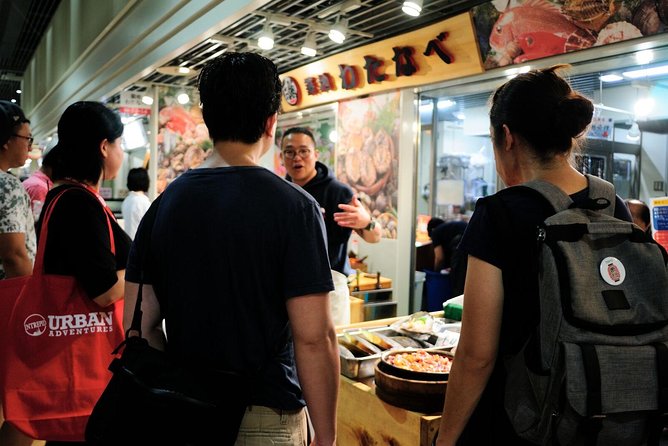
Tokyo eats early. This small-group tour makes sense of it. You’ll explore Tsukiji Outer Market with a guide who can explain the fish, translate with vendors, and lead you to snacks you might miss alone. I like the intimate six-person limit and the mix of food, shrines, and local customs. I also like that the tour begins near Kabukiza, giving you a quick look at one of Tokyo’s most distinctive theaters before breakfast.
The main caution is food consistency. The experience includes sushi, snacks, and wagashi sweets, but the exact selection can vary. Some outings have featured excellent tuna, real wasabi, sashimi, and fresh sushi, while one account described packaged tuna and fried fish rather than sushi made directly at a market counter. Come expecting a guided food walk, not an unlimited tasting feast.
Key points to know before booking
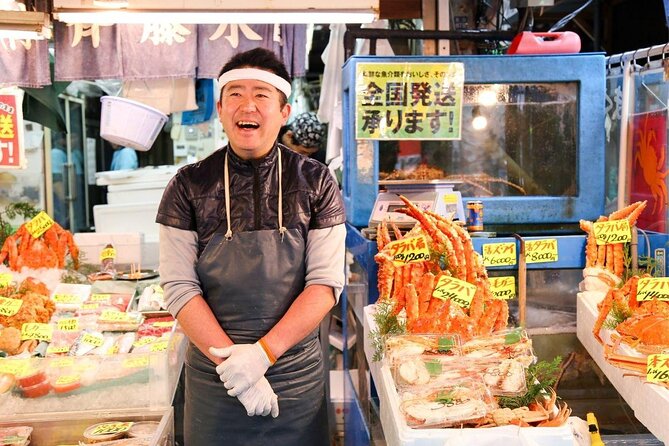
- Six-person maximum: The small group allows plenty of questions and makes it easier to move through narrow market lanes.
- 8:00 a.m. start: Early timing suits Tsukiji, when food stalls and shops are active and the tour can cover a lot before the day gets too crowded.
- Food with cultural context: Tastings may include sushi, tuna, tamagoyaki, fish cake, dried anchovies, wagashi, fruit, and other local snacks.
- Two shrine visits: Kabuki Inari Shrine begins the walk, while Namiyoke Inari Shrine provides a quiet finish near Tsukiji Station.
- Bring proper shoes: Closed-toe sneakers are recommended because market floors can be wet.
- Good for first-time visitors: A guide helps with directions, translations, fish names, and choosing what deserves your attention.
Why a guide helps at Tsukiji Outer Market
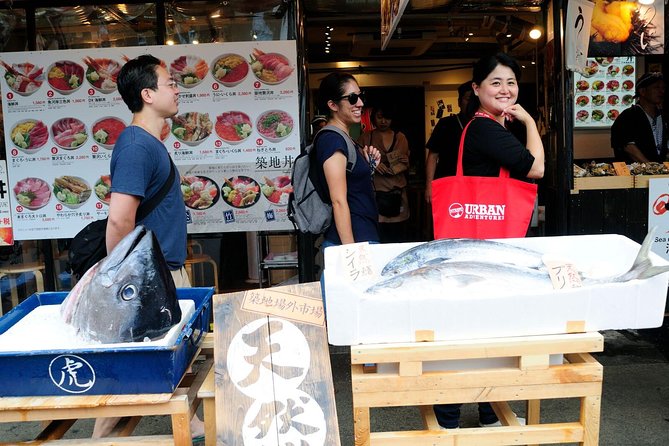
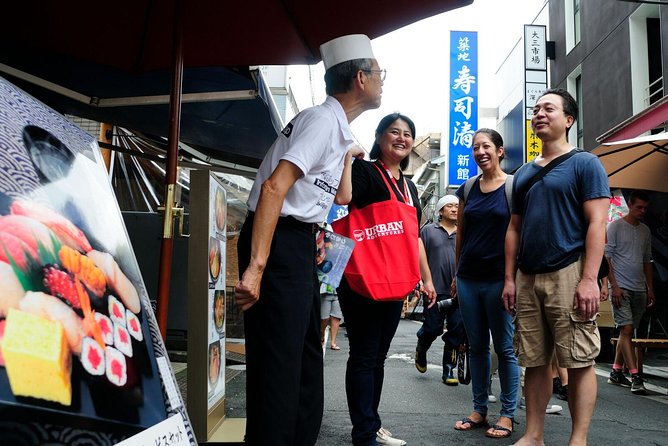
Tsukiji is easy to reach, but it is not always easy to read. The outer market is a maze of narrow lanes filled with seafood, vegetables, prepared foods, sweets, cooking tools, and small shops. You can wander on your own, but you may not know what you are seeing or how to order it.
This tour gives you a route and a translator. That matters when a vendor has a fish you cannot identify, a snack has no English description, or you want to understand how an ingredient is used in Japanese cooking. The guide also helps you avoid spending the whole morning circling the same few streets.
The maximum group size is six. That is a real advantage here. A large party can block a shop entrance or split up quickly in a crowded lane. With a small group, you can ask questions, stay close to the guide, and get more personal suggestions for the rest of your Tokyo visit.
The tour earns a 4.9 rating from 162 ratings, with 98 percent recommending it. Those figures point most strongly to the guides. Mihari was praised for answering questions and going out of her way to help. Yuri used real wasabi and brought a tool for grinding it. Shino helped the group understand the market and happened to show them a tuna weighing more than 250 pounds being prepared for sushi. Aya led a tasting that included several cuts of tuna, sea eel roll, tamagoyaki, and fish cake.
That does not guarantee the same guide or the same food on your date. It does show what this experience can be at its best: a personal introduction rather than a quick walk past shop windows.
More Fish Market Tours in Japan
- Tokyo Tsukiji Fish Market Food and Culture Walking Tour
★ 5.0 · 3,184 reviews - Tokyo: Tsukiji Fish Market Food and Walking tour
★ 5.0 · 1,724 reviews - Tokyo: Tsukiji Fish Market Guided Walking Tour
★ 4.9 · 1,397 reviews
Starting at Kabuki Inari Shrine near Kabukiza
Meet at 8:00 a.m. in front of Kabuki Inari Shrine, beside the Kabukiza theater at 4 Chome-12 Ginza. The shrine is small, but the setting is memorable. You get a look at Kabukiza’s ornate architecture and an introduction to kabuki, Japan’s traditional combination of drama and dance.
This opening is brief, about 10 minutes, so do not expect a theater visit or a full performance explanation. Its value is orientation. You begin in Ginza, one of central Tokyo’s best-known districts, then move toward Tsukiji with some cultural context already in place.
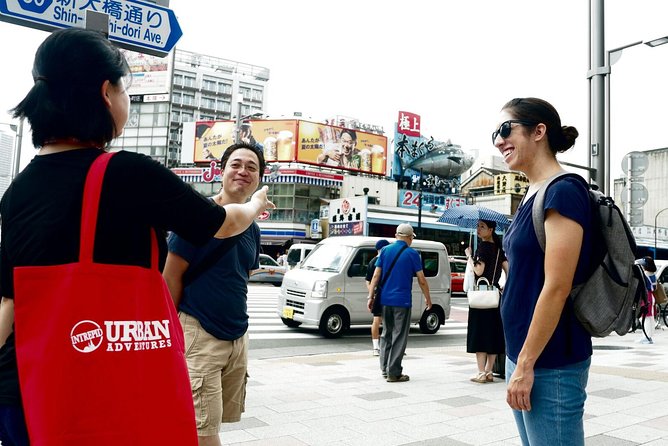
The meeting point deserves care. One person missed the group after walking past the location and arriving about five minutes late. Tokyo’s streets can be confusing, especially around major stations and large buildings. I would arrive early, confirm that you are at Kabuki Inari Shrine rather than simply near Kabukiza, and keep the host’s contact details handy.
The tour starts in the morning, so give yourself extra time for the train and the final walk. A rushed arrival is a poor way to begin a food tour.
Two hours among Tsukiji’s seafood and snack stalls
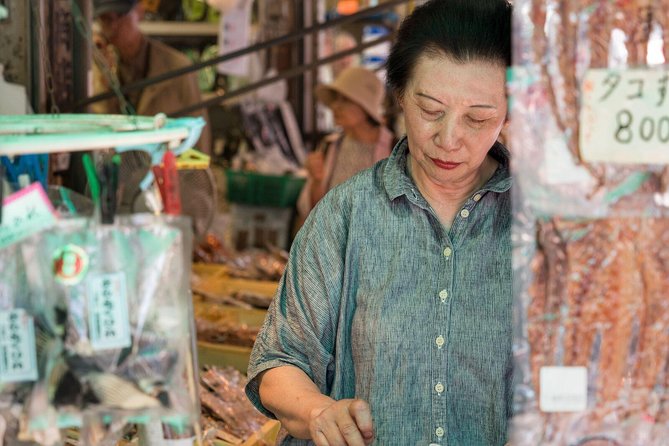
The main portion lasts about two hours. Your guide leads you through the outer market’s alleys, pointing out seafood, vegetables, snacks, and everyday food customs. This is the part that makes the tour worth considering over a simple self-guided visit.
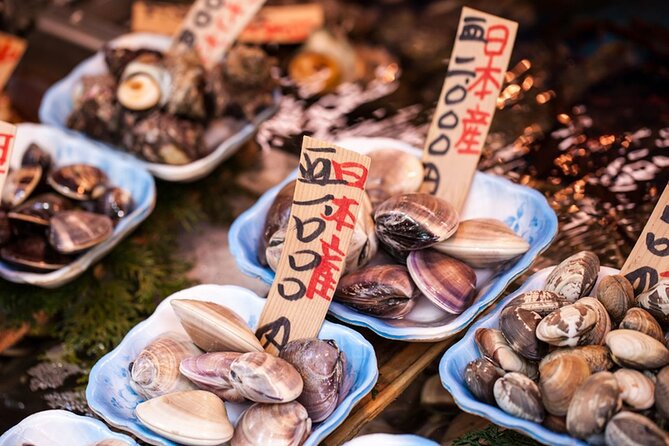
You may see fish in several forms, from fresh cuts to prepared products. The guide can explain the difference between types of tuna and help you understand how ingredients appear in Japanese meals. One tasting included lean, medium-fatty, and fatty tuna, followed by assorted tuna nigiri and a sea eel roll. Another included tamagoyaki, or Japanese omelette, and satsumaage, a fried fish cake.
The food list is not fixed, but the range can be wide. Reported tastings have included:
- Fresh sushi and tuna sashimi
- Tamagoyaki and fish cake
- Sea eel roll
- Dried anchovies
- Fish broth omelette on a stick
- Wagyu beef
- White strawberries
- Sweetened rice balls
- Kawaii wagashi sweets
- Sake and other market foods
That variety is important. Tsukiji is not only a fish stop. You may learn as much from a sweet, omelette, or dried seafood snack as from a piece of tuna. Wagashi, for example, gives you a taste of Japan’s careful confectionery tradition, while fish cake shows how seafood is used beyond raw sushi.
One particularly memorable addition was fresh wasabi prepared with a traditional tool. You grind it yourself, then taste it with sushi. That sort of small demonstration gives the food a story and helps you notice the difference between freshly prepared wasabi and the familiar green paste served elsewhere.
The pace can be substantial. The group covers a lot of ground, and the food may arrive at different points rather than as one planned meal. One account found the amount of food limited and the timing awkward. Another left with a full belly after trying several delicacies. I would treat this as a progressive tasting walk, not breakfast at a single restaurant.
What to expect from the food
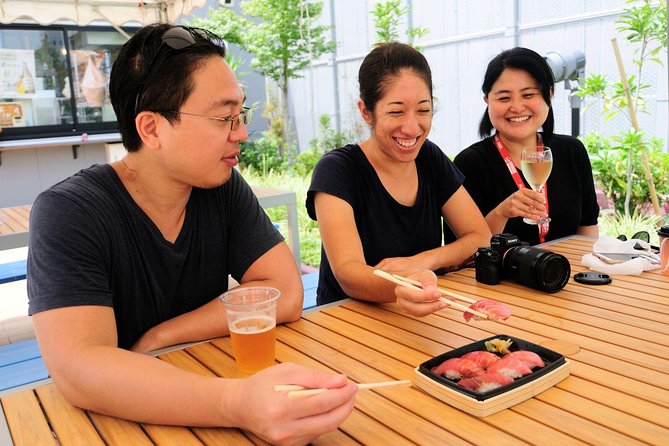
The tour description promises freshly made sushi, local snacks, and wagashi sweets. In practice, the precise food experience depends on the day, the market vendors, and the guide’s route. That is normal in a working market, but it is worth understanding before you pay.
Some outings have featured impressive fresh seafood. The tuna tasting with multiple cuts, handmade sushi, sashimi, and real wasabi sounds like a strong introduction for anyone curious about Japanese fish. Another group saw a large tuna being cut for sushi, an unusual sight that adds a sense of how much work lies behind a small piece on your plate.
At least one experience included premade tuna sushi in a package, fried tuna from an indoor stall, and food eaten at a barbecue place rather than directly at the market counter. The provider acknowledged the concern and said the difference between packaged and freshly created food would be reviewed with the guide.
That detail should shape your expectations. If you want a precise sushi-making demonstration or a guaranteed seat at a famous counter, this is not the right product. If you want a guide to take you through several kinds of food and explain what you are eating, it can be good value.
Drinks and extra food are not included. You should budget for anything beyond the planned tastings. Tips are also not included, so leave room for a gratuity if your guide gives you the kind of personal help this format encourages.
Vegetarian and vegan options are available, but the selection is limited. If you avoid fish and animal products, tell the operator in advance and understand that Tsukiji is still a seafood-centered place. You may enjoy the sweets, vegetables, and cultural stops, but this is not primarily a vegetarian food tour.
More Fish Market Tours in Tokyo
- Tokyo Sushi Making Class in Tsukiji with Professional Chef
★ 5.0 · 1,177 reviews - Tsukiji Fish Market Guided Tour and Sushi Making with Pro Chef
★ 5.0 · 775 reviews - Tokyo: Tsukiji Fish Market Food and Culture Walking Tour
★ 4.7 · 757 reviews - Tsukiji Fish Market: Street Food & Culture Walking Tour
★ 5.0 · 669 reviews
Finishing at Namiyoke Inari Shrine
The walk ends at Namiyoke Inari Shrine, close to Tsukiji Station. The stop lasts about 10 minutes, followed by a roughly 10-minute walk to the nearest station.
This quieter ending balances the noise and movement of the market. The shrine is linked to the local Tsukiji area and gives you a moment to pause before returning to Tokyo’s busy streets. It also helps the tour feel like more than a list of tastings. You see how food, neighborhood customs, and religious places fit together in the city.
The finish is practical, too. Tsukiji Station is served by the Hibiya Line, so you can continue to Ginza, Ueno, or other parts of Tokyo after the tour. The official end area is Tsukiji Outer Market, in the Tsukiji 4-chome area, with access from Tsukiji Station.
Do not confuse this walk with a visit to the former wholesale tuna auction site. This experience focuses on the outer market, its shops, food, and nearby shrines. That is the better fit if you want to eat and learn about ingredients rather than focus on an auction viewing.
Is $83.35 a fair price?
At $83.35 per person, the price is above what you would spend simply wandering Tsukiji and buying one or two snacks. The value comes from the guide, the translation help, the planned route, and the chance to taste several foods without guessing what to order.
The six-person limit improves that value. You are not paying for a large coach tour or standing behind a crowd while the guide points at a stall. You can ask about fish, preparation methods, local etiquette, and other places to eat in Tokyo. Several guides were praised for useful recommendations and for answering questions throughout the walk.
The price is less attractive if you expect a full breakfast, generous portions, or a fixed menu. Food amounts and timing can vary, and extra drinks or purchases cost more. A food-focused visitor who wants to eat until full may prefer to explore independently and spend the same money at a restaurant.
I see the tour as a good orientation purchase for a first visit. You pay for confidence. Once the walk is over, you can return to Tsukiji on your own and buy more of what caught your eye.
Practical advice for a smooth morning
Wear closed-toe shoes. Sneakers are the safest choice because market floors can be wet, and you may be walking for much of the three-hour experience. Comfortable footwear matters more here than dressing up for the Ginza starting point.
Eat lightly beforehand. The food may be spread across the route, and the tastings can add up. At the same time, do not assume you will receive a large meal, especially if your group’s selection is modest.
Arrive early at Kabuki Inari Shrine. The meeting point is near Kabukiza, but being in the right general area is not the same as standing at the shrine. Check the exact map location before leaving your hotel.
Children are welcome, and those under six can join free. Most people can participate, but the tour involves walking through narrow market lanes and standing while tasting food. Anyone who needs a slower pace should raise that question before booking.
A mobile ticket is provided, and confirmation arrives when you book. Free cancellation is available until 24 hours before the start time. After that deadline, the amount paid is not refunded, and changes are not accepted.
Who will enjoy this Tsukiji tour most?
I would recommend it to first-time Tokyo visitors who want an easy introduction to Tsukiji. It is also a strong choice for curious eaters who want explanations along with their samples, especially if fish, sushi, and traditional snacks interest you.
The tour suits solo visitors and couples who prefer a small group. A family can also enjoy it, provided children are comfortable walking and trying unfamiliar foods. The shrine stops give younger participants a change of pace from the market.
It is less suitable if you want a fixed restaurant meal, a large amount of food, or a strictly vegetarian menu. It may also disappoint you if you want to explore at your own speed. The group has a schedule, and the guide decides the route and tasting stops.
Should you book it?
Book this tour if you want help making sense of Tsukiji, value personal attention, and enjoy trying several small foods rather than ordering one carefully chosen meal. The best version includes excellent tuna, fresh sushi, unusual snacks, local explanations, and a guide such as Yuri, Aya, Shino, Mihari, or Koz who makes the morning feel personal.
Book with realistic food expectations. The market route and cultural stops are dependable parts of the plan, but the tastings can vary in freshness, quantity, and timing. For most first-time visitors, the six-person group and translation support justify the price. For a serious sushi hunter, an independent visit to a specific restaurant may offer more control.
FAQ
Where does the tour begin?
It begins at Kabuki Inari Shrine in front of Kabukiza at 4 Chome-12 Ginza, Chuo City, Tokyo 104-0061.
What time does the tour start?
The tour starts at 8:00 a.m.
How long does the experience last?
It lasts approximately three hours. The market visit takes about two hours, with brief stops at Kabuki Inari Shrine and Namiyoke Inari Shrine.
Where does the tour end?
It ends at Tsukiji Outer Market near Tsukiji Station on the Tokyo Metro Hibiya Line.
How many people can join the tour?
The maximum group size is six people.
What food is included?
Included tastings can feature freshly made sushi, local snacks, and wagashi sweets. Specific foods can vary, and drinks plus additional food are not included.
Are vegetarian and vegan options available?
Yes, vegetarian and vegan options are available, but the selection is limited.
Can children join the tour?
Yes. The tour is child-friendly, and children under six can join free.
What should I wear?
Wear closed-toe shoes, preferably sneakers, because market floors can be wet.
More Food Trips in Tokyo
- Toyosu Market Morning Tuna Auction and Tsukiji Food Tour with Licensed Guide
★ 4.5 · 146 reviews - Tokyo Tsukiji Fish Market Food Tour: 15 Stops & Walk Local Street
★ 5.0 · 139 reviews - Tokyo’s Kitchen: Tsukiji Market Food & Culture Walk
★ 4.7 · 74 reviews - Tsukiji Fish Market Private Food Tour in Tokyo
★ 5.0 · 18 reviews
More Food and Drink Trips in Tokyo
- Tsukiji Fish Market Small-Group Food Walking Tour
★ 5.0 · 621 reviews - Tokyo Food Tour Taste Fresh Delights at Tsukiji Market
★ 5.0 · 429 reviews - Tsukiji Fish Market: Street Food & Culture Walking Tour
★ 4.8 · 259 reviews - Tsukiji Food and Toyosu Market with Government-Licensed Guide
★ 5.0 · 158 reviews
Just added around Tokyo
- Tokyo: Private Tsukiji Street Food & Sake with Local Guide★ 5.0 · 3 reviews
- Tokyo: Tsukiji Market Guided Tour & Sushi-Making Experience★ 4.4 · 11 reviews
- Tokyo: Tsukiji Market and Hama-rikyu Gardens Guided Tour★ 4.8 · 73 reviews
- Tokyo: Tsukiji Fish Market Culture Tour with Sashimi Tasting★ 4.6 · 54 reviews
- Tokyo’s Kitchen: Tsukiji Market Food & Culture Walk★ 4.7 · 74 reviews
- Tokyo: Tsukiji Fish Market Foodie and Educational Tour★ 5.0 · 4 reviews
- Tokyo : Tsukiji Fish Market Food Walking & Shrine Visit Tour★ 5.0 · 3 reviews
- Tokyo: Guided Walking Tour of Tsukiji Market with Lunch★ 4.4 · 24 reviews
Fish Market Tours, compared.
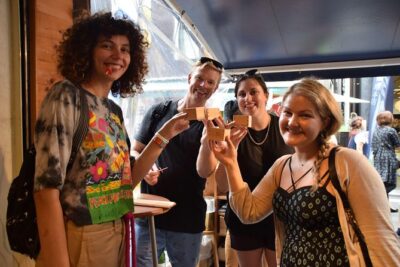
Tokyo Tsukiji Fish Market Food and Culture Walking Tour
Read our review →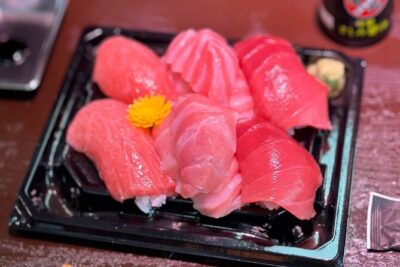
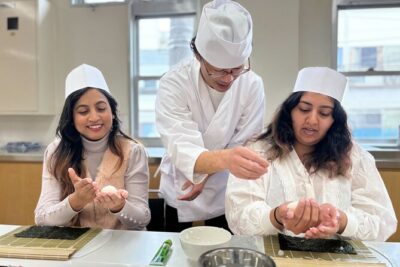
Tokyo Sushi Making Class in Tsukiji with Professional Chef
Read our review →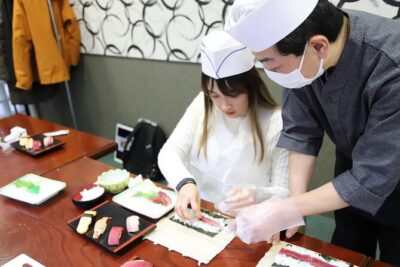
Tsukiji Fish Market Guided Tour and Sushi Making with Pro Chef
Read our review →Tsukiji Fish Market Food and Culture Walking Tour
Read our review →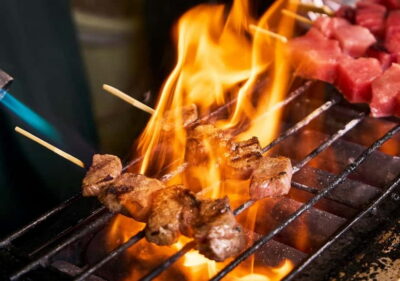
Tsukiji Fish Market: Street Food & Culture Walking Tour
Read our review →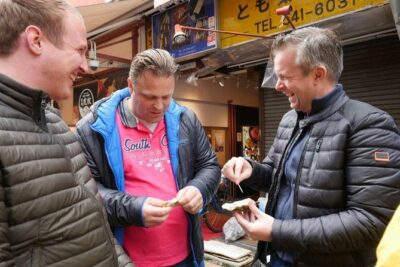
Tsukiji Fish Market Small-Group Food Walking Tour
Read our review →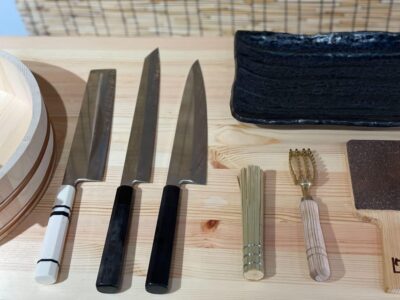
Tsukiji Fish Market Sushi Making Class with Pro Chef
Read our review →Browse the lists this tour appears in