
Review · JAPAN
Tokyo: Tsukiji Fish Market food Tour
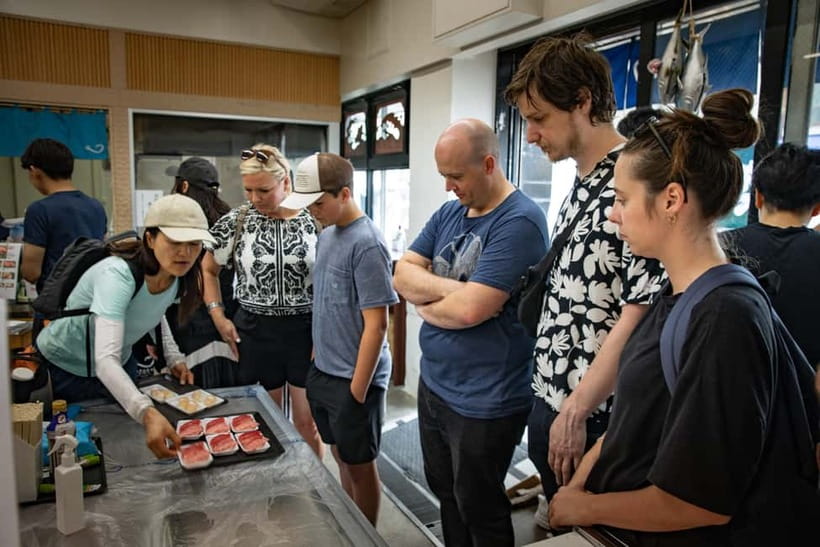
Come hungry, leave with stories. Tokyo’s Tsukiji Fish Market food tour pairs generous tastings with local history, and I like the way guides such as Keiko and Loc explain what you are eating instead of simply handing you a plate. I also like the access to vendor relationships and less obvious market foods. The main drawback is that the route follows selected shops, so you may have less freedom to choose every stop yourself.
At $83 per person, this 150-minute walk makes the most sense if you want a guided introduction to Tsukiji rather than a quick wander through the stalls. You should arrive ten minutes early at the LAWSON Tsukiji 4 Chome Store, and you should skip breakfast. There is enough food on this morning tour to turn your first meal into a full culinary outing.
Key points at a glance
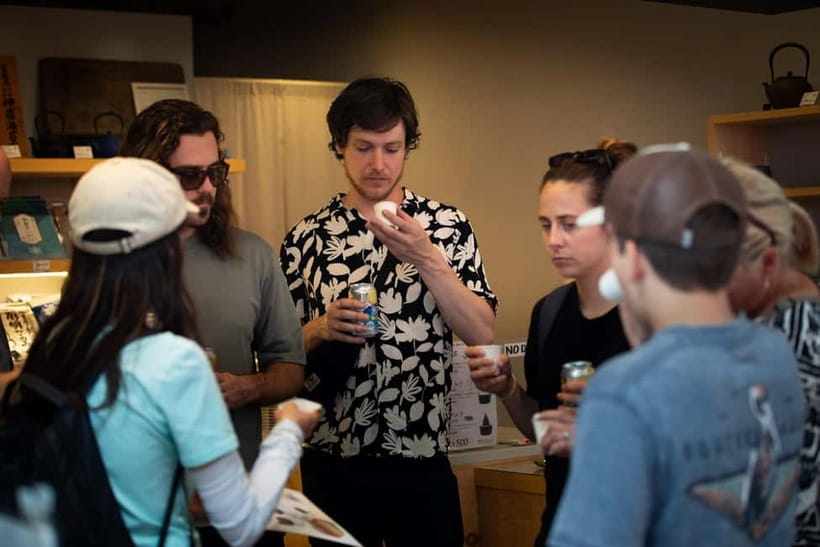
- A full Japanese breakfast: Tuna sushi, sashimi, fish cake, egg roll, dashi soup, green tea, and additional samples are included.
- Two and a half hours in Tsukiji: The tour gives you time to eat, ask questions, watch vendors work, and hear about the market’s past.
- Strong guide praise: Keiko is especially appreciated for her warm manner and close ties with market sellers. Loc is also praised for clear explanations and a well-managed pace.
- A practical first-day activity: The mix of food, orientation, and cultural background can help you get your bearings in Tokyo.
- A scheduled route: The guide chooses the stops, which creates structure but may disappoint you if you want to browse entirely on your own.
- Flexible booking: You can reserve now and pay later, with free cancellation up to 24 hours before the start time.
Why Tsukiji still matters after the wholesale market moved
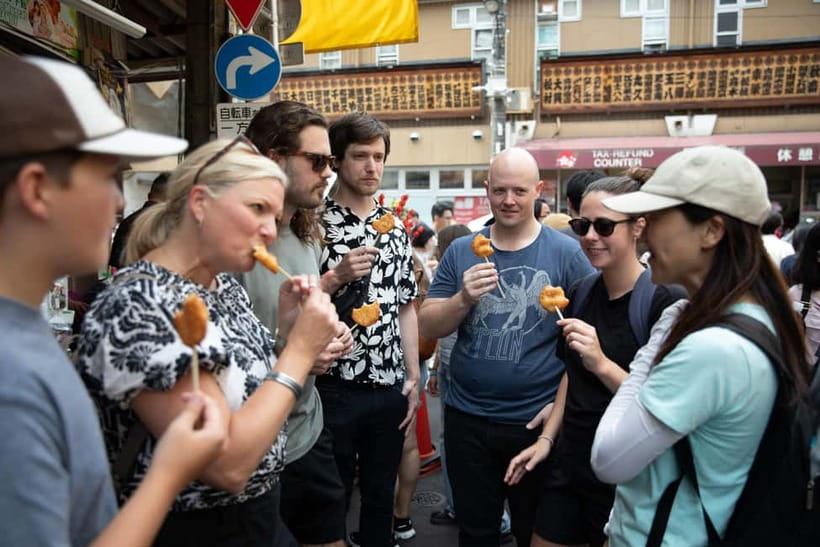
Tsukiji is best understood as Tokyo’s public-facing seafood quarter. The famous inner wholesale market moved to Toyosu, but the Tsukiji Outer Market remains a working food district with shops, small restaurants, seafood sellers, kitchenware stores, and vendors serving both locals and curious visitors.
That distinction matters. You are not signing up for a behind-the-scenes auction tour. Instead, you are exploring the outer market, where food is sold, prepared, explained, and eaten close to the street. The experience is more immediate than a museum visit. You see ingredients in their everyday setting and learn how they fit into Japanese meals.
I like this setting for a first taste of Tokyo food culture because the market gives you many entry points. Seafood is the headline, but the experience also includes tea, soup, egg dishes, fish cake, and other foods. That broader range keeps the morning from becoming a long parade of raw fish.
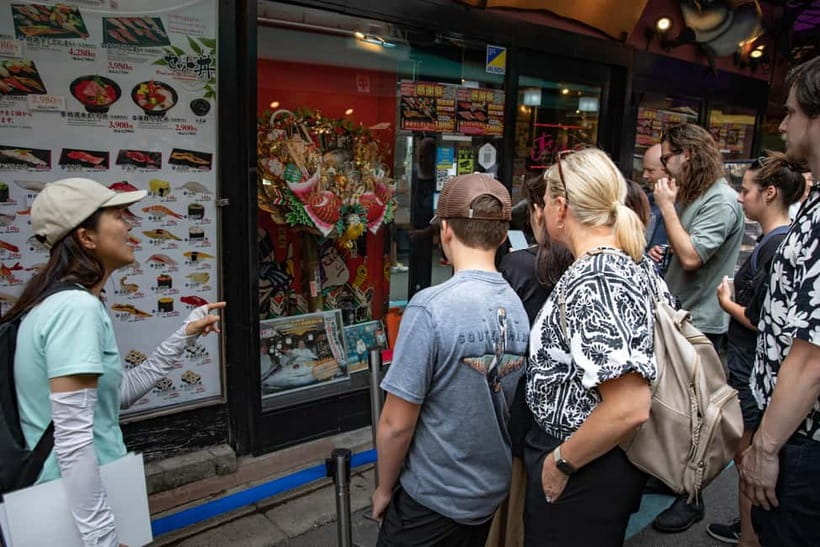
The market can also feel confusing at first. Stalls sit close together, products may be unfamiliar, and the best-looking food is not always easy to identify. A guide gives you a way through that noise. You can concentrate on tasting and asking questions rather than trying to work out every sign and menu alone.
More Fish Market Tours in Japan
- Tokyo Tsukiji Fish Market Food and Culture Walking Tour
★ 5.0 · 3,184 reviews - Tokyo: Tsukiji Fish Market Food and Walking tour
★ 5.0 · 1,724 reviews - Tokyo: Tsukiji Fish Market Guided Walking Tour
★ 4.9 · 1,397 reviews
Meeting at LAWSON Tsukiji 4 Chome Store
The tour starts at the LAWSON Tsukiji 4 Chome Store. Your guide will hold a board, and you are asked to arrive ten minutes before the scheduled start.
That small time buffer matters in a market district. Arriving late could mean searching for a group among shops and pedestrians, while the guide may already have moved toward the first stop. I would treat the meeting time as firm and allow extra time to reach the area.
The guide leads in English. The most warmly praised guide is Keiko, who is described as friendly, clear, and well connected with market vendors. Loc is also praised for his strong explanations and steady pace. Since guides can vary by date, the exact personality of the morning may differ, but the experience depends heavily on having someone who can explain the food and manage introductions.
A guide holding a sign makes the meeting simple, but you should still keep your booking details handy. This is not the sort of activity where you want to begin the day in a rush.
Two hours of tasting around Tsukiji Outer Market
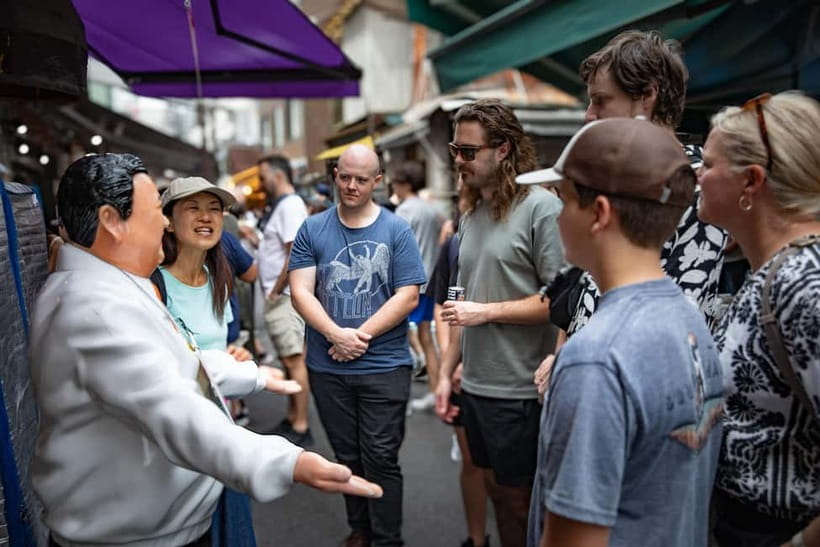
The main market visit lasts about two hours, within a total experience time of 150 minutes. That gives you enough room for several food stops without turning the tour into a hurried series of bites.
You begin by seeing the market as a place of work. Seafood stalls display a wide range of products, and your guide explains what vendors sell and how the area developed. The emphasis is not just on eating. You also learn about daily trade, food preparation, and the traditions connected with Japanese seafood.
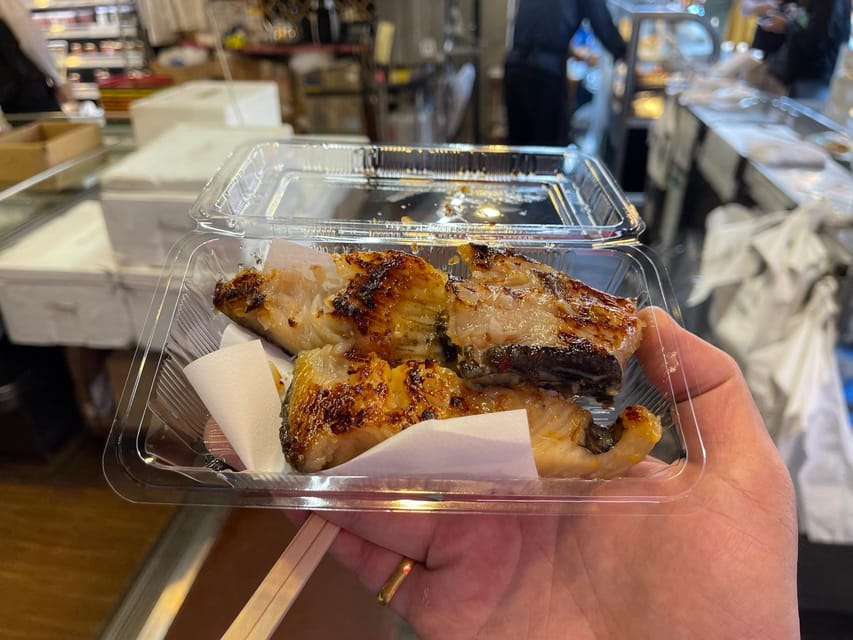
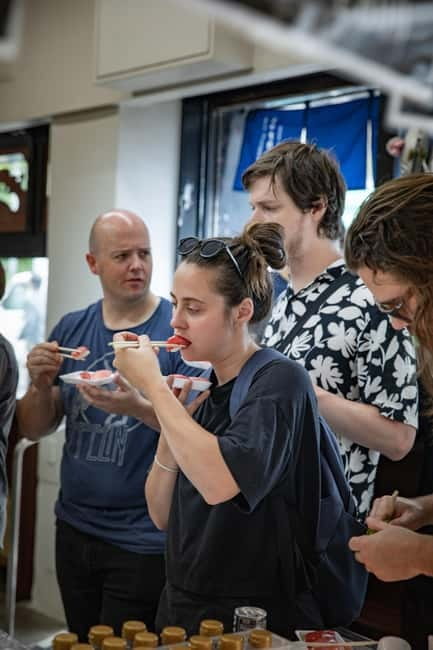
That context adds value to each sample. Tuna sushi is not merely a popular bite. Sashimi gives you a chance to notice the texture and freshness of the fish. Dashi soup shows how much flavor can come from a simple stock. Green tea gives the meal a calmer, more familiar finish.
The included foods are:
- Tuna sushi
- Fish cake
- Egg roll
- Sashimi
- Dashi soup
- Green tea
- Additional market samples
The phrase and more leaves the exact menu open. That is useful if you enjoy discovery, but it also means you should not expect a fixed tasting list with precise portions published in advance.
What you actually eat during the morning
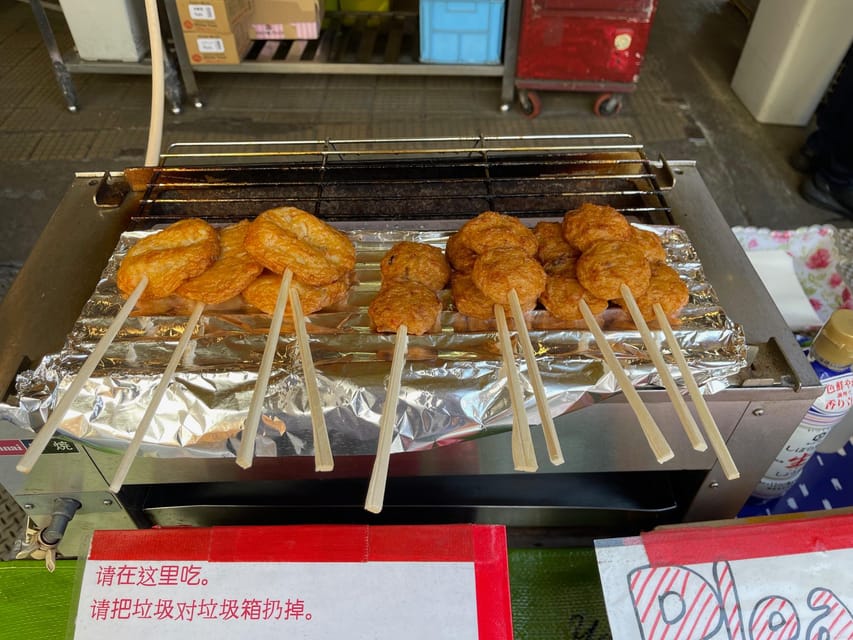
The seafood is the main attraction, and the tour is designed for people who want to sample several preparations. Sushi and sashimi offer the most direct taste of the market. If raw fish is new to you, having a guide nearby can make the experience less intimidating, since you can ask what you are tasting and how it is normally eaten.
Tuna sushi is specifically included. Sashimi is also part of the food selection, so this is not the best choice if you avoid uncooked seafood. The information does not describe substitute dishes for dietary restrictions, so you should confirm any special needs before booking.
Fish cake and egg roll broaden the meal beyond seafood. These foods can be useful palate breaks, especially if you are traveling with someone who is cautious about raw fish. Dashi soup adds a warm, savory element, while green tea helps round off the tasting.
One useful lesson from the food list is that this is not a restaurant meal with one large dish. You are sampling across several vendors and styles. Portions may be small, but the number of stops can add up. One previous participant specifically advised skipping breakfast, and that is practical advice here.
The tour is also a good chance to ask about ingredients you might otherwise pass by. The guide provides cultural background for each dish, so you can learn why certain foods are common and how they relate to Japanese eating habits.
More Street Food Market Tours in Japan
- Tsukiji Fish Market: Street Food & Culture Walking Tour
★ 5.0 · 669 reviews - Tsukiji Fish Market Small-Group Food Walking Tour
★ 5.0 · 621 reviews - Kuromon Market Food Walking Tour in Osaka (6 stops, 6 tastes)
★ 5.0 · 550 reviews - Tokyo Food Tour Taste Fresh Delights at Tsukiji Market
★ 5.0 · 429 reviews
Meeting vendors and seeing the market through local connections
A major strength of this experience is the guide’s relationship with vendors. Keiko is particularly praised for making introductions and helping the group feel welcome at the stalls.
That can change the mood of a market visit. Without a guide, you may simply point at a food, pay, and move on. With a guide, you have a better chance of understanding what the seller specializes in and why a particular item is worth trying.
The information provided does not promise private access or exclusive purchasing rights, so it is best to keep expectations sensible. You are still visiting a public market. The advantage is the guide’s local knowledge and communication, not a secret entrance or a private market hall.
You should also expect the route to be planned in advance. One dissatisfied participant felt the guide took the group to predetermined shops instead of allowing more choice. That criticism is important. A fixed route can protect the timing, food quality, and vendor relationships, but it can feel restrictive if you already know Tsukiji and want to choose your own stops.
For a first visit, I see the structure as mostly helpful. For a repeat visitor or an independent food obsessive, it may be less appealing. You are paying for guidance and interpretation, not complete control over the route.
The value of a $83 food tour
At $83 per person, the price is higher than simply buying a few snacks while walking through Tsukiji. The question is what you want your money to do.
If you visit alone and already understand Japanese food, you may prefer to spend that amount at several stalls of your choice. The tour’s value is weaker for someone who wants maximum freedom or who is comfortable handling unfamiliar menus without help.
For a first-time visitor, the price covers more than food. It includes a live English-speaking guide, a planned route, historical background, vendor introductions, and several tastings. You are also paying for the chance to avoid guesswork. That can be worthwhile in a market where you might otherwise spend money on random items without knowing what they are.
The large number of food samples is another part of the calculation. This is not a quick sushi stop. You get seafood, soup, tea, egg, fish cake, and additional items over two and a half hours. If you treat it as breakfast plus a guided cultural walk, the cost becomes easier to assess.
The strongest value is for people who want a friendly introduction and plenty of food in one morning. The weakest value is for confident independent eaters who would rather choose every shop and spend less.
Timing, pace, and physical access
The full activity lasts 150 minutes, with about two hours focused on Tsukiji Outer Market. Starting times vary, so you should check availability when booking.
The pace has been described as smart and manageable by one participant who joined Loc’s tour. That matters because the experience combines walking, standing, eating, and listening. A rushed guide could turn the market into a blur, while a slow one might leave you hungry or bored. The available feedback suggests the pace is usually one of the tour’s strengths.
The tour is listed as wheelchair accessible. Still, market visits involve moving through a commercial food area, and exact conditions can vary by stall and crowd level. If you use a wheelchair, it would be sensible to confirm any specific access needs before reserving.
Bring an appetite, comfortable shoes, and a willingness to try several foods. The official guidance only asks you to arrive ten minutes early, but the food-focused nature of the tour makes breakfast the one thing I would actively avoid beforehand.
Who will enjoy this Tsukiji tour most
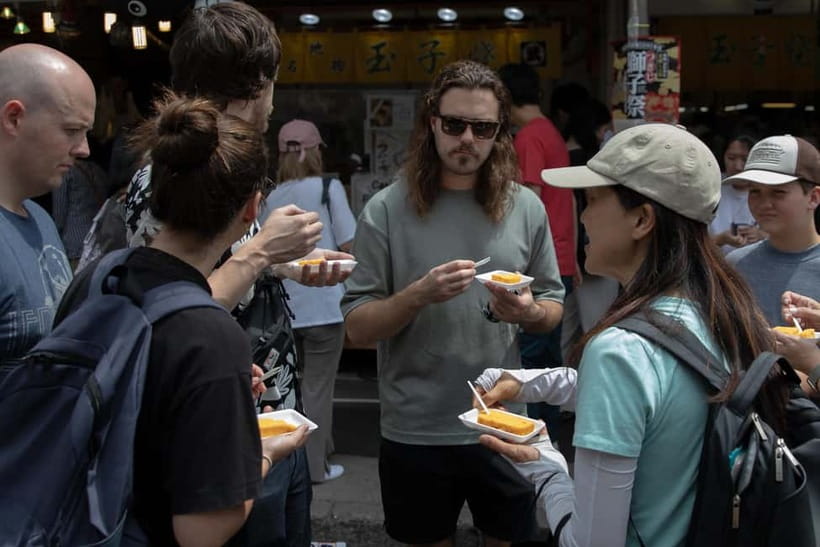
I would recommend this experience to you if:
- You are visiting Tokyo for the first time.
- You want an English-speaking guide to explain unfamiliar foods.
- You enjoy seafood and are comfortable eating sushi and sashimi.
- You want cultural background along with your meal.
- You prefer a planned morning to making every decision yourself.
- You like meeting vendors and hearing about their work.
- You want a substantial breakfast without booking a formal restaurant.
Families and mixed-experience groups may also find the variety useful. Not everyone has to be equally adventurous, since the included foods range from raw seafood to egg roll, soup, fish cake, and tea.
I would be more cautious if you have strict dietary restrictions, dislike raw fish, or want a completely flexible route. The available information does not give a detailed substitution policy, and one negative experience specifically objected to the predetermined stops.
Practical booking advice
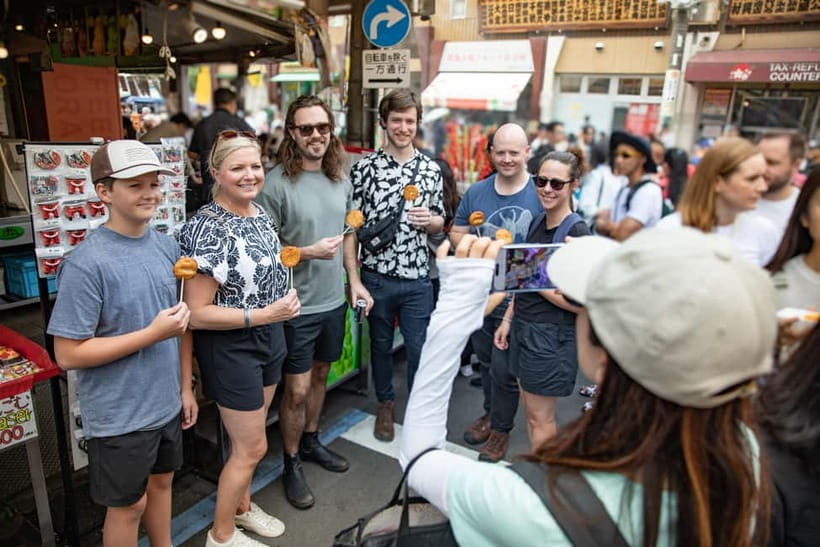
Use the free cancellation policy as a safety net if your Tokyo plans are still moving. You can cancel up to 24 hours before the start for a full refund, and the reserve-now, pay-later option lets you hold a place without paying at once.
Choose a morning when you can eat generously. This is presented as a breakfast or brunch experience, and the amount of food can be substantial. If you have another major food booking soon afterward, leave plenty of time between them.
Arrive at the LAWSON meeting point ten minutes early. Look for the guide’s board, and do not assume you can simply join the group at the first food stall if you are delayed.
If you are considering the tour because of Keiko, understand that guide assignments can depend on the date. Her warm vendor relationships are one of the clearest strengths associated with the experience, but the tour is also praised when led by Loc.
Should you book it?
Book this tour if you want Tsukiji explained as you eat. The combination of tuna sushi, sashimi, dashi soup, tea, egg roll, fish cake, and extra samples gives you a fuller introduction than a single market snack, while the guide adds context that is hard to get from a quick self-guided walk.
Skip it if you already know Tsukiji well or care more about choosing every stop than learning from a planned route. At $83, you are paying for guidance, access to local relationships, and a substantial tasting session. For a first visit, that package is convincing. For an independent repeat visit, exploring on your own may be the better bargain.
FAQ
Where does the Tsukiji food tour begin?
It begins at the LAWSON Tsukiji 4 Chome Store. The guide will be holding a board, and you should arrive ten minutes before the start time.
How long does the experience last?
The total duration is 150 minutes. About two hours are spent visiting Tsukiji Outer Market for food, explanations, and market sightseeing.
What food is included?
The included items are tuna sushi, fish cake, egg roll, sashimi, dashi soup, green tea, and additional foods.
Is the tour conducted in English?
Yes. The tour has a live English-speaking guide.
Is the tour wheelchair accessible?
Yes, the activity is listed as wheelchair accessible.
Can I cancel the booking?
Yes. You can cancel up to 24 hours before the start time for a full refund. You can also reserve now and pay later.
More Food Trips in Japan
- Inside Tokyo’s Kitchen: Tsukiji Market, Food & Culture Tour
★ 5.0 · 162 reviews - Tsukiji Food and Toyosu Market with Government-Licensed Guide
★ 5.0 · 158 reviews - Toyosu Market Morning Tuna Auction and Tsukiji Food Tour with Licensed Guide
★ 4.5 · 146 reviews - Tokyo Tsukiji Fish Market Food Tour: 15 Stops & Walk Local Street
★ 5.0 · 139 reviews
More Food and Drink Trips in Japan
- Tokyo: Tsukiji Fish Market Food and Culture Walking Tour
★ 4.7 · 757 reviews - Kyoto Nishiki Market Food and Culture Walking Tour
★ 5.0 · 412 reviews - Osaka: Kuromon Market Food Walking Tour (6 stops, 6 tastes)
★ 4.6 · 272 reviews - Tsukiji Fish Market: Street Food & Culture Walking Tour
★ 4.8 · 259 reviews
Just added around Japan
- Nagoya Super Market Tour & Home Cooking Class with a Local, Akiko★ 5.0 · 10 reviews
- Tokyo: Private Tsukiji Street Food & Sake with Local Guide★ 5.0 · 3 reviews
- Tokyo: Tsukiji Market Guided Tour & Sushi-Making Experience★ 4.4 · 11 reviews
- 【Family pack】Tokyo: Tsukiji fish market food tour★ 5.0 · 3 reviews
- Tokyo: Tsukiji Market and Hama-rikyu Gardens Guided Tour★ 4.8 · 73 reviews
- Tokyo: Tsukiji Fish Market Culture Tour with Sashimi Tasting★ 4.6 · 54 reviews
- Tokyo : Tsukiji Fish Market Food Walking & Shrine Visit Tour★ 5.0 · 3 reviews
- Tokyo’s Kitchen: Tsukiji Market Food & Culture Walk★ 4.7 · 74 reviews
Street Food Market Tours, compared.
Old Town, Creek, Museums, Souks, & Street Food Tour
Read our review →
Old Town, Souks, Street Food, Guided Tour & Abra Ride
Read our review →

London Bridge & Borough Market Food Tour with 7 Authentic Dishes
Read our review →
Old Town, Souks, Street Food, Guided Tour & Abra Ride
Read our review →
Small Group Cooking Class & Market Food Tour in Florence
Read our review →
Browse the lists this tour appears in