
Review · JAPAN
Tokyo Morning Tour: Asakusa, Meiji Shrine and Tsukiji Fish Market
Start Tokyo with three major sights. This four-hour morning tour links Meiji Jingu Shrine, Tsukiji Fish Market, and Senso-ji Temple with an English-speaking guide, giving you a useful first look at three very different sides of the city. I like the efficient route and the small group, which is capped at eight people. The main drawback is the price: at $157, you are paying for guidance, timing, and convenience rather than expensive entry tickets.
I also like that the tour ends in Asakusa, where you can keep exploring on your own. The early start helps you reach the sights before the heaviest crowds, and guides such as Ryota, Yota, and Andres Burgos have earned especially strong praise for clear explanations, friendly help, and good photo spots.
Key points to know before booking
- Three major Tokyo districts in four hours: You visit Meiji Shrine, Tsukiji Fish Market, and Senso-ji in one carefully timed morning.
- Small group of no more than eight: This gives the guide a better chance to answer questions and help with photos.
- An early start has a real payoff: Morning timing is designed to avoid the worst crowds at the temples and market.
- The route ends in Asakusa: You are not sent back to the starting point, so plan your next activity from eastern Tokyo.
- Public transport costs extra: Allow about 600 yen for trains or other local transport during the tour.
- Photos are included: Your guide takes pictures during the experience, a helpful touch if you are traveling alone or with a small group.
Why this compact Tokyo tour works
Tokyo can feel hard to grasp at first. Its major sights are spread across different districts, and a half-day spent crossing the city without a plan can leave you seeing less than expected. This tour solves that problem by connecting three important places in a short morning.
The contrast is the real appeal. Meiji Jingu gives you forest paths and Shinto customs. Tsukiji brings food culture and market activity. Senso-ji places you in old Asakusa, with a famous gate, temple buildings, and a shopping street full of traditional goods.
I like this mix because it avoids making the morning all temples or all shopping. You get a sense of Tokyo as both a modern capital and a city that still protects its religious and culinary traditions.
The tour lasts about four hours, with roughly an hour at each main stop. That is enough time to see the central features and hear useful background, but not enough for a slow, unplanned wander. You should book it for orientation and coverage, not for deep independent exploration of each district.
More Fish Market Tours in Japan
- Tokyo Tsukiji Fish Market Food and Culture Walking Tour
★ 5.0 · 3,184 reviews - Tokyo: Tsukiji Fish Market Food and Walking tour
★ 5.0 · 1,724 reviews - Tokyo: Tsukiji Fish Market Guided Walking Tour
★ 4.9 · 1,397 reviews
Starting near Harajuku and Meiji Jingu
The meeting point is Starbucks Coffee at With Harajuku, 1-14-30 Jingumae, Shibuya. Check the exact location before you leave, since Tokyo has many Starbucks branches and the name alone is not enough for navigation.
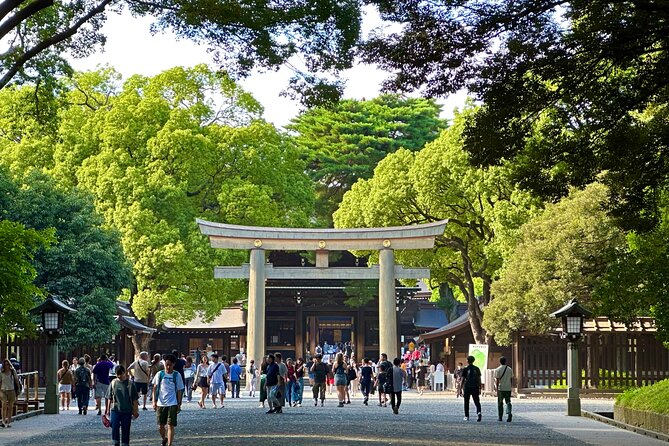
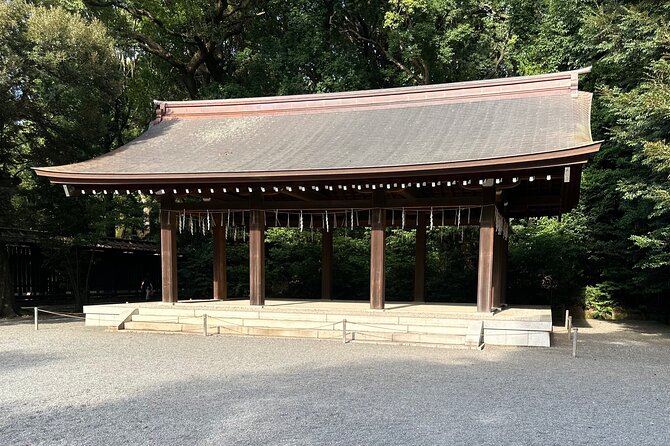
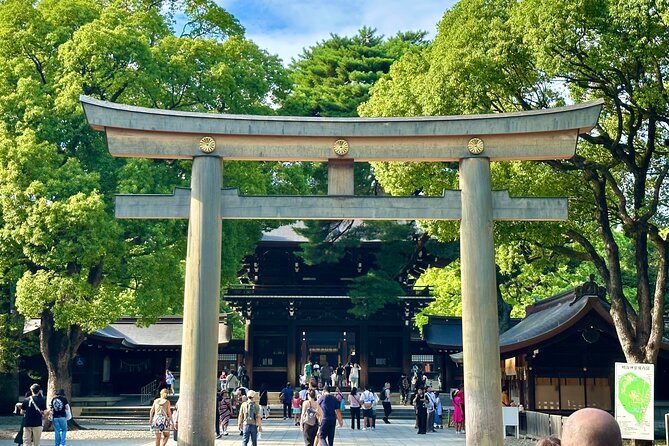
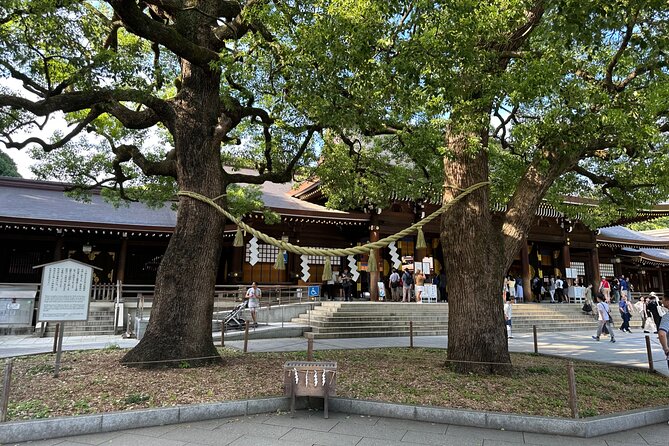
From there, the first stop is Meiji Jingu Shrine. The setting changes quickly from busy Harajuku to a broad, wooded approach. The shrine honors Emperor Meiji and Empress Shoken, and its forested grounds offer a calm opening to the day.
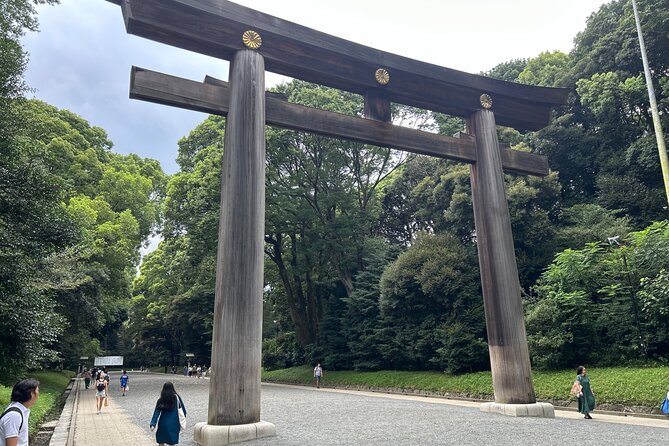
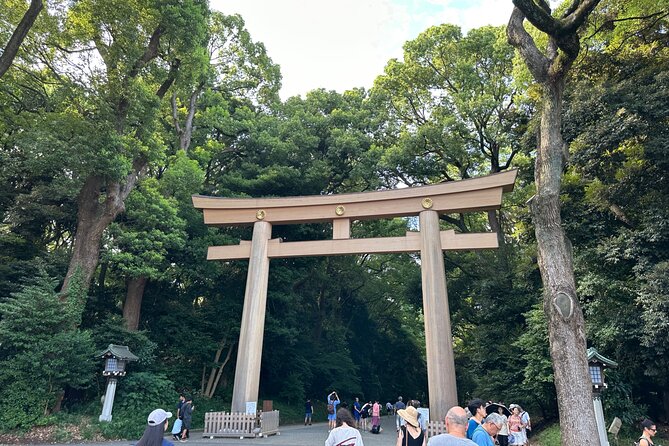
You will see large torii gates, quiet paths, and areas where traditional customs take place. A guide is useful here because the meaning of the shrine is not always obvious at a glance. You can learn how to behave respectfully and understand why this site matters in modern Japanese history and religious life.
The peaceful setting is the strongest part of this stop. It gives you a break from Tokyo’s signs, traffic, and packed streets without requiring a trip far outside the city.
The one limitation is time. An hour can pass quickly, especially if you want to take photos, read signs, and pause in the forest. You may leave wishing for longer, but the tight schedule is what lets the tour include two other major districts.
Tsukiji Market and Tokyo’s food culture
Tsukiji is the most sensory stop on the route. The market has more than 80 years of history and was once the world’s largest wholesale seafood market. Although the wholesale tuna auction moved elsewhere, Tsukiji remains a major place for seafood and food ingredients.
You can expect displays and stalls featuring items such as tuna, octopus tentacles, and fresh produce. The point is not simply to look at fish. Tsukiji helps explain how central fresh ingredients are to Japanese cooking and why chefs make the market part of their morning routine.
The supplied tour details note that Michelin-starred chefs visit Tsukiji to buy high-quality seafood and ingredients. That gives the market extra context, but you should not expect a formal cooking class or a guided tasting menu. Food and drinks are not included, so any snacks or purchases come from your own budget.
I see the market stop as a good chance to ask questions. A guide can help explain what you are seeing and connect individual ingredients to Japanese food traditions. Without that context, Tsukiji can become a fast walk past stalls that may look unfamiliar.
One hour is practical but short. If you want to eat, shop, and photograph the market at length, you will need to return another morning. The tour gives you an introduction, not a complete market visit.
Senso-ji and the old streets of Asakusa
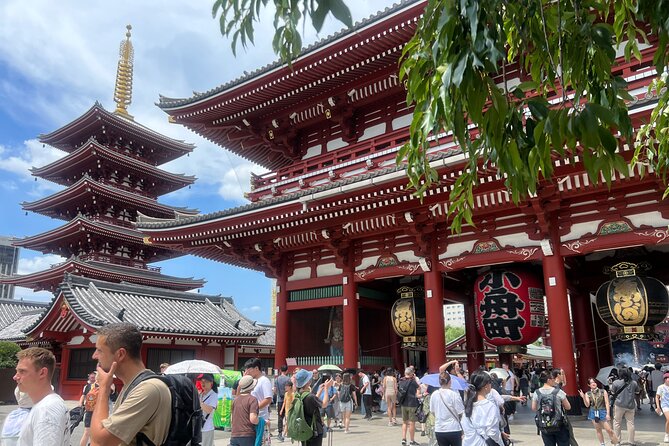
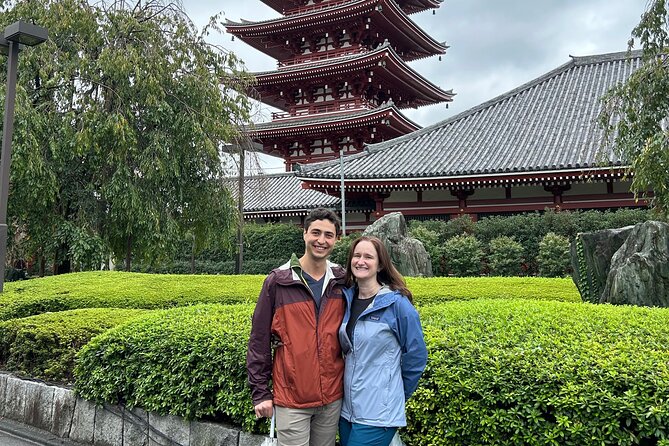
The final stop is Senso-ji Temple in Asakusa, Tokyo’s historic district. This is the oldest temple in Tokyo and one of the city’s most recognizable sights.
Your approach includes the red Kaminarimon Gate and Nakamise shopping street. The gate is a natural photo stop, while the shopping street leads you toward the temple with traditional snacks, souvenirs, and small shops.
Senso-ji has a very different feel from Meiji Jingu. Meiji Jingu is set among trees and encourages a quieter pace. Senso-ji is more visually direct, with red architecture, crowds, shops, and a clear procession toward the main temple area.
The guide’s historical explanations are valuable here because Asakusa has more to offer than a quick photograph at the gate. You can learn how the district fits into Tokyo’s older cultural identity and why Senso-ji remains such a popular place to visit.
The drawback is that this is often the busiest stop. Even with a morning start, you may find more people here as the day develops. If you want empty photographs, the schedule helps, but it cannot guarantee them.
Since the tour ends in Asakusa, this is also the most useful place to continue independently. You can stay for more temple time, browse the shops, or make your own plans in the area without returning to Harajuku.
More Fish Market Tours in Tokyo
- Tokyo Sushi Making Class in Tsukiji with Professional Chef
★ 5.0 · 1,177 reviews - Tsukiji Fish Market Guided Tour and Sushi Making with Pro Chef
★ 5.0 · 775 reviews - Tokyo: Tsukiji Fish Market Food and Culture Walking Tour
★ 4.7 · 757 reviews - Tsukiji Fish Market: Street Food & Culture Walking Tour
★ 5.0 · 669 reviews
What the guides add to the morning
The guide is the main reason to consider this tour instead of visiting the three places alone. Tokyo’s rail system is manageable, but moving between Harajuku, Tsukiji, and Asakusa still requires attention to routes, timing, and station changes.
You are not simply handed a map. The guide leads the way, explains the districts, and helps keep the group moving. That matters when you have only four hours and do not want to lose part of the morning to navigation.
Several guide names received especially strong praise. Ryota was noted for attentive service, good timing, and knowing useful photo locations. Yota was described as approachable and well informed, with the ability to make the amount of sightseeing feel manageable. Andres Burgos was also praised for his explanations and friendly manner.
The photo service is a small but practical benefit. Your guide takes pictures during the tour, which can help couples, families, and solo visitors avoid asking strangers for every group shot. It also lets you pay more attention to the surroundings instead of managing your phone constantly.
The group limit of eight is important. This is not a large coach tour where you trail behind a flag and wait for dozens of people. A small group should make it easier to hear the guide and ask questions, although the pace will still be shared with the other participants.
The $157 price and what you receive
At $157, this is not a cheap sightseeing option. The main attractions are cultural sites and a public market, so the price is not driven by costly admission. The value comes from combining three distant areas, saving planning time, getting an English-speaking guide, and receiving photos.
You also pay around 600 yen for public transportation, and food and drinks are separate. That means your real cost will be higher than the advertised tour price once transport and any market purchases are added.
I would view the tour as most worthwhile during a short Tokyo visit. If you have only a day or two, a well-timed route can be worth more than saving money by planning each connection yourself. The guide also gives you background that is easy to miss when you visit independently.
If you have several days in Tokyo, the value is less obvious. You could visit each district on your own, spend longer at the market, and return to favorite sites at your preferred pace. Independent visitors who enjoy planning rail routes may find the price hard to justify.
The tour includes admission tickets for the listed stops, an English-speaking guide, photos, and historical explanations. Since the tour is only about four hours, it also leaves the rest of your day open.
Timing, transport, and practical planning
This is a morning tour, and the early start is part of the design rather than an inconvenience to ignore. Starting early helps you see the shrines and market before the day becomes more crowded.
Wear shoes that you can walk in comfortably. The tour includes shrine paths, market lanes, shopping streets, and transfers between districts. The information provided does not give an exact walking distance, so I would plan for a mobile morning rather than a seated sightseeing ride.
Public transportation is not included. Set aside about 600 yen for local transport, and keep a mobile ticket available along with the meeting-point details. The tour begins at With Harajuku and ends in Asakusa, so do not plan to return to the starting point immediately afterward.
The one-way finish is a useful feature, but only if it fits your day. Asakusa is a good base for continuing sightseeing, while returning to western Tokyo will take additional time and transport.
Confirmation is provided at booking, and the experience is near public transportation. Most people can participate, but the supplied details do not provide a more specific accessibility description, so you should ask the provider directly if you have mobility concerns.
Free cancellation is available when you cancel at least 24 hours before the start time. Cancellations inside that window are not refunded, and changes are not accepted. The tour also requires a minimum number of participants, so a cancellation by the provider may result in another date, a different experience, or a full refund.
Who should book this experience
I would choose this tour if you are visiting Tokyo for the first time and want a clear introduction without spending hours planning trains. It also suits people who prefer cultural explanations to simply collecting photographs of famous places.
It is a good fit for solo visitors because the guide handles navigation and can take photos. Couples and small groups may also appreciate the eight-person limit and the organized timing.
The tour may suit families if everyone can manage a four-hour morning with walking and public transport. The market and temples offer different points of interest, so the day does not rely on one type of attraction.
I would be more cautious if you dislike fixed schedules. You get about one hour at each stop, and that leaves little room to linger. Serious food fans may also want a separate, longer visit to Tsukiji, while temple enthusiasts may prefer to give Meiji Jingu or Senso-ji a full morning.
Should you book the Tokyo morning tour?
Book it if you value efficient sightseeing, a small group, and useful local context more than the lowest possible price. The route covers three very different parts of Tokyo, the morning timing helps with crowds, and the tour ends in a district worth exploring on your own.
Skip it if you have plenty of time, enjoy arranging public transport, or want to spend several hours at Tsukiji or Senso-ji. At $157 plus transport and food, this is a convenience purchase.
For a short first visit, I think the strongest case is the combination of timing and guidance. You see Meiji Jingu, Tsukiji, and Senso-ji before lunch, then continue your Tokyo day from Asakusa with a better sense of how the city fits together.
FAQ
How long does the Tokyo morning tour last?
The tour lasts approximately four hours.
Which places does the tour visit?
It visits Meiji Jingu Shrine, Tsukiji Fish Market, and Senso-ji Temple in Asakusa.
Where does the tour start?
The meeting point is Starbucks Coffee at With Harajuku, 1-14-30 Jingumae, Shibuya, Tokyo 150-0001.
Where does the tour end?
The tour ends in Asakusa, Taito City, Tokyo 111-0032.
Is an English-speaking guide included?
Yes. An English-speaking guide leads the tour and provides historical information about the districts.
Are photos included?
Yes. The guide takes photos during the tour.
How many people can join the tour?
The group has a maximum of eight participants.
Is public transportation included in the price?
No. Public transportation costs about 600 yen and is paid separately.
Are food and drinks included?
No. Food and drinks are not included.
Can I cancel for a full refund?
Yes, if you cancel at least 24 hours before the experience starts. Cancellations made less than 24 hours before the start time are not refunded.
More Morning Departures in Tokyo
- Toyosu Market Morning Tuna Auction and Tsukiji Food Tour with Licensed Guide
★ 4.5 · 146 reviews - Tokyo Early Morning Tour Asakusa Meiji Shrine (Private Opt)
★ 5.0 · 69 reviews - Tokyo Morning Tour: Meiji Shrine, Asakusa & Fish Market
★ 4.9 · 44 reviews - Tingly Thai Cooking Class with Morning Market Tour
★ 5.0 · 589 reviews
Just added around Tokyo
- Tokyo: Private Tsukiji Street Food & Sake with Local Guide★ 5.0 · 3 reviews
- Tokyo: Tsukiji Market Guided Tour & Sushi-Making Experience★ 4.4 · 11 reviews
- Tokyo: Tsukiji Fish Market Culture Tour with Sashimi Tasting★ 4.6 · 54 reviews
- Tokyo: Tsukiji Market and Hama-rikyu Gardens Guided Tour★ 4.8 · 73 reviews
- Tokyo’s Kitchen: Tsukiji Market Food & Culture Walk★ 4.7 · 74 reviews
- Tokyo: Tsukiji Fish Market Foodie and Educational Tour★ 5.0 · 4 reviews
- Tokyo : Tsukiji Fish Market Food Walking & Shrine Visit Tour★ 5.0 · 3 reviews
- Tokyo: Guided Walking Tour of Tsukiji Market with Lunch★ 4.4 · 24 reviews
Fish Market Tours, compared.
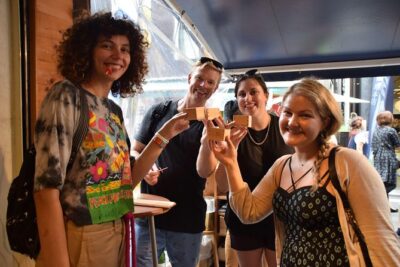
Tokyo Tsukiji Fish Market Food and Culture Walking Tour
Read our review →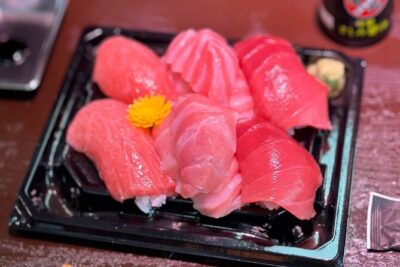
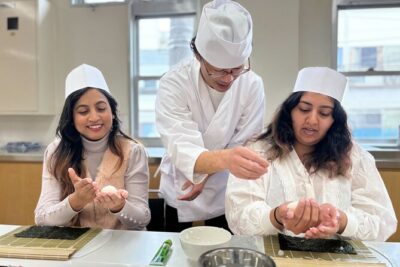
Tokyo Sushi Making Class in Tsukiji with Professional Chef
Read our review →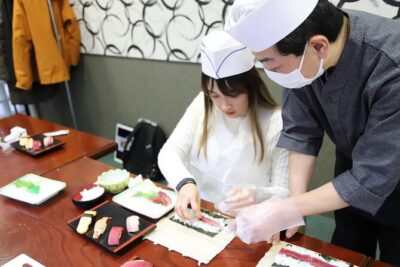
Tsukiji Fish Market Guided Tour and Sushi Making with Pro Chef
Read our review →Tsukiji Fish Market Food and Culture Walking Tour
Read our review →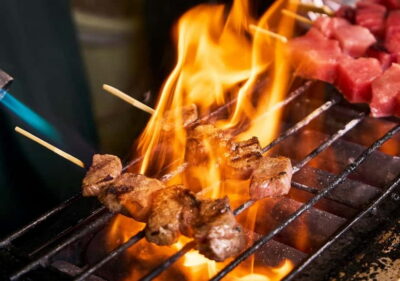
Tsukiji Fish Market: Street Food & Culture Walking Tour
Read our review →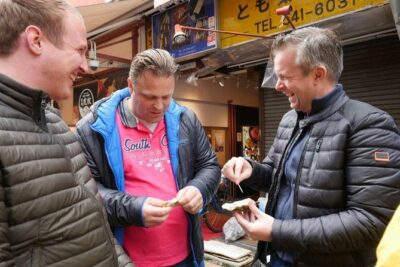
Tsukiji Fish Market Small-Group Food Walking Tour
Read our review →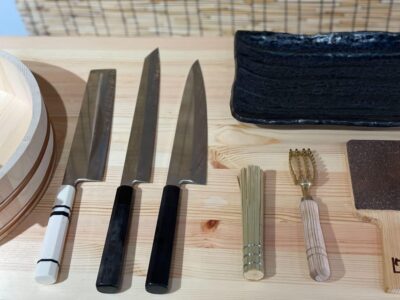
Tsukiji Fish Market Sushi Making Class with Pro Chef
Read our review →Browse the lists this tour appears in