
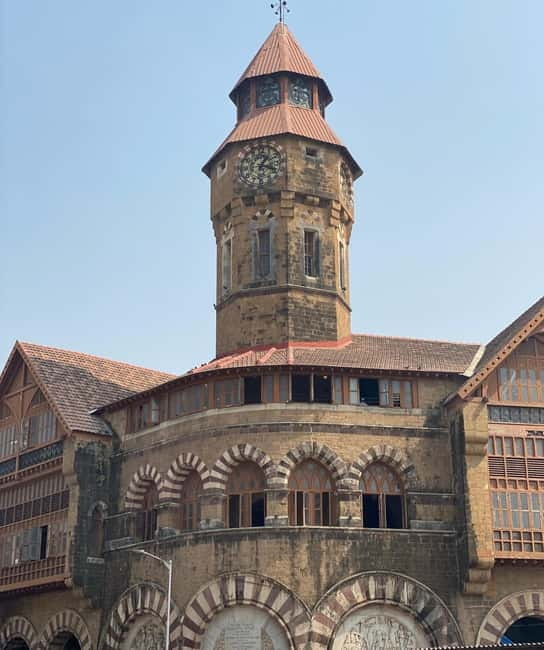
Review · INDIA
Markets of Mumbai Walking Tour
Mumbai gets loud, crowded, and wonderfully direct.
This 5.5-hour market walk takes you through South Mumbai’s busiest shopping streets, from the CSMT area to Kala Ghoda. I like the focus on everyday commerce: spices, masala tea, dry fruits, fabrics, jewellery, accessories, and household linens. I also like the small-group limit of five, which should make it easier to ask about prices and fabrics without losing your guide in the crowd.
The main consideration is simple: this is a shopping and street-life tour, not a polished sightseeing circuit. You will walk through busy streets, spend time browsing, and handle the heat. Shopping costs extra, pickup is not included, and you should carry sunscreen and a bag if you plan to buy anything.
Key things to know before you go
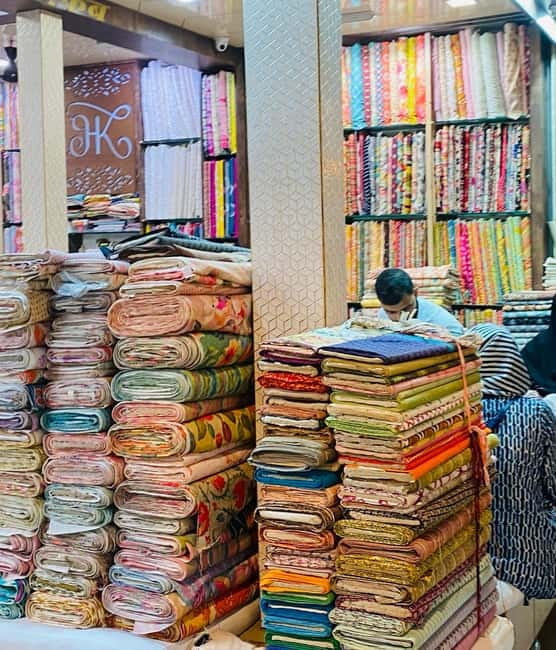
- Two major market areas: Visit Mumbai’s oldest spice market and its largest wholesale fabric market.
- Fashion-focused guidance: Namrta, a fashion designer by profession, helps explain Indian textiles, pricing, and buying choices.
- Small group size: The tour is limited to five participants, useful in crowded lanes and compact shops.
- A practical South Mumbai route: Start near CSMT, use a black cab between sections, and finish at the Kala Ghoda Statue.
- Shopping covers more than food: Look for fabrics, clothing, accessories, jewellery, home goods, and linen.
- A simple local finish: The guide provides a local snack or masala tea at the end.
Starting near CSMT and entering Mumbai’s market world
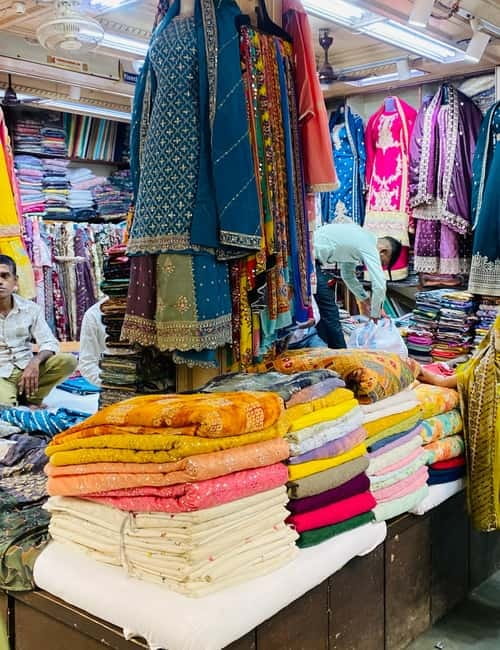
The meeting point is near Namah Sleeping Pods at CSMT, with a viewing gallery for the station directly across the road. That is a useful landmark in a busy part of South Mumbai. You are not being collected from your hotel, so plan your own way to the meeting point and arrive ready to start on foot.
The tour begins with about a 10-minute walk. This short opening gets you away from the immediate station area and into the working streets around the markets. The walk is not just a transfer. It is part of the experience, giving you time to adjust to Mumbai’s traffic, noise, shopfronts, and steady flow of vendors.
I like that the tour begins in this part of the city rather than placing you directly inside a shop. You start by seeing how the markets fit into the city around them. That matters in Mumbai, where the space between transport hubs, wholesale businesses, small stalls, and specialty shops is often as interesting as the products themselves.
Wear comfortable shoes. Five and a half hours is a long time to spend on your feet, and the tour includes both walking and standing while you browse.
More Market Walking Tours in India
- Mumbai Heritage, Street Food & Bazaar Walking Tour
★ 5.0 · 4 reviews - Private Heritage Walking Tour in Jaisalmer Fort and Old Bazaar
★ 5.0 · 306 reviews - Jaipur Bazaar & Food Walking Tour
★ 5.0 · 281 reviews
Mumbai’s spice market and the business of everyday ingredients
One of the main stops is Mumbai’s oldest spice market. The supplied route does not name the market, so you should not expect a detailed list of individual stalls in advance. What is clear is the focus: spices, masala tea, and dry fruits, along with the chance to see the trade that supplies local homes and businesses.
This is the sort of stop where your guide’s help can add real value. Spice shops can be confusing when products look similar or when prices vary by quality and quantity. Namrta is there to explain prices and other aspects of Indian textiles, but the tour also gives you access to a market where you can ask practical questions about what you are seeing.
You can buy items if you wish, but shopping is not included in the $43 price. That separation is helpful. You are paying for the guide and the time spent navigating the markets, not for a forced shopping package.
The market is likely to feel intense, especially during busy hours. You will be sharing narrow streets with vendors, shoppers, and local trade. Keep your wallet and phone secure, stay close to the group, and avoid carrying more than you need.
If you plan to bring spices or dry fruits home, pack a shopping bag. The tour specifically advises carrying one. It is a small point, but a useful one. A few purchases can become awkward to hold after several hours of walking.
The wholesale fabric market and a fashion designer’s perspective
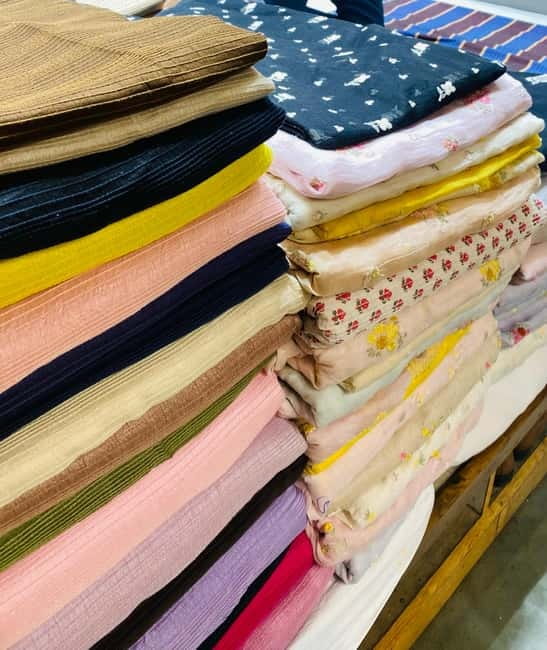
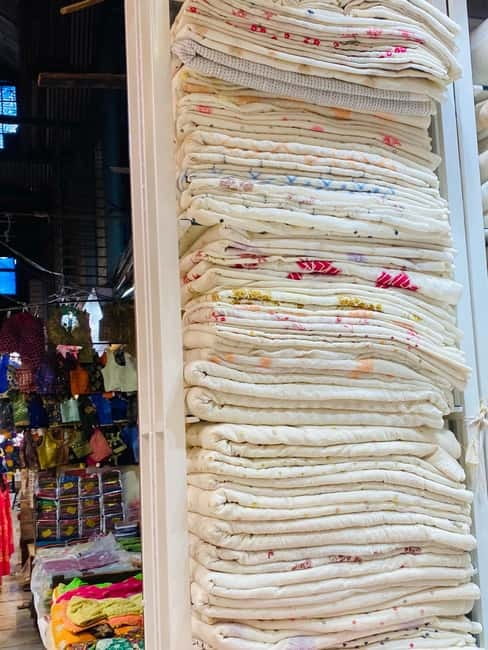
The other major stop is Mumbai’s largest wholesale fabric market. This is the strongest reason to book the tour if you care about clothing, sewing, design, or Indian textiles.
Wholesale markets can be difficult to understand on your own. Shops may focus on particular materials, patterns, or quantities, and the best purchase is not always the first attractive piece you see. Having Namrta along should help you ask better questions about fabric type, pricing, and how the material might be used.
Namrta is a fashion designer by profession, which gives this part of the tour a clear purpose. She can guide you through the textile side of Mumbai rather than simply pointing out shops. If you are interested in clothing design or Indian-made fabrics, this personal angle is likely to be one of the tour’s strongest features.
You should still keep your expectations practical. This is not described as a private design consultation or a workshop. The value comes from walking through the market with a guide who can help you make sense of what you see.
The market may suit you less if you dislike shopping or have little patience for browsing. You will need time to compare materials and prices. The experience is better when you treat the market as a place to observe and ask questions, not just as a quick stop for a souvenir.
From wholesale streets to Kala Ghoda by black cab
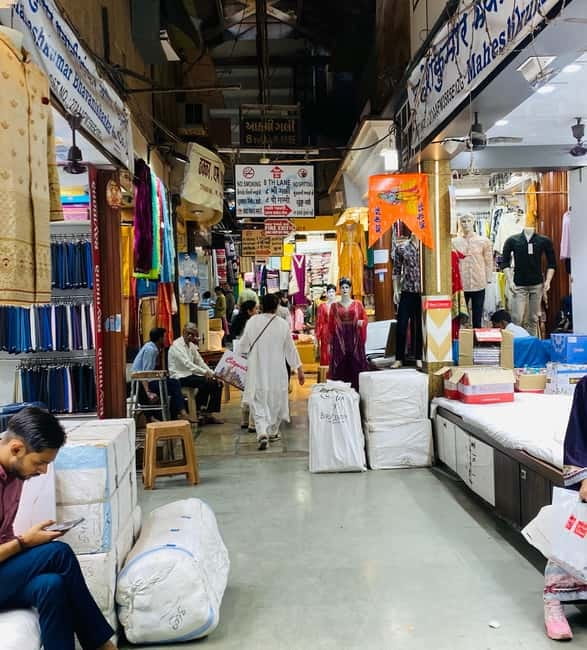
After the main market visits, the route includes a 15-minute black cab ride. This breaks up the walking and moves you toward Kala Ghoda, one of South Mumbai’s best-known areas for creative shops and cultural activity.
The supplied information does not say whether the cab fare is included, so confirm that detail before booking or at the start of the tour. Pickup is not included, and shopping is separate, so it is wise to clarify any transport costs as well.
The cab ride also gives your feet a rest. That matters on a half-day tour, especially in Mumbai’s heat. You will still want sunscreen, as the tour specifically advises, and light clothing suited to warm conditions.
A black cab is a fitting way to connect these two sides of the experience. The first part centers on major working markets. The Kala Ghoda section shifts toward design, clothing, accessories, and specialty retail. The route lets you see both the wholesale side of Indian commerce and the more polished side of made-in-India shopping.
More Market Walking Tours in Mumbai:
- Bangkok: City Highlights Temple and Market Walking Tour
★ 4.5 · 3,990 reviews - Tokyo Tsukiji Fish Market Food and Culture Walking Tour
★ 5.0 · 3,184 reviews - Marrakech: Ben Youssef, Secret Garden, & Souks Walking Tour
★ 4.6 · 2,802 reviews - Marrakech: Colorful Medina Souks Guided Walking Tour
★ 4.7 · 2,470 reviews
Kala Ghoda’s accessories, jewellery, and Indian-made design
The final stop is Kala Ghoda, where you spend about 40 minutes walking, sightseeing, shopping, and taking a guided tour. The experience ends at the Kala Ghoda Statue.
Here, you can visit creative stores known for Indian-made textiles, clothing, accessories, jewellery, and home and linen products. This is a useful contrast with the earlier markets. Instead of focusing only on bulk goods and traditional market trade, you get a chance to see finished products and design-led merchandise.
I would save some shopping energy for this part. It may be easier to understand what suits your budget after you have already seen wholesale fabrics and learned a little about pricing from your guide. You can also compare the feel of market shopping with the presentation of goods in specialty stores.
The 40-minute duration is enough for an introduction, but it is not a long independent shopping session. If you find something you like, you will need to decide quickly or ask the guide how to return later. The tour ends here, so you are free to continue exploring Kala Ghoda on your own after the group finishes.
That makes the ending convenient. You are not returned to CSMT, and you should plan your onward arrangements from Kala Ghoda.
What the $43 price really covers
At $43 per person, the tour offers a guide, a half-day route, a small group, and a local snack or masala tea at the end. For a first visit to Mumbai’s markets, that can be good value because the guide saves you from working out the route and market layout alone.
The price is especially reasonable for people who want context. If you only want to browse shops, you can explore independently for less. The added value here is Namrta’s help with textile choices, local prices, and the difference between wholesale markets and specialty stores.
The group limit of five is important. A large group would be awkward in narrow market streets and small shops. With fewer people, you should have more room to ask questions and keep track of the guide.
The price does not include your shopping, hotel pickup, or any item not specifically listed. The included food or drink is modest, a local snack or masala tea, not a full meal. Bring money for purchases and your own water and personal needs.
You can cancel up to 24 hours before the experience for a full refund, and the reserve-now-pay-later option lets you hold a place without paying immediately. Those terms are useful if your Mumbai schedule is still shifting.
Who will enjoy this Mumbai market walk?
I would recommend this tour most strongly to:
- First-time Mumbai visitors who want a guided introduction to South Mumbai’s markets.
- Fashion and textile enthusiasts who want help understanding Indian fabrics and pricing.
- Shoppers seeking Indian-made goods, including clothing, jewellery, accessories, and home textiles.
- Photographers and street-life observers who enjoy watching vendors and commercial streets at work.
- Small-group travelers who prefer personal questions and a less crowded tour format.
You may want to skip it if you dislike heat, walking, crowds, or unplanned browsing. It is also not the best choice if your main goal is major monuments or museum interiors. The attraction here is the market experience itself.
Families should consider the 5.5-hour length and the amount of walking. The tour is not described as child-focused, so older children who enjoy shopping may get more from it than very young children.
Practical tips for a smoother half-day
Carry sunscreen, as advised. Mumbai can be hot, and the route includes outdoor walking between shops and market areas.
Bring a shopping bag if you expect to buy spices, dry fruits, fabric, or clothing. A small bag is also easier to manage in crowded streets than several loose packages.
Wear shoes that can handle several hours on foot. The route includes a cab ride, but most of the experience is still spent walking, browsing, or standing.
Keep your purchases and valuables secure. Busy markets require ordinary city awareness, especially when you are paying, comparing products, or carrying bags.
Set a spending limit before you start. The range of goods can make it easy to buy more than planned, especially once you move from low-cost market items to designer accessories and home goods.
Finally, ask questions. The strongest reason to take this tour is not simply finding a shop. It is having Namrta help you understand what you are looking at and how Indian textiles are priced.
Should you book the Markets of Mumbai Walking Tour?
Book it if you want a close look at Mumbai’s working markets, especially spices, fabrics, and Indian-made goods. The combination of the oldest spice market, the largest wholesale fabric market, Kala Ghoda shops, a black cab transfer, and a five-person maximum gives the day a useful shape.
The tour is less suitable if you want a relaxed sightseeing outing or a short shopping stop. Expect heat, traffic, crowds, walking, and extra spending. For the right visitor, though, the $43 fee buys more than directions. It gives you a fashion designer’s perspective and a practical way to approach markets that could otherwise feel confusing.
FAQ
Where does the Markets of Mumbai Walking Tour start?
The tour starts at Namah Sleeping Pods near CSMT. The meeting point is by the viewing gallery for CSMT station, directly across from it.
Where does the tour finish?
The tour ends at the Kala Ghoda Statue in South Mumbai.
How long does the tour last?
The experience lasts 5.5 hours. The route includes walking, market visits, a 15-minute black cab ride, and time in Kala Ghoda.
What languages does the guide speak?
The tour is offered in English, Hindi, and Gujarati.
What is included in the price?
The price includes the guide and a local snack or masala tea at the end of the tour.
Are shopping and pickup included?
No. Shopping and pickup are not included, so you should arrange your own way to the CSMT meeting point and bring extra money for purchases.
How large is the group?
The tour is limited to five participants, making it a small-group experience.
Can I cancel the tour?
Yes. You can cancel up to 24 hours in advance for a full refund. You can also reserve now and pay later.
Just added around Mumbai
- Mumbai: Local Markets & Temples Tour★ 4.6 · 45 reviews
- Night Tour: Mumbai’s Nights & Buzzing Bazaars★ 5.0 · 7 reviews
- Mumbai: Magical Markets Tour★ 4.5 · 23 reviews
- Mumbai Morning Market Tour of Flowers, Fish, and More★ 5.0 · 100 reviews
- Mumbai:Dhobi Ghat Laundry,Dharavi Slum & Flower market Tour★ 5.0 · 12 reviews
- Mumbai Market Tour★ 4.6 · 12 reviews
- Mumbai: Evening Street Food Tasting & Cultural Market Tour★ 4.7 · 11 reviews
- Mumbai Heritage, Street Food & Bazaar Walking Tour★ 5.0 · 4 reviews
Walking Tours, compared.

City Highlights Temple and Market Walking Tour
Read our review →
Tokyo Tsukiji Fish Market Food and Culture Walking Tour
Read our review →
Ben Youssef, Secret Garden, & Souks Walking Tour
Read our review →
Air Raid Shelter + St. Nicholas Market Walking Tour
Read our review →
Nishiki Market Brunch Walking Tour (7 Tastings + Brunch)
Read our review →Tsukiji Fish Market Food and Culture Walking Tour
Read our review →Browse the lists this tour appears in