
Review · INDIA
Mumbai: Local Markets & Temples Tour
Mumbai wakes up in the markets. This 2.5 to 3 hour walk and cab tour takes you through Crawford Market, Mangaldas Market, Zaveri Bazaar, Flower Alley, old temple lanes, and a cow shelter. I like the mix of everyday shopping and religious life, and I like that an English-speaking local guide helps make sense of the noise and movement.
I especially like the visit to Mumbadevi Temple, whose name is tied to Mumbai itself, and the stop at Shri Mumbai Panjrapole, a sanctuary caring for more than 350 cows. The main drawback is the brisk schedule. Fifteen minutes here, ten minutes there gives you a useful introduction, but not much time for lingering, shopping, or quiet reflection.
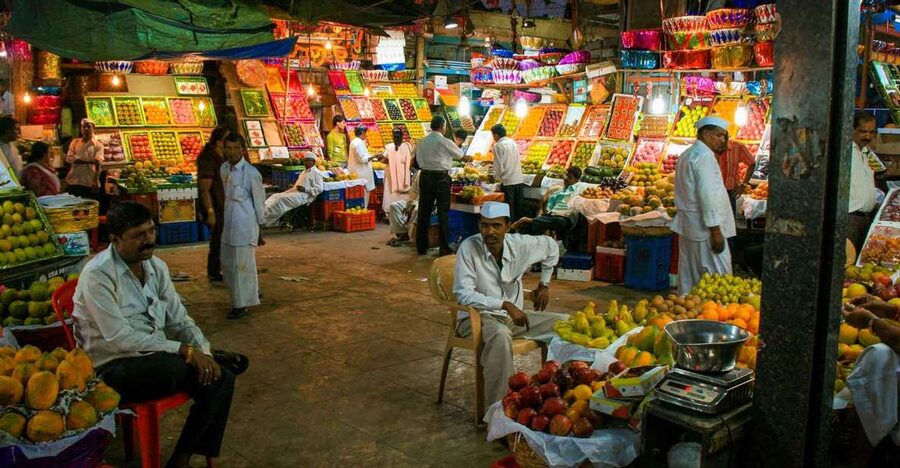
- Crawford Market combines wholesale food trading with colonial-era Mumbai, giving you a close look at the city’s working side.
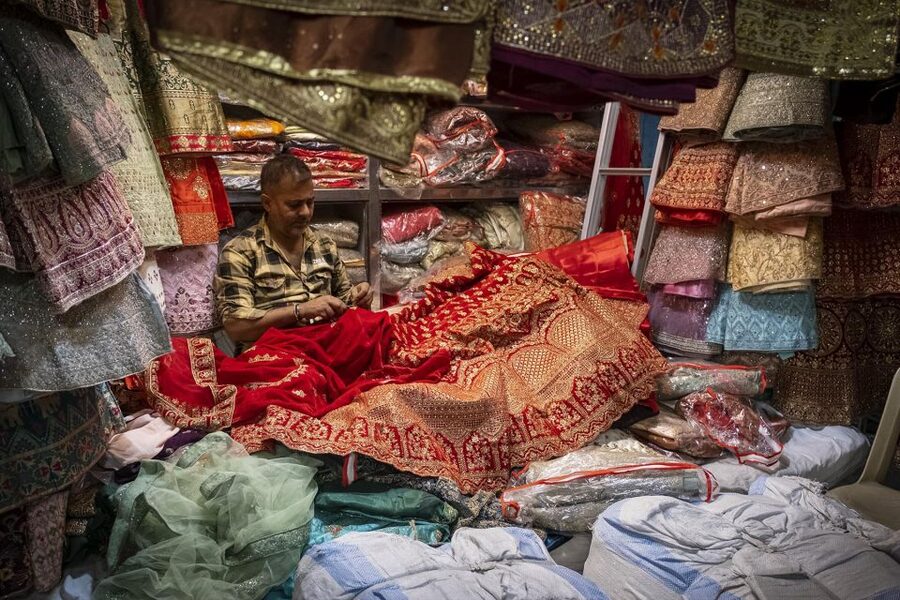
- Mangaldas Market is Mumbai’s largest indoor wholesale textile market, where local shoppers buy clothing and fabric.
- Zaveri Bazaar and Flower Alley show two very different forms of commerce, from jewelry trading to colorful religious offerings.
- Mumbadevi Temple explains the city’s name, adding cultural context to a tour otherwise centered on shopping streets.
- Panjrapole cares for more than 350 cows, offering a direct look at a Hindu tradition that shapes daily life.
- A black-cab transfer and central drop-off options make the route practical, especially if you are sightseeing in South Mumbai.
Mumbai in miniature: markets, temples, and working streets
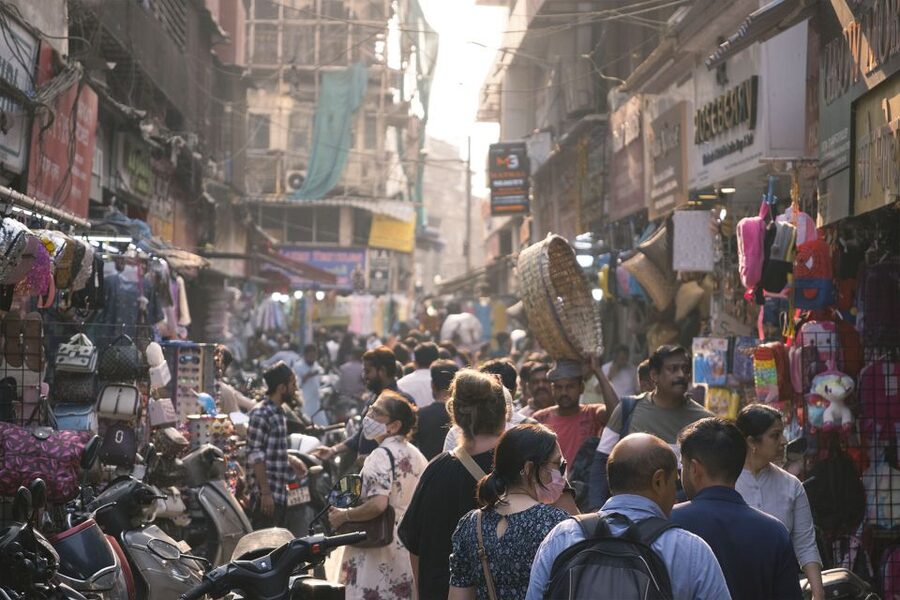
This is not a polished sightseeing circuit. It is a short introduction to the Mumbai that locals use, worship in, and depend on every day. Wide streets give way to narrow lanes. Colonial buildings sit beside shrines. Carts carry flowers, food, clothing, and other goods through spaces that can feel crowded and fast-moving.
That contrast is the point. You are not simply looking at buildings from the outside. You are seeing commerce in motion, religious practices woven into city life, and shopping districts that serve residents rather than only tourists.
The tour costs $27 per person. For that price, you get a local English-speaking guide, water or cold drinks, a black-cab transfer, and visits to several distinct parts of central Mumbai. I see the value in that combination, especially if you are new to the city and want help understanding what you are seeing.
The price is less attractive if your main goal is extended market shopping. The visits are short, and food is not included. Think of this as a guided orientation with cultural stops, not a dedicated shopping tour or a food walk.
Starting at Regal Cinema and heading into the city
The listed starting point is Regal Cinema, with two starting options shown when booking. Since the exact meeting arrangement may vary by option, check your confirmation carefully before setting out.
From there, the group takes a black cab for about 15 minutes. That small ride matters. It moves you from a recognizable meeting place into the market districts without asking you to figure out Mumbai’s streets on your own.
The tour ends at one of two central locations: Chhatrapati Shivaji Terminus or Charni Road Railway Station in Girgaon. Those drop-off choices can help you continue sightseeing, connect with public transport, or return toward your hotel. Hotel pickup and return are not included, so allow time to reach Regal Cinema and plan your onward route.
A few more market tours around Mumbai worth a look
- Mumbai: Street Food and Night Markets Tour
★ 4.9 · 719 reviews - Mumbai Street Food & Night Markets
★ 5.0 · 225 reviews - Mumbai Street Food and Evening Bazaar Tour
★ 5.0 · 172 reviews
Crawford Market: Mumbai’s food-trading engine
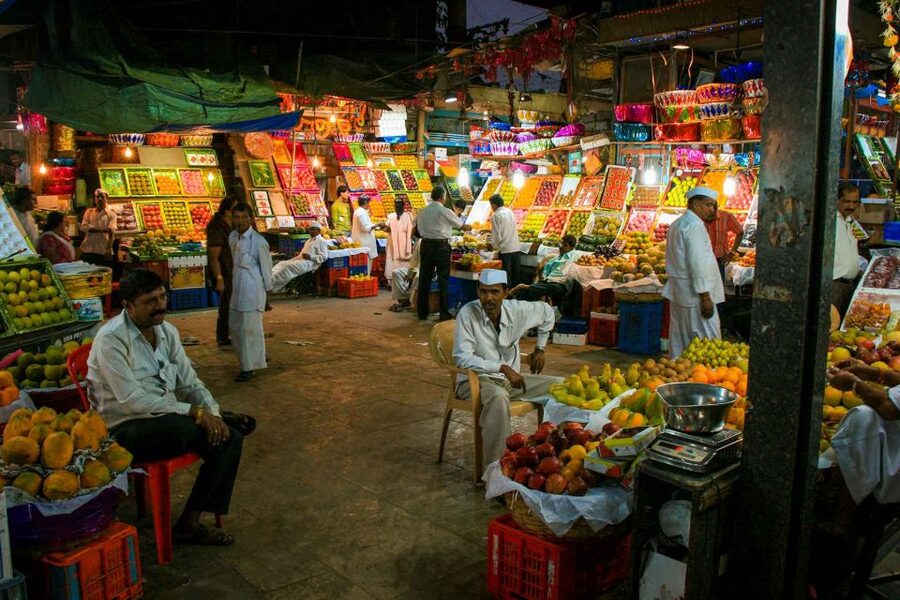
The first major stop is Crawford Market, visited for about 15 minutes with the guide. It is known as one of Mumbai’s largest wholesale markets for fruit, vegetables, and meat. You can expect a working market rather than a quiet display hall.
The value here is context. A market like this shows how a huge city is supplied before goods reach neighborhood shops and household kitchens. The colors may catch your eye first, but the real subject is the movement of products and people.
Fifteen minutes is enough for an introduction, especially with a guide pointing out what matters. It is not enough for a slow inspection of every stall or for serious buying. If you enjoy markets, you may wish the schedule allowed more time here. Still, the short visit keeps the tour moving and leaves room for the temples and other districts.
The guide is important at this stop. Without local explanation, a wholesale market can become a blur of signs, carts, produce, and shouted prices. With help, you can focus on how the market works rather than simply trying not to lose sight of the group.
Mangaldas Market and the business of Indian clothing
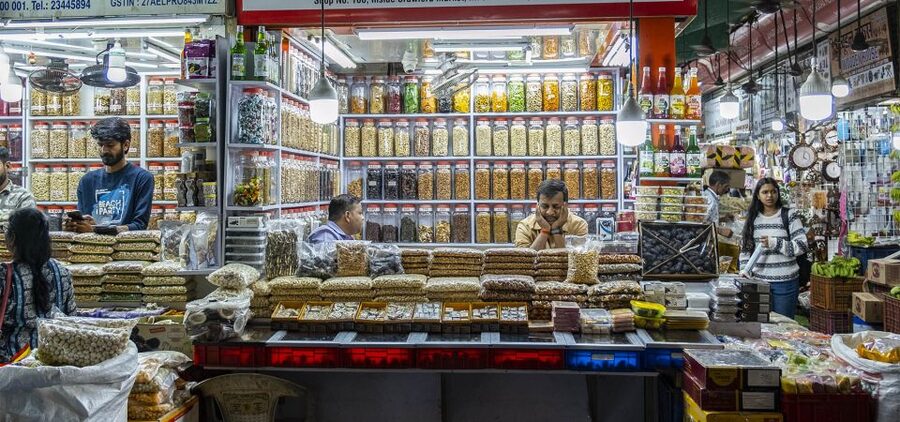
Mangaldas Market brings a different kind of trade. It is described as Mumbai’s largest indoor wholesale textile market, where local people buy clothing. The visit lasts around ten minutes and includes guided walking and passing through the market.
This stop is useful because it shifts your attention from food to fabric. You see where clothing commerce happens at a large scale, in a market built around local buying rather than souvenir browsing.
Do not expect a long shopping session. The short timing is better suited to seeing the layout, learning what the market sells, and watching the flow of business. If you are hoping to compare textiles or negotiate for a purchase, you may need to return independently later.
I like this part of the route because it avoids the usual narrow definition of sightseeing. Mumbai’s identity is not only in monuments. It is also in the places where people buy what they need.
Zaveri Bazaar and the color of Flower Alley
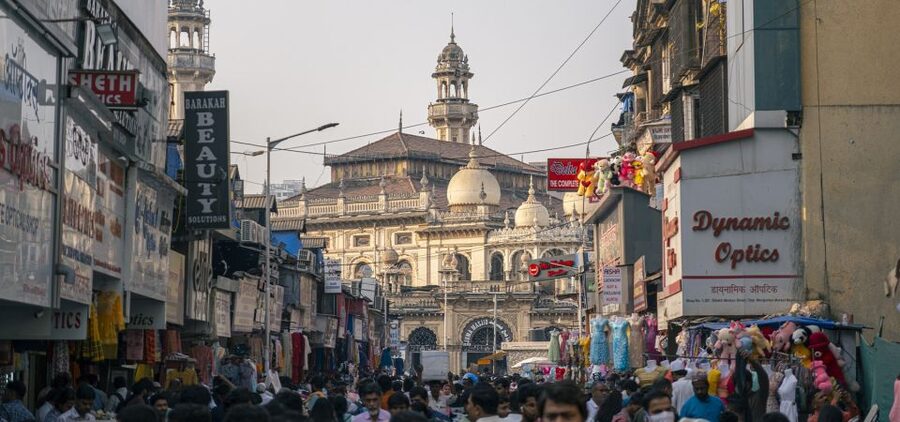
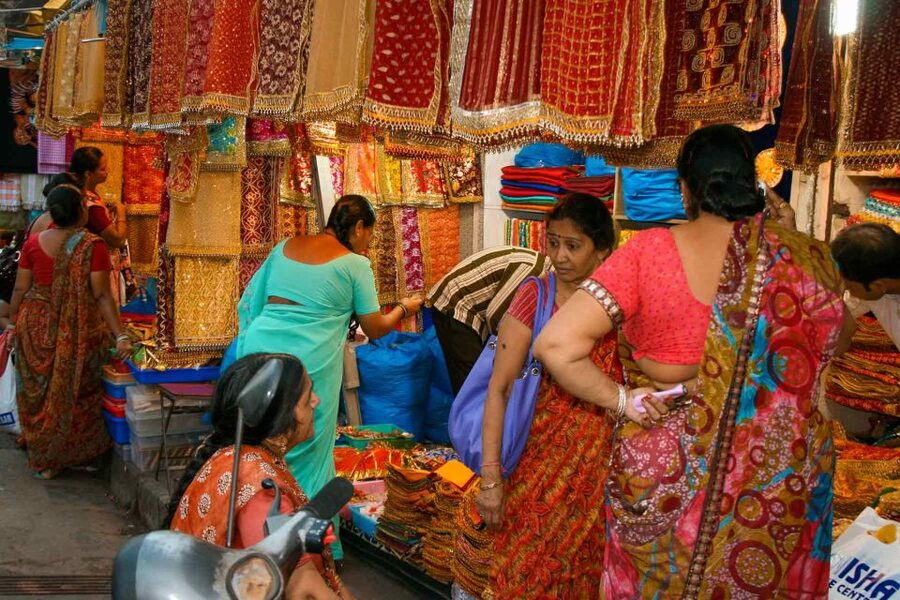
The tour continues to Zaveri Bazaar for about ten minutes of sightseeing with the guide. This is another change of scene, moving away from large food and textile markets toward a well-known shopping district.
The itinerary also includes Flower Alley, described as one of the less familiar markets on the route. The flowers add a strong visual and cultural contrast to the surrounding commercial streets. Flowers in Indian religious life are not just decoration, so this stop helps connect the markets with the temples coming later.
The route may pass a local restaurant, but food is not part of the tour. That distinction is worth noting. You will have an opportunity to see local food activity along the way, but you should not book this expecting a meal or tasting session.
Because the market stops are tightly timed, keep personal shopping simple. The tour works best when you travel light, stay close to the guide, and treat the streets as a moving lesson rather than a series of stores to browse at length.
Same place, a different set of stalls:
- Mumbai Morning Market Tour of Flowers, Fish, and More
★ 5.0 · 100 reviews - Mumbai Street Food Tour with Evening Bazaar Walk
★ 4.9 · 79 reviews - Mumbai: Magical Markets Tour
★ 4.5 · 23 reviews - Mumbai:Dhobi Ghat Laundry,Dharavi Slum & Flower market Tour
★ 5.0 · 12 reviews
Mumbadevi Temple and the city’s name
Mumbadevi Temple is one of the most meaningful stops. It is a historic Hindu temple and the namesake of Mumba, the name behind Mumbai. The scheduled visit lasts about ten minutes and includes guided sightseeing and walking.
That connection gives the temple more weight than a quick photo stop. It links the city’s modern name to an older religious tradition and offers a pause from the commercial energy of the markets.
The visit is brief, so your guide’s explanation does much of the work. You may have only a short period to observe the temple and its setting, but the stop gives you a reason to understand Mumbai as more than a colonial port or a financial center.
One point to keep in mind is that the tour does not promise a long temple circuit or several major shrines. One review specifically wished for more iconic temples in the city. That is a fair limitation. If religious architecture is your main interest, this route may feel like an introduction rather than a full temple tour.
Still, Mumbadevi is a smart choice for a short itinerary. It is compact, central, and tied directly to the city’s identity.
Panjrapole: a closer look at cow welfare
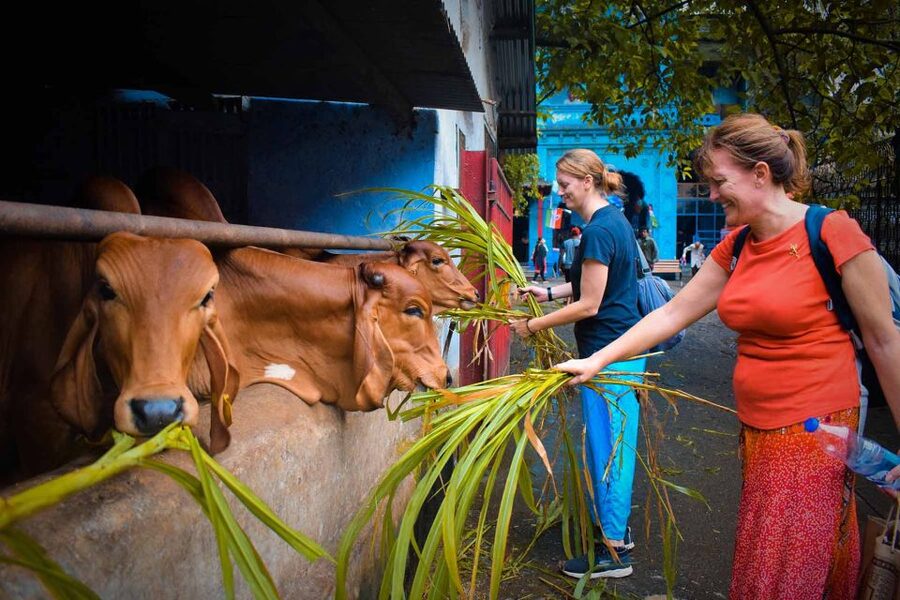
The final major stop is Shri Mumbai Panjrapole, a sanctuary caring for more than 350 cows. The visit lasts about 15 minutes and includes guided sightseeing.
This is one of the tour’s most distinctive stops. It gives you a direct view of a religious and charitable practice that shapes public life in India. The phrase cows rule supreme can sound like a slogan, but a working sanctuary gives that idea a real setting.
The stop also broadens the tour. You are not only seeing what Mumbai sells. You are seeing how some people express care, duty, and religious respect through animal welfare.
Fifteen minutes is again a short visit, but it should be enough to understand the purpose of the shelter and observe the setting. Your guide can provide the cultural background that turns the stop from an unusual sight into a meaningful part of the route.
If you are uncomfortable around animals or prefer a tour focused only on architecture, this may be less appealing. For many people, though, it will be the most memorable stop precisely because it is not a standard monument.
Guides make the short schedule work
The strongest praise for this tour centers on the guides. Rakesh is described as gentle, well spoken, and passionate about the markets and temple. Javid is praised for being kind, personable, and able to explain local history and culture clearly.
Those qualities matter here. The route includes several stops with limited time, and a guide must decide what to explain first. A good guide helps you see the links between food markets, textile buying, temple worship, flowers, and cow care.
The guide also helps with the human side of the tour. These are active public places, not staged attractions. You need someone who can keep the group moving without making the experience feel rushed or impersonal.
The overall rating is 4.6 from 45 reviews, which fits the tour’s strengths: personal guiding, cultural explanation, and a varied route. One booking issue is worth watching, though. A solo customer reported being charged for two people, so check the number of participants and the final price carefully before confirming.
Timing, comfort, and the rain-or-shine rule
The tour lasts between 2.5 and 3 hours. That is long enough to reach several districts but short enough to fit into a morning or afternoon of sightseeing.
The schedule is active. You will walk through markets and temple areas, ride in a black cab, and move between several stops. Since the tour runs rain or shine, bring suitable clothing and footwear for the weather forecast. The exact conditions and the pace will affect how comfortable the market walking feels.
Water or cold drinks are included, which is a useful touch in Mumbai’s heat. Food is not included, so plan a meal before or after the tour. The brief restaurant stop is only a pass-by portion of the route.
A private group is available. That option may suit you if you want to ask more questions, move at a different pace, or make the cultural explanations more personal. The standard arrangement may be enough if you mainly want a guided introduction at a reasonable price.
Free cancellation is available up to 24 hours before the start, and you can reserve now and pay later. Those terms make the tour easier to fit into a changing Mumbai schedule, though meeting details can vary by booking option.
Who will get the most from this tour?
I would recommend this tour to a first-time Mumbai visitor who wants more than the standard monument list. It is especially useful if you enjoy markets, want help reading the city’s religious life, or prefer a local guide to an independent first attempt.
It also suits a short stay. In three hours, you cover food trading, textiles, jewelry, flowers, a historic temple, and a cow sanctuary. That is a lot of range for $27.
You may want something else if you dislike crowds, need long stops, or want substantial shopping time. The tour gives you samples rather than complete visits. It also will not satisfy someone looking for a food tour, since no food is included.
Families, couples, solo visitors, and small groups can all find value here, particularly if they appreciate explanation over photography alone. The private-group option is worth considering for anyone with specific cultural questions.
Should you book Mumbai’s market and temple tour?
Book it if you want a compact, guide-led look at how Mumbai works from the inside. The best parts are the mix of ordinary commerce and religious tradition, the personal attention from guides such as Rakesh and Javid, and the unusual Panjrapole stop.
Go in with realistic expectations. You will not spend an hour in each market, eat your way through the city, or visit every famous temple. You will get a quick, useful route through several central districts, with water included and a practical drop-off at CST or Charni Road.
At $27, I think the tour is good value for a first orientation, especially for visitors who want local context without committing to a full-day outing. Check the booking details, confirm the participant count, and prepare for rain or shine. If that sounds right, this is a smart way to meet Mumbai through its working streets rather than only its grand façades.
FAQ
How long does the Mumbai markets and temples tour last?
The tour lasts approximately 2.5 to 3 hours.
What language is the tour offered in?
The live tour guide speaks English.
Where does the tour start?
The listed starting point is Regal Cinema, though the exact meeting point may vary depending on the option booked.
Where does the tour finish?
The available drop-off locations are Chhatrapati Shivaji Terminus and Charni Road Railway Station in Girgaon, Mumbai.
Is hotel pickup included?
No. Hotel pickup and hotel drop-off are not included.
Is food included in the price?
No. Food is not included. The route may pass a local restaurant, but this is not a food tour.
What does the tour price include?
The $27 price includes a local English-speaking guide and water or cold drinks.
Can I book a private group?
Yes. A private-group option is available.
Can I cancel the booking for a refund?
Yes. You can cancel up to 24 hours in advance for a full refund. You can also reserve now and pay later.
Just added around Mumbai
- Night Tour: Mumbai’s Nights & Buzzing Bazaars★ 5.0 · 7 reviews
- Mumbai:Dhobi Ghat Laundry,Dharavi Slum & Flower market Tour★ 5.0 · 12 reviews
- Mumbai: Magical Markets Tour★ 4.5 · 23 reviews
- Mumbai Morning Market Tour of Flowers, Fish, and More★ 5.0 · 100 reviews
- Mumbai Heritage, Street Food & Bazaar Walking Tour★ 5.0 · 4 reviews
- Mumbai Market Tour★ 4.6 · 12 reviews
- Mumbai: Evening Street Food Tasting & Cultural Market Tour★ 4.7 · 11 reviews
- Mumbai: 2 Hours Markets And Temple Tour★ 4.7 · 6 reviews
Market Tours, compared.
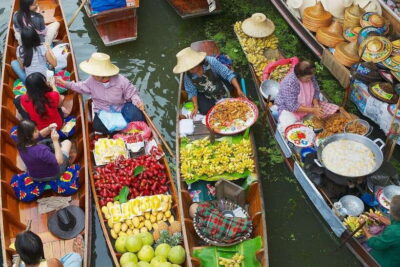
Damnoen Saduak Market and Maeklong Railway Market
Read our review →
The Old Siam: Damnoen Saduak and Maeklong Railway Market
Read our review →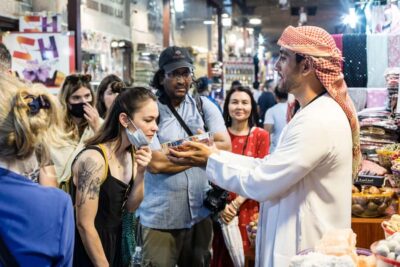
Old Town, Creek, Museums, Souks, & Street Food Tour
Read our review →Train Market & Floating Market with Boat Ride
Read our review →
Old Town, Souks, Street Food, Guided Tour & Abra Ride
Read our review →
Ayutthaya & Ayothaya Floating Market Day Trip
Read our review →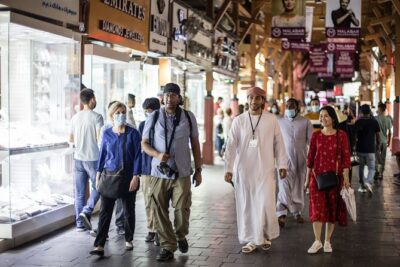
Frame Tickets, Creek, Souks & Blue Mosque Guided Tour
Read our review →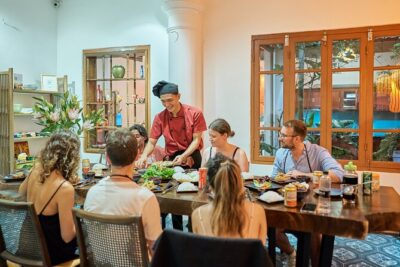
Hanoi Cooking Class: Culture, Local Market & Meaning CSR Impact
Read our review →Browse the lists this tour appears in