
Review · INDIA
Mumbai Market Tour
Mumbai’s markets tell the city’s story. This $23 South Mumbai tour moves among colonial buildings, temples, mosques, food stalls, fabrics, flowers, spices, and jewelry, giving you a close look at daily commerce rather than only famous monuments. I like the mix of shopping streets and religious sites, and I especially like that the tour includes both Crawford Market and smaller market areas such as Mangaldas and the flower market. The main caution is that the experience may feel more like a shopping tour than a cultural market walk, depending on your guide and the stops chosen.
I also like the chance to learn practical bargaining skills while walking through places that can be confusing on your own. Guides such as Kieran and Dinesh have been praised for clear explanations, a relaxed pace, patience in the textile market, and a willingness to show extra places along the route. Still, one strongly negative account describes several seller visits and little temple access, so you should make your expectations clear before buying anything.
Key points to know before you book
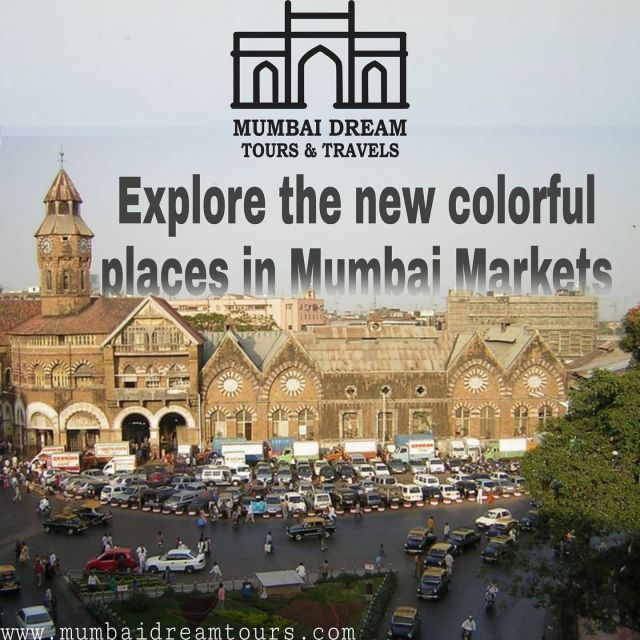
- Crawford Market anchors the route: Expect produce, spices, candles, party goods, cake molds, and general shopping items in one of Mumbai’s best-known markets.
- Textiles are a major part of the experience: Mangaldas Market can be rewarding if you want fabrics, but it may take patience and a firm shopping budget.
- Religious sites add local context: Jama Masjid, Mumba Devi Temple, and Madhav Baugh are included among the places visited.
- The guide shapes the tour: Kieran and Dinesh received praise for their explanations and pace, while the quality of the cultural stops may vary.
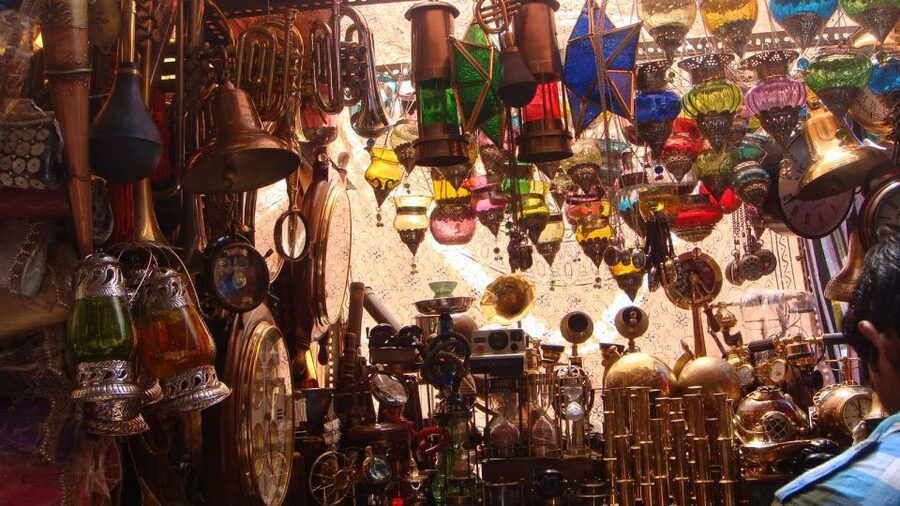
- Expect active street life: Vendors sell flowers, snacks, clothes, jewelry, spices, and other goods beside colonial buildings and places of worship.
- The price is modest, but purchases are extra: At $23 per person, the value depends on how much guidance and cultural explanation you receive.
Why Mumbai’s markets matter more than a postcard view
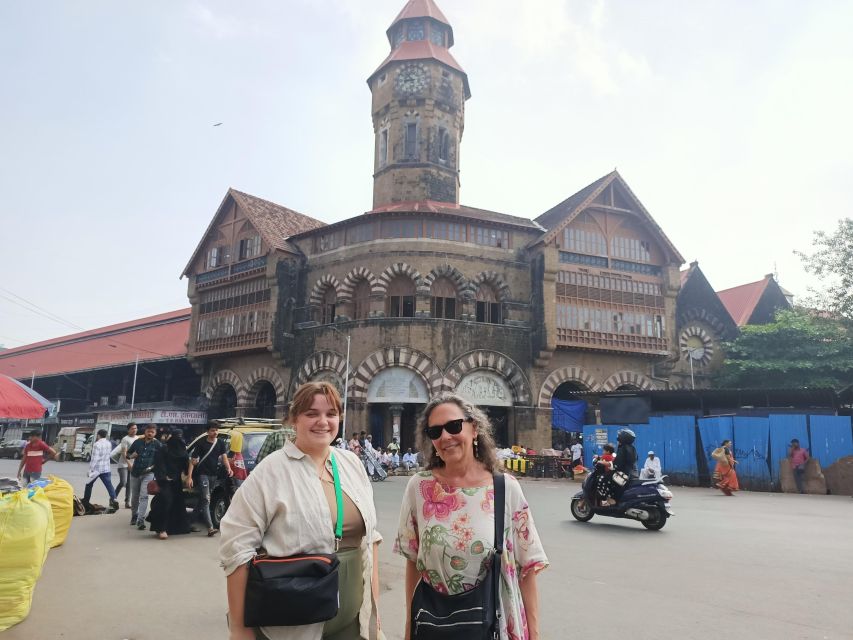
Mumbai is easy to reduce to landmarks, grand buildings, and waterfront photographs. The city’s markets show another side: workers arranging flowers, shopkeepers weighing spices, families choosing fabrics, and vendors calling out from carts.
That daily activity is the reason I find this tour appealing. You are not simply looking at an old building from the outside. You are moving through commercial streets where the city earns, eats, worships, bargains, and shops.
The route focuses on South Mumbai, an area where colonial architecture shares the street with temples, mosques, narrow lanes, and crowded stalls. That mixture gives the walk its character. You may turn a corner from a formal stone building into a lane filled with flowers, clothing, or spice sacks.
The tour is offered in English. Its overall rating is 4.6 from 12 ratings, which suggests that most participants found the guide and market experience worthwhile. The lower score is important, though, because it points to a real issue: a market tour needs to feel like more than a series of shops chosen for purchases.
A few more market tours around Mumbai worth a look
- Mumbai: Street Food and Night Markets Tour
★ 4.9 · 719 reviews - Mumbai Street Food & Night Markets
★ 5.0 · 225 reviews - Mumbai Street Food and Evening Bazaar Tour
★ 5.0 · 172 reviews
Crawford Market and the first taste of South Mumbai
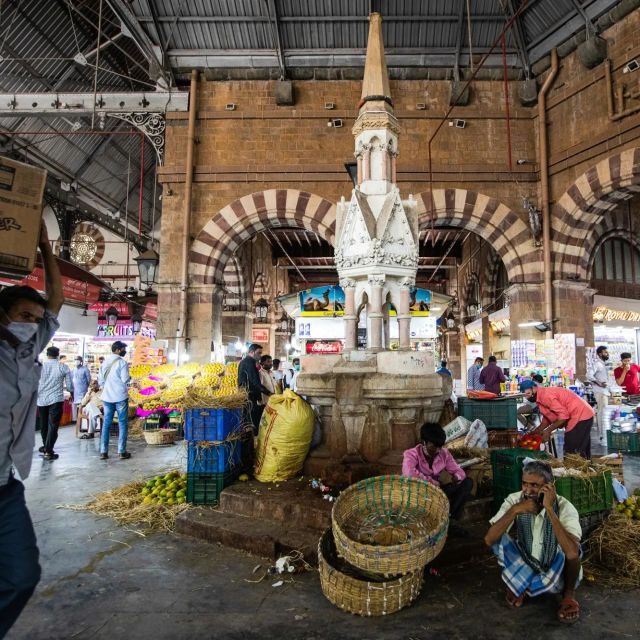
Crawford Market is the clearest starting point for understanding the tour. It is described as one of Mumbai’s oldest and largest markets, with a broad mix of goods rather than one narrow specialty.
You might find scented candles, exotic fruits, cake molds, party items, accessories, and fresh produce. The spice section adds color and scent, with cumin, coriander, turmeric, cardamom, and other seasonings among the expected products.
I like this variety because it prevents the first stop from becoming a simple souvenir shop. You can look at foods used in everyday cooking, household items, and small goods that reveal what people actually buy.
The drawback is that a large market can feel scattered. Without a guide, you may not know which areas are worth your time or how the different sections fit together. A good guide can give the place shape, explain what you are seeing, and help you avoid spending the whole visit on the first interesting stall.
Keep your shopping plans flexible here. The tour description includes many product categories, but it does not promise that every item will be available on every visit.
Spices, flowers, and the working rhythm of the city
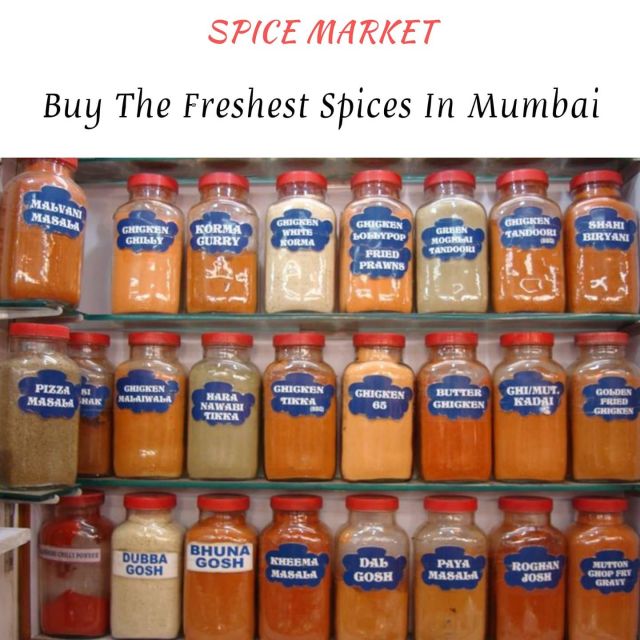
The spice market gives the walk one of its strongest sensory elements. The appeal is not just the color of turmeric or the scent of cardamom. Spices connect the market to home cooking and to the food culture you encounter across Mumbai.
I would treat this stop as a chance to ask questions rather than as a place to make a large purchase. Ask what a spice is used for, how it differs from another variety, and whether the product is intended for cooking or gifting. The guide’s role matters here, since a short explanation can make a row of sacks much more meaningful.
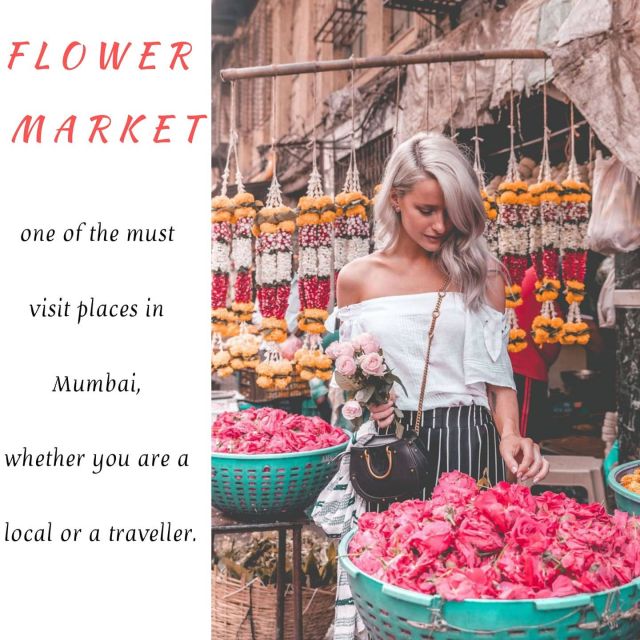
The flower market offers a very different scene. Marigolds, roses, lilies, orchids, and other flowers are sold in a setting that is colorful and highly visual. Flowers in Mumbai are tied to worship, decoration, and ordinary business, so this stop gives you a look at goods that carry cultural meaning as well as commercial value.
The description calls it the largest flower market in Mumbai. Since no exact schedule is provided, I would not assume that every flower will be in peak supply when you arrive. Still, this is one of the route’s most distinctive stops and a good place for photographs, provided you remain respectful of sellers doing their work.
Mangaldas Market and the patience of textile shopping
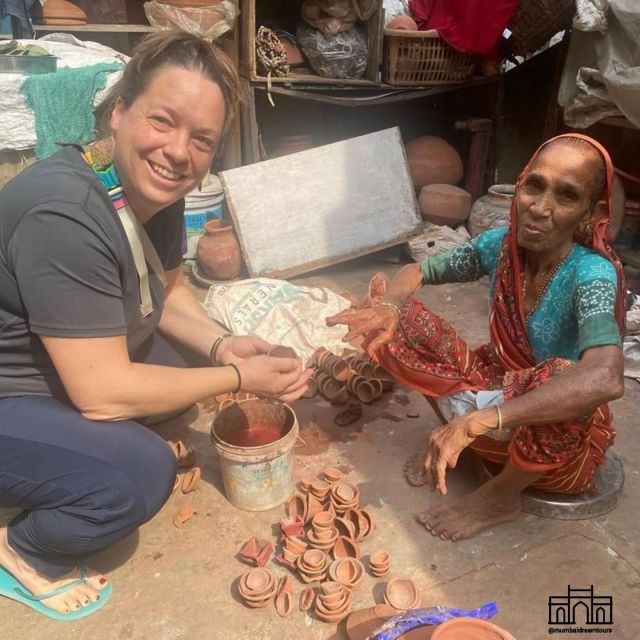
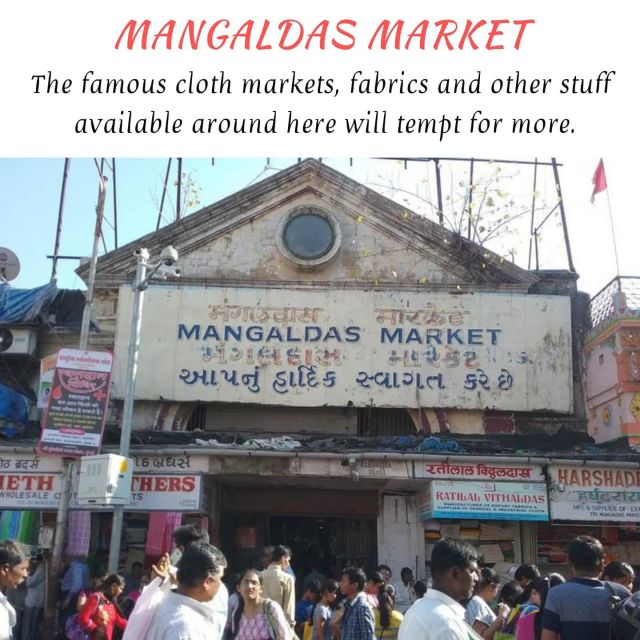
Mangaldas Market is the textile stop. Fabrics and clothing are the main draw, and the selection may tempt you to keep looking long after you planned to leave.
One participant specifically praised the guide’s patience in the textile market. That detail matters. Fabric shopping can involve repeated comparisons, questions about material, and bargaining. If you already know that you want Indian cloth or clothing, this part could be one of the best uses of your time.
At the same time, textile shopping is where the tour may feel less like sightseeing. A low rating describes several shopping stops, including a women’s clothing shop, and considers the prices too high. That does not mean every visit will follow the same pattern, but it is a useful warning.
You should decide before the tour how much you want to shop. Tell the guide if you are interested in fabrics but do not want pressure to buy. You can also ask whether a stop is a market visit or a particular shop visit. That simple question may help you understand what the next part of the route will involve.
Same place, a different set of stalls:
- Mumbai Morning Market Tour of Flowers, Fish, and More
★ 5.0 · 100 reviews - Mumbai Street Food Tour with Evening Bazaar Walk
★ 4.9 · 79 reviews - Mumbai: Local Markets & Temples Tour
★ 4.6 · 45 reviews - Mumbai: Magical Markets Tour
★ 4.5 · 23 reviews
Jewelry streets and the question of value
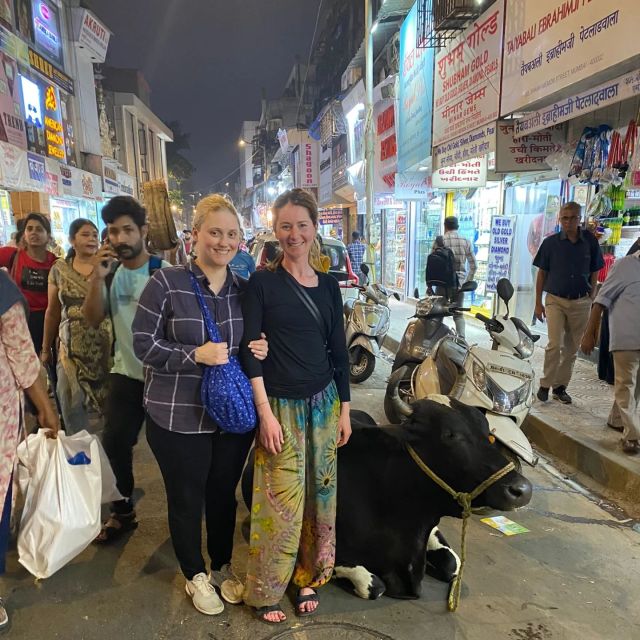
The jewelry market is described as one of Mumbai’s oldest and busiest, with gold, silver, diamond jewelry, and precious and semi-precious stones.
This stop may interest you even if you have no intention of buying. Jewelry markets reveal how specialized the city’s trading districts can be. You see a different kind of commerce here than at the fruit, flower, or spice stalls.
If you are considering a purchase, take your time. A $23 walking tour does not replace independent research about jewelry quality, certification, or fair pricing. The tour may help you find the area and understand how it works, but it cannot guarantee that every item or price is right for you.
For many people, the value of this stop will be visual and cultural rather than commercial. You can see the range of goods, watch negotiations, and learn how the market functions without treating the tour as a jewelry-buying service.
Jama Masjid, Mumba Devi Temple, and Madhav Baugh
The route includes Jama Masjid, Mumba Devi Temple, and Madhav Baugh. These stops matter because they place the markets within the religious life of South Mumbai.
Mumba Devi Temple is especially relevant to the city’s identity, since Mumbai takes its name from Mumba Devi. Jama Masjid adds another religious setting, while Madhav Baugh gives the route another point of local interest.
The supplied details do not explain how long the tour stays at each site, whether entry is included, or whether a formal explanation is provided. I would therefore think of these as included places along the walking route, not as guaranteed in-depth visits.
This is also where expectations need care. One disappointed participant felt that the temples were passed without a proper cultural visit. If religious sites are a major reason you want to book, ask the provider in advance how much time is spent at each one.
You should also dress and behave respectfully around places of worship. The information provided does not set out a dress code, so it is best to choose modest clothing and follow instructions at each site.
What the guides add to the experience
The strongest praise focuses on the guides. Kieran is credited with offering insight into the markets, culture, and life of Mumbai, while Dinesh is praised for his understanding of the markets and for keeping a comfortable pace.
Another guide, whose name was remembered as beginning with A, was praised for adapting the walk to the participant’s interests, showing extra places, and teaching bargaining. That flexibility can make a major difference in a market setting.
I like the mention of bargaining lessons because this is practical help you can use beyond the tour. A guide can explain when to negotiate, how to stay polite, and when to walk away. Those skills are more useful than a list of market names.
The experience seems best when the guide is acting as an interpreter of the city rather than as a link between you and a seller. A patient, informative guide can turn ordinary stalls into a lesson about food, religion, clothing, and business. A weaker visit may feel like a chain of stops at shops where the guide already knows the owner.
The shopping concern you should take seriously
The biggest issue is not the markets themselves. It is the risk that the tour becomes a sales route.
The positive accounts describe an informative and pleasant experience, with good pacing, patience, and extra local stops. The negative account describes a pashmina shop, a spice shop, and a women’s clothing shop, with limited cultural visits and prices considered excessive.
Both outcomes are possible enough that I would raise the issue before booking. Ask whether the route includes independent market areas as well as private shops. Ask if purchases are expected. Ask how much time is normally spent at Jama Masjid, Mumba Devi Temple, and Madhav Baugh.
You are not being difficult by asking. A clear answer helps you choose the right experience, and it gives the guide a better idea of what you want.
If you enjoy shopping, the concern may be minor. If you want architecture, religion, and street life with little commercial pressure, it is central to your decision.
Is $23 a fair price?
At $23 per person, the price is reasonable if you receive a guided walk with useful explanations across several market districts and local sites. The cost is especially fair for someone who wants help finding the markets, understanding what is being sold, and learning how to bargain.
The value drops if most of the time is spent in shops where the main purpose is to sell you goods. In that case, you could feel that you paid for access to stores rather than for a cultural tour.
No transport, meals, shopping credit, or purchases are listed as included. Plan to pay separately for anything you buy. The tour is offered with reserve-now, pay-later flexibility, and cancellation is allowed up to 24 hours in advance for a full refund.
Because the tour is priced per person and no duration or group size is provided, I would ask those details before committing. They affect how much personal attention you receive and how much ground you can cover.
Who will enjoy this market walk?
I would recommend it most strongly to someone visiting Mumbai for the first time who wants an introduction to South Mumbai’s markets and does not mind the possibility of shopping.
It also suits you if you enjoy:
- Street scenes more than polished attractions
- Spices, flowers, fabrics, jewelry, and local food goods
- Asking questions about ordinary city life
- Learning basic bargaining skills
- Walking among religious and commercial places in the same district
I would be more cautious if you want a museum-like cultural tour, a fixed history lecture, or a visit focused mainly on architecture. The route may provide those elements, but the information available does not guarantee that they will receive equal attention.
Families and independent shoppers may also find it useful, but the lack of stated duration and group size means you should confirm whether the pace suits your plans.
Practical tips for getting more from the experience
Before you start, tell the guide what interests you most. You might want spices, textiles, flowers, religious sites, or general street life. The strongest guide accounts describe a willingness to adjust the experience.
Carry a clear spending limit if you plan to shop. It is easier to enjoy Mangaldas Market or the jewelry area when you know what you are prepared to spend.
Use the walk to ask questions rather than simply follow the group. Ask which goods are local, how bargaining works, and whether a shop is part of the public market or a private stop.
If you prefer cultural visits to shopping, say so early. Ask for time at Jama Masjid, Mumba Devi Temple, and Madhav Baugh, rather than assuming each will receive a long explanation.
Finally, treat the markets as working places. Take photographs only when appropriate, avoid blocking stalls, and remember that vendors are serving customers, not performing for visitors.
Should you book the Mumbai Market Tour?
I would book this tour if you want an affordable introduction to South Mumbai’s market districts and you are happy to combine sightseeing with shopping. The best version includes Crawford Market, spices, flowers, textiles, jewelry, religious sites, and a guide who explains what you are seeing at a relaxed pace.
I would not book it without clarification if your main goal is a serious cultural tour with no sales stops. The mixed experience makes that question important. Contact Mumbai Dream Tours and ask for the expected balance between public markets, private shops, and religious sites.
At $23, the risk is manageable, especially with free cancellation up to 24 hours before the tour. Book it for access, context, and local guidance, but keep your wallet closed until you are sure a purchase is right for you.
FAQ
How much does the Mumbai Market Tour cost?
The tour costs $23 per person.
What language is the tour offered in?
The tour is offered in English.
Which markets are included?
The listed markets include Crawford Market, Mangaldas Market, the spice market, the jewelry market, and the flower market.
Which religious sites are included?
The route includes Jama Masjid, Mumba Devi Temple, and Madhav Baugh.
Can I reserve now and pay later?
Yes. You can reserve a place and pay later, with no payment required today.
What is the cancellation policy?
You can cancel up to 24 hours in advance for a full refund.
Does the tour include shopping items?
No shopping items or purchase allowances are listed as included. You should expect to pay separately for anything you buy.
Is the tour suitable for someone interested in bargaining?
Yes. The experience can include guidance on bargaining, and the textile and market stops provide opportunities to practice it.
Just added around Mumbai
- Mumbai: Local Markets & Temples Tour★ 4.6 · 45 reviews
- Night Tour: Mumbai’s Nights & Buzzing Bazaars★ 5.0 · 7 reviews
- Mumbai: Magical Markets Tour★ 4.5 · 23 reviews
- Mumbai Morning Market Tour of Flowers, Fish, and More★ 5.0 · 100 reviews
- Mumbai:Dhobi Ghat Laundry,Dharavi Slum & Flower market Tour★ 5.0 · 12 reviews
- Mumbai Heritage, Street Food & Bazaar Walking Tour★ 5.0 · 4 reviews
- Mumbai: Evening Street Food Tasting & Cultural Market Tour★ 4.7 · 11 reviews
- Mumbai: 2 Hours Markets And Temple Tour★ 4.7 · 6 reviews
Market Tours, compared.
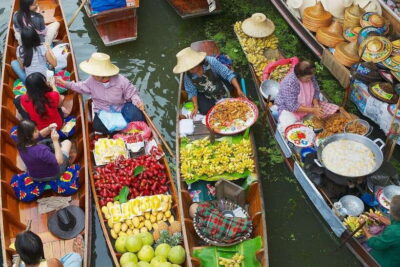
Damnoen Saduak Market and Maeklong Railway Market
Read our review →
The Old Siam: Damnoen Saduak and Maeklong Railway Market
Read our review →
Old Town, Creek, Museums, Souks, & Street Food Tour
Read our review →Train Market & Floating Market with Boat Ride
Read our review →
Old Town, Souks, Street Food, Guided Tour & Abra Ride
Read our review →
Ayutthaya & Ayothaya Floating Market Day Trip
Read our review →
Frame Tickets, Creek, Souks & Blue Mosque Guided Tour
Read our review →
Hanoi Cooking Class: Culture, Local Market & Meaning CSR Impact
Read our review →Browse the lists this tour appears in