
Review · INDIA
Mumbai: Magical Markets Tour
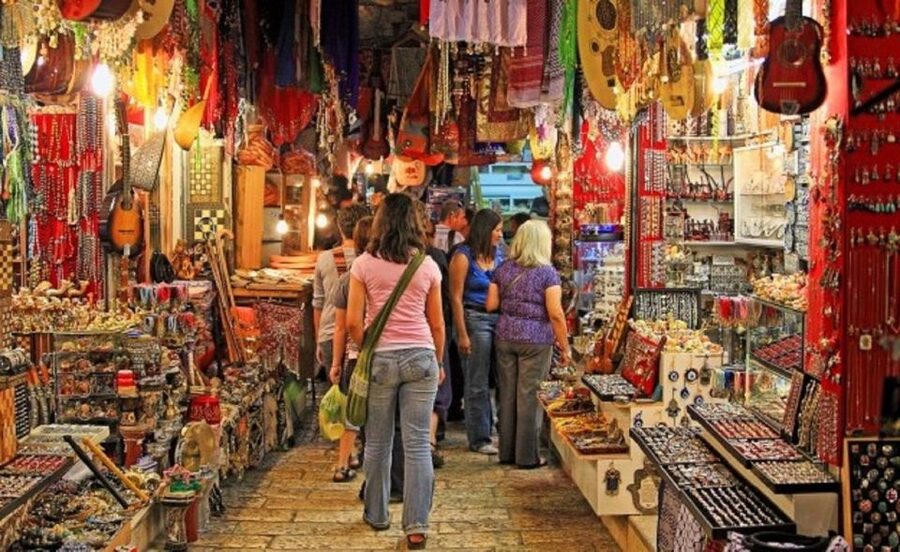
Mumbai’s markets reward curious feet. This two-hour walk links Bhuleshwar, Zaveri Bazaar, Chor Bazaar, Mangaldas Market, and Crawford Market, giving you a quick look at the city through its shops, shrines, food stalls, and narrow lanes. I like the chance to see working markets rather than only famous sights, and I especially like the masala chai served in a clay cup. The main drawback is pace: fitting so many places into two hours can feel rushed.
I also like that this is a private group tour, with an English- or Hindi-speaking guide who can adjust recommendations to your interests. Guide Nisar earns repeated praise for explaining the city clearly, taking care of guests, and even waiting with one person until a driver arrived. Still, one poor experience reported that the route did not match expectations and included unwanted shopping pressure, so I would confirm the exact stops at the start.
Key points at a glance
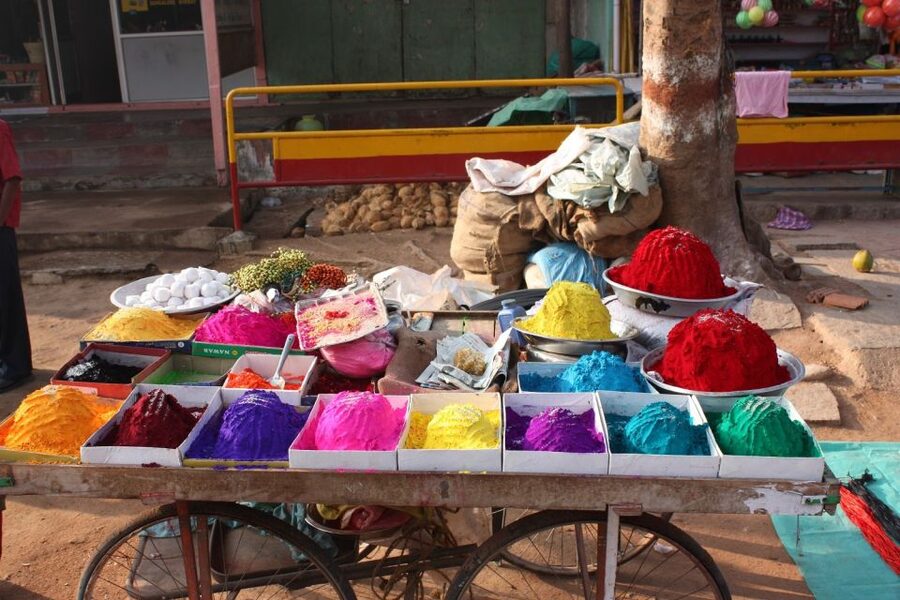
- Five very different market areas: Move from religious goods and produce to gold, cloth, antiques, and imported food.
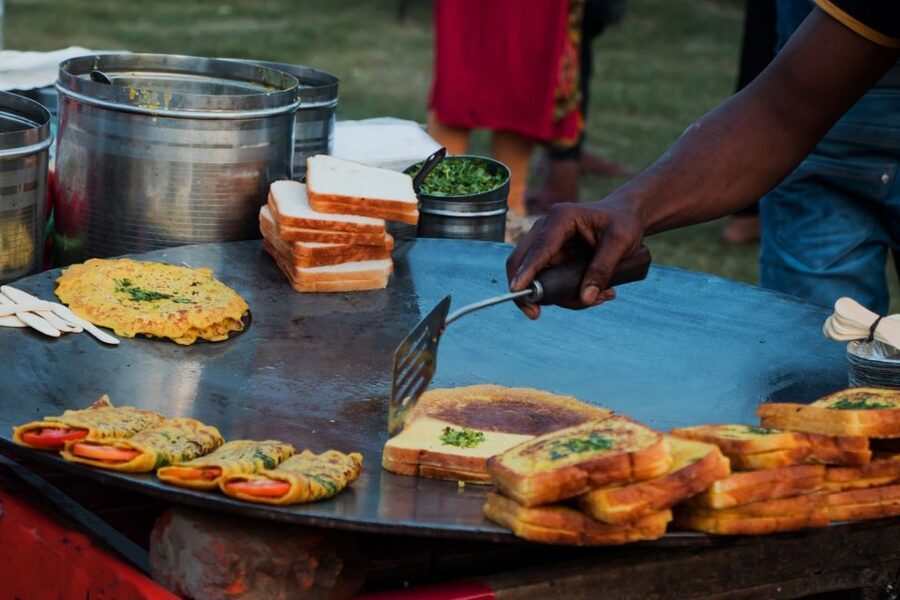
- A clay cup of masala chai: This small break adds a pleasant local touch to a fast-moving walk.
- Temples tied to Mumbai’s identity: Visit Shri Swaminarayan Mandir and Mumba Devi Temple, where the city gets its name.
- A guide makes the lanes easier: Nisar is singled out for clear explanations, friendly care, and strong local guidance.
- Two hours, many stops: You get a broad introduction, but not much time for lingering, browsing, or serious shopping.
- Bring light and practical gear: Wear walking shoes, carry sun protection, and leave large bags behind.
Starting near VT Capital Cinema Building
The meeting point is Café Coffee Day at the VT Capital Cinema Building, Noor Fort, Mumbai. This is a useful central starting place, but you should arrive ready to walk immediately. Hotel pickup and drop-off are not included, so plan your own way to the café and from the finish at Shri Mumbadevi Temple.
The tour is priced at $18 per person. I consider that fair value if you want a guided introduction to several market districts and prefer not to sort out the lanes alone. The price covers the guide and local recommendations, but not drinks, water, shopping, or transport.
Since this is a private group, you are not being folded into a large crowd. That can make a real difference in a market, where a guide needs to point out a small shrine, explain a product, or help you keep track of the route. It also gives you a better chance to say that you prefer looking rather than buying.
A few more market tours around Mumbai worth a look
- Mumbai: Street Food and Night Markets Tour
★ 4.9 · 719 reviews - Mumbai Street Food & Night Markets
★ 5.0 · 225 reviews - Mumbai Street Food and Evening Bazaar Tour
★ 5.0 · 172 reviews
Shri Swaminarayan Mandir sets the tone
The first walk takes about ten minutes to Shri Swaminarayan Mandir. This is the headquarters of the Shri Laxmi-Narayan Dev Gadi, so it gives the tour a religious and cultural opening before the shopping streets take over.
I like this early stop because it reminds you that Mumbai’s markets are not just commercial zones. Religious practice, household needs, family businesses, and trade all sit close together here. Photography may be restricted inside temples, so keep your camera away when asked and follow the guide’s instructions.
The tour information places Mumba Devi Temple near both the market route and the finish. Since the schedule can be tight, ask your guide when you will enter each temple. One past guest reported seeing no temples and leaving after about twenty minutes, while most of the other available feedback describes a satisfying market walk. That mixed experience is a good reason to clarify the plan at the beginning.
Bhuleshwar Market brings Mumbai close
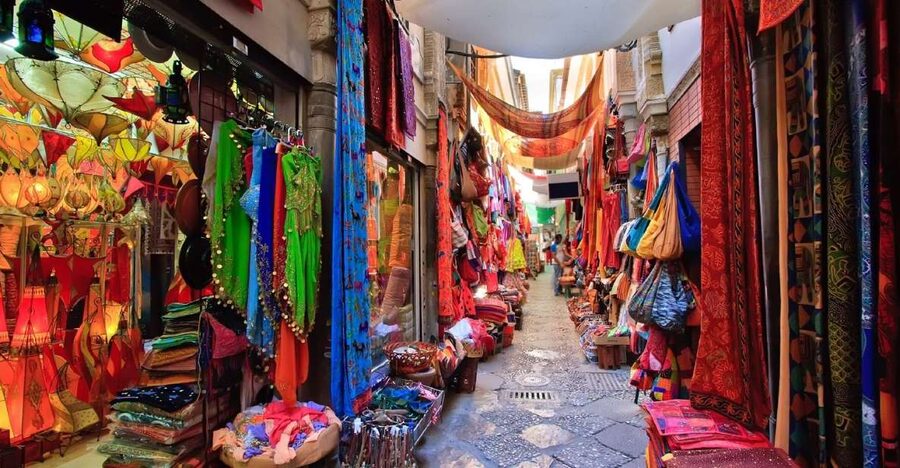
After the temple, you walk for about ten minutes to Bhuleshwar Market, followed by roughly twenty minutes in the area. This is one of the strongest parts of the tour for getting a sense of everyday Mumbai.
The market carries a little of everything: fruit and vegetables, imitation jewelry, religious and pooja items, rose petals, household goods, and cloth accessories. You might see the shopping list of a local household unfold around you, with devotional supplies sharing space with practical items and colorful decorations.
I would not approach Bhuleshwar as a place for a leisurely meal or a long shopping session. The point is to watch how the market works and let the guide explain what you are seeing. Crowds can be heavy during festivals, and narrow streets are easier to handle with a small bag and both hands free.
Zaveri Bazaar sparkles with gold and stones
The route then reaches Zaveri Bazaar, Mumbai’s largest jewelry market. You get around fifteen minutes here, so think of this as an introduction to the district rather than a serious buying appointment.
The display changes sharply from flowers and household goods to gold, glittering stones, and finished ornaments. Even if you have no plan to shop, the area shows how specialized Mumbai’s market districts can be. A few streets can serve one trade almost entirely.
This is also a place where you should be clear about your intentions. If you want only to look, say so. One guest felt uncomfortable when a shop visit continued after repeated refusals to buy, and that experience is worth taking seriously. A good guide should help you understand the market without pushing you toward a purchase.
Same place, a different set of stalls:
- Mumbai Morning Market Tour of Flowers, Fish, and More
★ 5.0 · 100 reviews - Mumbai Street Food Tour with Evening Bazaar Walk
★ 4.9 · 79 reviews - Mumbai: Local Markets & Temples Tour
★ 4.6 · 45 reviews - Mumbai:Dhobi Ghat Laundry,Dharavi Slum & Flower market Tour
★ 5.0 · 12 reviews
Kalbadevi connects the market districts
The walk through Kalbadevi takes about ten minutes, with scenic views of the streets along the way. This section matters because it connects the individual markets into one large commercial district. You are not simply jumping from one attraction to another. You are seeing how the areas overlap and change character block by block.
The route is active and crowded, so stay close to your guide at crossings and in tight lanes. Comfortable shoes matter more here than stylish ones. In two hours, you may cover a surprising amount of ground, and the pavement, crowds, and heat can take more energy than the distance suggests.
Chor Bazaar adds antiques and old furniture
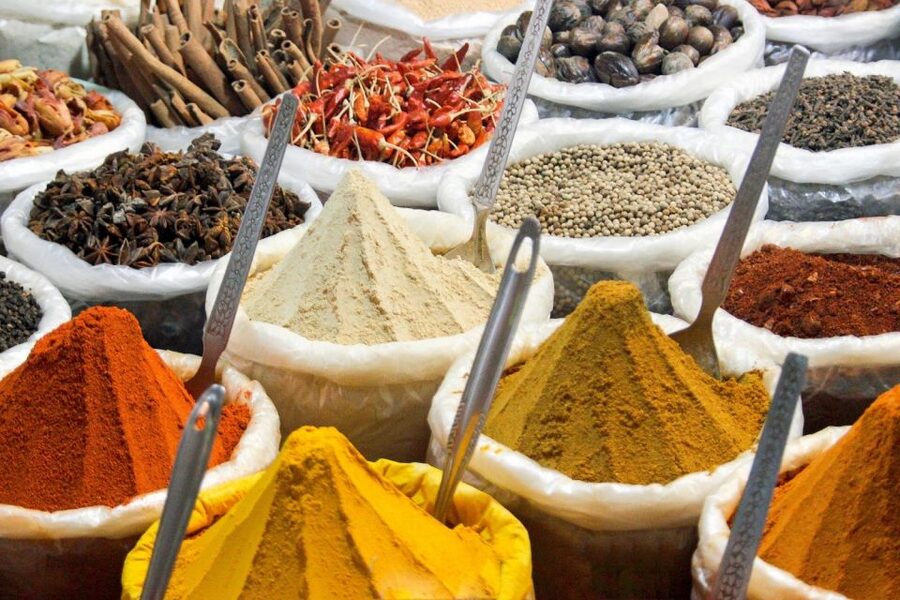
Chor Bazaar is scheduled for about twenty minutes. It is known for antiques and furniture, giving the tour another change of pace. After the glitter of Zaveri Bazaar, the older objects and heavier goods offer a different kind of visual interest.
The name is often translated as Thieves’ Market, but the useful point for you is simpler: this is a district associated with secondhand goods, antiques, and furniture. The tour may give you a quick look at the trade rather than enough time to inspect every shop.
If you see something you like, remember that personal expenses are not included and some shops accept cash only. Since the tour does not include luggage storage and large bags are not allowed, do not arrive with the intention of carrying bulky purchases through the rest of the route.
Mangaldas Market slows the pace with cloth
Next comes Mangaldas Market, scheduled for about fifteen minutes. Opened in 1893, it is known for silk and cloth. This stop adds texture and color to the route, and it may be especially useful if you are curious about Indian fabrics or want local guidance before shopping elsewhere.
The time limit is the main issue. Fifteen minutes can help you understand the market and spot possible purchases, but it is not enough for a careful fabric search, price comparisons, or custom arrangements. I would treat this as a preview and return later if you find something worth a longer look.
A past guest was taken to the fabric and jewelry markets after already visiting Crawford Market, which suggests that the guide may adjust the route when you have seen one of the planned stops before. That flexibility can work well, but ask for a clear route if specific markets matter to you.
Crawford Market finishes with food and architecture
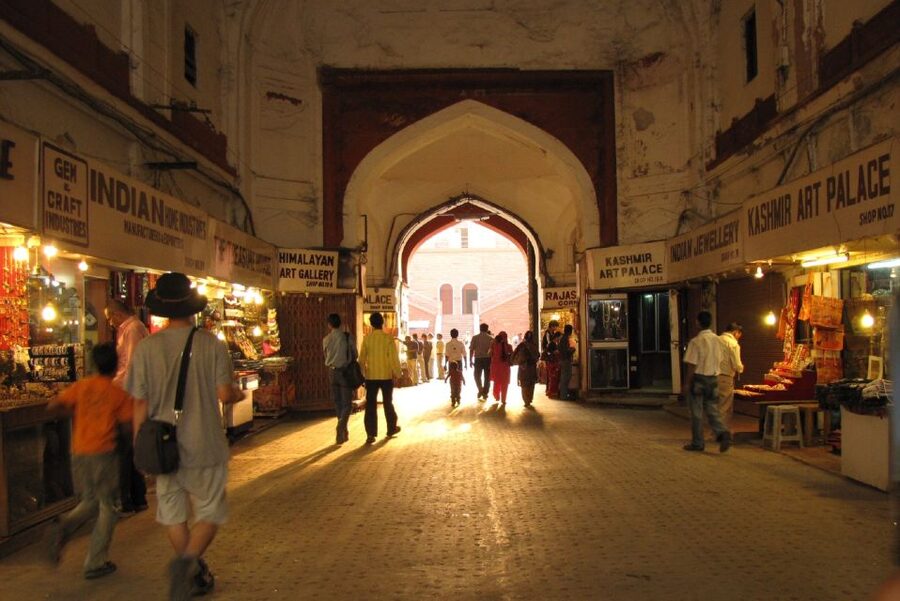
The final market stop is Crawford Market, also called Mahatma Jyotiba Phule Mandai. You get about twenty minutes to browse, and the building itself is part of the appeal. Its Gothic and Romanesque architectural style gives the market a grand setting that differs from the tighter lanes of Bhuleshwar and Kalbadevi.
Inside and around the market, you might find fruit, vegetables, imported cheese, and homemade chocolate. I like this ending because it brings together the two sides of the tour: practical local shopping and a few treats that show Mumbai’s wider food trade.
The schedule says the walk finishes at Shri Mumbadevi Temple. That means Crawford Market is not necessarily the final sight of the day, even if it is the last major market stop. Check the exact order with your guide, especially if you need to meet a driver or catch another activity afterward.
Mumba Devi Temple links the city to its name
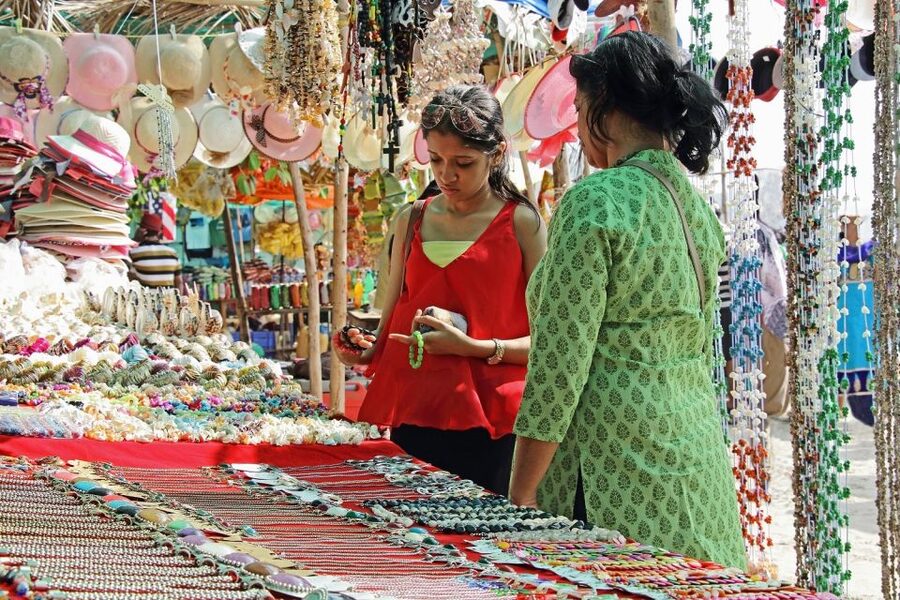
Mumba Devi Temple is one of the most meaningful stops on the route. Mumbai takes its name from Mumba Devi, so the temple gives you a direct link between the city’s present-day identity and its religious past.
The supplied route information places the temple as the finishing point, while the general description also places it after Bhuleshwar. I would not treat that as a serious problem, but I would ask the guide to explain the day’s order when you meet. Photography may be limited inside, and respectful clothing and behavior are important.
This is a short market tour, not a temple-focused experience. You should expect brief visits rather than long periods for prayer, architecture, or quiet reflection.
What the guide adds to the experience
The quality of this tour depends heavily on the guide. Nisar receives strong praise for explaining Mumbai, showing places that would otherwise be easy to miss, and making people feel safe. One guest specifically appreciated that he waited until a driver arrived, which is a small but valuable service at the end of a busy walk.
The tour promises English and Hindi guiding, local tips, and personalized recommendations. In practical terms, that can mean help understanding what you are seeing, advice on where to return later, and a better sense of which purchases are worth your time.
I would still set expectations clearly. Tell the guide if you do not want to shop, if you have already visited Crawford Market, or if a temple visit is essential to you. The one very negative experience came from a mismatch between expectations and the actual route, so a two-minute conversation at the start can prevent trouble.
Timing, comfort, and practical limits
Two hours sounds manageable, but the route includes several walks of ten to twenty minutes plus stops in five market areas and temples. You will spend much of the time on foot, often in crowded streets. Wear comfortable shoes, use sunscreen, and bring sunglasses and a hat.
The tour runs rain or shine. Mumbai weather can make a walking route feel very different from one day to the next, so a light rain layer may be sensible, even though it is not specifically listed among the required items.
Water is not included, and the instructions advise bringing a water bottle. Large bags and luggage are not allowed. Some shops accept only cash, so carry a modest amount if you want to make small purchases, but avoid bringing more than you can manage comfortably.
The experience is not suitable for pregnant women or wheelchair users. The walking route, crowded market lanes, and likely uneven surfaces make those restrictions important rather than minor fine print.
Who will get the most from this walk
I would recommend this tour to a first-time Mumbai visitor who wants a quick orientation to the old market districts. It suits people who enjoy looking, asking questions, and moving through busy streets more than those who want a quiet sightseeing route.
It is also a good choice if you like food and shopping but do not want to spend a full day in stores. The mix of rose petals, jewelry, cloth, antiques, produce, cheese, chocolate, and chai gives you many small points of interest in a short period.
I would be more cautious if you dislike crowds, need frequent breaks, or want guaranteed time at every named stop. The route is ambitious, and the experience depends on the guide keeping the walk moving. If you want to buy fabric, jewelry, or antiques, book extra time later rather than trying to complete serious shopping during this tour.
Should you book the Magical Markets Tour?
Book it if you want an affordable, private introduction to Mumbai’s market districts, especially with a guide such as Nisar, who has been praised for clear explanations and thoughtful care. The $18 price is strong for a two-hour guided walk that includes local markets, temples, and recommendations you might not find on your own.
Before setting out, confirm the order of stops and say plainly if you do not want to enter shops to buy. Choose light clothing, comfortable shoes, sun protection, and a small bag. If you accept that the route will be quick and crowded, this is a useful way to see several sides of Mumbai in one compact outing.
FAQ
How long does the Magical Markets Tour last?
The tour lasts two hours.
What markets are included?
The route includes Bhuleshwar Market, Zaveri Bazaar, Chor Bazaar, Mangaldas Market, and Crawford Market.
Where does the tour start?
Meet at Café Coffee Day, VT Capital Cinema Building, Noor Fort, Mumbai.
Where does the tour finish?
The listed finishing point is Shri Mumbadevi Temple, Mumbai.
What languages does the guide speak?
The live guide speaks English and Hindi.
What should I bring?
Bring comfortable shoes, sunglasses, a sun hat or hat, sunscreen, and a water bottle. Large bags and luggage are not allowed.
Just added around Mumbai
- Mumbai: Local Markets & Temples Tour★ 4.6 · 45 reviews
- Night Tour: Mumbai’s Nights & Buzzing Bazaars★ 5.0 · 7 reviews
- Mumbai Morning Market Tour of Flowers, Fish, and More★ 5.0 · 100 reviews
- Mumbai:Dhobi Ghat Laundry,Dharavi Slum & Flower market Tour★ 5.0 · 12 reviews
- Mumbai Heritage, Street Food & Bazaar Walking Tour★ 5.0 · 4 reviews
- Mumbai Market Tour★ 4.6 · 12 reviews
- Mumbai: Evening Street Food Tasting & Cultural Market Tour★ 4.7 · 11 reviews
- Mumbai: 2 Hours Markets And Temple Tour★ 4.7 · 6 reviews
Market Tours, compared.
Damnoen Saduak Market and Maeklong Railway Market
Read our review →
The Old Siam: Damnoen Saduak and Maeklong Railway Market
Read our review →
Old Town, Creek, Museums, Souks, & Street Food Tour
Read our review →Train Market & Floating Market with Boat Ride
Read our review →
Old Town, Souks, Street Food, Guided Tour & Abra Ride
Read our review →
Ayutthaya & Ayothaya Floating Market Day Trip
Read our review →
Frame Tickets, Creek, Souks & Blue Mosque Guided Tour
Read our review →
Hanoi Cooking Class: Culture, Local Market & Meaning CSR Impact
Read our review →Browse the lists this tour appears in