
Review · KENYA
Market Tour and Traditional Kenyan Cooking Class in Nairobi
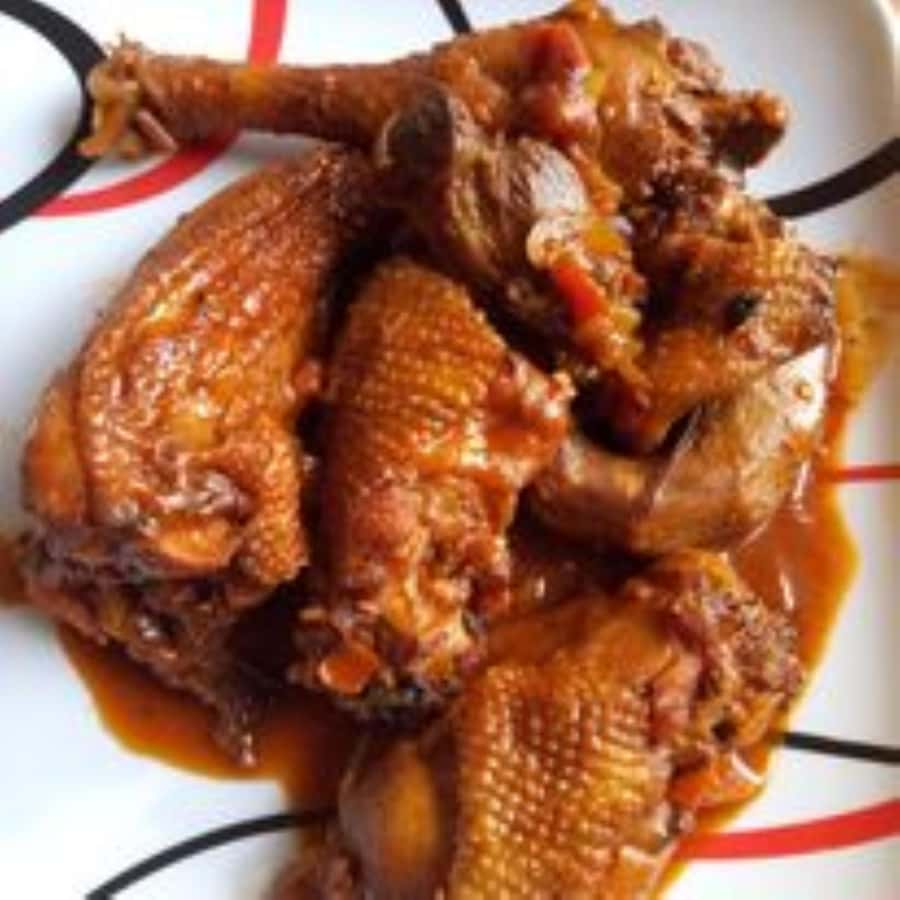
Your best Nairobi meal may begin at a market. This four-hour experience pairs a local food shop with a private home cooking lesson, giving you a closer look at daily life than a restaurant meal alone. I especially like the market visit and the chance to prepare dishes such as ugali, chapati, pilau, and curry.
I also like the small-group format. You get personal guidance in English or Swahili, and the host can explain how each ingredient fits into Kenyan home cooking. The main consideration is the cooking space: it is small, so the host handles much of the actual cooking while you help where possible.
The meeting point is the K Mall Komarock parking lot, followed by transport to the market and then the host’s home. At $55 per person, the price makes the most sense if you value a personal cultural exchange, a meal, and market transport more than a formal cooking school with a large kitchen.
Key points to know before booking
- The market comes first: You shop for fresh local ingredients before heading to the host’s home.
- You cook Kenyan and Indian-influenced food: Expect dishes such as ugali, chapati, pilau, and curries.
- The setting is a real home: The small kitchen gives the lesson an everyday, personal feel, though it limits hands-on cooking time.
- It is a private experience: Only your party takes part, with guidance in English or Swahili.
- The food and basic drinks are included: Food, soda, fruit, and water are covered in the $55 price.
- Mary Evelyn is praised for her warmth: Published feedback repeatedly highlights her kindness, clear teaching, and ability to make the meal together feel natural.
Starting at K Mall Komarock parking lot
The experience begins at K Mall Komarock parking lot, which serves as the meeting point before you head to the local market. This arrangement is simple, but you should pay close attention to the exact meeting instructions. Uber costs are not included, so any ride you need to reach the meeting point or return afterward is your responsibility.
Transport to and from the market is included. That matters because it keeps the market visit tied to the cooking lesson rather than leaving you to arrange separate rides between each part of the afternoon.
The overall time is four hours. That gives you enough room for shopping, travel, cooking, and eating without turning the session into a rushed demonstration. Starting times vary, so check the available time before booking.
This is a private group activity, not a large class. If you are traveling as a couple, family, or small group of friends, you will not be sharing the host’s attention with a room full of other people. That private format is one of the strongest reasons to choose this experience.
More Cooking Classes in Kenya:
- Traditional Kenyan Cooking Class & Local Market Tour
★ 5.0 · 129 reviews - Authentic Kenyan Cooking Class & Market Tour in Nairobi
★ 5.0 · 12 reviews - Local Market Tour and Traditional Meal Cooking Class
★ 5.0 · 4 reviews
Reading Nairobi through a local market
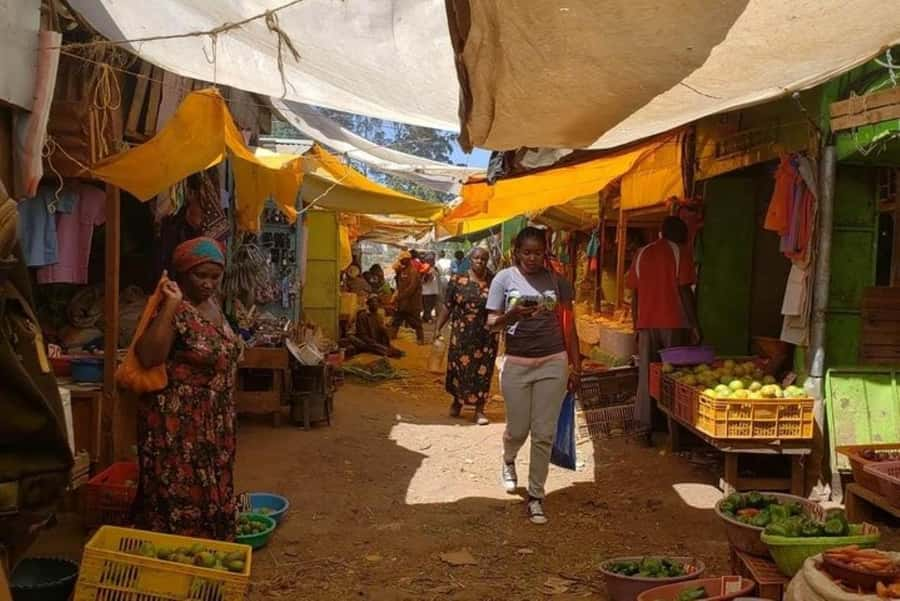
The market is more than a place to buy ingredients. It is the first lesson. You see which foods are chosen for a home meal, how fresh supplies are selected, and how shopping fits into ordinary Kenyan cooking.
The experience description highlights fresh, organic supplies, though the exact market and exact ingredients can vary. You should expect the host to guide the shopping rather than receive a fixed cooking-school menu in advance. That can make the session feel more connected to the day’s available produce.
This part is useful if you want context for the meal later. Ugali, chapati, pilau, and curry are not isolated dishes on a menu. They are part of a broader food culture shaped by local ingredients and Kenyan and Indian influences. Buying the ingredients first helps you see that connection.
The market also adds a social side to the outing. You are not simply dropped into a kitchen and handed premeasured bowls. You begin by seeing the food before it becomes lunch or dinner. For many people, that is the most memorable part of the experience.
The tradeoff is that a market visit is not a polished sightseeing stop. Conditions may be lively, crowded, or less predictable than a food hall, and the supplied information does not specify the market’s facilities or layout. Wear comfortable clothing and bring the patience you would use for any local shopping trip.
Cooking in a small Nairobi home kitchen
After shopping, you go to the host’s home and begin preparing the meal from scratch. This is where the experience shifts from looking to doing. You can help with preparation and learn how the dishes are made, while the host takes care of much of the cooking.
The small kitchen is both a strength and a limitation. It gives the session a genuine home setting rather than a staged culinary studio. You see how good food can come together without a large professional kitchen, and one published account specifically praised the host for producing several dishes in a very small space.
At the same time, space limits how many people can work at once. The host will do most of the cooking, so you should not book this expecting four hours of continuous knife work, frying, and stove time. Think of it as a personal cooking demonstration with hands-on help, not a full professional kitchen class.
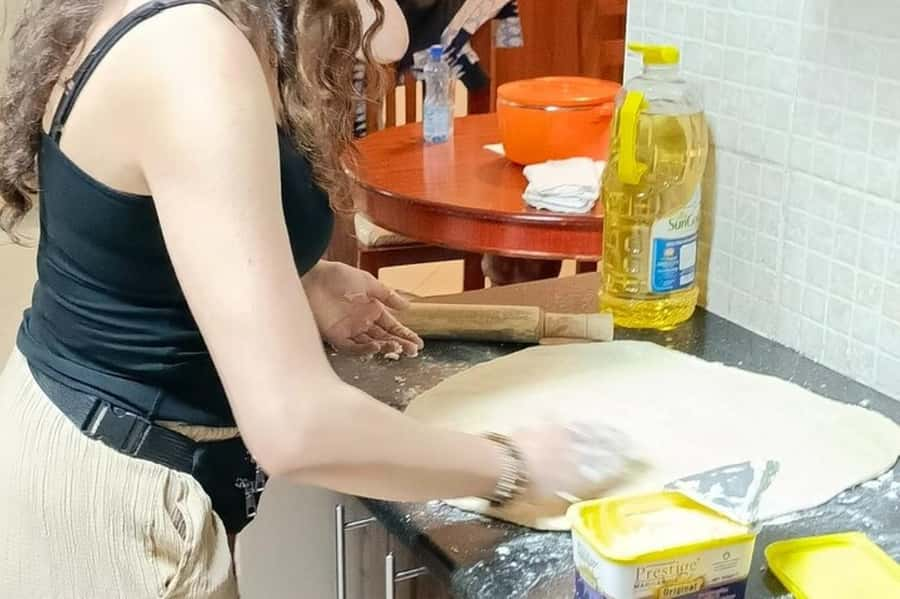
The format allows the host to explain the process as you go. You may help prepare ingredients, shape chapati, or take part in other practical steps, depending on the kitchen and the size of your party. The exact division of tasks is not fixed, so ask if you want especially active participation.
That flexibility can work well for mixed groups. A confident cook can ask questions and take part where space allows, while someone with little kitchen experience can watch closely and learn without pressure.
The dishes: ugali, chapati, pilau, and curry
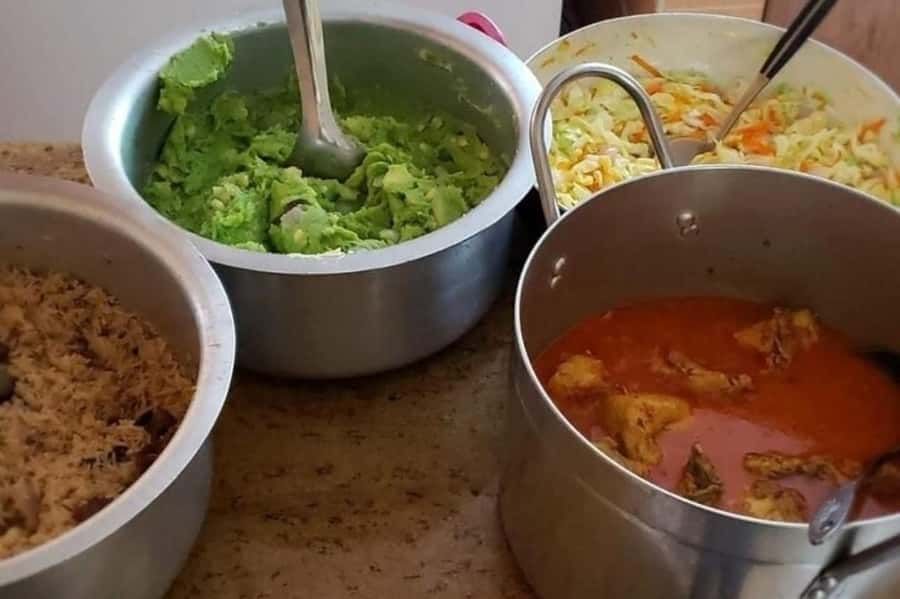
The meal brings together several familiar Kenyan foods and dishes influenced by Indian cooking. The exact menu may vary, but ugali, chapati, pilau, and curries are named as examples of what you may prepare.
Ugali is a staple made from cornmeal. Its plain, hearty character makes it a useful partner for saucy dishes and vegetables. Making it at home helps you understand its texture and role in a meal better than simply ordering it at a restaurant.
Chapati offers a more hands-on task. This soft flatbread is prepared as part of the lesson, and the cooking process gives you a clear chance to work alongside the host. One account especially praised the instruction on preparing chapati, making it a good dish to focus on if you want a skill to take home.
Pilau brings a different flavor profile to the table. It reflects the Kenyan and Indian influences built into the class, while curry adds another layer of spice and sauce. The available information does not promise a specific meat, vegetable, or spice level, so you should ask about the final menu if dietary needs matter to you.
Food is included, along with soda, fruit, and water. That makes the experience feel like a full food outing rather than a lesson where you pay extra for the meal afterward.
A few more market tours around Kenya worth a look
- Memorable Daily KIBERA Slums/Toi Market Tour with Locals (2 hours)
★ 5.0 · 29 reviews - Mombasa City Tour,Fortjesus,Oldtown,Tusks and Spice Market.
★ 4.8 · 19 reviews - Half-Day Nairobi National Park and Maasai Market with Pick up
★ 5.0 · 16 reviews - Nairobi: Hop on Hop off and Maasai market Collections Visit
★ 3.5 · 10 reviews
A personal lesson with Mary Evelyn
The host is praised for being kind, pleasant, and generous with cultural information. Mary Evelyn is named directly in the published feedback, while the experience provider is listed as Evaline Mbugua. Because the names differ across the supplied details, confirm the host’s name and meeting arrangements when you book.
The strongest praise centers on the human side of the session. Mary Evelyn is described as someone who explains Kenyan culture, teaches traditional dishes, and makes conversation easy while food is prepared. One account describes guests preparing food together and talking about their lives, which points to a relaxed exchange rather than a strict teacher-and-student setup.
That matters because the cooking is only half the value. You are also being invited into a home setting and shown how food connects with everyday life in Nairobi. If you enjoy asking questions about customs, family meals, and local ingredients, you will probably get more from this format than from a standard restaurant tasting.
The language options are English and Swahili. English makes the lesson accessible to many international visitors, while Swahili may help you connect more directly if you speak it or are learning a few phrases.
Since the session is private, you can shape the conversation around your own interests. A larger class might offer more kitchen activity, but it would not provide the same level of personal attention.
What the $55 price really covers
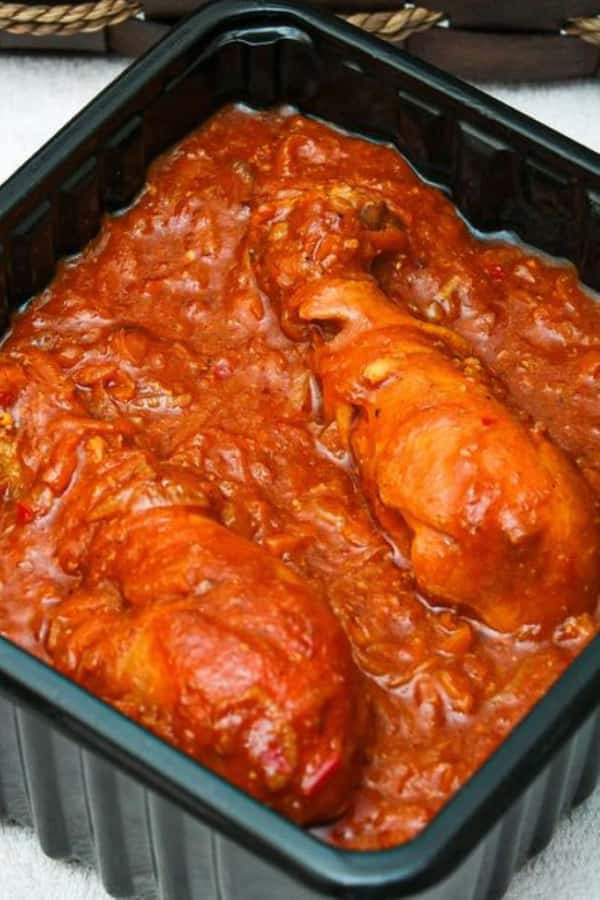
At $55 per person, you are paying for more than a plate of food. The price includes the four-hour experience, market shopping, food, soda, fruit, water, transport to and from the market, and a private lesson for your group.
That is fair value if you want a cultural activity that combines several pieces in one booking. You get a market visit, a home meal, instruction, and direct contact with a local host. The private format is especially important here because a one-to-one or small-party lesson usually gives you more room to ask questions than a standard group class.
The value is less clear if your only goal is to eat inexpensive Kenyan food. You may find a cheaper meal elsewhere, but that would not include the market trip, preparation, conversation, or cooking guidance.
Uber fees are excluded. Include that cost when planning your day, especially if you need a ride to K Mall Komarock parking lot or onward transport after the session. Transport to and from the market itself is included, so you are not paying for every movement during the activity.
The booking terms add flexibility. You can reserve now and pay later, and cancellation is free up to 24 hours in advance for a full refund. Those terms are useful if your Nairobi schedule is still changing.
Who will enjoy this experience most
I would recommend this for people who want a personal introduction to Kenyan food rather than a formal cooking school. It suits couples, families, and small private groups who enjoy talking, shopping, and eating at a steady pace.
It is also a good choice if you want to see an ordinary home setting. The small kitchen is part of the point. You get a closer view of practical home cooking, even if you do not spend every minute at the stove.
Food-focused visitors will get the most from the market and ingredient preparation. If you already know ugali and chapati from restaurant menus, this session gives you a better sense of how they are made and served.
This may not suit you if you need a highly structured class where every participant has a workstation. The host does most of the cooking because of limited space. You will help, but the experience is not designed as a full-day culinary course or a professional chef workshop.
It also may not be ideal if you want a broad Nairobi sightseeing tour. The focus is food, the market, and the host’s home. The value comes from time spent in those settings, not from visiting a long list of city attractions.
Practical tips for a smoother visit
Meet at K Mall Komarock parking lot and allow enough time to locate the correct meeting place. Since Uber fees are not included, plan your ride budget separately.
Ask about the day’s menu if you have allergies, dietary restrictions, or strong preferences. The listed dishes include cornmeal, chapati, pilau, and curries, but the exact ingredients are not specified.
Wear clothes that are comfortable for a market visit and a home cooking session. The supplied details do not state a dress code, but practical clothing is sensible for an activity involving food preparation.
Keep your schedule open for the full four hours. The experience includes several stages, and leaving early could mean missing either the market or the shared meal.
Finally, treat the small kitchen as part of the experience rather than a flaw to be ignored. You may spend more time watching than cooking, but you also get to see how a host manages a real home meal with limited space.
Should you book the Nairobi market and cooking class?
Book it if you want food, conversation, and local context in one private outing. The market visit gives the session a clear beginning, the home cooking adds personal contact, and the meal brings the experience together.
The strongest reasons to choose it are the private format, the chance to prepare chapati and other Kenyan dishes, and the warm teaching style associated with Mary Evelyn. The main compromise is limited kitchen space, which means the host handles much of the cooking.
At $55, I see this as a good-value cultural experience for anyone who prefers an ordinary home and local market to a polished tourist attraction. Just budget for your own Uber costs, confirm the host and meeting details, and book it knowing that you are joining a personal demonstration with hands-on moments, not a fully equipped cooking school.
FAQ
Where does the experience begin?
You meet at the K Mall Komarock parking lot before proceeding to the market.
How long does the activity last?
The experience lasts four hours.
What languages does the guide speak?
The activity is offered in English and Swahili.
Is the cooking class private?
Yes. It is arranged as a private group experience for your party.
What food might I learn to prepare?
The experience may include Kenyan and Indian-influenced dishes such as curries, ugali, chapati, and pilau.
Is food included in the price?
Yes. Food, soda, fruit, and water are included.
Is transport included?
Transport to and from the market is included. Uber fees are not included.
Will I do all the cooking?
No. Because of space constraints, the host will do most of the cooking, while you help with preparation and learn the process.
Can I cancel for a full refund?
Yes. You can cancel up to 24 hours in advance for a full refund.
Can I reserve now and pay later?
Yes. The activity offers a reserve-now, pay-later option.
Just added around Kenya
- Nairobi Traditional Cooking Classes and Local Market Visit★ 5.0 · 2 reviews
- Nairobi: Maasai Market and Nairobi City Tour★ 5.0 · 4 reviews
- Nairobi: Hop on Hop off and Maasai market Collections Visit★ 3.5 · 10 reviews
- Nairobi: Explore Maasai Market for Unique Souvenirs★ 5.0 · 5 reviews
- Maasai Market Souvenir Shopping★ 5.0 · 2 reviews
- Local Market Tour and Traditional Meal Cooking Class★ 5.0 · 4 reviews
- Diani: Market and Street Food Walking Tour★ 4.2 · 6 reviews
- Authentic Kenyan Cooking Class & Market Tour in Nairobi★ 5.0 · 12 reviews
Cooking Classes, compared.
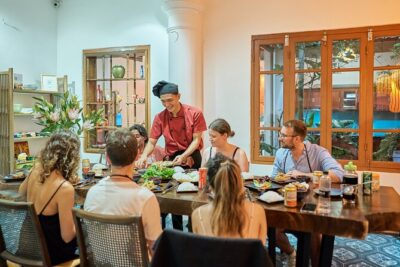
Hanoi Cooking Class: Culture, Local Market & Meaning CSR Impact
Read our review →
5 Traditional Dishes Hanoi Cooking Class with Market Trip
Read our review →
Cooking Class and Lunch at a Tuscan Farmhouse with Local Market Tour from Florence
Read our review →
Cooking Class, Market & Thai Herbs Garden Tour
Read our review →
Authentic Cooking Class with Market & Farm Visit
Read our review →
Paella Cooking Experience & Boqueria Market Tour
Read our review →
Cooking Class Hoi An:Local Market, Basket Boat, Fishing & Cooking
Read our review →
Hoi An Cooking Class(Market,BasketBoat Crabfishing&Cooking Class)
Read our review →Browse the lists this tour appears in