
Review · KENYA
Nairobi: Explore Maasai Market for Unique Souvenirs
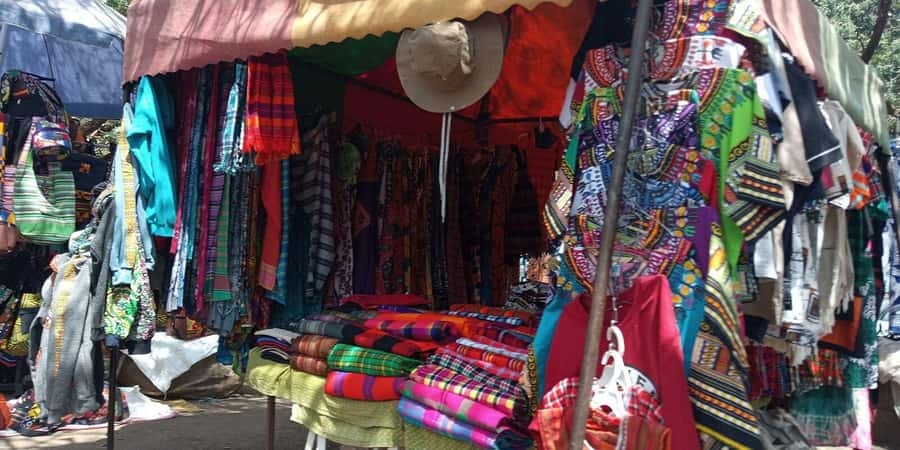
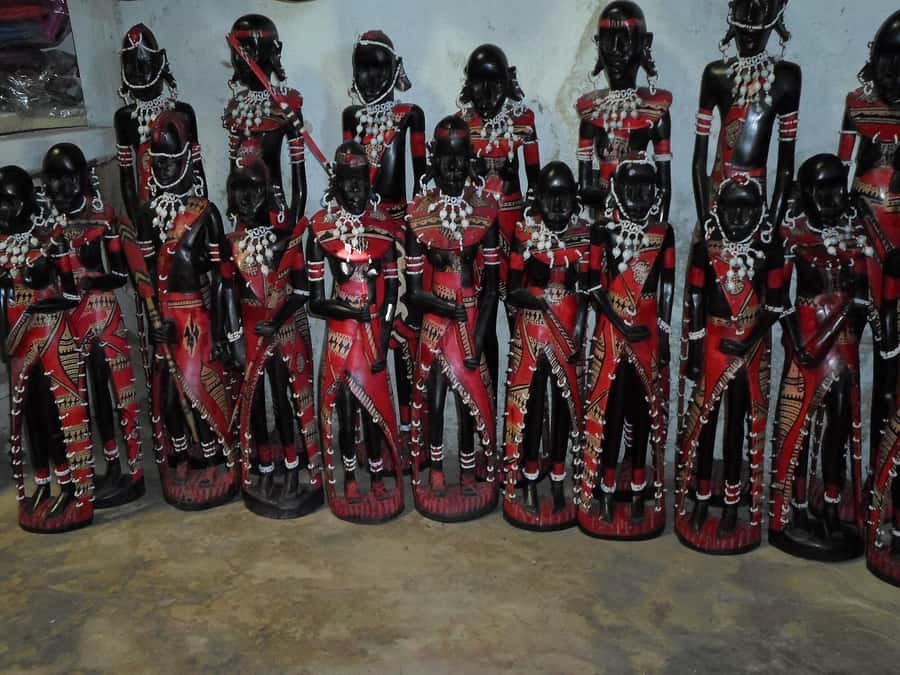
Good souvenirs come with a story. This two-hour Nairobi shopping walk takes you from city-center craft shops to the Maasai Market, where you can browse jewelry, beadwork, textiles, carvings, paintings, and other handmade goods. I like the direct contact with artisans and the practical help with prices, quality, and language.
I also like the flexible route. You can focus on gifts, visit wholesale craft shops, meet social-impact entrepreneurs, or add a short city-center walk. The main consideration is that the Maasai Market moves to different locations during the week, so your exact market stop can change. Crowds, persistent sales pitches, and cash-only vendors also call for alertness.
What makes this Nairobi shopping walk useful
- A local guide helps with bargaining: You get advice on fair prices, translation, and how to negotiate without turning the exchange sour.
- The market location changes: The Maasai Market moves each day except on weekends, so the guide’s local knowledge matters.
- You meet the makers: The experience can include conversations with artisans and social-impact entrepreneurs who produce or sell handmade goods.
- The route is flexible: You can shop, visit wholesale outlets, see craft production centers, or add a short city walk.
- The price is low: At $10 per person, the fee is good value if you want help navigating Nairobi shopping rather than simply browsing alone.
- You should carry cash: Not every vendor accepts cards, and your best purchases may come from small stalls.
Starting at Hilton Arcade on Mama Ngina Street
The meeting point is Hilton Arcade along Mama Ngina Street, near the Bata starting point listed for the walk. This is a practical city-center location, but you should confirm the exact meeting instructions before setting out because the market itself does not stay in one place.
The experience begins on foot. That matters in Nairobi’s center, where a walking route lets you move between small shops and market areas without arranging another vehicle for each stop. You should wear comfortable shoes, since the route includes shopping, street walking, and possible extra stops if you want to continue exploring.
Your guide can also help with simple town errands. That is not the main reason to book, but it adds value if you need to find a particular kind of gift or visit a local shop that would be hard to identify on your own.
More Shopping Tours in Kenya:
- Maasai Market Souvenir Shopping
★ 5.0 · 2 reviews - Hanoi: Handcrafted Wood Carving Workshop with Local Artisan
★ 5.0 · 733 reviews - Marrakesh: Guided Souk Shopping Tour with a Local Guide
★ 4.9 · 651 reviews
First stop: city-center craft shops
Before reaching the main market, you visit local gift and craft shops in central Nairobi. This gives you a calmer place to begin comparing styles, materials, and prices.
These shops may suit you if you want neatly displayed gifts or need something specific. You can ask about handmade jewelry, carved pieces, textiles, paintings, and beadwork before facing the more crowded open-air market. The guide can explain what an item is made from and point out differences in quality.
I would use this first section to set a price baseline, not to buy immediately. Take note of the size, finish, and asking price of items that resemble what you later see at the market. Bargaining works better when you know what you are comparing.
The guide can also introduce you to local entrepreneurs working in the handmade sector. That adds a useful social angle. You are not simply passing through a souvenir shelf. You have a chance to learn who produces the goods and how buying directly can support small businesses.
Walking through Nairobi’s Maasai Market
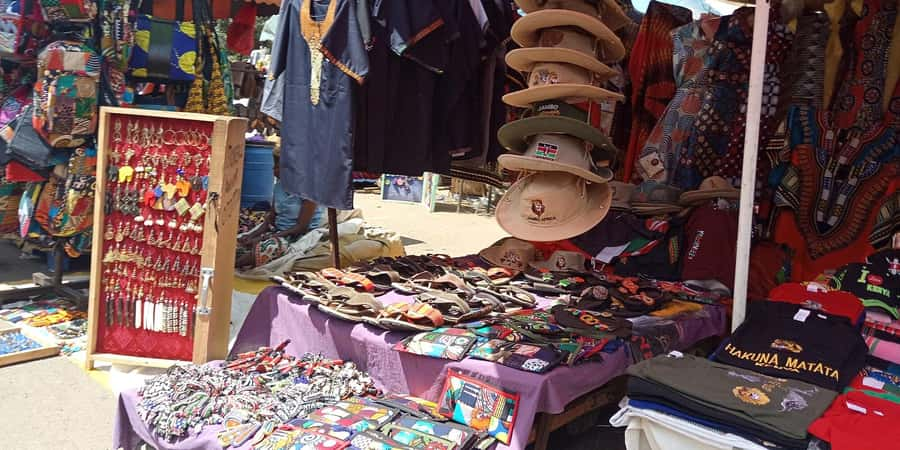
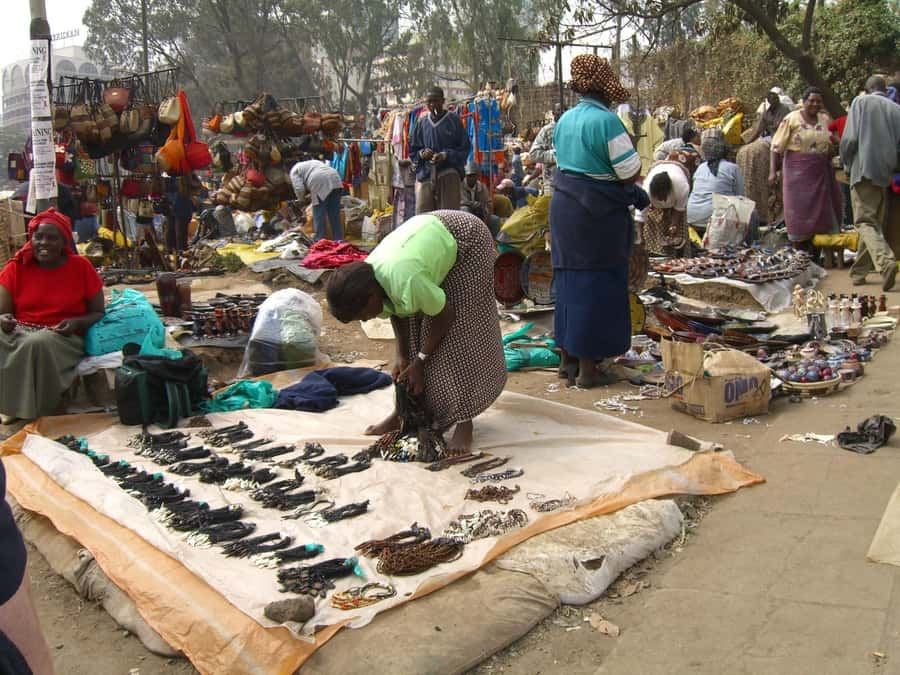
The Maasai Market is the main event, an open-air market filled with vendors selling Kenyan crafts. Expect a wide choice, from beadwork and jewelry to carvings, textiles, paintings, and other decorative items.
The market is not fixed in one daily location. It moves during the week, except on weekends, so the guide’s role is more than pointing out a famous name on a map. A local guide can take you to the current market site and help you avoid wasting time looking for yesterday’s location.
The atmosphere is social and energetic. Sellers may approach you directly, especially if you stop to examine something. You should expect friendly persistence, but you can keep the exchange pleasant by smiling, greeting the seller, and saying no clearly when you are not interested.
This is where the language help becomes useful. If you do not speak the local language, your guide can help you ask about materials, origin, use, and price. That makes the purchase more than a quick transaction and reduces the chance of misunderstanding.
Learning to bargain without losing the fun
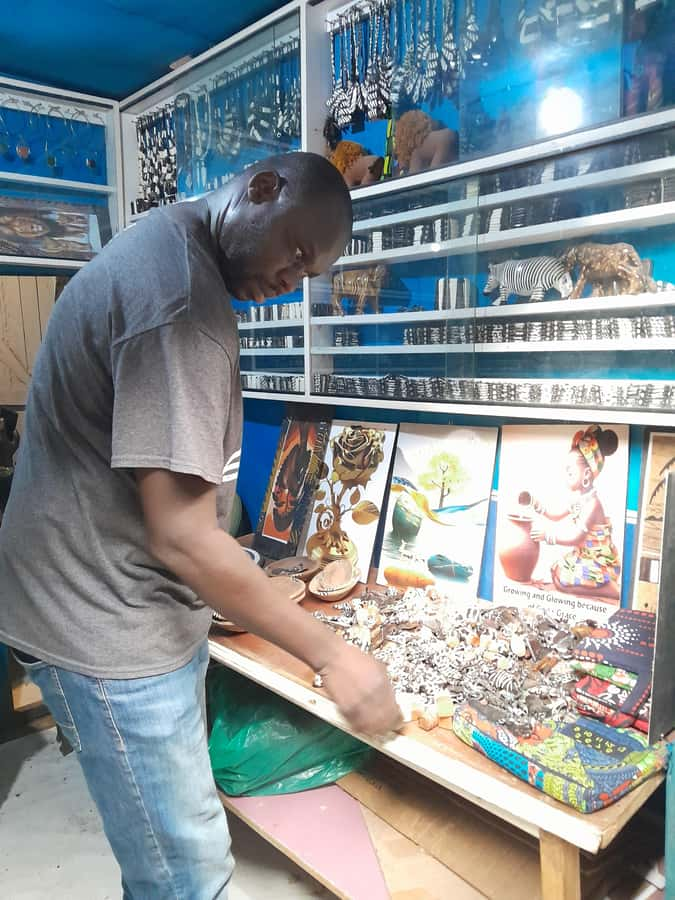
Bargaining is part of the shopping experience, but it works best as a conversation rather than a contest. Your guide can show you how to make an offer, when to stop, and how to keep the tone polite.
The practical goal is not always the lowest price. A fair purchase should leave you comfortable and allow the maker or seller to earn a reasonable return. The guide can give feedback on price levels, which is especially helpful when several stalls sell similar items.
A simple approach works well:
- Ask the price calmly.
- Look at comparable pieces before making an offer.
- Bargain with a smile and a clear limit.
- Walk away politely if the price does not suit you.
- Do not promise to buy if you are only browsing.
The guide can also help check quality. Look closely at stitching, carving, paint, beadwork, and the finish on jewelry. Handmade goods will not all look identical, and small variations are part of their character, but poor construction is a different matter.
One useful detail from the shopping route is access to a wholesale shop. Small local retailers buy some of their stock there, and prices can be very low. This may be the right place for multiple gifts, though you should still compare quality and ask which items are locally made.
A few more market tours around Kenya worth a look
- Traditional Kenyan Cooking Class & Local Market Tour
★ 5.0 · 129 reviews - Memorable Daily KIBERA Slums/Toi Market Tour with Locals (2 hours)
★ 5.0 · 29 reviews - Mombasa City Tour,Fortjesus,Oldtown,Tusks and Spice Market.
★ 4.8 · 19 reviews - Half-Day Nairobi National Park and Maasai Market with Pick up
★ 5.0 · 16 reviews
Meeting artisans and social-impact entrepreneurs
A strong part of this experience is the chance to speak with people involved in making and selling the crafts. You can ask how a piece is produced, what its design means, and how it reaches the market.
That conversation gives context to objects that might otherwise become anonymous souvenirs. Beadwork, textiles, carvings, and paintings can carry cultural meaning, but the exact story depends on the maker and the item. Ask rather than assuming.
The experience also includes contact with social-impact entrepreneurs in the handmade industry. This may appeal to you if you want your shopping to support direct local trade. Still, listen carefully to the explanation of how each business operates. The guide can help you understand who made the item and where your money goes.
Do not treat every market object as a museum artifact. Some goods are made for everyday sale, and some may be produced for the tourist trade. That does not make them worthless. It simply means you should choose items because you like their quality, design, and story, not because a seller gives them a grand claim.
What the flexible route can include
The advertised experience lasts two hours, but the route can be adjusted to your interests. You might spend most of the time shopping, or you can add a short walking tour and sightseeing in central Nairobi.
The flexibility is useful for different kinds of shoppers. If you need gifts, tell the guide early so the route stays focused. If you want cultural conversation, ask for more time with artisans. If you are interested in local business, request stops at craft production or selling centers.
The route description contains conflicting time figures, including references to very long walking and market periods. Treat the experience as a two-hour activity, which is the stated duration, and confirm the day’s plan with the guide. The actual order of city shops and market stops may change because the market moves and the experience is customizable.
You can also ask for help with bulky shopping. That small service matters if you purchase carvings, framed art, or several pieces at once. Do not assume the guide provides delivery or transport, but help carrying purchases is included as part of the assistance offered.
Is $10 good value?
At $10 per person, this is inexpensive for a private-feeling local shopping service, though the group size is not specified. The fee covers a guided walk, market access, translation help, bargaining advice, quality checks, and recommendations for local shops.
The value depends on what you need. If you are comfortable bargaining, know Nairobi well, and only want a quick look, you may prefer to explore independently. If you want to avoid guessing prices, locating the moving market, or finding reputable craft shops, the fee can pay for itself in time and confidence.
Remember that the $10 does not cover your purchases. Bring enough cash for the items you want, since some vendors may not accept credit cards. Ask about prices before committing, and keep money secure in crowded areas.
Safety, comfort, and market manners
Keep your belongings secure. Crowded markets can attract pickpockets, so carry only what you need and stay aware while examining goods. A guide adds support, but you remain responsible for your phone, wallet, passport, and shopping bags.
Wear comfortable shoes for the walking sections. Nairobi weather can change, so a hat and sunscreen are useful on sunny days, while a light jacket may help when conditions turn cooler.
Respect matters here. Ask before photographing people or their work, listen when an artisan explains a design, and avoid treating bargaining as a performance. A polite refusal is better than a sharp exchange.
Smoking, food in the vehicle, littering, and alcoholic drinks in the vehicle are not allowed. The activity is primarily on foot, but these rules may apply if a vehicle is used during part of the day.
What the guide adds
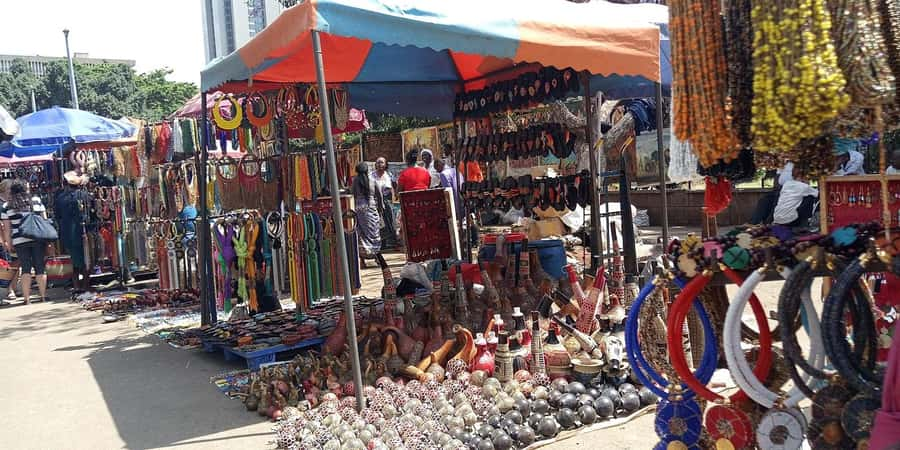
The strongest part of the experience is the guide’s personal connection with vendors. A guide who knows the sellers can introduce you more naturally and help you understand what you are buying.
Feedback about guides named Erick and Eric highlights the same useful traits: careful attention, reliability, help with personal requests, and a strong sense of safety. One account specifically described feeling secure while shopping as two women. Names may vary by booking, so confirm who will lead your tour, but the service is built around a responsive local guide.
The guide can also explain more about Nairobi, Kenyan people, and daily life beyond the market. That wider conversation makes the walk better than a simple shopping transfer. You are still there to buy souvenirs, but you can leave with a clearer sense of the city.
Who should book this experience?
I would recommend it to first-time visitors who want Kenyan crafts but do not know where to start. It also suits solo shoppers, couples, and small groups who want help with bargaining and vendor communication.
It is especially useful for you if:
- You want handmade gifts rather than standard airport souvenirs.
- You prefer direct contact with makers and small businesses.
- You are unsure how much to pay.
- You want to visit a market that changes location.
- You need help comparing quality.
- You would like a short city-center walk alongside shopping.
You may want to skip it if you dislike markets, persistent sales pitches, or bargaining. The experience is not a quiet gallery visit. It is social, busy, and based on conversation.
Practical tips for better purchases
Set a rough budget before you arrive. It is easy to keep adding small items when the choices are wide, and a budget helps you make decisions without pressure.
Carry small amounts of cash if possible. Keep your money secure, and avoid displaying all of it while negotiating. A simple cloth bag or backpack may be useful, but keep it close in crowded sections.
Choose meaningful, packable items first. Jewelry, beadwork, textiles, and smaller carvings are easier to carry than bulky art. If you buy something large, ask the guide what help is available before paying.
Take a close look at construction. Check clasps, stitching, edges, paint, and the back of framed or carved pieces. Handmade variation is normal, but loose parts or rough finishing may affect how well a souvenir survives the journey home.
Most of all, slow down. The best purchase may not be the first one you see. Compare, ask questions, and buy from the maker or shop that gives you a clear answer and a fair feeling about the exchange.
Should you book the Maasai Market tour?
Book it if you want Nairobi shopping to be more than a quick stop for souvenirs. For $10, you get local guidance, bargaining support, language help, market access, and a flexible route through city-center craft businesses.
I would be less enthusiastic if you want a fixed schedule or a quiet, highly structured tour. The moving market and flexible route mean you should expect some adjustment. For most visitors who value handmade goods, direct local trade, and a little help navigating Nairobi, this is a practical and affordable choice.
FAQ
Where does the tour meet?
The meeting point is Hilton Arcade along Mama Ngina Street in central Nairobi.
How long does the experience last?
The stated duration is two hours. Confirm the day’s exact route with the guide because the market location changes and the schedule is flexible.
What language is the tour conducted in?
The live tour guide speaks English.
Does the tour include the cost of souvenirs?
No. The $10 price covers the guided shopping experience and assistance, but you pay separately for anything you purchase.
Should I bring cash?
Yes. Cash is recommended because not all vendors may accept credit cards.
Does the Maasai Market stay in one location?
No. The market moves each day except on weekends, so the guide takes you to its current location.
Can the route be customized?
Yes. You can focus on shopping, visit additional craft production or selling centers, meet artisans and social-impact entrepreneurs, add a short city-center sightseeing walk, or request help with errands in town.
Just added around Kenya
- Nairobi Traditional Cooking Classes and Local Market Visit★ 5.0 · 2 reviews
- Nairobi: Maasai Market and Nairobi City Tour★ 5.0 · 4 reviews
- Nairobi: Hop on Hop off and Maasai market Collections Visit★ 3.5 · 10 reviews
- Market Tour and Traditional Kenyan Cooking Class in Nairobi★ 4.8 · 6 reviews
- Maasai Market Souvenir Shopping★ 5.0 · 2 reviews
- Local Market Tour and Traditional Meal Cooking Class★ 5.0 · 4 reviews
- Diani: Market and Street Food Walking Tour★ 4.2 · 6 reviews
- Authentic Kenyan Cooking Class & Market Tour in Nairobi★ 5.0 · 12 reviews
Shopping Tours, compared.
Handcrafted Wood Carving Workshop with Local Artisan
Read our review →
Shopping in the Souks of Marrakech Private Tour
Read our review →
Local Markets & Khan el Khalili Private Shopping Tour
Read our review →
Pierogi Cooking Class with Market Shopping and Local Snacks
Read our review →
Exclusive Private Shopping Adventure in The souks
Read our review →Browse the lists this tour appears in