
Review · KENYA
Authentic Kenyan Cooking Class & Market Tour in Nairobi
Food opens doors quickly in Nairobi. This four-hour experience pairs a local market visit with hands-on cooking in Tabitha’s home, giving you more than a meal and a recipe card. You help choose ingredients, hear food stories, and share lunch in a setting far removed from a hotel dining room.
I like the chance to prepare staples such as ugali, pilau, chapati, and sukuma wiki, rather than simply watch someone cook. I also like the warm personal side, including time with Tabitha and her husband. The main consideration is that the home kitchen has limited space, so this suits you best if you value close, informal contact over a polished cooking-school setup.
Key points at a glance
- The market comes first: Meet at K-MALL Komarocks parking lot, then shop for fresh ingredients with your host.
- You cook a full Kenyan meal: Dishes can include Kachumbari, sukuma wiki, ugali, chapati, pilau, mukimo, githeri, and kuku kienyeji.
- The home setting is the heart of it: You spend time in Tabitha’s home, talk over food, and share lunch together.
- Transport is partly covered: Transport to and from the market is included, while Uber or other transport costs are not.
- English and Swahili are offered: The live guide service works in either language.
- The price covers plenty: At $64 per person, you receive the host, market transport, cooking lesson, lunch, soda, water, and tea.
Starting at K-MALL Komarocks parking lot
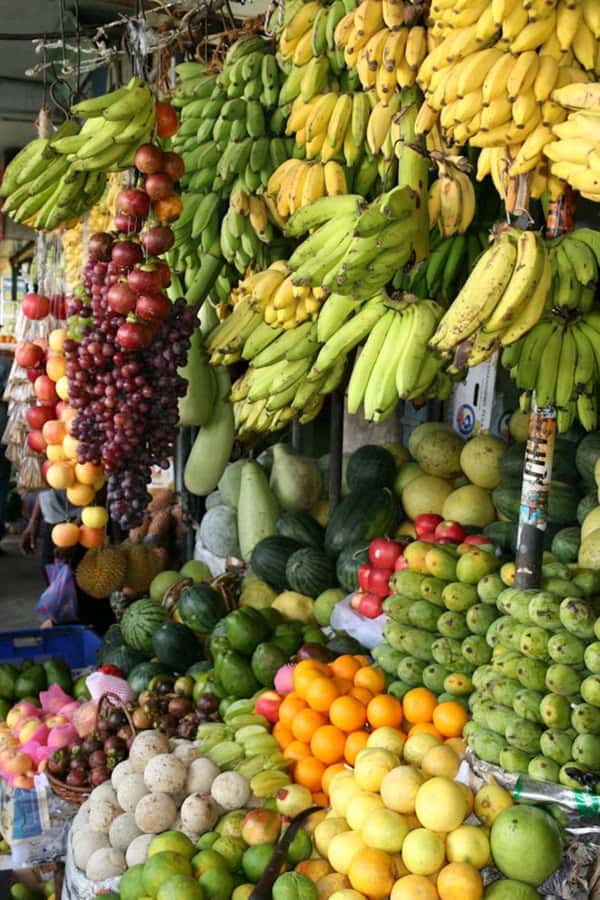
Your meeting point is the K-MALL Komarocks parking lot. From there, you proceed to a nearby local market with your host, Tabitha. The market is not just a quick stop to collect groceries. It is the first part of the cultural experience.
You can expect to see the everyday shopping routine that supports a Kenyan home kitchen. You help select ingredients, and the market gives context to the dishes you will later prepare. A recipe such as pilau means more when you have seen the raw ingredients bought for it that same morning.
The market also gives you a chance to interact with local people. Several parts of this experience depend on being open and curious, since you may attract attention as an international visitor. That can feel amusing, but it is worth keeping your camera manners polite and asking before photographing people.
The meeting point matters because you need to arrive there yourself unless separate transport has been arranged. The experience includes transport to and from the market, but Uber and other transport fees are not included. Confirm the exact transport plan before setting out, especially if you are staying far from Komarocks.
More Cooking Classes in Kenya:
- Traditional Kenyan Cooking Class & Local Market Tour
★ 5.0 · 129 reviews - Market Tour and Traditional Kenyan Cooking Class in Nairobi
★ 4.8 · 6 reviews - Local Market Tour and Traditional Meal Cooking Class
★ 5.0 · 4 reviews
Shopping for ingredients with Tabitha
A market visit works best when you treat it as part of the lesson, not as a delay before the cooking begins. Tabitha guides you through the shopping, and you see how a meal is assembled from fresh, ordinary ingredients.
This is one of the strongest parts of the experience for anyone interested in daily life in Kenya. You are not only hearing names such as sukuma wiki or Kachumbari. You are seeing the ingredients before they reach the cooking pot, learning what is selected, and watching your host handle the practical choices involved in feeding a household.
The market can also give you a better sense of Nairobi beyond the city center. One memorable feature of the experience is the drive through Nairobi between the meeting point, market, and home. It offers a look at the city as a lived-in place rather than only as a base for major attractions.
Bring some cash. It is listed as a useful item for the day, and it gives you flexibility in the market, even though the meal and listed drinks are included in the tour price. Comfortable shoes and clothes are also sensible, since you will be on your feet during the shopping portion.
Cooking Kenyan staples in a private home
After the market, you go to Tabitha’s home on the outskirts of Nairobi. This changes the mood completely. Instead of moving through a formal demonstration kitchen, you enter a personal space and take part in a meal prepared in a real home.
The home setting is both the great strength and the practical limitation. You receive the kind of welcome that made this experience so highly praised, with time to chat with Tabitha and her husband while food is prepared. You also get a more direct sense of Kenyan home life than you would from a standard restaurant class.
The kitchen has limited space, so you should not expect everyone to have a large work station at all times. The experience is hands-on, though, and you have chances to help, taste as you go, and take part in the preparation. If you want a highly structured class with individual counters and exact written measurements, this may feel informal. If you want conversation and shared work, that informality is the point.
Tabitha’s hosting is central here. The supplied experiences describe her as welcoming, generous, and willing to talk openly about daily life, personal challenges, and ordinary joys. That human contact gives the meal its meaning. You are not just learning how to make food. You are hearing why these foods matter.
The dishes you may prepare
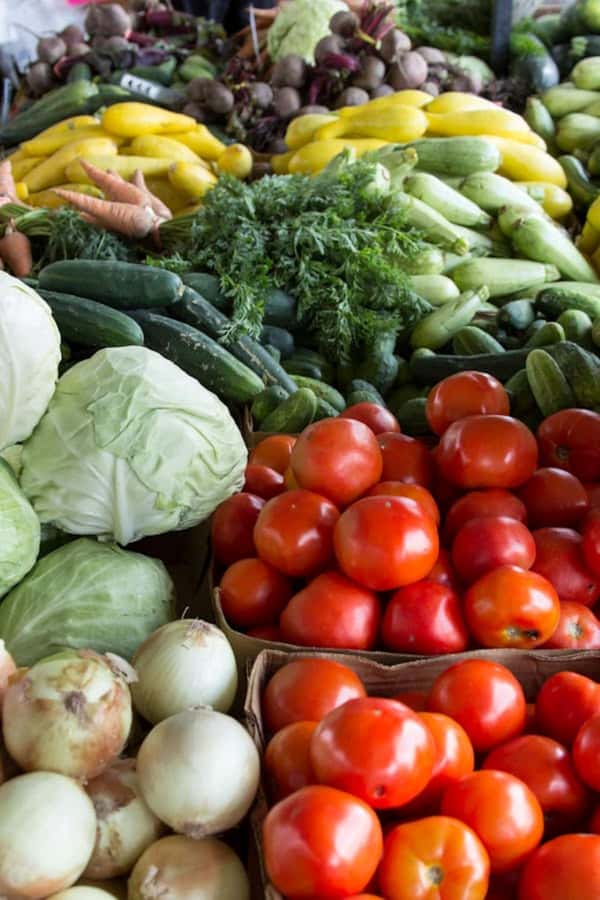
The menu focuses on familiar Kenyan foods, with several dishes named for the class. The exact balance of cooking and demonstration may depend on the day, the group, and the available kitchen space.
Kachumbari is a fresh salad that adds a crisp contrast to heavier dishes. Preparing it during the class helps show how a Kenyan meal often brings several textures together rather than placing one dish at the center.
Sukuma wiki is another key part of the menu. Its name is linked to the idea of stretching food through the week, which makes it especially useful for understanding the practical side of Kenyan home cooking. You learn not only what goes into it, but also how a simple vegetable dish fits into a larger family meal.
Ugali is one of the best reasons to take a class rather than simply order lunch. Its texture and preparation are important, and watching the process gives you a better chance of understanding why it is served as a companion to other foods. You may find it easier to appreciate once you have helped prepare it.
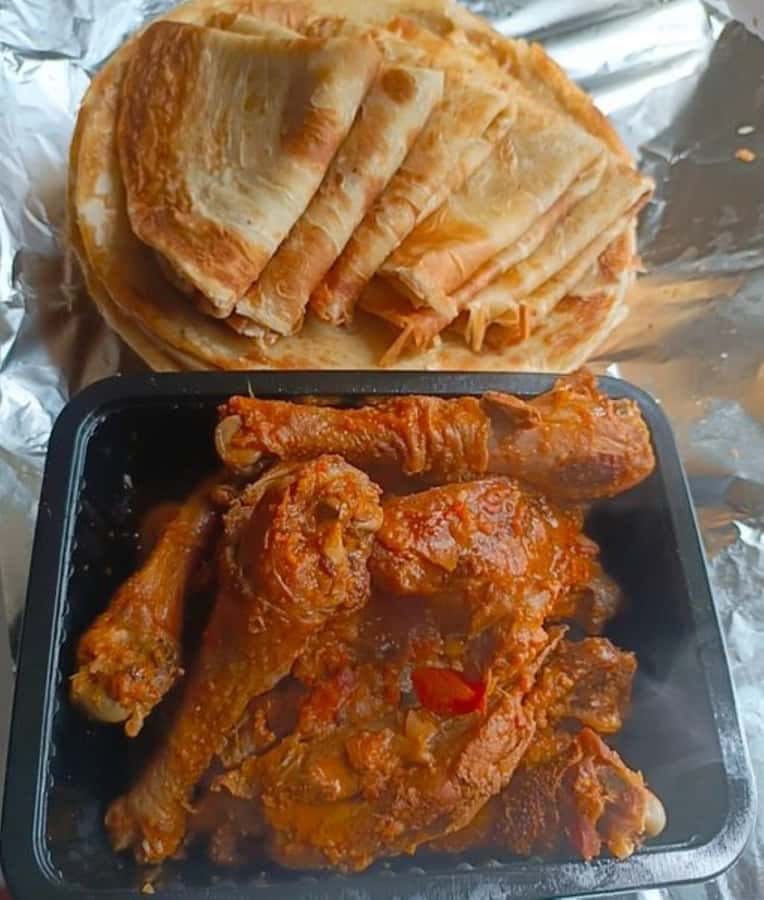
The menu can also include chapati and pilau. Chapati adds a hands-on element, while pilau brings fragrant rice and spice into the meal. The class description also names mukimo, githeri, and kuku kienyeji, giving you a broad look at Kenyan cooking rather than a single signature dish.
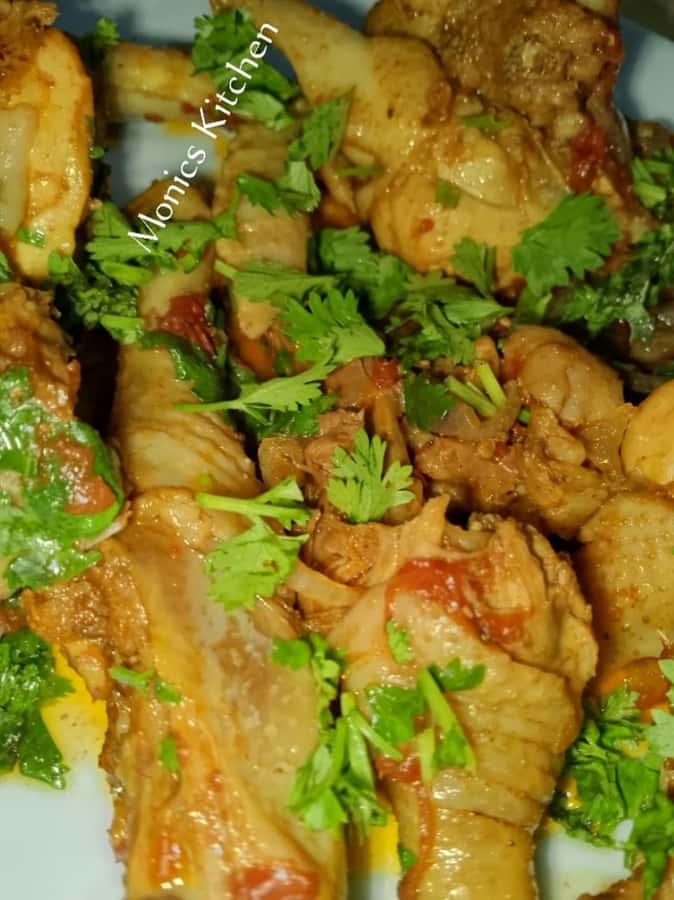
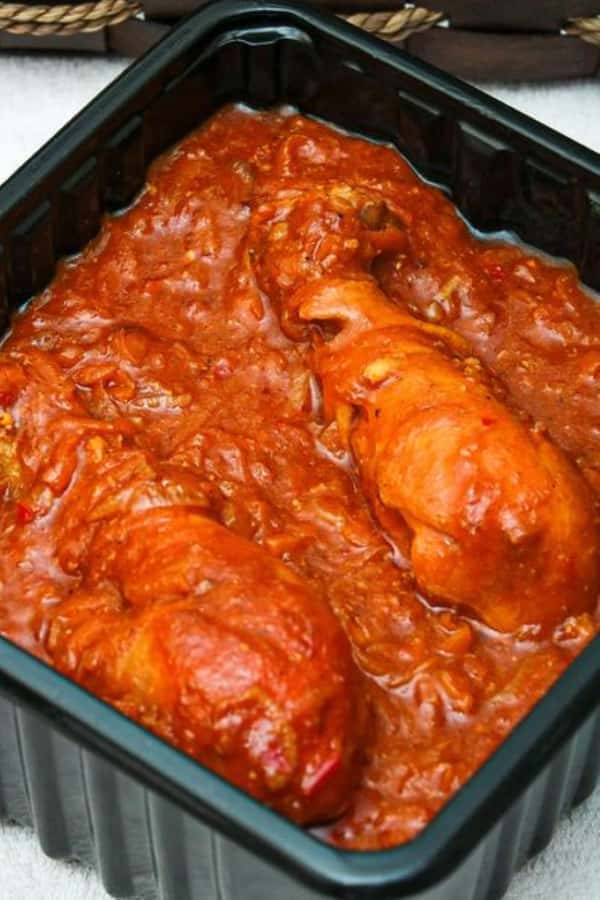
Kuku kienyeji refers to traditional-style chicken. It is a notable inclusion because it gives the meal a more substantial centerpiece alongside the vegetables, grains, and breads. Since the exact dishes can vary, confirm the day’s menu if one particular food is the reason you are booking.
A few more market tours around Kenya worth a look
- Memorable Daily KIBERA Slums/Toi Market Tour with Locals (2 hours)
★ 5.0 · 29 reviews - Mombasa City Tour,Fortjesus,Oldtown,Tusks and Spice Market.
★ 4.8 · 19 reviews - Half-Day Nairobi National Park and Maasai Market with Pick up
★ 5.0 · 16 reviews - Nairobi: Hop on Hop off and Maasai market Collections Visit
★ 3.5 · 10 reviews
Sharing lunch and stories at home
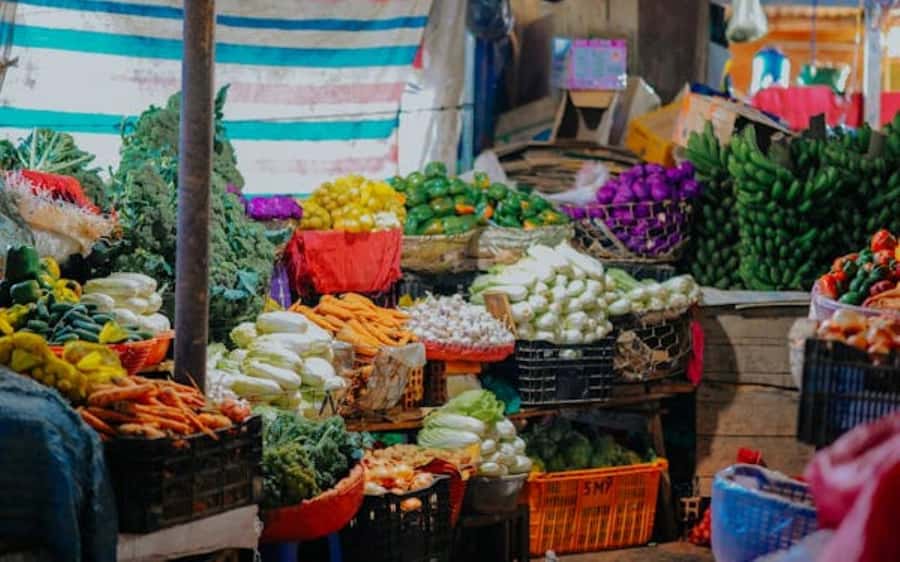
The final meal is not rushed into a restaurant bill and goodbye. You sit down to share what has been prepared, with beverages such as soda, water, and tea included.
I see this shared meal as the experience’s most personal moment. Cooking gives you a task to do together, but eating creates time for longer conversation. Tabitha can explain food customs, family routines, and the meaning behind dishes in a way that is difficult to reproduce on a sightseeing stop.
The personal stories are also part of the appeal. The experience has been praised for going beyond cooking techniques and offering a candid conversation about Kenyan society and everyday life. You should come ready to listen as well as ask questions.
This is not a show built around constant entertainment. Some of the best moments may come from ordinary talk at the table. That will suit you if you want a genuine cultural exchange. It may feel slower than a tightly scheduled food tour if you prefer one attraction after another.
What $64 includes and what it leaves out
The price is $64 per person for four hours. That is fair value when you count the local host, transport to and from the market, cooking instruction, lunch, and soda, water, and tea.
You are also paying for access to a private home and a personal connection, not only for the food. A restaurant meal might cost less, but it would not include shopping with the cook, preparing the dishes, or spending time with a local family.
The price does not include alcoholic drinks. Uber and other transport fees are also listed separately, so budget for your trip to and from the meeting point unless the provider has arranged transport for you.
Children under 10 receive free entrance, which can make this a useful family option. Still, the limited kitchen space means parents should think about how comfortably younger children will manage a four-hour food activity.
Who will enjoy this cooking experience
I would recommend it most strongly to you if you want to see daily life in Nairobi through food. It fits people who enjoy conversation, local shopping, home cooking, and meals that feel personal rather than formal.
It is also a good choice if you are staying in Nairobi and want a break from the usual sightseeing route. The drive through the city, the market, and the home visit create a fuller picture of the area than a cooking class held inside a tourist venue.
Food lovers will find plenty to take home. You can taste Kenyan dishes during the meal and learn methods you may later try in your own kitchen. The variety is useful because it shows how salads, greens, starches, rice, bread, and chicken work together.
You should think twice if you have food allergies. The experience is specifically listed as unsuitable for people with food allergies, so ask detailed questions before booking rather than relying on substitutions being available. It is also not suitable for people over 95.
The secure neighborhood is reassuring, but normal city awareness still makes sense. Keep your belongings close at the market, follow Tabitha’s guidance, and bring only what you need for the day.
Timing, language, and practical planning
The activity lasts four hours, with starting times based on availability. That is long enough for a market visit, cooking, and lunch without taking your entire day. I would avoid scheduling a tight appointment immediately afterward, since market travel and home cooking do not always move at the speed of a restaurant kitchen.
The live guide service is available in English and Swahili. That makes the experience accessible to English-speaking visitors while also giving you a chance to hear local language in a natural setting.
Wear comfortable clothes and shoes. You may spend time walking through the market and helping in the kitchen, so this is not a day for formal clothing or uncomfortable footwear.
A camera is useful, but use it thoughtfully. The market is a social place, and not every person wants to be photographed. Ask before taking close-up pictures, especially inside the home.
Do not bring weapons or sharp objects. Alcohol is not included, and you should not count on it being part of the shared meal.
The booking terms are flexible: you can cancel up to 24 hours in advance for a full refund, and a reserve-now, pay-later option is available. Check the available starting times before you commit to the rest of your Nairobi plans.
My verdict on this Nairobi food experience
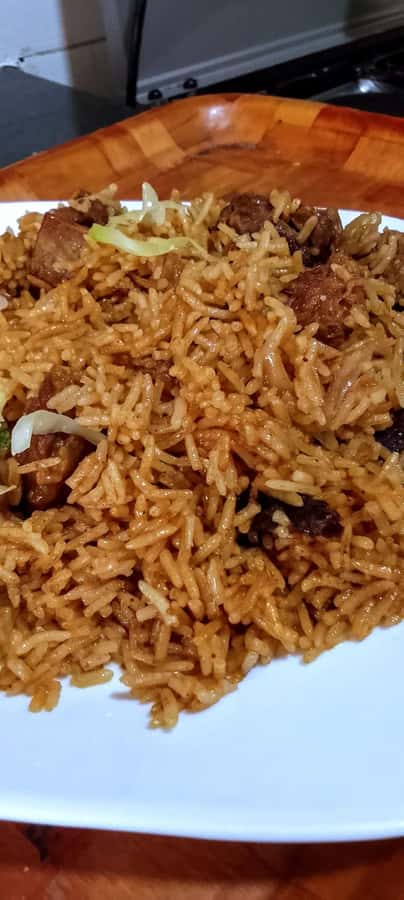
I would book this if your priority is personal contact, Kenyan home cooking, and a closer look at ordinary life. The strongest features are Tabitha’s warm hosting, the market-to-kitchen format, and the shared meal in her home.
At $64, the experience gives you more than four hours of food preparation. You receive transport to the market, a guided shopping visit, a cooking lesson, lunch, drinks, and a conversation that can add real context to the dishes.
I would skip it if you need a polished cooking studio, guaranteed control over the menu, or a quiet private kitchen with plenty of personal work space. I would also avoid it if you have food allergies unless the provider confirms that your needs can be handled.
For most visitors who want food to serve as a doorway into Kenyan life, this is a warm and worthwhile choice. Come hungry, wear practical clothes, bring cash and curiosity, and leave room in your day for the meal and conversation to take their natural course.
FAQ
Where does the experience meet?
The meeting point is the K-MALL Komarocks parking lot, where you meet the host before proceeding to the market.
How long does the activity last?
The experience lasts four hours.
What languages does the guide speak?
The live guide service is available in English and Swahili.
Is transport included?
Transport to and from the market is included. Uber and other transportation fees are not included.
What food might I learn to prepare?
Possible dishes include Kachumbari, sukuma wiki, ugali, chapati, pilau, mukimo, githeri, and kuku kienyeji.
Is lunch included?
Yes. Lunch is included, along with soda, water, and tea.
Are alcoholic drinks included?
No. Alcoholic drinks are not included.
Can children join the experience?
Children below 10 years receive free entrance. The activity is not suitable for people over 95 or people with food allergies.
Just added around Kenya
- Nairobi Traditional Cooking Classes and Local Market Visit★ 5.0 · 2 reviews
- Nairobi: Maasai Market and Nairobi City Tour★ 5.0 · 4 reviews
- Nairobi: Hop on Hop off and Maasai market Collections Visit★ 3.5 · 10 reviews
- Nairobi: Explore Maasai Market for Unique Souvenirs★ 5.0 · 5 reviews
- Market Tour and Traditional Kenyan Cooking Class in Nairobi★ 4.8 · 6 reviews
- Maasai Market Souvenir Shopping★ 5.0 · 2 reviews
- Local Market Tour and Traditional Meal Cooking Class★ 5.0 · 4 reviews
- Diani: Market and Street Food Walking Tour★ 4.2 · 6 reviews
Cooking Classes, compared.
Hanoi Cooking Class: Culture, Local Market & Meaning CSR Impact
Read our review →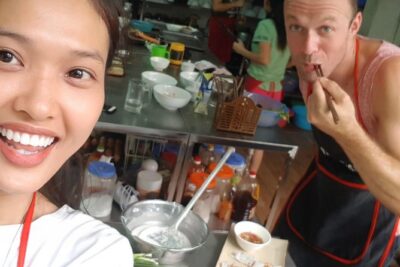
5 Traditional Dishes Hanoi Cooking Class with Market Trip
Read our review →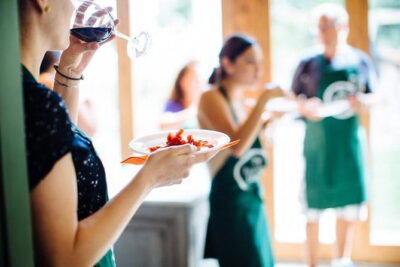
Cooking Class and Lunch at a Tuscan Farmhouse with Local Market Tour from Florence
Read our review →
Cooking Class, Market & Thai Herbs Garden Tour
Read our review →
Authentic Cooking Class with Market & Farm Visit
Read our review →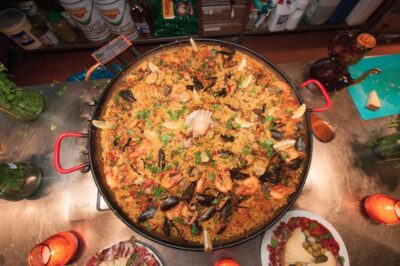
Paella Cooking Experience & Boqueria Market Tour
Read our review →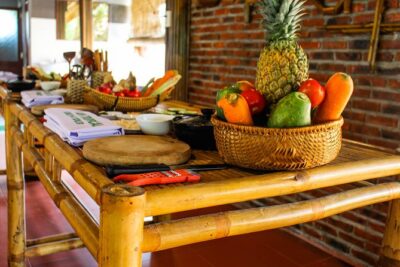
Cooking Class Hoi An:Local Market, Basket Boat, Fishing & Cooking
Read our review →
Hoi An Cooking Class(Market,BasketBoat Crabfishing&Cooking Class)
Read our review →Browse the lists this tour appears in