
Review · THAILAND
Chiang Mai: Cooking Class, Market & Thai Herbs Garden Tour
Thai food makes more sense when you cook it. This half-day experience combines a local market visit with hands-on instruction at Thai Cottage Home Cookery School, where you choose dishes, pound curry paste, and eat what you prepare. I especially like the market-to-table format and the chance to make curry paste from scratch with a mortar and pestle. The main consideration is that pickup is limited to hotels within 3 kilometers of Chiang Mai Old Town.
You get about three and a half hours for $31, including transport within the pickup area, ingredients, instruction, and a digital recipe book. Guides such as Wave, Flook, Tu, Kat, Balloon, and Toey are repeatedly praised for being funny, patient, and clear in English. The market stop is fairly short, but it gives you useful context before the cooking begins.
Key points at a glance
- Start with a local market: Learn what Thai herbs, spices, vegetables, and other ingredients look like before using them in class.
- Choose your own menu: Pick a starter, main dish, curry style, and dessert rather than following one fixed meal.
- Pound curry paste by hand: Use a mortar and pestle to prepare red, green, Phanaeng, Massaman, or Khao Soi curry paste.
- Cook in an organic kitchen garden: The setting connects the food with the herbs and produce used in Thai cooking.
- Good for dietary needs: Vegetarian, vegan, gluten-free, halal, spicy, and non-spicy options are available.
- Easy half-day value: Hotel pickup and drop-off, ingredients, instruction, food, and a digital recipe book are included.
Why this Chiang Mai cooking class works
Thai food can look simple on the plate, but its flavor depends on balance. Sour lime, salty fish sauce or soy sauce, sweet sugar, spicy chilies, fresh herbs, and creamy coconut milk all need to work together. This class gives you a practical way to understand that balance instead of just eating the finished dish.
I like that the experience is built around choice. You are not handed one recipe and told to copy it. You select dishes from several categories, then prepare them with guidance. That makes the meal more personal and gives you a better chance of cooking something you already enjoy.
The second strength is the human scale of the instruction. The hosts are not simply demonstrating from a distance. They help with preparation, explain the ingredients, and keep the group involved. Wave, Flook, Tu, Kat, Balloon, and Toey are all named by past participants as engaging instructors, with Flook and Balloon especially praised for humor and group spirit.
The class is not a quiet, formal culinary school. Expect a friendly group setting, conversation, and a bit of kitchen noise. If you want an advanced chef course, this may feel basic. If you want to cook Thai food without feeling intimidated, that is part of its appeal.
More Cooking Classes in Chiang Mai
- Chiang Mai: Authentic Cooking Class with Market & Farm Visit
★ 4.9 · 4,546 reviews - Chiang Mai: Cooking Class with Market and Pickup
★ 4.9 · 1,365 reviews - Chiang Mai: Evening Cooking Class and Local Market Visit
★ 4.9 · 648 reviews
The local market comes first
Pickup takes place 15 to 30 minutes before class, with the usual warning that Chiang Mai traffic can cause delays. Free hotel transfer is offered within 3 kilometers of the Old Town. If your accommodation is farther away, you need to meet the group at the arranged meeting point.
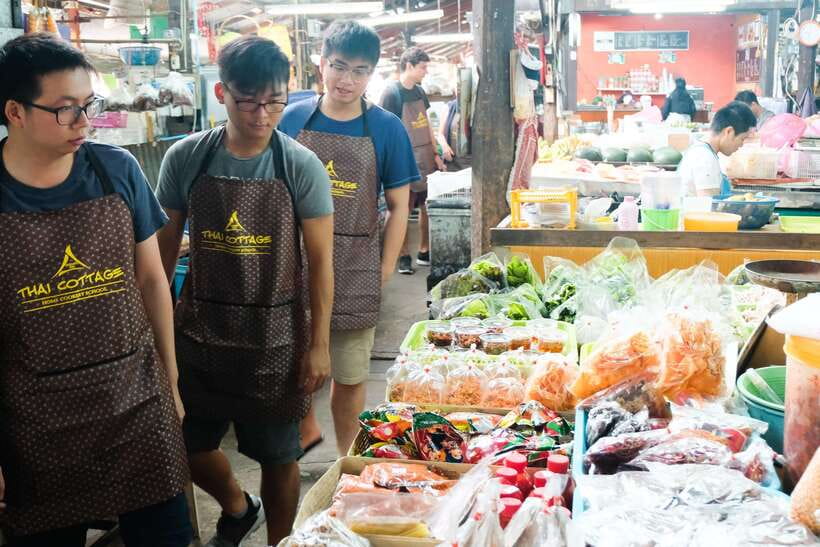
The first stop is a local market. This is not just a shopping errand. Your guide uses the visit to show you the herbs, spices, vegetables, and other ingredients that later appear in the cooking area. That short lesson matters because many Thai ingredients are unfamiliar if you normally shop in Western supermarkets.
You might see unusual food items and local produce that you would otherwise pass without noticing. The market visit is also a useful lesson in Thai cooking logic. You begin to see which ingredients bring heat, which add fragrance, and which create the sour, salty, sweet, and creamy notes found in the dishes.
Keep your expectations in check. The market portion is shorter than the cooking session, and one participant described it as only a little time, though still enough to get the idea. I see that as a sensible trade. The market gives you context, while most of the three-and-a-half-hour schedule is saved for actually preparing and eating food.
Wear comfortable clothes and sensible footwear. You will be walking around the market, handling ingredients, and working at a cooking station. Alcohol and drugs are not allowed, and alcoholic drinks are not included, though they can be purchased separately.
An organic garden changes the lesson
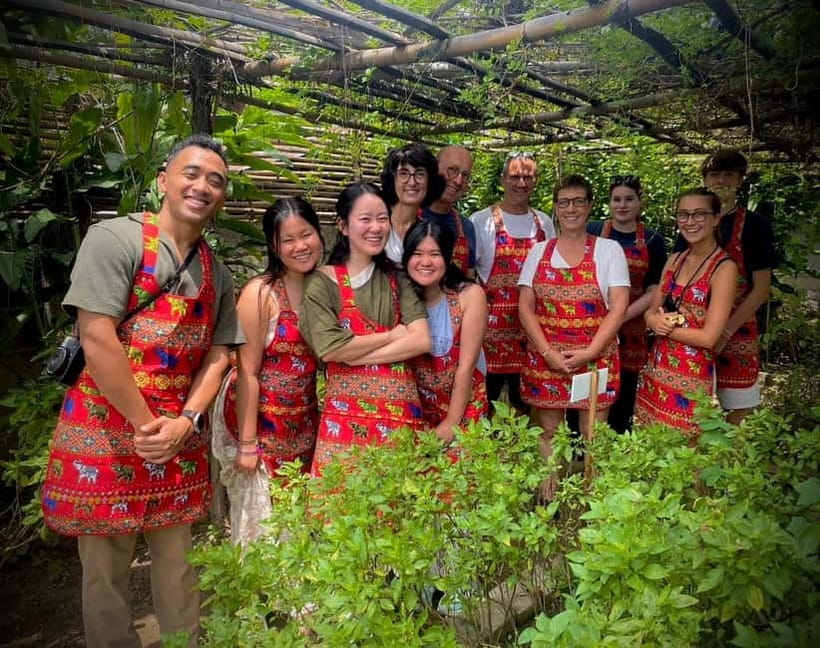
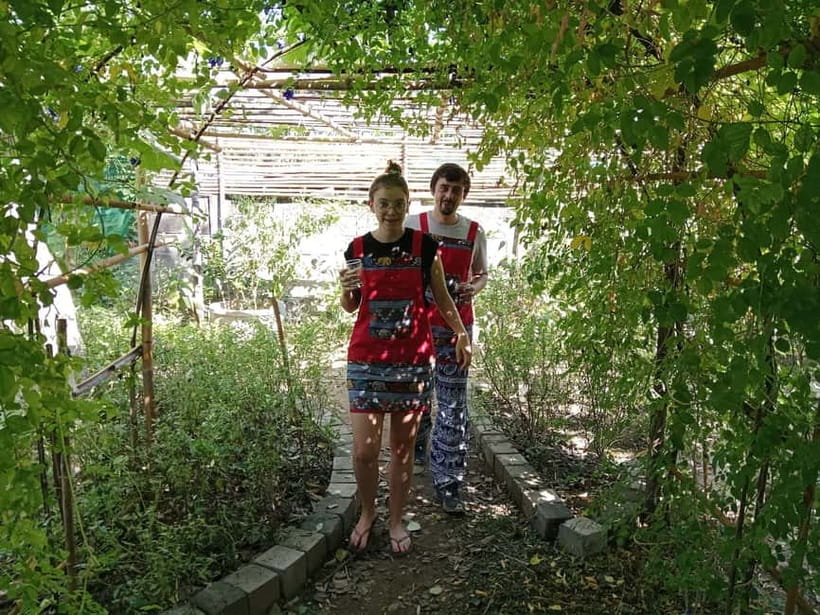
After the market, you continue to the cooking setting, an organic kitchen garden connected with the class. The garden makes the experience feel more tied to daily Thai food preparation than a standard indoor demonstration.
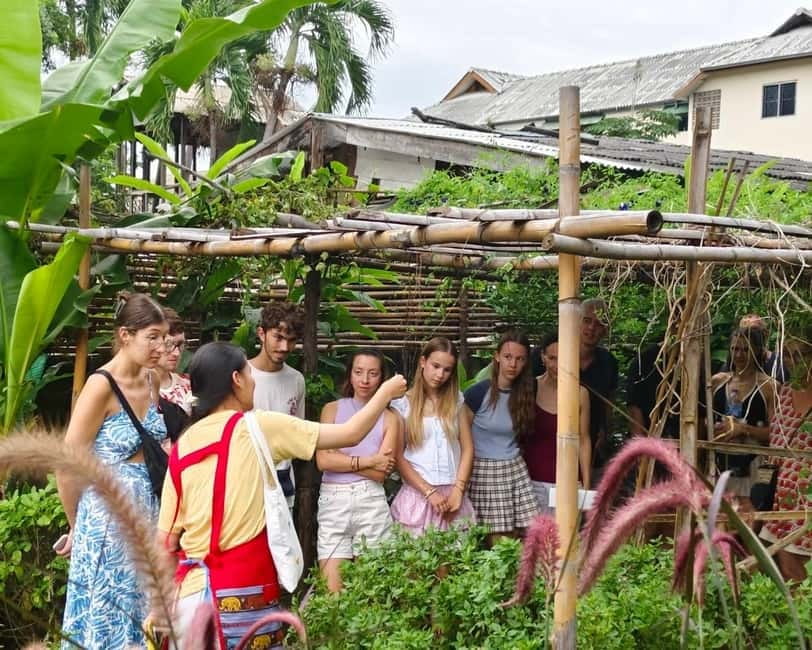
The included Thai herb garden is useful for putting names and scents together. Reading about lemongrass, herbs, chilies, or other Thai ingredients is one thing. Smelling and handling them before they go into your food gives you a better memory of how they work.
The setting also supports the central idea of the class: Thai cooking is built from fresh ingredients and careful preparation. You are not merely watching a chef produce a plate. You are cutting, mixing, pounding, and cooking your own meal, then sitting down to eat it in the garden.
The garden is not presented as a major farm tour, so do not book this expecting a long agricultural visit. Its value is in the setting and the connection between the plants, the ingredients, and the food on your plate.
Choose a menu that suits your appetite
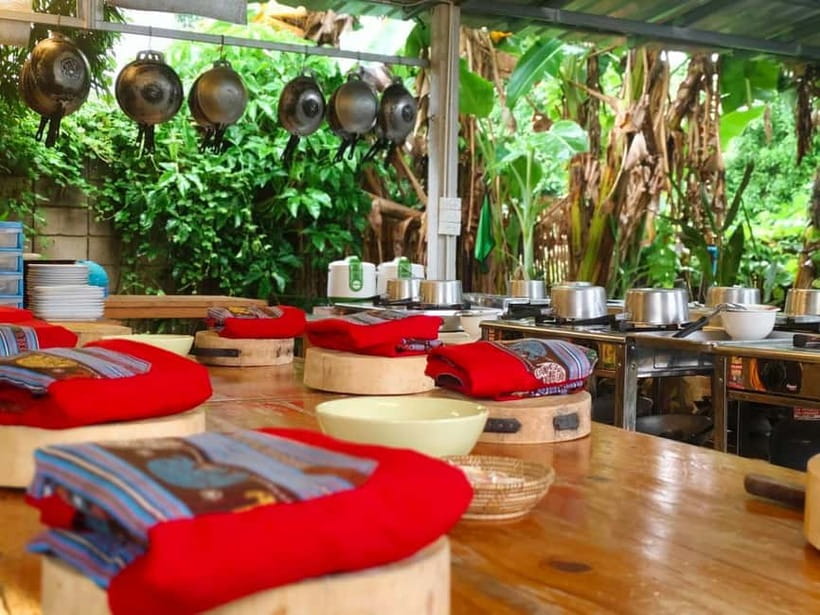
The menu gives you several paths. For a starter, you can choose among hot and sour prawn, local chicken soup, chicken in coconut milk, or turmeric chicken soup. This range lets you decide how spicy, creamy, or light you want the first course to be.
For the main dish, options include Pad Thai, chicken fried rice, fried chicken with cashew nuts, and Pad Kra Pao. Pad Thai is the familiar choice, but Pad Kra Pao gives you a stronger taste of the herb, chili, and savory style found in everyday Thai cooking.
You should take the choice seriously because it shapes your meal and your recipe collection. If you are cooking with family or friends, choosing different dishes lets you share and taste more than one preparation. A family group of five used this approach, with each person cooking something different and sharing the results.
The kitchen does much of the organizing before you begin. Ingredients are supplied, and preparation is arranged so you can focus on the cooking rather than spending the whole session measuring and chopping. That makes the class approachable, especially if you are new to Thai cooking.
At the same time, do not expect to prepare every ingredient from the first step. The aim is to teach the key methods and flavors within a three-and-a-half-hour session, not to recreate every task of a restaurant kitchen.
More Cooking Classes in Thailand
- Evening Cooking Class in Organic Farm with Local Market Tour
★ 5.0 · 394 reviews - Cooking Morning Class Chiang Mai Visit Organic Garden and Market
★ 5.0 · 211 reviews - Cooking Evening Class Chiang Mai Visit Organic Garden and Market
★ 5.0 · 187 reviews - Half-Day Cooking Class with Market Tour
★ 5.0 · 163 reviews
The mortar and pestle are the star
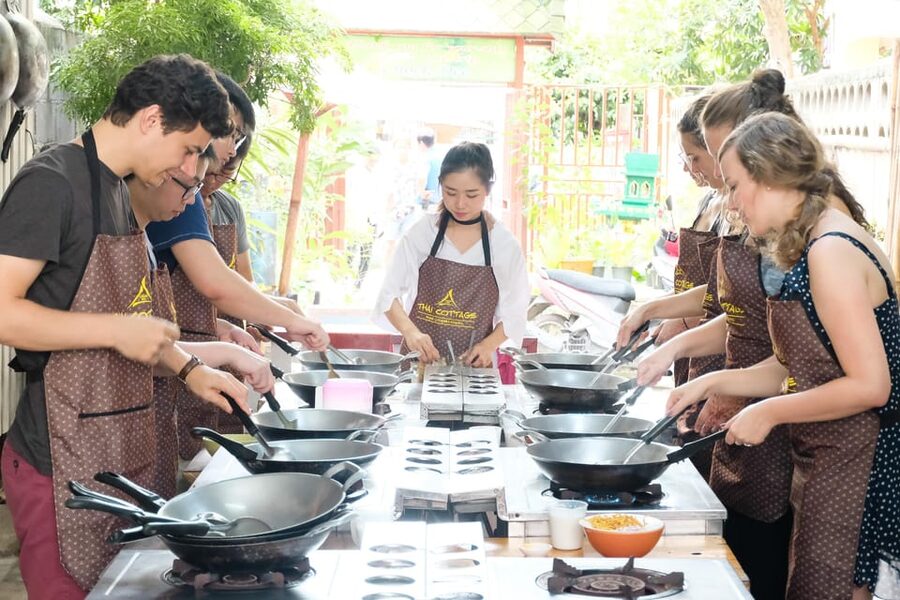
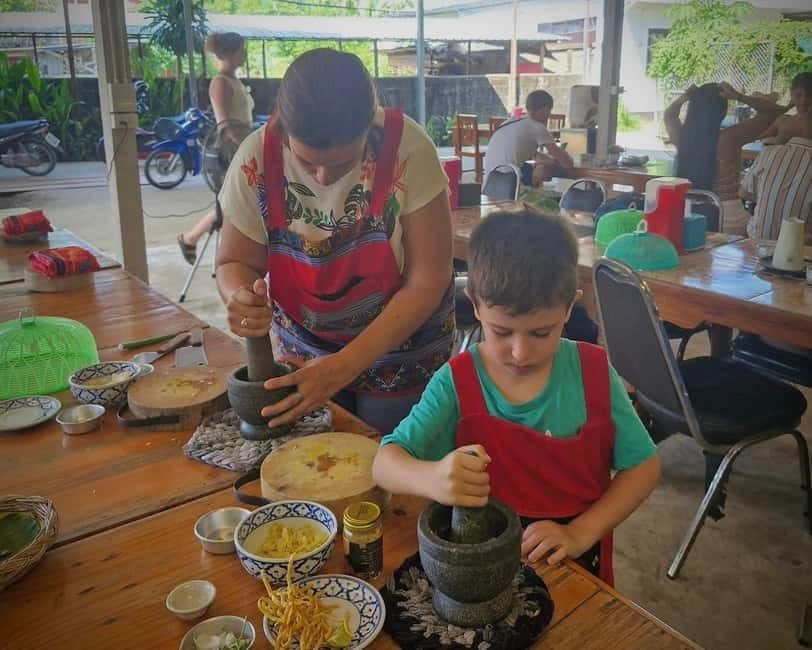
The most memorable practical skill is making curry paste by hand. You choose red, green, Phanaeng, Massaman, or Khao Soi curry paste, then work the ingredients with a mortar and pestle.
This is where the class becomes more than a recipe demonstration. A jar of curry paste gives you convenience, but pounding your own paste shows how texture and fragrance develop. It also explains why Thai curry has layers of flavor rather than tasting like one hot sauce.
You then use the paste to prepare chicken and coconut milk curry. You can control the heat to suit your preference, so you do not have to prove anything by ordering the hottest version. A mild curry can still have plenty of flavor when the herbs, aromatics, and coconut milk are balanced well.
The mortar and pestle take effort, especially if you are not used to them. That is a small but worthwhile bit of work. It gives your hands a role in the recipe and creates a clear memory to take home along with the digital cookbook.
Dessert finishes the meal
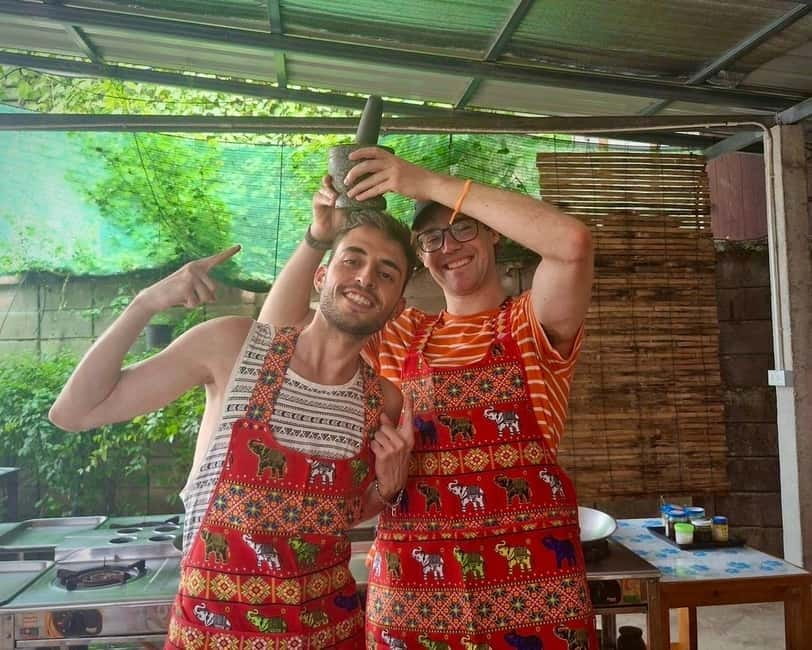
The final dish is sweet sticky rice with mango. It is a familiar Thai dessert, but it also provides a contrast to the savory curries and stir-fries.
After working with chilies, herbs, coconut milk, and curry paste, the sticky rice offers a simple, sweet finish. It is also one of the more useful recipes to recreate at home because it does not require the same long list of curry ingredients.
The class ends with a traditional Thai-style meal in the organic kitchen garden. You eat the dishes you made, compare choices with the group, and get a chance to enjoy the food without rushing back to a hotel or restaurant.
This shared meal is an important part of the experience. Cooking becomes more rewarding when you can sit down together and see how different choices turned out. It also gives the class a social side, which many people seem to value as much as the recipes.
How the guides shape the experience
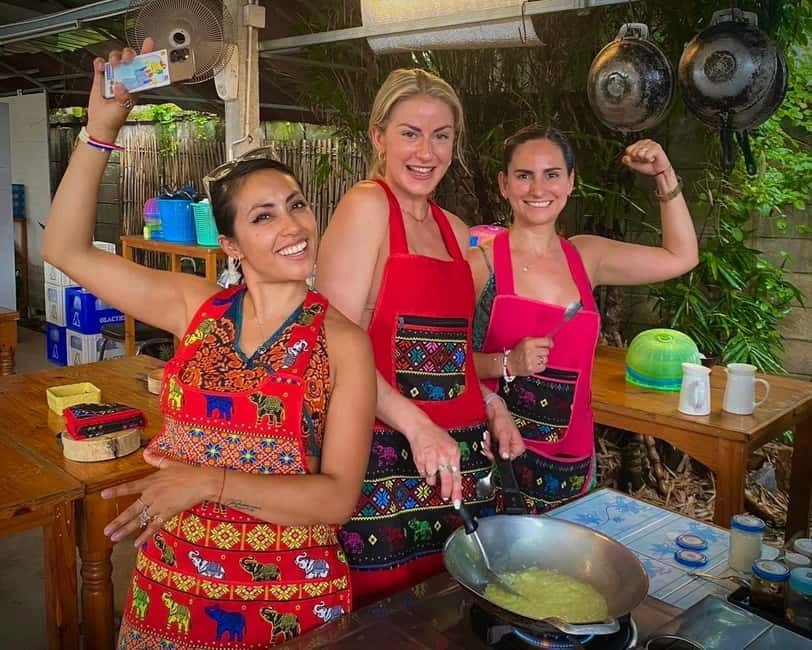
The instructor can make or break a cooking class, and the strongest pattern here is warm, active teaching. Wave is praised for being funny, informative, and easy to learn from. Tu is described as patient, organized, and good at explaining alternatives for ingredients and dietary needs.
Flook is repeatedly singled out for humor, kindness, and clear help during cooking. Balloon is praised for building team spirit and keeping the process focused without making it stiff. Kat is noted for explaining Thai ingredients and traditions in a lively way, while Toey is described as engaging and encouraging.
Names and teaching styles can change depending on the day, so you cannot book a particular instructor based on the available information. What you can reasonably expect is an English-speaking local instructor who stays with the group through the market and cooking process.
The guides also help bridge cultural gaps. They explain not only what to add, but why an ingredient is used. That makes the class more useful when you return home and need to substitute an ingredient or adjust the spice level.
Dietary needs and spice levels
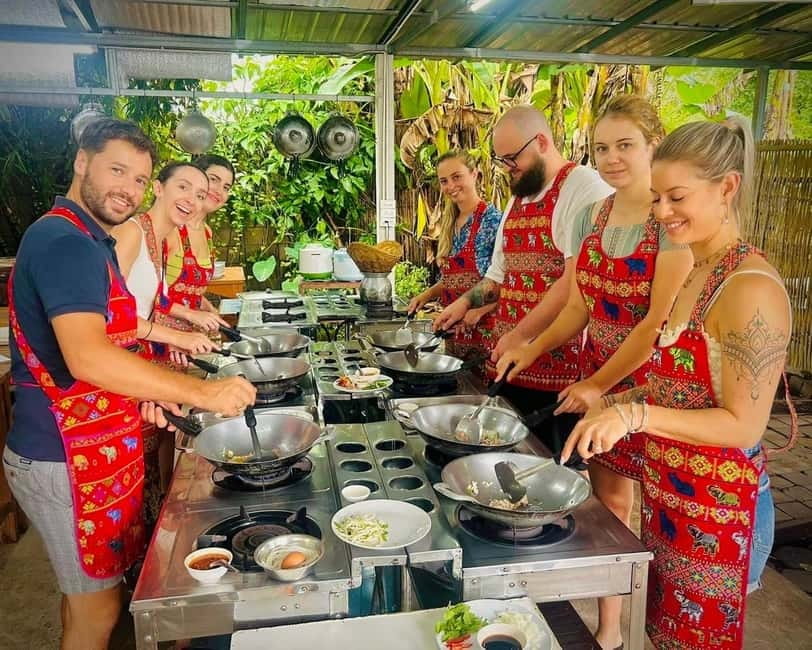
This class is unusually flexible for a group activity. Vegetarian, vegan, gluten-free, halal, and allergy-related needs are welcomed, with alternative ingredients available. You can also request spicy or non-spicy food.
Tell the provider about your needs when booking and repeat them to the instructor at the start. The supplied information says alternatives are available, but it does not list every possible substitute, so clear communication is still important.
The menu includes meat, seafood, coconut milk, and other ingredients that may not suit everyone. The ability to choose dishes helps, but you should not assume every item is automatically suitable for your diet.
For spice, I would choose the level you can enjoy rather than the level you think you should tolerate. The point is to learn the flavor of Thai food, not spend the meal trying to survive it.
Is $31 a good price?
At $31 per person, this is strong value for a 210-minute experience. The price includes hotel pickup and drop-off within the Old Town area, a local market visit, the herb garden, ingredients, instruction, the meal you cook, and a digital recipe book.
You are also paying for several activities in one outing: a short market tour, an ingredient lesson, hands-on cooking, curry-paste preparation, and a seated meal. A restaurant meal alone would not teach you how the dish came together or give you recipes to use later.
The value is best for people who plan to cook again at home. If you only want to eat Thai food and take photographs, a food tour might suit you better. If you like practical souvenirs, the recipe book and curry-paste method have more staying power than another restaurant receipt.
The main cost-related limitation is not the price but the pickup boundary. A hotel outside the 3-kilometer Old Town zone may require you to make your own way to the meeting point. Add that transport time and cost when comparing this with other activities.
Who should book this experience?
I would recommend it to first-time visitors who want an easy introduction to Thai food. It also suits couples, families, solo visitors who enjoy meeting a group, and anyone who wants a break from temples and sightseeing.
Children under five are not suitable for the activity, but older children can take part. One family reported that children aged 8, 10, and 12 cooked their own dishes, which suggests the format can work well for families when the children are comfortable handling kitchen tasks.
It is also a good pick for vegetarians, vegans, and people with selected dietary restrictions, thanks to the stated alternative ingredients. Contact the provider clearly about allergies before the class rather than waiting until cooking begins.
I would hesitate only if your schedule is extremely tight, your hotel is far outside the pickup area, or you want a serious professional cooking course. The market visit is brief, the group format is social, and the recipes are designed for enjoyment and access rather than chef certification.
Should you book the Chiang Mai cooking class?
Book it if you want to understand Thai food by making it yourself. The strongest reasons are the local market introduction, the choice of dishes, the handmade curry paste, and the relaxed meal in the organic garden.
The class earns its price by combining instruction, food, transport within the pickup zone, and a recipe book in one compact outing. Choose a different activity if you dislike group cooking or want a long market tour, but for most food-loving visitors, this is a practical and enjoyable half-day in Chiang Mai.
FAQ
How long does the Chiang Mai cooking class last?
The activity lasts 210 minutes, or three and a half hours. This includes the market visit, herb garden, cooking session, and meal.
Is hotel pickup included?
Yes. Free pickup and drop-off are available for hotels within 3 kilometers of Chiang Mai Old Town. Pickup usually occurs 15 to 30 minutes before the class, though traffic can cause delays. Hotels outside the area require you to meet at the designated meeting point.
What dishes can I cook?
Starter choices include hot and sour prawn, local chicken soup, chicken in coconut milk, and turmeric chicken soup. Main options include Pad Thai, chicken fried rice, fried chicken with cashew nuts, and Pad Kra Pao. You can also prepare curry paste and make chicken with coconut milk curry, followed by sweet sticky rice with mango.
Can I choose the curry paste?
Yes. You can select red, green, Phanaeng, Massaman, or Khao Soi curry paste, then prepare it with a mortar and pestle.
Can the class accommodate dietary restrictions?
Yes. Vegetarian, vegan, gluten-free, halal, and allergy-related requests are welcomed, with alternative ingredients available. You can also request spicy or non-spicy food.
What do I need to bring?
Wear comfortable clothes. Alcohol and drugs are not allowed. Alcoholic beverages are not included, though they are available for purchase.
Just added around Chiang Mai
- Chiang Mai: Half Day Morning Cooking Class with Market Tour★ 4.9 · 10 reviews
- Chiang Mai: Half Day Cooking Class at Organic Farm★ 4.8 · 96 reviews
- Full Day Thai Cooking Class in Organic Farm and Market★ 5.0 · 3 reviews
- Chiang Mai: Traditional Thai-Akha Cooking Class& Market Tour★ 5.0 · 25 reviews
- Chiang Mai: Morning Cooking Class with Market Visit★ 4.9 · 81 reviews
- Chiang Mai Light: Tuk Tuk Night Tour with Temples & Markets★ 5.0 · 7 reviews
- Chiang Mai: Half Day Evening Cooking Class with Market Tour★ 4.9 · 19 reviews
- Chiang Mai: Sticky Waterfall by Local Truck with Market Stop★ 4.8 · 26 reviews
Cooking Classes, compared.
Hanoi Cooking Class: Culture, Local Market & Meaning CSR Impact
Read our review →
5 Traditional Dishes Hanoi Cooking Class with Market Trip
Read our review →
Cooking Class and Lunch at a Tuscan Farmhouse with Local Market Tour from Florence
Read our review →
Authentic Cooking Class with Market & Farm Visit
Read our review →
Paella Cooking Experience & Boqueria Market Tour
Read our review →
Cooking Class Hoi An:Local Market, Basket Boat, Fishing & Cooking
Read our review →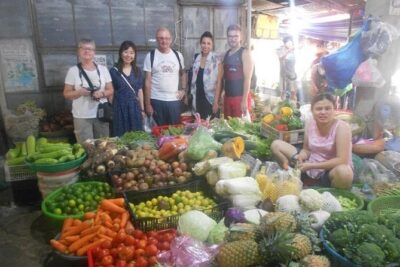
Hoi An Cooking Class(Market,BasketBoat Crabfishing&Cooking Class)
Read our review →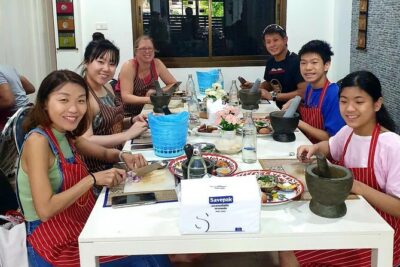
Phuket Thai Cooking Class with Market Tour Option
Read our review →Browse the lists this tour appears in