
Review · JAPAN
Tokyo: Tsukiji Fish Market Seafood & Street Eats
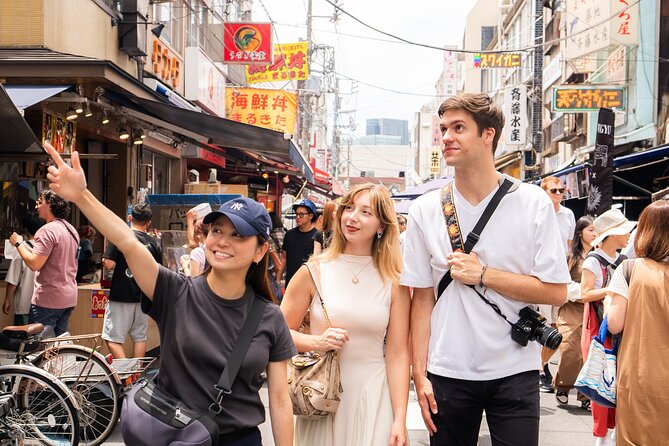
Fresh seafood is only half the story. This 2-hour-30-minute walk through Tokyo’s Tsukiji district gives you a useful introduction to Japan’s food culture, with a local English-speaking guide helping you read the market, choose stalls, and understand what you are seeing. I like the small group of up to 10 and the chance to ask direct questions. I also like the morning timing, which leaves most of your day free.
The main catch is simple: food and drinks are not included. You pay the $42 tour price, then decide how much more to spend on sashimi, seafood rice crackers, tuna skewers, eel, scallops, crab, or other market treats. That flexibility is handy, but you should arrive hungry with room in your budget.
Key points at a glance
- Tsukiji Hongwanji Temple begins the walk: You start beside one of Tokyo’s most unusual temple sites before entering the food market.
- Tsukiji’s tuna history adds context: Your guide explains the district’s connection to famous tuna auctions and Tokyo’s seafood trade.
- Tsukiji Jogai Market is the main eating zone: Expect many small stalls and shops selling seafood and Japanese street food.
- Food is purchased separately: You can eat a little or make the walk into a full market meal, but the cost is yours.
- Guides can make the difference: Haru, Toko, and Ryo received especially warm praise for patience, food suggestions, and practical help.
- The morning schedule works well: The tour lasts about two and a half hours and returns to its starting point.
Why Tsukiji still matters after the tuna auctions moved
If you picture Tsukiji as one giant indoor fish hall, adjust your expectations. The famous wholesale market and tuna auction activity associated with Tsukiji are part of the district’s past, while the outer market area remains the practical place to find seafood shops, food stalls, kitchen goods, and casual eating.
That distinction matters. You are not simply watching a wholesale auction unfold. You are walking through the streets and shops of the Tsukiji Jogai Market, where the food trade is presented in a more approachable way. Your guide helps explain how the district developed and why Tsukiji remains tied so closely to Tokyo’s food identity.
I like this format because it gives you both context and lunch. Without a guide, it is easy to walk past a stall without knowing what it sells, how to order, or which food is worth stopping for. With a small group, you can ask about ingredients, customs, and local eating habits as you go.
The tour is not a formal cooking class or a fixed tasting menu. It is a guided food walk, and your choices matter. If you want only a small snack, you can keep spending low. If you want several seafood dishes, the market can quickly become your main meal.
More Fish Market Tours in Japan
- Tokyo Tsukiji Fish Market Food and Culture Walking Tour
★ 5.0 · 3,184 reviews - Tokyo: Tsukiji Fish Market Food and Walking tour
★ 5.0 · 1,724 reviews - Tokyo: Tsukiji Fish Market Guided Walking Tour
★ 4.9 · 1,397 reviews
Starting at Tsukiji Hongwanji Temple
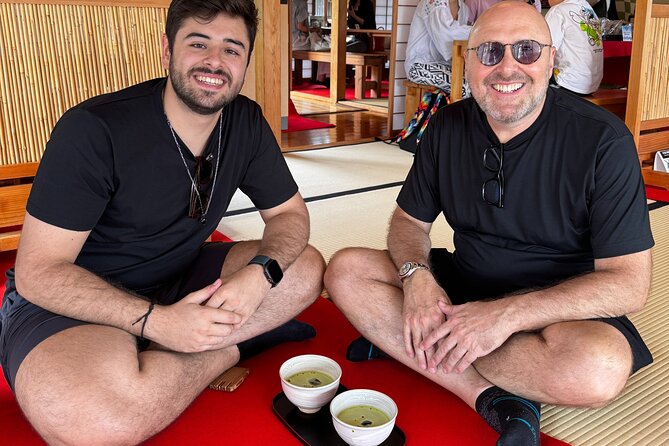
The walk begins at 3-chōme-9-10 Tsukiji, near Tsukiji Hongwanji Temple. The temple is included in the experience, and its unusual architecture makes it a worthwhile first stop rather than a mere meeting point.
You visit the temple with a local Japanese guide before moving toward the market. The available information does not give a detailed architectural tour, so you should think of this stop as a cultural introduction, not a long temple lecture. It offers a calm opening before the food stalls take over.
This first stop also helps place Tsukiji in its wider setting. You are not being dropped into a random row of restaurants. You are starting in a historic Tokyo district where religious life, commerce, and everyday eating sit close together.
The meeting point is near public transportation, and the activity ends back where it begins. That return is useful if you plan to continue sightseeing nearby or want a simple route back to your hotel. The exact subway exit assistance is not guaranteed, but Haru showed particular patience when one multigenerational family needed a different accessible exit and became delayed.
Walking through the old Tsukiji market area
The first market portion lasts about 1 hour and 30 minutes. Here, your guide introduces Tsukiji’s history and its connection to the tuna trade, including the famous auctions that once made the district a global food name.
You can expect the pace to be shaped by the stalls, crowds, and food lines rather than by a fixed series of museum displays. Your guide leads you through the market, points out places to eat, and explains the culture behind the dishes. That makes the walk more useful than simply following a map of food shops.
The strongest part of this experience is the practical help. Haru was praised for waiting in line at a popular tuna establishment while members of a group looked around. That kind of assistance can save you from spending your limited morning guessing which queue to join.
Ryo took a different approach, focusing on food rather than a long history lesson. If you mainly want excellent market tastes and direct recommendations, that style may suit you. If you want more background about Tsukiji, tell your guide early so the walk matches your interests.
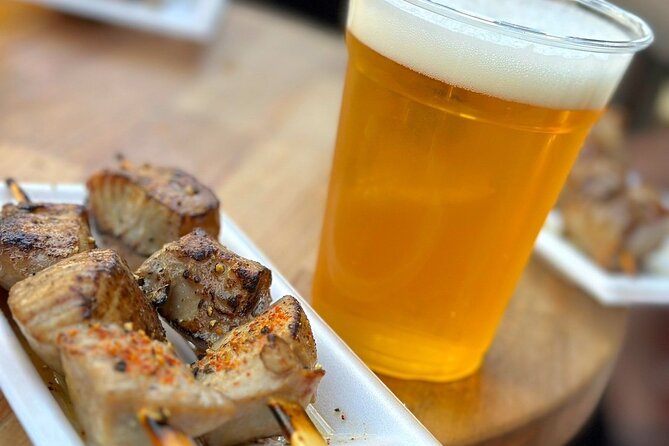
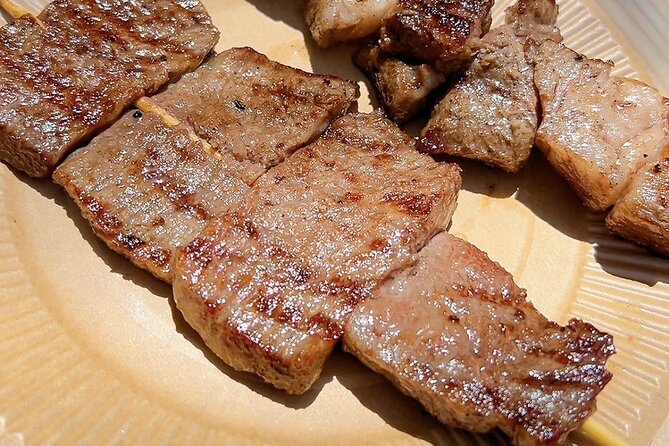
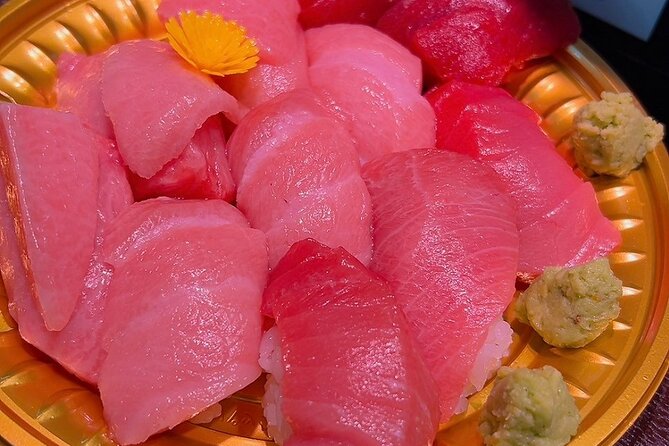
You might find fresh tuna in several forms, including fatty cuts. One family particularly enjoyed tasting three types of fatty tuna, while other reported dishes included tuna kabobs and freshly made seafood rice crackers. These examples show the range of the stop, from raw seafood to quick handheld bites.
Still, the food examples are not a guaranteed menu. Market availability changes, and the tour does not promise specific dishes. Treat the guide’s recommendations as the strength of the experience, not a fixed tasting list.
Tsukiji Jogai Market and the art of choosing lunch
The second stop lasts about one hour at Tsukiji Jogai Market. This is where the food walk becomes especially useful for people who want to sample several things without committing to one restaurant.
The outer market contains many stalls and shops selling fresh seafood and Japanese street food. You may find options such as sashimi, seafood rice crackers, tuna skewers, eel, scallops, and crab, but your purchases depend on what is available and what appeals to you that morning.
Because food is not included, you control the size of the meal. That is a real advantage for families, picky eaters, and anyone who wants to compare a few small portions. It is also a drawback if you prefer to pay one price and have every tasting arranged in advance.
I would plan to arrive hungry, but not so hungry that you rush. The point is to pause, ask questions, and choose with some care. The guide can help you identify favorite dishes and explain what you are buying, while you decide how much to order.
A sit-down stop with large crab, eel, scallops, and other seafood was part of one family’s successful outing. That gives you an idea of how the walk can stretch beyond quick bites. You may have a standing snack, a skewer, or a more substantial seafood meal, depending on your choices.
The market is also a better fit for people who enjoy food variety than for those seeking a quiet restaurant setting. You are moving between stalls, looking at products, and making decisions in a working market environment. Wear comfortable shoes and keep your plans flexible.
More Fish Market Tours in Tokyo
- Tokyo Sushi Making Class in Tsukiji with Professional Chef
★ 5.0 · 1,177 reviews - Tsukiji Fish Market Guided Tour and Sushi Making with Pro Chef
★ 5.0 · 775 reviews - Tokyo: Tsukiji Fish Market Food and Culture Walking Tour
★ 4.7 · 757 reviews - Tsukiji Fish Market: Street Food & Culture Walking Tour
★ 5.0 · 669 reviews
What your $42 actually buys
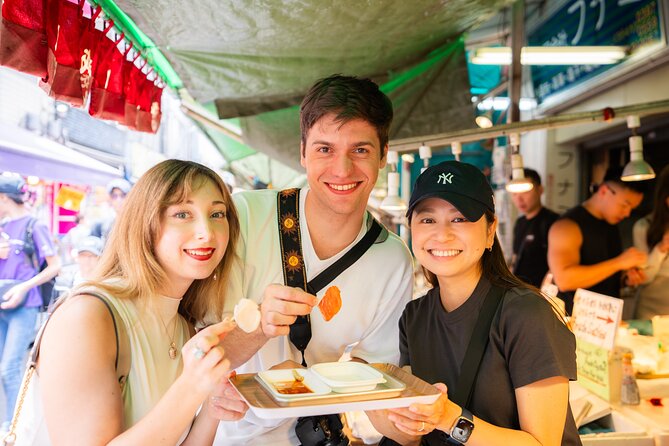
At $42 per person, the price pays for the guided experience, not the meal. Included are the local Japanese English-speaking guide, the Tsukiji Hongwanji Temple visit, access to Tsukiji Jogai Market, and explanations of Tsukiji’s history and food culture.
The value depends on how comfortable you are exploring markets alone. If you already know what you want, can read the signs, and enjoy choosing stalls without help, you may prefer to spend the money directly on food. You will still get the market itself, but not the guide’s local recommendations or line help.
For many first-time visitors, the price is easier to justify. Tsukiji offers many choices in a compact area, and the guide can make the morning less confusing. The ability to ask questions and get suggestions is especially helpful if you want to try seafood but are unsure about unfamiliar dishes.
The small group also improves the value. With a maximum of 10 people, the guide has a better chance of hearing your questions and responding to your preferences. It is not a private tour, and the experience will vary with group size, but it should feel more personal than a large walking group.
Remember to add a separate food budget. The tour description does not set a required amount, and you can buy as much or as little as you like. That makes the total cost flexible, but you need to decide your own limit before the market starts making suggestions for you.
The guides are the heart of the experience
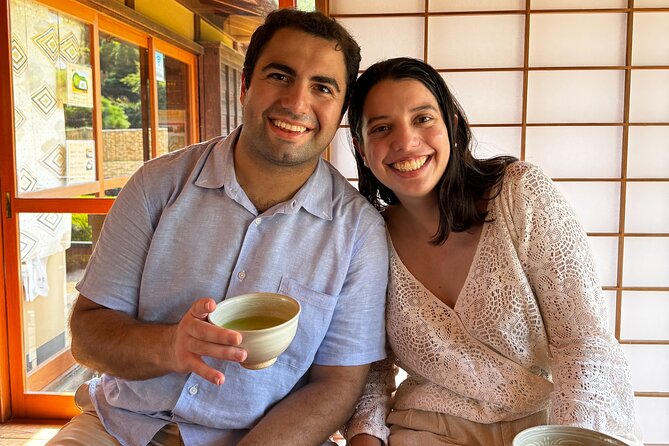
A market tour lives or dies by its guide. Here, the strongest feedback centers on guides who adjusted to the group instead of forcing everyone through a rigid script.
Haru received particular praise for being early, helping a multigenerational family, waiting in a food line, and offering local information. He also introduced one group to fatty tuna, which became a highlight. His style appears well suited to families and people who value calm practical help.
Toko was praised for being friendly, patient, and good with children. That matters if you are bringing younger family members who may need more time at each stall or may not want every seafood dish on offer.
Ryo suited people who wanted to concentrate on food rather than a long cultural talk. He reportedly waited in queues and focused on getting the group to the best tastes. If your priority is eating well and efficiently, that direct approach may be exactly what you want.
You should still tell the guide what matters to you. Mention children, food preferences, interest in history, or a desire to try specific types of seafood. The experience has enough flexibility for the guide’s personality and your group’s needs to shape the morning.
Why the morning timing works
The tour lasts approximately 2 hours and 30 minutes and is scheduled as a morning experience. That timing fits neatly into a Tokyo day. You can eat breakfast or an early lunch at the market, then continue sightseeing with much of the day still ahead.
A morning market visit also matches the purpose of the district. Seafood and fresh food are central to the experience, so an early outing makes more sense than trying to visit late in the afternoon. The tour data does not state an exact start time, so check your booking details carefully.
The schedule is short enough for families and first-time visitors who want an introduction rather than an entire day devoted to food. It may feel too brief if you want to browse every shop or sit down for a leisurely meal after each stop.
Since the route returns to the meeting point, you can plan the rest of your day without arranging a separate pickup. The starting address is in Tsukiji, and the area is near public transportation.
Who will enjoy this Tsukiji walk most
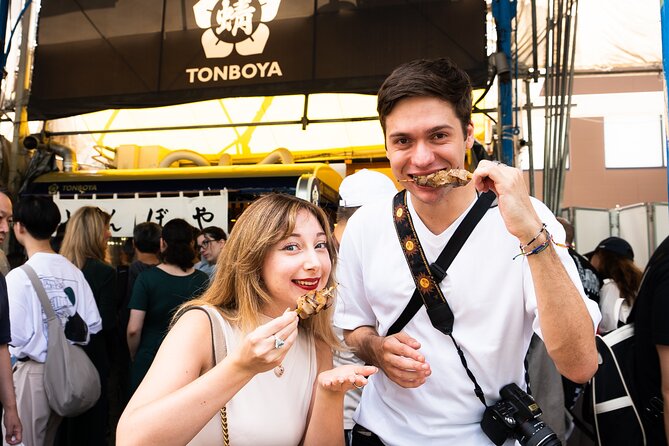
I would recommend this experience to a first-time Tokyo visitor who wants help making sense of Tsukiji. It also suits anyone who wants fresh seafood but does not want to choose among dozens of stalls alone.
Families can benefit from the flexible food choices and small group size. Toko’s patience with children and Haru’s care with a multigenerational group suggest that the guides can adapt when a family moves at different speeds.
It is also a good match for food-focused visitors who want recommendations rather than a long classroom-style talk. Ryo’s approach, centered on the best tastes and efficient queue handling, fits that audience.
You may want to skip it if you want a guaranteed menu, included tastings, or a private tour. Food and drinks cost extra, the dishes are not fixed, and the group can include up to 10 people. You should also keep in mind that the activity requires good weather and may be rescheduled or refunded if poor weather prevents it from operating.
Confirmation arrives when you book, and free cancellation is available up to 24 hours before the start time. Changes or cancellations inside that window are not accepted for a refund.
Is the Tsukiji seafood tour worth booking?
Book this tour if you want a guided introduction to Tsukiji, prefer a small group, and like choosing your own food. The $42 price is reasonable for local guidance, cultural context, and help navigating stalls, especially if you are new to Japanese market food.
I would be most likely to recommend it to families, first-time Tokyo visitors, and food lovers who want to sample several dishes without planning every stop. Bring extra money for food, arrive ready to eat, and tell the guide what kind of morning you want.
Skip it if your main goal is a formal meal with all tastings included. But if you want a practical, friendly way to get your bearings at Tsukiji, this short morning walk gives you a useful start.
FAQ
How long does the Tsukiji Fish Market tour last?
The experience lasts approximately 2 hours and 30 minutes.
What is included in the tour price?
The price includes a local Japanese English-speaking guide, information about Tsukiji’s history and food culture, entry to Tsukiji Jogai Market, and entry to Tsukiji Hongwanji Temple.
Is food included?
No. Food and drinks are not included. You purchase anything you want to eat at your own expense.
How many people can join the tour?
The activity has a maximum of 10 travelers.
Where does the tour start?
It starts at 3-chōme-9-10 Tsukiji, Chuo City, Tokyo 104-0045, Japan.
Where does the tour end?
The activity ends back at the meeting point.
Is the tour offered with an English-speaking guide?
Yes. A local Japanese English-speaking guide leads the experience.
Can I cancel for a full refund?
Yes, if you cancel at least 24 hours before the experience start time. Cancellations made less than 24 hours before the start time are not refunded.
What happens if bad weather cancels the tour?
You will be offered a different date or a full refund if poor weather causes the experience to be canceled.
Just added around Tokyo
- Tokyo: Private Tsukiji Street Food & Sake with Local Guide★ 5.0 · 3 reviews
- Tokyo: Tsukiji Market Guided Tour & Sushi-Making Experience★ 4.4 · 11 reviews
- Tokyo: Tsukiji Market and Hama-rikyu Gardens Guided Tour★ 4.8 · 73 reviews
- Tokyo: Tsukiji Fish Market Culture Tour with Sashimi Tasting★ 4.6 · 54 reviews
- Tokyo’s Kitchen: Tsukiji Market Food & Culture Walk★ 4.7 · 74 reviews
- Tokyo: Tsukiji Fish Market Foodie and Educational Tour★ 5.0 · 4 reviews
- Tokyo : Tsukiji Fish Market Food Walking & Shrine Visit Tour★ 5.0 · 3 reviews
- Tokyo: Guided Walking Tour of Tsukiji Market with Lunch★ 4.4 · 24 reviews
Fish Market Tours, compared.
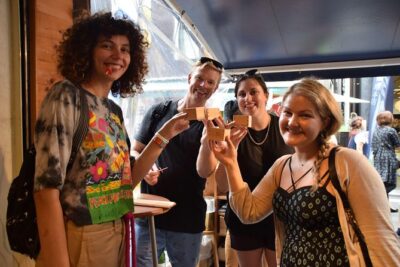
Tokyo Tsukiji Fish Market Food and Culture Walking Tour
Read our review →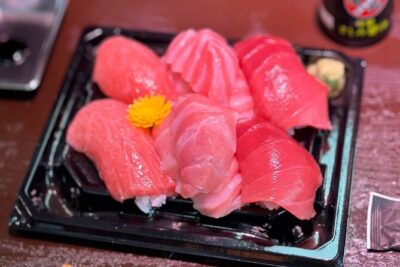

Tokyo Sushi Making Class in Tsukiji with Professional Chef
Read our review →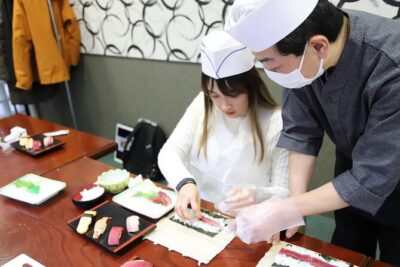
Tsukiji Fish Market Guided Tour and Sushi Making with Pro Chef
Read our review →Tsukiji Fish Market Food and Culture Walking Tour
Read our review →
Tsukiji Fish Market: Street Food & Culture Walking Tour
Read our review →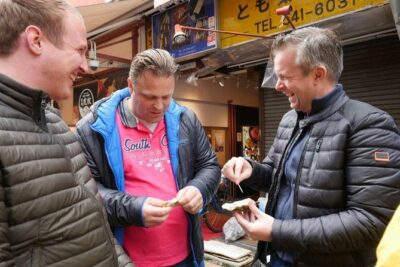
Tsukiji Fish Market Small-Group Food Walking Tour
Read our review →
Tsukiji Fish Market Sushi Making Class with Pro Chef
Read our review →Browse the lists this tour appears in