
Review · JAPAN
Taste of Nishiki Market Walking Food Tour with Local guide
Kyoto tastes better with a guide. This three-hour walk links Rokkakudo Temple, neighborhood food shops, Daimaru’s impressive basement, and Nishiki Market, with 6 to 10 tastings along the way. I like the mix of everyday Kyoto food and quiet cultural stops, rather than a tour focused only on the famous market.
I also like the small group of up to six people. That gives your English-speaking guide room to answer questions, adjust the pace, and point out foods you might otherwise pass without noticing. The main drawback is that the tour is not suitable for people with mobility impairments, and the schedule deserves a careful look: it is described as three hours, but the listed timing runs from 10:00 AM to 2:00 PM.
Key points to know before booking
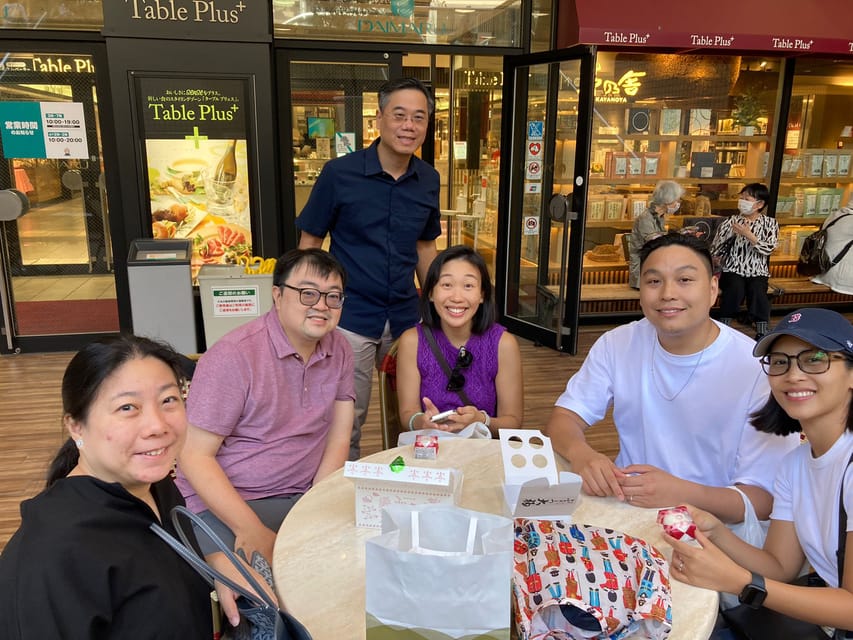
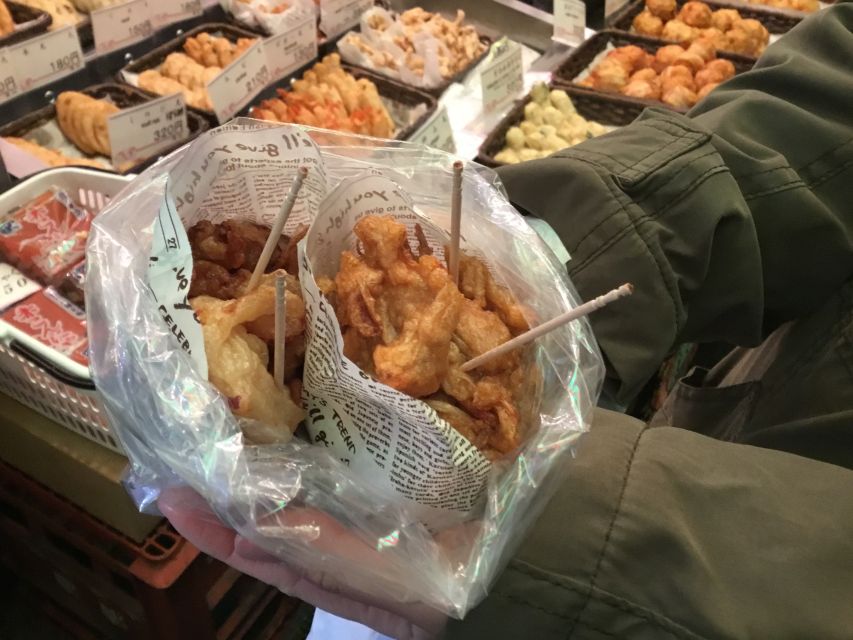
- Six to 10 tastings are included, with examples such as local bread, meat buns, wagashi, sashimi, and skewered wagyu beef.
- The food stops change, depending on shop availability and the group’s preferences.
- Daimaru’s basement food hall matters, since it shows Kyoto’s polished department-store food culture alongside the open market experience.
- Guides such as Kaoru and Rikka have made the walk personal, with food advice, local customs, history, and even photos in Rikka’s case.
- The walk ends at Nishiki Tenmangu Shrine, giving the food-focused outing a calm finish.
- Large bags and luggage are not allowed, and comfortable shoes are essential.
Why this Kyoto food walk works
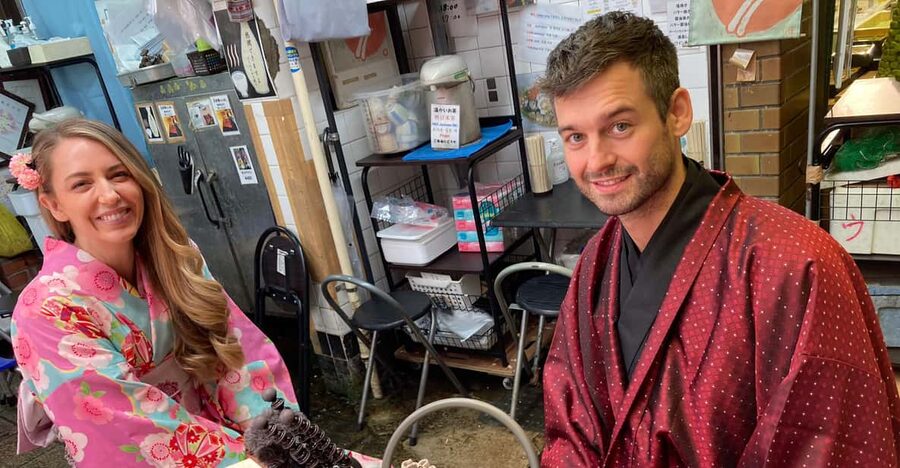
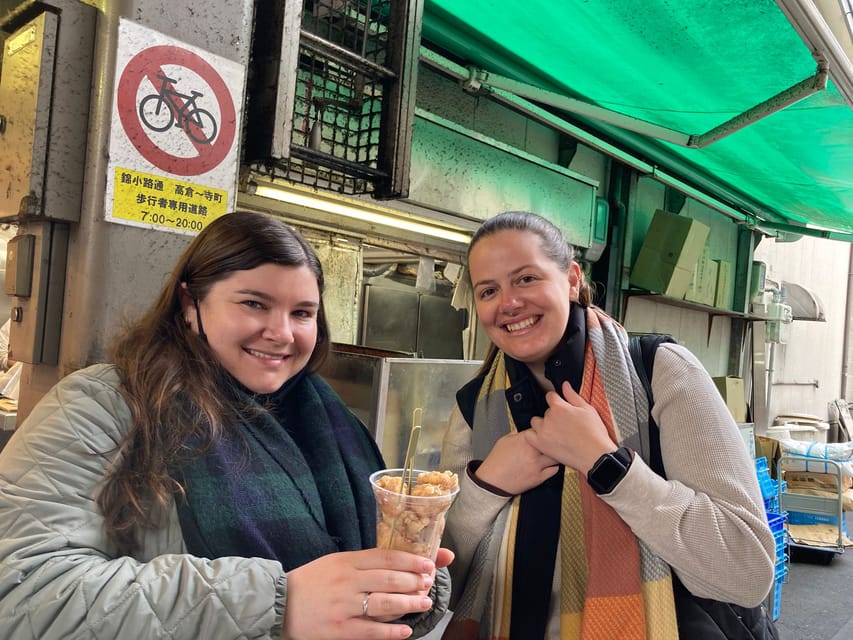
Nishiki Market is easy to reach but not always easy to understand. Its narrow passage can feel like a wall of food stalls, signs, smells, and people. You may spot grilled items, seafood, sweets, pickles, and produce without knowing what is worth trying or how locals eat it.
That is where a guide earns the $77 price. You are not simply paying for someone to lead you through a market. You are paying for introductions to particular shops, explanations of ingredients, and a chance to sample several foods without buying a full portion of everything.
The small group size improves the experience. With no more than six participants, you can ask why a food matters, how it is made, or which items make good gifts. The guide can also react to your interests. Kaoru, for example, has been praised for making the walk personal and adjusting it around the group’s preferences.
I would not book this as a formal cooking class. You will learn about how local foods are made, but the emphasis is tasting, walking, and understanding Kyoto’s food customs. Think of it as a guided introduction to the city’s edible side.
More Market Walking Tours in Japan
- Nishiki Market Brunch Walking Tour (7 Tastings + Brunch)
★ 5.0 · 1,355 reviews - Kyoto Nishiki Market Food and Culture Walking Tour
★ 5.0 · 412 reviews - Kyoto: Wholesale Fish Market Walking Tour
★ 5.0 · 2 reviews
Meeting at Sanjo Karasuma and visiting Rokkakudo Temple
The meeting point is Starbucks Coffee Kyoto Sanjo Karasuma Building Store at 85-1 Mikura-cho, Nakagyo Ward. It is on the first floor of the KDX Kyoto Karasuma Building, in Kyoto City.
The tour begins with Rokkakudo Temple. This is a smart opening choice because it gives you a quiet pause before the food stops begin. You get a cultural setting first, then a better sense of how food, neighborhoods, and daily life fit together in central Kyoto.
The temple also helps prevent the experience from becoming a simple eating circuit. You are walking through parts of Kyoto that carry religious and local meaning, not just moving from one snack counter to the next.
Arrive ready to walk. Comfortable shoes are specifically recommended, and you should leave large bags and luggage behind. The route includes markets and department-store food areas, where space can be tight. A small day bag is more practical than a suitcase, though large bags are not allowed.
Yaoyaichi and the taste of ordinary Kyoto
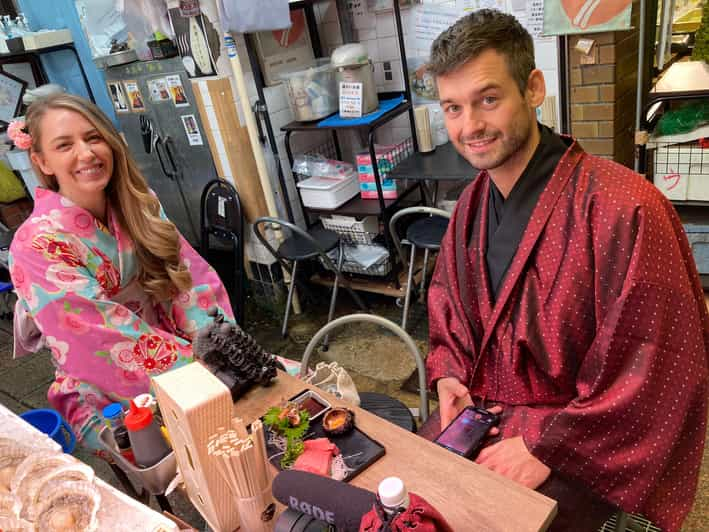
The next stop is Yaoyaichi, a local market known for seasonal produce and unusual ingredients. This is one of the tour’s useful contrasts. Nishiki Market is famous with visitors, while a local market can offer a more ordinary view of what people buy and eat.
The exact tasting changes, but local bread is one example. That may sound less exotic than seafood or wagyu, yet it is useful. Japanese food culture is not limited to sushi and ramen. A popular bread item can tell you more about everyday habits than a famous specialty designed for tourists.
Your guide also explains how foods are made and why certain ingredients appear at particular times of year. Since the selection depends on availability and the group’s preferences, you should expect some flexibility rather than a fixed tasting menu.
That flexibility is helpful for curious eaters. You can ask questions as you go and get ideas for later meals. It also means I would not book this tour with one specific food in mind. If you have your heart set on one exact item, there is no guarantee it will be available that day.
Daimaru’s basement food hall
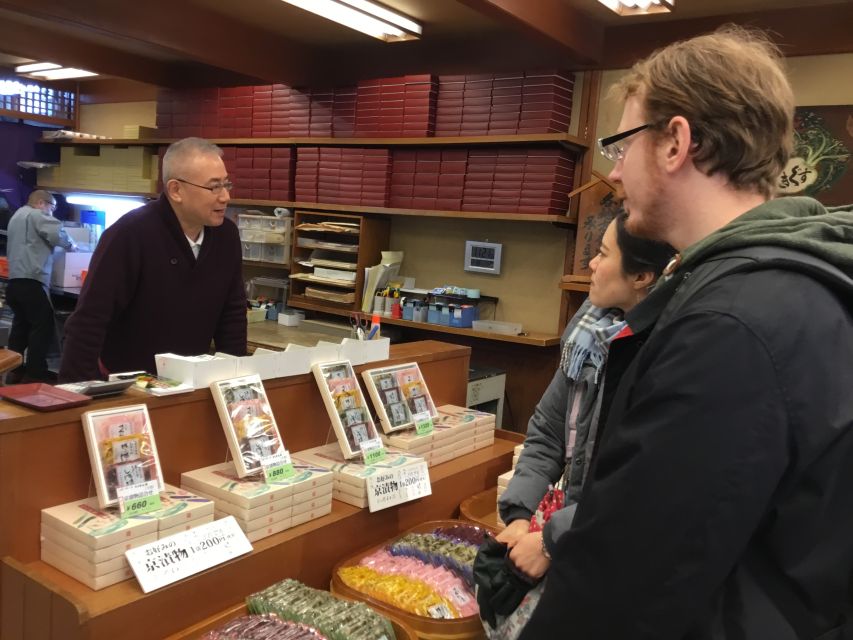
Daimaru Department Store provides a different view of Kyoto food. Its basement is a polished food hall filled with prepared foods, sweets, ingredients, and gift-worthy items. It is less rustic than a street market, but that is precisely why it belongs on this route.
Here, you may taste nikuman, or Japanese meat buns, along with wagashi from a wagashi shop with centuries of tradition. The meat bun gives you a warm, filling snack, while wagashi shows the careful presentation and seasonal thinking associated with Japanese sweets.
This stop is especially useful if you are looking for souvenirs. The guide can point you toward foods that travel well, attractive sweets for friends and family, and local products that are more interesting than generic packaged snacks.
The department store setting also lets you compare two sides of Kyoto’s food world. At Yaoyaichi, you are looking at market ingredients and local shopping. At Daimaru, you see food presented for gifting, convenience, and refinement. That comparison adds real value to the walk.
You should still budget for extra purchases. The $77 fee covers the listed 6 to 10 tastings and the guide, but food beyond those included samples is not covered. This is not a problem if you plan ahead. In fact, you may want to save room and money for something you discover along the way.
More Street Food Market Tours in Japan
- Kyoto: Local Food Tasting Tour at the Nishiki Market
★ 4.7 · 135 reviews - Kyoto: Nishiki Market and Depachika Food Tour with a Local
★ 4.7 · 76 reviews - Kyoto: Nishiki Market Tour with a Local Foodie & Tastings
★ 4.5 · 67 reviews - Nishiki Market Food Tour with Cooking Class
★ 4.9 · 42 reviews
Entering Nishiki Market, Kyoto’s Kitchen
Nishiki Market is the main event, but it works better after the earlier stops. By the time you reach it, you have already tasted a few foods and learned to look for clues about ingredients and preparation.
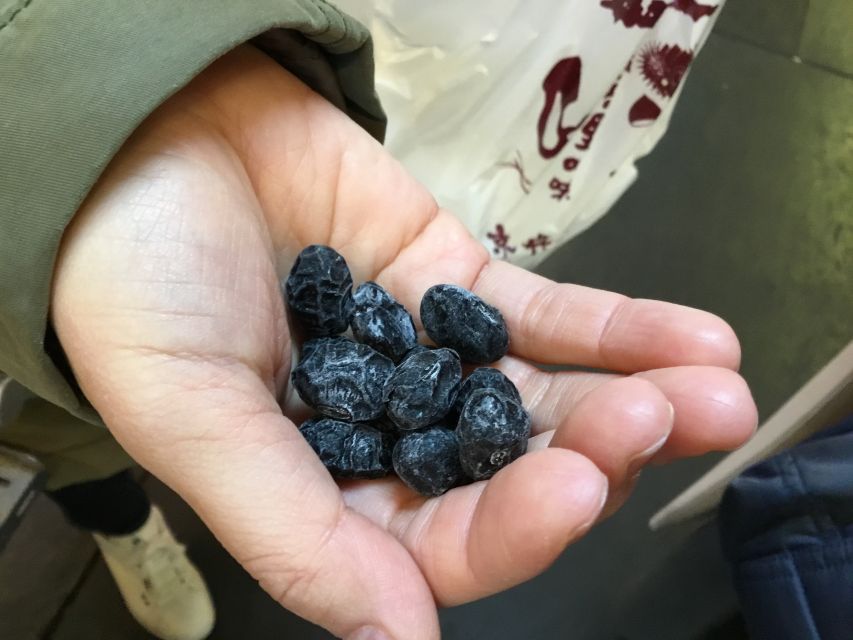
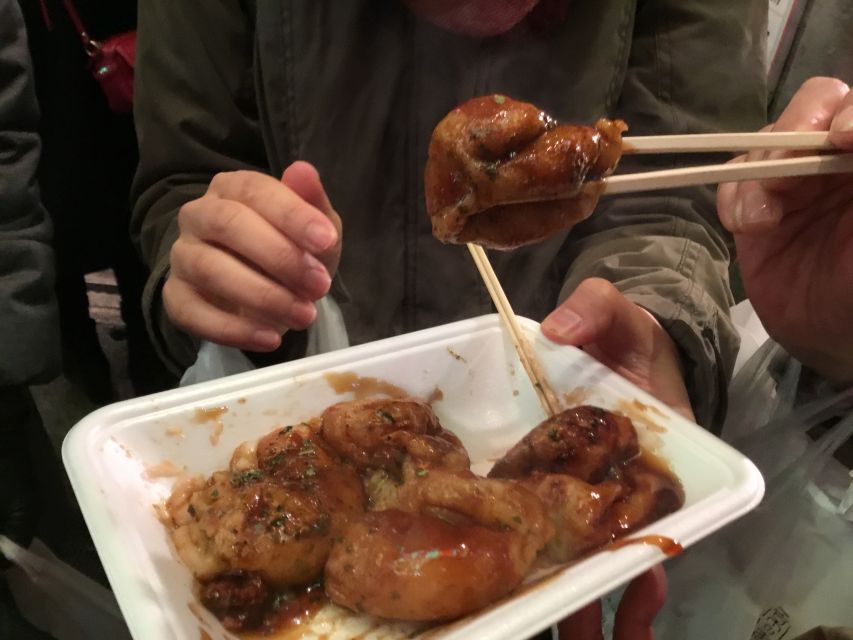
The market is known as Kyoto’s Kitchen. It is a narrow shopping street packed with food stalls and specialist shops. The exact offerings can change, but the tour may include fresh sashimi and skewered wagyu beef. Those tastings give you a sharper sense of Kyoto’s seafood and meat traditions without requiring you to order a full meal at every stop.
The guide’s shop recommendations are one of the strongest reasons to visit with this experience. Rikka has been praised for leading people to favorite stores and for explaining Kyoto, food, and local customs while moving through the crowded market. That kind of help matters here, since it is easy to walk past a good shop or choose something simply because it looks familiar.
The market can be crowded. You should be comfortable walking slowly, pausing for tastings, and sharing a narrow route with other people. If you dislike busy food streets, this may be the least relaxing part of the experience. The guide helps with orientation, but cannot remove the crowds.
You will also have chances to explore beyond the included food. Treat the tour as a starting point. Take notes on shop names, ask which items make good gifts, and return later if you want more time to browse without the group.
Finishing at Nishiki Tenmangu Shrine
The tour ends at Nishiki Tenmangu Shrine. This closing stop gives you a quiet place to slow down after the market’s noise and activity.
It also makes the route feel more complete. You begin with Rokkakudo Temple, spend the middle of the walk learning about food, then finish at another religious site. The result is not just a sequence of tastings. It is a short look at Kyoto through markets, shops, streets, and places of worship.
The ending point is also practical if you want to continue exploring central Kyoto afterward. You are not returned to the original meeting place, so plan the rest of your day from the shrine area. Transportation to and from the start and end points is not included.
What the $77 price really covers
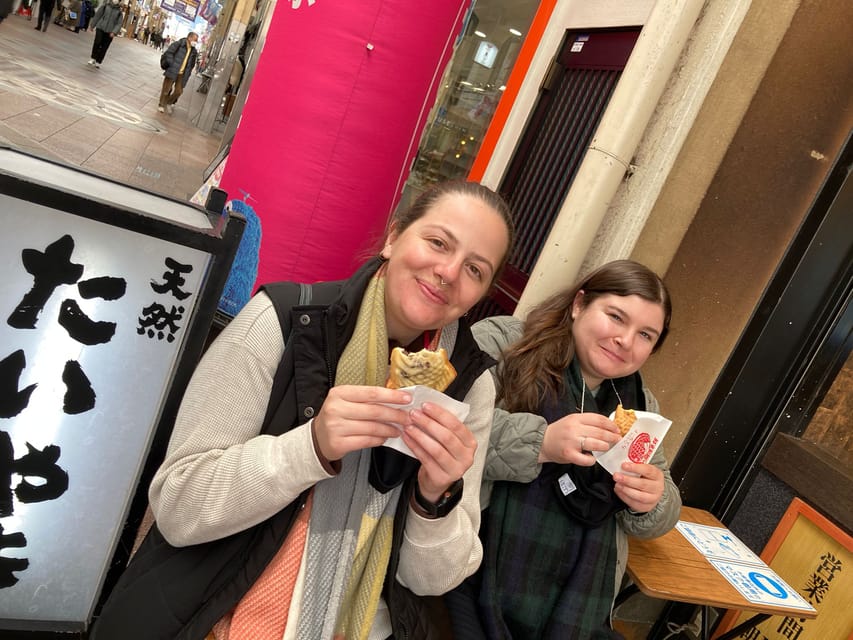
At $77 per person, this is not the cheapest way to eat in Kyoto. You could buy individual snacks on your own for less. The value comes from the combination of food, access to local recommendations, translation and explanation, and a very small group.
Six to 10 tastings is a solid amount for a three-hour outing, especially when the foods range from bread and meat buns to wagashi, sashimi, and wagyu. The portions are not described as a full lunch, so I would not assume the tour replaces every meal. Depending on what you eat, you may want a later meal or extra snacks.
I think the price makes the most sense for a first visit to Kyoto, especially if you want help with Japanese food customs. It is also good for people who enjoy trying small portions instead of ordering one large dish. If you already know Nishiki Market well and are comfortable choosing shops alone, the fee may feel less worthwhile.
The guide is the part you cannot easily reproduce on your own. A good guide can explain what is seasonal, identify local favorites, and help you avoid buying something that does not suit your taste. The perfect score from 17 reviews, along with strong praise for guides including Kaoru and Rikka, suggests that the human side of the experience is a major strength.
Food restrictions and practical limits
The included food may contain meat, seafood, wheat, and dairy. Contact Cooking Sun before booking if you have allergies or dietary restrictions so the provider can discuss possible options. Do not assume that every tasting can be replaced.
The tour is conducted in English. Since the group is limited to six, the format should suit people who want to ask questions rather than simply follow a large crowd.
This is not suitable for people with mobility impairments. You will walk through temple grounds, streets, a department-store basement, and a market area. Comfortable shoes are a must.
The advertised duration is three hours, but the published schedule lists a 10:00 AM start and a 2:00 PM finish. Check the exact available start time and end time when you reserve, especially if you have a lunch booking, train, or other timed activity afterward.
Free cancellation is available up to 24 hours before the activity for a full refund, and you can reserve now and pay later. Those terms are useful if your Kyoto plans are still shifting.
Who should book this experience?
I would recommend it to you if you want a guided first taste of Kyoto food without committing to a formal restaurant meal. It suits curious eaters, couples, families with older children, and anyone who wants practical suggestions for restaurants and souvenirs.
It is also a good choice if you enjoy local context. The best parts are not only the food samples, but the explanation of how foods are made, why shops matter, and what local people buy.
You may want to skip it if you prefer to explore alone, have serious food allergies that cannot be accommodated, or dislike crowded markets. It is also not the right pick if you need a wheelchair-accessible route or want a guaranteed menu.
FAQ
How much does the Taste of Nishiki Market Walking Food Tour cost?
The listed price is $77 per person. It includes the guide and 6 to 10 local food tastings. Additional food purchases are not included.
How long does the tour last?
The activity is described as three hours. The published schedule shows a 10:00 AM start and a 2:00 PM finish, so check the exact timing available when booking.
Where does the tour meet?
You meet at Starbucks Coffee Kyoto Sanjo Karasuma Building Store, 85-1 Mikura-cho, Nakagyo Ward, Kyoto City, on the first floor of the KDX Kyoto Karasuma Building.
Where does the tour end?
The walk ends at Nishiki Tenmangu Shrine. Transportation to and from the starting and ending points is not included.
What foods might I taste?
Possible tastings include popular local bread, Japanese meat buns, wagashi, sashimi, and skewered wagyu beef. The selection can change based on shop availability and participant preferences.
Can I join if I have food allergies or dietary restrictions?
The food may include meat, seafood, wheat, and dairy. Contact the tour provider before booking to discuss possible options and accommodations.
Should you book the Nishiki Market food tour?
Book it if you want Kyoto’s food scene explained in a small group, with a mix of markets, department-store specialties, temples, and 6 to 10 tastings. The personal guiding, local shop suggestions, and calm finish at Nishiki Tenmangu Shrine give it more substance than a quick walk through Nishiki Market alone.
Before you reserve, confirm the timing, consider the walking demands, and tell Cooking Sun about dietary needs. If those details work for you, $77 is a fair price for a friendly, focused introduction to the tastes and daily food culture of central Kyoto.
More Market Walking Tours in Kyoto
- Bangkok: City Highlights Temple and Market Walking Tour
★ 4.5 · 3,990 reviews - Tokyo Tsukiji Fish Market Food and Culture Walking Tour
★ 5.0 · 3,184 reviews - Marrakech: Ben Youssef, Secret Garden, & Souks Walking Tour
★ 4.6 · 2,802 reviews - Marrakech: Colorful Medina Souks Guided Walking Tour
★ 4.7 · 2,470 reviews
More Street Food Market Tours in Kyoto
- Kyoto: Nishiki Market Food Tour
★ 4.9 · 21 reviews - Kyoto: Nishiki Market Food Tour with Local Guide
★ 4.6 · 5 reviews - Dubai: Old Town, Creek, Museums, Souks, & Street Food Tour
★ 4.8 · 10,816 reviews - Dubai: Old Town, Souks, Street Food, Guided Tour & Abra Ride
★ 4.9 · 7,170 reviews
Just added around Kyoto
- Kyoto: Wholesale Fish Market Walking Tour★ 5.0 · 2 reviews
- Kyoto: Nishiki Market Tour with a Local Foodie & Tastings★ 4.5 · 67 reviews
- Golden Pavilion, Nijo Castle, & Nishiki Market Half day tour★ 5.0 · 29 reviews
- Kyoto: Nishiki Market Food Tour with Local Guide★ 4.6 · 5 reviews
- Kyoto: Nishiki Market Food Tour★ 4.9 · 21 reviews
- Kyoto: Enjoy Sushi & Market Tour! Best for Family & Couple!★ 4.8 · 20 reviews
- Kyoto: Nishiki Market and Depachika Food Tour with a Local★ 4.7 · 76 reviews
- Nishiki Market Food Tour with Cooking Class★ 4.9 · 42 reviews
Street Food Market Tours, compared.
Old Town, Creek, Museums, Souks, & Street Food Tour
Read our review →
Old Town, Souks, Street Food, Guided Tour & Abra Ride
Read our review →

London Bridge & Borough Market Food Tour with 7 Authentic Dishes
Read our review →
Old Town, Souks, Street Food, Guided Tour & Abra Ride
Read our review →
Small Group Cooking Class & Market Food Tour in Florence
Read our review →
Browse the lists this tour appears in