
Review · JAPAN
Kyoto: Nishiki Market and Depachika Food Tour with a Local
Kyoto rewards curious eaters. This compact walking tour pairs Nishiki Market with Daimaru’s polished Depachika food hall, so you see both everyday market food and carefully presented department-store specialties. I like the small group limit of nine and the mix of tastings, local food customs, and shrine culture. The main catch is timing: the listed stop lengths add up to more than the stated two-hour tour, so you should expect a brisk outing.
I also like that the guide handles the food choices, which helps when labels are unfamiliar or stalls feel confusing. Guides such as Mao, Jasmine, Boris, Ai, Richard, and Kats have been praised for clear English, patience, and useful recommendations. Still, this is not a full meal, and one guest found the tasting plan unclear, so ask your guide early what you will be trying.
Key points to know before booking
- Daimaru comes first: The basement Depachika offers an elegant look at Japanese sweets, prepared foods, produce, and international delicacies.
- Nishiki is Kyoto’s food corridor: Expect stalls selling seasonal specialties, tofu products, seafood, sweets, cookware, knives, and more.
- The tastings are specific: The package includes yuba sashimi, a soy milk donut, Nishiki gyoza, and tempura hamo fish.
- A shrine adds cultural context: Nishiki Tenmangu provides a quiet pause after the market, with a water fountain and Shinto customs to explain.
- Small groups help: With no more than nine people, it is easier to ask questions and stay close to the guide.
- Plan for walking and crowds: Comfortable shoes, punctuality, and a little cash will make the outing easier.
Why this two-hour Kyoto food walk works
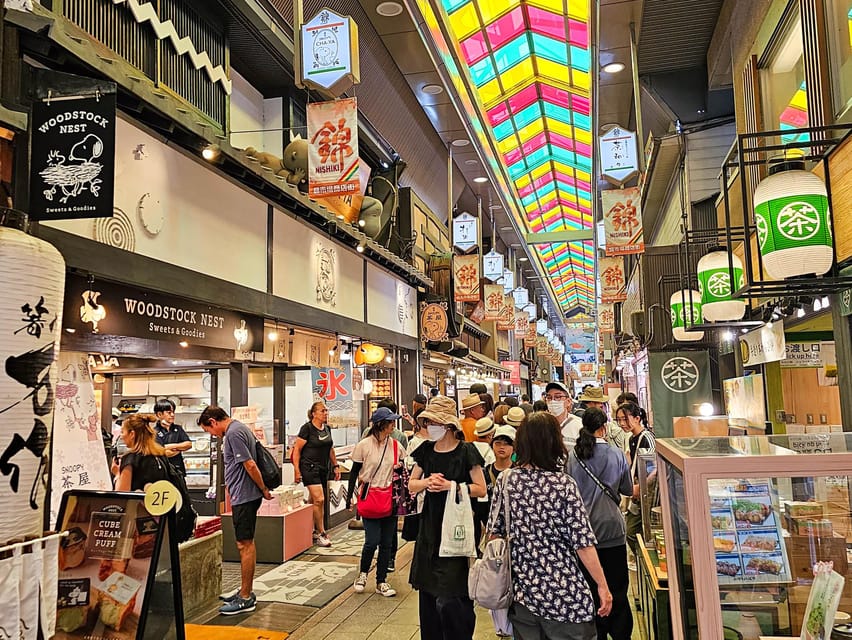
Nishiki Market is easy to visit on your own, but it is not always easy to understand. You can walk beneath the covered arcade, see dozens of appealing foods, and still have no idea what is seasonal, how something is eaten, or which stall is worth your yen.
That is where a local guide earns the fee. You get an introduction to foods you might otherwise pass by, along with short explanations about ingredients, customs, and Kyoto cooking. The guide also chooses the tasting stops, which saves you from making several uncertain purchases in a crowded market.
At $42 per person, the value rests less on the amount of food and more on the guidance. You receive four named tasting items, an English-speaking host, and a structured route through two very different food settings. For a first visit to Kyoto, that is a fair price if you want orientation as well as snacks.
The group size matters, too. A maximum of nine people is small enough for conversation without making the guide’s job difficult. Several guides have been singled out for warmth and patience, including Boris for explaining food, culture, and history, Ai for practical buying tips, and Mao for her friendly approach to regional specialties.
The tour suits you best if you enjoy trying unfamiliar foods but prefer someone to explain them first. It is less suitable if you want a long sit-down meal, lots of free shopping time, or a slow photographic walk.
More Street Food Market Tours in Japan
- Kyoto: Local Food Tasting Tour at the Nishiki Market
★ 4.7 · 135 reviews - Kyoto: Nishiki Market Tour with a Local Foodie & Tastings
★ 4.5 · 67 reviews - Nishiki Market Food Tour with Cooking Class
★ 4.9 · 42 reviews
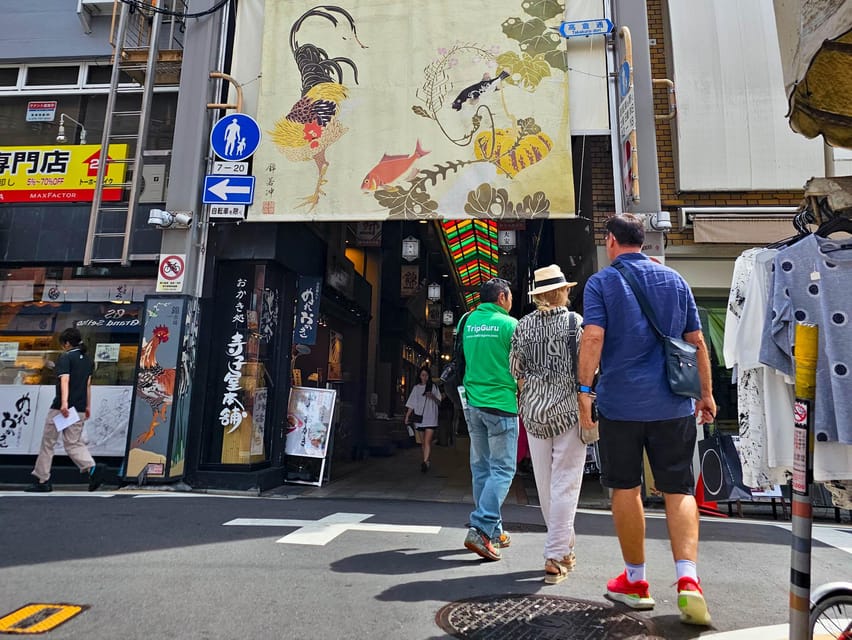
Starting at Apple Kyoto and entering Daimaru
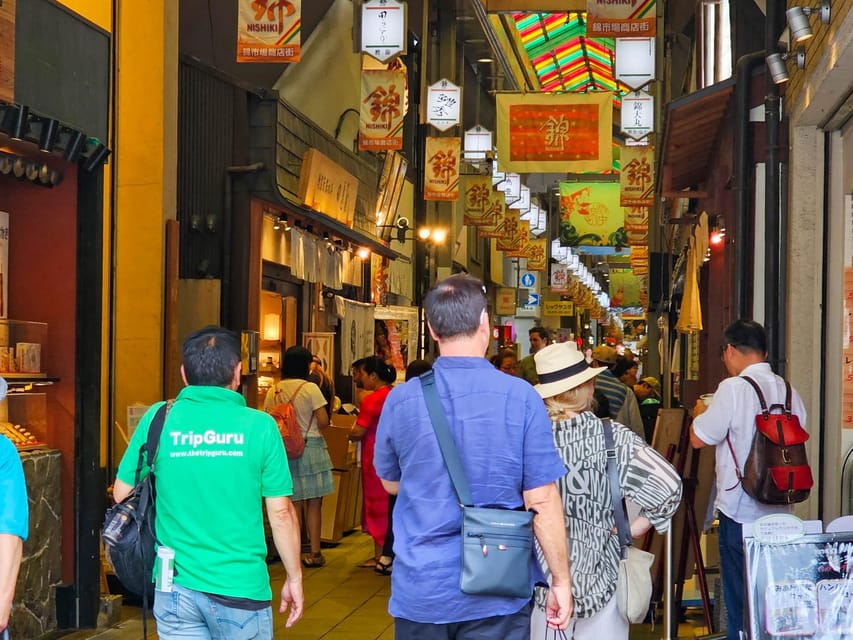
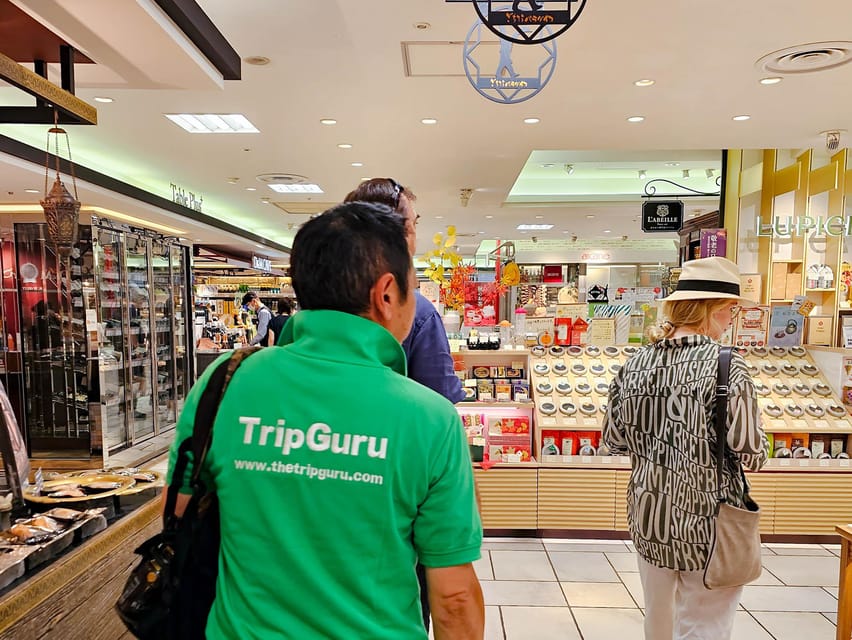
The meeting point is Apple Kyoto. You should arrive at least 10 minutes before departure because the guide waits no more than 10 minutes before moving on. Look for a TripGuru shirt or sign.
This is a central meeting point, but allow extra time to reach it. Traffic can be heavy, particularly in the morning, and navigation apps may give an overly hopeful arrival estimate. You will be walking soon after meeting your guide, so wear comfortable shoes rather than fashion-first footwear.
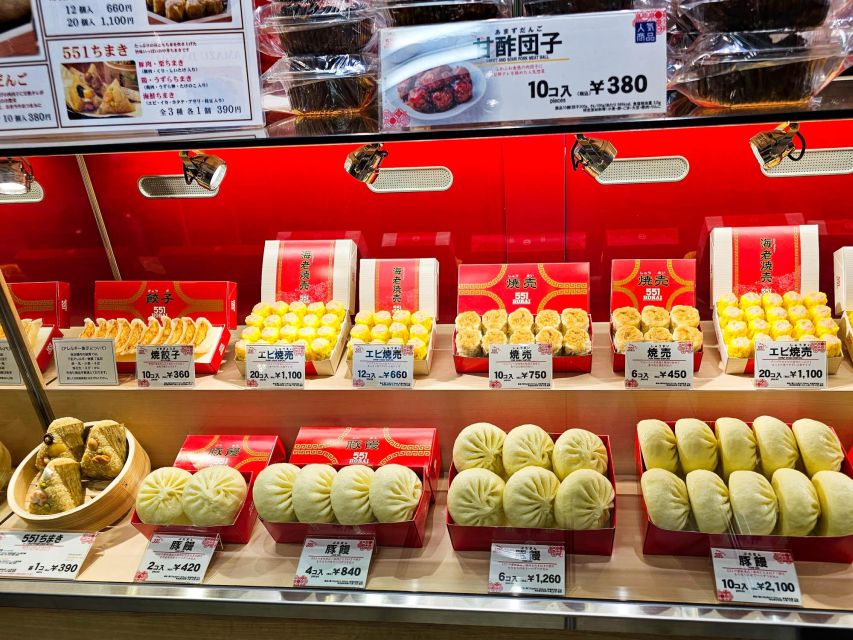
The first major stop is Daimaru Kyoto. Its basement food hall, known in Japan as a Depachika, gives you a different view of Japanese food culture from the street market. Here, presentation matters. You might see beautifully arranged sweets, prepared dishes, gift foods, produce, and imported items displayed with care.
For many visitors, this is the most surprising part of the tour. A department-store basement can sound ordinary until you see the range and polish of the food counters. One guest enjoyed spending extra time at Daimaru, calling it a particularly memorable stop. That also points to a practical issue: if your group lingers here, the market portion may feel more compressed.
The included foods begin to make the visit useful rather than purely visual. Yuba sashimi, made from tofu skin, gives you a taste of a Kyoto specialty with a delicate texture. The soy milk donut provides a sweeter, softer contrast. Your guide can explain what you are eating and how it fits into Japanese food traditions.
Guides have also offered practical shopping advice. Ai was praised for explaining what to buy in the food hall, including bento boxes, and what might not offer good value, such as very expensive cantaloupes. That kind of advice is more useful than simply pointing out attractive displays.
Daimaru is also a good place to ask questions. If you have dietary concerns or strong dislikes, mention them early. The tour includes set tasting items, and the information provided does not promise substitutions for every restriction.
Walking through Nishiki Market
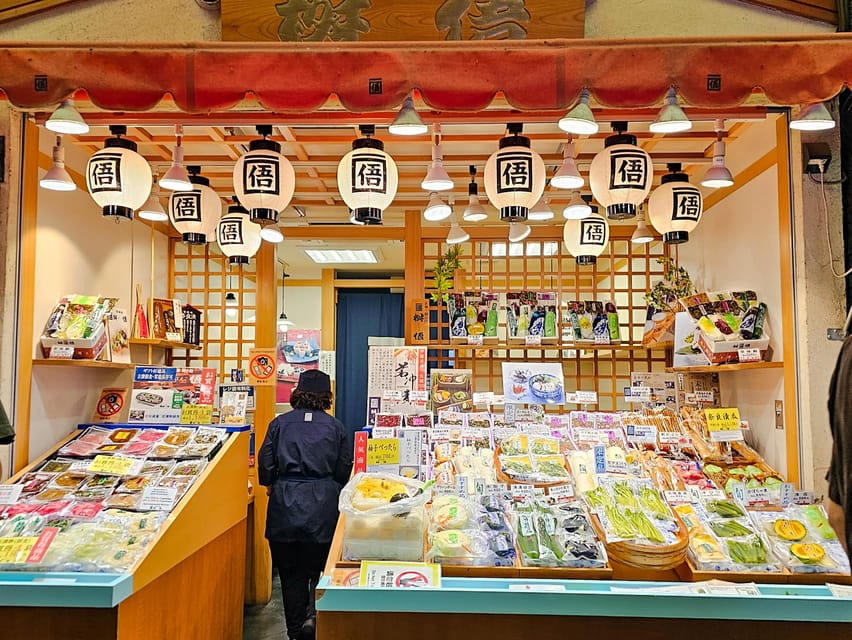
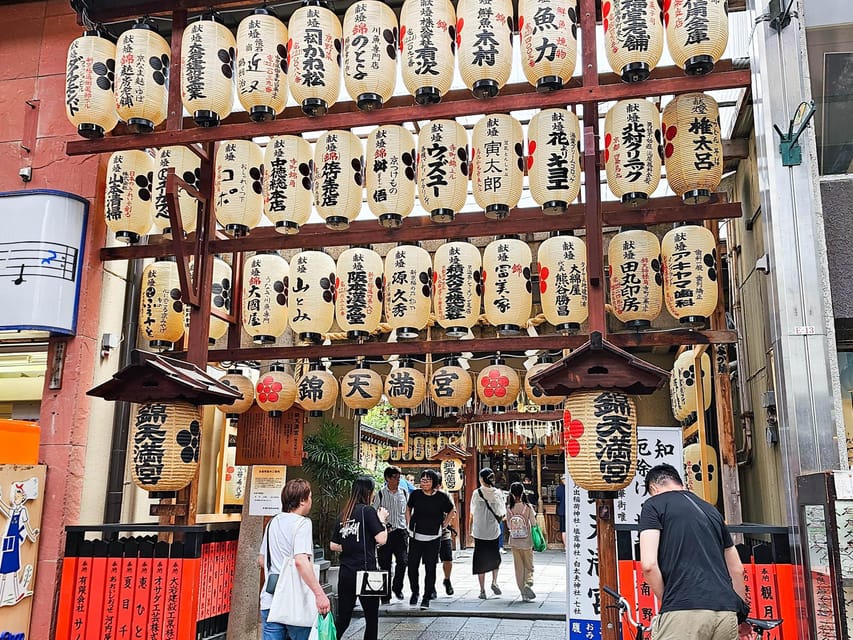
After Daimaru, the route moves to Nishiki Market, often called Kyoto’s Kitchen. It is a long covered shopping street lined with food stalls and specialist shops. You can find seasonal ingredients, pickles, seafood, sweets, tofu products, knives, cookware, and other kitchen goods.
The market’s appeal comes from its mix of old and new. Some businesses have been run by the same families for generations, while nearby counters offer quick snacks aimed at modern shoppers. A guide helps connect those two sides and explains why certain foods matter in Kyoto.
The included tastings here are Nishiki gyoza and tempura hamo fish. Hamo is a local eel-like fish that requires careful preparation because of its fine bones. You do not need prior knowledge of Japanese cuisine to enjoy this section. The point is to try, ask questions, and notice how different the foods are in texture and preparation.
The market can be crowded, so stay near your guide. This is not the place for a relaxed stroll four people abreast. It is better to stop at the side when you want a photograph or need to listen.
Several guides have been praised for taking people to foods they would not have selected alone. Richard, for example, was valued for introducing visitors to shops they might not have entered without help. Jasmine was praised for arranging tastings while still allowing time to browse. That balance matters because Nishiki is both a food stop and a shopping street.
You are not expected to buy something at every stall. One particularly useful part of the experience is that the guide can explain options without pressuring you to spend more. Bring some cash if you want to make purchases, since personal food and drinks beyond the included tastings are not covered.
The market section can also work for families, though the guide may need to adjust the choices. Boris was praised for accommodating a child with a more selective palate while still introducing the adults to less familiar foods. If you are traveling with children, say so at the beginning.
A quiet pause at Nishiki Tenmangu Shrine
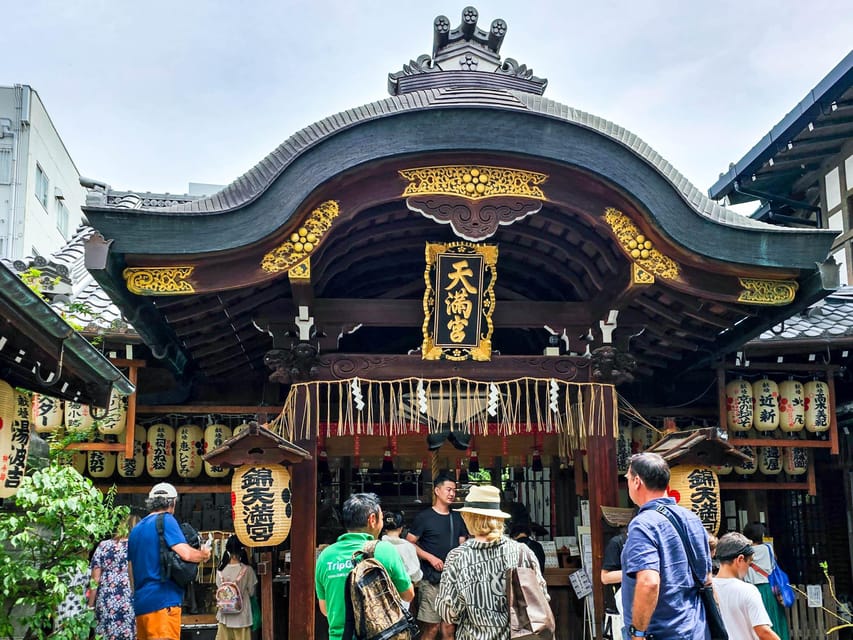
The final cultural stop is Nishiki Tenmangu Shrine, close to the market. It is dedicated to the deity of learning and offers a change of pace after the narrow food arcade.
Your guide explains the basic customs, including cleansing your hands at the sacred water fountain. You can pause to look at the architecture, observe the setting, and learn how the shrine fits into daily religious life in Japan.
This stop is short, but it improves the shape of the tour. Without it, the experience would be a sequence of samples and shop counters. The shrine adds a moment of reflection and helps you see that this part of Kyoto is not only about eating.
The shrine visit is also a practical place to ask broader questions about Kyoto. Guides such as Kats have offered suggestions for places to visit after the walk, while others have explained customs beyond Nishiki Market. The route finishes at Kyoto-Kawaramachi Station, giving you a useful location for continuing your day.
More Street Food Market Tours in Kyoto:
- Kyoto: Nishiki Market Food Tour
★ 4.9 · 21 reviews - Taste of Nishiki Market Walking Food Tour with Local guide
★ 5.0 · 17 reviews - Kyoto: Nishiki Market Food Tour with Local Guide
★ 4.6 · 5 reviews - Dubai: Old Town, Creek, Museums, Souks, & Street Food Tour
★ 4.8 · 10,816 reviews
What you actually eat
The included tastings are enough to introduce several flavors, but they do not amount to lunch. The package lists:
- Yuba sashimi, or tofu skin
- A soy milk donut
- Nishiki gyoza
- Tempura hamo fish
That is a thoughtful spread. You get a Kyoto specialty, a sweet item, a familiar format with a local setting, and a fish preparation that many first-time visitors may not choose alone.
The exact order and presentation may vary with the guide and the stalls available. One person found the tasting plan unclear because the guide was waiting for the guest to ask about food, while the guest expected the guide to announce each item. My advice is simple: at the start, ask your guide to outline the four included tastings and explain when each one will happen.
You should also budget for extra snacks if you are hungry. Additional food, drinks, and personal purchases are not included. Nishiki makes extra spending easy, so decide in advance whether you want to sample beyond the package or save your money for a later meal.
The guide makes or breaks the experience
The strongest part of this tour is the human element. The guide is not only leading you from one address to another. A good guide translates labels, explains ingredients, watches the pace, and helps you feel comfortable trying something new.
English ability has been praised repeatedly. Vincent was noted for speaking clear English, while Kats was appreciated for answering detailed food questions and explaining Kyoto customs. Boris received praise for his depth of explanation, and Richard for recommendations about food and drinks.
The best guide style here is patient rather than rushed. Guests have valued guides who allow questions, adjust for children, accommodate a scheduling mix-up, and let people linger at a favorite stop. That flexibility is useful, especially at Daimaru, where the displays can easily hold your attention.
Guide quality can naturally vary from one departure to another. The experience provider is TripGuru Japan, and the tour is conducted in English, but you are not guaranteed a particular guide. If having a certain pace or dietary adjustment matters to you, explain that at the meeting point.
Timing, walking, and practical limits
The advertised duration is two hours, with several start times available. The published stop breakdown lists about 1.5 hours at Daimaru, one hour at Nishiki Market, and 30 minutes at the shrine. Those figures total more than two hours, so treat them as approximate rather than a strict schedule.
The important result is that this is a compact walking tour. You will not have unlimited time at every counter. If you want to shop carefully, return to Nishiki Market later after you know which stalls interest you.
The tour is not designed for people with mobility impairments, heart problems, respiratory issues, or pregnancy. The information also recommends comfortable shoes. That makes sense given the walking, crowded market lanes, and time spent standing.
Bring a camera if food displays and shop details interest you. Bring cash for extra purchases. Hotel pickup and drop-off are not provided, so you need to reach Apple Kyoto and then make your own way from Kyoto-Kawaramachi Station.
Free cancellation is available up to 24 hours before the start time, and you can reserve now and pay later. Those terms are helpful if your Kyoto schedule is still changing, particularly because the tour offers multiple start times.
Who should book this food tour?
I would choose this experience if you have only a couple of hours and want an introduction to Kyoto food without planning every stop yourself. It is especially useful early in your stay, when you can use the guide’s later recommendations.
It also suits first-time visitors who feel unsure about unfamiliar foods. The guide gives you a safe way to try yuba, hamo, gyoza, and other local items without buying a full portion at every counter.
Families can benefit from the small group and the possibility of adjusting choices, though children may not enjoy every tasting. Food-focused shoppers should also consider it, since Daimaru and Nishiki offer plenty to purchase after the guided portion.
I would skip it if you want a generous lunch, a slow market photography session, or a completely self-directed afternoon. You may also find the pace tiring if standing and walking are difficult.
Should you book it?
Book this tour if $42 feels worthwhile for guidance, four tastings, and a quick cultural introduction. The strongest value comes from the explanations and personal recommendations, not the quantity of food.
Arrive early, wear good shoes, bring cash, and ask at the start how the tastings will be handled. Keep your schedule flexible because the Daimaru displays may tempt you to linger, while the stated stop times do not perfectly match the two-hour duration.
For a short first look at Kyoto’s food culture, this is a friendly and practical choice. Just think of it as an introduction, then return to Nishiki Market later if you want to browse at your own pace.
FAQ
How long is the Kyoto food tour?
The advertised duration is two hours. The listed stop times are approximate and add up to longer than two hours, so you should confirm the exact pacing with your guide.
Where does the tour begin?
It begins at Apple Kyoto. Your guide will be wearing a TripGuru shirt or holding a TripGuru sign.
Where does the tour finish?
The tour finishes at Kyoto-Kawaramachi Station.
What food is included?
The included tastings are yuba sashimi, a soy milk donut, Nishiki gyoza, and tempura hamo fish.
Is food beyond the listed tastings included?
No. Additional food and drinks, along with personal purchases, are not included.
Is the tour conducted in English?
Yes. The tour includes a live English-speaking guide.
How large is the group?
The group is limited to nine participants.
What should I bring?
Bring comfortable shoes, a camera, and cash. You should also arrive at least 10 minutes early because the guide waits a maximum of 10 minutes.
More Food Trips in Kyoto
- Tokyo Tsukiji Fish Market Food and Culture Walking Tour
★ 5.0 · 3,184 reviews - Bangkok: Markets, Temples and Food Night Tour by Tuk Tuk
★ 4.9 · 2,371 reviews - London Bridge & Borough Market Food Tour with 7 Authentic Dishes
★ 5.0 · 1,972 reviews - Tokyo: Tsukiji Fish Market Food and Walking tour
★ 5.0 · 1,724 reviews
More Food and Drink Trips in Kyoto
- Kyoto Nishiki Market Food and Culture Walking Tour
★ 5.0 · 412 reviews - Dubai: Old Town, Souks, Street Food, Guided Tour & Abra Ride
★ 4.9 · 7,170 reviews - Bangkok by Night: Temples, Markets and Food Tuk-Tuk Tour
★ 5.0 · 3,752 reviews - Chef Guided Food Tour of Pike Place Market
★ 5.0 · 3,733 reviews
Just added around Kyoto
- Taste of Nishiki Market Walking Food Tour with Local guide★ 5.0 · 17 reviews
- Kyoto: Wholesale Fish Market Walking Tour★ 5.0 · 2 reviews
- Kyoto: Nishiki Market Tour with a Local Foodie & Tastings★ 4.5 · 67 reviews
- Golden Pavilion, Nijo Castle, & Nishiki Market Half day tour★ 5.0 · 29 reviews
- Kyoto: Nishiki Market Food Tour with Local Guide★ 4.6 · 5 reviews
- Kyoto: Nishiki Market Food Tour★ 4.9 · 21 reviews
- Kyoto: Enjoy Sushi & Market Tour! Best for Family & Couple!★ 4.8 · 20 reviews
- Nishiki Market Food Tour with Cooking Class★ 4.9 · 42 reviews
Street Food Market Tours, compared.
Old Town, Creek, Museums, Souks, & Street Food Tour
Read our review →
Old Town, Souks, Street Food, Guided Tour & Abra Ride
Read our review →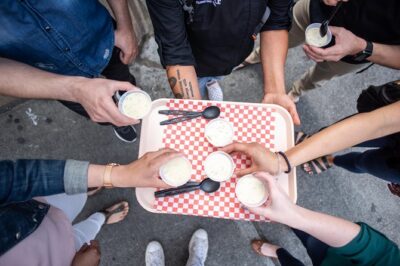

London Bridge & Borough Market Food Tour with 7 Authentic Dishes
Read our review →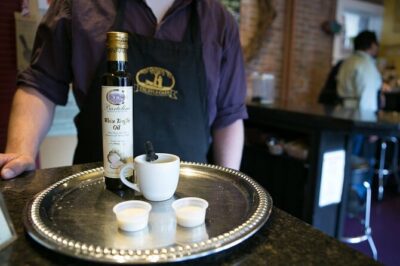
Old Town, Souks, Street Food, Guided Tour & Abra Ride
Read our review →
Small Group Cooking Class & Market Food Tour in Florence
Read our review →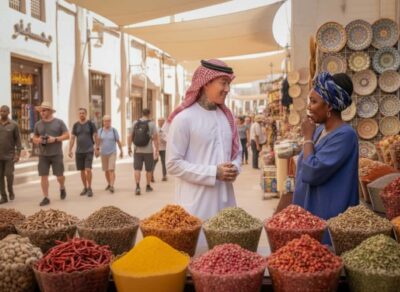
Browse the lists this tour appears in