
Review · JAPAN
Kyoto: Wholesale Fish Market Walking Tour
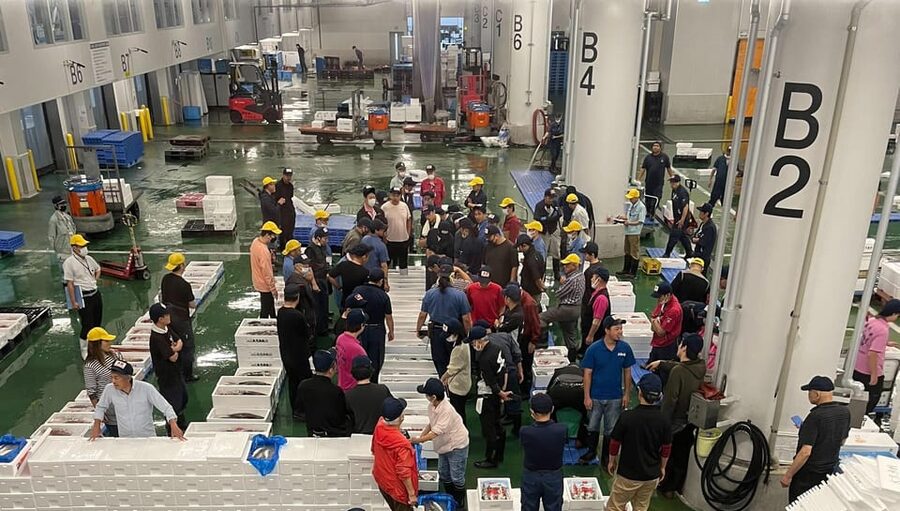
Kyoto wakes before breakfast. This early-morning market tour takes you into the Kyoto City Central Wholesale Market, where seafood buyers inspect fish, negotiate prices, and gather for the bidding. I like the chance to see a working food market rather than a polished sightseeing stop, and I like that the tour ends with a traditional Japanese breakfast at Murakami restaurant. The main drawback is the start: if you are not comfortable getting up early, you may miss the best part.
The group is limited to nine people, which should make it easier to hear the guide and ask questions in a noisy market. Guide Kats earned special praise for clear English and thoughtful answers, though the tour still moves at a brisk pace and requires punctuality.
Key Things to Know Before You Go
- Fish bidding happens early: Arrive on time at Umekoji Kyotonishi Station so you do not miss the market’s main action.
- The market is a working place: You will see traders inspecting seafood, bargaining, and arranging deals, not a staged food show.
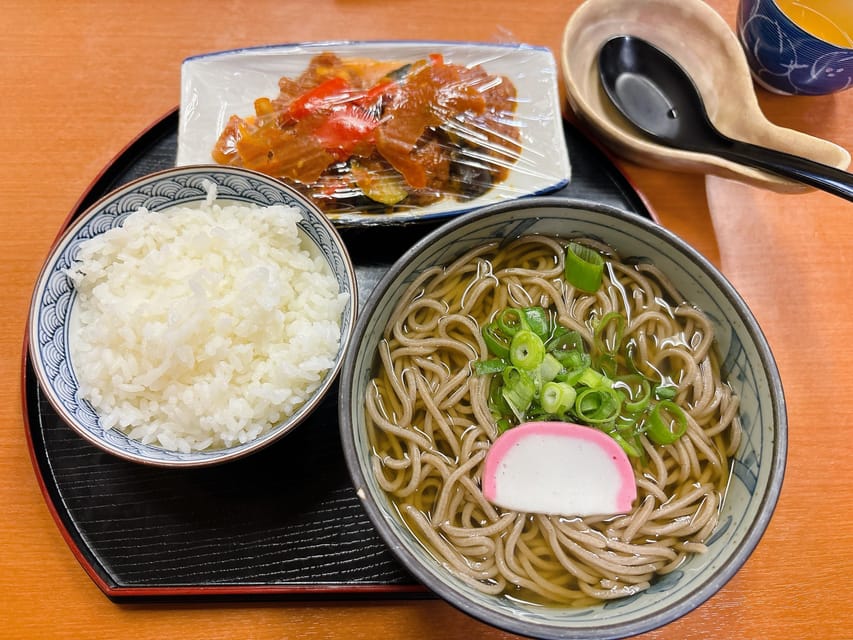
- Breakfast is part of the experience: A meal at Murakami restaurant adds a local food angle to the market visit.
- The group is small: With no more than nine participants, you should have a better chance to hear explanations and ask questions.
- The tour costs $41: That price includes the English-speaking guide, market entry, and breakfast, but not extra food, drinks, or transport.
- Wear sensible shoes: You will spend about 1.5 hours walking through the wholesale market before breakfast.
Why Kyoto’s Wholesale Market Is Worth Seeing
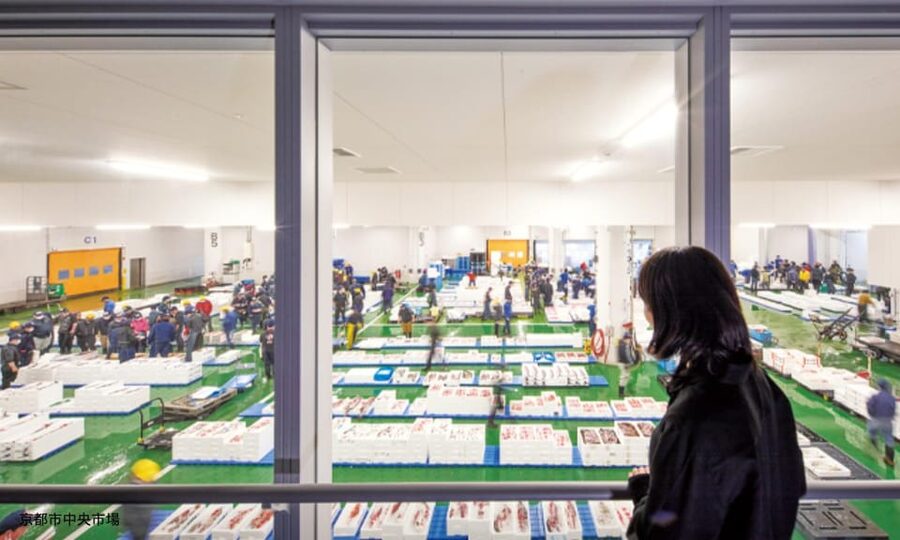
Kyoto is famous for temples, gardens, tea, and refined dining. Yet much of that food culture begins in places most visitors never see. The wholesale market shows the practical side of Kyoto’s cuisine: seafood arrives, buyers assess it, and restaurant kitchens and shops secure what they need.
I like this setting because it gives you a useful piece of context. A beautifully presented Japanese meal does not appear by magic. It depends on early deliveries, careful selection, and people who know exactly what they are buying.
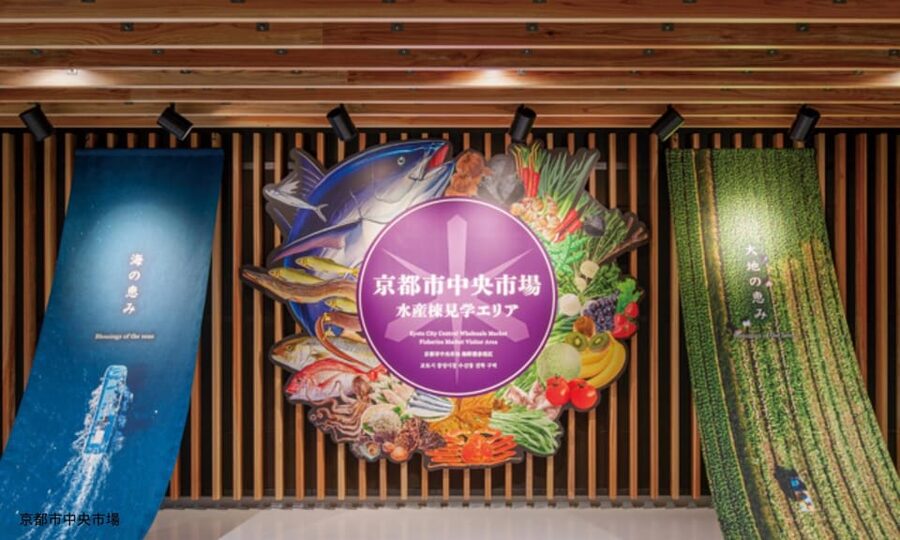
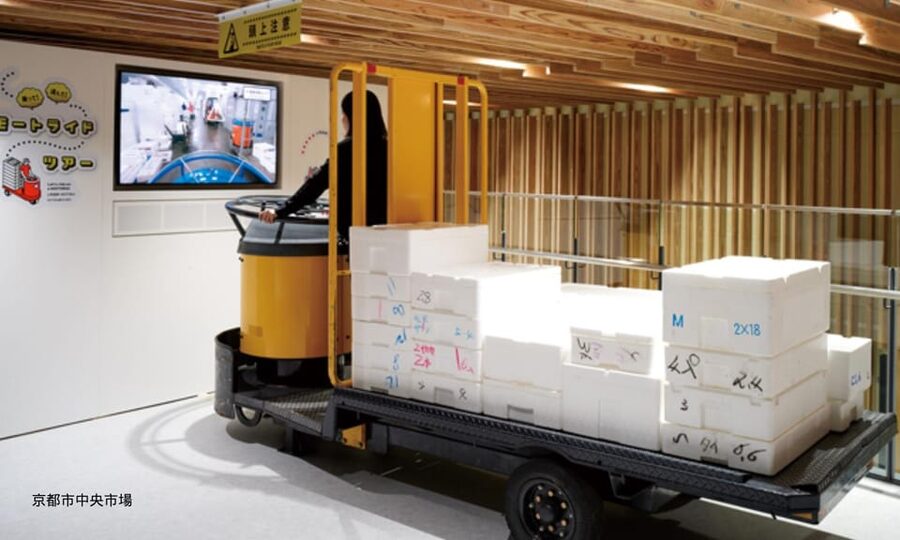
The Kyoto City Central Wholesale Market is also different from a standard food hall. You are not simply wandering past stalls and sampling snacks. You are watching commerce at close range. Traders haggle and negotiate, buyers gather around seafood, and the rhythm is set by work rather than sightseeing.
That distinction matters. The market may not offer constant tasting or picture-perfect displays. Its appeal comes from seeing a real trade in motion. Bring your camera, but keep your attention on the people and transactions around you.
More Fish Market Tours in Japan
- Tokyo Tsukiji Fish Market Food and Culture Walking Tour
★ 5.0 · 3,184 reviews - Tokyo: Tsukiji Fish Market Food and Walking tour
★ 5.0 · 1,724 reviews - Tokyo: Tsukiji Fish Market Guided Walking Tour
★ 4.9 · 1,397 reviews
Meeting at Umekoji Kyotonishi Station
The tour begins at the main gate of JR Umekoji Kyotonishi Station, written in Japanese as 梅小路京都西駅. Look for a guide wearing a TripGuru shirt or holding a TripGuru sign.
This meeting point is simple, but the early hour makes preparation important. I would allow extra time to find the station entrance and avoid arriving at the last second. The tour specifically depends on catching the fish bidding, so punctuality is not just a polite habit. It affects what you get to see.
The exact starting time varies, so check availability when booking. Since hotel pickup and drop-off are not included, you must make your own way to the station and return from Tambaguchi Station after breakfast.
The station-to-station format is practical. You begin near the market and finish at a different nearby station, so the tour works as part of a morning plan rather than sending you back to the starting point. Still, check your onward route before you leave your hotel.
Inside the Fish Bidding Area
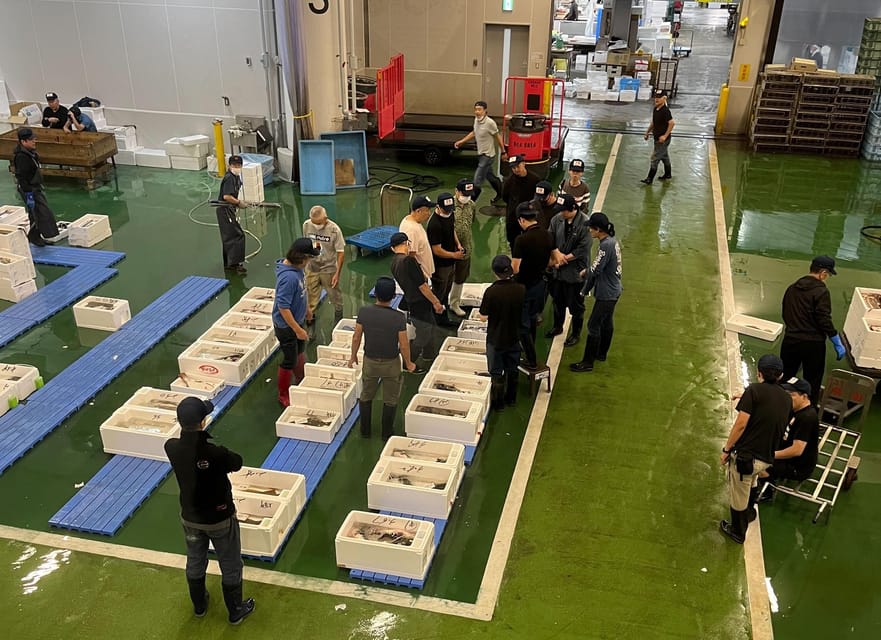
The main market visit lasts about 1.5 hours. That is enough time to get beyond a quick glance, especially with a guide explaining what is happening around you.
The fish bidding is the main event. You will see groups gathering around seafood while buyers assess what is available and negotiate deals. The action may feel unfamiliar at first, since the process is built around professional buyers rather than casual shoppers. That is exactly why a guide helps.
A good explanation can turn a confusing scene into a readable one. Instead of seeing only people standing around fish, you can pay attention to who is buying, how decisions are made, and why the market matters to Kyoto’s food economy.
Guide Kats received particularly strong praise for clear, easy-to-understand English and for answering questions carefully. That is useful here. Market activity can move quickly, and a small explanation at the right moment may help you understand what you would otherwise miss.
Expect a working environment, not a quiet museum. There may be activity, noise, and people focused on business. Be respectful, stay with the group, and follow the guide’s instructions about where to stand and when to move.
What Makes the Market Different From Nishiki Market
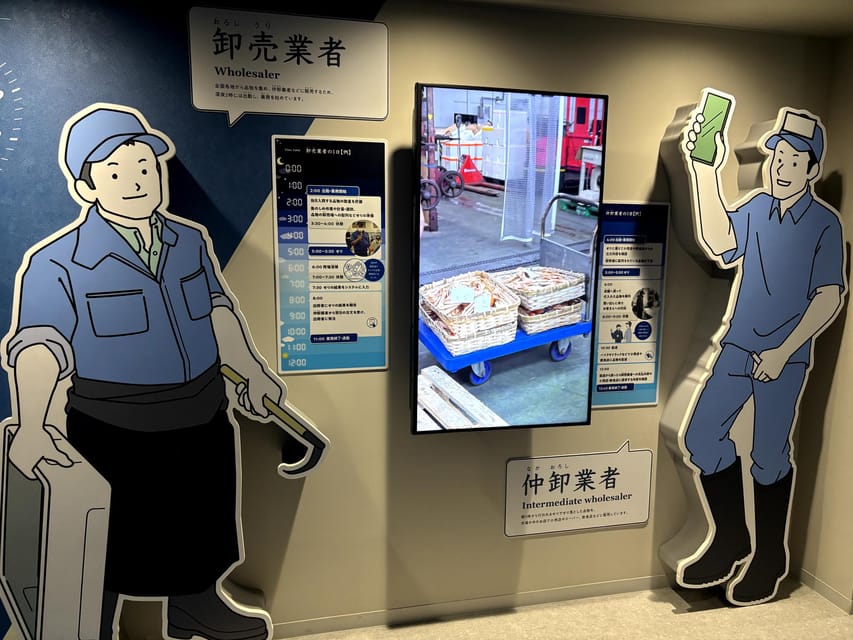
Kyoto has famous food streets aimed at shoppers and sightseers. This experience offers something different. The wholesale market is connected to supply and trade, while a retail food street is designed for browsing and eating.
That difference makes this tour a good choice if you have already seen Kyoto’s more familiar food stops or want a less polished side of the city. You get to watch buyers negotiate before food reaches restaurants and shops.
It also means you should adjust your expectations. The market is not described as a long tasting tour, and additional food and drinks are not included. If you want a morning built around constant snacks, this may feel restrained. If you want to understand how Kyoto’s food system works, the setting has much more to offer.
The market visit also gives you a reason to be out early. One booking described the morning view of Kyoto as especially pleasant, adding a quiet visual reward before the market activity begins. You may find the early streets a useful part of the experience, even though the seafood bidding is the main focus.
More Market Walking Tours in Japan
- Nishiki Market Brunch Walking Tour (7 Tastings + Brunch)
★ 5.0 · 1,355 reviews - Kyoto Nishiki Market Food and Culture Walking Tour
★ 5.0 · 412 reviews - Taste of Nishiki Market Walking Food Tour with Local guide
★ 5.0 · 17 reviews - Tokyo: Tsukiji Fish Market Food and Culture Walking Tour
★ 4.7 · 757 reviews
Breakfast at Murakami Restaurant
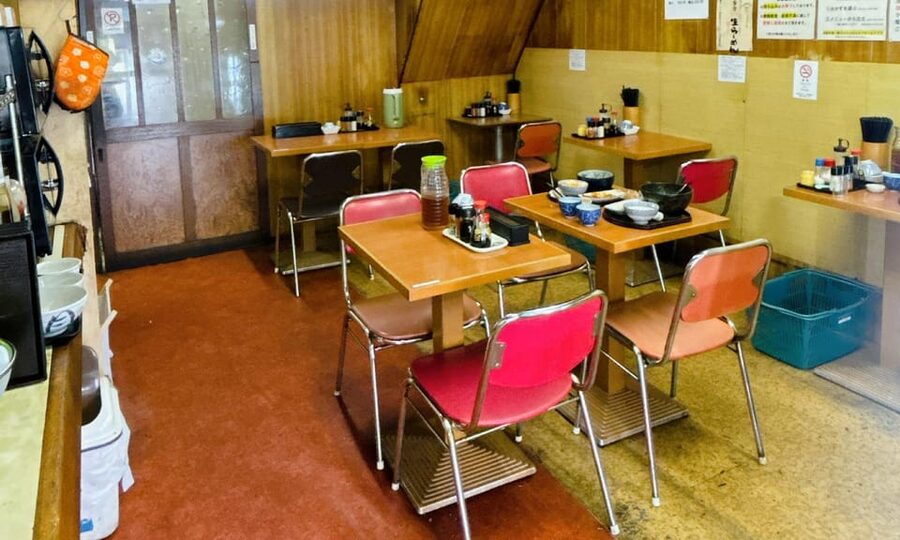
After the market, the group goes to 村上食堂, or Murakami restaurant, for breakfast. About 40 minutes are set aside for the meal.
This is more than a convenient ending. The breakfast connects the market’s raw ingredients with Kyoto’s food traditions. You will sit down to a traditional Japanese meal prepared with local ingredients, giving you a chance to taste the kind of culinary care the market helps support.
The meal was described as authentic and delicious, which gives the tour a satisfying second half. After watching seafood buyers work, you get to slow down and enjoy food in a local restaurant setting.
Keep in mind that the exact breakfast dishes are not specified. If you have allergies, strong dietary restrictions, or special meal requirements, confirm what can be accommodated before booking. The supplied details only promise breakfast, not a particular menu.
The 40-minute meal is also relatively focused. You should have time to eat and ask the guide a few questions, but this is not a long restaurant stop. Think of it as a well-timed breakfast following the market, not a separate culinary class.
How Much Value Do You Get for $41?
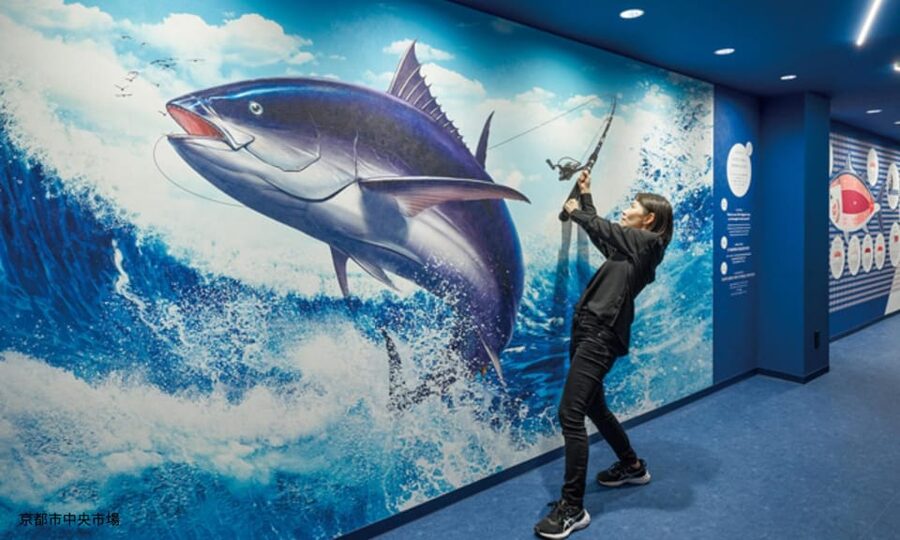
At $41 per person, the price includes three useful elements: an English-speaking guide, entry to the Kyoto City Central Wholesale Market, and breakfast at Murakami restaurant.
I think the price is strongest for visitors who would not feel confident entering or understanding a wholesale market alone. The guide gives structure to the visit, explains the bidding, and helps you notice details that could be easy to miss. Breakfast then adds a complete ending rather than leaving you to find food afterward.
The small group also matters. A maximum of nine people is far more manageable than a large walking group in a noisy market. You can stay closer to the guide and ask questions without competing with a crowd.
The value is less clear if you only want to take a few photos of fish or prefer to sleep late. The tour lasts two hours, but the early start takes more out of your morning than the duration suggests. You are paying for access, interpretation, and a meal, not just transportation from one point to another.
Hotel pickup and drop-off are not included. Extra food, drinks, and personal expenses are also separate. Plan for those costs if you need coffee before the tour or want to continue eating afterward.
The Small-Group Advantage
A group capped at nine people suits this kind of setting. Wholesale markets can be difficult places for a large party because buyers need room to work and the guide needs to keep everyone together.
A smaller group should make the explanations more personal. You can ask why a particular transaction is happening, what the buyers are checking, or how the market connects with Kyoto’s restaurants. The value of those questions depends on the guide, and Kats appears to have handled them especially well.
The guide speaks English, which is important when the market activity itself is not designed for international visitors. Clear explanations can help you follow the action without interrupting the people doing business.
Still, a small group does not make the market private. You are entering an active workplace. The guide can interpret the scene, but you should not expect every part of the market to pause for the tour.
Who Will Enjoy This Morning Most?
I would recommend this experience to food-focused visitors, repeat visitors to Kyoto, and anyone curious about the supply chain behind Japanese meals. It is also a good fit if you enjoy observing everyday work rather than visiting only major landmarks.
The tour suits people who appreciate guidance. You get more than access to the market, since the English-speaking guide provides context and answers questions as the action unfolds.
It is less suitable if you dislike early mornings, have trouble walking for 1.5 hours, or want a relaxed breakfast with lots of time. Comfortable shoes are specifically recommended, and the market portion comes before the meal.
Photographers may enjoy the colors, people, seafood, and morning atmosphere. But you should treat the camera as a secondary tool. The best moments may happen quickly, and watching the bidding is more rewarding than trying to record every second.
Practical Tips for a Smooth Visit
Arrive early at the main gate of Umekoji Kyotonishi Station. The meeting instructions ask you to look for the TripGuru shirt or sign, but it is still wise to have the meeting location ready on your phone.
Wear shoes you can walk in comfortably. The market portion is substantial, and comfortable footwear will help you focus on the explanations instead of your feet.
Bring cash. The tour information specifically recommends it, and cash may be useful for personal purchases or additional food, though the included breakfast is already covered.
Bring a camera, but do not let it distract you. The fish bidding and trader negotiations may be more interesting when you watch closely rather than frame every scene.
Plan your morning around Tambaguchi Station, where the tour ends. Since no hotel return is included, decide in advance where you want to go next.
If you need to cancel, free cancellation is available up to 24 hours in advance for a full refund. You can also reserve now and pay later, which helps if your Kyoto schedule is still changing.
Should You Book the Kyoto Fish Market Tour?
Book it if you want a close look at Kyoto’s working food culture, can handle an early start, and appreciate a guide who explains what you are seeing. The combination of fish bidding, a small English-speaking group, and breakfast at Murakami restaurant gives the morning a clear shape.
I would especially choose it over a standard food walk if you want to see how food enters the city before it reaches a restaurant table. Guide Kats’s clear English and willingness to answer questions are useful advantages.
Skip it if you need a late start, prefer leisurely meals, or want a tour built around repeated tastings. The best value comes from curiosity and punctuality. Get to the station on time, wear good shoes, and you will see a side of Kyoto that most temple-focused schedules leave out.
FAQ
Where does the Kyoto wholesale fish market tour meet?
The meeting point is the main gate of JR Umekoji Kyotonishi Station, also written as 梅小路京都西駅. Look for a guide wearing a TripGuru shirt or holding a TripGuru sign.
Where does the tour finish?
The tour finishes at Tambaguchi Station after the breakfast stop.
How long does the experience last?
The listed duration is two hours. The market visit lasts about 1.5 hours, followed by about 40 minutes for breakfast.
What language is the tour conducted in?
The tour is conducted in English with a live English-speaking guide.
What is included in the price?
The $41 price includes the English-speaking guide, entry to the Kyoto City Central Wholesale Market, and breakfast.
Is hotel pickup included?
No. Hotel pickup and drop-off are not included, so you need to reach the meeting point yourself and arrange your onward travel from Tambaguchi Station.
What should I bring?
Bring comfortable shoes, a camera, and cash.
Is the tour suitable for a small group?
Yes. The group is limited to nine participants.
Can I cancel the booking?
You can cancel up to 24 hours in advance for a full refund. Reserve now and pay later is also available.
More Market Walking Tours in Kyoto
- Bangkok: City Highlights Temple and Market Walking Tour
★ 4.5 · 3,990 reviews - Marrakech: Ben Youssef, Secret Garden, & Souks Walking Tour
★ 4.6 · 2,802 reviews - Marrakech: Colorful Medina Souks Guided Walking Tour
★ 4.7 · 2,470 reviews - Air Raid Shelter + St. Nicholas Market Walking Tour
★ 5.0 · 1,950 reviews
More Fish Market Tours in Kyoto
- Tokyo Sushi Making Class in Tsukiji with Professional Chef
★ 5.0 · 1,177 reviews - Tsukiji Fish Market Guided Tour and Sushi Making with Pro Chef
★ 5.0 · 775 reviews - Tsukiji Fish Market: Street Food & Culture Walking Tour
★ 5.0 · 669 reviews - Tsukiji Fish Market Small-Group Food Walking Tour
★ 5.0 · 621 reviews
Just added around Kyoto
- Taste of Nishiki Market Walking Food Tour with Local guide★ 5.0 · 17 reviews
- Kyoto: Nishiki Market Tour with a Local Foodie & Tastings★ 4.5 · 67 reviews
- Golden Pavilion, Nijo Castle, & Nishiki Market Half day tour★ 5.0 · 29 reviews
- Kyoto: Nishiki Market Food Tour with Local Guide★ 4.6 · 5 reviews
- Kyoto: Nishiki Market Food Tour★ 4.9 · 21 reviews
- Kyoto: Enjoy Sushi & Market Tour! Best for Family & Couple!★ 4.8 · 20 reviews
- Kyoto: Nishiki Market and Depachika Food Tour with a Local★ 4.7 · 76 reviews
- Nishiki Market Food Tour with Cooking Class★ 4.9 · 42 reviews
Fish Market Tours, compared.
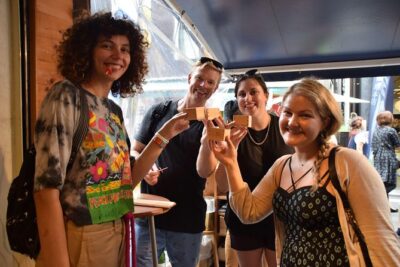
Tokyo Tsukiji Fish Market Food and Culture Walking Tour
Read our review →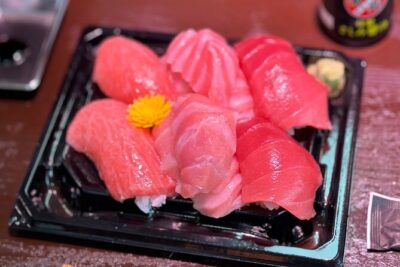
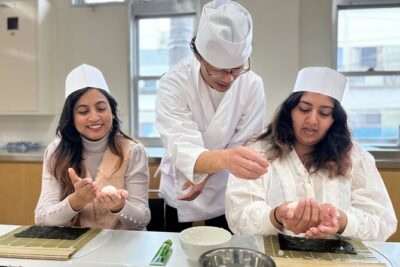
Tokyo Sushi Making Class in Tsukiji with Professional Chef
Read our review →
Tsukiji Fish Market Guided Tour and Sushi Making with Pro Chef
Read our review →Tsukiji Fish Market Food and Culture Walking Tour
Read our review →
Tsukiji Fish Market: Street Food & Culture Walking Tour
Read our review →
Tsukiji Fish Market Small-Group Food Walking Tour
Read our review →
Tsukiji Fish Market Sushi Making Class with Pro Chef
Read our review →Browse the lists this tour appears in