
Review · JAPAN
Kyoto: Local Food Tasting Tour at the Nishiki Market
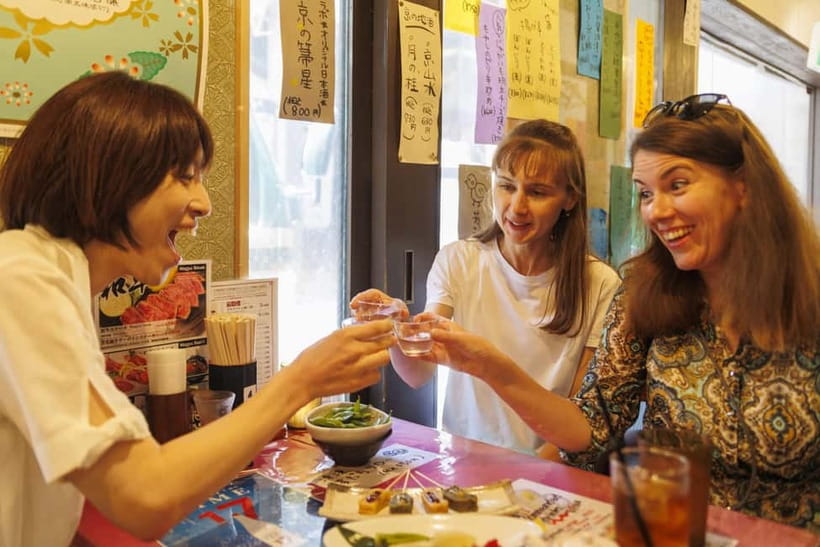
Come hungry, leave curious. This small-group food tour gives you an easy way into Nishiki Market, where 130 stalls and four centuries of food tradition can feel like a lot to manage alone. I especially like the mix of tasting and cultural explanation, plus the chance to try foods such as yuba, obanzai, hamo tempura, and wagyu steak skewers without ordering full portions everywhere.
I also like the six-person limit. It keeps the walk personal, and guides such as Ayu, Takuma, Toshi, Annie, and Saki have earned praise for answering questions and adapting the pace. The main drawback is dietary flexibility: vegetarian, halal, kosher, gluten-free, and allergy-related requests cannot be accommodated.
Key points at a glance
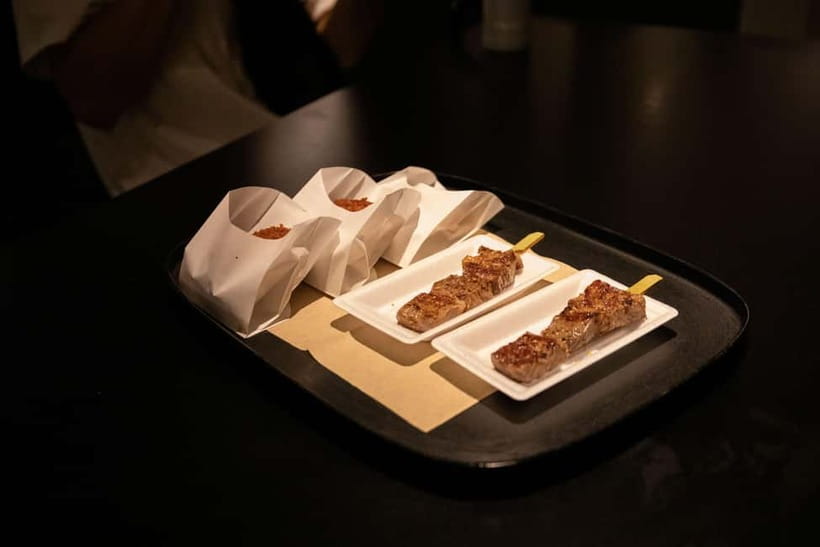
- Five substantial Kyoto tastes: Expect yuba, obanzai home cooking, hamo tempura, wagyu steak skewers, and additional small samples such as crackers, Kyoto seasonings, and flavored honey.
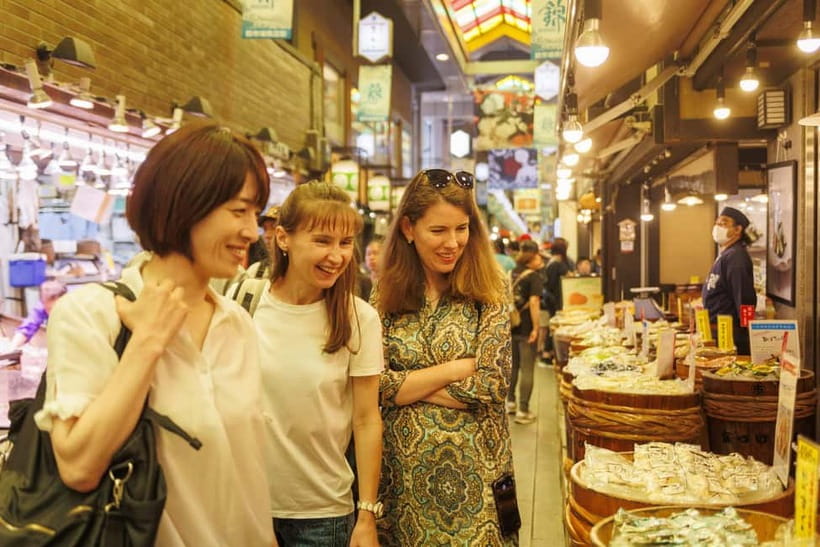
- Nishiki Market without the guesswork: Your English-speaking guide leads you through a crowded food street with about 130 stalls.
- More than a food crawl: The route includes Nishiki-Tenmangu Shrine, Shinkyogoku Shopping Arcade, Teramachi Street, and another small cultural stop.
- A genuinely small group: The maximum group size is six participants, which makes questions and food explanations easier.
- A tasting tour, not a full lunch: You will sample several foods, but you should not assume this replaces a sit-down meal.
- Optional tea ceremony: The selected option adds a 90-minute ceremony near Nishiki Market, including kimono dressing, tea instruction, and photos.
Why Nishiki Market works so well for a first Kyoto food tour
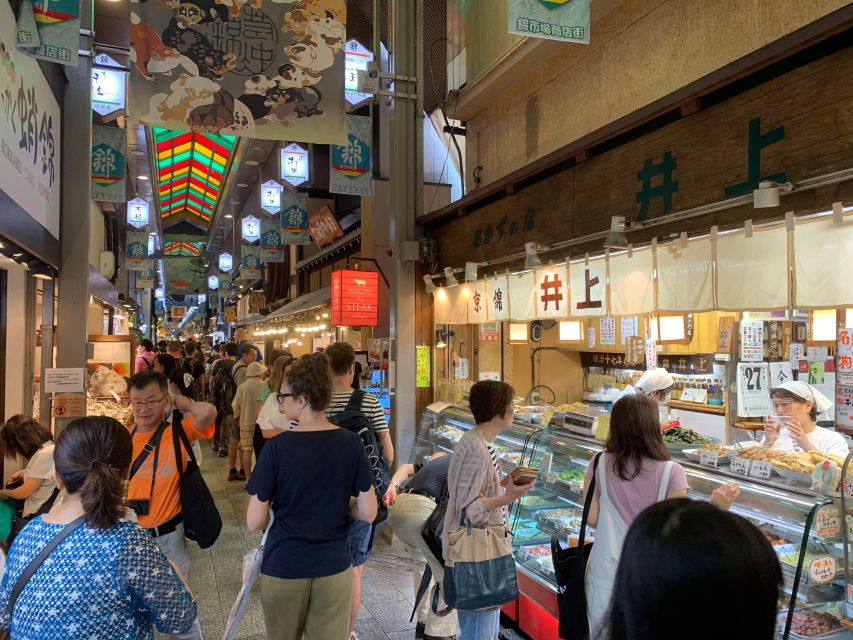
Nishiki Market is often called Kyoto’s Kitchen, and the name makes sense once you enter its long covered shopping street. Food shops line the route, with ingredients, prepared bites, sweets, pickles, seafood, and seasonings competing for your attention.
That variety is exciting, but it can also be confusing. Some foods may be unfamiliar, signs may not explain every preparation, and crowded walkways are not ideal for stopping to study every stall. I like having a guide here because the value is not just getting five samples. It is knowing what you are looking at and why it matters.
The market is described as 400 years old, so the experience has a strong sense of place. Your guide connects the food to Kyoto customs, local cooking, and daily life. Past participants have especially praised guides who explained Japanese food traditions, answered questions about customs, and suggested things to do later in the trip.
The format is relaxed rather than formal. You walk, stop, taste, ask questions, and continue. That makes it a good first or second-day activity, when you are still learning how food shopping and ordering work in Japan.
More Street Food Market Tours in Japan
- Kyoto: Nishiki Market and Depachika Food Tour with a Local
★ 4.7 · 76 reviews - Kyoto: Nishiki Market Tour with a Local Foodie & Tastings
★ 4.5 · 67 reviews - Nishiki Market Food Tour with Cooking Class
★ 4.9 · 42 reviews
The five featured foods: what you are really paying to try
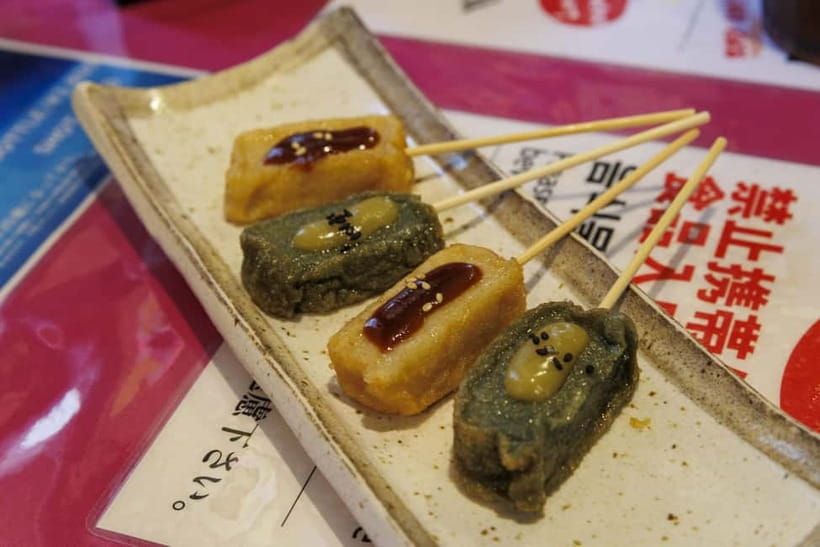
The main tastings are selected to show different sides of Kyoto cooking. You may try yuba, the delicate skin that forms on the surface of simmering soy milk. It is a classic Kyoto ingredient and an easy food to miss if you are only looking for familiar Japanese dishes.
Obanzai is another useful introduction. This means home-style Kyoto cooking rather than one single recipe. A tasting gives you a sense of everyday food traditions and offers a break from the more theatrical street snacks found along the market.
Hamo tempura is one of the more distinctive stops. Hamo is a conger eel that requires careful preparation because of its fine bones. The tempura treatment makes it approachable, even if eel is not normally on your list.
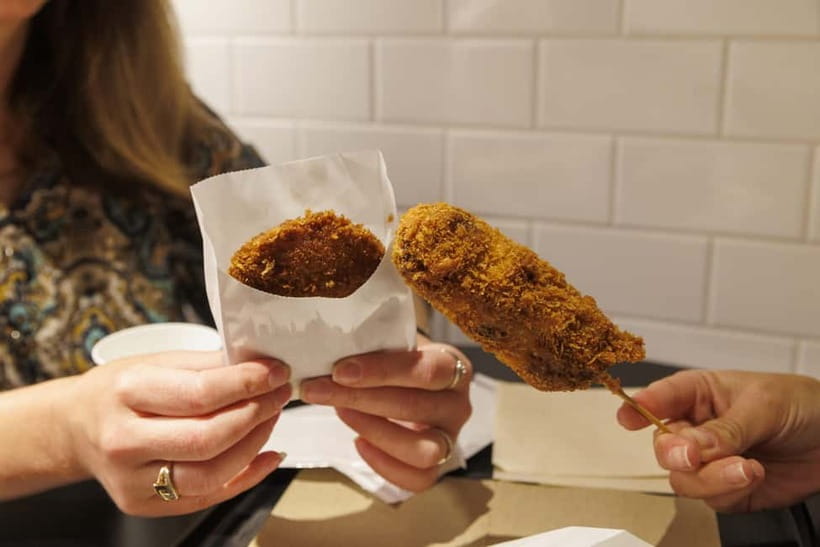
The wagyu steak skewer provides a richer, more immediately familiar bite. It is a small sample rather than a steak dinner, but it adds variety to the route and gives you a chance to compare a premium meat with lighter Kyoto specialties.
The fifth featured food may be paired with other market samples, and the included tastings also mention Kyoto seasonings, crackers, and Japanese-flavored honey. This range matters. You are not simply eating five versions of the same fried snack.
Food portions can add up, especially if the stops are generous. One past participant advised having a light breakfast and not planning a full lunch immediately afterward. I would treat the tour as a substantial food introduction, then decide later if you still need a meal.
The 90-minute Nishiki Market walk
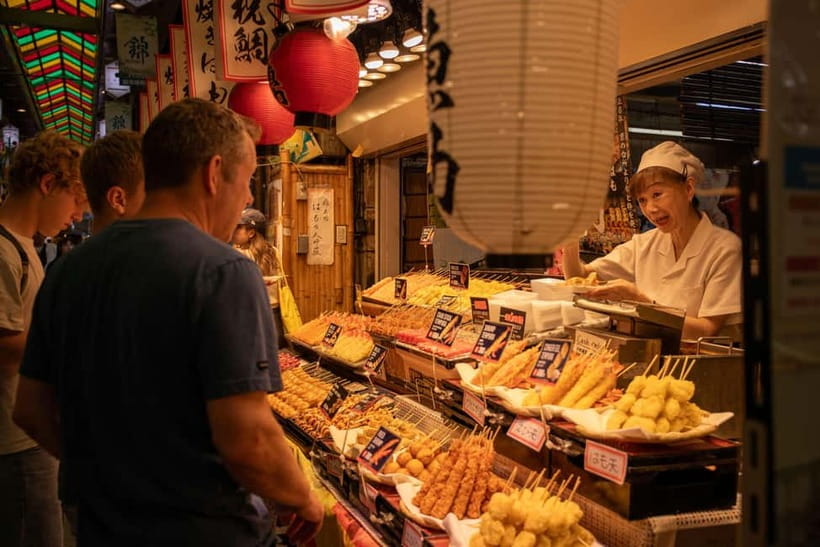
The market portion takes about 90 minutes. That is enough time to taste several foods and hear explanations without turning the entire afternoon into a slow crawl.
Your guide handles the practical side of moving through the market. This is important because Nishiki can become crowded, and a small group has to keep together while people stop at stalls. Guides praised for calm manners, clear English, and good pacing include Miho, Saki, Nagisa, and Takuma.
I would use this part of the tour to ask direct questions. Ask how a food is made, when it is usually eaten, or how it differs from a similar dish elsewhere in Japan. Several guides have also helped with broader Kyoto suggestions, so this is a good time to ask what to do after the tour.
One benefit of a guided tasting is that you can return later with more confidence. You may notice shops you want to revisit, flavors you want to buy, or foods you did not have time to try. That second visit can be more relaxed because you already have a map in your head.
A limitation is that the route cannot stop at every stall. The guide chooses a manageable set of shops, so you will still have plenty to explore on your own afterward.
Nishiki-Tenmangu Shrine and the quieter cultural pauses
After the market, the walk includes Nishiki-Tenmangu Shrine for about ten minutes. This adds a useful change of pace after the food stalls and gives the guide a chance to explain local religious customs and the site’s place in Kyoto.
The shrine stop is short, so I would not book this expecting an extended temple visit. Its value comes from contrast. You move from shopping and tasting into a more reflective setting, then continue through the city.
Several participants particularly enjoyed the way guides connected food, shrines, and Kyoto’s development. That broader context is one reason I would choose this tour over a simple list of market samples.
More Street Food Market Tours in Kyoto:
- Kyoto: Nishiki Market Food Tour
★ 4.9 · 21 reviews - Taste of Nishiki Market Walking Food Tour with Local guide
★ 5.0 · 17 reviews - Kyoto: Nishiki Market Food Tour with Local Guide
★ 4.6 · 5 reviews - Dubai: Old Town, Creek, Museums, Souks, & Street Food Tour
★ 4.8 · 10,816 reviews
Shinkyogoku and Teramachi: shopping after the tasting
The route continues to Shinkyogoku Shopping Arcade for about 45 minutes. This is a good addition for anyone who wants to keep exploring after the market. The arcade gives you another view of central Kyoto, with shops and sightseeing mixed into the walk.
Expect this section to feel less focused on food. You may browse, shop, and ask your guide about products that catch your eye. Some people enjoy this freedom, while others may prefer a tour devoted only to eating.
Teramachi Street Shopping District follows with about 30 minutes. Together, Shinkyogoku and Teramachi make the experience feel like a central Kyoto orientation walk, not just a snack route. You finish with a better sense of the area and can continue independently from one of several drop-off points.
The stated route also includes another brief cultural stop described as a small local attraction. The exact feel of that stop can depend on the guide and the day’s conditions, so I would see it as a pleasant extra rather than the main reason to book.
A small group makes a real difference
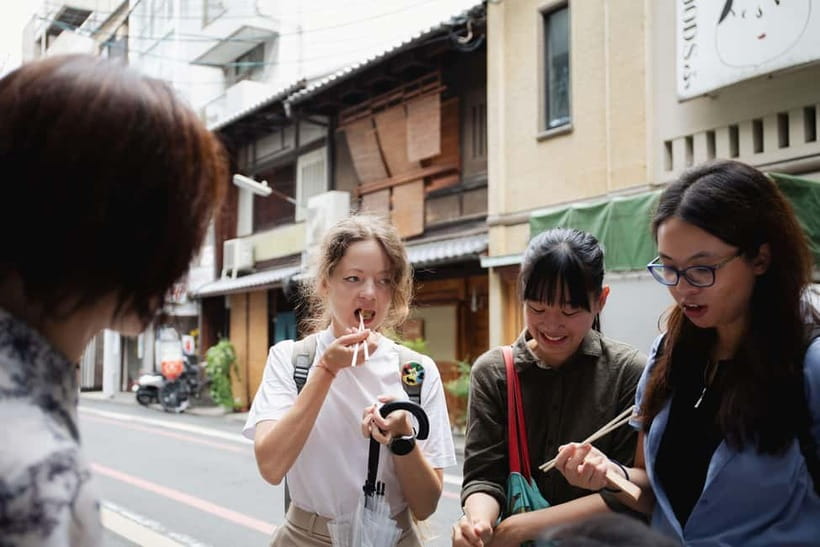
The group limit is six participants. That number matters in a market because a large group can block walkways, lose people at food counters, and make questions difficult.
A small group also gives the guide room to notice preferences. Saki was praised for paying attention to what people liked and finding suitable versions of those foods. Takuma was praised for encouraging a child to try unfamiliar dishes while remaining patient. That kind of personal attention is harder to provide with 15 or 20 people.
The guide quality is a major part of the experience. Ayu has been praised for warmth and clear explanations. Toshi is known for a friendly manner and a good balance of food, culture, and history. Annie has been described as personable and patient, while Hide was willing to wait when participants had trouble locating the meeting point.
Guide assignments can change, so do not book solely because you want one specific person. The consistent strengths to look for are English guidance, local food knowledge, patience, and comfort answering questions.
Is $78 good value?
At $78 per person, the tour is not the cheapest way to walk through Nishiki Market. You can enter the market without paying for admission, and independent visitors can buy individual snacks as they go.
The price makes more sense if you value three things: guided interpretation, organized tastings, and a small group. You are paying for the guide’s food choices and explanations, not just the food itself. You also get a longer walk through nearby shopping streets and a shrine visit.
I would call it good value for a first visit, particularly if you are nervous about ordering unfamiliar foods or want a clear introduction to Kyoto cuisine. It is less attractive if you already know Nishiki well, speak Japanese comfortably, or prefer choosing every dish yourself.
The tour includes five special foods and additional samples, but it is still wise to compare your expectations with the format. This is a progressive tasting walk, not a restaurant meal with a guaranteed menu and a chair at every stop.
Timing, meeting points, and practical comfort
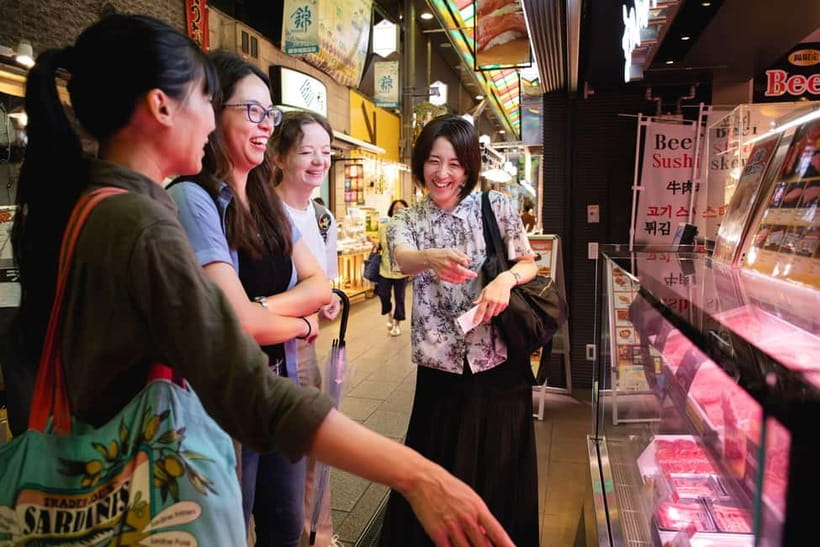
The activity is advertised as three hours, while the supplied duration also appears as 270 minutes and several past experiences lasted about three and a half hours or longer. The listed stop times add up to more than two and a half hours before allowing for movement between locations.
I would leave extra room in your schedule rather than placing a tight reservation immediately afterward. Food tours often take longer when the group has questions, the market is crowded, or the guide adds useful suggestions.
There are three possible starting points, and the meeting point depends on the option you book. Check the exact location carefully. One participant found the meeting point confusing, although the guide waited and helped. Comfortable walking shoes are essential, and rain gear is sensible.
Do not bring luggage or a large bag. Pets are not allowed. The route is not suitable for wheelchair users or people with mobility impairments, and the activity is a group walk rather than a private, fully adjustable outing.
The optional tea ceremony near Nishiki Market
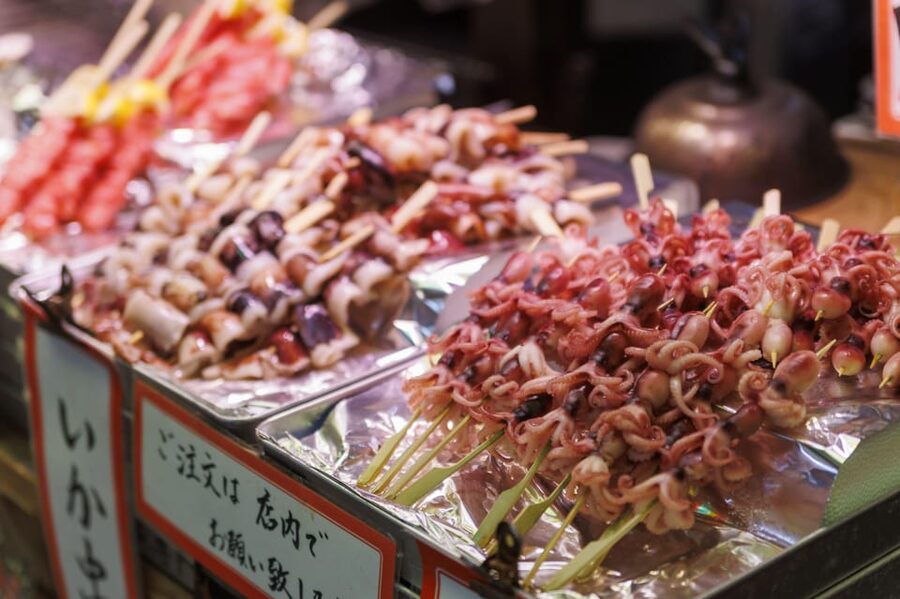
You can add a traditional tea ceremony by selecting the appropriate option. The ceremony begins at 2:00 PM, and you must make your own way from the food tour to the venue near Nishiki Market.
The added session lasts 90 minutes. It includes professional kimono dressing, instruction from a tea master, an explanation of the movements and gestures, and time for commemorative photographs.
This is a good choice if you want a polished cultural activity after the informal market walk. It also gives you a clear change of mood: street food and shopping first, then a quiet ceremony in traditional dress.
Pay attention to the timing. Since you need to reach the tea venue independently, you should not assume the food tour ends right at the ceremony door. The tea option is best for someone comfortable with a full afternoon of scheduled activities.
Who should book this experience?
I would recommend this tour to first-time Kyoto visitors, curious eaters, solo visitors, couples, and families with older children who enjoy trying small portions. It is especially useful if you want food explained rather than simply placed in front of you.
It also suits people who want a gentle introduction to central Kyoto. The market, shrine, arcades, and Teramachi Street give you several points of reference for the rest of your stay.
I would hesitate if you have serious food allergies or strict dietary requirements. The activity cannot accommodate vegetarian, halal, kosher, gluten-free, or allergy-related requests. You may also prefer independent exploration if you dislike fixed tasting stops or do not want to walk for several hours.
The tour has a strong record of high ratings, with an overall score of 4.7 from 135 reviews. The praise centers on friendly guides, good pacing, interesting food, and the confidence to try dishes you might skip alone. The one recurring caution is that some people could manage the market independently, especially if they already know Kyoto.
Should you book the Nishiki Market food tour?
Book it if you want a friendly introduction to Kyoto food and appreciate having someone explain the unfamiliar parts. The combination of yuba, obanzai, hamo, wagyu, shrine customs, and central shopping streets gives you more than a snack list.
Skip it if you need a specialized diet, have limited mobility, or prefer a long sit-down meal. For most first-time visitors who can eat the included foods, $78 is a reasonable price for guidance, five tastings, and a small group that keeps the market manageable.
If you book, eat lightly beforehand, wear good shoes, check your meeting point twice, and keep your afternoon flexible. That is the best way to enjoy Nishiki Market without rushing through it.
FAQ
How long does the Nishiki Market food tour last?
The activity is described as three hours, with the duration also shown as 270 minutes. The listed stops and past tour experiences suggest you should allow roughly three to four and a half hours.
How much does the tour cost?
The listed price is $78 per person.
What food is included?
The tour includes five special foods, including yuba, obanzai home cooking, hamo tempura, and wagyu steak skewers. Additional tastings can include Kyoto seasonings, crackers, and Japanese-flavored honey.
Is this a full meal?
No. It is a walking tasting experience with several food samples rather than a traditional sit-down meal.
What language is the tour conducted in?
The live tour guide speaks English.
How large is the group?
The tour is limited to six participants.
Does the tour include a tea ceremony?
The tea ceremony is available only with the option that includes it. It lasts 90 minutes, begins at 2:00 PM, and includes kimono dressing, tea instruction, and commemorative photos.
Where does the tour finish?
There are three possible drop-off locations: Shijo Higashinotoin, Nishiki Orizuruya, and Kyoto Takashimaya S.C.
Can the tour accommodate dietary restrictions?
No. The activity cannot accommodate vegetarian, halal, kosher, gluten-free, or allergy-related requests.
Is the tour suitable for wheelchair users?
No. The tour is not suitable for wheelchair users or people with mobility impairments. It is a group walking tour, so comfortable shoes are recommended.
More Food Trips in Kyoto
- Tokyo Tsukiji Fish Market Food and Culture Walking Tour
★ 5.0 · 3,184 reviews - Bangkok: Markets, Temples and Food Night Tour by Tuk Tuk
★ 4.9 · 2,371 reviews - London Bridge & Borough Market Food Tour with 7 Authentic Dishes
★ 5.0 · 1,972 reviews - Tokyo: Tsukiji Fish Market Food and Walking tour
★ 5.0 · 1,724 reviews
More Food and Drink Trips in Kyoto
- Kyoto Nishiki Market Food and Culture Walking Tour
★ 5.0 · 412 reviews - Dubai: Old Town, Souks, Street Food, Guided Tour & Abra Ride
★ 4.9 · 7,170 reviews - Bangkok by Night: Temples, Markets and Food Tuk-Tuk Tour
★ 5.0 · 3,752 reviews - Chef Guided Food Tour of Pike Place Market
★ 5.0 · 3,733 reviews
Just added around Kyoto
- Taste of Nishiki Market Walking Food Tour with Local guide★ 5.0 · 17 reviews
- Kyoto: Wholesale Fish Market Walking Tour★ 5.0 · 2 reviews
- Kyoto: Nishiki Market Tour with a Local Foodie & Tastings★ 4.5 · 67 reviews
- Golden Pavilion, Nijo Castle, & Nishiki Market Half day tour★ 5.0 · 29 reviews
- Kyoto: Nishiki Market Food Tour with Local Guide★ 4.6 · 5 reviews
- Kyoto: Nishiki Market Food Tour★ 4.9 · 21 reviews
- Kyoto: Enjoy Sushi & Market Tour! Best for Family & Couple!★ 4.8 · 20 reviews
- Kyoto: Nishiki Market and Depachika Food Tour with a Local★ 4.7 · 76 reviews
Street Food Market Tours, compared.
Old Town, Creek, Museums, Souks, & Street Food Tour
Read our review →
Old Town, Souks, Street Food, Guided Tour & Abra Ride
Read our review →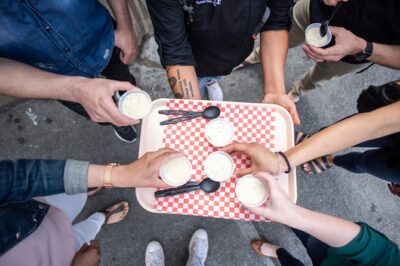

London Bridge & Borough Market Food Tour with 7 Authentic Dishes
Read our review →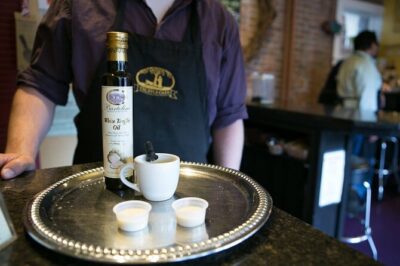
Old Town, Souks, Street Food, Guided Tour & Abra Ride
Read our review →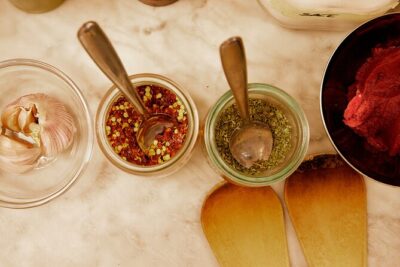
Small Group Cooking Class & Market Food Tour in Florence
Read our review →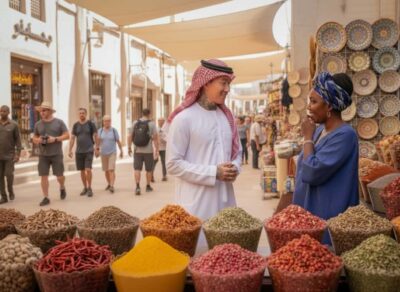
Browse the lists this tour appears in