
Review · SOUTH KOREA
Seoul: Authentic Korean Cooking Class and Market Tour
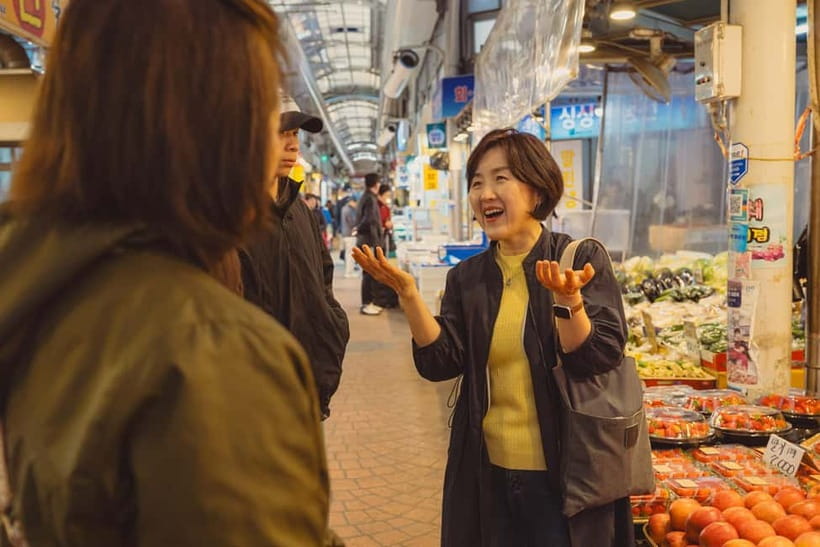
Seoul tastes better when you shop first. I like the way this small-group class begins in a real traditional market, then moves into a Korean home where you help choose and cook the dishes. The homemade lunch and embroidery-filled tea room add a personal touch that a standard restaurant meal cannot match.
I also like the freedom to help select dishes such as bulgogi, bibimbap, or kimchi pancakes. The main consideration is the meeting point at Sillim Station, which may take some planning if you are staying in central Seoul. Still, at $69 per person, the three-and-a-half-hour format gives you a market visit, shopping guidance, cooking lesson, lunch, dessert, and tea in one package.
Key details at a glance
- A market visit comes first: You shop for seasonal produce and Korean seasonings while learning how ingredients fit into local cooking.
- The group is limited to four: That makes it easier to ask questions, take part in the cooking, and shape the menu.
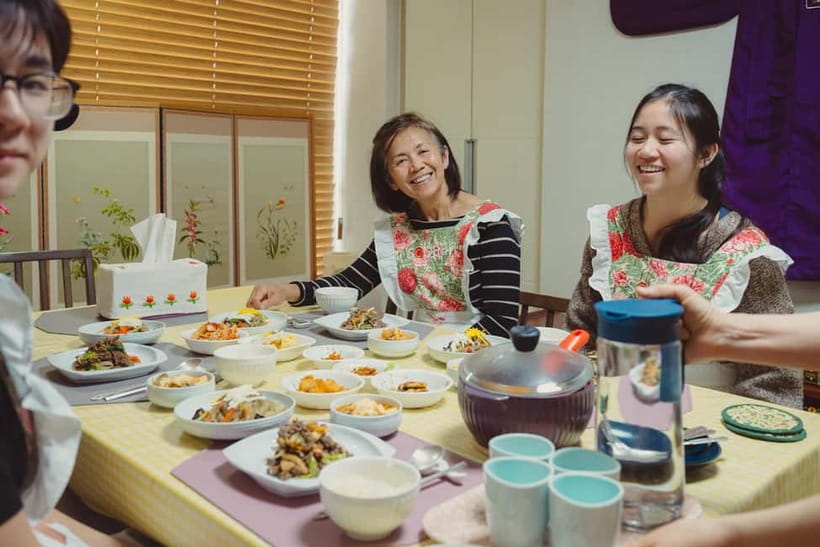
- You cook in a local Korean house: The setting includes traditional hand-embroidered works and a warm welcome from the host’s mother.
- The menu has room for your interests: Possible dishes include bulgogi, bibimbap, and kimchi pancakes.
- Lunch is part of the lesson: You sit down to eat the food you helped prepare, rather than simply watching a demonstration.
- Dessert and tea finish the visit: You make a traditional Korean sweet and enjoy it in the embroidery-filled room.
Starting at Sillim Station at 10:30 a.m.
The meeting point is inside Sillim Station, station 230 on Seoul Subway Line 2. After passing through the ticket gates, do not head for an exit yet. Look for Cafe Mignon, a take-out café inside the station, and meet in front of it at 10:30 a.m.
The host or greeter will be holding a Sobaan cooking sign. This is a useful detail because Sillim is a busy station, and the instruction to stay inside the paid area matters. You will not need to search around the surrounding streets before the class begins.
The location also shapes the day. Sillim is not presented as a central sightseeing stop, so you should allow enough time to reach it by subway. If you are staying elsewhere in Seoul, check your route before the morning of the class. Meeting at a station is practical, but it is less forgiving than a hotel pickup if you are unfamiliar with the city.
The class is conducted in English. With only up to four participants, you should have a fair chance to ask about ingredients, preparation, and Korean food customs without trying to speak over a large group.
More Cooking Classes in Seoul:
- Local Home Korean Cooking Class & Market Adventure in Seoul
★ 5.0 · 1,024 reviews - Seoul: Korean Cooking Class at a Local Home and Market Tour
★ 5.0 · 348 reviews - Korean Cooking Class with Grocery Shopping at Seoul Local Market
★ 5.0 · 107 reviews
Shopping for ingredients in a traditional market
The first part of the outing is a guided walk through a local traditional market. This is more than a quick stop to buy vegetables. You look at Korean ingredients, hear stories connected to the dishes, and shop for the items used later in the class.
I like this order. A cooking lesson can feel detached when all the ingredients are already measured and waiting on a counter. Here, you see the shopping side of Korean food first. You can learn about fresh produce, seasonings, and the small choices that help a dish taste more like home cooking.
The market portion also gives you useful context for dishes such as bibimbap and kimchi pancakes. Korean cooking depends on the relationship between vegetables, fermented flavors, sauces, and seasonings. Seeing those ingredients in a market makes the meal easier to understand than simply hearing a list of names in a kitchen.
The guide also shares practical tips for picking out groceries. That can be useful after the class, especially if you plan to visit a Korean market on your own or bring home packaged seasonings. You will have a better sense of what you are looking at, rather than treating every unfamiliar jar or vegetable as a mystery.
The market is not described as a polished food hall or a sightseeing set piece. That is part of its appeal, but it also means the focus is on local shopping rather than a long list of tastings. If you want a market tour built around eating many samples, this may not be the right format. If you want to understand how ingredients enter an ordinary Korean meal, it is a better fit.
Choosing dishes and cooking in a Korean home
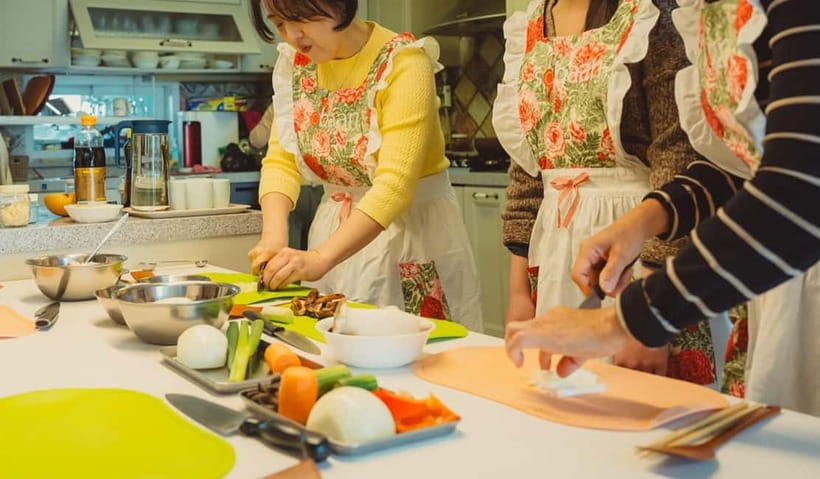
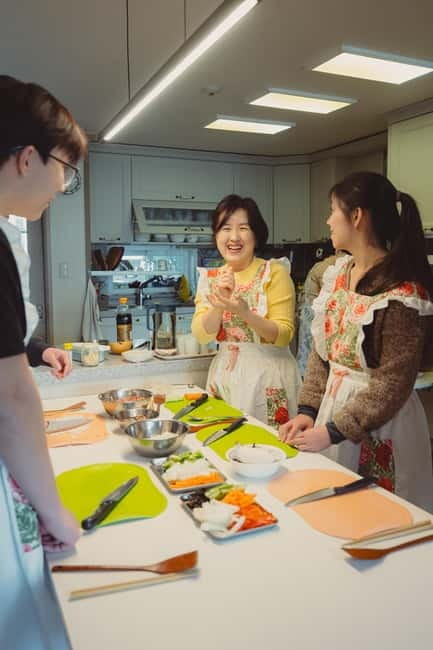
After shopping, you head to a Korean house filled with traditional hand-embroidered works. The setting gives the class a clear sense of place. You are not simply entering a rented studio with stainless-steel counters and generic decorations.
The host’s mother welcomes you into the home, adding another family connection to the lesson. You can expect some insight into Korean culture beyond the food itself, although the exact stories and dishes will depend on the group’s interests and choices.
The menu is not completely fixed. You may choose dishes such as bulgogi, bibimbap, or kimchi pancakes, or select something else you are curious about. That flexibility is one of the strongest reasons to book this class instead of a rigid demonstration.
Bulgogi gives you a chance to work with one of Korea’s best-known marinated meat dishes. Bibimbap shows how rice, vegetables, seasonings, and toppings come together in one bowl. Kimchi pancakes offer a different style of cooking, with familiar fermented flavor in a simple shared dish.
The description does not promise that every one of these dishes will be prepared at every class. Think of them as examples of the choices available, not a guaranteed three-dish menu. One attendee reported making three dishes, but your final selection can depend on what you and the host decide.
That flexibility works best if you arrive with a short list of food interests. You might want to ask about vegetarian options, spice levels, allergies, or ingredients you especially want to learn about before choosing. The provided details do not confirm specific dietary substitutions, so do not assume every request can be handled without checking.
The class is designed for participation. You are not only watching the host cook. You help prepare the dishes you chose and then eat them for lunch. That makes the teaching practical: each step has an immediate purpose, and you can connect the market ingredients with the finished meal.
A homemade lunch in an embroidery-filled room
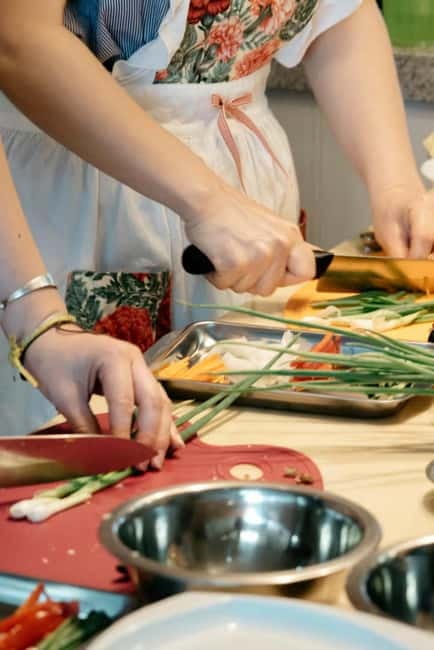
The lunch is the natural reward for the cooking session. You sit down to eat the Korean dishes you helped prepare, in a room decorated with hand-embroidered works.
This setting matters. Food tastes different when you have seen the ingredients at the market, helped prepare them, and then eaten them in a family home. The embroidered room also gives the meal a calm, distinctive setting instead of the quick turnover of a restaurant.
I would not book this class expecting a formal fine-dining service. The value is in the home setting and the connection between shopping, cooking, and eating. The pace is described as unhurried, which suits anyone who wants time to ask questions or enjoy lunch without being rushed out.
The three-and-a-half-hour schedule gives the day room to breathe, but it is still a focused activity. The market tour, shopping, cooking, lunch, dessert, and tea all fit into 210 minutes. You should expect a full morning and early afternoon commitment, not a brief one-hour lesson.
A few more market tours around Seoul worth a look
- Seoul Street Food Market Tour
★ 5.0 · 1,226 reviews - Seoul: Night Market Food Tour with Local Guide
★ 4.9 · 943 reviews - Seoul: Palace, Temple and Market Guided Foodie Tour at Night
★ 4.9 · 750 reviews - Seoul: Guided Food & Market Tour with 8+ Tastings
★ 4.9 · 342 reviews
Making a traditional dessert and sitting down for tea
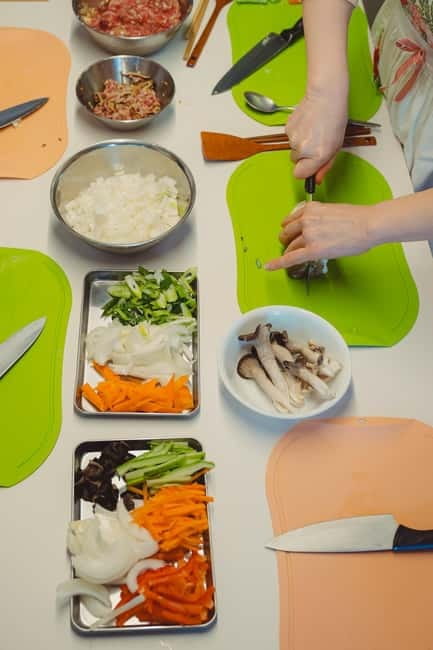
After lunch, you make a traditional Korean dessert together. The exact dessert is not specified, so you should treat this as part of the experience rather than book it for one particular sweet.
The dessert session gives the class a pleasing change of pace. Cooking lunch is hands-on and practical. Dessert making is a chance to finish the meal in a slower, more social way. You then enjoy the dessert with tea in the embroidery-filled room.
This closing tea time is one of the details that gives the outing its character. Many food classes end as soon as the main dish is finished. Here, the final portion is meant to be relaxed and conversational, with time to appreciate the room and the cultural setting.
If you prefer a tightly packed class with a large number of recipes, you may find the tea time less useful. I see it differently. The slower ending makes sense for a home visit, and it keeps the experience from feeling like a cooking checklist.
Why the four-person limit matters
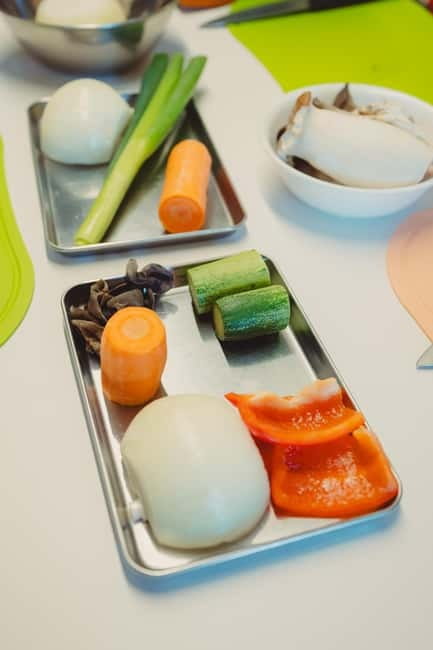
The maximum group size is four participants. That is a real advantage for a class built around personal menu choices and a home kitchen.
With a small group, you should be able to see what is happening, take part in preparation, and ask about unfamiliar ingredients. You are also less likely to end up as a passive observer while one person does all the work.
The group size may also make the market walk more flexible. A small group can stop when someone has a question or needs an explanation without holding up a large crowd. The tradeoff is that dates may fill quickly, especially because the class has a perfect rating from six verified bookings at the time of the supplied information. That rating is encouraging, though the sample is small, so I would treat it as a useful signal rather than a guarantee.
The host is described as Ann in one detailed account, and the activity is led in English. Another account specifically praises the host’s warm manner and the comfortable setting. The available information identifies Ann, but it does not clearly state whether every date is led by her personally. If meeting a particular host matters to you, confirm that before booking.
Is $69 a fair price?
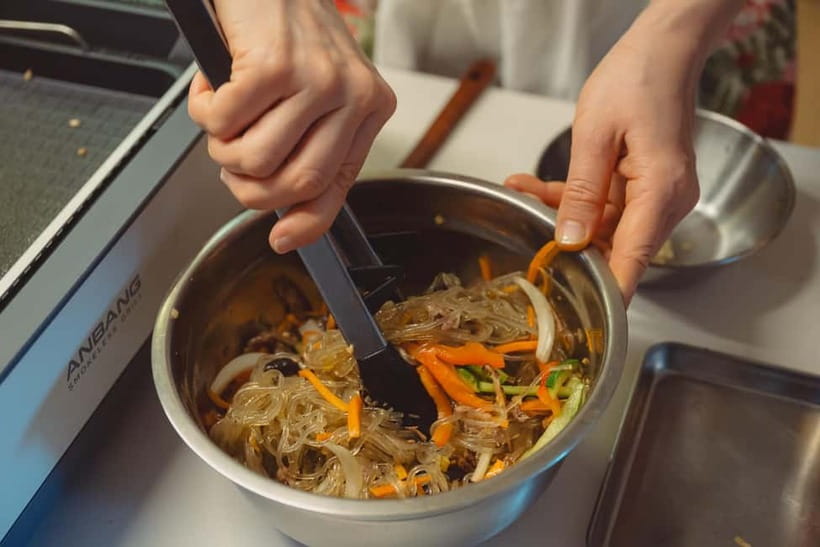
At $69, this is not the cheapest way to eat Korean food in Seoul. You can find an inexpensive meal for far less. The comparison is not quite fair, though, because this price covers several connected parts of the day.
You receive:
- A guided market visit
- Shopping for fresh produce and Korean seasonings
- An English-language cooking class
- A homemade Korean lunch
- Traditional dessert making
- Tea in a Korean home
- A small group capped at four people
The strongest value comes from the access and structure. You get to shop with someone who can explain the ingredients, cook in a local home, and share a meal in a setting filled with traditional embroidery. If you only want to eat bibimbap or bulgogi, a restaurant is cheaper and simpler. If you want to understand how the food is selected and prepared, the price is reasonable.
The class also saves you from arranging several separate activities. You do not need to find a market guide, locate a cooking studio, and plan a cultural visit on your own. The day is organized around one clear story, from market shelf to lunch table.
Who will enjoy this Korean food class?
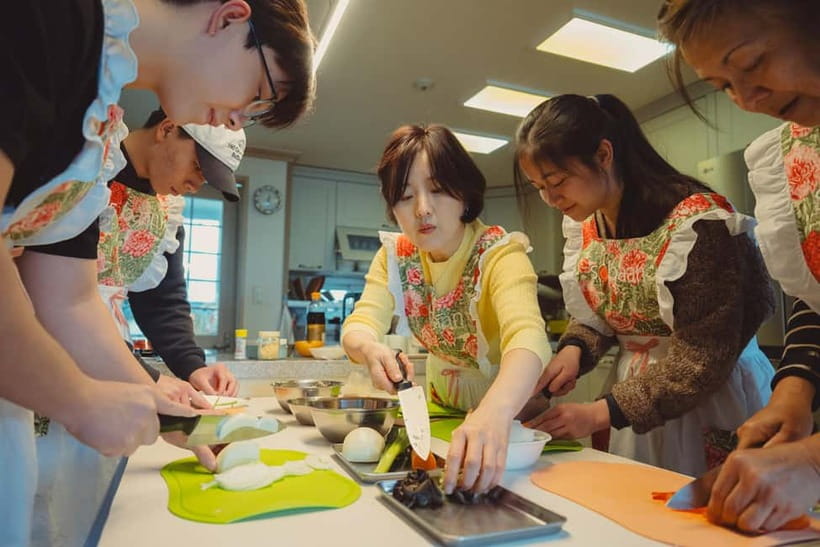
I would recommend it most strongly to people who want a personal introduction to Korean food and home culture. It suits first-time visitors who want more than restaurant meals, as well as returning visitors who have already seen Seoul’s major sights.
It is a good choice for:
- Couples or friends who enjoy cooking together
- Solo visitors who prefer a small group
- People interested in Korean ingredients and seasonings
- Anyone who wants an English-language food activity
- Visitors who value a home setting over a commercial cooking studio
- Food lovers who want to choose among familiar Korean dishes
Families may also enjoy the hands-on format, though the provided details do not specify a minimum age or child pricing. Ask before booking if you are bringing children.
This may not suit you if you dislike group cooking, need a fixed menu, or want a fast activity near Seoul’s central sightseeing districts. It may also be less suitable if you need confirmed dietary accommodations, since those details are not provided.
The activity is listed as wheelchair accessible, which is important for anyone checking access needs. For questions about the specific route through the market and home, it is sensible to confirm details with the provider before reserving.
Booking flexibility and timing
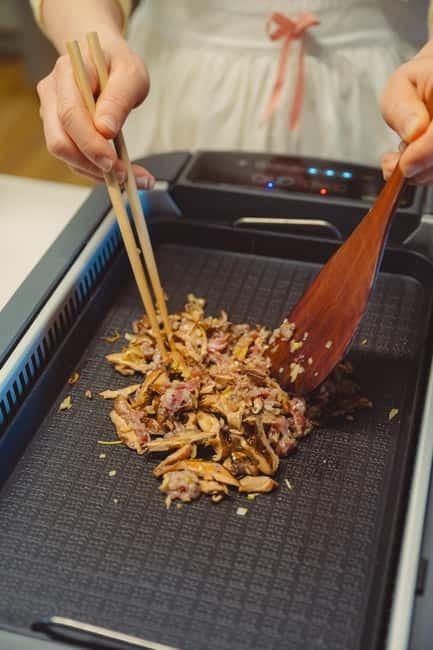
You can cancel up to 24 hours in advance for a full refund. You can also reserve now and pay later, which helps if your Seoul schedule is still changing.
The class lasts 210 minutes and begins at 10:30 a.m. at Sillim Station. Because the meeting point is inside the station, arrive with enough time to pass through the station and locate Cafe Mignon before the start time.
You should not plan another tightly timed activity immediately afterward. The class includes several stages, and the appeal comes partly from having time for questions, lunch, dessert, and tea. Give yourself breathing room after the 1:30 p.m. end time, especially if you need to cross Seoul for your next booking.
Should you book this Seoul cooking class?
Book it if you want Korean food explained through a full local routine: shop for ingredients, cook in a home, eat lunch, make dessert, and finish with tea. The small group, flexible menu, family setting, and embroidery-filled room give it more personality than a standard cooking workshop.
Skip it if your priority is the lowest possible food cost, a central Seoul meeting point, or a guaranteed list of dishes. The exact dessert and menu are not fixed, and the market visit is about shopping and cultural context rather than a long tasting tour.
For most people seeking a warm, practical introduction to Korean food, I think the balance is good. The price buys more than lunch. It buys time with a local host, a look at everyday ingredients, and a chance to sit down with food you helped make.
FAQ
Where does the cooking class meet?
The meeting point is inside Sillim Station, station number 230 on Seoul Subway Line 2. After passing through the ticket turnstile, look for Cafe Mignon before taking an exit.
What time does the activity start?
The class begins at 10:30 a.m.
How long does the experience last?
The activity lasts 210 minutes, or three and a half hours.
What language is the class conducted in?
The host or greeter and the activity language are listed as English.
How many people can join the group?
The group is limited to four participants.
What dishes might I cook?
Possible dishes include bulgogi, bibimbap, and kimchi pancakes. You choose dishes with the host, so the exact menu can vary.
Is cancellation available?
Yes. You can cancel up to 24 hours in advance for a full refund. You can also reserve now and pay later.
Just added around Seoul
- Seoul: The Biggest Sea-food Noryangjin Market Tour★ 4.3 · 30 reviews
- Seoul Gwangjang Market Foody Walking Tour★ 4.1 · 7 reviews
- Seoul: Namdaemun Market Food Tour★ 4.9 · 34 reviews
- Seoul: Sokcho beach, market, hot spring and Seorak Cable Car★ 4.8 · 5 reviews
- Seoul: Gyeongbokgung Palace Tour & Lunch at Authentic Market★ 4.5 · 2 reviews
- Seoul: Gwangjang Market Vegan & Vegetarian Food Tour★ 5.0 · 16 reviews
- Seoul: Fearless Foodie Gwangjang Market Food Adventure★ 5.0 · 10 reviews
- Seoul: Guided Street Food Tour at Namdaemun Market★ 5.0 · 10 reviews
Cooking Classes, compared.
Hanoi Cooking Class: Culture, Local Market & Meaning CSR Impact
Read our review →
5 Traditional Dishes Hanoi Cooking Class with Market Trip
Read our review →
Cooking Class and Lunch at a Tuscan Farmhouse with Local Market Tour from Florence
Read our review →
Cooking Class, Market & Thai Herbs Garden Tour
Read our review →
Authentic Cooking Class with Market & Farm Visit
Read our review →
Paella Cooking Experience & Boqueria Market Tour
Read our review →
Cooking Class Hoi An:Local Market, Basket Boat, Fishing & Cooking
Read our review →
Hoi An Cooking Class(Market,BasketBoat Crabfishing&Cooking Class)
Read our review →Browse the lists this tour appears in