
Review · SOUTH KOREA
Seoul: Korean Cooking Class at a Local Home and Market Tour
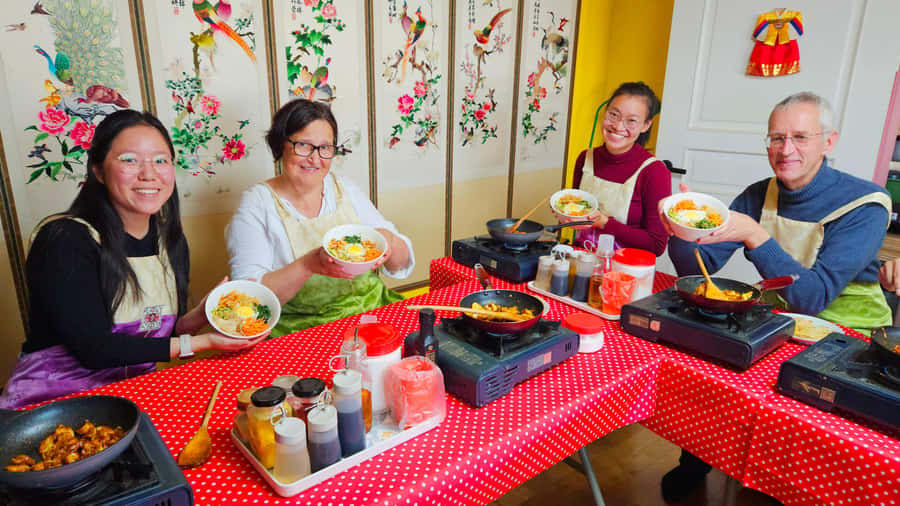
Korean food is best learned at the table. This 3.5-hour experience pairs a market walk with hands-on cooking in a local home, giving you a practical look at everyday food culture. I especially like the small group of up to 10 and the chance to prepare bibimbap, dakgalbi, seafood pancake, and doenjang-jjigae yourself. The main consideration is the lack of hotel pickup, plus stairs to the home.
The experience begins at Mangwon Station and includes market tastings, a welcome drink, Korean phrases, ingredients, equipment, recipes, and a full meal with more than 10 side dishes. Hosts such as Sarah and Junghee have earned praise for their humor, warmth, clear instructions, and ability to include beginners. At $98 per person, it is not a cheap meal, but it covers a market tour, cooking lesson, drinks, food, cultural explanation, and photo or video service in one outing.
Key points at a glance
- Mangwon market comes first: Shop for class ingredients while sampling street food in a popular local market that feels less visitor-focused than Seoul’s biggest food stops.
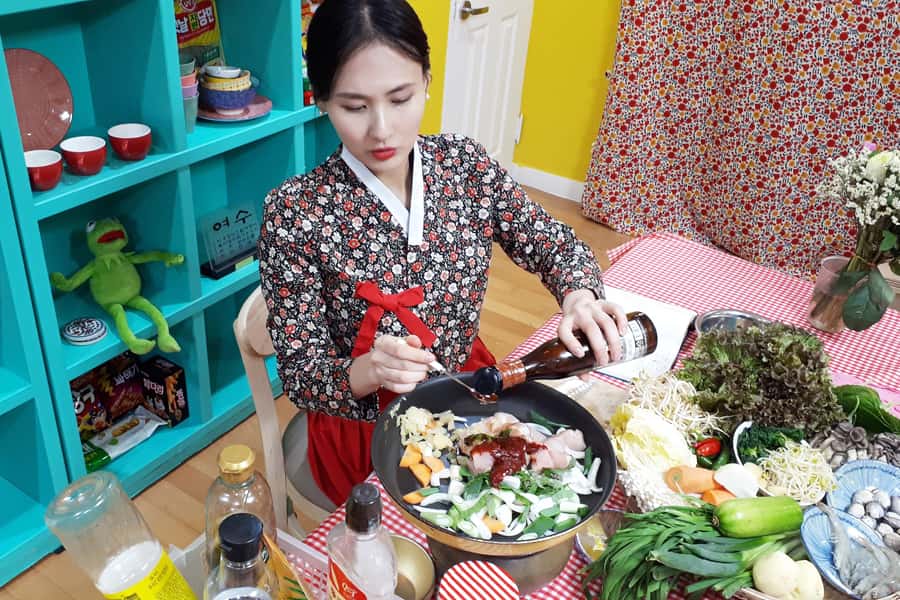
- Four Korean dishes are made by hand: You prepare bibimbap, dakgalbi, haemul-pajeon, and doenjang-jjigae with guidance from an English-speaking chef.
- The home setting feels personal: Cooking in a local apartment gives the class a relaxed character that a restaurant kitchen cannot match.
- Hanjeongsik adds a generous finale: Your meal includes more than 10 side dishes, rice, seasonal fruit, water, and rice wine.
- Beginners are welcome: Hosts explain each step clearly, and participants have their own cooking space.
- Plan for stairs and self-arrival: Meet outside Mangwon Station Exit 2, and expect to climb stairs because there is no elevator to the home.
Why this Seoul cooking class feels different
Many cooking classes teach a recipe and send you away. This one starts before the chopping board appears. You meet at Mangwon Station, walk through a local market, taste small bites, learn about Korean ingredients, and then carry that knowledge into a private home kitchen.
That sequence matters. You see ingredients in their everyday setting before someone explains how they work in a dish. A Korean market can look confusing at first, with unfamiliar vegetables, seafood, sauces, and prepared foods packed into close rows. Having a chef-guide point out what you are seeing makes the food less mysterious.
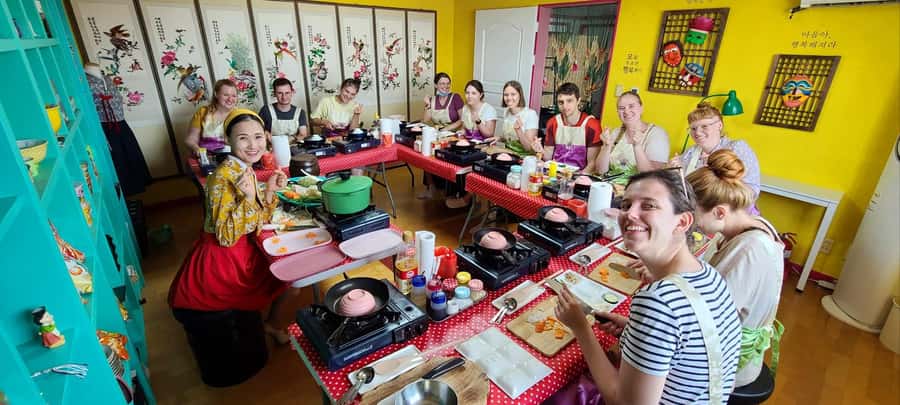
The experience is also social without requiring you to be an expert cook. The maximum group size is 10, which leaves enough room for questions and conversation. Sarah and Junghee are among the hosts praised for making people feel included, keeping the mood light, and explaining techniques to complete beginners.
I would choose this class if you want more than a meal. You leave with recipes and a better sense of how Korean dishes fit together. If you only want to eat, a market food tour may suit you better.
More Cooking Classes in Seoul:
- Local Home Korean Cooking Class & Market Adventure in Seoul
★ 5.0 · 1,024 reviews - Korean Cooking Class with Grocery Shopping at Seoul Local Market
★ 5.0 · 107 reviews - Seoul: Authentic Korean Cooking Class and Market Tour
★ 5.0 · 6 reviews
Starting at Mangwon Station and entering the market
Your meeting point is outside Mangwon Station, Exit 2. You need to get there on your own because hotel pickup and drop-off are not provided. The activity ends back at the same meeting point, which makes the route easier to plan around other Seoul sightseeing.
The market visit is not filler before the real activity. It sets up the class. Your guide helps locate the ingredients needed for cooking, while also pointing out foods and products you might not notice on your own. You get a closer look at the shopping habits behind Korean home meals, not just the polished dishes served in restaurants.
Street food samples are included, so you can taste as you walk. The exact samples can vary, and the information does not promise a fixed menu, but the point is clear: arrive ready to try unfamiliar bites rather than expecting a formal tasting flight.
The market is described as popular but less touristy than some Seoul stops. That gives you a more ordinary neighborhood setting. It may also mean that the pace feels more like shopping than sightseeing, so keep your attention on the guide and the ingredients instead of expecting a staged food show.
The market walk is especially useful for anyone who has eaten Korean food but cannot identify what goes into it. By the time you reach the cooking venue, you have already seen several of the ingredients in their natural market context.
Four dishes, four useful lessons
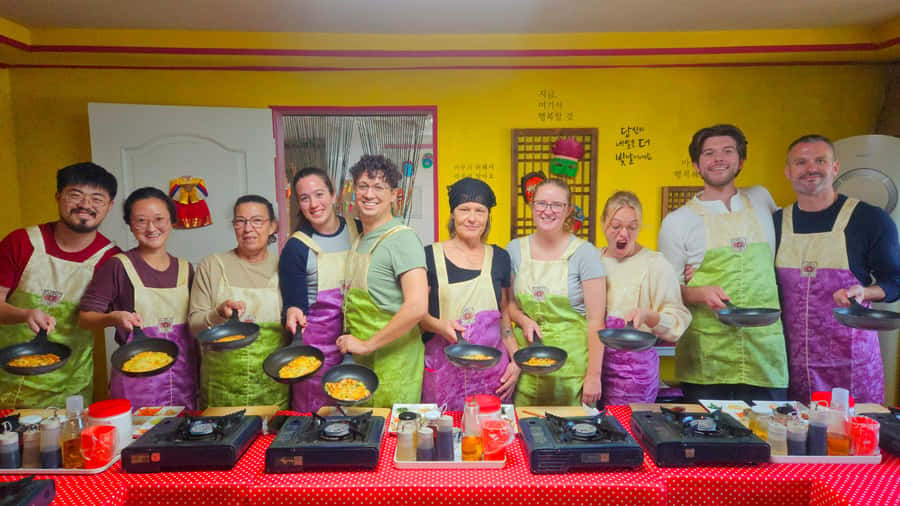
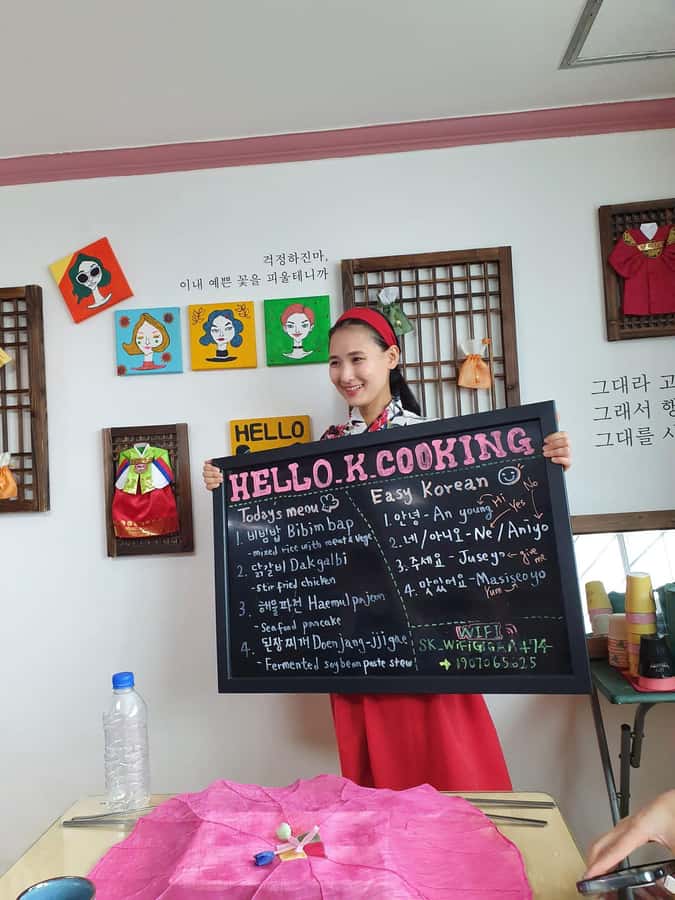
After the market, you head to the local home for the class. You receive a welcome drink, learn a few Korean phrases, and begin cooking with the chef-guide. The language element is modest, but it adds a friendly cultural touch and helps break the ice in the group.
The menu includes four substantial Korean dishes:
- Bibimbap: Mixed rice with meat and vegetables. It shows how separate ingredients come together in one bowl, and it is a practical dish to recreate at home.
- Dakgalbi: Stir-fried chicken with Korean flavor. This gives you practice combining meat, vegetables, and seasoning in a hot pan.
- Haemul-pajeon: A seafood and green onion pancake. Flipping the pancake is one of the class moments that can be both useful and entertaining.
- Doenjang-jjigae: Fermented soybean paste stew. This introduces you to one of the savory foundations of Korean home cooking.
The benefit is variety. You are not making four versions of the same dish. You work with rice, meat, vegetables, seafood, batter, and stew, so the class shows several basic forms of Korean cooking in one sitting.
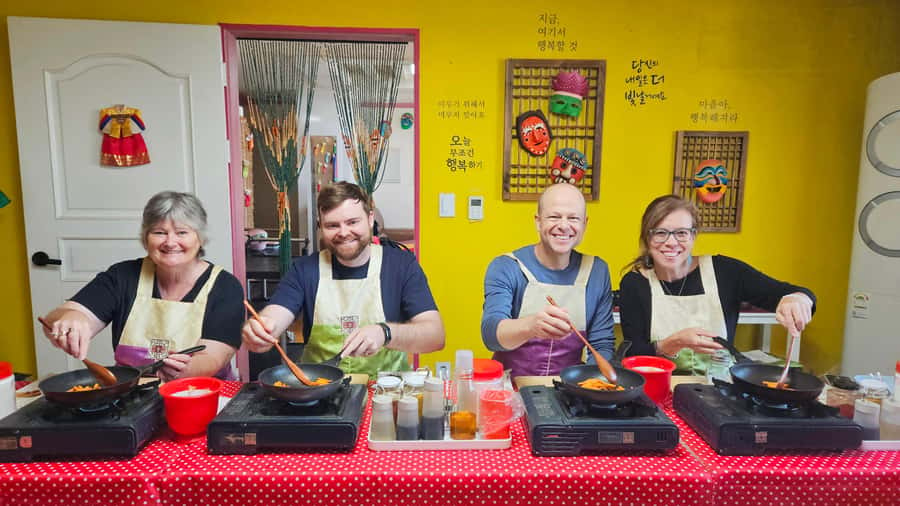
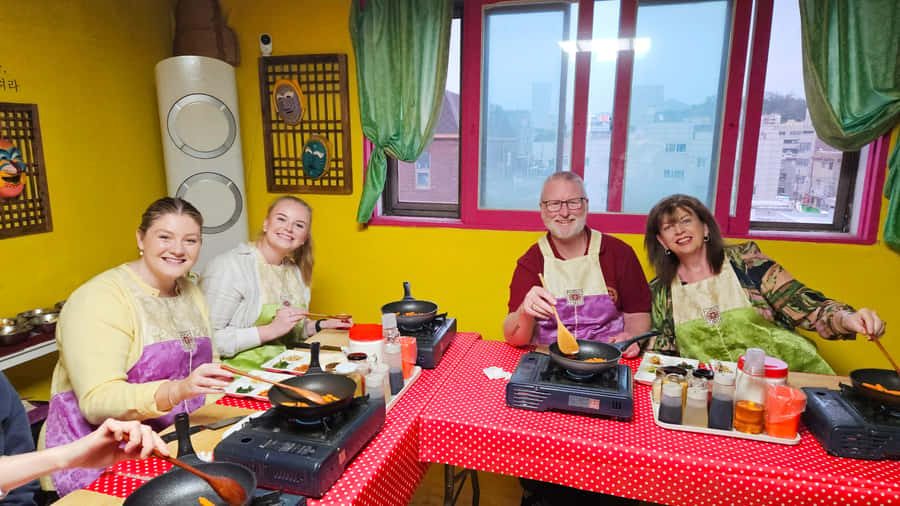
You should not expect a professional chef-school format with long technical lectures. The appeal is more direct: watch the host, follow the steps, cook your portion, and eat what you made. Instructions are reported to be clear enough for first-time cooking-class participants, and each person has their own cooking space.
That individual setup is important. You are not simply watching a demonstration while one person handles all the work. You get to cut, mix, stir, and cook under supervision. If you are nervous about your kitchen skills, the hosts have a good reputation for explaining the process without making beginners feel awkward.
The home setting and the people who make it work
The local-home setting is the heart of the experience. You are invited into a personal space rather than placed at a large commercial cooking school. The apartment decor has been described as colorful and Korean, which adds character to the meal and makes the setting feel connected to daily life.
This format depends heavily on the host. Here, the strongest part of the experience is the human contact. Sarah is praised for excellent English, organization, energy, and a knack for drawing every person into the conversation. Junghee is described as welcoming, funny, and good at guiding the cooking process.
Host assignments can vary, so you should not book solely because you want one particular person. Still, the recurring pattern is useful: expect an outgoing chef-guide who combines cooking instruction with stories about food and Korean life.
The social side can be a major plus if you are visiting Seoul alone. A small group gives you a ready-made table of people, and the shared tasks make conversation easy. Couples and families can also take part, though the class is not presented as a private activity.
One practical point deserves attention. There is no elevator to the local home. If stairs are difficult for you, contact the provider before booking and ask about the exact access arrangement. The supplied information does not promise an accessible alternative.
A few more market tours around Seoul worth a look
- Seoul Street Food Market Tour
★ 5.0 · 1,226 reviews - Seoul: Night Market Food Tour with Local Guide
★ 4.9 · 943 reviews - Seoul: Palace, Temple and Market Guided Foodie Tour at Night
★ 4.9 · 750 reviews - Seoul: Guided Food & Market Tour with 8+ Tastings
★ 4.9 · 342 reviews
Hanjeongsik: the meal after the work
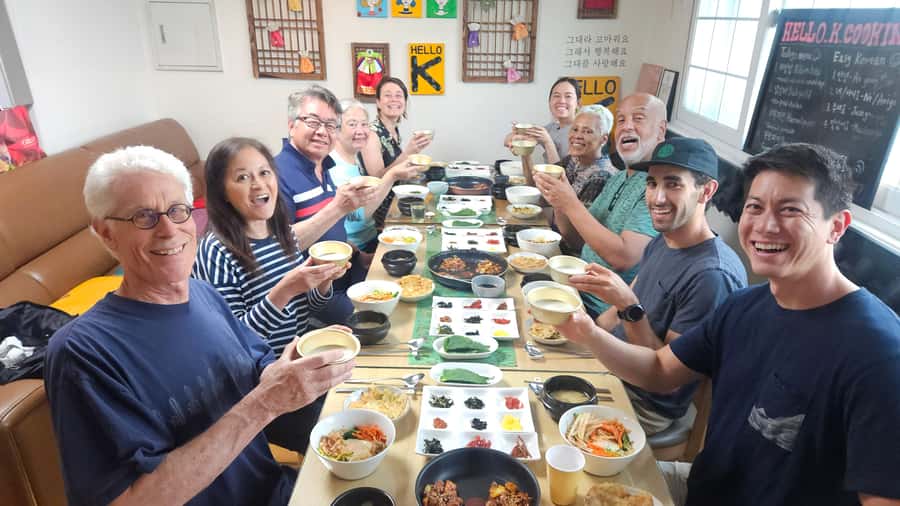
Once the cooking is finished, you sit down to eat. Your own dishes are joined by a traditional Hanjeongsik-style spread with more than 10 side dishes, rice, seasonal fruit, and rice wine.
Hanjeongsik is valuable here because it shows how Korean meals are not always built around one large main plate. A table can include many smaller dishes with different tastes, textures, and roles. Your four cooked dishes become part of a broader meal rather than the whole story.
This is also where the $98 price starts to make more sense. You are paying for a three-and-a-half-hour activity, a market walk, street food, instruction, ingredients, equipment, a full meal, drinks, recipes, and photo or video service. It is still a significant outlay, particularly for budget visitors, but it covers much more than a standard restaurant lunch.
Rice wine is included, along with water and a welcome tea or drink. If you do not drink alcohol, you can still take part in the meal, but you should contact the host about any specific needs. Dietary restrictions and allergies should be discussed in advance rather than handled casually on the day.
The meal can also be filling. You make four dishes and receive a large set of side dishes, so do not arrive expecting only a light snack. The experience works best when you treat lunch or dinner as the main event.
Tal masks, Korean phrases, and the cultural extras
Cooking is the main attraction, but the class includes a few details that widen the experience. You learn simple Korean phrases while enjoying the welcome drink. This is not a full language lesson, but even a few useful words can make the class more interactive.
You also get to try on an artful Tal mask. These masks are worn at many Korean heritage festivals, so the activity offers a quick connection to traditional performance and celebration. It is a small feature, but it gives the class a visual and playful moment beyond food.
Photo and video service is included. That can be helpful because your hands may be busy during the cooking, and you may not want to stop constantly to take pictures. The exact form of the service is not specified, so do not assume a professional photo shoot. Think of it as a useful record of the experience.
Recipes are included as well. The most practical souvenir is not a trinket, but the ability to make the dishes again at home. One useful tip is to save the recipes immediately, especially if they are sent digitally. A small printed cookbook is not promised, so you should not count on receiving a paper handout.
Who will enjoy it most
I would recommend this class to you if you fit one or more of these descriptions:
- You enjoy cooking and want to learn by doing.
- You want a local market experience rather than only major Seoul attractions.
- You are curious about Korean ingredients and home meals.
- You are a beginner who prefers patient, guided instruction.
- You want a social activity with a small international group.
- You like taking home recipes that you can use after vacation.
It also suits people who want one activity to cover several interests. In three and a half hours, you get food shopping, street tastings, cultural explanation, cooking, a shared meal, and a few traditional touches.
I would hesitate if your schedule is extremely tight, if you dislike group activities, or if stairs are a serious problem. The activity begins and ends at Mangwon Station, so you also need to allow time and fare for reaching western Seoul.
Price, timing, and practical planning
The price is $98 per person. That is more than you would spend on an ordinary Korean meal, but the comparison is not quite fair. You are also paying for the chef-guide, market visit, street food samples, all ingredients, cooking equipment, tea, water, rice wine, side dishes, recipes, and photo or video service.
The class lasts 3.5 hours, with starting times shown according to availability. That is long enough to feel substantial without taking an entire day away from Seoul. I would place it on a day when you can eat a relaxed meal afterward, not between two tightly timed palace visits.
Meet outside Mangwon Station Exit 2. Since there is no hotel transfer, check your route before leaving your accommodation. At the end, you return to the meeting point.
The group is limited to 10 people, and instruction is offered in English and Korean. The small size should help, but it does not turn the activity into a private class. If you need a particular arrangement for allergies or dietary restrictions, contact the local host before confirming.
Cancellation is flexible up to 24 hours before the activity for a full refund. You can also reserve and pay later, which helps if your Seoul plans are still moving around.
My verdict: book it for food, people, and participation
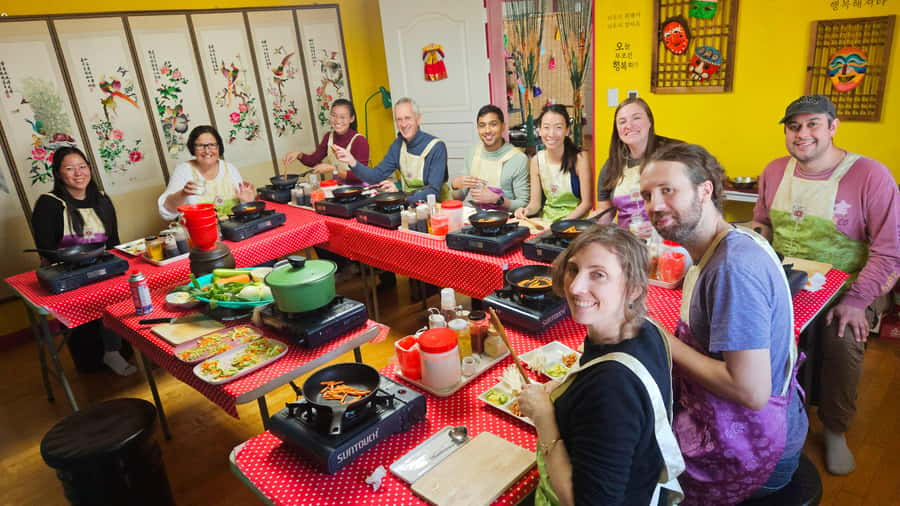
I would book this experience if I wanted to understand Korean food through ordinary shopping and hands-on cooking rather than only restaurant meals. The market visit gives the class context, the home setting makes it personal, and the Hanjeongsik meal gives you a generous finish.
The strongest reason to go is the host-led atmosphere. Sarah and Junghee are praised for warmth, humor, clear explanations, and including every person in the group. That matters more than fancy equipment. A good teacher can make simple cooking feel memorable.
The main drawbacks are practical: $98 is a mid-to-high price, hotel transport is not included, and the home has no elevator. Check those points first. If they work for you, this is a well-rounded Seoul activity with food you cook, food you taste, and recipes you can use long after you leave Korea.
FAQ
Where does the cooking experience begin?
Meet your guide outside Mangwon Station at Exit 2.
Where does the activity finish?
The activity ends back at the meeting point near Mangwon Station.
How long does the experience last?
The cooking class and market tour take about 3.5 hours. Starting times depend on availability.
What dishes will I prepare?
You will prepare bibimbap, dakgalbi, haemul-pajeon, and doenjang-jjigae.
Is the market tour included?
Yes. The experience includes a tour of a local market, ingredient shopping, and street food samples.
Is a meal included after cooking?
Yes. You eat the dishes you prepare, along with a Hanjeongsik-style meal featuring more than 10 side dishes, rice, seasonal fruit, and rice wine.
Is hotel pickup available?
No. You are responsible for making your own way to and from Mangwon Station.
What languages are used during the class?
The instructor speaks English and Korean.
Can I cancel for a refund?
Yes. You can cancel up to 24 hours in advance for a full refund.
Just added around Seoul
- Seoul: The Biggest Sea-food Noryangjin Market Tour★ 4.3 · 30 reviews
- Seoul: Sokcho beach, market, hot spring and Seorak Cable Car★ 4.8 · 5 reviews
- Seoul Gwangjang Market Foody Walking Tour★ 4.1 · 7 reviews
- Seoul: Namdaemun Market Food Tour★ 4.9 · 34 reviews
- Seoul: Gyeongbokgung Palace Tour & Lunch at Authentic Market★ 4.5 · 2 reviews
- Seoul: Gwangjang Market Vegan & Vegetarian Food Tour★ 5.0 · 16 reviews
- Seoul: Fearless Foodie Gwangjang Market Food Adventure★ 5.0 · 10 reviews
- Seoul: Guided Street Food Tour at Namdaemun Market★ 5.0 · 10 reviews
Cooking Classes, compared.
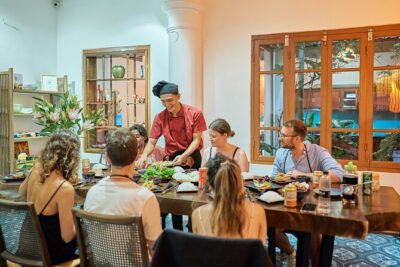
Hanoi Cooking Class: Culture, Local Market & Meaning CSR Impact
Read our review →
5 Traditional Dishes Hanoi Cooking Class with Market Trip
Read our review →
Cooking Class and Lunch at a Tuscan Farmhouse with Local Market Tour from Florence
Read our review →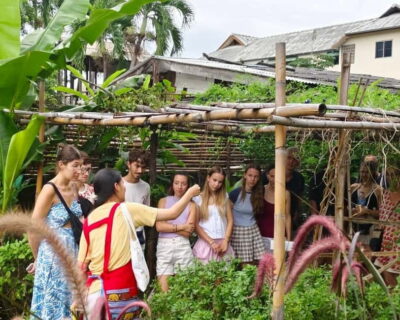
Cooking Class, Market & Thai Herbs Garden Tour
Read our review →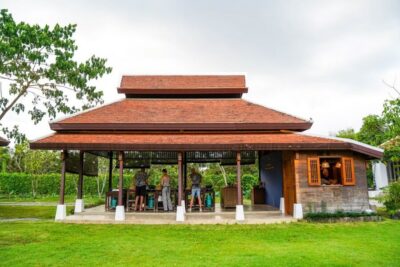
Authentic Cooking Class with Market & Farm Visit
Read our review →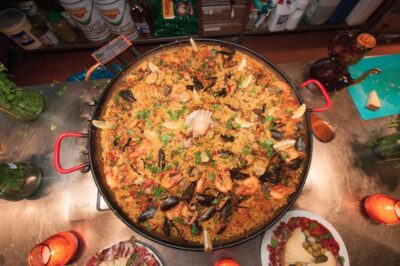
Paella Cooking Experience & Boqueria Market Tour
Read our review →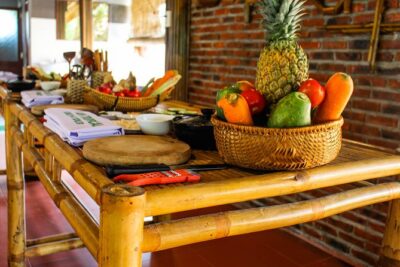
Cooking Class Hoi An:Local Market, Basket Boat, Fishing & Cooking
Read our review →
Hoi An Cooking Class(Market,BasketBoat Crabfishing&Cooking Class)
Read our review →Browse the lists this tour appears in