
Review · SOUTH KOREA
Seoul: Guided Food & Market Tour with 8+ Tastings
Come hungry, leave better oriented. This three-hour Seoul food tour combines Gwangjang Market, old backstreets, Ikseondong Hanok Village, and Insadong with more than eight tastings. I especially like the mix of familiar Korean staples and less obvious bites, plus the calm finish in a traditional teahouse. The main thing to consider is the amount of food: this is much closer to a full meal than a light snack walk.
I also like that the tour gets you past the first row of stalls and into small eateries and traditional neighborhoods that can feel confusing on your own. Guides such as Jae, Taeseong, Alex, Youla, and Ji-yoon have been praised for explaining food, customs, and local life in clear English. Vegetarian diets can be accommodated, but fish, meat, and seafood appear in the standard selection, and the route is not suitable for wheelchair users.
Key points at a glance
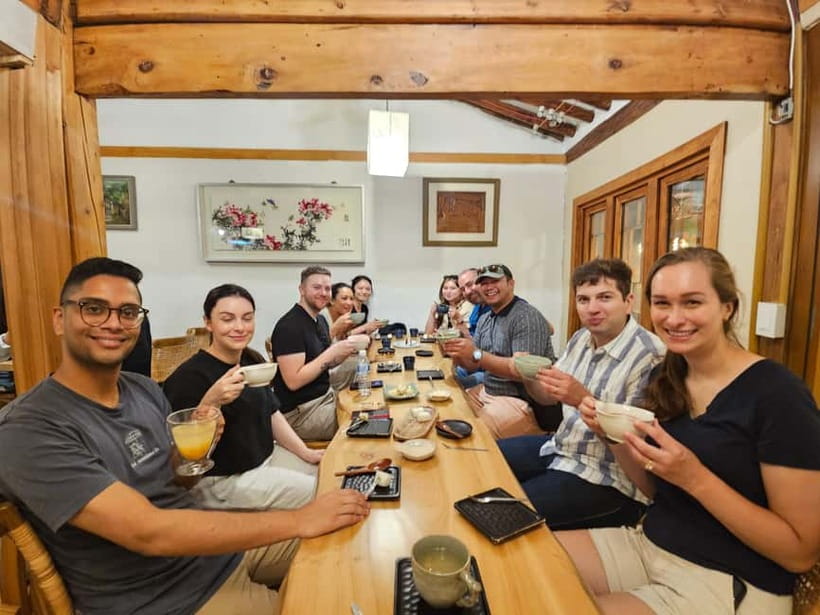
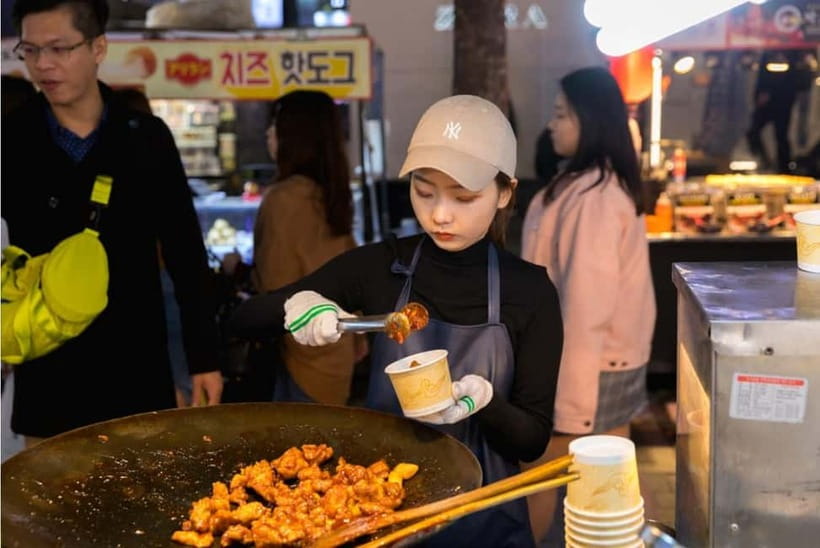
- Gwangjang Market comes first: Spend about 80 minutes tasting mung bean pancake, dumplings, gimbap, tteokbokki, fish fillets, soup, and more.
- The food is substantial: Many small portions add up to breakfast and lunch for some people, so skip a large meal beforehand.
- The route keeps moving: A 20-minute walk connects the market with Ikseondong, followed by food and tea stops in Insadong.
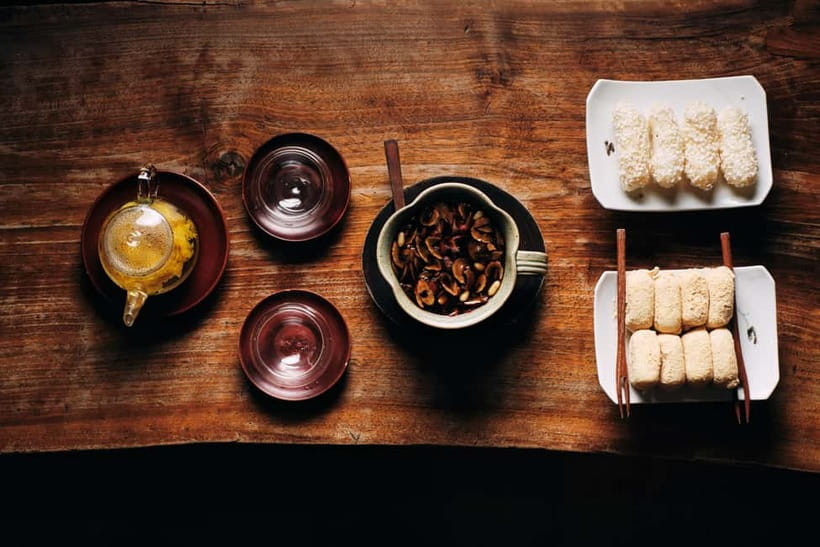
- Tea gives the tour a quiet ending: Fresh herbal tea, traditional tea, rice cake, grilled rice cake, and sweet bread provide a slower final act.
- Guides shape the experience: The strongest part is often the explanation of how dishes fit Korean culture and daily life.
- Budget around $71: That is fair if you value a full introduction, guided ordering, many tastings, and neighborhood orientation.
Starting at Jongno 5-ga and entering Gwangjang Market
The meeting point is outside Jongno 5-ga Station, on dark blue Line 1, at Exit 8. Look for the police station and an orange umbrella. That simple marker matters in this part of Seoul, where busy streets and several market entrances can make a first meeting harder than expected.
Gwangjang Market takes up the first and longest section, about 80 minutes. This is a good choice for the opening act because the market gives you many smells, textures, stalls, and food traditions in a small area. It can also feel like a lot at first. A guide helps you know what to notice, where to stand, and how to approach food stalls without guessing.
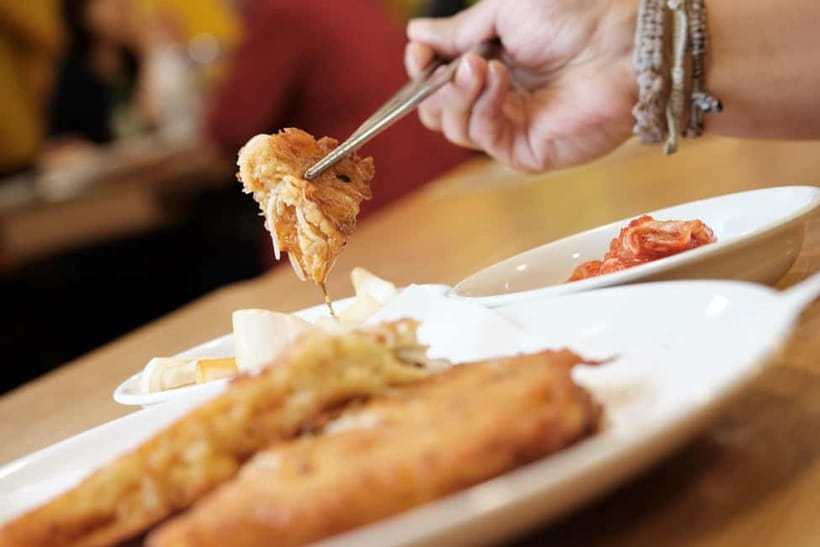
You begin with a broad sample of Korean market food rather than one large plate. The tour includes nukdujan, or mung bean pancake, served with sweet onions. This is one of the more frequently praised stops, and it gives you a crisp, savory start with a texture unlike the softer rice-based dishes that follow.
You also try freshly prepared mandu, Korean dumplings, and rolled gimbap. These are approachable choices, especially if you are new to Korean food. The guide can explain what is inside, how the dishes are commonly eaten, and how they differ from the versions you may have seen outside Korea.
More Food and Drink Trips in Seoul:
- Seoul Street Food Market Tour
★ 5.0 · 1,226 reviews - Seoul: Night Market Food Tour with Local Guide
★ 4.9 · 943 reviews - Seoul Night Palace & Market Food Tour with Vehicle
★ 5.0 · 275 reviews
Tteokbokki, fish soup, and the surprise dishes
Tteokbokki brings the heat. These chewy rice cakes are coated in a slightly spicy sauce, making them one of Seoul’s most recognizable street foods. If you know Korean food mainly through television or online videos, this is one of the dishes you may already expect. The real value here is tasting it in the setting where it belongs, alongside other market foods rather than as an isolated restaurant order.
The tour also includes minced fish fillets paired with fish soup. This is a useful stop for understanding the range of Korean market cooking. Not every bite is sweet, spicy, or fried. The fish cakes and broth add a softer, more comforting note to the meal.
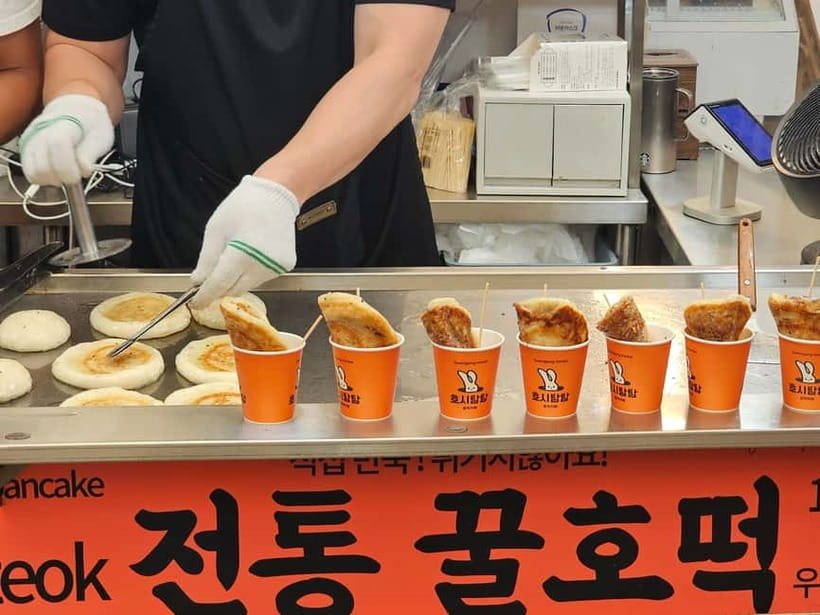
A Korean honey snack brings sweetness, and its connection to K-dramas gives the guide an easy way to link popular culture with something you can eat. You also receive a traditional rice drink. The included water and tea help balance the stronger flavors, although extra drinks are not included unless you select an upgrade.
The final food is kept secret until the tour. That may sound like a small gimmick, but it adds a bit of fun to an already varied meal. Since the dish is not specified in advance, anyone with allergies or strict dietary needs should discuss those needs when booking.
Why the walking sections matter
After the market, there is a roughly 20-minute walk with photo stops, views, and local commentary. This is not dead time between restaurants. It gives your stomach a pause and shifts the mood from crowded food hall to older city streets.
The route passes through traditional backstreets and leads toward Ikseondong Hanok Village. The change is part of the experience. You are not only collecting samples; you are seeing how food districts, old homes, small shops, and newer businesses sit close together in central Seoul.
Wear comfortable shoes. The tour runs rain or shine, and the walking route is not suitable for wheelchair users. The supplied information does not state the exact group size, and it can vary. Some outings have been private or very small, while others have included larger groups. That means the pace and conversation may differ by date.
Ikseondong Hanok Village in 30 minutes
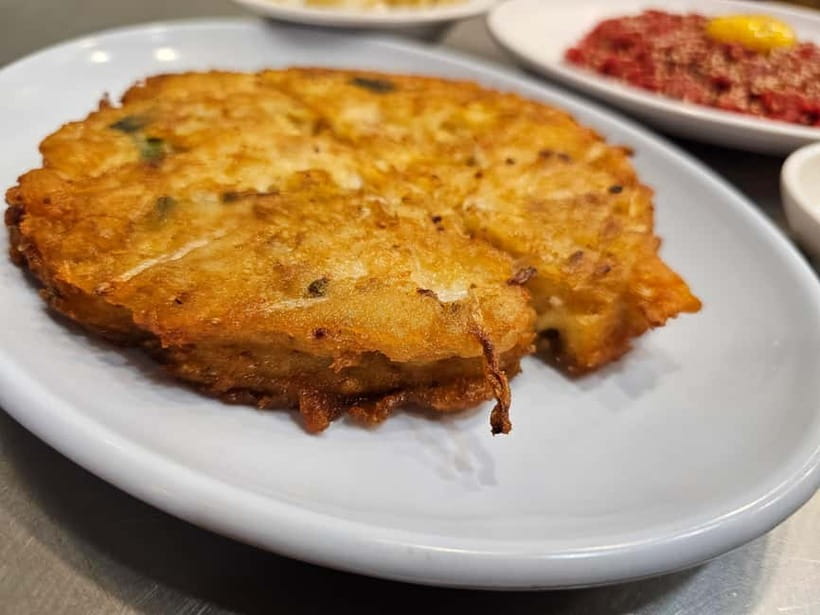
Ikseondong receives about 30 minutes. The focus here is a short visit, a guided walk, scenic views, and more food rather than a long architectural tour.
The neighborhood’s traditional hanok setting gives the route a welcome change of scene. You may find small shops and food businesses fitted into older structures, with narrow lanes that feel different from the market. The tour includes sweet and salty cream bread, described in some outings as a modern or viral local favorite.
This stop works because it places familiar baked goods beside older Korean food traditions. It is not the biggest tasting of the day, but it helps show how Seoul’s food culture keeps changing while using traditional neighborhoods as its setting.
The main limitation is time. Thirty minutes allows for a taste and a walk, not a full exploration of every lane. If Ikseondong is high on your personal sightseeing list, save room to return independently.
More Food Trips in Seoul:
- Seoul: Palace, Temple and Market Guided Foodie Tour at Night
★ 4.9 · 750 reviews - Seoul: Namdaemun Market Food Tour
★ 4.9 · 34 reviews - Seoul: Gwangjang Market Netflix Food Tour
★ 4.7 · 31 reviews - Seoul: The Biggest Sea-food Noryangjin Market Tour
★ 4.3 · 30 reviews
Insadong and the peaceful tea finish
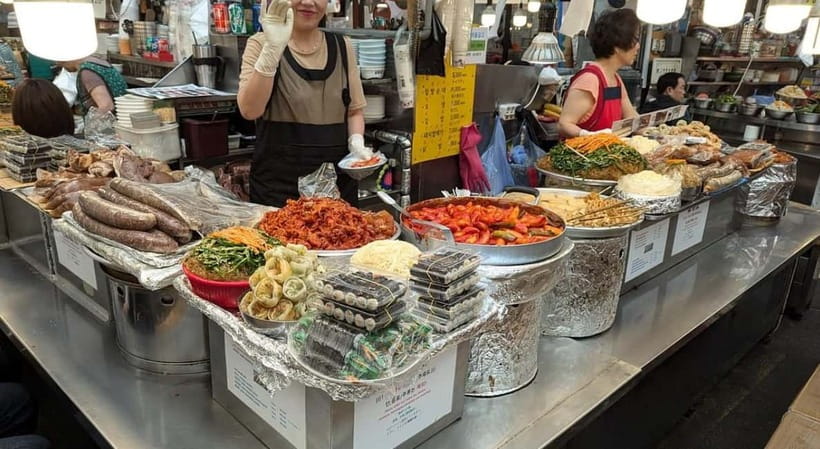
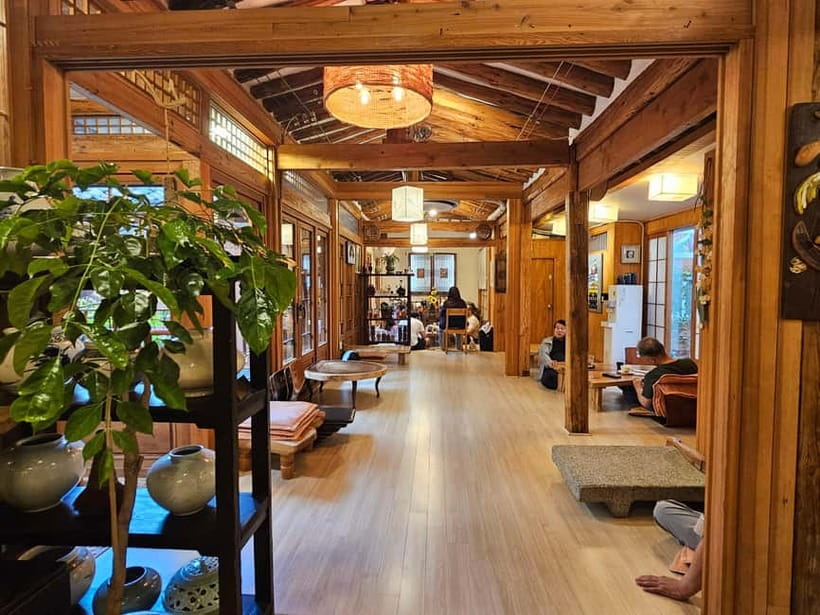
The last section takes place in Insadong and lasts about 40 minutes. This is where the tour slows down. You may taste grilled rice cake with a traditional tea, sweet or salty cream bread, and the secret dish before settling into a quieter teahouse.
The teahouse is one of the strongest parts of the route. After hot market food, spicy sauce, dumplings, and fish soup, fresh herbal tea and a delicate rice cake offer a gentler finish. Several guides have also introduced different Korean teas, including omija-cha on one outing.
This ending does more than provide dessert. It gives you time to ask questions, compare flavors, and talk with the guide and other people in the group. A traditional house setting makes the last stop feel distinct from a standard restaurant crawl.
Insadong is also a practical place to finish. The tour ends there, rather than returning you to the starting station, so you can continue exploring the neighborhood afterward. The experience provider does not include extra drinks unless you choose an upgrade, so keep that in mind if you want alcohol or more beverages. Some outings have included makgeolli, somaek, or other drinks through an upgrade, but those are not part of the standard package.
The guides make or break the three hours
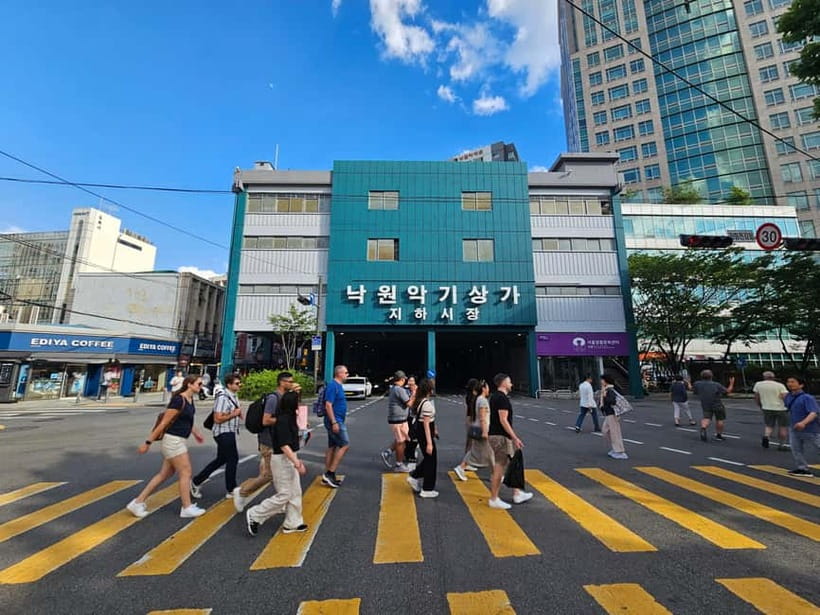
Food is the reason to book, but the guide determines how much you take away. The strongest guide feedback centers on warmth, clear English, cultural explanations, and careful attention to individual tastes.
Jae has been praised for his fluent English, friendly manner, and ability to explain each dish. Taeseong has received similar praise for food, history, Korean society, and a calm approach to group needs. Alex has been noted for humor, useful travel advice, and explaining both food and local customs. Youla and Ji-yoon have also been singled out for warmth and thoughtful food selections.
Your guide will not necessarily be one of these specific people. The assigned guide can vary, but the pattern is clear: the best part of the guiding is not simply naming each dish. It is explaining why a food matters, how it is eaten, and how Korean life and history shaped it.
The guides have also helped people who were hesitant about market stalls or small restaurants. That is especially useful if you are alone, do not speak Korean, or feel unsure about ordering. One guide even helped arrange a taxi back to a hotel after the tour, though that is not listed as a standard service.
How filling is the food?
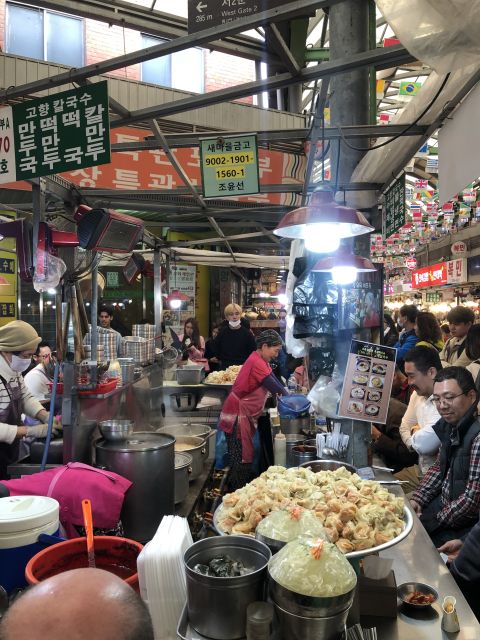
Bring an appetite. The advertised list includes mung bean pancake, dumplings, gimbap, tteokbokki, fish fillets with soup, a honey snack, cream bread, grilled rice cake, the secret dish, tea, and water. That is a lot for three hours.
The portions are tasting portions, but the variety adds up. Several experiences have covered breakfast and lunch, and one person specifically advised not eating lunch before the tour. I would plan a small meal or snack beforehand rather than arriving after a heavy breakfast.
The pacing helps. Stops are spread across market visits, walking sections, neighborhood views, and the tea house. You are not forced to eat everything at once. Still, this is not an ideal pick if you want a short sampling with plenty of room for a later meal.
Dietary needs and food limitations
Vegetarian options are available if you tell the provider when booking. One vegetarian outing managed to include most of the experience while leaving out a few meat and fish items.
The standard food list includes fish, meat, and possibly seafood-based dishes. One account specifically noted that octopus was skipped for personal preference. Do not wait until the first market stall to explain an allergy, religious restriction, or strong dislike. Contact the provider in advance so the guide can plan suitable alternatives.
The tour is not suitable for wheelchair users. Comfortable shoes are required, and the route operates in rain or shine. Those details matter more here than they would on a seated restaurant meal because the experience combines market aisles, narrow streets, walking, and several stops.
Is $71 good value?
At $71 per person, the price is reasonable if you want more than food alone. You are paying for a three-hour route, an English-speaking local guide, a substantial set of tastings, neighborhood orientation, and help ordering in places that may feel difficult to approach independently.
The value is strongest for a first visit to Seoul. You get a useful introduction to foods you might otherwise overlook, including mung bean pancake, fish soup, traditional rice drink, honey snacks, and Korean tea. You also receive a map in your head of Gwangjang Market, Ikseondong, and Insadong.
The price is less appealing if you are already confident ordering Korean food, have limited interest in guided conversation, or prefer choosing your own portions. You could certainly spend less by eating directly at markets, but you would lose the explanations, the planned progression, and the confidence that comes from having someone lead you through unfamiliar stalls.
Free cancellation up to 24 hours before the start and the option to reserve now and pay later add useful flexibility. Starting times vary, so check availability for your date.
Who should book this Seoul food tour?
I would choose this for a first or early day in Seoul. It gives you food suggestions for the rest of the trip, helps you understand market etiquette, and gives you a practical orientation to the Jongno area.
It suits solo visitors particularly well. The guide handles the first approach to stalls and small restaurants, while the shared format gives you company. Couples, families with adult children, and mixed-age groups can also benefit, especially when one person is adventurous and another needs encouragement.
Food-focused visitors will appreciate the range, but you do not need to be an expert. The tour works just as well for someone who knows tteokbokki and gimbap as for someone trying Korean food for the first time.
I would hesitate only if you need full wheelchair access, dislike walking in poor weather, have severe dietary restrictions, or want a quiet sit-down meal. The route is active, social, and built around tasting many things.
Final verdict: book it if you want a guided first taste
This is a strong-value introduction to Seoul food, with a smart route from Gwangjang Market through Ikseondong to Insadong. The best features are the generous variety, the guide’s help in busy food areas, and the peaceful tea house at the end.
Book it early in your Seoul stay, arrive hungry, wear comfortable shoes, and tell the provider about dietary needs when reserving. If you want to taste local classics without spending your first market visit guessing what to order, this tour makes a very good starting point.
FAQ
How long is the Seoul food and market tour?
The tour lasts three hours.
Where does the tour meet?
Meet outside Jongno 5-ga Station at Exit 8 on Line 1, the dark blue line. The meeting point is beside the police station, and the guide carries an orange umbrella.
Where does the tour finish?
The tour finishes in Insa-dong.
Which markets and neighborhoods are included?
The route includes Gwangjang Market, Ikseondong Hanok Village, and Insadong, with guided walks and food tastings in each area.
What food is included?
Included tastings include mung bean pancake with sweet onions, Korean dumplings, freshly made gimbap, tteokbokki, minced fish fillets with fish soup, a Korean honey snack, sweet and salty cream bread, grilled rice cake with traditional tea, and a secret dish.
Are drinks included?
Water and tea are included. Extra drinks are not included unless you select an upgrade.
Can vegetarian diets be accommodated?
Yes. Vegetarian and other dietary options are available, but you should inform the activity provider when booking.
Is the tour suitable for wheelchair users?
No. The tour is listed as not suitable for wheelchair users and includes walking through markets, streets, and traditional neighborhoods.
Just added around Seoul
- Seoul: The Biggest Sea-food Noryangjin Market Tour★ 4.3 · 30 reviews
- Seoul: Sokcho beach, market, hot spring and Seorak Cable Car★ 4.8 · 5 reviews
- Seoul Gwangjang Market Foody Walking Tour★ 4.1 · 7 reviews
- Seoul: Namdaemun Market Food Tour★ 4.9 · 34 reviews
- Seoul: Gyeongbokgung Palace Tour & Lunch at Authentic Market★ 4.5 · 2 reviews
- Seoul: Gwangjang Market Vegan & Vegetarian Food Tour★ 5.0 · 16 reviews
- Seoul: Fearless Foodie Gwangjang Market Food Adventure★ 5.0 · 10 reviews
- Seoul: Guided Street Food Tour at Namdaemun Market★ 5.0 · 10 reviews
Food & Drink, compared.
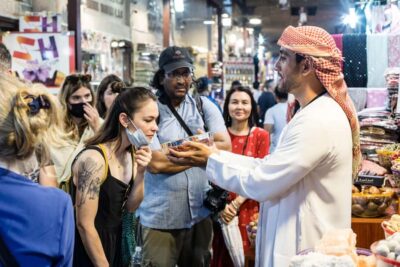
Old Town, Creek, Museums, Souks, & Street Food Tour
Read our review →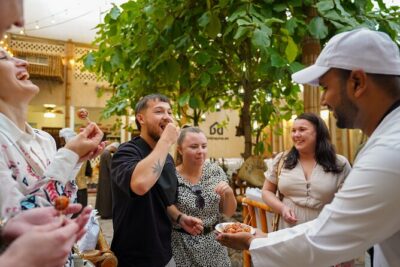
Old Town, Souks, Street Food, Guided Tour & Abra Ride
Read our review →
Bangkok by Night: Temples, Markets and Food Tuk-Tuk Tour
Read our review →
Tokyo Tsukiji Fish Market Food and Culture Walking Tour
Read our review →
Markets, Temples and Food Night Tour by Tuk Tuk
Read our review →
London Bridge & Borough Market Food Tour with 7 Authentic Dishes
Read our review →
Browse the lists this tour appears in