
Review · SOUTH KOREA
Seoul: The Biggest Sea-food Noryangjin Market Tour
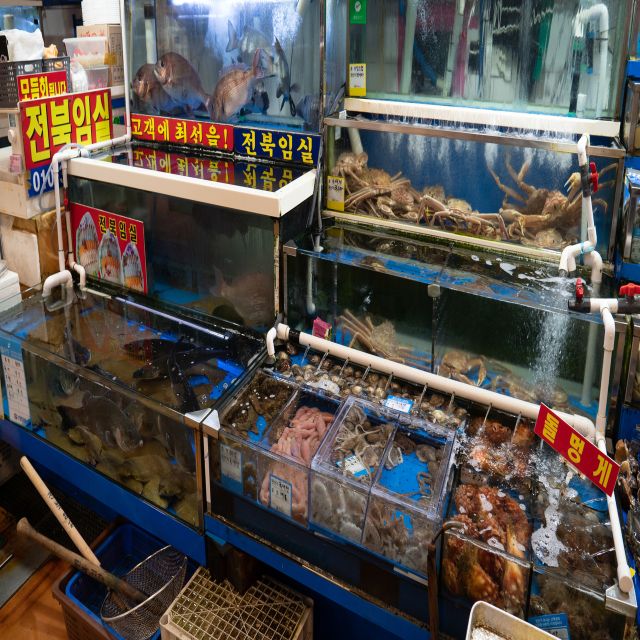
Fresh seafood gets personal here. Noryangjin Fish Market is not just a place to look at fish behind glass. It is a working food market where you can see live seafood, watch fish being prepared, and sit down to eat what was chosen nearby. I especially like the small-group format, limited to 10 people, and the way the guide explains Korean eating customs instead of simply naming seafood. The included seasonal sashimi and spicy fish stew also give the two-hour tour a satisfying finish.
The main drawback is the price: $110 per person is a serious amount for a two-hour experience, especially if you are already comfortable ordering food in Seoul. The tour also depends on a minimum of four participants, and the market can be wet underfoot, so waterproof shoes and careful walking are sensible.
Key points to know before you book
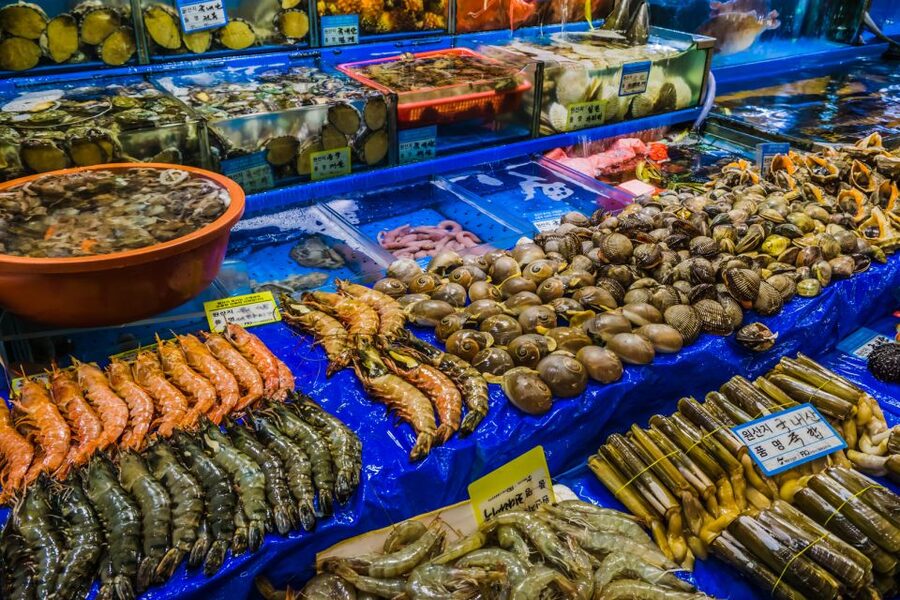
- 250 to 300 tons of seafood daily: You get a sense of Noryangjin’s huge role in Seoul’s food supply.
- English-speaking local guide: Guides such as Sophie, Joy, Sally, Sujin, and Steve have been praised for clear explanations and friendly company.
- A meal is included: Seasonal assorted sashimi and spicy fish stew are part of the tour, not an extra add-on.
- Fresh preparation in front of you: You can watch a trusted vendor fillet fish and prepare it for the meal.
- Live octopus may be served: Previous tour groups have tried fresh octopus that was still moving, which may thrill some diners and unsettle others.
- Meet at Noryangjin Station Exit 7: The market is easy to reach by public transport, but the final meeting details and time are sent by email or WhatsApp.
Why Noryangjin Fish Market is worth your time
Noryangjin is Seoul’s most famous traditional seafood market, and its scale gives the tour real weight. Around 250 to 300 tons of seafood pass through the market each day. That number is hard to picture until you are surrounded by tanks, trays, stalls, fish, shellfish, and vendors working with speed and purpose.
I like that this tour treats the market as part of Korean daily life rather than a photo stop. Your guide explains which seafood Koreans commonly eat, how it is prepared, and why those habits developed. That context matters because some of the ingredients may be unfamiliar if your experience of seafood is limited to salmon, tuna, prawns, or cod.
The tour is designed for international visitors, so you are not expected to know Korean food customs before arriving. An English-speaking guide helps you understand what you are seeing and gives you the confidence to ask questions. This is especially useful in a market where a casual walk can otherwise become a blur of unfamiliar names and quick transactions.
The small group helps too. With no more than 10 people, you should have a better chance of hearing the guide and seeing the preparation work. It also makes the meal more social without turning the experience into a large group march.
More Food and Drink Trips in Seoul:
- Seoul Street Food Market Tour
★ 5.0 · 1,226 reviews - Seoul: Night Market Food Tour with Local Guide
★ 4.9 · 943 reviews - Seoul: Guided Food & Market Tour with 8+ Tastings
★ 4.9 · 342 reviews
Meeting at Exit 7 and entering the market
You meet your guide outside Exit 7 of Noryangjin Station. The provider sends the exact meeting time and any further meeting instructions by email or WhatsApp, so check those messages before setting out.
The station meeting point keeps the start simple. You do not need to find a particular stall inside the market while vendors are working around you. Once the group is together, the guide leads you through the market and explains its general layout and atmosphere.
Expect a working food market, not a polished attraction. The floor may be wet, and one past group specifically advised wearing waterproof shoes or walking carefully. This is practical advice worth taking. Comfortable shoes are also helpful because the tour involves moving through the market before sitting down to eat.
The first section is about getting your bearings. Instead of being pushed straight toward lunch, you learn how the market functions and why it matters to Seoul. That short introduction makes the rest of the visit easier to follow.
Seeing seafood you may not recognize
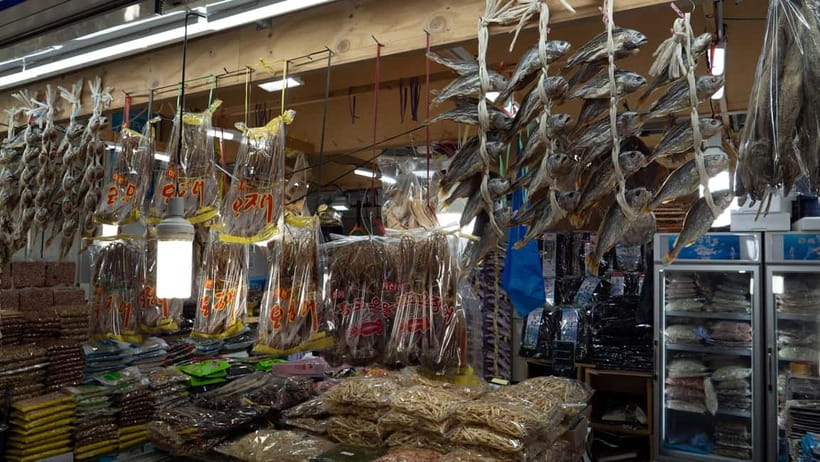
The guide focuses on seafood that is common in Korea but less familiar elsewhere. You may see live, freshly prepared, or dried products, depending on what is being sold that day. The point is not just to identify each fish. You learn how Koreans buy, prepare, and serve seafood at home and in restaurants.
This is where the tour earns much of its value. A market full of fish can be visually exciting, but without explanation it can also be confusing. A guide can tell you which ingredients are eaten raw, which are used in soup, and which preparation methods are tied to Korean food traditions.
Several guides have received strong praise for their explanations. Joy has been described as personable and entertaining, while Sally has been praised for making the market easy to understand. Sujin helped one group learn about the market in a clear and informative way, and Sophie was noted for explaining the fish and helping the group feel comfortable.
Those details matter because the personality of the guide will shape the experience. This is not an audio tour where you simply follow a route. You spend time asking questions, looking closely at the seafood, and learning how the meal will come together.
Watching fish become lunch
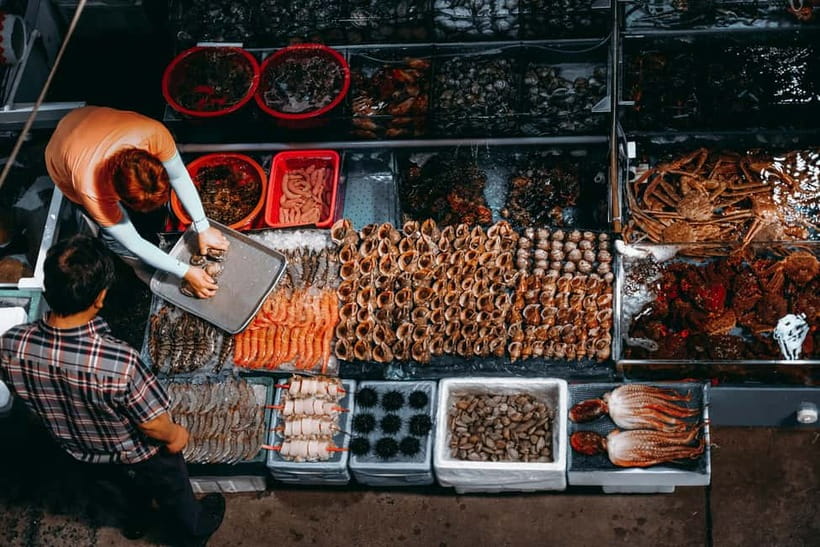
A key part of the visit is stopping at a trusted seafood vendor to watch fresh fish being filleted and prepared. This gives you a behind-the-scenes look at the work between the market stall and the dining table.
I find this more useful than a simple seafood tasting. You see how the product is handled, and you can connect the ingredients in the stalls with the food you later eat. It also gives your guide a natural chance to explain freshness, preparation, and Korean serving customs.
The experience is hands-on in the sense that you are close to the preparation, but you should not expect to fillet the fish yourself. The information says you observe the process. That distinction is useful if you are booking this for children or for someone who wants a cooking class.
The market setting also means the presentation may feel direct rather than carefully staged. That is part of the appeal, but it can be confronting if you prefer seafood prepared out of sight. Live seafood is part of the market, and one group tried live octopus during the meal. You can ask your guide questions about what is being served and tell the operator about allergies in advance.
More Food Trips in Seoul:
- Seoul: Palace, Temple and Market Guided Foodie Tour at Night
★ 4.9 · 750 reviews - Seoul Night Palace & Market Food Tour with Vehicle
★ 5.0 · 275 reviews - Seoul: Namdaemun Market Food Tour
★ 4.9 · 34 reviews - Seoul: Gwangjang Market Netflix Food Tour
★ 4.7 · 31 reviews
The included meal: sashimi, stew, and local customs
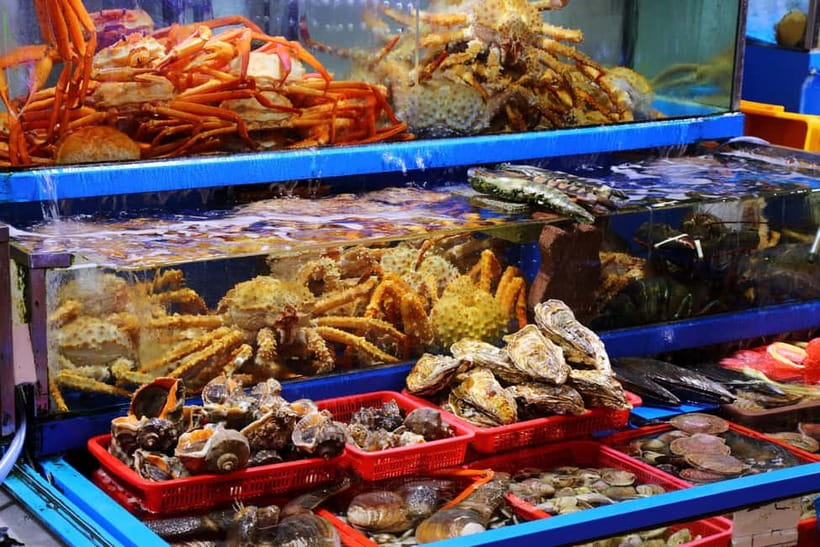
The tour includes lunch with seasonal assorted sashimi and spicy fish stew. The seafood is selected and prepared through the market, so the meal feels connected to what you have just seen rather than added as a separate restaurant stop.
The sashimi gives you a chance to eat seafood in a Korean style, with the guide explaining how it is enjoyed. One group specifically appreciated learning how to eat sashimi the Korean way. That kind of advice can be hard to pick up on your own, particularly when sauces, side dishes, and serving habits are unfamiliar.
The spicy fish stew provides a warm contrast to the raw seafood. It also shows another side of Korean seafood cooking. Instead of focusing only on sashimi, the meal presents seafood as part of a fuller food culture, where soup and shared dishes matter too.
The menu is seasonal, so you should not book expecting a fixed list of fish. That is a benefit if you want a meal shaped by the market, but a limitation if you have strict preferences. Tell the operator about allergies ahead of time. The meal is included, but extra drinks or other purchases are not listed as part of the package, so ask your guide if you are unsure.
Some groups have tried live octopus during the meal. It is an unusual and memorable part of the experience, but it is not for everyone. If the idea makes you uncomfortable, speak up rather than feeling pressured to copy the group.
What the $110 price really covers
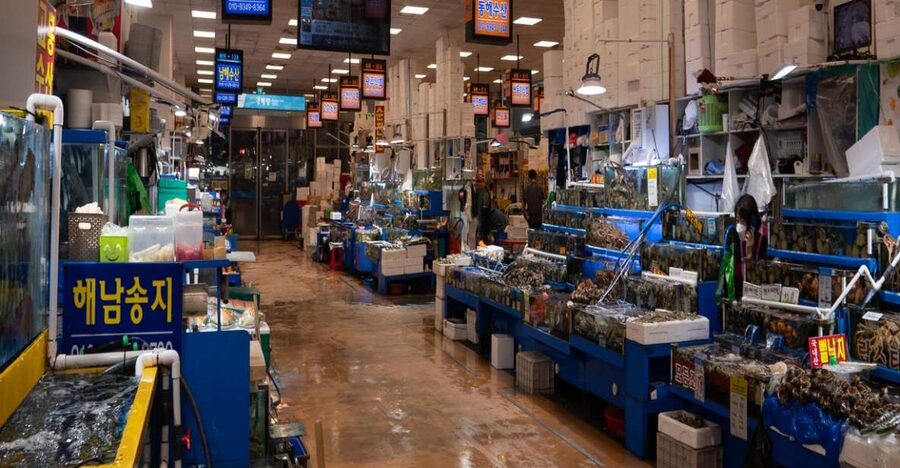
At $110 per person, this is not a cheap way to get lunch. The food alone does not explain the full cost. You are paying for an English-language guide, market interpretation, help choosing a vendor, observation of the preparation process, and a meal in a place that may feel difficult to navigate independently.
For a first visit to Seoul, I can see the value. Noryangjin is large, active, and full of products that may be hard to identify. The guide removes much of the guesswork and helps you understand what you are seeing. You also avoid the awkwardness of entering a market restaurant without knowing how the system works.
The value is lower if you already speak Korean, know Noryangjin well, or mainly want to eat seafood at the lowest possible price. You could visit the market independently and choose your own meal, though you would lose the explanations and support that make the tour approachable for non-Korean speakers.
The two-hour length works well for a busy Seoul schedule. It is long enough for a market walk and meal, but short enough to fit before another activity. One past group stayed longer to finish eating after the guide left, which suggests the formal tour ends around the two-hour mark even if the meal takes a little more time.
Who will enjoy this tour most
I would recommend this experience to first-time visitors who want a local food introduction without having to figure out the market alone. It suits people who enjoy asking questions, trying unfamiliar seafood, and learning why a dish is served in a certain way.
It is also a good choice for non-Korean speakers. One participant specifically recommended it for people who do not speak Korean, and that is a strong reason to book. The guide gives you a bridge into a place where language and market customs might otherwise create friction.
Food-focused visitors will get the most from it, especially those who want more than a standard restaurant meal. You see the ingredients before eating them, watch the preparation, and then taste them in context.
This may be less suitable for a picky eater, someone uncomfortable with live seafood, or anyone who wants a quiet, polished dining experience. The market is active and practical. Its appeal comes from seeing real food trade at close range, not from a calm dining room.
The tour is wheelchair accessible, but market conditions can still be busy and wet. If mobility is a major concern, confirm the current arrangements with the provider before booking.
Practical booking advice for Noryangjin
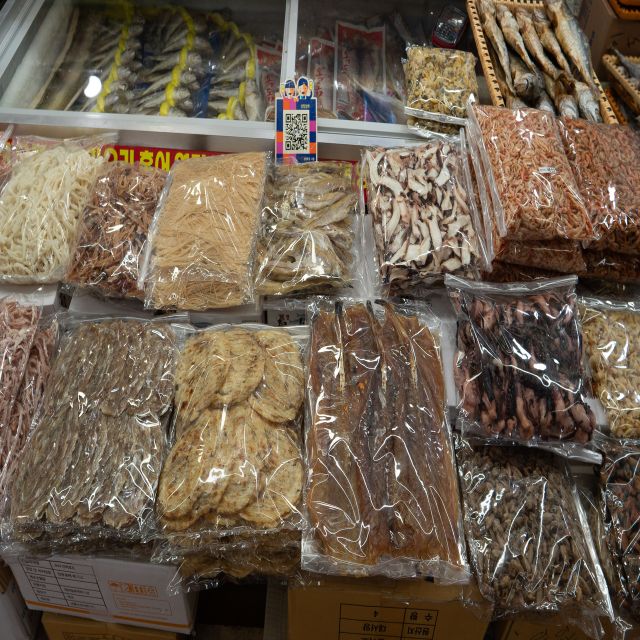
The tour operates in a small group and requires at least four participants. If fewer than four people book, the tour may be canceled, with notice sent through WhatsApp. Reservations cannot be confirmed on weekends and holidays, so build some flexibility into your Seoul plans.
You can cancel up to 24 hours in advance for a full refund. Same-day cancellations and no-shows are not refunded. The reserve-now, pay-later option is useful if your itinerary is still changing.
Bring a phone that can receive email or WhatsApp messages. The provider uses those channels for the meeting place and time details. Start at Exit 7, but do not rely on that alone if a later message gives more precise instructions.
Wear shoes that can handle a wet floor. Avoid arriving hungry enough to rush through the market, since the walk and explanations are part of the meal. Also, tell the provider about food allergies before the tour, not when the food is already being prepared.
Should you book the Noryangjin market tour?
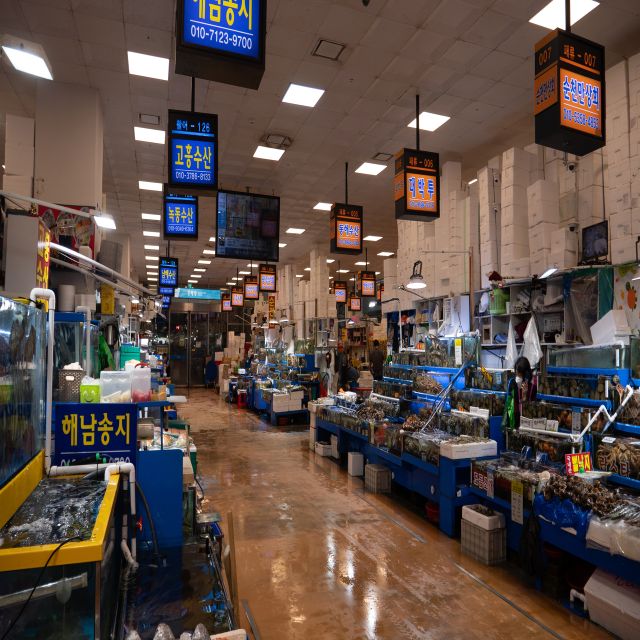
Book it if you want an easy, guided introduction to Korean seafood culture and would rather have a local explain the market than navigate it alone. The strongest parts are the friendly English-speaking guides, the close look at fish preparation, and the included meal of seasonal sashimi and spicy fish stew.
At $110, it is best viewed as a cultural food tour with lunch, not as a bargain meal. If you are open to unfamiliar seafood and accept the wet, working-market setting, the experience offers a useful look at everyday Korean food traditions. If you only want inexpensive sashimi, visit independently instead.
FAQ
Where does the Noryangjin seafood market tour meet?
The meeting point is outside Exit 7 of Noryangjin Station. The provider also sends meeting time and location details by email or WhatsApp.
How long does the tour last?
The tour lasts two hours. A past group stayed longer to finish eating after the guide left, so the meal may continue beyond the formal tour time.
What food is included?
Lunch includes seasonal assorted sashimi and spicy fish stew. The menu may vary because it follows the season and available seafood.
Is the tour conducted in English?
Yes. The tour has a live English-speaking guide.
Is the tour suitable for people who do not speak Korean?
Yes. It is designed for international visitors, and the guide explains the market, seafood, preparation methods, and dining customs in English.
How many people are in the group?
The tour is limited to 10 participants. It may be canceled if fewer than four people participate.
Can I see seafood being prepared?
Yes. The tour includes a visit to a trusted vendor where you can watch fresh fish being filleted and prepared.
Is live octopus part of the meal?
A previous group tried fresh octopus that was still moving. The supplied information does not state that it is guaranteed on every tour, so ask your guide about the day’s menu if this concerns you.
What happens if I have a food allergy?
Tell the provider about your allergy in advance. This gives the guide and vendor a chance to respond before the meal is prepared.
Is the tour wheelchair accessible?
Yes, the activity is listed as wheelchair accessible. Because the market floor may be wet and active, confirm any specific mobility needs with the provider before booking.
Just added around Seoul
- Seoul: Sokcho beach, market, hot spring and Seorak Cable Car★ 4.8 · 5 reviews
- Seoul Gwangjang Market Foody Walking Tour★ 4.1 · 7 reviews
- Seoul: Namdaemun Market Food Tour★ 4.9 · 34 reviews
- Seoul: Gwangjang Market Vegan & Vegetarian Food Tour★ 5.0 · 16 reviews
- Seoul: Gyeongbokgung Palace Tour & Lunch at Authentic Market★ 4.5 · 2 reviews
- Seoul: Fearless Foodie Gwangjang Market Food Adventure★ 5.0 · 10 reviews
- Seoul: Guided Street Food Tour at Namdaemun Market★ 5.0 · 10 reviews
- Seoul: Changgyeonggung & Gwangjang Market & Naksan Park★ 5.0 · 5 reviews
Food & Drink, compared.
Old Town, Creek, Museums, Souks, & Street Food Tour
Read our review →
Old Town, Souks, Street Food, Guided Tour & Abra Ride
Read our review →
Bangkok by Night: Temples, Markets and Food Tuk-Tuk Tour
Read our review →
Tokyo Tsukiji Fish Market Food and Culture Walking Tour
Read our review →
Markets, Temples and Food Night Tour by Tuk Tuk
Read our review →
London Bridge & Borough Market Food Tour with 7 Authentic Dishes
Read our review →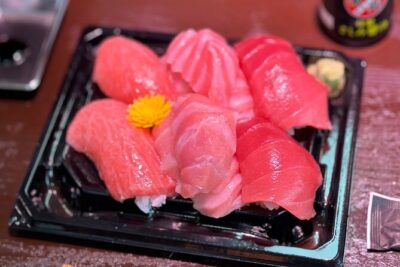
Browse the lists this tour appears in