

Review · KENYA
Nairobi: Maasai Market and Nairobi City Tour
Nairobi reveals itself one landmark at a time. This private four to five-hour outing gives you a useful first look at Kenya’s capital, combining city history, public monuments, local food, Maasai crafts, and a little Swahili along the way. I like the personal format, and I like that hotel pickup and drop-off are included. The main drawback is the walking: this is not a good fit if you have limited mobility or use a wheelchair.
The tour also has a human touch. One guide, Paul, was praised for explaining the city clearly and calmly, while another guide offered the option of taking a local bus into the center. That choice can make the outing feel less like a sightseeing loop and more like a short introduction to daily life in Nairobi. Just remember that food and drinks cost extra, and the market portion is fairly brief.
Key points before you book

- Private touring with an English-speaking guide: You get a guide for your group rather than joining a large coach party.
- A mix of old and new Nairobi: The route includes monuments, government buildings, a library, a cathedral, a market, and the modern city center.
- Maasai Market in about 30 minutes: This is enough time for a first look and some shopping, but not a long browsing session.
- Local food is separate: You can choose a snack at a traditional Nairobi restaurant, but food and drinks are not included in the price.
- Hotel pickup and drop-off are included: The exact starting point depends on the option you choose, with drop-off listed in Nairobi or at International House.
- Best for active walkers: The experience is specifically not suitable for wheelchair users or people with mobility impairments.
What this Nairobi tour is really offering
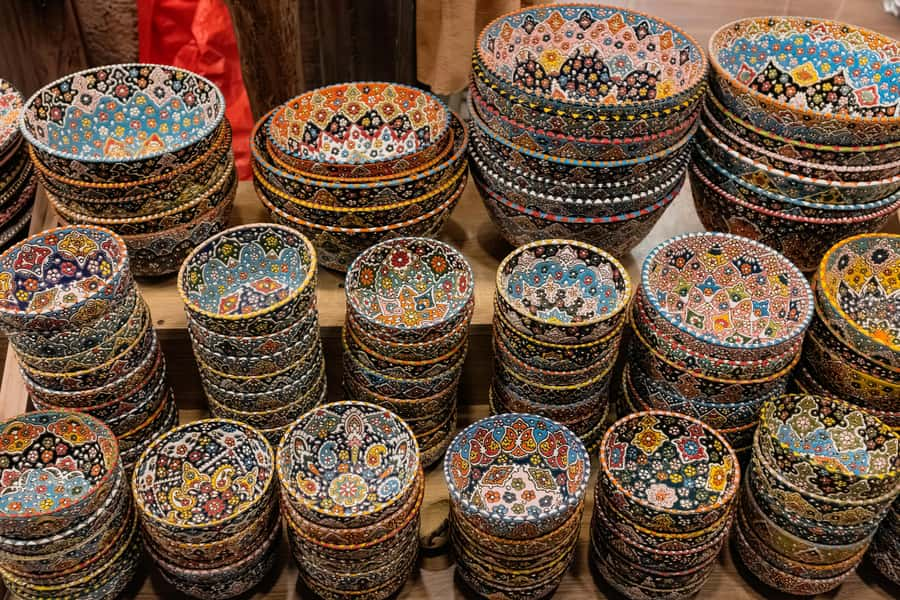
At $35 per person, this is a reasonably priced way to get oriented in central Nairobi. You are not paying for a major attraction admission or a full-day safari. You are paying for transport, a private English-speaking guide, a planned route through central landmarks, bottled water, and the ease of having someone explain what you are seeing.
That value depends on what you want from your first hours in the city. If you want a broad introduction before exploring on your own, the price makes sense. You see several important places without having to work out the route, local transport, or meaning of each monument yourself.
The guide is the key part of the experience. The strongest praise has focused on clear explanations, a calm manner, and a reassuring presence in the city center. Those traits matter in Nairobi, where a good guide can help you understand not only what a building is, but why it matters.
The outing lasts four to five hours, with about three hours described as a guided city tour and shorter visits to Uhuru Gardens and the Maasai Market. Allow some flexibility in your plans. City traffic, walking pace, and time spent at the market can affect the exact rhythm of the day.
More City Tours in Kenya:
- Mombasa City Tour,Fortjesus,Oldtown,Tusks and Spice Market.
★ 4.8 · 19 reviews - Bangkok: City Highlights Temple and Market Walking Tour
★ 4.5 · 3,990 reviews - Dubai: Half-Day City Tour with Blue Mosque, Creek, and Souks
★ 4.8 · 3,059 reviews
Starting with pickup and a choice of city transport
Your guide picks you up from your hotel or selected starting point. That removes one of the usual chores of a city tour: finding the meeting point and figuring out how to reach central Nairobi.
One especially useful detail is that your guide may ask if you want to take a local bus into the center. This option is not presented as compulsory, so you can discuss it with the guide. If you choose it, you get a small taste of ordinary city movement rather than seeing Nairobi only through a private vehicle and a tourist schedule.
If you prefer a simpler start, the pickup arrangement gives you that choice. Since the exact pickup depends on the option selected, check the booking details carefully before you commit. The tour includes return drop-off, with Nairobi and International House listed as drop-off points.
The private group setup is helpful here. You can ask questions, pause for an explanation, or tell the guide if you need a slower walking pace. It also means the outing should feel more focused than a large group tour, though the route still includes a fair amount of walking.
Seeing Nairobi through monuments and public buildings
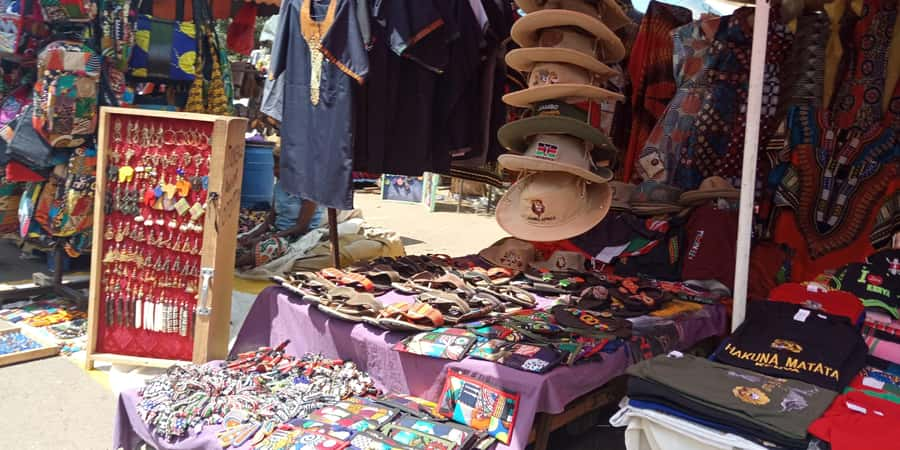
The central city portion is the heart of the experience. Your guide explains the history and present-day role of the places you pass, helping you connect individual sites to the wider story of Nairobi.
The Dedan Kimathi Monument is one of the main stops. Kimathi was a prominent figure in Kenya’s independence struggle, and the monument gives your guide a clear opening to discuss the country’s political past. This is the kind of stop that benefits from explanation. Without context, it is simply a statue in the city. With a guide, it becomes part of a larger conversation about national identity and independence.
The Tom Mboya Monument adds another important name to the route. Like the Dedan Kimathi Monument, it gives you a physical point from which to understand Kenya’s modern political story. Having both monuments in one tour is useful because you are not seeing just one isolated memorial. You are getting several reference points in the center of Nairobi.
You also visit Kipande House, the Kenya Archives, and The Parliament Buildings. These stops help show how the city’s civic life is arranged. The Kenya Archives is especially relevant for understanding the preservation of the country’s official memory, while the Parliament Buildings connect the tour to present-day government.
The route also includes McMillan Memorial Library and All Saints Cathedral. These places broaden the tour beyond politics. The library points to Nairobi’s intellectual and civic life, while the cathedral adds a religious and architectural element.
I appreciate this range. A weaker city tour might simply string together photo stops. This one gives you monuments, institutions, worship, commerce, and public spaces. The drawback is that some visits may be more about seeing the exterior and hearing an explanation than spending a long time inside. The supplied timing suggests a moving city walk rather than an indoor museum tour.
Uhuru Gardens and Nairobi’s public memory
Uhuru Gardens receives about 30 minutes. The name itself relates to independence, making this a natural stop for a tour that focuses on Nairobi’s history and Kenya’s national story.
You should think of this as a guided visit rather than a long park outing. Your guide can explain the site’s relevance and connect it to the monuments and government buildings seen elsewhere in the day. This helps keep the tour from becoming a collection of disconnected stops.
The half-hour timing is practical. You get enough time to look around and listen, but the tour does not spend so long here that it loses time for the city center and market. If you enjoy slow photography or want to linger in public gardens, you may find the schedule a little tight.
A few more market tours around Kenya worth a look
- Traditional Kenyan Cooking Class & Local Market Tour
★ 5.0 · 129 reviews - Memorable Daily KIBERA Slums/Toi Market Tour with Locals (2 hours)
★ 5.0 · 29 reviews - Half-Day Nairobi National Park and Maasai Market with Pick up
★ 5.0 · 16 reviews - Authentic Kenyan Cooking Class & Market Tour in Nairobi
★ 5.0 · 12 reviews
Nairobi City Market and a taste of local food
Nairobi City Market brings in the everyday side of the capital. It is a place to see local commerce and to consider how food fits into city life, rather than only looking at official buildings and monuments.
You have the chance to try a snack at a traditional Nairobi restaurant. The snack is not included in the tour price, so carry extra money if you want to eat. Drinks are also separate, although the tour does include a 500-milliliter bottle of mineral water.
The food stop is a good feature because it turns the tour into more than a walking lecture. You can pause, eat something, and ask your guide about local customs or ingredients. The exact snack is not specified, so you should treat this as a chance to choose something rather than a fixed tasting menu.
This is also where the tour’s practical nature shows. You are not being promised a formal culinary experience. You are getting a simple opportunity to try local food during a city tour. That makes it approachable, but food-focused visitors may want a separate Nairobi food experience with more tasting stops.
A short lesson in Swahili
Your guide teaches you some Swahili words during the day. This is a small detail, but it can make a city visit feel more personal. Even a few words help you pay closer attention to the language around you and give you a polite way to greet people.
Do not expect a full language class. The value is in the informal introduction, tied to the places you are visiting and the conversations happening around you. It is a good fit if you like leaving a city with something practical that is not printed in a guidebook.
The language element also works well with the local bus option and market visit. Together, these details give you a little contact with ordinary Nairobi life, instead of keeping the whole outing at the level of monuments and dates.
The Maasai Market in a compact 30 minutes
The Maasai Market is the shopping and craft section of the tour. You have about 30 minutes here with a guide, which is enough for a first look at decorative arts associated with Maasai culture and for checking out possible purchases.
Expect a short, focused stop rather than an unhurried market afternoon. You may find jewelry, decorative pieces, and handmade items, but the exact selection can vary. The tour description points to the decorative arts of the Maasai people, so this part is best approached with curiosity and care.
A guide can help explain what you are seeing and may help you handle the social side of shopping. Still, you should remain an active shopper. Ask about prices, compare items, and make sure you are comfortable with a purchase before handing over money. The information provided does not promise fixed prices, specific products, or a dedicated shopping specialist.
The 30-minute limit is both a benefit and a restriction. It keeps the market from taking over the entire day, which is useful if you want a balanced city tour. On the other hand, serious shoppers may want more time. If buying crafts is your main reason for visiting Nairobi, plan a separate market visit.
Taking in the modern city skyline
The tour does not focus only on historic sites. You also stroll through the modern part of Nairobi and take in the skyline. This contrast is one of the outing’s better ideas.
After monuments, archives, memorials, and older civic buildings, the newer city gives you a sense of Nairobi as a working capital rather than a museum piece. You see the city in motion, with its modern architecture and central streets forming a different kind of story.
The skyline viewing is not presented as a dedicated rooftop or observation-deck visit. Think of it as part of the walk through the city center. If you want a formal panoramic viewpoint, this tour does not promise one. Its strength is the street-level view and the contrast between older institutions and newer buildings.
Walking, timing, and comfort
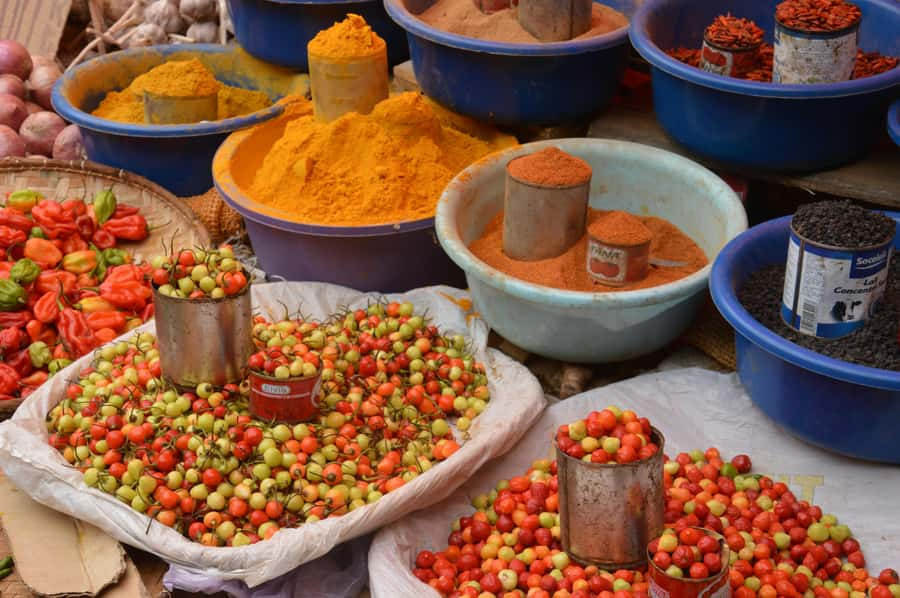
This is an active outing. The experience is not suitable for people with mobility impairments or wheelchair users, and that limitation should guide your decision. You will move between several urban sites, visit the gardens and market, and spend much of the time listening while on foot.
Wear comfortable shoes and bring practical sun protection. The tour includes mineral water, but you may want additional water, especially if you are sensitive to heat. Because food and drinks are not included, carry money for the restaurant snack and any market purchases.
The private group format gives you more control than a large group tour. You can ask the guide to clarify a place, and you are less likely to feel lost in a crowd. The exact pace will still depend on the guide, traffic, and how long you spend at each stop.
The English-language guiding is another practical point. The tour is offered in English, so you should be comfortable following explanations in that language. The guides described by name or in the feedback, including Paul, were praised for clear explanations and a calm approach. That is particularly useful during a first city walk.
Who will get the most from this experience?
I would recommend this tour to a first-time Nairobi visitor who wants a broad introduction in half a day. It is also a good choice if you have a short stay and want city context before deciding what to explore in more depth.
You will likely enjoy it if you like:
- Monuments and political history
- Guided city walks
- Local markets and handmade crafts
- Simple food stops
- Learning a few local words
- Private tours with hotel pickup
It is less suitable if you want a safari, a long shopping session, a serious food tour, or a relaxed day with little walking. It also is not appropriate for wheelchair users or people with mobility impairments.
Solo visitors, couples, families with active older children, and small private groups can all benefit from the format. Since the group is private, the outing may be easier to tailor than a standard shared tour, though the listed route and timing still shape the day.
Price, cancellation, and practical value
At $35 per person, the tour offers solid value for a private four to five-hour introduction, especially because hotel pickup and return drop-off are included. You also receive an English-speaking guide and a 500-milliliter bottle of mineral water.
The price does not cover food, drinks, or purchases at the Maasai Market. Add those costs when planning your budget. The value is strongest when you want convenience and explanation rather than a long list of included admissions.
You can cancel up to 24 hours in advance for a full refund, and the reserve-now, pay-later option keeps payment flexible. Starting times depend on availability, so check the selected option before booking.
Should you book the Nairobi Maasai Market and City Tour?
Book it if you want a practical introduction to central Nairobi, especially on your first day. The combination of monuments, civic buildings, Uhuru Gardens, a city market, Maasai crafts, local food, and basic Swahili gives you a useful range in a short period.
I would be more cautious if your priority is shopping, cuisine, or a deep visit to any single attraction. The market lasts only about 30 minutes, and the tour is built around seeing many places rather than lingering at one.
For most active visitors, the strongest reason to book is the guide. Clear explanations and a calm manner can make a city feel easier to read, especially when you are new to Nairobi. If that sounds like the kind of orientation you need, $35 is a fair price for a private half-day introduction.
FAQ
How long does the Nairobi Maasai Market and City Tour last?
The experience lasts approximately four to five hours. The guided city portion is listed as about three hours, with separate visits to Uhuru Gardens and the Maasai Market.
Is hotel pickup and drop-off included?
Yes. Hotel pickup and drop-off are included. The exact pickup location depends on the option selected, and listed drop-off points include Nairobi and International House.
Is the tour private?
Yes. The experience is offered as a private group tour with a live English-speaking guide.
Is food included in the price?
No. Food and drinks are not included. You can choose a snack at a traditional Nairobi restaurant, and the cost is paid separately. A 500-milliliter bottle of mineral water is included.
Is the tour suitable for wheelchair users?
No. The experience is not suitable for wheelchair users or people with mobility impairments.
Can I cancel the tour for a full refund?
Yes. You can cancel up to 24 hours in advance for a full refund.
Just added around Kenya
- Nairobi Traditional Cooking Classes and Local Market Visit★ 5.0 · 2 reviews
- Nairobi: Hop on Hop off and Maasai market Collections Visit★ 3.5 · 10 reviews
- Nairobi: Explore Maasai Market for Unique Souvenirs★ 5.0 · 5 reviews
- Market Tour and Traditional Kenyan Cooking Class in Nairobi★ 4.8 · 6 reviews
- Maasai Market Souvenir Shopping★ 5.0 · 2 reviews
- Local Market Tour and Traditional Meal Cooking Class★ 5.0 · 4 reviews
- Diani: Market and Street Food Walking Tour★ 4.2 · 6 reviews
- Authentic Kenyan Cooking Class & Market Tour in Nairobi★ 5.0 · 12 reviews
City Tours, compared.

City Highlights Temple and Market Walking Tour
Read our review →
Half-Day City Tour with Blue Mosque, Creek, and Souks
Read our review →
Dubai Half-Day City Tour with Visit to Dubai Gold Souk
Read our review →
Female-Guided Pyramids, Sphinx & Museum City Tour
Read our review →
Dubai City Tour: Old & New Dubai Abra Ride, Palm Island, Souks
Read our review →
Mini Group Xian Day Tour to Terracotta Army, City Wall, Pagoda and Muslim Bazaar
Read our review →
Doha City Tour | Souq Waqif | Courniche | The Pearl | Katara etc
Read our review →Browse the lists this tour appears in