
Review · INDONESIA
Jambangan bali cooking class with morning market tour
Start with a market, finish with lunch. The Jambangan Bali cooking class offers a friendly way to meet Balinese food and family life beyond the usual restaurant table. I especially like the morning market visit and the chance to cook inside a real Balinese home. The main drawback is the early start and limited free pickup, which covers Ubud hotels only.
At $27 per person, this is a strong value for a 270-minute experience. You get transport within the Ubud area, a market visit, rice fields, a home visit, cultural activities, cooking, a meal, recipes, and a certificate. Expect a warm, personal setting rather than a polished culinary school.
Key Points Before You Book
- Shop for ingredients at the morning market: Choose herbs, spices, vegetables, and meat before cooking with them.
- Cook in a Balinese family home: The setting gives you a look at daily household life, not just a restaurant demonstration.
- Meet local culture on foot: The route includes rice fields, village temples, a school, and the daily work of rice farmers.
- Make coconut oil and daily offerings: These hands-on activities add cultural context to the food.
- Eat what you prepare: Your recipes become lunch and dinner in the family warung and garden.
- Plan for a four-and-a-half-hour morning: Ubud pickup is included, but transport outside Ubud may cost extra.
Why This Class Feels Different From a Restaurant Meal
A restaurant lets you taste Balinese food. This class helps you understand where the food begins, how it is prepared, and why it belongs in everyday family life.
The day moves through several parts of Kelabang Moding village. You start at the market, continue through rice fields and village streets, enter a Balinese home, then cook and eat together. That sequence gives the experience a natural rhythm. You are not simply shown a finished dish and sent home with a recipe card.
I like that the class links food with place. Herbs and spices make more sense after you have seen them being selected. Rice feels less like a side dish after you have watched farmers working in the fields. A daily offering carries more meaning after you have seen how it fits into local customs.
The class is conducted in English, and the Balinese chefs explain both cooking methods and cultural details. Based on the available feedback, Putu and his family are closely involved in welcoming and guiding the group. That family connection matters. It gives the day a relaxed tone and lets you see a household rather than a staged cooking venue.
The setup is also fairly intimate. One account describes a small group, which is good news if you want to ask questions or get help while preparing food. Still, group size can vary, so do not assume every date will feel exactly the same.
More Cooking Classes in Indonesia
- Ubud: Cooking Class with Transfers and Optional Market Visit
★ 4.9 · 824 reviews - Balinese Ubud cooking school (9 Dish Cooking and Market Tour)
★ 5.0 · 540 reviews - Ubud: Balinese Cooking Class and Market Tour
★ 4.8 · 531 reviews
The Morning Market Comes First
The morning class begins with hotel pickup in the Ubud area. You are asked to wait in the lobby 10 minutes before the scheduled time, and the driver will identify himself using your name.
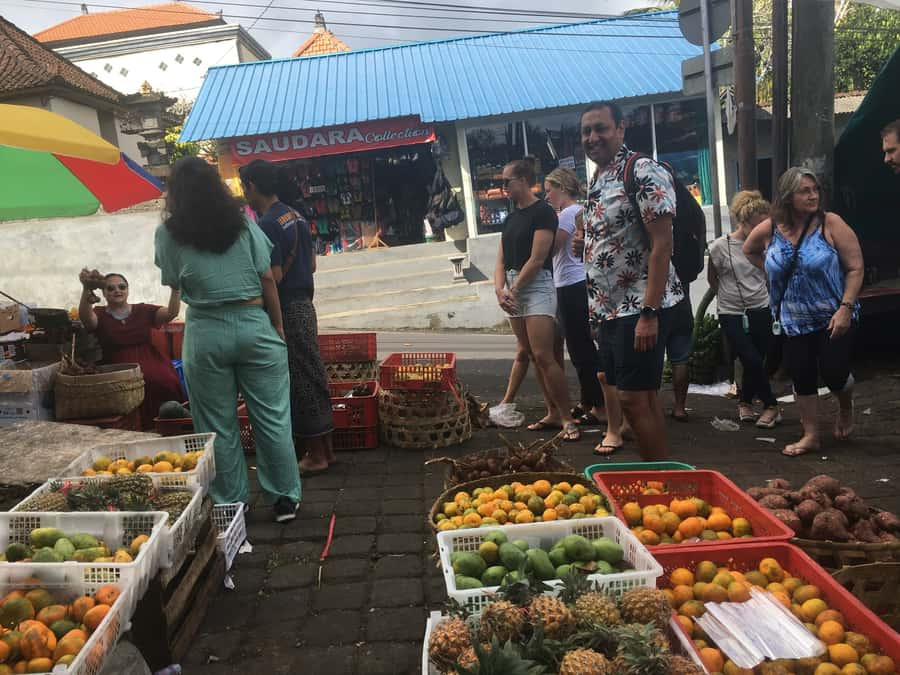
The market visit is more than a quick stop for photographs. You can select fresh herbs, spices, vegetables, and cuts of meat that will later be used in the cooking session. That gives you a practical introduction to the ingredients behind Balinese dishes.
I find this part especially useful for anyone who has walked through an Indonesian market without knowing what to buy. Here, your choices have a purpose. You can connect the raw produce to the meal you will prepare a few hours later.
Bring cash. It is listed among the recommended items, and market visits are easier when you have some local money available. A camera is also worth carrying, provided you stay respectful and follow the guide’s direction around people and private activity.
The market is likely to feel active and informal rather than arranged for visitors. That is part of its appeal, but it also means conditions may be warm, crowded, or less predictable than a supermarket. Wear light clothing and comfortable shoes. The tour information does not specify a dress code, but you will be visiting a home and village setting, so modest clothing is a sensible choice.
Rice Fields and the Working Village
After the market, the experience continues through the village and rice fields. You can see rice farmers carrying out their daily work and speak with local farmers through the guide.
This stop gives the cooking class a useful agricultural link. Rice is central to Balinese meals and culture, but it is easy to treat it as an anonymous ingredient. Seeing the fields helps you understand the labor behind the bowl on your plate.
The visit also includes village temples and a school. These stops are not presented as major sightseeing attractions. Their value is quieter. You get a view of the places that shape ordinary village life, including worship, education, farming, and family routines.
You should keep your expectations realistic. This is not a full village tour with a long lecture at every stop. The focus remains on the cooking experience. The outdoor portion helps set the scene, then the class moves indoors for the main activity.
The tour description says the class takes place at a Balinese home in Kelabang Moding village. That means you are visiting a living household, not a museum. Be polite about photography, especially around family members, schoolchildren, farmers, and religious spaces.
Entering a Balinese Home
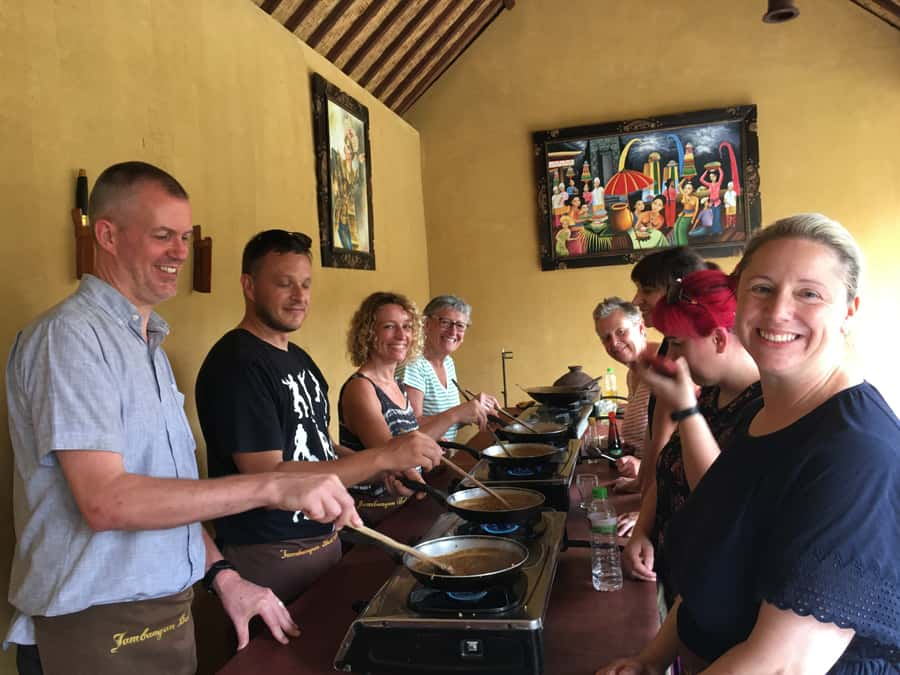
The home visit is one of the strongest reasons to choose this experience. You are welcomed into a Balinese house and shown something of family life and traditional culture.
Many food classes keep culture at arm’s length. Here, the home is part of the lesson. You can see how cooking connects with household routines, religious practice, and hospitality. The setting also makes the meal feel personal. You are preparing food in the place where the hosts live and work.
The available feedback repeatedly points to a warm welcome from Putu and his family. One detailed account describes the family explaining the home, the market, local life, and the recipes while keeping the group comfortable in the heat. Water was provided throughout the day, which is a small but important touch in Bali’s warm climate.
You should remember that a home visit calls for a little flexibility. This is not a hotel kitchen with a standardized layout. The pace may depend on the group, the hosts, and the morning’s market activity. For me, that is a fair trade for a more genuine setting.
More Cooking Classes in Ubud
- Balinese Cooking class with traditional morning market visit
★ 5.0 · 161 reviews - PRIVATE Ubud Market Tour & Balinese Cooking Class with Putu
★ 5.0 · 125 reviews - Balinese cooking class/Go shopping at the market, cook, eat
★ 5.0 · 12 reviews
Coconut Oil and Daily Offerings
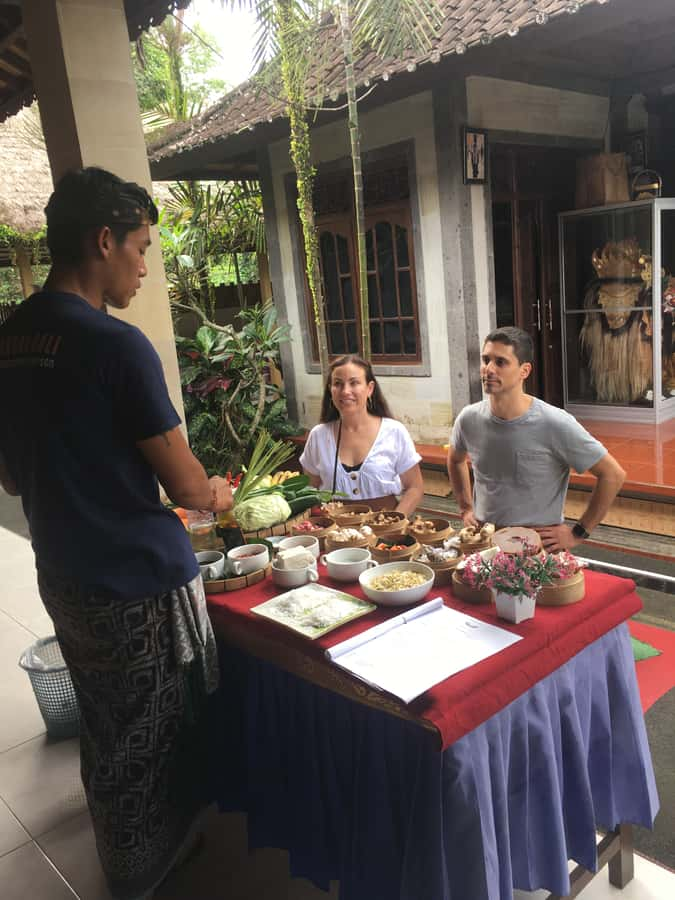
The class includes coconut oil processing and making a daily offering. These activities add depth to a day that could otherwise become a simple cooking lesson.
Coconut oil processing shows how a familiar kitchen product can come from a local, hands-on process. The activity is a reminder that ingredients do not appear fully packaged. They come from plants, work, and household knowledge.
Making a daily offering gives you another window into Balinese spiritual life. It is not just a craft project. The activity helps explain how religious practice fits into an ordinary day, alongside cooking and family responsibilities.
The exact length of each activity is not specified, so the balance may change from one session to another. Still, these additions make the class more useful for anyone who wants cultural context as well as food preparation.
Cooking With Balinese Techniques
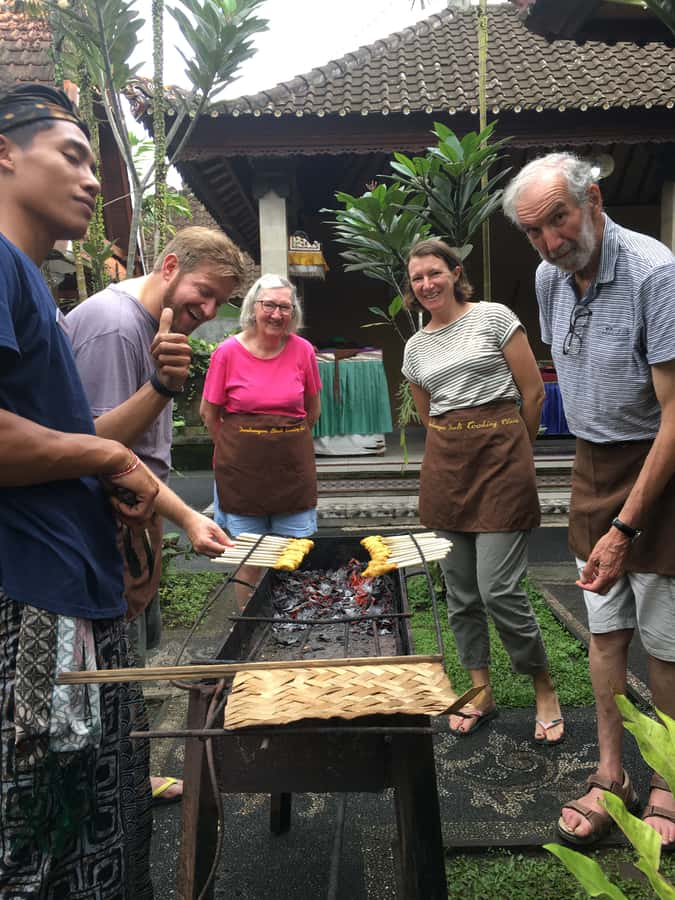
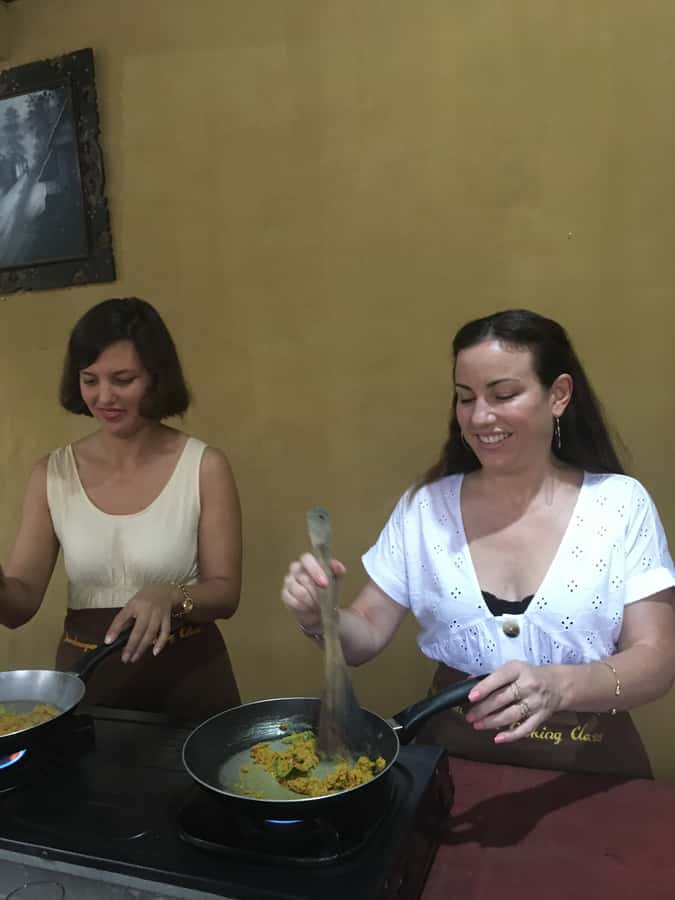
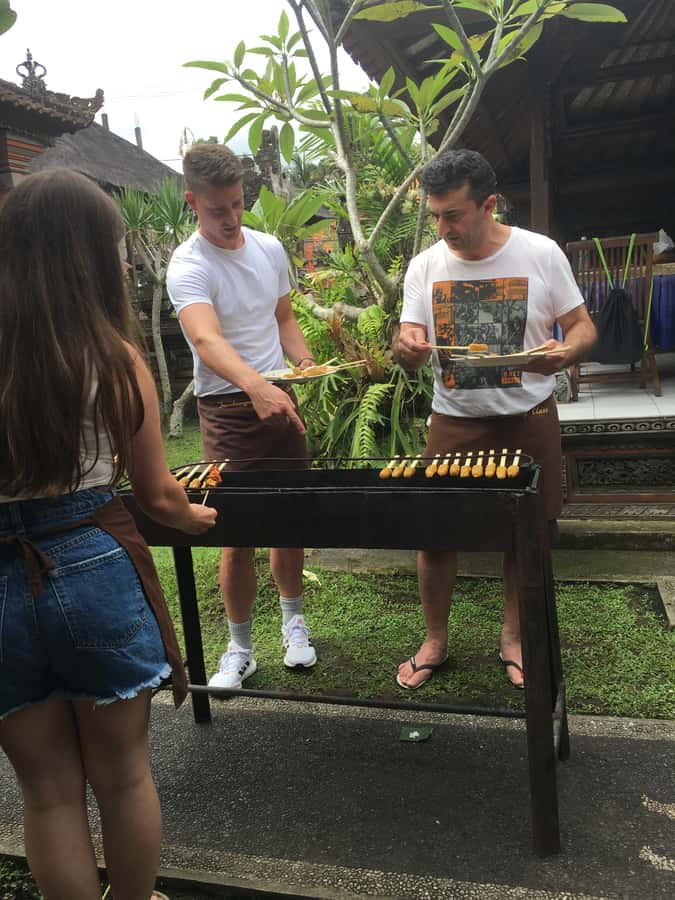
Once you return to the home, you take part in the cooking rather than simply watching a chef work. The class uses traditional techniques and fresh ingredients selected earlier in the morning.
That hands-on approach is important. You learn through chopping, mixing, preparing, and following the cooking process. You also have the chance to ask questions in English, which helps if a method or ingredient is unfamiliar.
The chefs are Balinese and speak English. Their role is not limited to giving instructions. They also explain Balinese cuisine and culture, helping you understand why certain ingredients and methods matter.
The specific menu is not provided, so you should not book this expecting a named list of dishes. The food will be based on the ingredients and recipes used by the class, but the exact selection may vary.
This uncertainty is worth noting. Some people prefer a fixed menu they can study in advance. Others will enjoy the surprise of cooking with what is fresh and available. If you want to recreate the meal at home, pay close attention and keep your recipe materials safe.
Lunch in the Warung and Garden
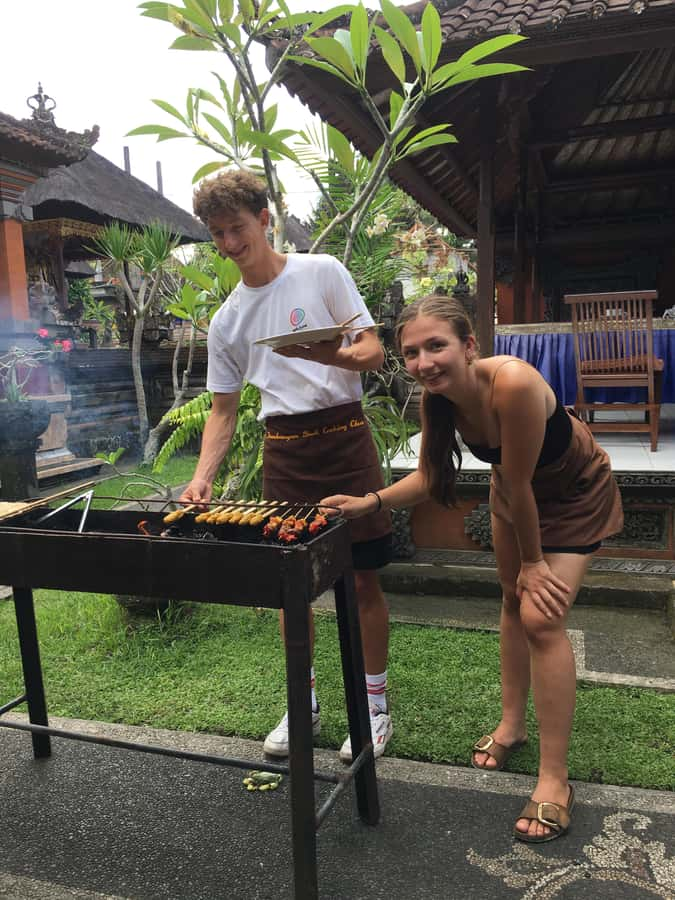
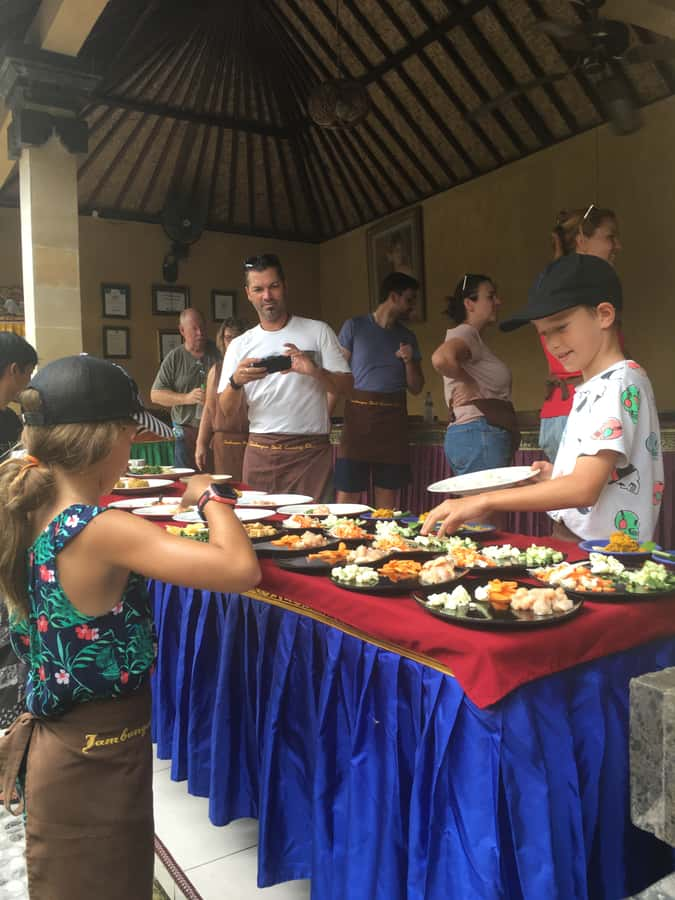
After preparing the food, you eat what you have made for lunch and dinner in the warung and garden. This is the satisfying payoff of the class. You are not tasting a separate demonstration meal. You are sitting down with the results of your own work.
The garden setting should make the meal feel relaxed, though the supplied details do not specify the exact seating arrangement or menu. The food is described as fresh and delicious in the available feedback, with several people placing the meal among the best parts of the experience.
I like the practical value here. You leave knowing how the dishes were assembled and having tasted the finished result. That makes the recipes more useful than a handout alone.
Beer is not included, so budget separately if you want alcoholic drinks. Water was available during the class according to one account, but the included items do not promise a full range of beverages. Cash is a good idea for any extras.
What You Take Home
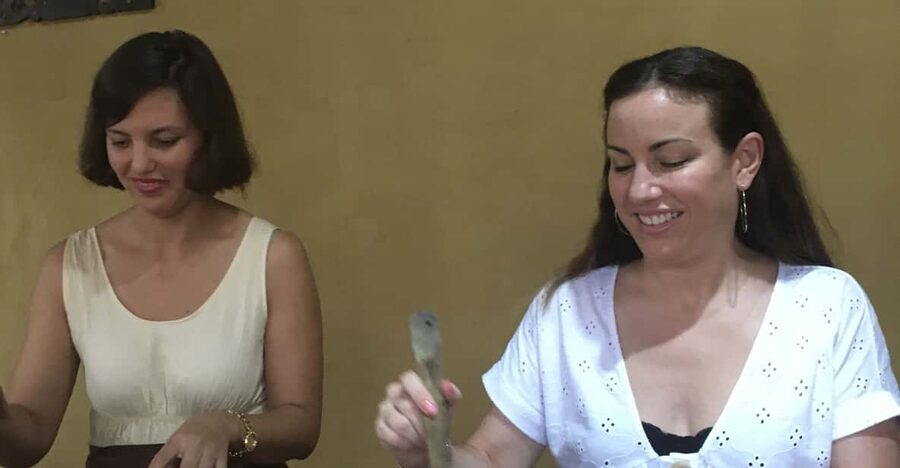
You return home with recipes and a certificate. The recipes are the most useful souvenir because they let you repeat part of the experience after Bali.
A certificate is a pleasant extra, especially if you enjoy collecting records of cooking classes. Its practical value is limited, but the recipes can have lasting value if you write down ingredient substitutions or add your own notes while the techniques are still fresh.
I recommend photographing the recipes as a backup. That suggestion is practical rather than a claim about the format provided. You may receive printed recipes, but the supplied details do not specify whether they are digital or on paper.
Price, Pickup, and Practical Value
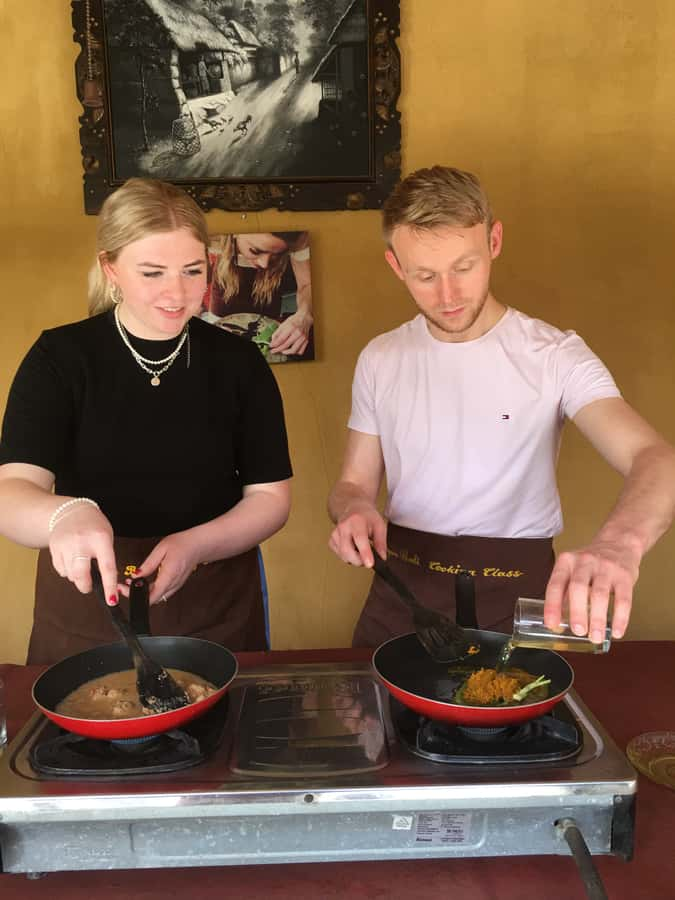
At $27 per person, the class offers a lot for the cost. The four-and-a-half-hour program includes hotel pickup and drop-off within the Ubud area, market access, the village and rice field visit, cultural activities, cooking, food, recipes, and a certificate.
Transport is where the price needs a closer look. Pickup is free only for hotels in the Ubud area. If your hotel is outside Ubud, you may face an extra transport cost depending on its location. Check this before booking, since a cheap class can become less of a bargain when a long transfer is added.
The booking terms are flexible. You can reserve now and pay later, and cancellation is free up to 24 hours in advance for a full refund. That is useful if your Bali schedule is still moving around.
The experience is listed as wheelchair accessible, but the details do not explain the surfaces at the market, rice fields, home, or village route. If you use a wheelchair, confirm the exact arrangements before booking, especially for outdoor sections.
The class is conducted in English. It is not suitable for people with altitude sickness or for people over 95 years old, according to the tour information. Bali’s lowland setting makes the altitude note unusual, but it is still part of the stated guidance.
Who Will Enjoy This Most?
I would recommend this class to you if you want a personal cultural activity rather than a polished restaurant lesson. It suits food lovers, first-time visitors to Bali, couples, families, and small groups who enjoy doing things with their hands.
It is especially good for anyone staying in Ubud. The pickup makes the morning simple, and the village setting offers a welcome change from cafés, shops, and hotel pools.
You should think twice if you dislike early starts, warm outdoor conditions, market visits, or flexible home-based settings. It may also disappoint you if you need to know the precise menu in advance or want a formal cooking school with professional kitchen equipment.
The strongest feature is the combination of food and family life. Putu and his relatives appear to give the class much of its character, from the welcome at the house to the explanations of Balinese routines. That personal element is harder to find in a standard restaurant course.
Should You Book the Jambangan Bali Cooking Class?
Yes, I would book it if you want a good-value morning built around food, farming, and local life. The market, rice fields, home visit, coconut oil activity, daily offering, cooking session, and shared meal form a fuller picture of Bali than a kitchen lesson alone.
Before paying, confirm that your hotel falls within the free Ubud pickup area and accept that the exact menu is not listed. Bring cash, a camera, comfortable clothing, and a willingness to follow the pace of a family home.
For $27, this is a particularly sensible choice for you if authentic contact matters more than luxury. You may not get a perfectly standardized production, but you gain recipes, a meal, and a closer look at how Balinese food fits into everyday life.
FAQ
How long does the Jambangan Bali cooking class last?
The experience lasts 270 minutes, or four and a half hours.
Is hotel pickup included?
Free pickup and drop-off are included for hotels in the Ubud area. Transport outside Ubud may cost extra depending on the hotel location.
Does the morning class include a market visit?
Yes. The morning class includes a market tour where you can select herbs, spices, vegetables, and meat for the cooking session.
What language is the class conducted in?
The class is conducted in English by Balinese chefs.
What activities are included besides cooking?
The experience includes a market tour, rice fields, a Balinese home visit, village temples, a school, coconut oil processing, and making a daily offering.
Do you eat the food prepared during the class?
Yes. You eat the food you prepare for lunch and dinner in the warung and garden.
What should you bring?
Bring a camera and cash.
Can you cancel the booking for a refund?
You can cancel up to 24 hours in advance for a full refund. You can also reserve now and pay later.
More Morning Departures in Ubud
- Tingly Thai Cooking Class with Morning Market Tour
★ 5.0 · 589 reviews - Hamburg: Reeperbahn, Port, & Fish Market Morning Tour
★ 4.7 · 270 reviews - Cooking Morning Class Chiang Mai Visit Organic Garden and Market
★ 5.0 · 211 reviews - Valencia: Morning Food Tour with Central Market Visit
★ 4.9 · 196 reviews
Just added around Ubud
- Balinese cooking class/Go shopping at the market, cook, eat★ 5.0 · 12 reviews
- Bali: Safari Zoo and Ubud Palace and Market Day Tour★ 4.7 · 6 reviews
- Bali: Ubud Monkey Forest, Coffee Plantation, and Market Tour★ 5.0 · 5 reviews
- Bali – Ubud Night Market Food Tour★ 3.8 · 14 reviews
- Bali Night Market Experience and Ubud Highlights tour★ 5.0 · 16 reviews
- Ubud Day Tour : Waterfall, Temple and Local Night Market Tour★ 5.0 · 17 reviews
- Bali Food Tour: Savor Street Food and Night Market Adventures★ 5.0 · 46 reviews
- Ubud Traditional Night Market Food Tour-All Inclusive★ 4.4 · 95 reviews
Cooking Classes, compared.
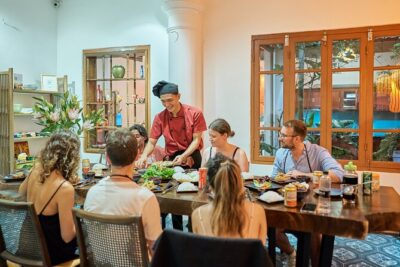
Hanoi Cooking Class: Culture, Local Market & Meaning CSR Impact
Read our review →
5 Traditional Dishes Hanoi Cooking Class with Market Trip
Read our review →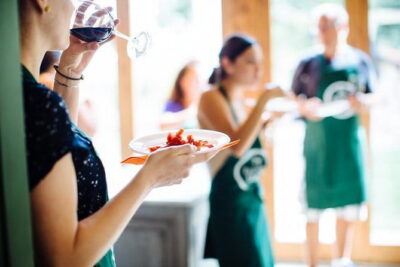
Cooking Class and Lunch at a Tuscan Farmhouse with Local Market Tour from Florence
Read our review →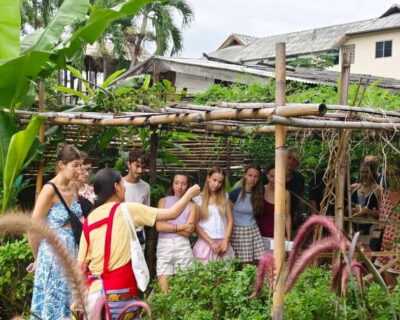
Cooking Class, Market & Thai Herbs Garden Tour
Read our review →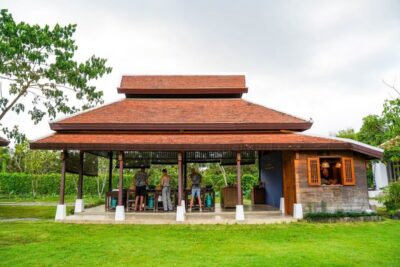
Authentic Cooking Class with Market & Farm Visit
Read our review →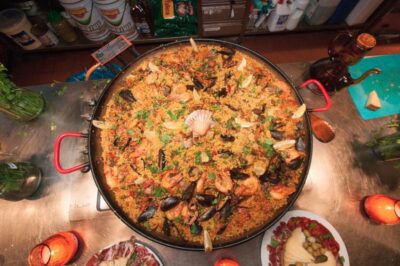
Paella Cooking Experience & Boqueria Market Tour
Read our review →
Cooking Class Hoi An:Local Market, Basket Boat, Fishing & Cooking
Read our review →
Hoi An Cooking Class(Market,BasketBoat Crabfishing&Cooking Class)
Read our review →Browse the lists this tour appears in