
Review · CHINA
Chengdu: Cooking Class with Fresh Market Half Day Experience
Taste Chengdu at its source. This half-day experience pairs a guided walk through a local spice market with hands-on Sichuan cooking in a courtyard kitchen. I especially like the market visit, where you learn to identify the spices and fresh ingredients before using them, and the relaxed meal at the end, with beer or other drinks included. The one drawback is the price: at $82 per person, it costs more than a basic cooking lesson, though the market tour, ingredients, guide, recipes, and full meal help explain the higher fee.
You meet at Liang Jia Xiang Station on Metro Line 6, then spend about 4.5 hours moving from market stalls to the kitchen table and finally to the dining table. The group can include up to 15 people, but the class is designed to stay personal, with English-speaking guides such as Lance or Jerry translating and helping as needed.
Key points to know before booking
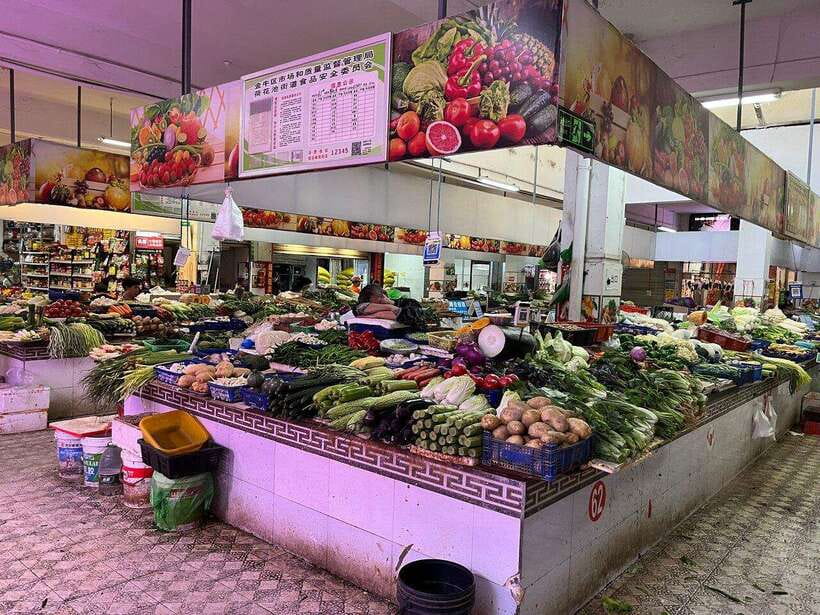
- The spice market comes first: You learn about Sichuan pepper, chilies, tea, vegetables, fruit, meat, and other ingredients before cooking.
- The class is genuinely hands-on: A professional chef guides you through preparation and wok cooking rather than simply demonstrating dishes.
- English support is strong: Guides including Lance and Jerry can explain the market and translate between the chef and English-speaking participants.
- Vegetarian and vegan meals can be arranged: Tell the operator about dietary needs when booking.
- Your meal is part of the experience: You eat the dishes you prepare, with beer or other beverages, light refreshments, and tea included.
- The class suits solo visitors: The small-group format and shared meal make it easy to take part even if you arrive alone.
Why this is a smart first taste of Sichuan food
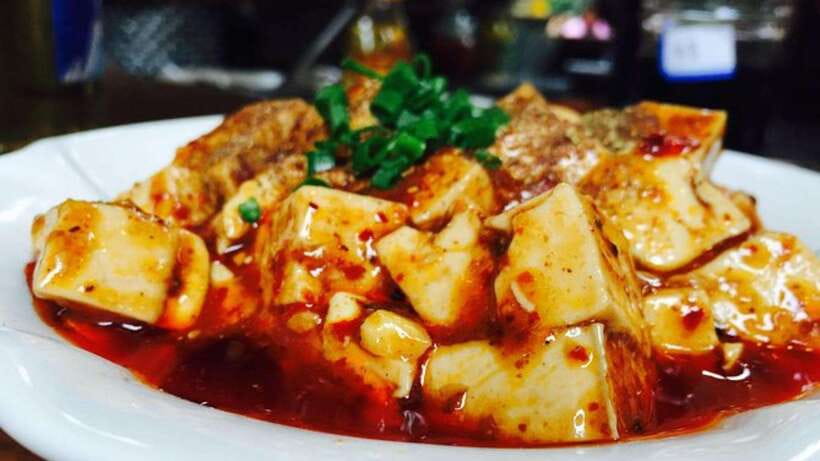
Chengdu food can look simple on the plate, but its flavor depends on balance. Chili heat is only one part of the story. Sichuan pepper brings a tingling sensation, fermented ingredients add depth, and fresh aromatics give a dish its lift.
This experience helps you see those pieces before they reach the wok. Instead of starting with a recipe sheet and a pile of unknown ingredients, you first walk through a working local market with a guide. That context matters. You can smell the spices, see the produce, ask questions, and understand what makes Sichuan cooking different from the Chinese food served in many restaurants abroad.
I also like that the activity does not stop after the cooking. You sit down with the group and eat what you made. That turns the lesson into a social meal, not just a practical class.
More Cooking Classes in China
- Half-Day Chengdu Cooking Class with a Local Market Visit
★ 5.0 · 465 reviews - Lijiang Naxi Cuisine Cooking Class & Market Visit
★ 5.0 · 48 reviews - Half-Day Xi’an Biang Biang Noodles Cooking with a Market Visit
★ 5.0 · 48 reviews
Meeting at Liang Jia Xiang Station
The meeting point is Metro Line 6, Liang Jia Xiang Station, Exit D. This is useful because you can reach the start by public transportation rather than arranging a private transfer.
The listed meeting time for the morning class is 8:50 a.m. Afternoon options are listed at 1:50 p.m. and 4:50 p.m., so check the exact departure when you reserve. The length is about 4.5 hours, making the morning session a good choice if you want the rest of the day free, while the afternoon class can fit around sightseeing earlier in the day.
Wear comfortable walking shoes. The first part takes place in a market, and the tour operates in all weather, so a light rain layer or suitable clothing is sensible when the forecast is uncertain.
You need to provide passport details for all participants at booking, including name, number, expiry date, and country. That is an easy detail to miss, so have the information ready.
Inside the local spice market
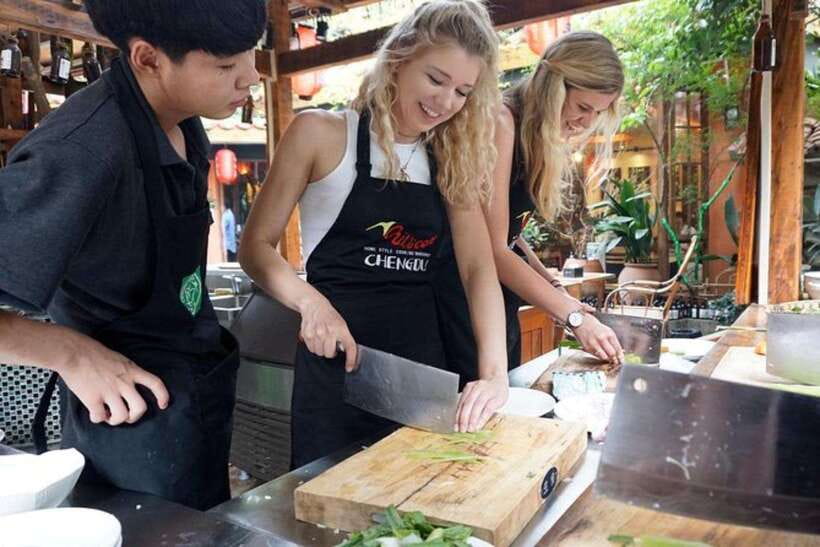
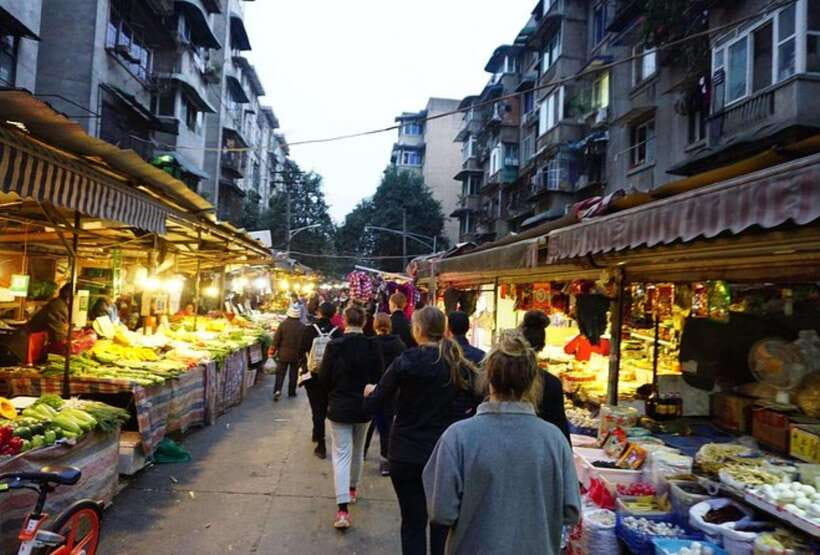
The market visit is more than a quick shopping stop. Your guide introduces the spices and ingredients that will appear later in the kitchen, giving you a useful preview of the flavors you are about to handle.
The market may feel familiar in one way, since it offers the broad selection of a food market or supermarket. It also feels distinctly local because you see fresh produce, spices, fruit, meat, tea, and other ingredients in their everyday setting. This is where the experience feels most connected to Chengdu life.
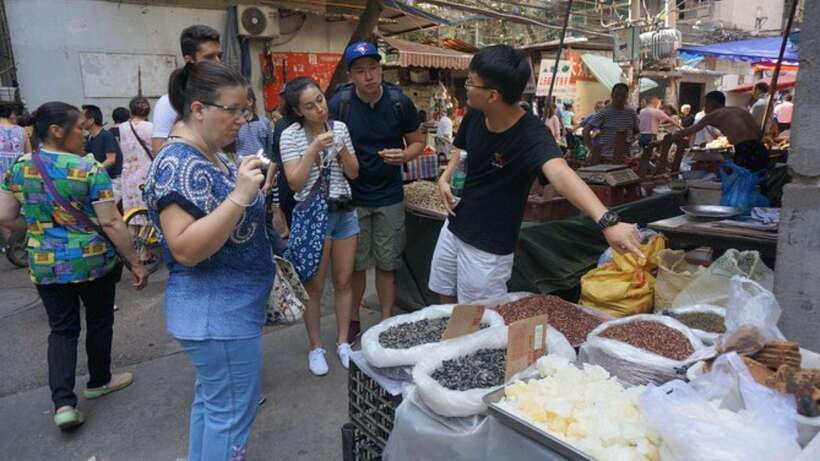
Guides such as Lance and Jerry have been praised for explaining ingredients clearly in English and for answering plenty of questions. Lance has also been known to buy different fruits and foods for the group to taste, which adds a playful touch to the walk. Those small samples help turn the market from a visual stop into a tasting lesson.
The tour includes fun challenges during the market visit. These give you something to look for and help keep the walk active, especially if you are not already familiar with Chinese ingredients.
The market is also a good place to ask practical questions. You can learn what a spice smells like, how a pepper differs from another pepper, and which ingredients create heat, aroma, or the famous Sichuan tingling effect. The exact dishes and market products may vary, but the goal is clear: understand the raw materials before cooking.
Tea, conversation, and the courtyard kitchen
After the market, you head to a workshop kitchen in a local restaurant setting. You are served Sichuan tea, presented as a traditional way to welcome friends and visitors.
This tea break gives the class a comfortable pause between walking and cooking. It also lets the guide explain the next steps, answer more questions, and help the group settle in. The atmosphere is intended to feel like a visit with local friends rather than a formal schoolroom.
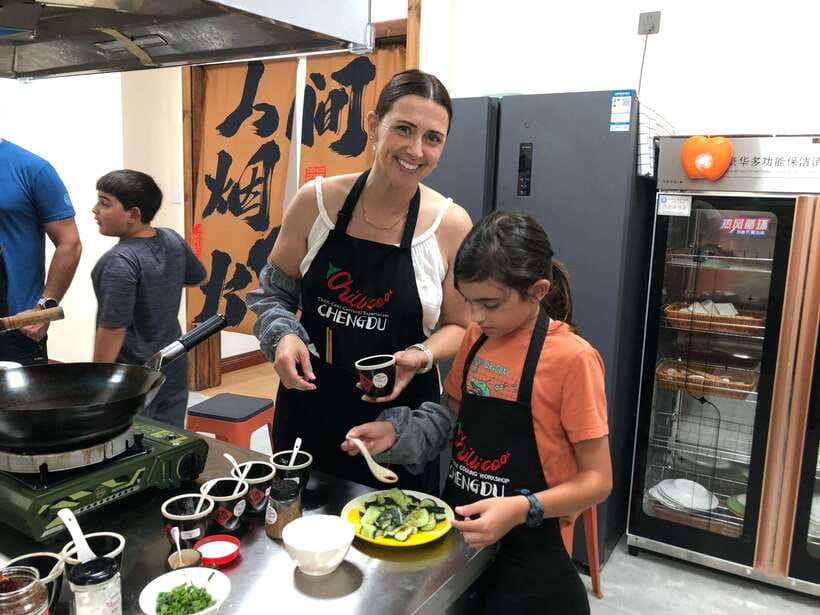
The kitchen is described as cozy and well equipped. That matters because cooking classes can be frustrating when tools are limited or several people are crowded around one work surface. Here, participants work at wok stations with help from the chef and support staff.
Chef Li, Chef Ling, or another chef may lead the cooking, depending on the session. The English-speaking guide helps translate instructions when needed. This is especially useful because the chef may not speak English, while the guide can explain both the technique and the reason behind it.
Same place, a different set of stalls:
- Mini Group Xian Day Tour to Terracotta Army, City Wall, Pagoda and Muslim Bazaar
★ 5.0 · 1,320 reviews - Shanghai Day Tour to Zhujiajiao Water Town, Yu Garden, Bazaar, Bund
★ 5.0 · 162 reviews - Organic Chinese Dumpling Class with Market Walk
★ 5.0 · 88 reviews - Flavors of Beijing: Eat Like A Real Chinese
★ 5.0 · 78 reviews
Preparing several Sichuan dishes
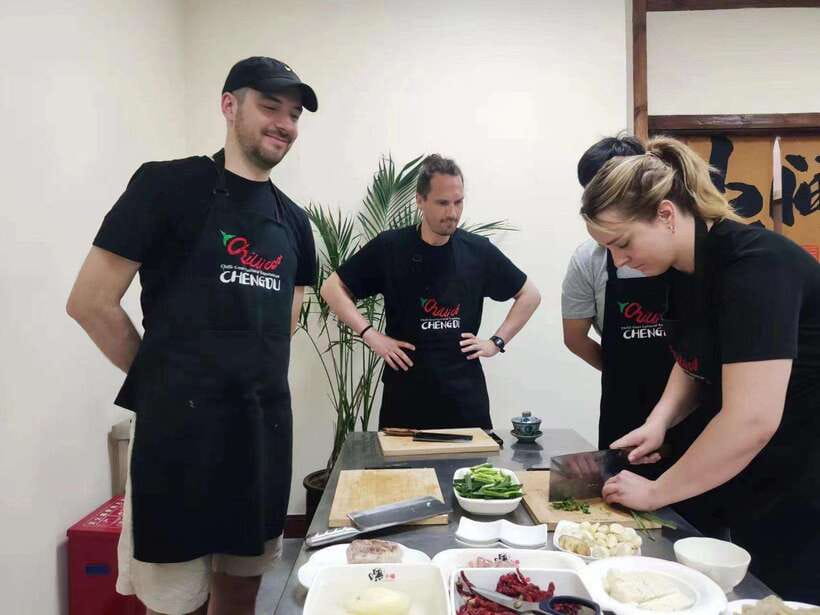
The class includes preparing multiple dishes, with past sessions involving three to five recipes. The exact menu can change, so you should not book this expecting one fixed list of dishes.
You will work through the preparation before the woks get hot. That may include washing, cutting, measuring, mixing sauces, and organizing ingredients. Good Sichuan cooking often depends on speed, so having everything ready before the cooking begins is part of the lesson.
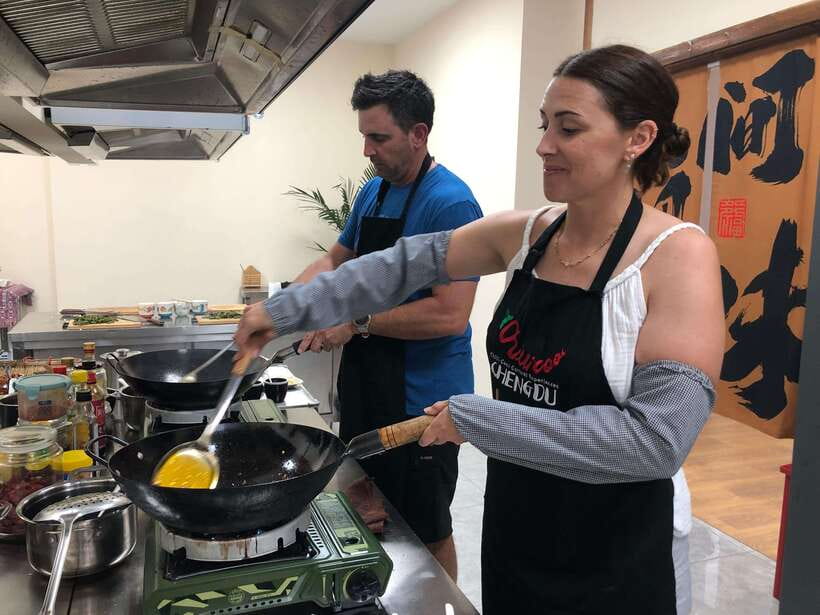
Once the woks heat up, the pace changes. One participant described the move from preparation to wok cooking as going from slow to very fast. That is useful to know. You are not simply stirring a pot at leisure. You need to pay attention, follow the chef’s timing, and accept help when it comes.
The staff stay nearby to keep the cooking on track. This is reassuring for beginners, since wok cooking can become intense when oil, heat, sauces, and several ingredients come together quickly. You still do the work, but you are not left to guess.
The class is suitable for people with little cooking experience. Beginners have been able to produce successful dishes with guidance, while more confident cooks can ask questions about technique and flavor. The point is not to prove you are a chef. It is to give you a practical understanding of how the dishes come together.
Eating what you cooked
At the end, everyone gathers to eat the food prepared during the class. Lunch or dinner is included, depending on the session time, along with beer or other beverages and light refreshments.
This is one of the strongest parts of the experience. You can compare the dishes, talk about the cooking process, and enjoy the results while the steps are still fresh in your mind. The shared meal also helps solo participants feel included.
The food has received especially strong praise, but it is worth keeping expectations sensible. You are learning in a group, not dining at a fine restaurant with a professional kitchen brigade. The pleasure comes from the combination of fresh ingredients, new techniques, and the satisfaction of eating something you helped prepare.
Recipes are provided, so the experience continues after you leave. That adds real value for anyone who wants to recreate Sichuan dishes at home. The recipes also help you remember unfamiliar ingredients and cooking methods that might otherwise blur together after a busy day.
Dietary needs and family suitability
Vegetarian options are available, but you must request them when booking. Vegan cooking has also been accommodated in past sessions, with the menu adjusted rather than treated as an afterthought.
Be specific about allergies or other dietary requirements at the time of booking. The information provided does not promise that every allergy can be handled, so you should contact the operator in advance if your needs are serious or complex.
The minimum age is five, and infant seats are available. That makes the experience workable for families, although parents should consider the long duration, market walking, hot cookware, and quick wok cooking. Younger children may enjoy tasting and preparing ingredients, but they will need close supervision around the kitchen.
Couples, solo visitors, and small groups can all fit naturally into the class. One-person sessions are possible if bookings are light, creating a more personal lesson with the guide and chef. A larger group gives you more conversation and shared energy, while the maximum group size of 15 keeps the activity from becoming a large bus tour.
Is $82 a fair price?
At $82 per person, this is not Chengdu’s cheapest food activity. You are paying for more than a recipe demonstration, though.
The price includes an English-speaking guide, the market walk, all food ingredients, tea, beverages or beer, light refreshments, tasting, lunch or dinner, and recipes. You also receive several hours of instruction and cultural explanation rather than just a meal.
I think the cost makes the most sense if you value personal guidance and want a full introduction to Sichuan food. It is less compelling if you only want to watch a chef cook or eat inexpensive local dishes. Chengdu has many cheaper meals, but they will not give you the same chance to understand the ingredients and techniques.
The class also saves you from having to arrange separate transport, market research, ingredient shopping, and a restaurant meal. For a first visit to Chengdu, that convenience has practical value.
Small details that make the experience work
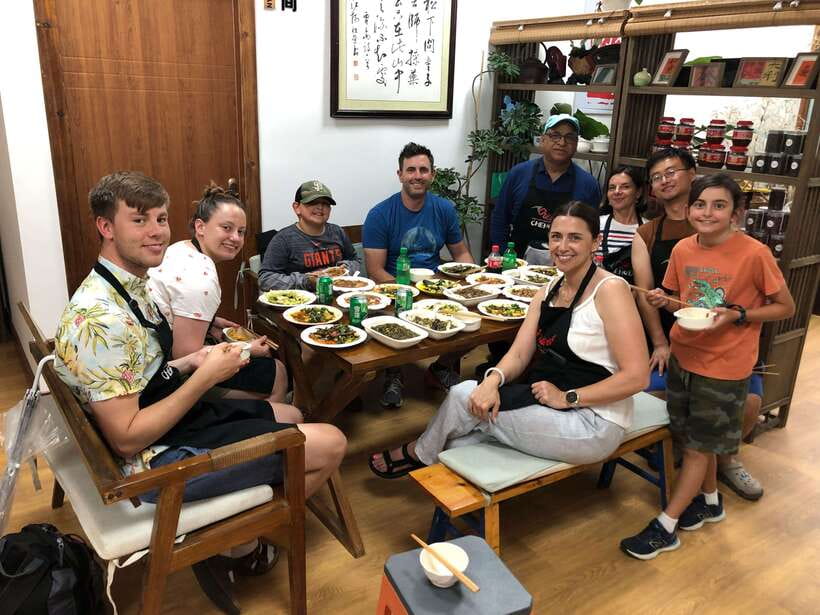
The guides are a major part of the class. Lance has been praised for his English, humor, and ability to explain both food and culture. Jerry has also been described as friendly, attentive, and helpful from the market through the meal. Lichi may assist on some sessions.
The chef matters just as much. Chef Li and Chef Ling have both been praised for patient instruction and good results. Since the chef may not speak English, the guide’s translation is an important part of the experience rather than a minor extra.
The class also works well when you ask questions. The market and cooking sections offer plenty of chances to ask about ingredients, tea, spices, preparation, and local food customs. If you are curious, speak up. You will get more from the time than someone who simply follows each step quietly.
The afternoon class should not be dismissed as a poor substitute for the morning. An afternoon session can still include the market visit, and the available information does not indicate that the later class skips the main parts of the experience.
Who should book this Chengdu cooking class?
I would recommend it to food-focused visitors who want more than restaurant recommendations. It is also a good fit for first-time visitors to China, since the market tour gives you a friendly introduction to ingredients that may otherwise be difficult to identify.
Solo visitors should feel comfortable booking. The group meal and guided kitchen work create natural conversation, and the one-on-one possibility can make the session especially personal.
Families with children aged five or older can consider it, provided they are comfortable with the length and kitchen setting. Vegetarians and vegans should contact the operator before booking so the menu can be prepared properly.
I would think twice if your schedule is tight or if $82 feels high for a food activity. The tour takes nearly half a day, and the value depends on your interest in learning, not just eating.
Final call: book it if you want to cook Chengdu
Book this experience if you want a close look at Sichuan ingredients, patient instruction, and a meal you helped create. The market visit, tea service, chef-led wok cooking, included drinks, and recipes give it more substance than a standard food tasting.
Skip it if you want the lowest-cost meal in Chengdu or prefer a short demonstration with no hands-on work. For most food lovers, though, this is a well-rounded way to spend half a day, especially if you ask questions, arrive ready to cook, and tell the operator about dietary needs in advance.
FAQ
How long does the Chengdu cooking experience last?
The experience lasts about 4.5 hours, including the market tour, tea service, cooking class, and shared meal.
Where is the meeting point?
Your guide meets you at Exit D of Liang Jia Xiang Station on Metro Line 6.
What time does the tour start?
The listed morning meeting time is 8:50 a.m. Afternoon meeting times are listed at 1:50 p.m. and 4:50 p.m. Check the available time when booking.
Is an English-speaking guide included?
Yes. An English-speaking guide is included, and the activity is offered in both English and Chinese.
Are food and drinks included?
Yes. Ingredients, food tasting, lunch or dinner, light refreshments, tea, and beverages or beer are included.
Can vegetarians join the cooking class?
Yes. A vegetarian option is available, but you need to advise the operator when booking. You should also mention any other dietary requirements at that time.
Is the experience suitable for children?
The minimum age is five. Infant seats are available, but children will need supervision around the market and hot cooking equipment.
Can I cancel the booking?
You can cancel up to 24 hours in advance for a full refund. A reserve-now, pay-later option is also available.
Just added around China
- Half-day Dandan Noodles Cooking Class with a Local Market Visit★ 5.0 · 8 reviews
- Three-Hour Private Chengdu Tea Wholesale Market Tour★ 5.0 · 4 reviews
- 3-Hour Herbal Wholesale TCM Market and a Local Wet Market Tour★ 5.0 · 4 reviews
- Small Group Beijing Temple of heaven and Summer Palace with Pearl market★ 5.0 · 3 reviews
- Full-Day Private Tour Panjiayuan Antique Market and Beijing Capital Museum★ 5.0 · 3 reviews
- Private Distinctive Market Tour with Shaomai Lunch and Full Massage in Beijing★ 5.0 · 2 reviews
- Private Tour to Pearl Market Acrobatic Show & Peking Duck Dinner★ 5.0 · 5 reviews
- Half Day Tour:Market Shopping Acrobatic Show & Peking Duck dinner★ 5.0 · 2 reviews
Cooking Classes, compared.
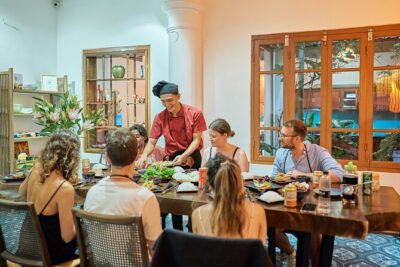
Hanoi Cooking Class: Culture, Local Market & Meaning CSR Impact
Read our review →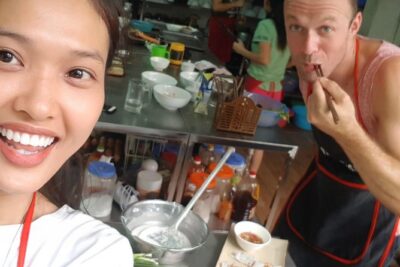
5 Traditional Dishes Hanoi Cooking Class with Market Trip
Read our review →
Cooking Class and Lunch at a Tuscan Farmhouse with Local Market Tour from Florence
Read our review →
Cooking Class, Market & Thai Herbs Garden Tour
Read our review →
Authentic Cooking Class with Market & Farm Visit
Read our review →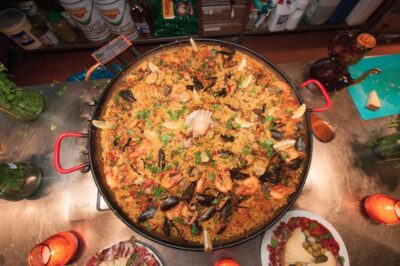
Paella Cooking Experience & Boqueria Market Tour
Read our review →
Cooking Class Hoi An:Local Market, Basket Boat, Fishing & Cooking
Read our review →
Hoi An Cooking Class(Market,BasketBoat Crabfishing&Cooking Class)
Read our review →Browse the lists this tour appears in