
Review · CHINA
Flavors of Beijing: Eat Like A Real Chinese
Food tells Beijing’s story fast. This experience pairs a local market visit with hands-on cooking in a hutong home, giving you a useful look at how ingredients move from stall to wok. Chef Chao is repeatedly praised for his patience, clear English, and calm teaching style.
I especially like the market stop, where you choose the ingredients instead of simply watching a guide point at them. I also like the small-group setup, capped at 12 people, with a chance of a much smaller class. The main drawback is a scheduling mismatch: the tour is described as about three hours in one place and five hours in another, so confirm the exact length and menu before booking.
- Shop before you cook: Walk through a local market and select the ingredients used in your meal.
- Learn real kitchen skills: Practice wok cooking, cleaver work, sauces, marinades, dumpling making, and condiments.
- Cook inside a hutong home: The class takes place in a local family setting rather than a polished restaurant school.
- Menus change by day: You may prepare dim sum, noodles, main dishes, or a meat-free menu on the designated vegetarian day.
- Small classes feel personal: The maximum is 12 people, and some sessions have only one or two students.
- Eat what you make: Food tasting is included, while beer and other drinks at Great Leap Brewing are extra.
What This Beijing Cooking Class Really Offers
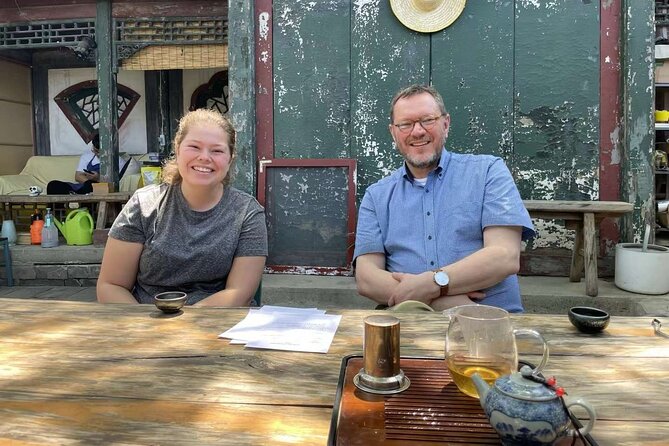
At $99 per person, this is not just a meal. You pay for a market walk, instruction, ingredients, kitchen use, and a shared meal in a local home. That makes the price fair if you want to learn techniques you can use again, not simply sample a few dishes.
The strongest part is the combination of settings. You begin at a food market, then walk through a hutong alley to the cooking space. That short transition matters. You see ingredients in their everyday setting, then handle them yourself instead of meeting them only after they have been chopped and plated.
The class is led by Chef Chao, whose teaching gets the warmest praise. His patient manner is useful for beginners, especially when you are working with a Chinese cleaver or trying to fold dumplings for the first time. You also receive recipes and cooking notes in some sessions, which gives the class value after you return home.
The experience is best understood as a half-day activity, despite the listed approximate duration of three hours. The detailed program describes five hours, while the meeting information gives a noon start. Because the timing is not fully consistent, ask for the current schedule before arranging another activity afterward.
Meeting at Noon Near the Bell and Drum Towers
The starting point is near Jiu Gu Lou Da Jie, close to the Bell and Drum Towers area. You meet your English-speaking guide at noon and begin on foot. Hotel pickup and drop-off are not included, so allow time to reach the meeting point by subway or another form of local transport.
The Bell and Drum Towers are useful landmarks in this part of central Beijing. The surrounding lanes offer a different feel from the grand imperial sights farther south. You are meeting near an older part of the city, where the class’s hutong setting makes sense rather than feeling like a staged theme park.
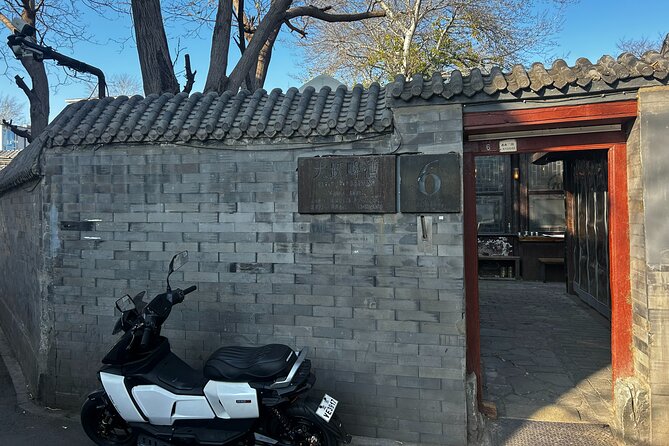
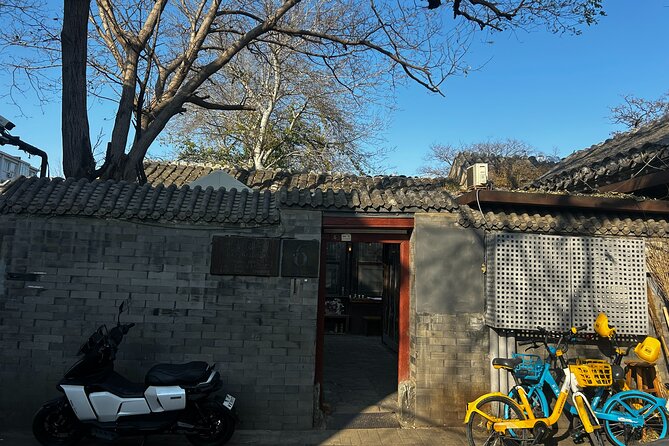
Pay close attention to the address when you arrive. The cooking school may not have a prominent outside sign, and the numbered addresses can be easy to miss. One practical tip is to save the meeting details offline and keep the provider’s contact information handy.
The activity ends back at the meeting point. That is convenient if you want to continue exploring the area, but it also means you need to arrange your own return transportation. One participant had trouble finding a taxi afterward, so do not assume a car will be easy to flag down in the neighborhood.
More Food Trips in Beijing:
- Beijing: Vegan Home Cooking & Local Market Tour with Sanxia
★ 4.8 · 4 reviews - Dubai: Old Town, Creek, Museums, Souks, & Street Food Tour
★ 4.8 · 10,816 reviews - Dubai: Old Town, Souks, Street Food, Guided Tour & Abra Ride
★ 4.9 · 7,170 reviews
Walking Through the Market Before the Knives Come Out
The market visit is the heart of the experience. Your guide explains the produce, seasonings, meats, and other foods on display, then helps select the ingredients for the class. The cost of those ingredients is included.
This is not a quick stop to snap a few pictures. The food stalls give you a chance to ask what unfamiliar items are, how they taste, and how they are used. Past classes have included unusual produce, different types of noodles, sauces, nuts, fruit, and even black chicken. You might also see familiar Western foods beside ingredients you would not normally find at home.
Some sessions visit two markets and include a small breakfast or food tasting along the way. The exact route can vary, so treat the market visit as a flexible part of the day rather than a fixed shopping list.
The market is also where the class gains its local character. A standard cooking school can hand you neatly measured ingredients. Here, you see the range and condition of the food before the cooking begins. That makes it easier to understand why Chinese dishes depend so much on fresh produce, texture, seasoning, and quick preparation.
Wear comfortable shoes. You will walk through market aisles and hutong lanes, and the ground may be uneven or crowded. Keep your belongings close and expect plenty of smells, colors, and movement around you.
From Hutong Alley to a Family Kitchen
After shopping, you walk through a hutong to the cooking location in a local home. The setting has character, but it is not a restaurant dining room or a large commercial school. You should expect a homely, practical kitchen with a personal feel.
That atmosphere is one of the best reasons to book. You get a look at the kind of residential setting that many visitors miss while moving between Beijing’s major sights. The home environment also makes the meal feel social. You cook, sit at a family table, and share the results with the guide and the rest of the group.
The tradeoff is comfort. One class held in August became hot in the kitchen, so you may find the room warm during summer. The cooking space is described as cozy, which means it may feel close when the group is full. The maximum of 12 people keeps the class manageable, but a session with six or fewer will feel more personal.
Sauces, Condiments, Woks, and Cleavers
The lesson begins with the building blocks of Chinese cooking. You learn about condiments, sauces, marinades, spices, and seasoning combinations before moving into preparation. This is valuable because the flavor of many Chinese dishes comes from balance, not from one secret ingredient.
You also learn how to use a wok and a large Chinese cleaver. The cleaver can look intimidating at first, especially if you are used to a small Western chef’s knife. Chef Chao demonstrates safe cutting and preparation techniques, then lets you practice.
Do not expect a quiet demonstration where you watch someone else do all the work. The point is to prepare the ingredients, shape the food, cook it, and then eat it. Beginners should find the patient teaching reassuring, while confident home cooks may appreciate the chance to ask about technique and seasoning.
The menu changes by day. That is both a strength and a planning issue. You do not book one guaranteed dish every time, so confirm the schedule if a particular food matters to you. The program may focus on dim sum, noodles, or several main dishes, and at least one vegetarian dish is prepared each day.
Same place, a different set of stalls:
- Private Beijing Markets Tour with Tea Tasting at Hongqiao Pearl Market
★ 5.0 · 18 reviews - Night Market Haggling Adventure with an English Guide!
★ 4.8 · 7 reviews - 6-Hour Private Beijing Tour: Flower and Fish Market, Panjiayuan Antique Market and 798 Art Zone
★ 5.0 · 7 reviews - Private Tour to Pearl Market Acrobatic Show & Peking Duck Dinner
★ 5.0 · 5 reviews
Dumplings, Noodles, and Changing Daily Menus
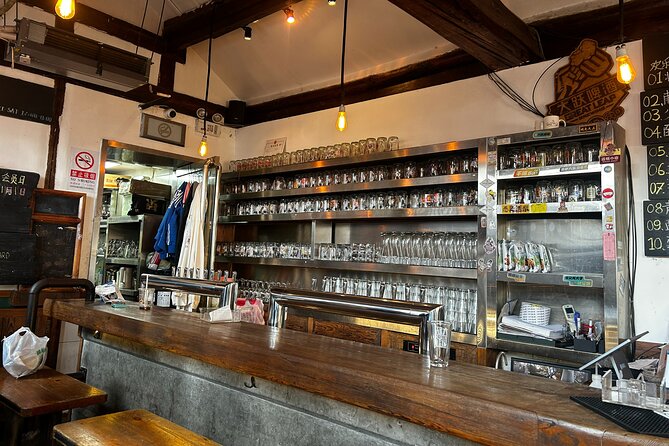
On dim sum days, you might prepare barbecued pork buns, stir-fried noodles, sesame rolls, or several types of dumplings. Dumpling sessions can include making the dough, preparing fillings, folding the wrappers, and cooking them in different ways.
One class prepared vegetarian, pork, and beef fillings, then boiled, steamed, and fried the dumplings. That kind of comparison is especially useful because it shows how the same basic food changes with its filling and cooking method.
Folding is harder than it looks. The pleats must hold together, and the dough needs the right thickness. You may not produce restaurant-perfect shapes on your first attempt, but that is part of the fun. After making dumplings by hand, you will understand why a plate of them involves more work than its simple appearance suggests.
Other menus include dishes such as ginger fish cooked in a steamer, sweet and sour pork, and stir-fried chili beef. The menu description also allows for a fully vegetarian day once a week. At least one vegetarian dish appears each day, and vegan needs have been accommodated successfully in past classes.
Still, do not rely on the general menu alone if you have strict dietary requirements. Tell the provider when booking and confirm the specific day. The supplied information supports vegetarian and vegan accommodation, but it does not promise every dietary restriction can be handled.
Eating at the Family Table
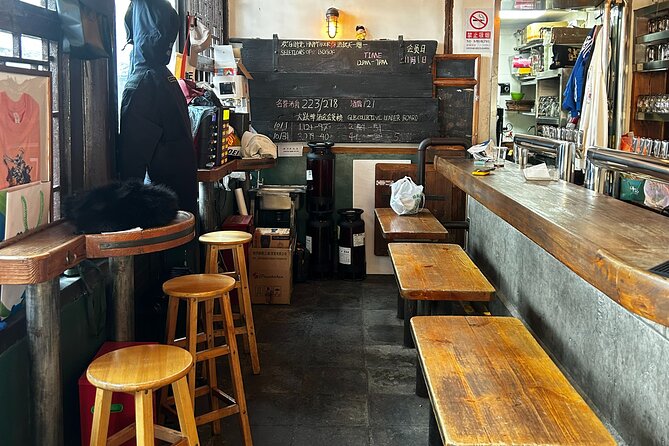
Once the cooking is finished, you sit down and eat the food you prepared. This is more satisfying than a tasting plate because you have seen the ingredients, done the chopping, and taken part in the cooking.
The meal also gives you time to talk with Chef Chao and the group. Solo visitors can find this especially pleasant, since the class naturally creates a shared table and a common task. Couples and families get a relaxed activity that does not depend on sightseeing stamina.
Food tasting is included. Beer and drinks at Great Leap Brewing are not included, so carry extra money if that stop is part of your scheduled route and you want something to drink.
The amount of food may be generous. One solo participant found that the class produced far more than one person could reasonably eat. That is a small issue rather than a serious flaw, but it shows that the menu is designed for sharing.
How the Bell and Drum Towers Route Fits In
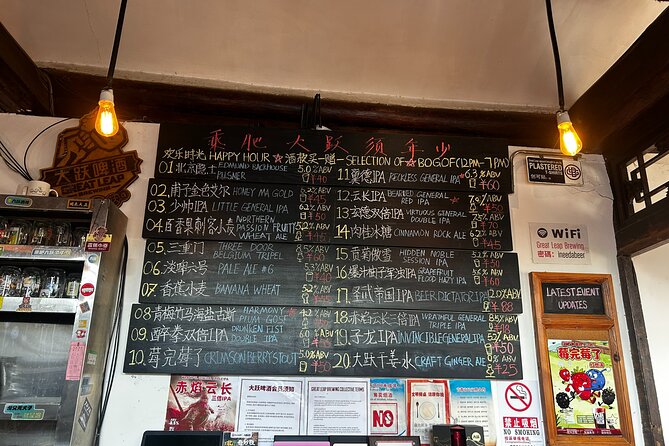
The listed route includes the Bell and Drum Towers, Yandai Xie Street, Yinding Bridge, Great Leap Brewing Original #6, and Songzhu Temple and Zhizhu Temple. These stops suggest that the experience may include a wider walking route around the northern hutong area in addition to the cooking activity.
The Bell and Drum Towers provide an easy starting landmark and a sense of old Beijing’s central neighborhoods. Yandai Xie Street is a popular pedestrian lane with shops and food, while Yinding Bridge sits by Houhai, an area known for water views and evening activity.
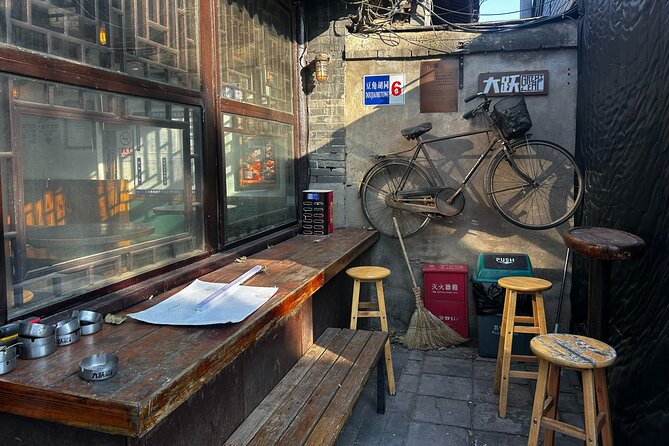
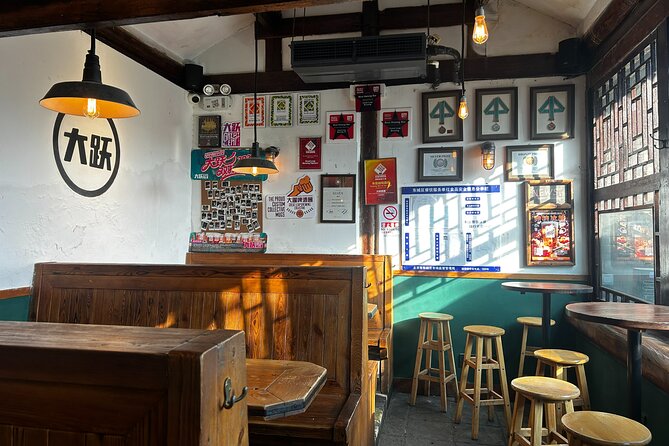
Great Leap Brewing Original #6 is a local beer stop, but drinks there cost extra. If you are focused mainly on cooking, this part may feel less important. If you enjoy pairing local food with craft beer, it adds a pleasant finish.
Songzhu Temple and Zhizhu Temple offer quieter cultural stops away from the busiest commercial lanes. The published details do not clearly explain how much time is spent at each place, or how these stops fit with the five-hour cooking schedule. Confirm the current route before assuming you will have time for all five.
Group Size, Timing, and Practical Comfort
The class accepts up to 12 people, with group discounts available. That is small enough for direct instruction, though the experience will vary by attendance. Some sessions have been private or nearly private, with one or two students. Those classes allow more questions and more hands-on time.
The listed start time is 12 p.m. The detailed description also calls the experience five hours, while the headline duration says approximately three hours. This needs clarification. A three-hour activity might fit neatly between sightseeing plans. A five-hour session could take most of your afternoon.
The activity is near public transportation, and most people can participate. You should still expect walking, standing, market aisles, and kitchen work. Comfortable shoes and clothing you do not mind cooking in are sensible choices.
Confirmation is provided at booking. You can cancel for a full refund up to 24 hours before the start time. Changes or cancellations inside that window are not accepted, based on the local time in Beijing.
Is $99 a Fair Price?
At $99, the value depends on how you use the experience. If you only want lunch, you can eat for less elsewhere. If you want a market tour, a private-home setting, several hours of instruction, included ingredients, and recipes to use later, the price is easier to justify.
The strongest value comes from access and participation. You are not simply shown a local market or served a generic cooking demonstration. You shop for the food, learn how condiments work, handle the tools, cook several dishes, and sit down to eat them.
The small-group limit also helps. A class of 12 is not intimate in the same way as a private lesson, but it is far more workable than a large coach group. If you happen to book a quiet date, you may receive one-on-one attention without paying a private-tour rate.
Beer and other drinks at Great Leap Brewing cost extra. Hotel transport also costs extra, so include those items when comparing the total price with other food tours in Beijing.
Who Should Book This Experience?
I would choose this class if you want a local food experience with real participation. It suits first-time cooks, solo visitors, couples, and families with older children who can follow kitchen instructions and avoid distracting others.
It is also a good choice early in your Beijing stay. The market and hutong walk can help you get your bearings in the city, while the meal introduces ingredients you may notice later in restaurants and shops.
You may want to skip it if your schedule is packed with fixed afternoon plans, if you dislike group cooking, or if you need an exact menu and guaranteed timing. The kitchen can be warm, the location may be hard to identify from the street, and the duration needs confirming.
Should You Book Flavors of Beijing?
Yes, if you value hands-on learning more than a polished restaurant meal. Chef Chao’s patience, the market visit, the family-home setting, and the chance to make dumplings or regional dishes give this experience a genuine local feel.
Before paying, confirm the class length, menu date, vegetarian or vegan arrangements, and how the listed sightseeing stops fit into the cooking schedule. If those details work for your plans, $99 buys a useful and memorable afternoon, not just another Beijing food stop.
FAQ
Where does the cooking class meet?
The meeting point is near Jiu Gu Lou Da Jie, close to the Bell and Drum Towers area in Beijing. The listed location is near public transportation.
What time does the experience start?
The listed start time is 12 p.m.
How long does the experience last?
The information gives two different durations. One section lists approximately three hours, while the detailed description calls it a five-hour cooking class. Confirm the current timing before booking other activities.
What is included in the price?
Food tasting, the local food market tour, a professional English-speaking guide, ingredients, and cooking equipment are included.
Is hotel pickup provided?
No. Hotel pickup and drop-off are not included. You need to make your own way to the meeting point and arrange your return.
How many people can join?
The maximum group size is 12 people. Some sessions may have fewer participants.
Will the menu be the same every day?
No. The menu changes daily. Possible dishes include dim sum, dumplings, noodles, ginger fish, sweet and sour pork, and stir-fried chili beef. A vegetarian menu is offered on a selected day each week.
Can vegetarians or vegans take part?
At least one vegetarian dish is prepared each day, and a fully vegetarian menu is offered on a selected day. Vegan meals have also been accommodated, but you should confirm your needs in advance.
Are drinks at Great Leap Brewing included?
No. Beer and other drinks at Great Leap Brewing Original #6 are not included.
Just added around Beijing
- Small Group Beijing Temple of heaven and Summer Palace with Pearl market★ 5.0 · 3 reviews
- Private Tour to Pearl Market Acrobatic Show & Peking Duck Dinner★ 5.0 · 5 reviews
- Full-Day Private Tour Panjiayuan Antique Market and Beijing Capital Museum★ 5.0 · 3 reviews
- Private Distinctive Market Tour with Shaomai Lunch and Full Massage in Beijing★ 5.0 · 2 reviews
- Half Day Tour:Market Shopping Acrobatic Show & Peking Duck dinner★ 5.0 · 2 reviews
- 3-Hour Private Shopping Tour at Panjiayuan Market from Beijing★ 5.0 · 2 reviews
- Lama Temple, Hutong and Silk & Pearl Market Private Day Tour★ 5.0 · 5 reviews
- Dumpling Cooking Class and Local Market Tour★ 5.0 · 3 reviews
Beijing Market Tours, compared.
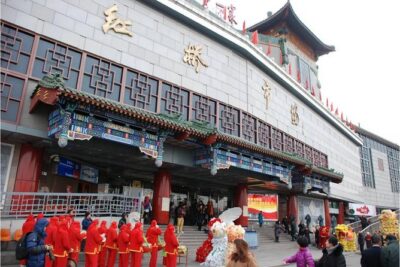
Private Beijing Markets Tour with Tea Tasting at Hongqiao Pearl Market
Read our review →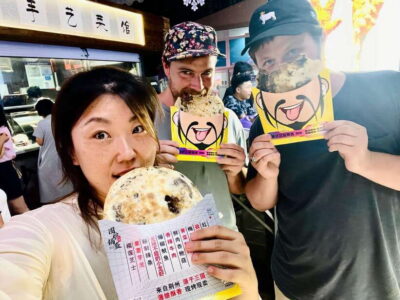
Night Market Haggling Adventure with an English Guide!
Read our review →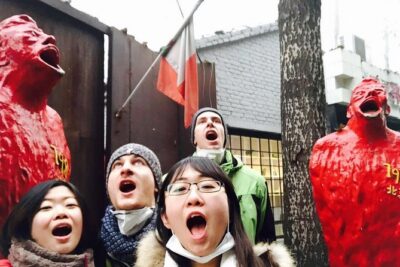
6-Hour Private Beijing Tour: Flower and Fish Market, Panjiayuan Antique Market and 798 Art Zone
Read our review →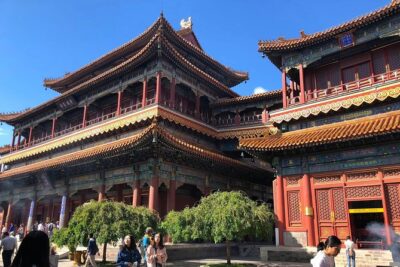
Lama Temple, Hutong and Silk & Pearl Market Private Day Tour
Read our review →
Private Tour to Pearl Market Acrobatic Show & Peking Duck Dinner
Read our review →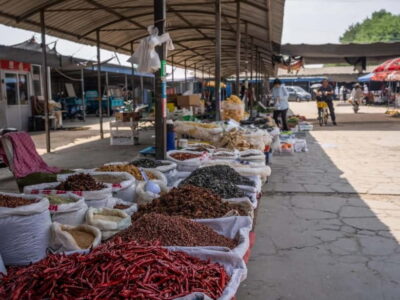
Vegan Home Cooking & Local Market Tour with Sanxia
Read our review →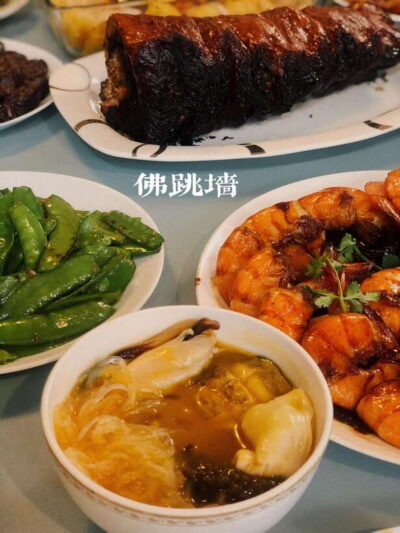
Browse the lists this tour appears in