
Review · CHINA
Half-day Dandan Noodles Cooking Class with a Local Market Visit
Chengdu tastes better from a market stall. This four-hour class combines a visit to a local spice market with hands-on Dan Dan noodle cooking in a professional kitchen. I like the market treasure hunt, which turns ingredient shopping into a small challenge, and I like that the cooking is practical rather than just a chef demonstration.
The class also includes tea, a meal, drinks, recipes, and hotel pickup and drop-off within Chengdu’s second ring road. The main drawback is the price: at $100 per person, it costs more than a simple market tour or cooking lesson, and the exact meeting arrangements deserve a quick check before you go.
Key points at a glance
- A market visit with a purpose: You learn to identify Sichuan spices and ingredients before using them in the kitchen.
- A small maximum group of eight: The size should allow useful contact with the guide and chef.
- A real hands-on lesson: You prepare Dan Dan noodles with guidance from a professional Sichuan chef.
- A playful local challenge: Past participants have made chaoshou dumplings and practiced Mandarin while buying them.
- A complete half-day outing: Tea, food, beer or other drinks, recipes, and transport are included.
- Best for curious eaters: The class suits people who want context and participation, not just a meal.
Why Dan Dan noodles make a good Chengdu lesson
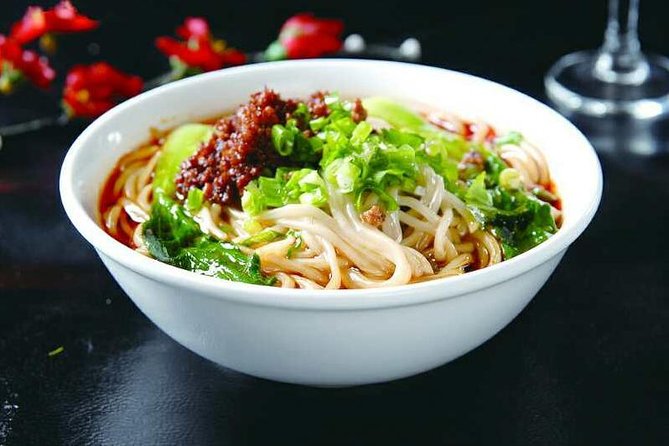
Dan Dan noodles, or 担担面, are one of Sichuan’s best-known noodle dishes. The appeal is not simply heat. A good bowl brings together spicy chili oil, savory seasoning, noodles, aromatics, and the nutty depth associated with Sichuan cooking.
That balance makes Dan Dan noodles a useful dish to learn. You are not just following a recipe with one dominant flavor. You are learning how several small amounts of seasoning work together.
The class is also a good fit for a short stay in Chengdu. You get a taste of the food culture, learn about ingredients you may see elsewhere in the city, and leave with recipes to try at home. It gives you something to do with the food knowledge you collect during the rest of your visit.
I would not choose this experience if you want a quiet restaurant meal or a quick cooking demonstration. The market section involves walking, looking closely, asking questions, and taking part in small tasks. The reward is a better sense of how the dish begins, long before it reaches your bowl.
More Cooking Classes in China
- Half-Day Chengdu Cooking Class with a Local Market Visit
★ 5.0 · 465 reviews - Lijiang Naxi Cuisine Cooking Class & Market Visit
★ 5.0 · 48 reviews - Half-Day Xi’an Biang Biang Noodles Cooking with a Market Visit
★ 5.0 · 48 reviews
Starting at Chilli Cool China and finding the right pickup
The advertised meeting point is in Jinniu District at Liangjiaxiang, Chengdu, with the address given as 610051. Hotel pickup and drop-off are available for hotels within the second ring road, which can make the morning or afternoon much easier.
Because both a meeting point and hotel pickup are listed, I would confirm the arrangement when booking. Ask where the vehicle will meet you, especially if your hotel sits near the edge of the second ring road. This is a small practical step, but it prevents confusion at the start of a half-day activity.
The class operates in all weather conditions. Comfortable walking shoes are a smart choice since the market portion involves moving around and standing. The experience is suitable for children from age five, but young children will need help with the walking, cooking, and ingredient work.
The maximum group size is eight. That matters here. A cooking class becomes less useful when you are crowded around one work surface or waiting for a turn. A group of this size should give you a reasonable chance to ask questions and receive help from the guide and chef.
Inside the local spice market
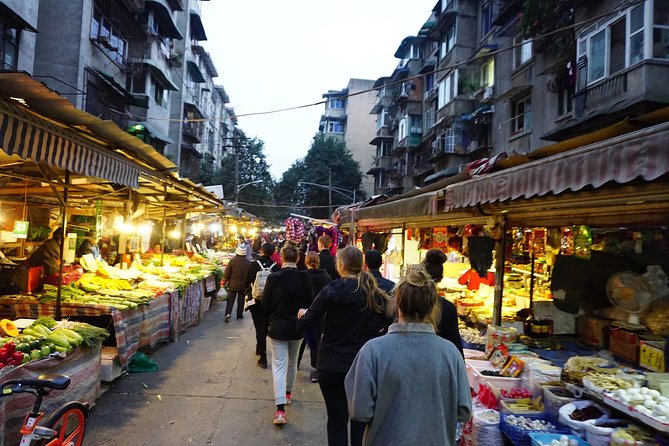
The first major stop is Chilli Cool China, where the guide leads you through a local spice market. This is more than a shopping stop. You look for ingredients used later in the class and learn how Sichuan spices fit into local cooking.
A guide such as Lance can make this section especially useful. His role is not only to point out ingredients but to explain what they are for and answer questions as you go. That personal help is valuable if you cannot read Chinese labels or are unsure how one dried pepper differs from another.
The market activity includes fun challenges. One reported task involved making ten chaoshou, a type of Sichuan dumpling, then using Mandarin to buy them. That kind of exercise adds a little nerve and humor to the visit. You are not simply watching local life from the side. You have a reason to interact.
The market can also be one of the most memorable parts of the morning because it shows the working side of food culture. You see ingredients before they have been measured and arranged for a cooking lesson. You can ask about spices, local snacks, and the way ingredients are sold and used.
I would keep an open mind here. A local market is not designed like a polished food hall, and the experience may feel less tidy or predictable than a standard sightseeing stop. That is part of its value, but it also means you should expect a practical outing rather than a staged display.
What you learn before cooking
The market visit gives the cooking class a useful foundation. When the chef later uses spices and sauces, you have already seen some of those ingredients in their everyday setting.
This helps you understand why Sichuan cooking has such a distinctive character. The lesson focuses on the seasoning behind Dan Dan noodles, including the sauce that gives the dish its savory, spicy, and nutty balance. The exact sequence and recipe details are taught during the class, and recipes are included afterward.
The guide can also bridge the gap between food vocabulary and daily life. Learning the Mandarin needed to buy a local snack is a small detail, but it helps you feel more involved. Even if your language skills are limited, you get a chance to use a few words in a real setting.
The experience is conducted in English with an English-speaking guide. That makes explanations easier to follow, particularly when the class moves quickly from identifying ingredients to preparing them.
More Farmers Market Tours in China
- Half-Day steamed Buns Cooking Class with a Local Market Visit
★ 5.0 · 26 reviews - Half-Day Professional Mapo Tofu Cooking with a Local Market Visit
★ 5.0 · 19 reviews - Old Guangzhou Backstreet Alley Local Market Walking Private Tour
★ 5.0 · 18 reviews - Local Market Shopping Guide
★ 4.8 · 4 reviews
Cooking at Chilli Cool’s professional kitchen
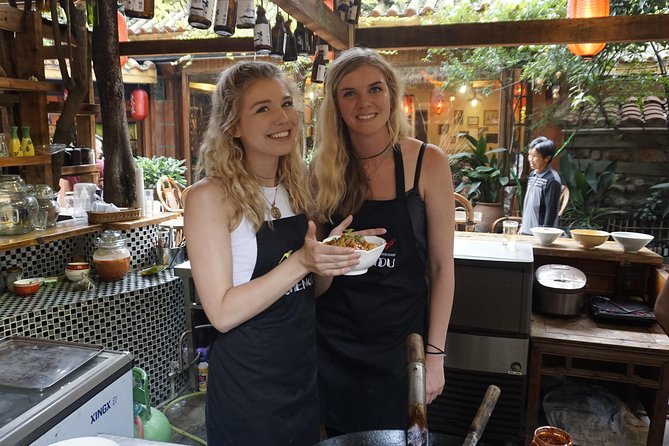
After the market, the group goes to Chilli Cool’s kitchen for the main lesson. The setting is described as a professional Sichuan cooking school with a cozy kitchen, so you can expect a more organized work area than the market.
The chef guides you through the preparation of Dan Dan noodles. The emphasis is hands-on, not simply watching someone else cook. You take part in the process and then eat the food you have prepared.
That practical format is the strongest reason to book this class. You can ask about techniques as they come up, and you can see how the different components fit together. The instruction is also useful for people who cook at home because the class includes recipes rather than leaving you with only a memory of the meal.
The teaching has been praised for being clear, professional, and well explained. That is important in a dish where small changes in seasoning can alter the result. A strong guide or chef can help you understand not just what to add, but why each element is there.
The class is also social without requiring a large group. You cook alongside the other participants, which can make the lesson relaxed and entertaining. Families, couples, and solo visitors can all fit into this format, provided they are happy working in a shared kitchen.
Tea first, noodles next, meal at the end
Sichuan tea is served during the class. Offering local tea to friends and visitors is part of the region’s hospitality, so this pause gives the cooking session a little cultural context.
The tea also breaks up the activity. You move from walking and shopping to sitting or working in the kitchen, then finish with a meal. That rhythm helps the four-hour schedule feel like a full outing rather than one long demonstration.
At the end, you eat the Dan Dan noodles you prepared. Lunch or dinner is included, depending on the time of your class, along with light refreshments and beverages. Beer is also included as an option, which gives the meal a casual finish.
The food is the natural test of the lesson. You can compare the finished bowl with the flavors you noticed in the market and decide how much heat and seasoning suits you. If you prefer milder food, ask about adjustments during the cooking process rather than waiting until the noodles are served.
How much value does the $100 price offer?
At $100 per person, this is not a budget food activity. The value depends on how much you want from the experience.
You are paying for about four hours of guided time, market access with an English-speaking guide, a small group capped at eight, a professional cooking lesson, ingredients, tea, food, drinks, recipes, and hotel transport within the second ring road. If you add up those parts, the price becomes easier to understand.
The market visit is what separates this from a basic cooking class. You are not only learning to mix a sauce. You are seeing the ingredients in a local setting and taking part in a food-related challenge before heading to the kitchen.
The price is less appealing if your main goal is simply to eat Dan Dan noodles. Chengdu has many cheaper ways to sample the dish. I would book this for the combination of food, instruction, and local contact, not just for lunch or dinner.
Group discounts are available, though the exact savings are not specified. If you are traveling with family or friends, check the group rate before paying. The discount could make the per-person cost more comfortable.
Who should book this class?
I would recommend it to first-time visitors who want an approachable introduction to Sichuan food. It is also a good choice for home cooks, food-focused visitors, and anyone who enjoys learning through small tasks rather than passive sightseeing.
The class suits couples especially well if you want a shared activity with a meal at the end. It can also work for families because the minimum age is five, though adults should expect to supervise younger children.
Solo visitors can benefit from the small maximum group. You will have a structured activity, a guide to help with communication, and a chance to cook with other people.
I would be more cautious if you have strict dietary needs. Vegetarian food is available, but you must advise the provider when booking. The same applies to other dietary requirements. Do not assume that a request made on the day can be handled easily.
The class may not suit you if walking through a working spice market, handling unfamiliar ingredients, or eating spicy food sounds unpleasant. It is also not designed for someone seeking an advanced, multi-day cooking course. This is a single half-day introduction.
Useful booking details before you go
Confirmation is provided at booking. You need to supply each participant’s passport name, passport number, expiry date, and country. Have those details ready so the reservation does not stall.
You can cancel for a full refund up to 24 hours before the start time. Cancellations made within 24 hours are not refunded, and changes within that period are not accepted. The cutoff follows local Chengdu time.
The activity runs in all weather, so dress for the conditions and wear comfortable walking shoes. Since the outing combines a market and kitchen work, clothing that allows easy movement is more sensible than dressing for a formal meal.
The listed end point returns to the meeting point, while hotel drop-off is offered within the second ring road. Again, confirm the exact transport plan if your accommodation is close to the boundary or if you are using a different pickup location.
Should you book the Dan Dan noodles class?
Book it if you want to understand Chengdu food through both shopping and cooking. The market challenges, Lance’s friendly guidance, the local tea, and the hands-on noodle lesson give the experience more substance than a standard cooking demonstration.
The $100 price is fair for a small group with food, drinks, recipes, and transport included, but it is not the cheapest way to eat Sichuan noodles. I would choose this class early in your Chengdu stay, then use what you learn to order with more confidence at local restaurants and food stalls.
If you need vegetarian food or have other dietary restrictions, arrange that in advance. If your hotel is outside the second ring road, confirm the meeting point and transport before booking. For everyone else, this is a friendly, practical way to spend half a day with one of Chengdu’s most famous dishes.
FAQ
How long does the Dan Dan noodles class last?
The experience lasts approximately four hours, with the full activity sometimes described as taking four to five hours.
What is included in the price?
The price includes an English-speaking guide, hotel pickup and drop-off within Chengdu’s second ring road, food ingredients, beverages or beer, tea, light refreshments, lunch or dinner based on the class schedule, and recipes.
Is hotel pickup available?
Yes. Pickup and drop-off are available for hotels within the second ring road of Chengdu. The listed meeting point is at Liangjiaxiang in Jinniu District.
What is the maximum group size?
The activity has a maximum of eight participants.
Can children join the class?
Yes. The minimum age is five years old.
Is a vegetarian option available?
Yes. A vegetarian option is available, but you must advise the provider when booking. You should also report any other dietary requirements at that time.
What is the cancellation policy?
You can cancel at least 24 hours before the experience for a full refund. Cancellations or changes made less than 24 hours before the start time are not accepted, and the amount paid is not refunded.
More Half-Day Trips in China
- Half-Day Railway Market and Floating Market Tour in Thailand
★ 4.5 · 3,924 reviews - Dubai: Half-Day City Tour with Blue Mosque, Creek, and Souks
★ 4.8 · 3,059 reviews - Dubai Half-Day City Tour with Visit to Dubai Gold Souk
★ 4.0 · 1,741 reviews - Half-Day Spanish Cooking Class & Boqueria Market Tour
★ 4.9 · 383 reviews
Just added around China
- Three-Hour Private Chengdu Tea Wholesale Market Tour★ 5.0 · 4 reviews
- 3-Hour Herbal Wholesale TCM Market and a Local Wet Market Tour★ 5.0 · 4 reviews
- Small Group Beijing Temple of heaven and Summer Palace with Pearl market★ 5.0 · 3 reviews
- Full-Day Private Tour Panjiayuan Antique Market and Beijing Capital Museum★ 5.0 · 3 reviews
- Private Distinctive Market Tour with Shaomai Lunch and Full Massage in Beijing★ 5.0 · 2 reviews
- Private Tour to Pearl Market Acrobatic Show & Peking Duck Dinner★ 5.0 · 5 reviews
- Half Day Tour:Market Shopping Acrobatic Show & Peking Duck dinner★ 5.0 · 2 reviews
- 3-Hour Private Shopping Tour at Panjiayuan Market from Beijing★ 5.0 · 2 reviews
Local & Farmers Market Tours, compared.
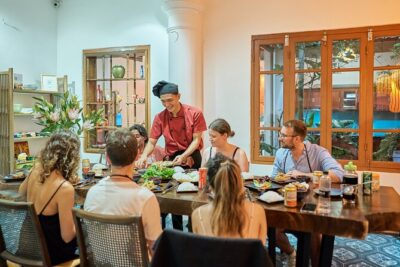
Hanoi Cooking Class: Culture, Local Market & Meaning CSR Impact
Read our review →
Cooking Class and Lunch at a Tuscan Farmhouse with Local Market Tour from Florence
Read our review →
Cooking Class Hoi An:Local Market, Basket Boat, Fishing & Cooking
Read our review →
London Bridge & Borough Market Food Tour with 7 Authentic Dishes
Read our review →
Hoi An Cooking Class(Local market,Basket Boat,Fishing & Cooking)
Read our review →
Browse the lists this tour appears in