
Review · JAPAN
Kuromon Market Tour: All inclusive 6~8 Dishes & 3~4 samplings
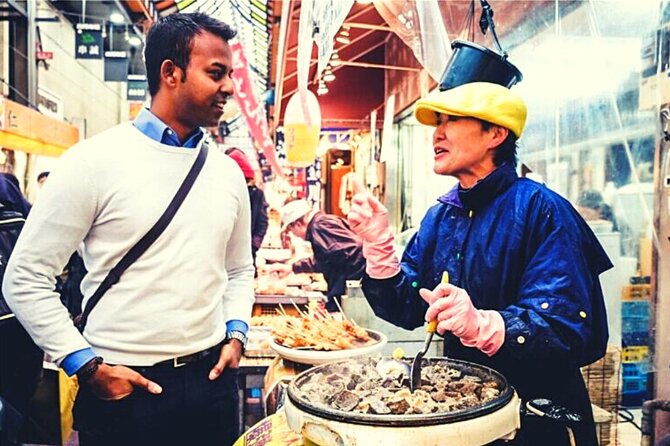
Fresh seafood is only the beginning. Osaka’s Kuromon Market food tour gives you a guided route through one of the city’s best-known food streets, with at least six dishes, three to four smaller samples, and more than 10 food items in all. I especially like the small maximum of nine people and the guides’ close ties with family-run vendors. A possible drawback is that the experience is not suitable for vegetarians or vegans.
I also like that the food is not limited to easy tourist favorites. You might try seafood, fish cakes, fugu, sea urchin, otoro tuna, okonomiyaki, sweets, and Japanese tea, depending on the day and your interests. The two-hour tour costs $63.43, which is fair if you arrive hungry and would otherwise struggle to choose stalls or order unfamiliar foods on your own.
Key points to know before you book
- At least six dishes plus three to four samplings: Expect a substantial tasting route rather than a quick snack stop.
- A compact group of up to nine people: This makes it easier to hear explanations, ask questions, and move through crowded aisles.
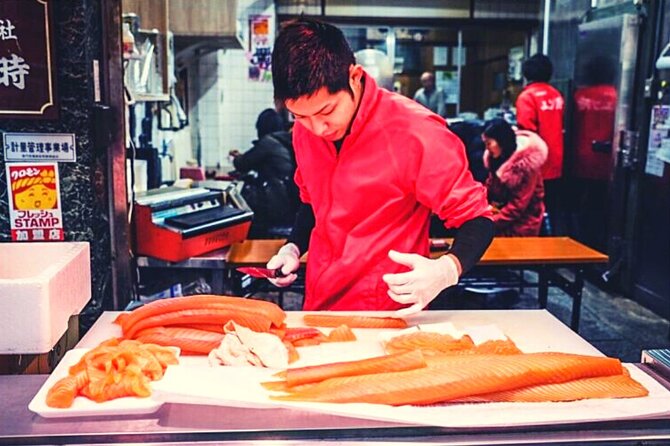
- Seafood is central: Oysters, tuna, sea urchin, fish cakes, and even carefully prepared pufferfish may appear, but exact foods can change.
- Guides have vendor relationships: Anna, Hikaru, Michael, Mico, and British Andy have all been praised for making introductions and explaining what you are eating.
- The tour begins at 2:00 pm: Meet at Nippombashi Station and return there after roughly two hours.
- Come hungry and skip a large lunch: Several people have found the portions generous enough to count as a full meal.
Why Kuromon Market works best with a guide
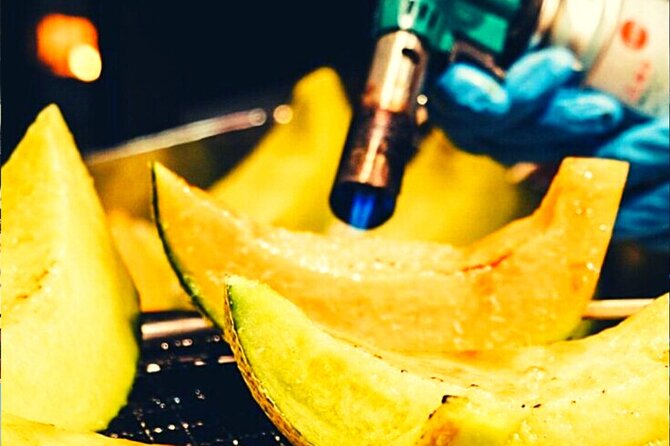
Kuromon Ichiba is easy to reach, but easy to misunderstand. Its rows of seafood counters, cooked snacks, sweets, and specialty shops can look like one long menu without labels you can read or clues about what is worth trying.
That is where this tour earns its keep. Your guide helps you sort out what is local, what is seasonal, what is meant to be eaten on the spot, and what may be more tourist-oriented. You are not simply pointed toward a famous stall. You are given context about the ingredients, the dishes, and the customs around eating them.
I find that especially useful in a market where the best choice is not always the most obvious one. A guide can also help you order without guessing, explain how a food is prepared, and answer questions while the group is standing right at the counter.
The personal connection with vendors adds another layer. Guides such as Anna and Michael are praised for knowing the sellers and for bringing the group to smaller family businesses. That does not guarantee that every stop will be open or that every favorite food will be available, but it gives the walk a more human feel than simply following a printed food map.
A few more market tours around Japan worth a look
- Tokyo Tsukiji Fish Market Food and Culture Walking Tour
★ 5.0 · 3,184 reviews - Tokyo: Tsukiji Fish Market Food and Walking tour
★ 5.0 · 1,724 reviews - Tokyo: Tsukiji Fish Market Guided Walking Tour
★ 4.9 · 1,397 reviews
Starting at Nippombashi Station at 2:00 pm
The meeting point is at Nippombashi Station, at 1 Chome-5 Nipponbashi in Osaka’s Chuo Ward. The tour begins at 2:00 pm and ends back at the meeting point after approximately two hours.
An afternoon start has two practical advantages. You have time for a relaxed morning, and you can treat the tour as a late lunch or early dinner. It also means you should avoid eating heavily beforehand. The quantity is not a token tasting menu. The tour includes six to eight selected dishes and three to four additional samplings, with more than 10 food items often included across the route.
The tradeoff is that the tour does not begin early in the day. If your Osaka plans are built around a morning visit to Kuromon Market, you would need to return for this experience. That is not a major problem for most schedules, but it is worth noting when planning a short stay.
A mobile ticket makes entry simple. The group is capped at nine people, and that size matters in narrow market lanes. You get a better chance to hear the guide and to ask why a particular cut of fish, sweet, or cooked dish matters.
The first tastes: seafood and market specialties
The seafood portion is likely to be the most memorable part of the experience. The tour focuses on fresh local food, and past tasting routes have included oysters, sea urchin, otoro tuna, fish cakes, and pufferfish.
Otoro, the fatty belly portion of tuna, was singled out as especially buttery and memorable. Fugu, or pufferfish, has also been a highlight on some outings. It is carefully prepared, and the guide can explain what you are eating rather than leaving you to identify it from a tray.
You should treat these foods as examples, not a fixed promise. The description allows for selected dishes, and one useful detail from the experience is that the food list can change. Shops may close early, seasonal ingredients may vary, and guides sometimes add samples based on the group’s interests.
That flexibility is a strength. If you are curious about a particular seafood item, tell the guide. Hikaru has added samples for people based on their interests, and guides have also offered alternatives when children or picky eaters did not want a certain dish.
If raw seafood is a concern, ask questions before tasting. The tour is strongly seafood-focused, so it is not the best pick for someone who wants a mostly cooked-food route. Still, the group can receive explanations and, in some cases, alternatives.
Okonomiyaki, sweets, and Japanese tea
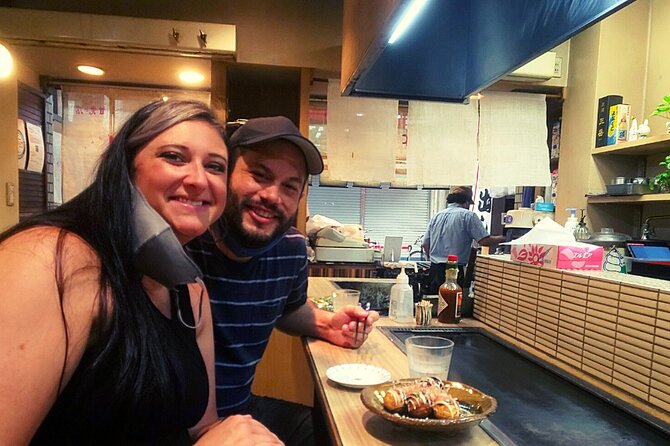
Seafood is only one part of the route. You can expect local Osakan dishes, dessert, and Japanese tea, giving the food walk a broader range than a seafood crawl.
Okonomiyaki is one of the most recognizable Osaka specialties. It is a savory dish cooked with a batter and other ingredients, and tasting it in the city where it is closely associated gives the dish useful context. The guide can explain what makes the local version different and how it fits into Osaka’s everyday food culture.
The sweet portion helps break up the seafood. Sakura-mochi has appeared on the route, adding a seasonal Japanese confection to the day. Japanese tea rounds out the meal and gives you a chance to slow down after several savory samples.
The balance matters. A long run of raw fish can become repetitive, especially for children or anyone still adjusting to Japanese food. The mix of seafood, cooked dishes, dessert, and tea keeps the two hours moving and makes the experience more approachable for a mixed group.
Families seem particularly well served by this format. One guide was patient with a two-year-old who tried several foods, and British Andy adjusted choices for children between nine and fourteen. Those details suggest a welcoming style, but parents should still tell the guide about strong dislikes or dietary needs at the start.
Same place, a different set of stalls:
- Nishiki Market Brunch Walking Tour (7 Tastings + Brunch)
★ 5.0 · 1,355 reviews - Tokyo Sushi Making Class in Tsukiji with Professional Chef
★ 5.0 · 1,177 reviews - Tsukiji Fish Market Guided Tour and Sushi Making with Pro Chef
★ 5.0 · 775 reviews - Tokyo: Tsukiji Fish Market Food and Culture Walking Tour
★ 4.7 · 757 reviews
What the guides add to the food
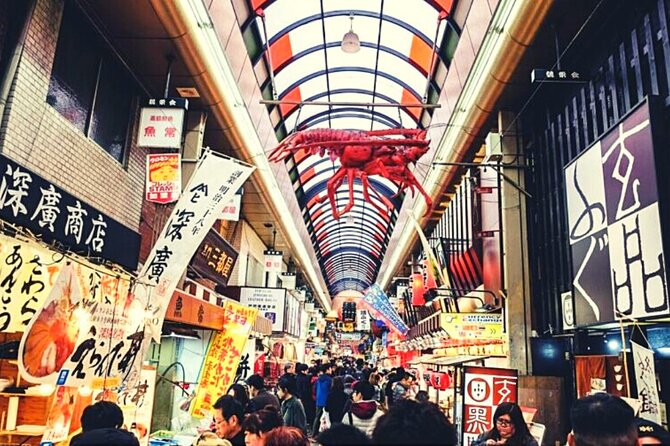
The strongest part of this experience is not simply the number of samples. It is the interpretation.
Anna has been praised for her energy, humor, and ability to explain both food and local culture. Hikaru brings chef experience and has been especially effective with teenagers and groups who want more detail. Michael is described as relaxed, friendly, and good at explaining how ingredients reach the market. Mico Yamamoto has also been praised for clear English and careful answers.
Guide quality can vary from one departure to another, but the repeated pattern is clear: the people leading this walk are not there only to point at food. They explain Japanese customs, help you recognize quality, and offer suggestions for places to eat after the tour.
That last part is useful. A food walk near the beginning of your Osaka stay can shape the rest of your visit. Once you know what you like, you can return to similar stalls or use the guide’s suggestions for dinner. Anna has even helped people with ideas for live music, while Michael has offered tips for other Osaka sights and nearby cities.
You also gain confidence. Kuromon Market can feel confusing when you do not know where eating is allowed, which items are meant for immediate consumption, or how to ask for a portion. With a guide beside you, you can focus on tasting instead of worrying about market etiquette.
A small group, with room for personal preferences
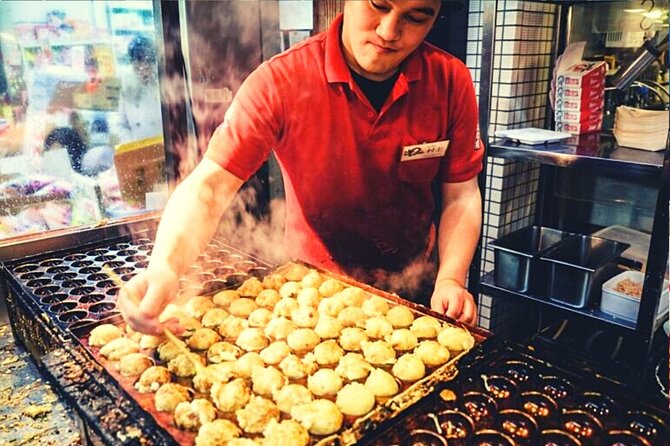
A maximum of nine people is a strong middle ground. It is small enough for conversation and large enough to provide the social feel of a group outing.
A smaller party may even receive a more customized route. One group found itself with only its own guide, and Anna adjusted the experience to match its preferences. That cannot be guaranteed, but the group limit makes personal attention more plausible than on a large coach-style food tour.
The tour is also suitable for most participants, and service animals are allowed. It is near public transportation, which makes the station meeting point practical for a day in central Osaka.
The main limitation is dietary. This is not a vegetarian or vegan tour. Seafood is a major part of the experience, and several of the most memorable possible samples are fish or shellfish. If you avoid seafood, you would miss much of what you are paying for.
The same advice applies to severe allergies. The provided details do not describe an allergy-handling policy, so you should raise any serious concern before booking rather than assume substitutions will be available.
Is $63.43 a good value?

At $63.43 per person, the price is reasonable for a two-hour food experience if you use it as a meal. You are not paying only for a walk through the market. The fee covers at least six dishes, three to four samplings, guidance through the stalls, explanations, and the convenience of having someone arrange the tasting sequence.
The value is strongest for first-time visitors to Kuromon Market. Without a guide, you may spend time studying signs, wondering how to order, and buying one or two items without understanding what makes them special. The tour reduces that uncertainty and lets you taste a wider range in a short period.
It is less attractive if you already know the market well, speak Japanese comfortably, and prefer choosing every dish independently. In that case, the food cost alone may not justify the tour price for you.
I would also count the food as a late lunch. Eat lightly beforehand, since the combined tastings can leave you full. That makes the price easier to assess: you are receiving a guided cultural experience plus enough food to replace a meal, rather than paying $63.43 for a few tiny bites.
The high score of 4.9 from 103 ratings, with 96 percent recommending it, supports the idea that the experience delivers what it promises. Still, the exact menu and guide will affect your day, so book for the format and access, not for one guaranteed ingredient.
What may not work for every visitor
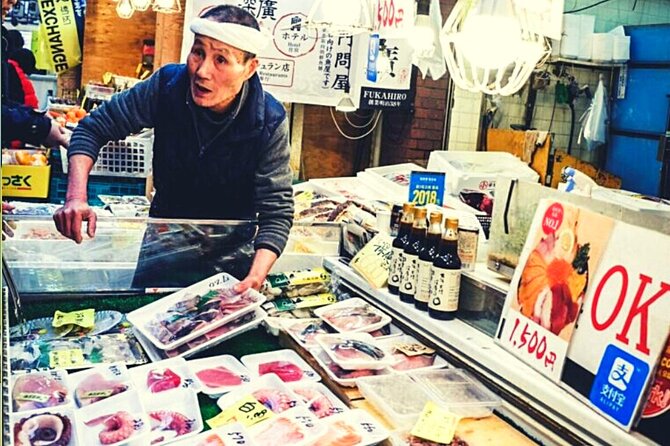
The seafood emphasis is the clearest concern. Fugu, sea urchin, oysters, and raw tuna are exciting for adventurous eaters, but they will not appeal to everyone. Even people who enjoy Japanese food may prefer a tour with more noodles, grilled meat, or vegetables.
The two-hour length is another consideration. It is long enough for a generous meal and several explanations, but not long enough for a detailed tour of every part of Kuromon Market. You will get a focused food route rather than a broad market history lesson.
The 2:00 pm start can also clash with a packed sightseeing day. If you are visiting Osaka as a day trip from Kyoto, the timing can work well, and one family managed to fit it into an eight-hour Osaka visit. But you should allow enough time to reach Nippombashi Station without rushing.
Finally, the menu is not fixed. That is good when it allows seasonal food and personal choices, but less useful if you book mainly to try one specific item. Fugu, whale, or another unusual sample may be available on one day and absent on another.
Who should book this Kuromon Market tour?
I would recommend it to first-time Osaka visitors who want a quick, guided introduction to local food. It is especially suited to people who feel overwhelmed by Japanese market stalls, families who want a patient guide, and food lovers eager to try seafood beyond standard sushi.
It also works well near the start of an Osaka trip. You can use the guide’s advice for later meals, return to stalls you liked, and recognize dishes that might otherwise remain mysterious.
You should skip it if you are vegetarian or vegan, strongly dislike seafood, or prefer unplanned grazing at your own pace. It is also not the best choice if a fixed menu is essential.
Free cancellation is available when you cancel at least 24 hours before the start time. Changes or cancellations within 24 hours are not accepted for a refund, and the tour requires a minimum number of participants. If that minimum is not reached, you are offered another date or experience, or a full refund.
My verdict: book it if you want context with your food
I would book this tour if I wanted to understand Kuromon Market quickly and taste foods I might not have the nerve or vocabulary to order alone. The strongest reasons are the small group, generous amount of food, vendor connections, and guides who can explain everything from otoro tuna to Japanese tea.
Come hungry, keep an open mind, and tell the guide what interests you. If you want an all-seafood feast, a vegetarian meal, or complete control over every purchase, choose something else. For most curious eaters, this is a practical and flavorful way to get oriented in Osaka.
FAQ
Where does the Kuromon Market tour begin?
It begins at Nippombashi Station, at 1 Chome-5 Nipponbashi, Chuo Ward, Osaka, 542-0073, Japan.
What time does the tour start?
The tour starts at 2:00 pm.
How long does the experience last?
It lasts approximately two hours.
Where does the tour finish?
The tour ends back at the meeting point.
How much does the tour cost?
The listed price is $63.43 per person.
How much food is included?
The experience includes six to eight selected dishes and three to four additional samplings. More than 10 food items may be included overall.
Is the tour suitable for vegetarians or vegans?
No. The experience is not suitable for vegetarians or vegans.
How many people can join the tour?
The maximum group size is nine people.
Can I cancel for a full refund?
Yes, if you cancel at least 24 hours before the experience start time. Cancellations or changes made less than 24 hours in advance are not refunded or accepted.
Just added around Japan
- Nagoya Super Market Tour & Home Cooking Class with a Local, Akiko★ 5.0 · 10 reviews
- Tokyo: Private Tsukiji Street Food & Sake with Local Guide★ 5.0 · 3 reviews
- Tokyo: Tsukiji Market Guided Tour & Sushi-Making Experience★ 4.4 · 11 reviews
- 【Family pack】Tokyo: Tsukiji fish market food tour★ 5.0 · 3 reviews
- Tokyo: Tsukiji Market and Hama-rikyu Gardens Guided Tour★ 4.8 · 73 reviews
- Tokyo: Tsukiji Fish Market Culture Tour with Sashimi Tasting★ 4.6 · 54 reviews
- Tokyo : Tsukiji Fish Market Food Walking & Shrine Visit Tour★ 5.0 · 3 reviews
- Tokyo’s Kitchen: Tsukiji Market Food & Culture Walk★ 4.7 · 74 reviews
Market Tours, compared.
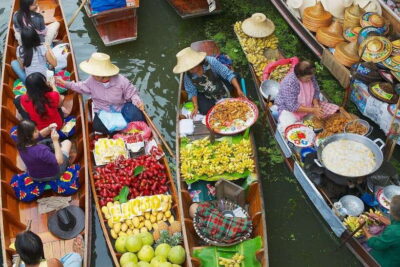
Damnoen Saduak Market and Maeklong Railway Market
Read our review →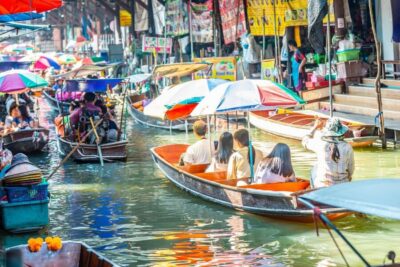
The Old Siam: Damnoen Saduak and Maeklong Railway Market
Read our review →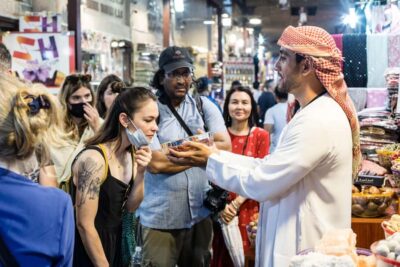
Old Town, Creek, Museums, Souks, & Street Food Tour
Read our review →Train Market & Floating Market with Boat Ride
Read our review →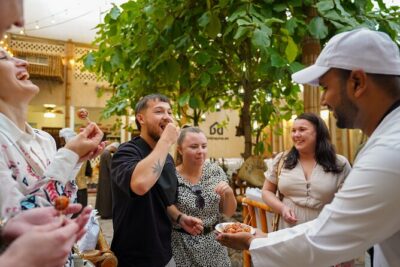
Old Town, Souks, Street Food, Guided Tour & Abra Ride
Read our review →
Ayutthaya & Ayothaya Floating Market Day Trip
Read our review →
Frame Tickets, Creek, Souks & Blue Mosque Guided Tour
Read our review →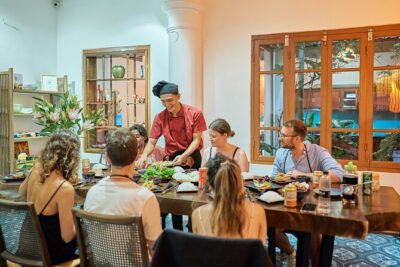
Hanoi Cooking Class: Culture, Local Market & Meaning CSR Impact
Read our review →Browse the lists this tour appears in