
Review · KENYA
Nairobi: Hop on Hop off and Maasai market Collections Visit
See Nairobi in one useful sweep. This five-hour city tour links the National Museum, KICC tower, Bomb Blast Memorial Park, Railway Museum, Kibera, and the Maasai market in Karen. I like the mix of history and city views, especially the museum’s one-hour visit and the lift ride to KICC’s upper floors.
I also like the practical hotel drop-off and air-conditioned transport, which matter in a busy city. The main caution is timing and clarity: one-hour stops go quickly, the route may change, and several visitors were asked to pay museum entrance fees despite the advertised inclusion of all entrance fees.
Five useful things to know before booking

- The National Museum gets the most time: Plan to spend about one hour here, though you may want longer for the exhibits.
- KICC gives you Nairobi from above: The tower stop includes a lift ride and about 30 minutes at the top.
- The route mixes serious history with shopping: The memorial park and railway museum are followed by the Maasai market in Karen.
- Kibera is viewed from the vehicle: This is a pass-by stop, not a walking visit or community tour.
- Guide quality shapes the day: Guides such as Ruben and Francis have received high praise, but clear communication and punctuality have not been consistent.
- Check entrance fees before paying: The advertised details say fees are included, while some bookings involved extra payment at the National Museum and Railway Museum.
A compact way to meet Nairobi
Nairobi can feel scattered when you have only one day. This tour gives you a practical route through several parts of the city without asking you to arrange separate taxis, tickets, and guides.
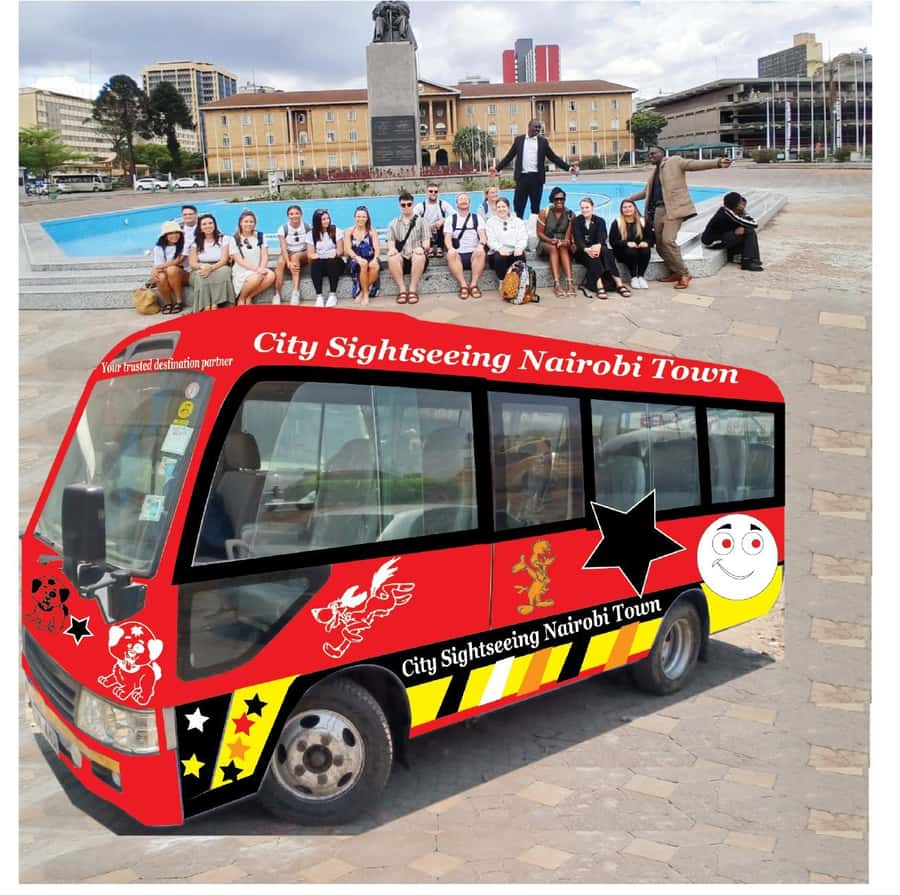
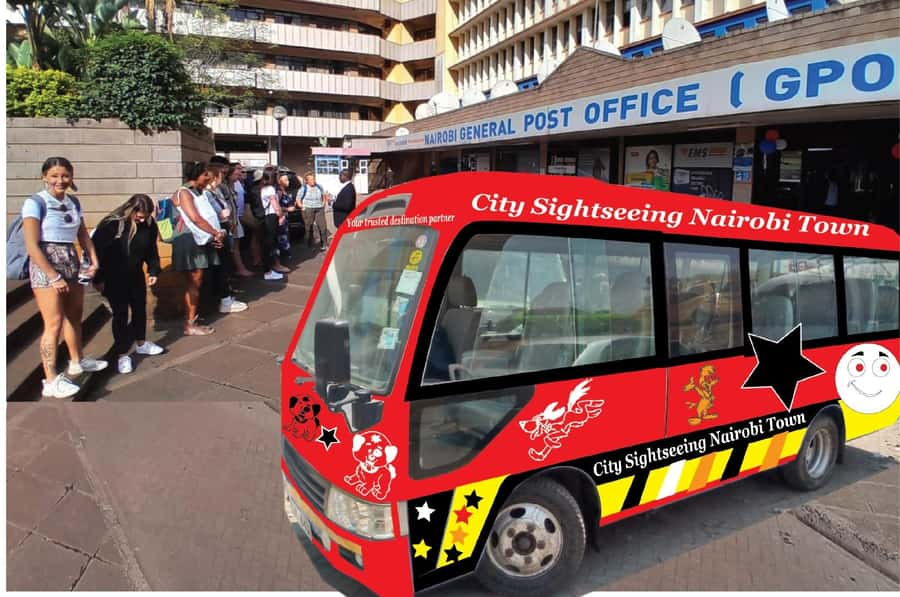
You meet the representative at the parking lot of the Nairobi National Museum at 9am. From there, the group travels by air-conditioned vehicle, with an English-speaking guide, mineral water listed as included, and hotel or residence drop-off at the end.
The experience is best understood as a guided overview, not a slow museum day or a full safari. You move from one major stop to the next, see central Nairobi by road, pause at important landmarks, and finish with time to browse local crafts.
The advertised price is $98 per person. That is reasonable if you value transport, a guide, several admissions, and a city orientation in one booking. It is less attractive if your main goal is the National Museum, since an hour there may leave you wanting more time.
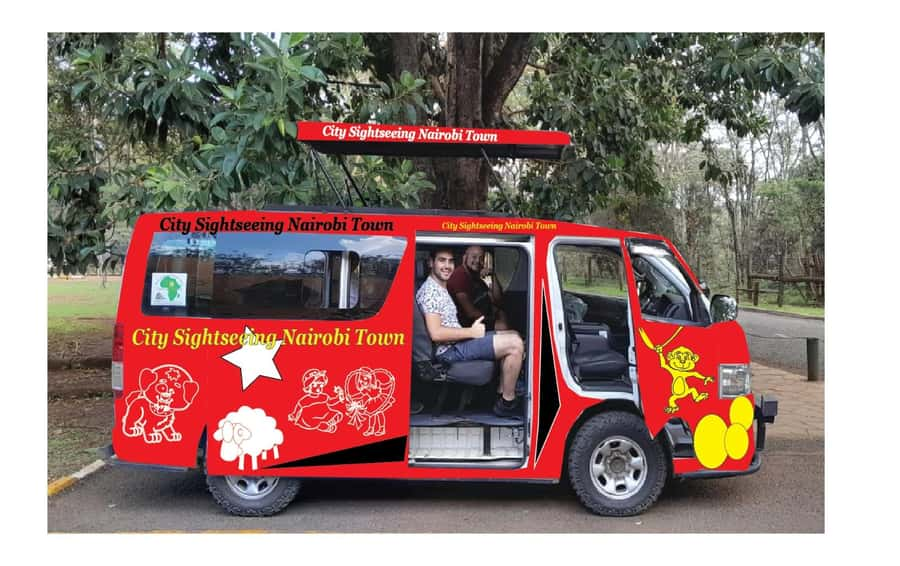
The private open-sided jeep upgrade appears in the highlights, but the supplied details do not explain its exact price or how much of the route changes with that option. Ask for those details before booking. This is primarily a city outing, so do not assume the upgrade turns the day into a proper wildlife drive.
A few more market tours around Kenya worth a look
- Traditional Kenyan Cooking Class & Local Market Tour
★ 5.0 · 129 reviews - Memorable Daily KIBERA Slums/Toi Market Tour with Locals (2 hours)
★ 5.0 · 29 reviews - Mombasa City Tour,Fortjesus,Oldtown,Tusks and Spice Market.
★ 4.8 · 19 reviews
Starting at the National Museum of Kenya
The first stop is the strongest part of the program for many people. You enter the National Museum after a short introduction and spend roughly one hour learning about Kenya’s past, culture, and natural world.
An hour is enough to get a useful sense of the museum, but it is not enough for a careful visit. If you enjoy exhibitions, fossils, archaeology, or Kenyan history, you may find yourself wishing the schedule allowed half a day. One visitor specifically wanted to stay much longer, which is a good warning for museum lovers.
The advantage of arriving with a guide is orientation. You do not need to work out where to go first, and the guide can put the displays into a city and national context. The disadvantage is that a group schedule may move you along just as you become interested.
The meeting point is important. You need to reach the museum parking lot by 9am, rather than expecting a general city-center pickup. Confirm the exact meeting instructions in advance, especially if your hotel is far away.
There is also an awkward point about admission. The activity details state that all entrance fees are included, and the inclusion list repeats this. Yet one booking involved additional payment for the National Museum and Railway Museum. I would ask the operator, Kenya Bush Expeditions Tours and Events, to confirm exactly which admissions the $98 covers before you pay.
KICC and Nairobi from the 29th floor
The next major stop is the Kenyatta International Conference Centre, usually called KICC. You leave the vehicle and take a lift to the top of the tower, described in the schedule as the 29th floor.
This is the tour’s best quick view. From above, you can see Nairobi’s buildings, streets, daily activity, and the physical features stretching toward the horizon. The stop lasts about 30 minutes, so you have time for photos and a look around, but not a long visit.
I like this part because it gives you a city map in your head. After seeing Nairobi from above, roads such as Moi Avenue, Parliament Road, and the area around Globe Roundabout make more sense when you pass them later.
The short stop also keeps the day moving. If you want a leisurely tower visit, though, this schedule may feel brisk. Treat KICC as a viewpoint and orientation stop, not a full architectural visit.
A quiet pause at Bomb Blast Memorial Park
Bomb Blast Memorial Park adds a serious note to the morning. It remembers the people who died in the 1998 United States embassy bombing and includes a condolence book and displayed evidence.
You spend about 30 minutes here. That is enough to read, reflect, and understand why the site matters, though the setting calls for a quieter pace than a typical sightseeing stop.
This is not a place to rush through for a photograph. I appreciate its inclusion because it shows that Nairobi’s story is not limited to monuments, offices, and viewpoints. The memorial connects the city’s present with a painful event that affected many lives.
The tour format can make this stop feel compressed. If you want to read every display or spend extended time at the memorial, you may need to return independently. The guide’s explanation will matter here, so do not hesitate to ask questions if the introduction is brief.
Same place, a different set of stalls:
- Half-Day Nairobi National Park and Maasai Market with Pick up
★ 5.0 · 16 reviews - Authentic Kenyan Cooking Class & Market Tour in Nairobi
★ 5.0 · 12 reviews - Market Tour and Traditional Kenyan Cooking Class in Nairobi
★ 4.8 · 6 reviews - Diani: Market and Street Food Walking Tour
★ 4.2 · 6 reviews
Railway history in a one-hour museum visit

The Nairobi Railway Museum is scheduled for about one hour. Its focus is the construction and operation of the railway in the early 20th century, with old railway equipment and fire engines among the objects on view.
This stop gives useful context to Nairobi’s growth. Railways helped shape the city’s role and connections, and the museum offers a different story from the National Museum. Instead of broad national subjects, you get machinery, transport history, and the practical work behind railway development.
A guide at the museum shows you around, which helps bring the old equipment to life. If you like machines, engineering, or transport history, this may be more rewarding than its short description suggests.
Again, confirm admission arrangements. The listed inclusions say entrance fees are covered, but extra charges were reported for the railway museum. That inconsistency is the clearest value concern in the whole experience.
The schedule also needs flexibility. One booking had the railway stop cancelled without advance notice. A cancelled stop is frustrating when it is one of the reasons you chose the tour, so ask what happens if the museum is unavailable on your date.
Seeing Kibera from the road

After the railway museum, the vehicle passes through the Upper Hill and State House Road areas before reaching Kibera. You view the settlement from inside the vehicle rather than stopping for a walking visit.
The description presents Kibera as home to thousands of families with low incomes and difficult living conditions. This part of the route can help you see that Nairobi contains very different living conditions within a short distance of its offices, museums, and hotels.
But this is a brief roadside view. It does not provide a detailed understanding of daily life, local organizations, or the people who live there. You should treat it as a visual introduction, not as a community visit.
I would also keep your camera use respectful. The supplied details do not describe photography rules, so follow the guide’s instructions and avoid treating homes and residents as scenery.
Shopping at the Maasai Market in Karen
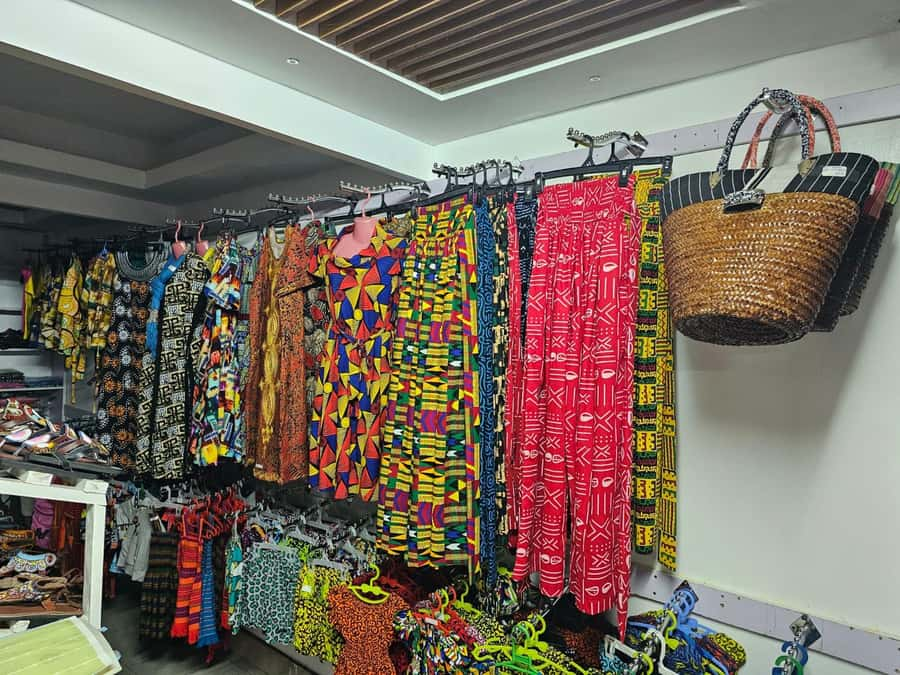
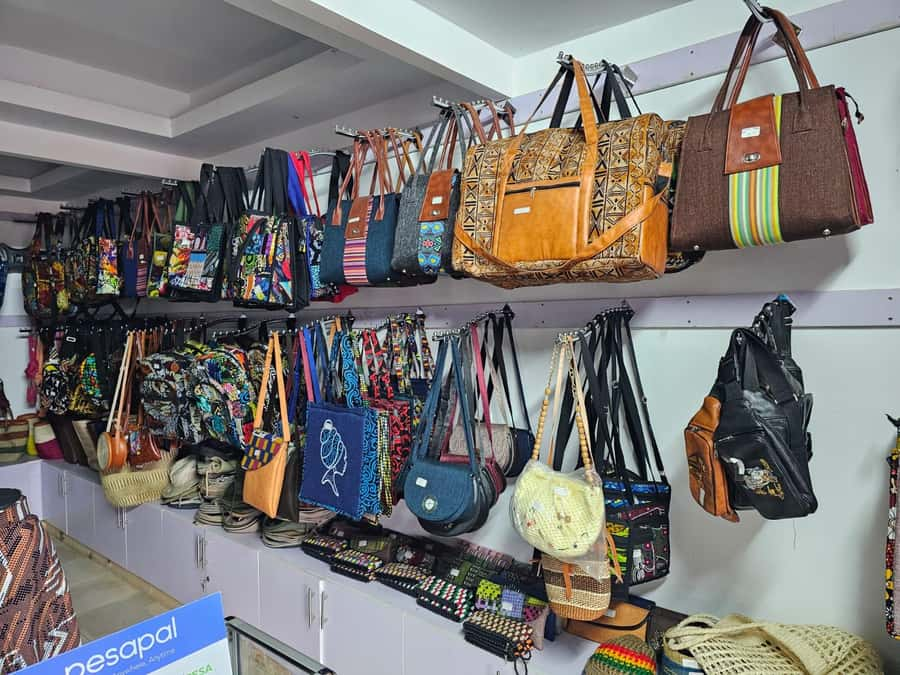
The final scheduled stop is the Maasai Market Collections in Karen, with about one hour for browsing and shopping. You can look for local souvenirs and buy directly from artisans, according to the activity details.
This is a pleasant way to end a demanding city route. After museums and memorials, the market gives you time to move at your own pace and choose something to take home.
You should compare items before buying and ask about prices clearly. The description presents the goods as available at local prices, but no fixed price list or shopping guidance is provided. A guide may help with orientation, but you remain responsible for deciding what represents fair value.
The market also gives the tour a more personal finish than ending at a landmark. You see objects made for local and visitor markets, and the purchases can support individual makers when bought directly.
One caution: the route mentions a Maasai market in Karen, but the name and exact setup may vary. Confirm the precise market location if you have a particular craft or shopping goal.
Guides, timing, and the quality of the day
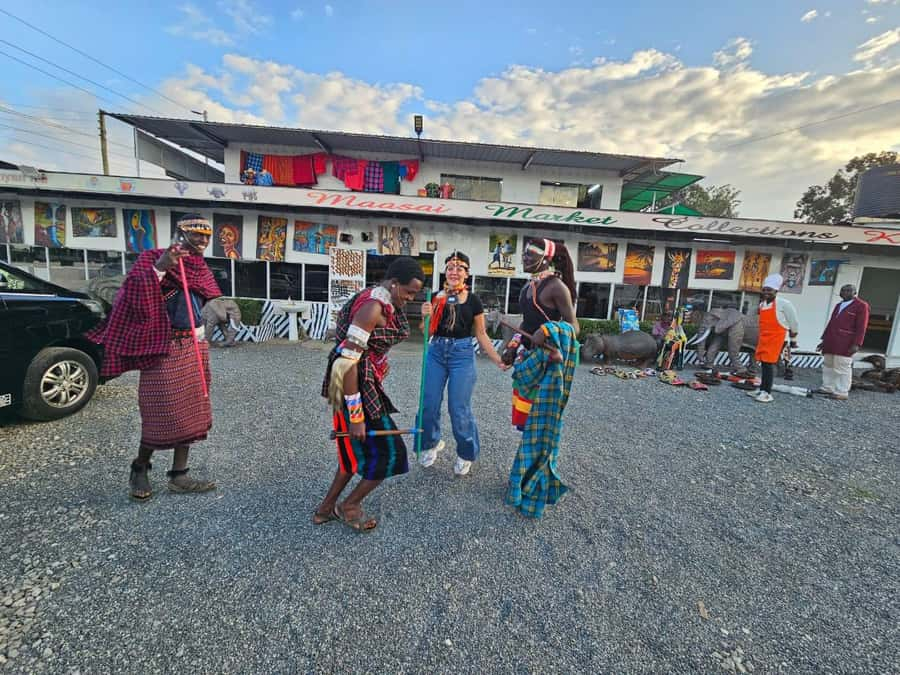
The strongest experiences depend heavily on the guide. Ruben was described as punctual, friendly, and excellent at taking a group around Nairobi. Francis was praised for strong knowledge of the city and the places visited.
That praise is important because this itinerary contains several short history lessons. A good guide can connect the museum, tower, memorial, railway, and neighborhoods into one understandable story. Without that connection, the day can feel like a string of unrelated stops.
The feedback is not uniformly positive. One guide arrived late and was difficult to reach, then cancelled the railway museum stop without warning. Another was quiet unless asked a question. If you want a talkative guide, ask questions early and make your expectations clear.
The five-hour duration also needs realistic expectations. The listed stops add up to several hours before allowing for traffic, introductions, loading, and the journey between sites. Nairobi traffic can affect the order or length of visits, even though the supplied details do not promise a fixed route.
The vehicle is air-conditioned, a welcome feature for a full morning in the city. Mineral water is listed as included, but one booking did not receive it and had no planned drink stop. Bring your own water as a backup, especially if you prefer more than one bottle.
The tour is wheelchair accessible according to the supplied information. You should still confirm how the vehicle, museum entrances, lift access, and market surfaces will work for your particular chair or mobility needs.
What the $98 price really buys
At $98 per person, you are paying for convenience as much as admission. The package includes an air-conditioned vehicle, an English-speaking guide, the route between central Nairobi and Karen, and hotel or residence drop-off.
The value is strongest when you have only one day in Nairobi. You can see several major places without piecing together transport, and you get a guide to explain what you are seeing.
The value falls if admissions are charged again. Since the inclusion details say all entrance fees are covered, any additional museum payment changes the calculation. Get the answer in writing before booking, and keep enough money available in case the operator’s current practice differs from the published details.
This is also not the best choice if you want a relaxed day. The National Museum alone can fill half a day, while this schedule gives it about an hour. People who prefer one subject at a time may be happier arranging a private museum visit and a separate city drive.
The booking terms are flexible: cancellation is free up to 24 hours before the activity for a full refund, and you can reserve now and pay later. Those terms help if your Nairobi plans are still changing.
Who should book this Nairobi tour?
I would recommend it to a first-time visitor with one free day, especially if you want an introduction to Nairobi’s history, central landmarks, and neighborhoods. It also suits someone who prefers a planned route and hotel drop-off over negotiating several separate rides.
It works well for museum fans who can accept a quick visit, shoppers who want a final hour at the Maasai market, and visitors who value a city overview more than long stays at individual sites.
I would be cautious if you need a tightly managed schedule, dislike last-minute changes, or are booking mainly for the Railway Museum. Confirm that stop before paying.
I would also avoid assuming that the open-sided jeep upgrade means a full bush experience. The supplied details do not spell out its route or cost, so ask precise questions before choosing it.
FAQ
Where does the tour begin?
You meet the guide or representative at the parking lot of the Nairobi National Museum. The stated meeting time is 9am.
How long does the activity last?
The tour lasts five hours.
What language is the tour conducted in?
The live guide speaks English.
Is transportation included?
Yes. Transportation is provided in an air-conditioned vehicle.
Which places are included in the route?
The route includes the Nairobi National Museum, KICC, Bomb Blast Memorial Park, Nairobi Railway Museum, a pass-by view of Kibera, and the Maasai Market Collections in Karen.
Are entrance fees included?
The activity details say all entrance fees are included. However, extra payment for the National Museum and Railway Museum was reported, so confirm this point with the operator before booking.
Is mineral water provided?
Mineral water is listed as included. One booking did not receive a bottle, so bringing backup water is sensible.
Can I cancel the booking?
You can cancel up to 24 hours in advance for a full refund. The activity also offers reserve-now, pay-later booking.
Should you book it?
Book this tour if you want a broad Nairobi introduction in five hours and value having transport, a guide, museums, a viewpoint, and a market visit arranged for you. The National Museum and KICC are the main reasons to go, while the memorial park and railway museum add useful context.
Before booking, confirm three things: the exact guide and pickup details, whether every listed museum admission is covered, and whether the railway museum will operate on your date. With those points settled, the $98 price can make sense for a busy first day in Nairobi.
Just added around Kenya
- Nairobi Traditional Cooking Classes and Local Market Visit★ 5.0 · 2 reviews
- Nairobi: Maasai Market and Nairobi City Tour★ 5.0 · 4 reviews
- Nairobi: Explore Maasai Market for Unique Souvenirs★ 5.0 · 5 reviews
- Market Tour and Traditional Kenyan Cooking Class in Nairobi★ 4.8 · 6 reviews
- Maasai Market Souvenir Shopping★ 5.0 · 2 reviews
- Local Market Tour and Traditional Meal Cooking Class★ 5.0 · 4 reviews
- Diani: Market and Street Food Walking Tour★ 4.2 · 6 reviews
- Authentic Kenyan Cooking Class & Market Tour in Nairobi★ 5.0 · 12 reviews
Market Tours, compared.
Damnoen Saduak Market and Maeklong Railway Market
Read our review →
The Old Siam: Damnoen Saduak and Maeklong Railway Market
Read our review →
Old Town, Creek, Museums, Souks, & Street Food Tour
Read our review →Train Market & Floating Market with Boat Ride
Read our review →
Old Town, Souks, Street Food, Guided Tour & Abra Ride
Read our review →
Ayutthaya & Ayothaya Floating Market Day Trip
Read our review →
Frame Tickets, Creek, Souks & Blue Mosque Guided Tour
Read our review →
Hanoi Cooking Class: Culture, Local Market & Meaning CSR Impact
Read our review →Browse the lists this tour appears in