
Review · INDIA
Mumbai: 2 Hours Markets And Temple Tour
Mumbai gets loud, crowded, and wonderfully real in its old market quarter. This two-hour walk takes you through Crawford Market and Mangaldas Market, then adds a historic Hindu temple and a cow shelter, giving you a close look at daily life beyond the city’s headline sights. At $6 per person, it is an unusually affordable way to get oriented.
I like the tour’s small, focused route and the fact that it includes a chai stop, bottled water, and transport support. I also like the guides’ personal touch: Shivam receives repeated praise for his friendly explanations, while Balajin is noted for taking his time and showing extra places. The main caution is pace. One visitor had trouble finding the meeting point and felt the guide sometimes moved too quickly, so you should arrive early and speak up if you need more time.
Key Points at a Glance
- Crawford Market’s old indoor halls offer fruit, spices, dry goods, chocolates, and a useful introduction to Mumbai’s trading culture.
- Mangaldas Market is the city’s oldest large indoor textile market, with fabrics and narrow lanes full of activity.
- The Hindu temple visit connects everyday shopping streets with worship, devotional objects, and stories about Hindu gods and goddesses.
- The cow shelter adds an unusual cultural stop where you can feed cows as local devotees do.
- Shivam and Balajin are praised for kindness, clear explanations, and flexibility.
- The $6 price is excellent for a guided introduction, though two hours is short for lingering over every market lane.
Why This Short Tour Works in Mumbai
Mumbai can be hard to read at street level. The main sights are easy enough to list, but the city’s character appears in the narrow lanes between them, where flowers, cloth, food, religious objects, and household goods share the same space.
That is where this tour earns its place. You are not simply passing a market entrance, taking a photograph, and moving on. You are given a basic explanation of how the old market district works, then guided into places that can feel confusing on your own.
I especially like the balance between commerce and worship. The tour begins with the practical side of Mumbai, including wholesale goods and textiles, then shifts toward temples, devotees, and the cow shelter. That change helps you see how religion and ordinary business sit side by side in the city.
The experience lasts about two hours, so you should think of it as an introduction rather than an exhaustive market tour. It suits a first visit, a free morning or afternoon after the main attractions, or a short stop during a longer Mumbai stay.
More Two-Hour Tours in Mumbai:
- 2 Hour Historic Market Food Tour and Hands-On Biscuit Class
★ 5.0 · 251 reviews - 2-Hour Food, History and Street Art Tour of Ponce City Market
★ 5.0 · 159 reviews - Palermo in 2 hours Main monuments and historic markets
★ 5.0 · 136 reviews
Crawford Market and the City’s Trading Past
Crawford Market is described as Mumbai’s first indoor historical wholesale market, and its location in the center of the crowded city gives the visit real energy. Inside and around the market, you can expect stalls selling fruit, chocolates, spices, dry fruits, and other everyday goods.
The value here is not only the shopping. Your guide helps explain the market’s beginnings and its place in Mumbai’s growth. That context makes the displays easier to understand. A pile of spices is not just a colorful photo opportunity. It is part of a working food trade, with merchants, buyers, and goods moving through a tight urban space.
I would pay attention to the small details rather than trying to see everything. Notice how products are grouped, how vendors call out to customers, and how old buildings frame the market streets. You might also see flowers and religious items nearby, a reminder that the area serves both business and devotion.
This is not a quiet museum visit. The lanes can be cramped, noisy, and crowded. If you dislike busy streets, the experience may feel intense. If you want to understand how Mumbai functions at street level, that same intensity is the point.
Mangaldas Market and Mumbai’s Fabric Trade

Mangaldas Market brings a different mood. It is known as Mumbai’s oldest and largest indoor textile market, with a wide range of fabrics spread through narrow lanes.
Fabric shopping can be difficult without local help. You may not know which passage leads where, what is sold in each section, or how the market relates to the city’s clothing trade. A guide gives you a framework, even if you are not planning to buy anything.
The lanes can feel almost maze-like, with shops opening onto one another and activity continuing in front of older buildings. I would treat this part as a look at Mumbai’s commercial culture rather than a dedicated shopping trip. Personal purchases are not included, and you should not feel that buying fabric is required.
One of the best features is the absence of pressure reported on the tour. That matters in markets, where visitors can sometimes feel steered toward purchases. Here, you can focus on the atmosphere and ask questions without assuming the walk is a sales stop.
Still, keep your expectations realistic. Two hours must cover two market areas, a temple, a cow shelter, and a tea break. You will see selected parts of Mangaldas Market, not every lane and stall.
Temples, Devotion, and Street-Level Hindu Culture
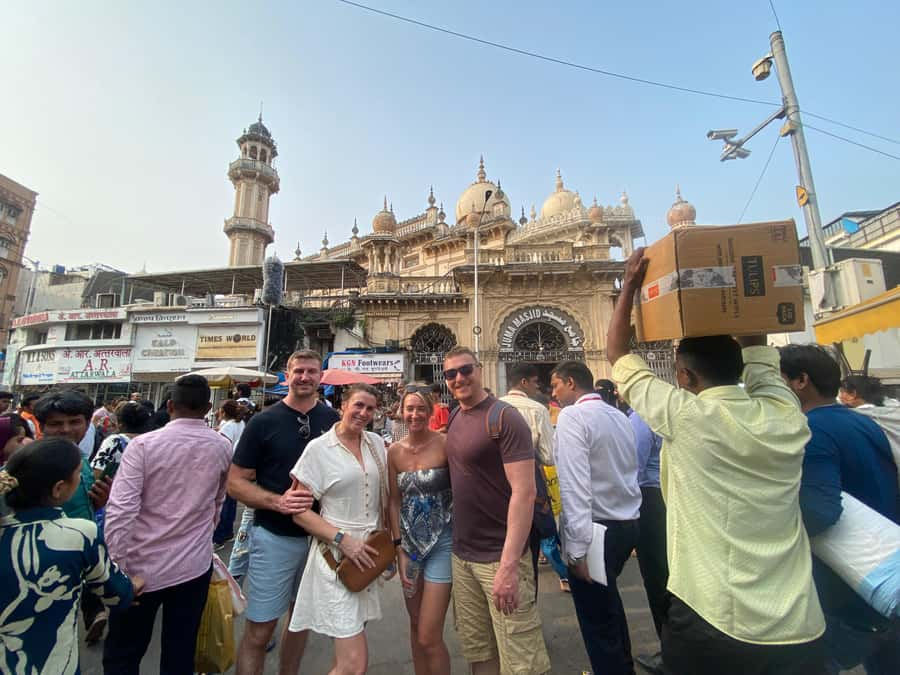
After the market activity, the tour visits one of Mumbai’s oldest Hindu temples. The temple stop gives the experience a quieter purpose, even though the surrounding streets remain active.
You can expect an introduction to Hindu culture through the temple, the devotees, and stories connected with different gods and goddesses. The guide’s role is important here. Religious sites can be difficult to understand if you only observe from the outside, and a short explanation helps connect the images and rituals with the wider culture.
The temple is also valuable because it is part of an active neighborhood, not an isolated monument. Vendors sell flowers, traditional Indian clothing, food, and devotional items in the surrounding lanes. The result is a clear picture of how worship fits into everyday city life.
You should dress and behave with care at the temple. The supplied information does not specify a formal dress code, but respectful clothing and a quiet manner are sensible choices at any active place of worship. Follow your guide’s instructions about where to stand and what you may photograph.
This stop may appeal most to you if you enjoy cultural context. If you prefer a tour focused only on architecture or shopping, the religious explanations may take more time than you expect.
A few more market tours around Mumbai worth a look
- Mumbai: Street Food and Night Markets Tour
★ 4.9 · 719 reviews - Mumbai Street Food & Night Markets
★ 5.0 · 225 reviews - Mumbai Street Food and Evening Bazaar Tour
★ 5.0 · 172 reviews - Mumbai Morning Market Tour of Flowers, Fish, and More
★ 5.0 · 100 reviews
Feeding Cows at the Shelter
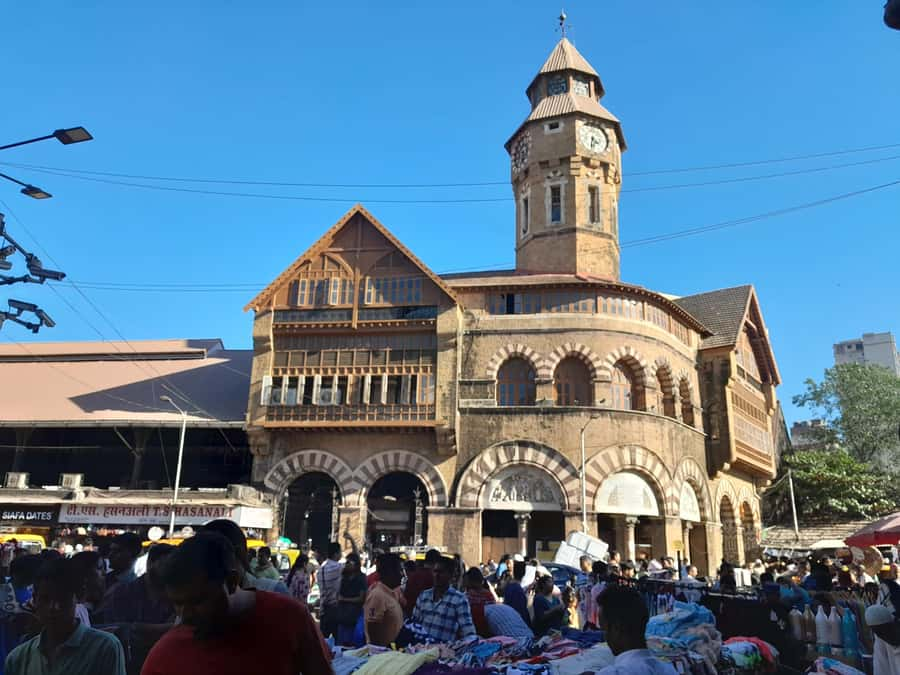
The cow shelter is the tour’s most unusual stop. You join local people in feeding cows, an act connected with the idea of gaining good karma.
I like this addition because it moves beyond the standard city route. Mumbai has plenty of famous buildings and formal attractions, but a shelter visit offers a more personal glimpse of religious practice and charity. It also gives the tour a simple, hands-on moment after the noise of the markets.
The shelter is not presented as a polished attraction. That is part of its appeal. You are visiting a working place connected with local belief, so keep your expectations modest and your behavior respectful.
This stop will not suit everyone. Some people may feel uneasy around animals or prefer not to take part in feeding. You can decide how involved you want to be, but the visit itself adds a memorable change of pace.
Chai, Water, and the Practical Details
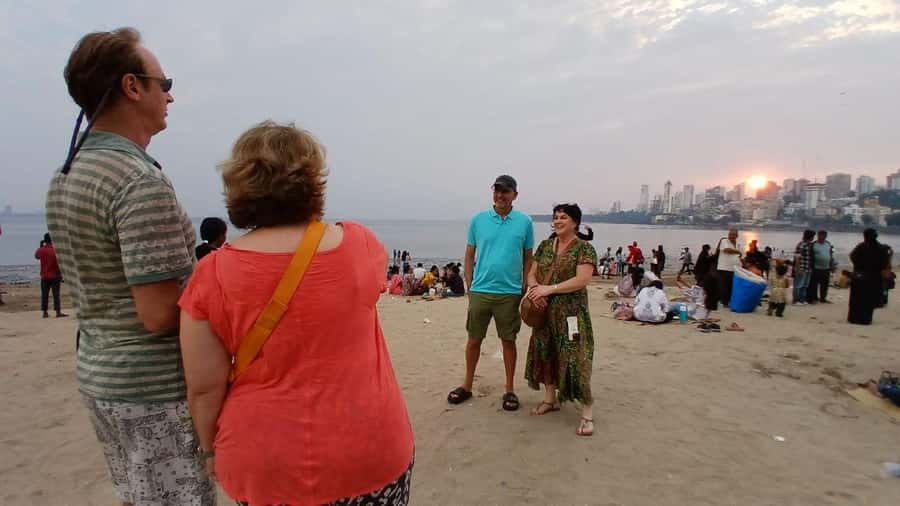
The tour includes a stop for chai, bottled water, a guide, and taxi fare. One outing used a public bus to reach Crawford Market, showing that the route may involve ordinary city transport rather than a private sightseeing vehicle throughout. The meeting point can vary according to the option you book, so check the exact location carefully.
The chai stop is a small feature, but it improves the rhythm of the tour. Mumbai’s markets can be hot and tiring, and a brief pause gives you time to listen, ask questions, and reset before continuing.
Bring a hat, sunscreen, and a camera. Water is included, but carrying additional water is still sensible, especially in warm weather. Comfortable shoes are useful because the tour uses narrow market lanes and active streets, although the supplied details do not specify the total walking distance.
Finding the meeting point may be the trickiest part. One visitor found the station difficult to navigate because it was large, though the guide eventually located the group. I would arrive early, keep your phone available, and confirm the meeting instructions before setting out.
The tour ends back at the meeting point. That is useful if you have another plan afterward, but allow a little extra time in case the final return runs slowly.
The Guides Make the Difference
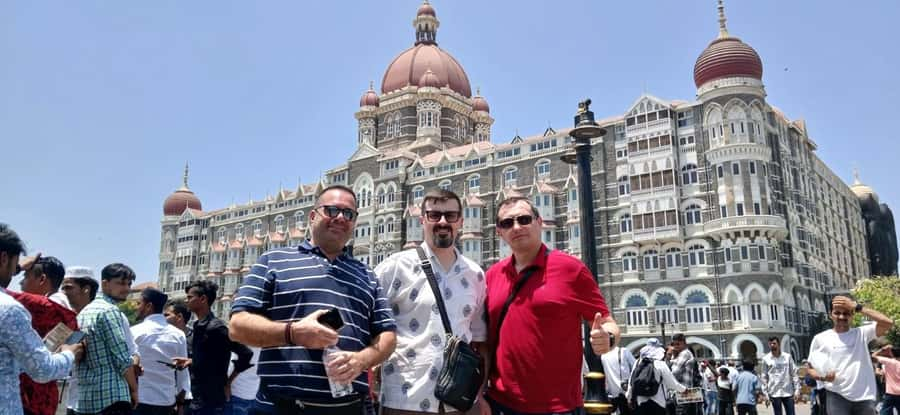
The strongest part of this experience is the guiding. Shivam is repeatedly praised for being friendly, clear, and helpful. One group enjoyed the tour even during monsoon rain, and appreciated that they were not pressured to buy goods.
That last point deserves emphasis. Market tours can sometimes feel like shopping tours in disguise. Here, the available feedback points to a more relaxed approach, with the guide explaining the places instead of pushing purchases.
Balajin also receives praise for kindness, patience, and taking time to show additional places. Those details suggest that the experience can feel personal rather than mechanical, though your exact route will depend on the guide and conditions on the day.
The one criticism is useful to keep in mind. A visitor found the guide friendly but sometimes too fast, with explanations delivered quickly and less attention given to the group. If you need a slower pace, say so early. Good guides can only adjust when they know what you need.
The tour is offered in English. That makes clear explanations especially important, and the comments about Shivam and Balajin suggest that the quality of the guide is a major reason to book.
Is Two Hours Enough?
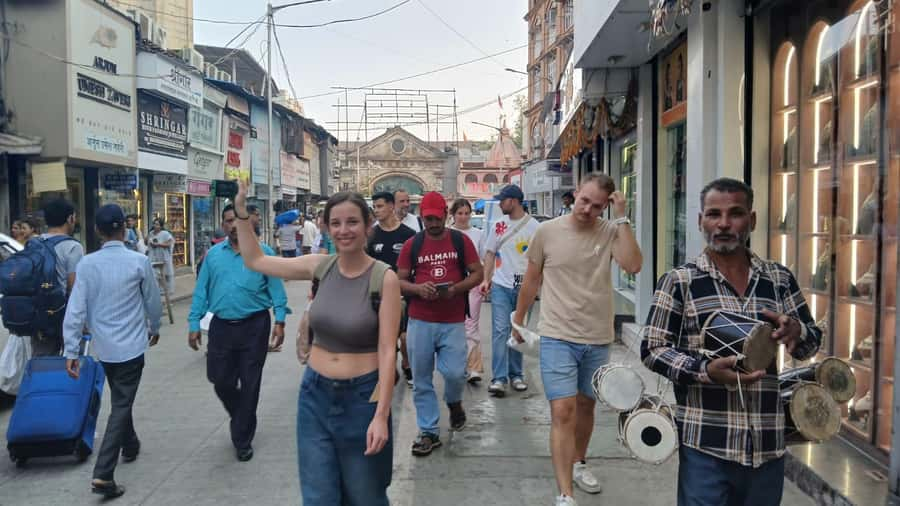
Two hours is enough to sample the district, understand the basic story of the markets, visit a temple, feed cows, and pause for chai. It is not enough to explore every market lane, shop for fabrics at length, or spend a long time at each religious site.
I see the short duration as a strength for many visitors. You can fit it around a larger Mumbai sightseeing plan without giving up half a day. It also works well if you want an introduction before returning to the markets independently.
The tradeoff is speed. The route has several parts, so you may sometimes move on just as you begin to settle into a place. If you want long shopping sessions or detailed photography time, you will need a separate visit.
For a first look, though, the structure is sensible. You get food and trade, textiles, religion, animals, local transport, and a tea pause in one compact outing.
Is the $6 Price Good Value?

At $6 per person, this is very good value if the tour runs as described. A guide, bottled water, chai, and transport support are included, while personal purchases and gratuities are extra.
The real saving is the time and confidence. You could walk through the market district alone, but it may be difficult to understand what you are seeing or find the temple and cow shelter without local help. A guide turns a confusing set of lanes into a connected story.
The price also makes the tour a low-risk choice. You are not committing to an expensive full-day activity, and cancellation is allowed up to 24 hours in advance for a full refund. You can also reserve and pay later, which helps if your Mumbai schedule is still changing.
Tip the guide separately if you feel the service was good. The available feedback makes clear that patient, friendly guiding is central to the experience.
Who Should Book This Mumbai Tour?
I would recommend it to first-time visitors who want more than major landmarks. It is especially suitable if you like markets, street life, religious culture, and short guided walks with several different stops.
It also fits travelers with limited time. If you have already seen Mumbai’s main attractions and still have two hours free, this gives you a different side of the city without a large cost.
You may want to skip it if you dislike crowds, narrow lanes, animal shelters, or fast-moving itineraries. It is also not the best choice if your main goal is serious textile shopping, since the market visit is part of a wider cultural route.
Final Verdict: Book It for a Compact Local Introduction
I would book this tour if I wanted a cheap, guided first look at old Mumbai’s markets and religious life. The strongest reasons are the excellent price, the mix of Crawford Market, Mangaldas Market, temple culture, and the cow shelter, plus the warm reports about guides such as Shivam and Balajin.
Go in expecting a busy, fast-moving introduction rather than a leisurely shopping excursion. Confirm the meeting point, arrive early, ask the guide to slow down when needed, and carry sun protection. If those conditions suit you, this is a practical way to see parts of Mumbai you might not find comfortably on your own.
FAQ
How long does the Mumbai markets and temple tour last?
The tour lasts two hours.
What markets are included?
The route includes Crawford Market and Mangaldas Market.
What can I see at Crawford Market?
Crawford Market sells items including fruits, chocolates, spices, and dry fruits. It is also presented as Mumbai’s first indoor historical wholesale market.
What is special about Mangaldas Market?
Mangaldas Market is known as Mumbai’s oldest and largest indoor textile market, with many fabrics and narrow market lanes.
Does the tour visit a Hindu temple?
Yes. The tour visits one of Mumbai’s oldest Hindu temples and explains aspects of Hindu culture, including stories connected with gods and goddesses.
Can I feed cows during the tour?
Yes. The itinerary includes a visit to a cow shelter where you can feed cows as an act associated with good karma.
Is chai included?
Yes. The tour includes a stop for chai, or tea.
Is bottled water included?
Yes. Bottled water is included.
What language is the tour offered in?
The tour is offered in English.
Where does the tour end?
The activity ends back at the meeting point. The exact starting meeting point may vary depending on the option booked.
Just added around Mumbai
- Mumbai: Local Markets & Temples Tour★ 4.6 · 45 reviews
- Night Tour: Mumbai’s Nights & Buzzing Bazaars★ 5.0 · 7 reviews
- Mumbai: Magical Markets Tour★ 4.5 · 23 reviews
- Mumbai Morning Market Tour of Flowers, Fish, and More★ 5.0 · 100 reviews
- Mumbai:Dhobi Ghat Laundry,Dharavi Slum & Flower market Tour★ 5.0 · 12 reviews
- Mumbai: Evening Street Food Tasting & Cultural Market Tour★ 4.7 · 11 reviews
- Mumbai Heritage, Street Food & Bazaar Walking Tour★ 5.0 · 4 reviews
- Mumbai Market Tour★ 4.6 · 12 reviews
Market Tours, compared.
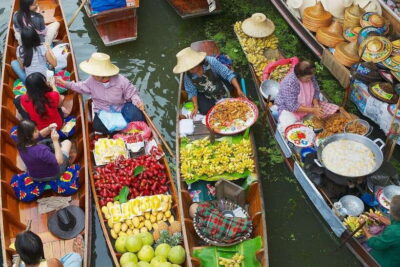
Damnoen Saduak Market and Maeklong Railway Market
Read our review →
The Old Siam: Damnoen Saduak and Maeklong Railway Market
Read our review →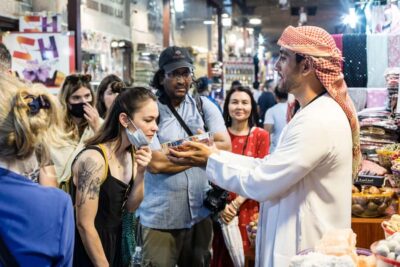
Old Town, Creek, Museums, Souks, & Street Food Tour
Read our review →Train Market & Floating Market with Boat Ride
Read our review →
Old Town, Souks, Street Food, Guided Tour & Abra Ride
Read our review →
Ayutthaya & Ayothaya Floating Market Day Trip
Read our review →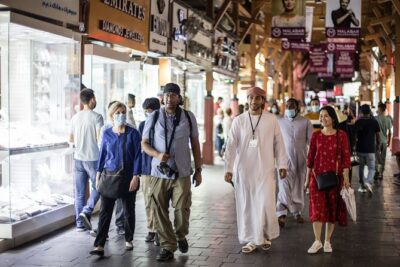
Frame Tickets, Creek, Souks & Blue Mosque Guided Tour
Read our review →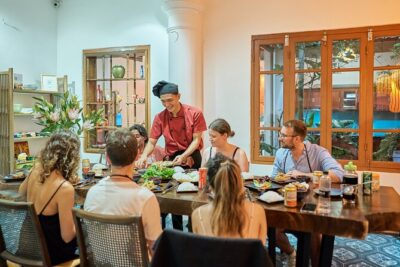
Hanoi Cooking Class: Culture, Local Market & Meaning CSR Impact
Read our review →Browse the lists this tour appears in