
Review · JAPAN
Kyoto: Nishiki Market Food Tour
Come hungry, leave curious. This three-hour walk through Kyoto’s famous Nishiki Market gives you a useful way into Japanese food culture, with tastings at about 10 family-owned vendors, seasonal lunch, and Japanese tea. I especially like the small group of up to eight people, which should make it easier to ask questions, and the chance to try foods you might pass by on your own.
I also like the guide-led context. The market is more than a row of snack stalls, and guides such as Raquel, Sanae, Sae, Marie, and Ida have been praised for making the food and local customs easier to understand. The main consideration is price: at $173 per person, this is not a cheap grazing tour, so you need to value the explanation, carefully chosen tastings, and included lunch.
Key things to know before you book
- About 10 market vendors: You visit family-run shops and stalls rather than simply walking through the market.
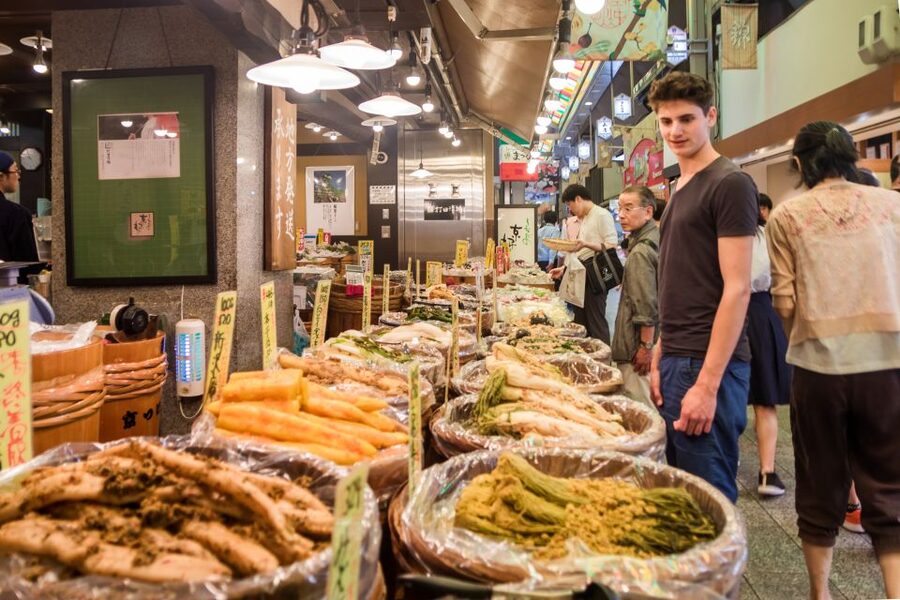
- Seasonal food is central: Tastings reflect Kyoto’s ingredients, local snacks, seafood, pickled foods, sweets, and other specialties.
- Lunch and tea are included: This helps make the price more reasonable than a tour that offers only small samples.
- Small English-speaking group: The group is limited to eight participants, with an English-speaking live guide.
- Kawaramachi meeting point: Meet in front of Lacoste near Kawaramachi Station, using Hankyu Line Exit 9.
- Plan for walking and paperwork: Wear comfortable shoes, report allergies in advance, and bring passport information for participants aged 10 and over.
Entering Kyoto’s Kitchen at Nishiki Market
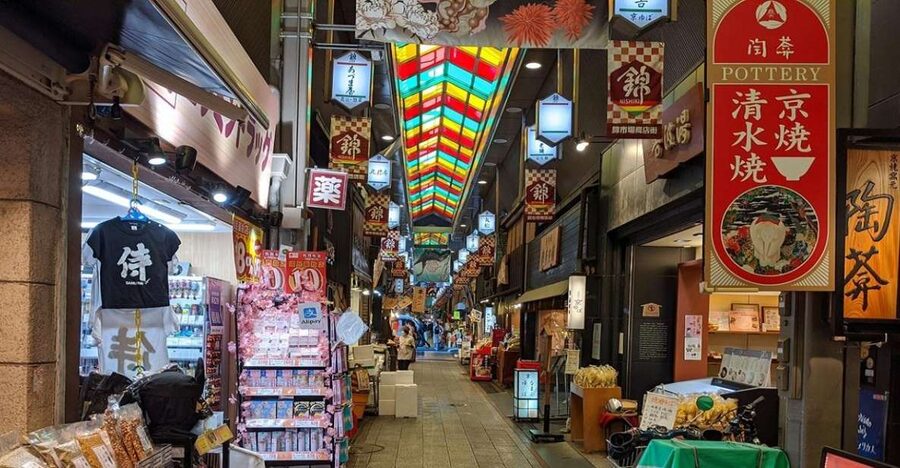
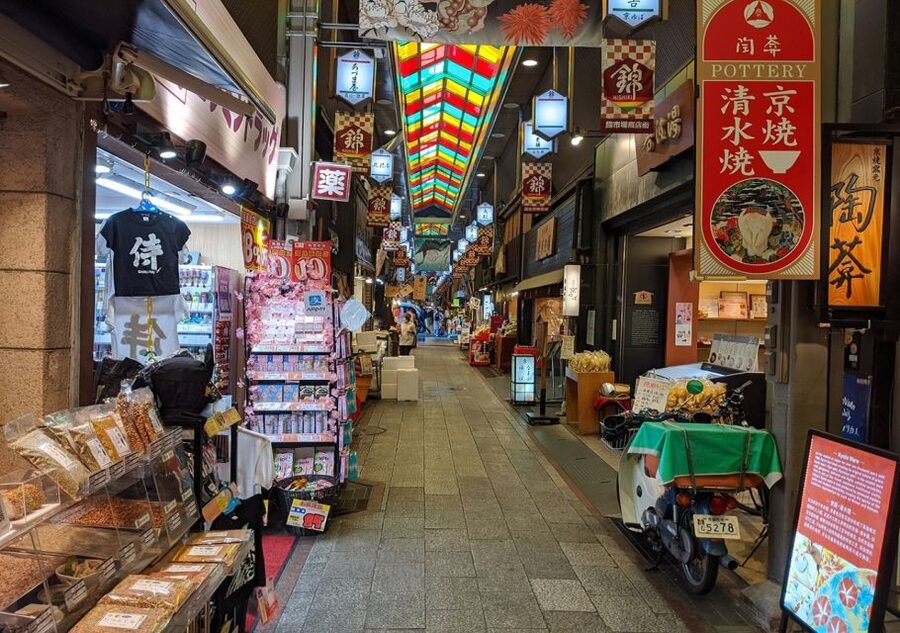
Nishiki Market runs through the center of Kyoto and is widely known as the city’s Kitchen. That nickname makes sense once you see the concentration of food shops, prepared snacks, seafood, pickles, tea, sweets, and cooking ingredients packed into its centuries-old passageways.
I like this setting for a food tour because it gives you more than a restaurant meal. You can watch shopkeepers present food, see ingredients at close range, and learn why certain products matter in Kyoto cooking. The experience is built around tasting, but the better payoff is learning what you are eating and how it fits into Japanese food customs.
The market can be lively and crowded, especially at popular times. That is part of its appeal, but it also means you should not expect a quiet stroll or lots of open space. Stay close to your guide and wear shoes that can handle three hours on your feet.
The meeting point is in front of Lacoste at Naramonochi 375, on Shijo-dori near Kawaramachi. From the Hankyu Line, get off at Kawaramachi Station and use Exit 9. This is a practical meeting place, but give yourself enough time to find the correct street-level exit. A central station area can feel confusing when you are trying to read signs and watch the clock.
More Street Food Market Tours in Japan
- Kyoto: Local Food Tasting Tour at the Nishiki Market
★ 4.7 · 135 reviews - Kyoto: Nishiki Market and Depachika Food Tour with a Local
★ 4.7 · 76 reviews - Kyoto: Nishiki Market Tour with a Local Foodie & Tastings
★ 4.5 · 67 reviews
What the three-hour route gives you
The exact order of stops can vary, but the structure is clear. You spend roughly three hours walking through Nishiki Market, visiting around 10 vendors, tasting local and seasonal foods, and taking time to shop.
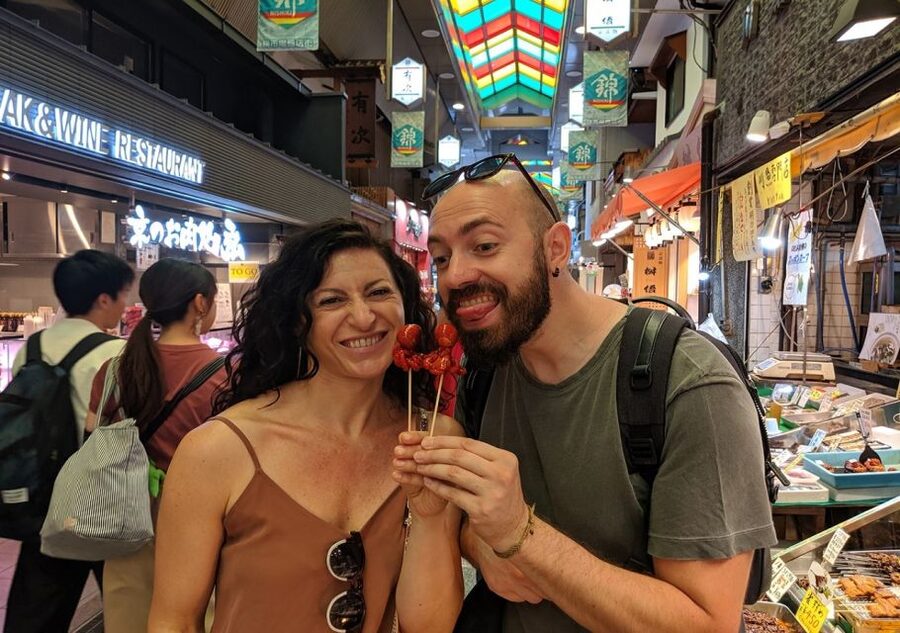
The number of stops matters. A single market stall can give you an impression, but a series of small tastings lets you compare different parts of Kyoto’s food culture. You may encounter fresh seafood, grilled snacks, pickled vegetables, local treats, hand-roasted tea, and delicately made sweets. The tour description also points to sizzling skewers and freshly prepared foods, so expect a range of textures and temperatures rather than one repeated type of sample.
Your guide helps explain the ingredients and customs behind each stop. That is useful when a food is unfamiliar or when the English name tells you very little. The guide can also point out why seasonal timing matters, since Japanese cooking places strong value on ingredients being enjoyed at their best time of year.
Do not think of this as a formal cooking class. You are not preparing a multi-course meal yourself. The value comes from tasting, watching, asking questions, and connecting the products in front of you with Kyoto’s food traditions.
Family-owned shops are the heart of the experience
The tour focuses on family-owned shops and stalls, which gives the walk a more personal feel than simply visiting a large food hall. You get to see the small businesses that keep traditional market habits alive and meet the people presenting the food.
This is also where a guide earns the fee. Without help, you might recognize seafood or sweets but miss the local meaning. A guide can explain how a product is used, what makes it typical of Kyoto, and which items are worth taking home.
Several guides have received especially warm praise for their approach. Raquel was described as professional, pleasant, and attentive. Sanae was valued for historical context and a warm manner, while Sae helped make the food both approachable and fun. Marie received praise for adding restaurant and sightseeing suggestions, and Ida was remembered for guiding the group clearly through the market.
One useful lesson from the feedback is that guide quality can shape the whole tour. Kohei was described as gracious and well prepared, though one participant wanted more detail about the foods and products a local daily shopper might choose. That is a fair reminder: the experience is strongest when you ask direct questions instead of waiting for a lecture.
Try asking what a Kyoto resident might buy for an ordinary meal, which items keep well, and what is best eaten on the spot. Those questions can turn a pleasant tasting walk into a more practical food lesson.
The food: seasonal, local, and sometimes unfamiliar
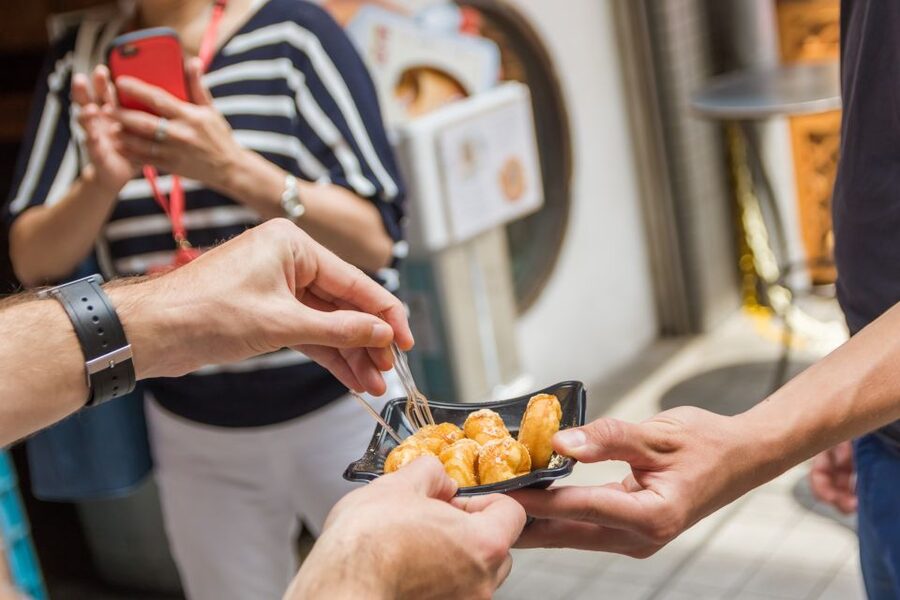
The tasting selection is intended to show the range of Kyoto food rather than serve as a standard Western-style lunch. You may taste seafood, small savory bites, pickles, sweets, tea, and regional specialties. The supplied details do not give a fixed menu, so you should expect the selection to change with the season and market availability.
That flexibility is a strength. Seasonal eating is one of the key ideas the tour explains, and changing ingredients mean the market does not present exactly the same experience all year. It also means you should not book expecting one guaranteed dish from a printed menu.
Bonito is one example of the kind of ingredient that can become more interesting with explanation. One participant came away particularly fond of dried bonito, an ingredient that can be easy to overlook if you are walking alone. This is the sort of small discovery that makes a guided food visit worthwhile.
You also get to see how Kyoto balances bold, immediate snacks with more restrained ingredients. Grilled seafood and skewers may catch your attention first, while pickled vegetables, tea, and carefully made sweets show quieter sides of the local food culture.
If you have allergies or dietary restrictions, tell the provider in advance. The tour includes food tastings and lunch, but the available substitutions are not specified. Do not assume every sample can be changed at the last moment.
More Street Food Market Tours in Kyoto:
- Nishiki Market Food Tour with Cooking Class
★ 4.9 · 42 reviews - Taste of Nishiki Market Walking Food Tour with Local guide
★ 5.0 · 17 reviews - Kyoto: Nishiki Market Food Tour with Local Guide
★ 4.6 · 5 reviews - Dubai: Old Town, Creek, Museums, Souks, & Street Food Tour
★ 4.8 · 10,816 reviews
Lunch and tea make the price easier to judge
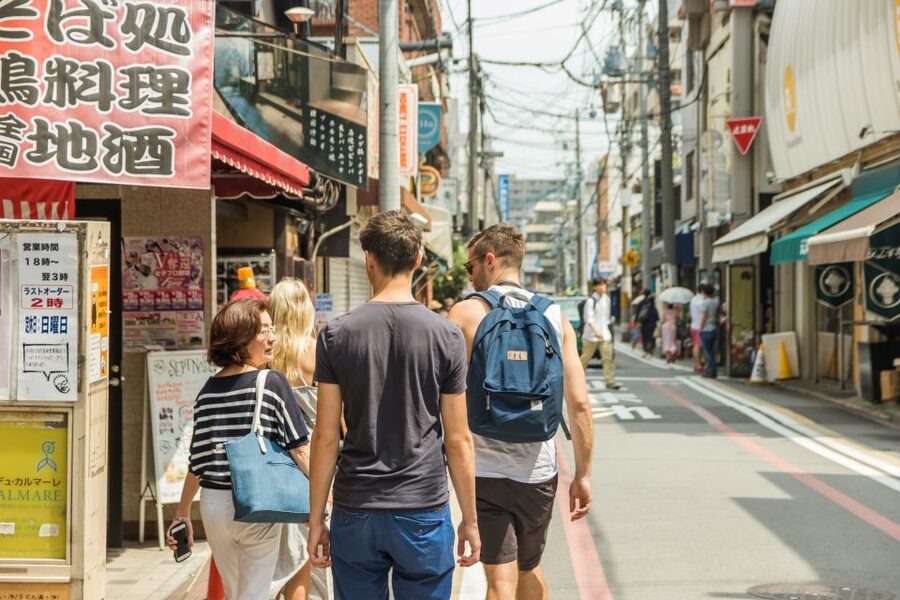
Seasonal and regional lunch is included, along with Japanese tea. Earlier feedback also praised the traditional lunch as a pleasant part of the experience. This matters because some food walks provide only a few bites and leave you searching for a real meal afterward.
Still, you should judge the $173 cost carefully. You are paying for food, but also for three hours of guiding, access to a small group, translation and explanation, and help choosing items in a market that can feel hard to decode. Around 10 vendor visits can add up, especially when lunch and tea are included.
The tour offers stronger value if you are new to Japanese food, want cultural background with your meal, or have limited time in Kyoto. It is less compelling if you already know Nishiki Market well, speak Japanese, and are comfortable choosing food without help.
Additional food and drinks are not included, though you can buy them at your own expense. Shopping time is included, so leave some room in your budget if you see tea, sweets, pickles, or other products worth taking home.
Culture and UNESCO context without a classroom lecture
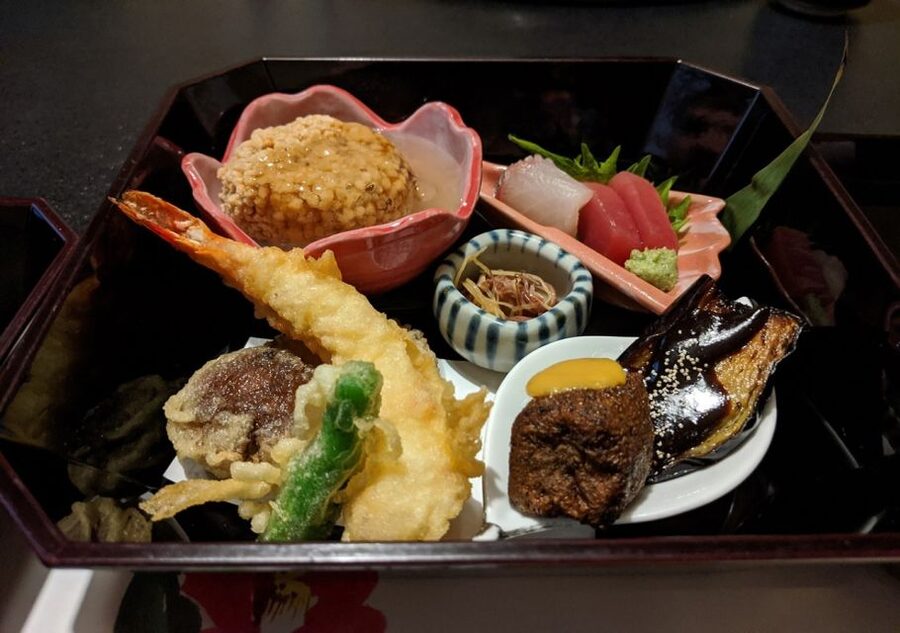
The experience also introduces what makes Japanese cuisine distinctive and connects the discussion to its UNESCO World Heritage status. The important point is not simply collecting a label. Japanese food culture places attention on season, presentation, ingredients, and balance, and the market gives you a practical place to see those ideas.
You are learning while walking and eating, not sitting through a long history talk. That format suits me because food culture makes more sense when the ingredient is right in front of you. A preserved product, a sweet, or a cup of tea becomes easier to remember when you can see, smell, and taste it.
The strongest guides add stories and local context without losing the pace of the market. Sanae was praised for historical insight, while other guides were appreciated for sharing practical suggestions about where else to eat and visit in Kyoto. You should feel free to ask for those recommendations, especially near the end of the tour when you can plan the rest of your day.
Small group size changes the experience
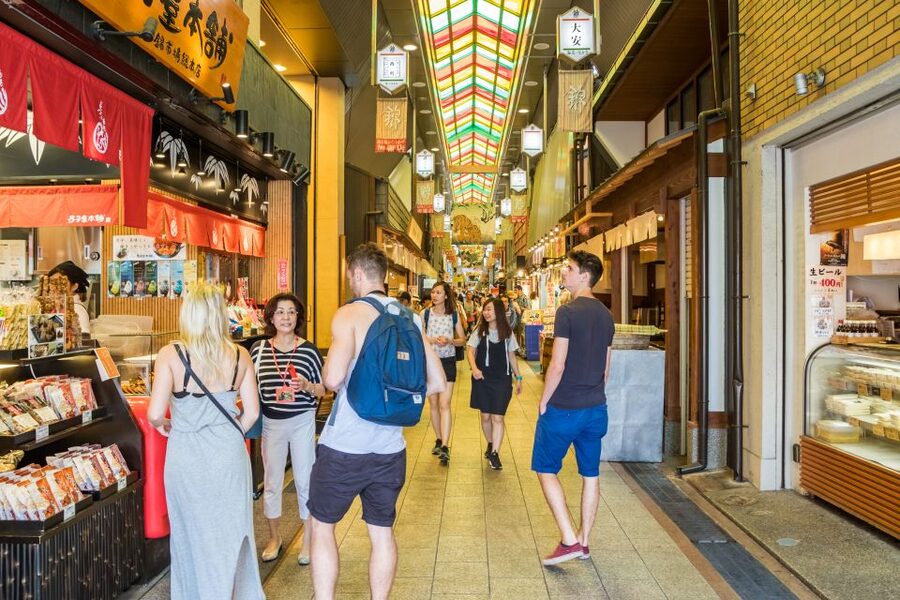
With a maximum of eight participants, this is a small-group tour rather than a large procession. That matters in a narrow market. You are more likely to hear the guide, keep the group together, and ask about an unfamiliar dish.
A small group can also make tastings less awkward. If you want to know how to eat something, what an ingredient is, or how it differs from a food at home, you have a better chance of getting an answer quickly.
There is one booking condition to note: at least two people are required per booking. The tour is offered in English with a live guide, and a copy of passport information is required for every participant aged 10 and over.
The activity has free cancellation up to 24 hours before the start time, and you can reserve now and pay later. Those terms help if your Kyoto plans are still shifting, though they do not change the need to check the available starting time before booking.
Who should book this Nishiki Market tour?
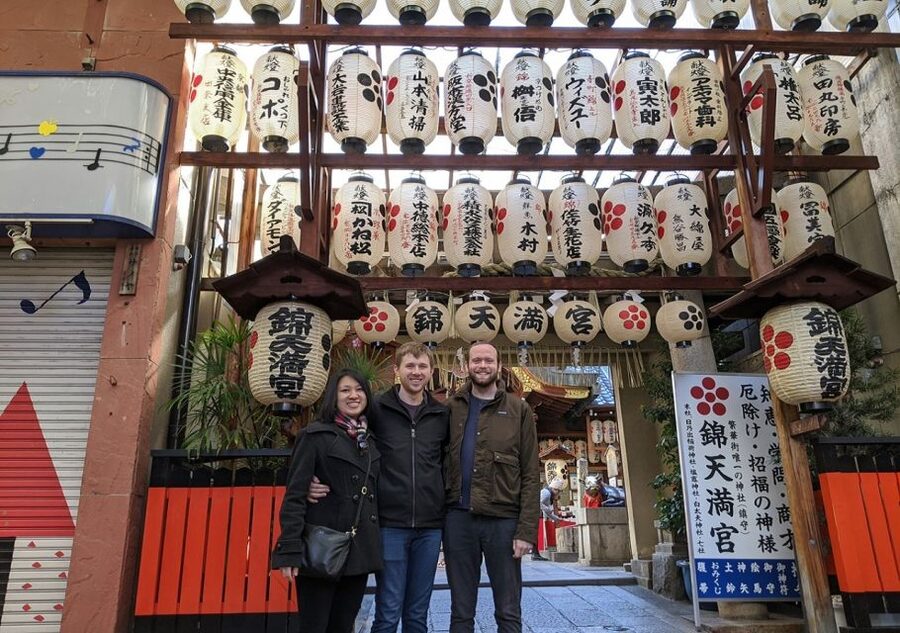
I would recommend it most strongly to first-time visitors to Kyoto, curious eaters, and anyone who wants help understanding Japanese food rather than simply grabbing a snack. It also suits people who enjoy local shops and conversation more than a polished restaurant tasting menu.
Families with older children may find the variety appealing, but the passport requirement applies to participants aged 10 and over. Anyone with mobility concerns should remember that this is a three-hour walking experience through market corridors, and comfortable shoes are specifically advised.
You may want to skip it if you prefer to explore independently, have a very strict diet that makes shared tastings difficult, or want a quiet meal with plenty of personal space. The market is active, the food selection can change, and the price is high for anyone who sees the tour mainly as lunch.
Final call: book it for context, not just calories
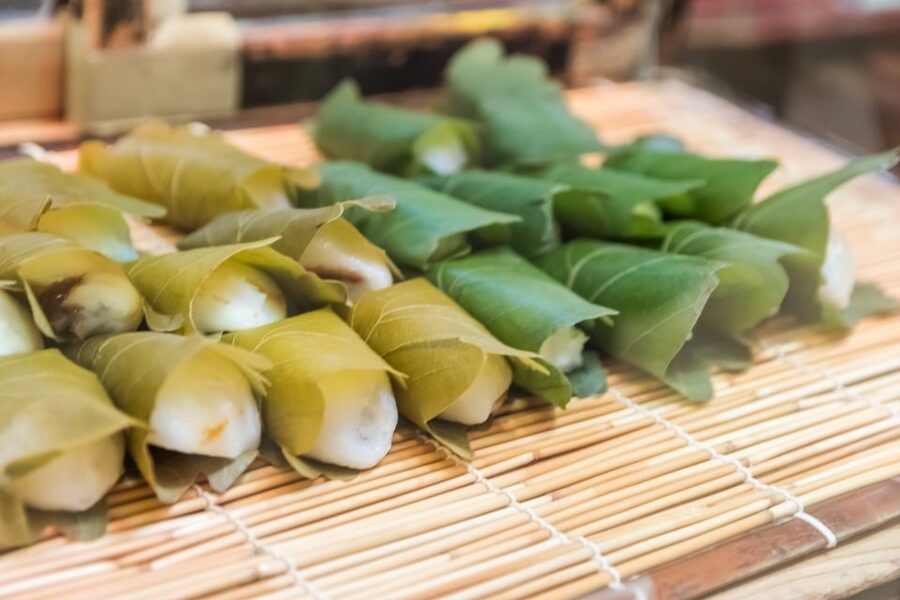
This is a strong choice if you want Nishiki Market to make sense. The food, tea, lunch, family-run vendors, and seasonal focus give you plenty to taste, while the guide adds the cultural thread that is easy to miss on your own.
At $173, it is an investment, not a casual snack stop. Book it if you value access, explanation, and a small English-speaking group. If you do book, arrive at the Lacoste meeting point with comfortable shoes, an appetite, and questions about what local shoppers actually buy. That is how you get the most from the three hours.
FAQ
How long does the Nishiki Market food tour last?
The tour lasts three hours and is a walking food tour through Nishiki Market.
What food is included?
Seasonal and regional lunch, market tastings, and Japanese tea are included. The tour visits around 10 vendors and may include seafood, local snacks, pickled foods, sweets, and other seasonal specialties.
Where does the tour meet?
The meeting point is in front of Lacoste at Naramonochi 375, Kyoto. From the Hankyu Line, use Kawaramachi Station Exit 9.
Is hotel pickup included?
No. Hotel pickup is not included, though it may be arranged for an additional charge. Transportation costs are also not included.
Is the tour conducted in English?
Yes. The experience has a live English-speaking guide.
What should I bring or arrange before the tour?
Wear comfortable walking shoes, share any food allergies or dietary requirements in advance, and provide a copy of passport information for each participant aged 10 and over. A minimum of two people per booking is required.
More Food Trips in Kyoto
- Tokyo Tsukiji Fish Market Food and Culture Walking Tour
★ 5.0 · 3,184 reviews - Bangkok: Markets, Temples and Food Night Tour by Tuk Tuk
★ 4.9 · 2,371 reviews - London Bridge & Borough Market Food Tour with 7 Authentic Dishes
★ 5.0 · 1,972 reviews - Tokyo: Tsukiji Fish Market Food and Walking tour
★ 5.0 · 1,724 reviews
More Food and Drink Trips in Kyoto
- Kyoto Nishiki Market Food and Culture Walking Tour
★ 5.0 · 412 reviews - Dubai: Old Town, Souks, Street Food, Guided Tour & Abra Ride
★ 4.9 · 7,170 reviews - Bangkok by Night: Temples, Markets and Food Tuk-Tuk Tour
★ 5.0 · 3,752 reviews - Chef Guided Food Tour of Pike Place Market
★ 5.0 · 3,733 reviews
Just added around Kyoto
- Taste of Nishiki Market Walking Food Tour with Local guide★ 5.0 · 17 reviews
- Kyoto: Wholesale Fish Market Walking Tour★ 5.0 · 2 reviews
- Kyoto: Nishiki Market Tour with a Local Foodie & Tastings★ 4.5 · 67 reviews
- Golden Pavilion, Nijo Castle, & Nishiki Market Half day tour★ 5.0 · 29 reviews
- Kyoto: Nishiki Market Food Tour with Local Guide★ 4.6 · 5 reviews
- Kyoto: Enjoy Sushi & Market Tour! Best for Family & Couple!★ 4.8 · 20 reviews
- Kyoto: Nishiki Market and Depachika Food Tour with a Local★ 4.7 · 76 reviews
- Nishiki Market Food Tour with Cooking Class★ 4.9 · 42 reviews
Street Food Market Tours, compared.
Old Town, Creek, Museums, Souks, & Street Food Tour
Read our review →
Old Town, Souks, Street Food, Guided Tour & Abra Ride
Read our review →

London Bridge & Borough Market Food Tour with 7 Authentic Dishes
Read our review →
Old Town, Souks, Street Food, Guided Tour & Abra Ride
Read our review →
Small Group Cooking Class & Market Food Tour in Florence
Read our review →
Browse the lists this tour appears in