
Review · AUSTRALIA
Sydney Fish Market: Tide to Table Seafood Tour with Drink
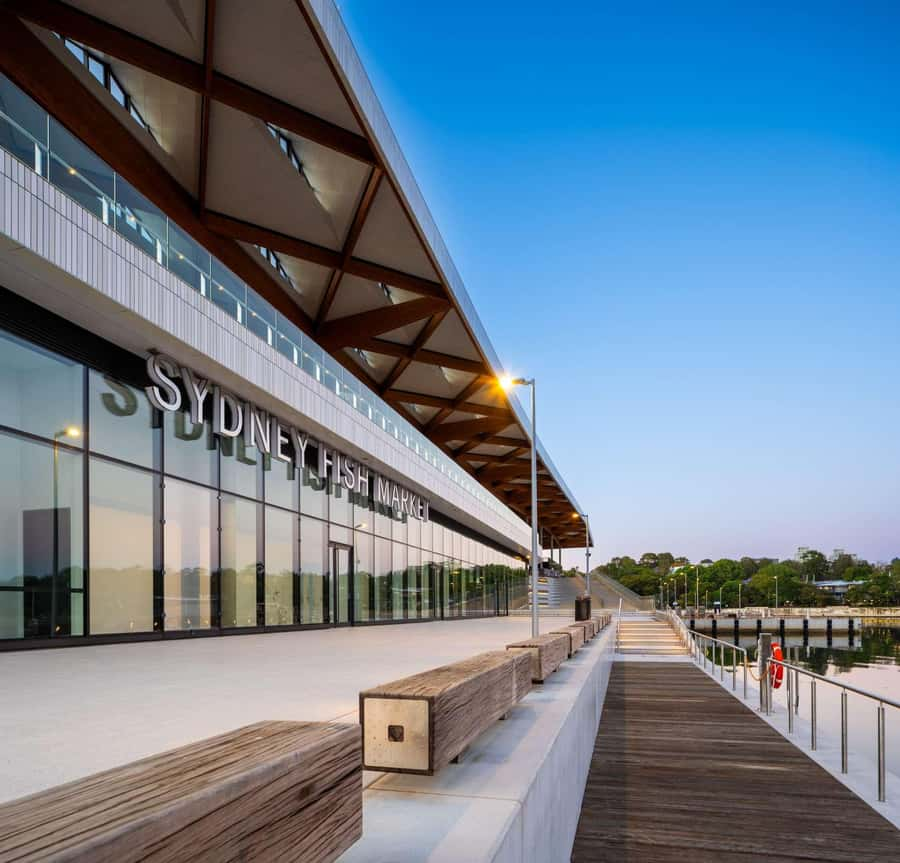
Fish arrive, then stories follow. Sydney Fish Market’s Tide to Table tour gives you a close look at how seafood moves from commercial wharf to auction floor, with fishing methods and sustainability explained along the way. I like the compact 90-minute format, and I especially like the finish: a seafood canape, beer or wine, and waterfront views.
The small group, limited to 10 people, should make it easier to hear the guide and ask questions. The strongest praise goes to the guide’s storytelling and clear explanations. The catch is practical: the tour is not suitable for wheelchair users, children under 13, vegans, people with a cold, or anyone over 95, and you need closed-toe shoes.
Key points about the Tide to Table tour
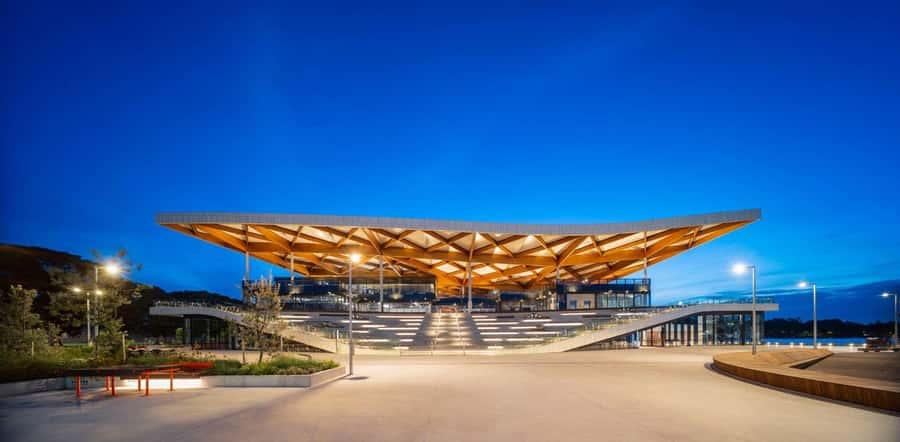
- It begins on a working commercial wharf, where the day’s catch arrives before moving through the market.
- Fishing methods take center stage, giving you a better sense of how Australian seafood is harvested.
- Sustainability is part of the main story, not a quick side note.
- You get access to the seafood auction floor, a place most casual market visits do not explain in much detail.
- The final drink and seafood canape add real value, especially with waterfront views.
- The group is capped at 10 people, but you should be ready for walking and wear a jacket with closed-toe shoes.
Starting at Sydney Fish Market’s commercial wharf
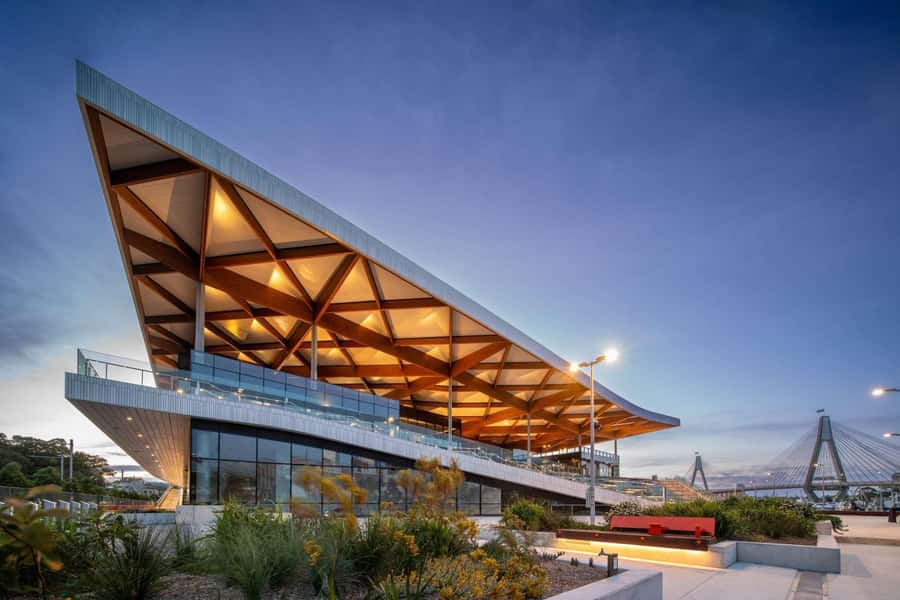
Your tour begins at the Visitor Hub on the ground level, in the southeast corner of the building. From there, the route takes you toward the commercial fishing wharf, where fresh catch arrives each day.
That starting point matters. You are not beginning with a generic food talk or a simple walk past display counters. You are starting where the seafood story begins, at the point where boats, fishing work, handling, and timing all meet.
I like this opening because it gives the rest of the tour a clear shape. When you later learn about auctions and facility operations, you already understand that the seafood has a journey to make. The fish on a market counter is not just a product waiting to be bought. It has arrived through a chain of work that depends on the sea, fishing crews, transport, auction systems, and careful handling.
The wharf portion should appeal most to you if you want more context than a quick market visit provides. You will not simply look at seafood and move on. You will learn how it enters the commercial system and why the first stage affects everything that follows.
Wear comfortable clothes. The tour involves walking, and the operators specifically ask you to bring a jacket and closed-toe shoes. That is sensible advice for a waterfront facility, even if Sydney’s weather looks mild when you set out.
More Fish Market Tours in Australia
- Sydney Fish Market Discovery Tour
★ 4.2 · 10 reviews - Sydney Fish Market Behind the Scenes Tour
★ 5.0 · 10 reviews - Sydney Fish Market Behind the Scenes Tour
★ 5.0 · 9 reviews
Understanding fishing methods across Australian waters
One of the tour’s most useful sections covers the different fishing methods used across Australian waters. The supplied details do not list each method by name, so you should expect an explanation of the range of approaches rather than a technical equipment demonstration.
That distinction is important. The value here is learning how seafood is harvested, not simply memorizing names. Different fishing methods affect the catch, the working conditions, the ocean environment, and the long-term supply of seafood. The guide helps connect those points to what eventually reaches the market.
I appreciate this part because it gives you a better way to think about seafood choices. A market visit can be pleasant but shallow if you only focus on what looks fresh or appealing. A discussion of fishing methods adds the missing question: how did this seafood get here, and what does that mean for the ocean?
The tour presents Australian waters as varied, with different methods used in different settings. That makes the experience useful for curious eaters, home cooks, and anyone who wants to understand seafood beyond the plate.
You should not expect a full marine science course in 90 minutes. The tour has several major sections to cover, so the explanations need to stay focused. Still, this is a meaningful amount of time for an introduction, especially in a small group where you can ask a question if a particular fishery or method interests you.
Sustainability as a working concern
Sustainability is one of the central themes, and it shapes the discussion from harvesting practices through long-term ocean stewardship. That is a stronger approach than adding a brief environmental statement at the end.
You will hear how sustainability affects the seafood industry and why responsible management matters. The point is not only protecting ocean life for its own sake. It also concerns the future of fishing communities, seafood supply, and the ability to keep enjoying Australian seafood over time.
I like that sustainability is tied to practical work. It is connected to how seafood is harvested, handled, and moved through the industry. That gives the subject more weight than a broad slogan.
At the same time, you should keep your expectations in check. The provided details do not promise specific species, certification programs, fishing boats, or conservation projects. If you want a highly technical account of quotas or marine regulations, this tour may feel introductory. If you want a clear explanation of why sustainability matters inside a major seafood operation, it should fit well.
This section also helps you read the market with sharper eyes. After the tour, you may look at seafood not only for price and freshness, but also for the systems behind it. That is a useful takeaway from a short experience.
Following seafood toward the auction floor
From the wharf, the tour follows the path seafood takes as it moves toward the auction floor. This is where the experience shifts from the sea to the market’s commercial side.
Seafood auctions are fast-paced by nature, and the tour gives you insight into how that world works. The wording here matters: you are being shown and told about the auction process, not promised a chance to buy seafood or take part in an auction yourself.
For me, this is likely the most distinctive part of the experience. Many people know Sydney Fish Market as a place to eat or shop, but fewer understand the auction system that helps move seafood through the facility. Seeing that link between arrival and sale gives the market a practical purpose.
The auction floor also adds a sense of timing. Seafood is not handled as if it can sit around indefinitely. It moves through a system designed to connect catch, buyers, and market supply. Your guide’s job is to make that system understandable without burying you in trade jargon.
A small group should help here. With no more than 10 participants, you are less likely to be lost in a large crowd, and you may have a better chance to hear explanations in a working facility. Still, this is not a private tour. You should be prepared to stay with the group and follow the guide’s instructions.
Same place, a different set of stalls:
- Queen Victoria Market Ultimate Foodie Tour
★ 5.0 · 295 reviews - Adelaide Central Market Discovery Tour
★ 5.0 · 203 reviews - Sunshine Coast Hinterland and Noosa Day Trip from Brisbane Incl Eumundi Markets
★ 4.5 · 189 reviews - Eumundi Markets Bus Transfer: Mooloolaba Sunshine Coast & Noosa
★ 5.0 · 84 reviews
Seeing the facility’s newer spaces
The experience also includes innovative spaces within the state-of-the-art seafood facility. This part gives the tour a modern edge and shows that Sydney Fish Market is not only about traditional stalls, boats, and auction routines.
The available details do not specify the names or exact functions of these spaces, so I would not book this expecting a behind-the-scenes tour of every department. Instead, think of it as a guided look at how the facility is designed to support the seafood trade.
That can be valuable because buildings shape how food moves. The facility is part of the story, not just a backdrop. Its spaces help connect the wharf, auction floor, and public-facing market experience.
You may find this section especially interesting if you enjoy food infrastructure, modern public buildings, or the practical side of city markets. If your main goal is tasting seafood, this portion may feel less exciting than the final canape. The tour works best when you approach it as a combination of food, industry, and place.
Ending with seafood, wine, beer, and water views
The final stop is designed to slow things down. After the wharf, fishing methods, sustainability discussion, auction floor, and facility spaces, you finish with a beer or wine and a seafood canape.
That closing refreshment is included in the $56 price, which improves the overall value. You are not paying only for a short talk and a walk through the facility. You also get a drink, a small seafood tasting, and time to take in the waterfront views.
The canape is one item, not a full meal. I would plan to eat beforehand or afterward if you need lunch or dinner. Additional food and drinks are not included, so keep that in mind when working out your budget.
The drink choice is simple: beer or wine. If you do not drink alcohol, the provided information does not state that a nonalcoholic option is available, so you should check before booking if that matters to you.
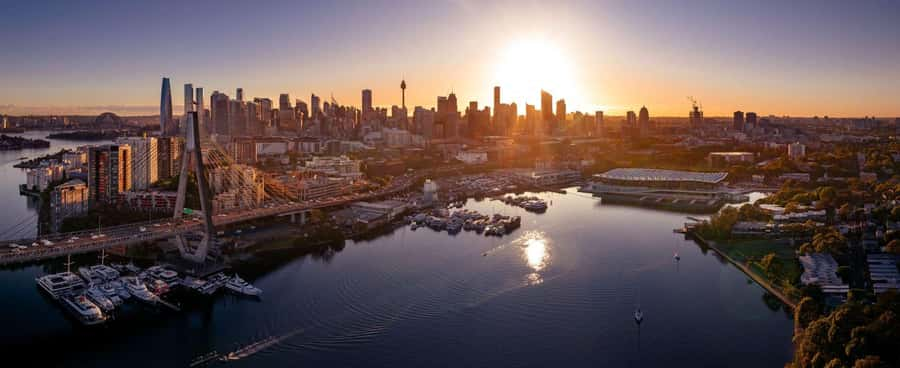
The waterfront setting gives the tour a pleasant finish without pretending to be a formal dining experience. You get a chance to relax and think over what you have seen. That rhythm works well: first learn how seafood reaches the market, then enjoy a small taste of the result.
Is $56 good value for 90 minutes?
At $56 per person, the tour is not the cheapest way to visit Sydney Fish Market. You could enter the market on your own and spend less if your only aim is to browse or buy food.
The value comes from access and explanation. You get a guided visit to the commercial wharf, information about fishing methods and sustainability, insight into the auction floor, a look at innovative facility spaces, and a drink with a seafood canape. Those elements give you a fuller understanding of the market than a self-guided meal would.
The small group also matters. A maximum of 10 people creates a more personal setting than a large public walk. The recent praise for the guide’s storytelling supports this as a key reason to book. A good guide can connect the separate parts of the tour and make the working seafood system easy to follow.
I would call the price reasonable if you are interested in seafood, food supply, sustainability, or the operation of a major market. I would be less enthusiastic about the value if you mainly want a large meal, a long tasting session, or unrestricted access behind the scenes.
The experience lasts 90 minutes, so it fits neatly into a Sydney day. You can pair it with other plans without giving up half a day. Just allow enough time to reach the Visitor Hub yourself, since transportation to the starting point is not included.
Who should book this experience?
This tour suits adults and older teenagers who want context with their seafood. It is a good match for you if you enjoy markets, working waterfronts, food systems, environmental issues, or guided tours with a clear story.
It also suits visitors who prefer a small group. With only 10 places, you get a better setting for listening and asking questions than you might on a large city tour.
The tour may be less suitable if you want a food crawl or a full meal. The included seafood canape is a tasting at the end, not a substitute for lunch. You also need to be comfortable walking through the facility and wearing closed-toe shoes.
Children under 13 cannot join. The experience is not suitable for wheelchair users, vegans, people with a cold, or people over 95. Those restrictions are unusually specific, so read them carefully before paying.
English is the tour language, and it is led by a live guide. If you need another language, this experience does not list one.
Booking, clothing, and cancellation tips
Meet at the Visitor Hub on the ground level in the southeast corner of the building. Transportation is not included, so you need to make your own way to that meeting point.
Wear comfortable clothing for walking, closed-toe shoes, and a jacket. Those are not decorative suggestions. The route includes a commercial wharf and facility spaces, so practical clothing is the right choice.
The tour offers free cancellation up to 24 hours before the start time for a full refund. You can also reserve now and pay later, which helps if you are arranging a Sydney schedule before every detail is fixed.
Should you book the Tide to Table tour?
Book it if you want to understand Sydney Fish Market rather than simply eat there. The combination of commercial wharf, fishing methods, sustainability, auction activity, modern facility spaces, and a drink with seafood makes the 90 minutes feel purposeful.
I would especially recommend it to adults who value a good guide and a clear story. The praise for the guide’s warmth, impressive storytelling, and strong explanations is the best reason to expect more than a basic walk-around.
Skip it if you need wheelchair access, want a vegan experience, or are looking for a full seafood feast. For everyone else, $56 is a fair price for a focused introduction to the path from tide to table, with a pleasant waterfront finish.
FAQ
How long does the Tide to Table tour last?
The tour lasts 90 minutes.
How much does the experience cost?
The price is $56 per person.
Where do I meet the guide?
Meet at the Visitor Hub on the ground level in the southeast corner of the building.
What is included in the price?
The tour includes the commercial fishing wharf, information about fishing methods and sustainability, the seafood auction floor, innovative facility spaces, a beer or wine, a seafood canape, and waterfront views.
Is transportation included?
No. Transportation to the starting point is not included.
What should I wear and bring?
Wear comfortable clothing suitable for walking, closed-toe shoes, and a jacket.
Can I cancel the booking?
Yes. You can cancel up to 24 hours in advance for a full refund. You can also reserve now and pay later.
Just added around Australia
- Port Douglas Sunday Markets Day Tour★ 4.0 · 25 reviews
- Rusty’s Market Foodlovers Tour★ 5.0 · 18 reviews
- Noosa, Eumundi Markets, Glass House Mountains from Brisbane★ 5.0 · 4 reviews
- Noosa Heads and Eumundi Markets Private Tour from Brisbane★ 5.0 · 2 reviews
- A Taste of Adelaide Central Markets Food Tour★ 5.0 · 5 reviews
- Adelaide Central Market Food Tour★ 5.0 · 13 reviews
- Sydney: Fish Market Food Tour★ 5.0 · 2 reviews
- South Melbourne Market Foodie Tour★ 5.0 · 2 reviews
Fish Market Tours, compared.
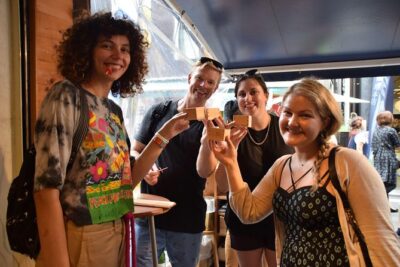
Tokyo Tsukiji Fish Market Food and Culture Walking Tour
Read our review →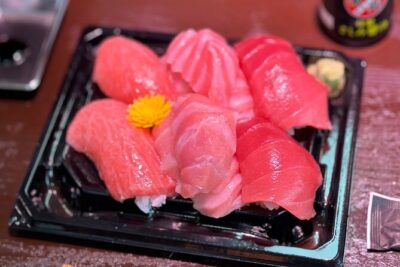

Tokyo Sushi Making Class in Tsukiji with Professional Chef
Read our review →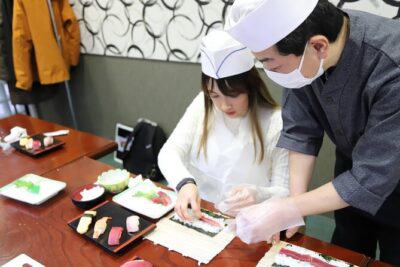
Tsukiji Fish Market Guided Tour and Sushi Making with Pro Chef
Read our review →Tsukiji Fish Market Food and Culture Walking Tour
Read our review →
Tsukiji Fish Market: Street Food & Culture Walking Tour
Read our review →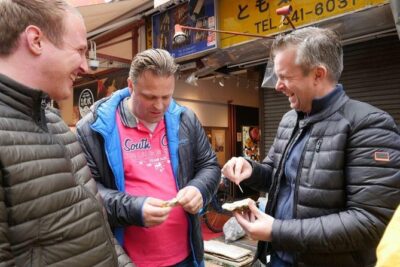
Tsukiji Fish Market Small-Group Food Walking Tour
Read our review →
Tsukiji Fish Market Sushi Making Class with Pro Chef
Read our review →Browse the lists this tour appears in