
Review · AUSTRALIA
Sydney Fish Market Behind the Scenes Tour
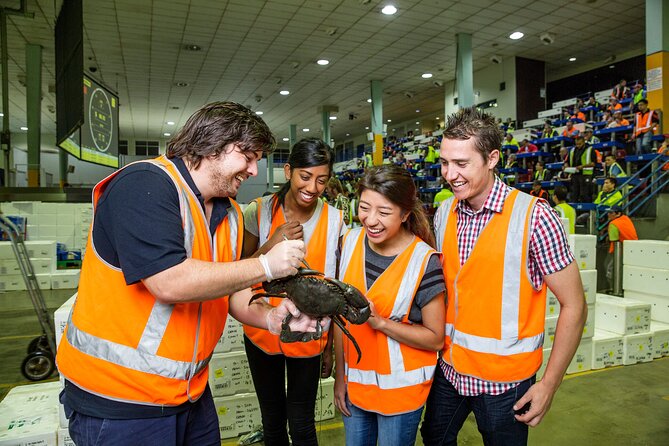
Wake before dawn for the fish market. This two-hour tour gives you access to the auction floor, a working area normally closed to the public, and explains how more than 50 tonnes of seafood move through the market each day. You will see Dutch auction bidding, blue crates filled with more than 100 seafood species, tuna filleting, oyster shucking, sushi preparation, and live lobsters.
I like the small group of no more than 10 people, since it should be easier to hear the guide and ask questions. I also like the practical angle: this is not just a walk past seafood counters, but a look at quality checks, buying, preparation, and the path from ocean to plate. The main drawback is the early start. You must arrive by 5:50am, and the tour is not suitable for children under 10 or wheelchair users.
- Early access to the auction floor: See the working section of the market before most visitors can enter.
- A Dutch auction in action: Watch more than 50 tonnes of seafood being sold to over 150 buyers.
- More than 100 species: Expect familiar fish alongside unusual Australian seafood.
- Hands-on preparation demonstrations: See tuna filleting, oyster shucking, sushi preparation, and other seafood work.
- Small English-speaking group: The group is limited to 10 participants.
- Safety gear provided: Boots and high-visibility jackets are supplied for the auction floor.
Why This Sydney Fish Market tour is different
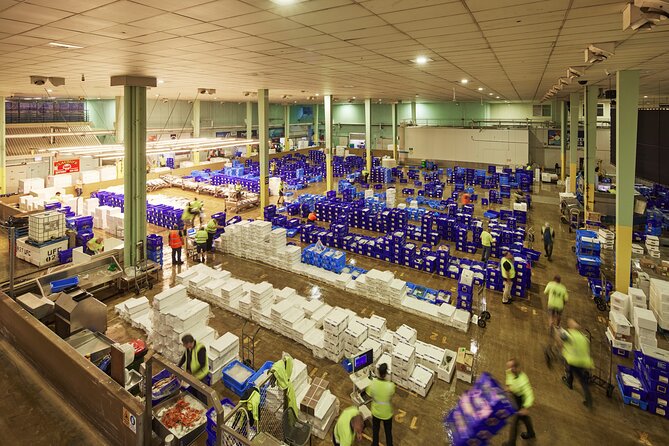
The public side of Sydney Fish Market is easy to understand. You walk among seafood counters, look at displays, and choose something to eat. This tour takes you behind that familiar scene and shows the trade that supports it.
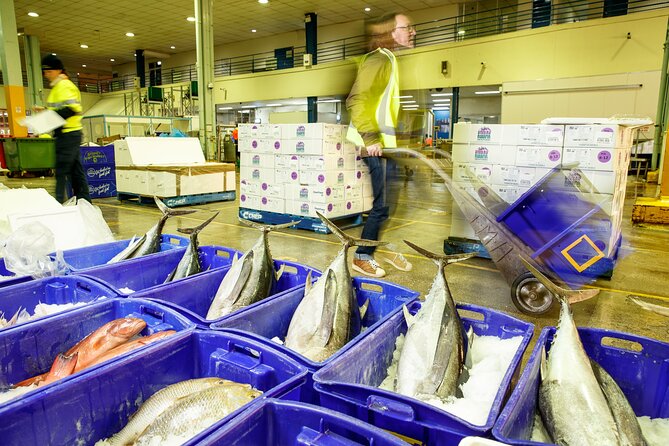
That difference matters. You see seafood as a working product, not only as a meal on a plate. Blue crates hold the catch. Buyers assess quality. Staff prepare fish at speed. An experienced guide, including guides such as Mark and Mike, can explain what is happening as the market operates around you.
I like tours that show how a city functions, and this one does exactly that. Sydney’s seafood culture is not only about restaurants and fish-and-chips shops. It is also about timing, grading, handling, and wholesale trade. You get a clearer sense of those links here.
The market is also in a period of change. One recent account described the current historic market as due to be demolished for a new one. That makes access to the existing building especially interesting, although you should treat future redevelopment timing as subject to change.
Arriving before sunrise at 1 Bridge Road
The tour begins early at Sydney Fish Market, 1 Bridge Road, Glebe. You need to arrive by 5:50am for check-in, so this is best planned as a first activity of the day rather than something squeezed between breakfast and sightseeing.
The stated meeting point is the LG Information Hub on the ground level, on the side of the building closest to the city. Other directions identify the SFM foyer on Level 1 of the main arcade. Those directions say to enter through the glass doors to the left of the arcade entrance, then use the stairs or lift and wait on the black couches.
Because both locations are described in the meeting instructions, allow extra time to find the correct check-in point. Have your booking details ready and follow the precise directions supplied for your date. The early hour is not a minor detail. If you arrive late, you may miss the group entering the restricted work areas.
Wear comfortable shoes and bring socks. Safety footwear is provided, and socks will make the borrowed footwear more comfortable. Bring a jacket too, since early morning conditions around a working seafood market may feel cool.
High heels and open-toed shoes are not allowed. Hats, smoking, and littering are also prohibited. These rules are practical rather than fussy: you are entering an active work site, not a display museum.
More Fish Market Tours in Australia
- Sydney Fish Market Discovery Tour
★ 4.2 · 10 reviews - Sydney Fish Market Behind the Scenes Tour
★ 5.0 · 9 reviews - Sydney Harbour & Fish Market Sightseeing Cruise
★ 4.5 · 4 reviews
The auction floor and the Dutch system
The auction floor is the central reason to book this tour. It is normally closed to the public, so the chance to see the wholesale side of Sydney Fish Market gives the visit a clear purpose.
The Dutch auction system works differently from the familiar idea of bidders calling prices upward. The price begins high and moves downward until a buyer accepts it. Your guide explains how this system works while seafood is being sold, which makes the process far easier to grasp than reading about it in advance.
The scale is impressive. More than 50 tonnes of fresh seafood can be sold to over 150 buyers. That number helps you understand why speed and organization matter. This is not a small local stall where a seller can chat with each customer. It is a tightly timed operation handling a huge quantity of perishable food.
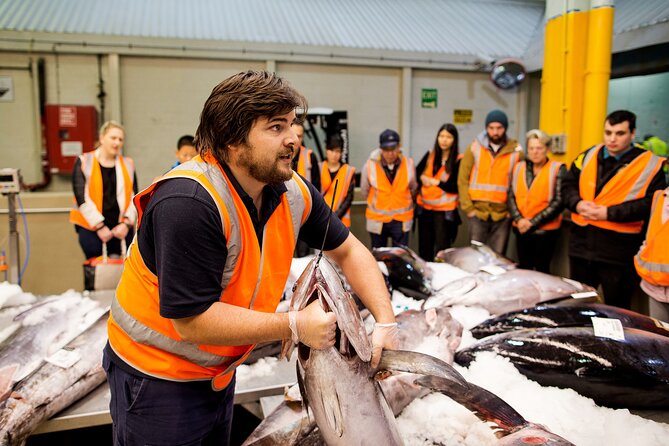
You will also hear about quality checks. Mark, who has worked as a fisherman, has been praised for explaining the market from an industry perspective. That background is useful because it connects the auction to the people who catch, inspect, buy, prepare, and sell the seafood.
The floor is an active workplace, so expect the emphasis to be on observation and listening. You are not simply wandering wherever you like. The guide leads the group through the approved areas, and safety instructions matter.
Blue crates and 100 seafood species
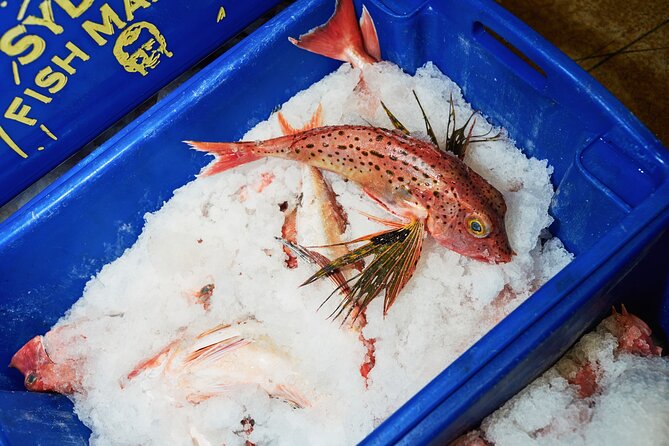
One of the most enjoyable parts of the tour is the sheer variety of seafood. You can see more than 100 species in the familiar blue crates, including popular fish and species you may not recognize at all.
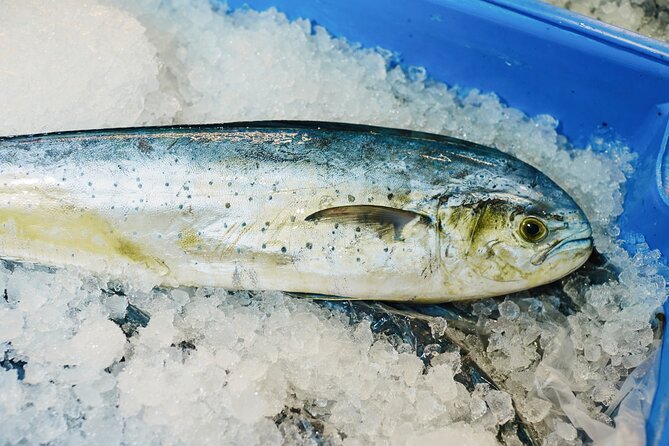
That variety gives the tour a strong Australian angle. You may know salmon, prawns, oysters, or tuna, but the market also presents the weird and wonderful side of local seafood. The guide can help put names and uses to species that would otherwise be easy to overlook.
For me, this is more useful than a simple list of fish. You begin to notice the differences in shape, size, color, and handling. You also see how much choice exists before seafood reaches a restaurant menu or retail counter.
The market can make the food supply feel more direct. A seafood dinner often arrives at the table looking neat and familiar. Here, you see the raw materials, the sorting, and the work that comes first. That is a valuable lesson for anyone interested in food, fishing, or the practical side of city life.
Tuna filleting, sushi, oysters, and lobsters
The live demonstrations add movement and skill to the tour. You can watch tuna filleting, oyster shucking, sushi preparation, and other seafood work. Each task shows a different kind of care.
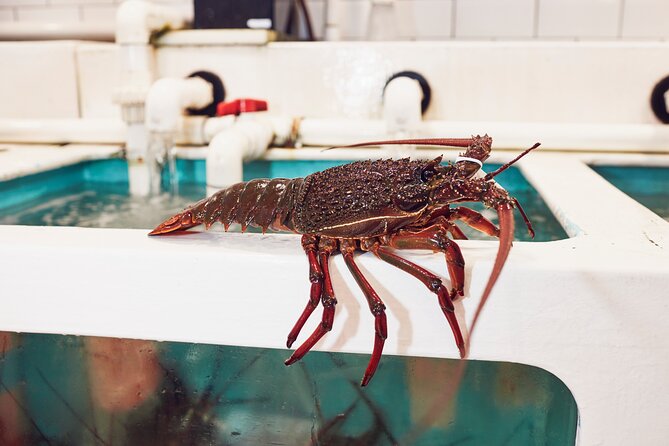
Tuna filleting is especially useful for understanding how a large fish is handled and portioned. The process is quick and controlled, and it shows why trained preparation matters. You may also see live lobsters, which give you a reminder that the market is handling living seafood as well as packed and prepared products.
Oyster shucking offers a different lesson. It is a small, precise task, but it requires the right technique and attention to safety. Sushi preparation shows another stage of the chain, where seafood is handled with presentation and portioning in mind.
The tour does not include food or drinks, so these demonstrations are not a tasting session. That is worth knowing before you book. You are paying for access, explanation, and observation, not breakfast or samples.
If you want to eat at the market afterward, plan that separately. The tour ends back at 1 Bridge Road, making it easy to continue your visit in the same area, though the supplied tour information does not promise a particular meal or stall.
Same place, a different set of stalls:
- Queen Victoria Market Ultimate Foodie Tour
★ 5.0 · 295 reviews - Adelaide Central Market Discovery Tour
★ 5.0 · 203 reviews - Sunshine Coast Hinterland and Noosa Day Trip from Brisbane Incl Eumundi Markets
★ 4.5 · 189 reviews - Eumundi Markets Bus Transfer: Mooloolaba Sunshine Coast & Noosa
★ 5.0 · 84 reviews
What the two-hour itinerary feels like
The experience is listed as a two-hour guided tour. It begins at the meeting point, moves into the market’s restricted working areas, and returns to the starting point at 1 Bridge Road.
The first stage is orientation and safety. You receive safety footwear for the auction floor, and a high-visibility jacket is also supplied according to the tour experience. Your comfortable shoes still matter because you may be standing and walking during the visit.
Next comes the auction floor. This is where you get the clearest sense of scale and pace. You see the Dutch system, hear about the buyers, and watch seafood move through a wholesale setting that most people never see.
The middle section focuses on species and handling. Blue crates hold the seafood, and the guide points out familiar and unusual examples. This is a good point to ask questions if the guide has time, especially if you want to know how quality is assessed or how a species is prepared.
The final portion brings the work closer to the plate. Tuna filleting, sushi preparation, oyster shucking, and live lobsters show different stages of seafood preparation. The sequence works well because you first see the buying system, then the products, then the preparation.
A small group helps here. With no more than 10 participants, you should have a better chance of seeing demonstrations and hearing the English-speaking guide. The exact pace depends on market activity, but the tour is designed around a real working operation rather than a staged show.
Is the $56 price good value?
At $56 per person, this is not the cheapest way to visit Sydney Fish Market. You can enter the public areas without paying for this tour, and you will need to buy your own food and drinks afterward.
The value comes from access. The auction floor is normally closed to the public, and the tour adds explanation that you would not get from simply walking around the market. You also receive safety footwear and see live preparation demonstrations.
I think the price makes sense for people who care about seafood, food production, fishing, or how wholesale markets operate. It is less convincing if you only want a quick look around and a casual breakfast. In that case, the public market may be enough.
The small group improves the value. A large crowd would make it harder to hear the guide or see the work. Here, the maximum of 10 participants gives the experience a more focused feel without turning it into a private tour.
The free cancellation policy, available when you cancel at least 24 hours ahead, also reduces some booking risk. You can reserve now and pay later, which may help if your Sydney schedule is still moving around.
Who should book this early morning visit?
This tour suits adults and older children who enjoy seeing how food is handled before it reaches a plate. Children under 10 are not allowed, so families with younger children need another plan.
Food enthusiasts will get the most from the species displays and preparation demonstrations. The tour also suits people interested in fishing and commercial trade, especially because guides such as Mark have personal industry experience.
It is a good choice for first-time Sydney visitors who want something more specific than another viewpoint or standard sightseeing stop. You are seeing a real part of the city’s food economy, not a recreated attraction.
The tour is not a good fit if you dislike early mornings, have difficulty standing or walking, or want a tasting experience. Wheelchair users cannot enter the auction floor, and prams are not allowed there. Those limits should be taken seriously before booking.
Practical tips for a smoother visit
Set an alarm early and plan your route to Glebe in advance. The check-in time is 5:50am, and the market meeting point can take a few minutes to locate.
Bring socks, comfortable shoes, and a jacket. Do not wear open-toed shoes or high heels, and leave your hat at home for this activity.
Keep your expectations focused on access and information. The tour is about the auction, species, market work, and seafood preparation. Food and drinks are not included.
If you are interested in the market’s future, ask the guide about the building and redevelopment during the visit. The existing market has been described as due for demolition to make way for a new one, so the tour may offer a timely look at a working place that is changing.
The overall rating is 5 out of 5 from 10 verified bookings, with particular praise for the educational value, the industry perspective, and guides Mark and Mike. Those comments point to the tour’s strongest feature: the human explanation behind the machinery and seafood.
Should you book the Sydney Fish Market tour?
Book it if you want access to the normally restricted auction floor and enjoy learning how seafood moves from catch to buyer to preparation. The combination of Dutch auctions, more than 100 species, live lobsters, tuna filleting, and a small group makes the $56 worthwhile for food-minded visitors.
Skip it if your morning schedule cannot handle a 5:50am arrival, if you need wheelchair access to the auction floor, or if you mainly want to eat seafood. For everyone else, this is a practical, unusual way to see Sydney’s working side before the city fully wakes up.
FAQ
How long is the Sydney Fish Market Behind the Scenes Tour?
The guided tour lasts two hours.
How much does the tour cost?
The listed price is $56 per person.
What time should I arrive?
You should arrive by 5:50am for check-in.
Where is the meeting point?
The meeting point is the LG Information Hub at Sydney Fish Market, 1 Bridge Road, Glebe, on the ground level and on the side closest to the city. Other directions identify the SFM foyer on Level 1 of the main arcade, so check the exact meeting instructions for your booking.
Is the tour conducted in English?
Yes. The tour has a live English-speaking guide.
How many people are in the group?
The group is limited to 10 participants.
Is food or drink included?
No. Food and drinks are not included.
What should I wear?
Wear comfortable shoes and bring a jacket and socks. High heels and open-toed shoes are not allowed. Safety footwear is provided for the auction floor.
Is the tour suitable for wheelchair users or young children?
The tour is not suitable for wheelchair users, and wheelchairs and prams are not allowed on the auction floor. Children under 10 cannot join.
Just added around Australia
- Port Douglas Sunday Markets Day Tour★ 4.0 · 25 reviews
- Rusty’s Market Foodlovers Tour★ 5.0 · 18 reviews
- Noosa Heads and Eumundi Markets Private Tour from Brisbane★ 5.0 · 2 reviews
- Noosa, Eumundi Markets, Glass House Mountains from Brisbane★ 5.0 · 4 reviews
- A Taste of Adelaide Central Markets Food Tour★ 5.0 · 5 reviews
- Adelaide Central Market Food Tour★ 5.0 · 13 reviews
- Sydney Fish Market: Tide to Table Seafood Tour with Drink★ 5.0 · 2 reviews
- Sydney: Fish Market Food Tour★ 5.0 · 2 reviews
Fish Market Tours, compared.
Tokyo Tsukiji Fish Market Food and Culture Walking Tour
Read our review →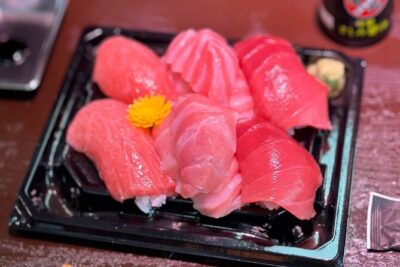
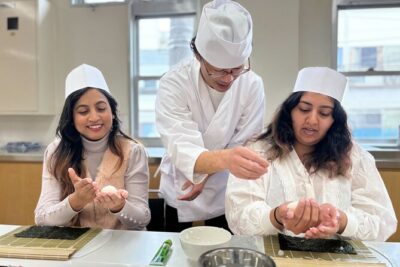
Tokyo Sushi Making Class in Tsukiji with Professional Chef
Read our review →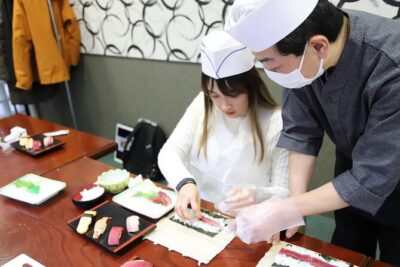
Tsukiji Fish Market Guided Tour and Sushi Making with Pro Chef
Read our review →Tsukiji Fish Market Food and Culture Walking Tour
Read our review →
Tsukiji Fish Market: Street Food & Culture Walking Tour
Read our review →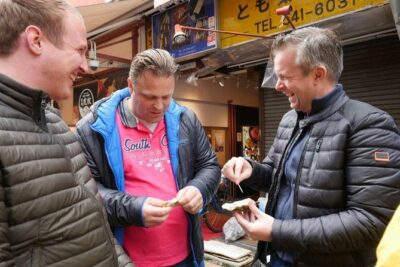
Tsukiji Fish Market Small-Group Food Walking Tour
Read our review →
Tsukiji Fish Market Sushi Making Class with Pro Chef
Read our review →Browse the lists this tour appears in