

Review · AUSTRALIA
Sydney Fish Market Discovery Tour
Fresh seafood has a story. The Sydney Fish Market Discovery Tour gives you one hour with a seafood educator, taking you from the auction stands and commercial wharves to the retailers where ocean catch reaches your plate. I like the close look at the Dutch auction system, and I like that the tour explains seasonal and sustainable seafood in practical terms. The main drawback is value: at $35, you get no meal or drink, and one hour passes quickly.
I also like the chance to see expert oyster shucking up close and hear how the market is changing inside its new building. Guide Michael earned special praise for his passion and clear knowledge of seafood. If you want a guided introduction before choosing lunch, this is useful. If you mainly want to eat, spending the $35 on seafood may suit you better.
Five things worth knowing before you go
- The Dutch auction is the tour’s best behind-the-scenes lesson: You learn how auction stands work and how seafood moves through the trade.
- Commercial wharves add working-port context: You see different fishing vessels and learn how catches reach the market.
- The new building is part of the story: The guide points out its design features while explaining the market’s next chapter.
- Seafood advice is practical: You learn how to judge seasonal and sustainable choices, not just what looks good in a display.
- Oyster shucking happens up close: You see the technique in real time, though food and drink are not officially included.
- The tour is short and accessible: It lasts 60 minutes, uses English, starts at the Information Hub, and is wheelchair accessible.
Starting at the Information Hub on Bridge Road

Your meeting point is the Information Hub on the ground level, on the side of the building closest to the city. The listed starting location is 1 Bridge Road, and the tour returns there after its one-hour walk.
I recommend arriving with enough time to find the correct side of the building. A major market can have several entrances and plenty of movement, so you do not want to begin by searching for the guide. The experience provider asks you to wear closed-toe shoes, a sensible rule around working wharves, wet surfaces, and market activity.
The tour is conducted in English by a live seafood educator. That format matters. You are not simply reading signs or following a self-guided route. You can listen to explanations as you move and, if time allows, ask about the catch, the market, or seafood buying.
The group size is not provided, so I would not assume an intimate private walk. The guide-led structure should still give you a clear route through the main parts of the market.
More Fish Market Tours in Australia
- Sydney Fish Market Behind the Scenes Tour
★ 5.0 · 10 reviews - Sydney Fish Market Behind the Scenes Tour
★ 5.0 · 9 reviews - Sydney Harbour & Fish Market Sightseeing Cruise
★ 4.5 · 4 reviews
Seeing the Dutch auction in action
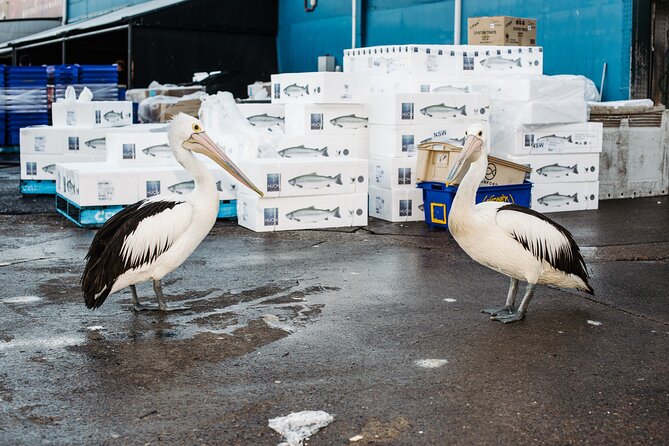
The auction stands are the heart of the tour. You learn how the Dutch auction operates and why the system matters to the seafood trade.
A Dutch auction generally begins with a higher price that moves downward until a buyer accepts it. Here, the important point is not just the mechanics. The method connects price, freshness, supply, demand, and timing. Seafood is perishable, so the auction has to move efficiently. Your guide explains how this process helps set the commercial value of the catch before it reaches retailers.
For anyone who has only seen seafood after it has been arranged behind a counter, this section changes the way you look at the market. You begin to see fish as part of a working supply chain, not simply as a product waiting for a buyer.
The auction stands can also be a good reason to take the tour early in your visit. You get a framework for understanding what happens around you when you later browse the retailers. Instead of seeing rows of seafood with no context, you know more about where it came from and how it was priced.
One limitation is timing. The tour lasts just 60 minutes, and the auction system can raise more questions than the guide has time to answer. If this is your main interest, listen closely and save your most important question for the guide.
From commercial wharves to fishing vessels
The walk includes the commercial wharves and different types of fishing vessels. This section helps connect the market to the people and equipment that bring seafood in from the water.
You may be used to markets that feel entirely retail-focused. Sydney Fish Market also operates as a working seafood hub, and the wharves give the tour a more practical setting. The sight of fishing vessels makes the path from ocean to plate easier to understand.
The tour does not promise a boat ride or access to every working area. You are seeing and learning from the wharf environment, not joining a fishing trip. That distinction is useful when setting expectations.
I like this part because it gives the market a sense of purpose. The retailers are the most obvious attraction, but the wharves show the supply side. You learn that seafood retail begins well before a fish is displayed on ice or an oyster reaches a restaurant kitchen.
Your guide also discusses different ways seafood is caught. That information leads naturally into the later advice about sustainability. The value here is not a single dramatic sight. It is the connection between vessels, fishing methods, market handling, and your own buying choices.
Understanding the market’s past and next chapter
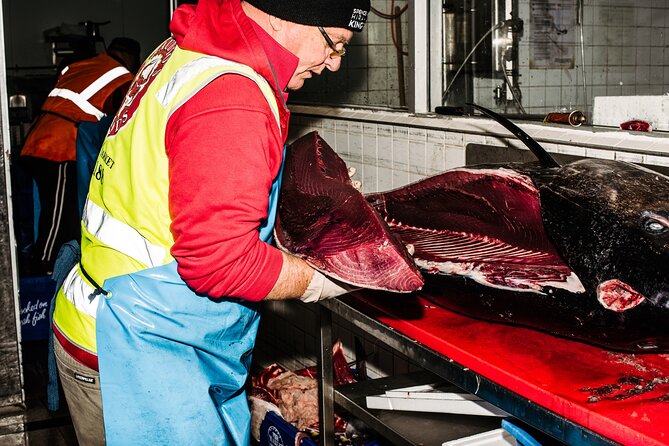
The educator shares stories about the market’s history and explains what is planned for its future. You also hear about the new building and its design features as you walk through the site.
The building is not treated as a plain container for seafood. Its design is part of the experience, and the guide helps you notice how the new seafood hub is intended to function. One recent booking specifically praised the explanations about the new building and the wide food selection.
This is a useful part of the tour if you want more than a quick lunch stop. A market relocation or new building can change how a place works, how people move through it, and how retailers serve the public. The educator gives you that larger setting without turning the hour into a formal lecture.
The history section also adds meaning to the working areas. You hear how the market developed, then consider how it is adapting. Since the tour is short, do not expect a full social or economic history of Sydney seafood. Think of it as a clear introduction that helps you notice more during the rest of your visit.
Same place, a different set of stalls:
- Queen Victoria Market Ultimate Foodie Tour
★ 5.0 · 295 reviews - Adelaide Central Market Discovery Tour
★ 5.0 · 203 reviews - Sunshine Coast Hinterland and Noosa Day Trip from Brisbane Incl Eumundi Markets
★ 4.5 · 189 reviews - Eumundi Markets Bus Transfer: Mooloolaba Sunshine Coast & Noosa
★ 5.0 · 84 reviews
Learning how to choose seasonal and sustainable seafood
The most useful advice may come when the guide explains how to choose seafood. You learn about seasonal options and sustainable choices, along with more about where seafood comes from and how it is caught.
This is where the tour can pay you back after the hour ends. A display counter can be confusing if you do not know what to look for. The educator gives you a better basis for asking questions and comparing choices.
Seasonality matters because availability changes through the year. Sustainability matters because fishing methods and seafood sources can have different effects. The tour does not simply tell you to buy one particular item. It helps you understand the decisions behind the display.
I would pay attention to the language used by the educator. You may hear explanations about catch methods, supply, and the difference between a seasonal choice and a heavily available one. These details can help you make a more informed selection when you eat at the market or shop elsewhere.
The benefit is practical rather than flashy. You leave with questions you can use: Where was this caught? Is it in season? How was it harvested? What is the better choice today? At a seafood market, those questions are worth more than a quick list of favorite dishes.
Watching oysters being shucked
The tour includes a close look at expert oyster shucking. You see the technique in real time, which gives a simple food skill a bit of theater.
Oyster shucking looks easy only when someone experienced is doing it. The careful handling, the tool, and the need to protect the oyster all make more sense when you watch the process up close. The demonstration also shows the care involved before seafood reaches your plate.
One booking included delicious food to try, but the official tour details do not list food or drink as an inclusion. Treat any tasting as a possible bonus rather than a guaranteed part of the $35 price.
That point matters because the cost can feel reasonable if you think of the tour as a lesson plus a tasting. It may feel expensive if you expect a complete seafood meal and find that you must pay separately for lunch.
The safest plan is to budget for food beyond the tour. The market has famous retailers and a broad selection, so you can make the tour your orientation and then choose something to eat afterward. You decide what fits your appetite and budget.
What the $35 price really buys you
At $35 per person, the tour is not the cheapest way to visit Sydney Fish Market. You can enter the market without paying for a guided walk and spend your money directly on seafood.
The price buys structure, access to explanations, and an hour with a seafood educator. You hear about the auction, wharves, vessels, market history, new building, sustainability, and oyster handling in one organized route. That is useful if you want a fast introduction and do not know where to begin.
The value is strongest for first-time visitors, food-minded travelers, families who want an educational stop, and anyone curious about the seafood trade. It is weaker for you if you already understand fish markets, plan only to eat, or prefer to explore at your own pace.
One booking called the tour overpriced and felt a fish and chip meal should have been included. That criticism is fair if you judge the price by the amount of food received. The tour should be judged as a guided market lesson, not as a meal deal.
I would compare it with the cost of an ordinary market lunch. If you are happy to spend $35 on context and then buy food separately, it can be good value. If your main goal is a full plate, skip the tour and put the money toward lunch.
The one-hour route and its pace
The itinerary is straightforward: meet at 1 Bridge Road, walk through Sydney Fish Market with the guide for 60 minutes, and return to the same meeting area.
A one-hour format is convenient. You can fit it into a Sydney sightseeing day without giving up half a morning or afternoon. It also keeps the tour focused. You get the main working areas and key explanations without committing to a long food crawl.
The tradeoff is that you will not have unlimited time at each stop. The auction stands, wharves, vessels, retailers, building, sustainability advice, and oyster demonstration all compete for the same hour. If the educator spends extra time on questions, another section may receive less attention.
I suggest treating the walk as an introduction, then staying at the market afterward. The tour returns you to the starting area, so you can browse the retailers, eat, or revisit a section that caught your attention.
Food and drink are not included, and transport to and from the market is also your responsibility. The experience is therefore easy to understand financially: $35 for the guided hour, plus whatever you choose to spend on seafood afterward.
Who will get the most from this tour?
I would recommend it to you if this is your first visit to Sydney Fish Market and you want someone to explain how the place works. The auction and wharf sections are especially useful when you want more than a retail visit.
It also suits people interested in seafood sourcing, fishing methods, sustainability, and market design. The tour gives you a practical link between the ocean, commercial vessels, auction pricing, retailers, and the food on your plate.
Families may find the short length helpful, especially if children are curious about boats, oysters, or how markets operate. The hour gives young visitors a clear activity without requiring a full day.
The tour is wheelchair accessible, which makes it a practical choice for people who need an accessible route. You still need to follow the closed-toe shoe rule.
I would be less likely to recommend it if you have only a short stop at the market and already know what you want to eat. In that case, the guided hour takes time away from shopping and dining. Pets and smoking are not allowed, so plan accordingly.
A guide can make the difference
The quality of a short tour depends heavily on the person leading it. One particularly praised guide was Michael, who was described as passionate about seafood and the fish market. That enthusiasm matters because the subject can otherwise become a list of prices, vessels, and market terms.
An energetic educator can turn the auction into a story about timing and supply. They can make an oyster demonstration more than a quick display. They can also explain sustainability in a way that helps you make choices rather than simply giving you rules.
The experience provider promises an experienced seafood educator, but a specific guide is not guaranteed. Michael’s name is useful as an example of the level of personal explanation you may receive, not as a promise that he will lead every departure.
Because the tour is in English, you should be comfortable following spoken explanations in English. The supplied language information lists English only.
Practical advice before booking
Wear closed-toe shoes. This is required, not merely a suggestion, and it fits the working-market setting.
Meet at the Information Hub on the ground level, on the side of the building closest to the city. Give yourself time to locate it before the start.
Plan your meal separately. Food and drink are not included in the stated price, even though a tasting has been included on at least one booking. If you want fish and chips or another seafood meal, budget for it after the tour.
The experience offers free cancellation up to 24 hours before the start for a full refund. You can also reserve now and pay later, which helps if your Sydney schedule is still changing. Check the available departure times before booking, since the tour runs for one hour but the exact start time is not fixed here.
Should you book the Sydney Fish Market Discovery Tour?
Book it if you want a fast, guided explanation of how seafood moves from fishing vessels to auction stands, retailers, and your plate. The Dutch auction, commercial wharves, oyster shucking, new building, and seafood-buying advice give you more context than a simple market visit.
Skip it if you mainly want lunch or if $35 feels high without a guaranteed meal. The strongest value comes when you use the tour as your first stop, then stay on to choose your own food.
For most first-time visitors with an interest in seafood, I would book it and treat the extra hour afterward as part of the plan. You get the working story first, then enjoy the market with better questions and a sharper eye.
FAQ
How long is the Sydney Fish Market Discovery Tour?
The tour lasts 1 hour, or 60 minutes.
Where does the tour start?
You meet your guide at the Information Hub on the ground level, on the side of the building closest to the city. The listed starting location is 1 Bridge Road.
Where does the tour finish?
The tour returns to the starting area at 1 Bridge Road.
What does the tour include?
It includes a 60-minute guided walk hosted by an experienced seafood educator.
Is food included in the tour price?
Food and drink are not listed as included. One booking included food to try, but you should not assume that a meal or tasting is guaranteed.
What language is the tour conducted in?
The live tour guide speaks English, and English is the listed tour language.
Is the tour wheelchair accessible?
Yes, the activity is wheelchair accessible.
What should I bring, and what is not allowed?
You should wear closed-toe shoes. Pets and smoking are not allowed.
Just added around Australia
- Port Douglas Sunday Markets Day Tour★ 4.0 · 25 reviews
- Rusty’s Market Foodlovers Tour★ 5.0 · 18 reviews
- Noosa Heads and Eumundi Markets Private Tour from Brisbane★ 5.0 · 2 reviews
- Noosa, Eumundi Markets, Glass House Mountains from Brisbane★ 5.0 · 4 reviews
- A Taste of Adelaide Central Markets Food Tour★ 5.0 · 5 reviews
- Adelaide Central Market Food Tour★ 5.0 · 13 reviews
- Sydney Fish Market: Tide to Table Seafood Tour with Drink★ 5.0 · 2 reviews
- Sydney: Fish Market Food Tour★ 5.0 · 2 reviews
Fish Market Tours, compared.
Tokyo Tsukiji Fish Market Food and Culture Walking Tour
Read our review →

Tokyo Sushi Making Class in Tsukiji with Professional Chef
Read our review →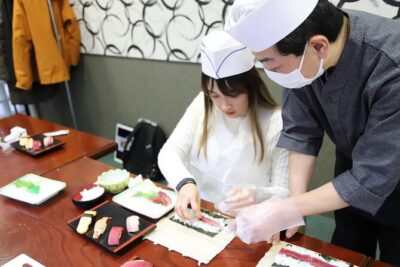
Tsukiji Fish Market Guided Tour and Sushi Making with Pro Chef
Read our review →Tsukiji Fish Market Food and Culture Walking Tour
Read our review →
Tsukiji Fish Market: Street Food & Culture Walking Tour
Read our review →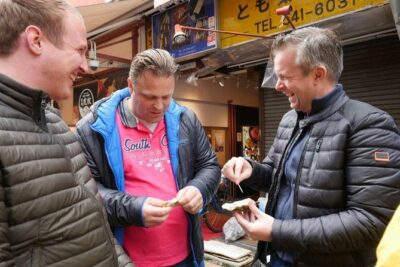
Tsukiji Fish Market Small-Group Food Walking Tour
Read our review →
Tsukiji Fish Market Sushi Making Class with Pro Chef
Read our review →Browse the lists this tour appears in