
Review · SPAIN
San Sebastián: Market Tour and Basque Cooking Class English
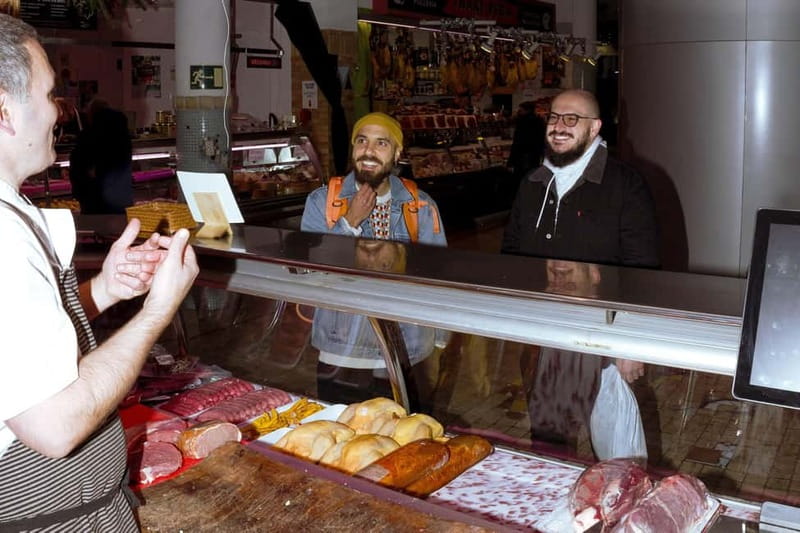
Wake up hungry for San Sebastián. This 3.5-hour experience gives you a practical look at Basque food, beginning with a local market visit and ending around a shared kitchen table. I like the close contact with vendors and the way the class explains why Basque cooks treat ingredients with such care. I also like the thoughtful drink pairings, from cider with cod omelette to Rioja with grilled ribeye.
The main consideration is timing and mobility. The class begins early, when the market is opening, and includes walking through the city. The information also gives mixed accessibility guidance: it says the activity is wheelchair accessible, but separately lists it as unsuitable for wheelchair users and people with mobility impairments. Ask the provider for a clear answer before booking.
Key points at a glance
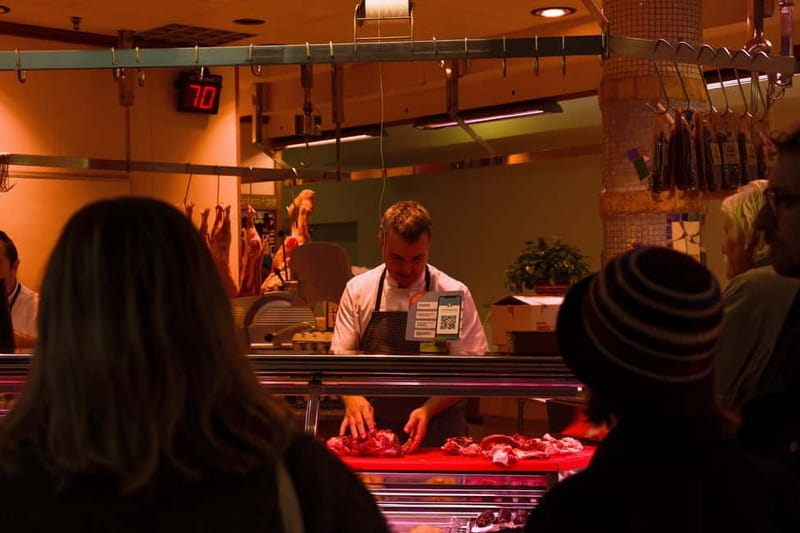
- Early market start: See San Sebastián as stalls open, then help choose the ingredients used in class.
- Vendor contact: The market visit is not a quick photo stop. You are encouraged to speak with vendors and learn how products are selected and used.
- Four Basque dishes: Prepare cod omelette, hake in green sauce, grilled ribeye with piquillo peppers, and burnt Basque cheesecake.
- Matched local drinks: Taste cider, txakoli, and Rioja with the dishes they suit best.
- Small class size: With no more than 10 participants, you should get a more personal role at the stove.
- English instruction: The class is taught in English by a professional chef, with Carlos praised for clear explanations when he leads.
Why this class is more than a cooking lesson
San Sebastián is famous for eating, but a market and kitchen experience shows you how the meal begins. You are not simply handed a plate of local food. You see the products, learn what matters when choosing them, and then use those ingredients yourself.
That order is important. The market gives the cooking class a reason and a setting. You can understand why a dish works better after hearing about the fish, peppers, meat, or dairy products that go into it.
I also like the social shape of this experience. You begin as a small group outside the tourist office, walk to the market, return to the cooking school, and then work in pairs. The class is designed around conversation, not a silent demonstration. You cook, taste, compare notes, and share the table.
The recipes are traditional but manageable. You do not need to be a trained cook to take part, and the dishes are not reduced to bland beginner fare. The meal still gives you a proper introduction to several Basque staples.
More Cooking Classes in Spain
- Barcelona: Paella Cooking Experience & Boqueria Market Tour
★ 4.8 · 3,661 reviews - Barcelona Paella Cooking Class with Market Visit, Tapas & Sangria
★ 5.0 · 2,531 reviews - Paella Cooking Class, Wine Tasting & Central Market in Valencia
★ 5.0 · 1,150 reviews
Meeting outside the tourist office
The meeting point is outside the tourist office. From there, the group heads toward a local market as the city wakes up.
The early start is part of the experience, not a minor scheduling detail. You see the market at the useful moment, when vendors are preparing for the day and ingredients are being selected for freshness and quality. If you prefer sleeping late while on holiday, this may require some discipline. If you like seeing a city before its cafés and streets fill up, the timing works in your favor.
Wear comfortable walking shoes and clothing suitable for cooking. Bring water and a camera if you like recording the market visit, but leave smoking for later because it is not allowed during the activity.
The market walk also helps the group get acquainted. You are with a maximum of 10 people, a size that should make it easier to ask questions and take part without feeling lost in a crowd.
Reading the market through Basque eyes
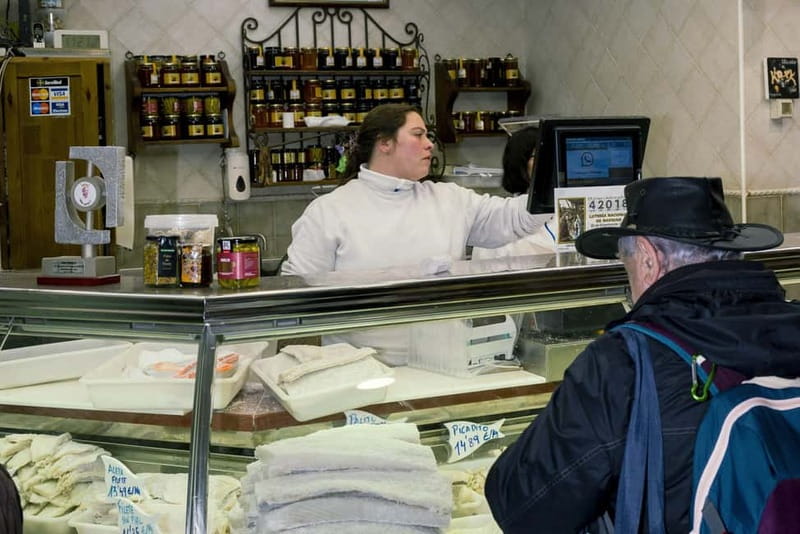
The market visit is the heart of the experience. You meet vendors, hear their stories, and learn how ingredients are chosen and used in Basque cooking.
That can be more useful than a generic food tour. You are encouraged to look closely at the products and think about them with curiosity and respect. The point is not just to identify what is for sale. It is to understand why the ingredient matters before it reaches the pan.
Your chef and guide brings a personal angle to this part of the morning. The guide arrived in San Sebastián as an outsider and developed a strong connection with the city, its culture, and its food. That background should help keep the tour open and welcoming, especially if you are also trying to understand the local food traditions from the outside.
You should expect active participation rather than a quick walk behind the guide. Speak with the vendors, ask about the products, and pay attention to the way the guide explains selection and use. The more curious you are here, the more meaningful the cooking session becomes.
One practical point: the market visit is an integral part of the class. You should not book this expecting to skip the walking portion and go straight to the kitchen.
Walking back through San Sebastián
After buying or selecting ingredients, the group walks back to the cooking school. Along the way, you take in a few city landmarks and continue getting to know the others in the group.
The city walk is not presented as a full sightseeing tour, so you should not expect a long list of monuments or an extensive historical lecture. Its value is more modest and more useful: it links the market to the kitchen and gives you a little context before you begin cooking.
This is also where the small group format helps. After sharing the market experience, you are no longer working with complete strangers. That matters once everyone begins sharing counter space, tools, and tasks.
If you have difficulty walking or standing, pay attention to this part of the program. The experience includes movement between the meeting point, market, and cooking school, and the supplied information specifically warns that it may not suit people with mobility impairments.
Same place, a different set of stalls:
- Valencian paella cooking class, tapas and visit to Ruzafa market.
★ 5.0 · 828 reviews - Spanish Cooking Class & Triana Market Tour in Sevilla
★ 5.0 · 760 reviews - Seville: 3.5-Hour Spanish Cooking Class & Triana Market Tour
★ 4.9 · 751 reviews - Valencia: Paella Cooking Class with Central Market Tour
★ 5.0 · 721 reviews
Cooking cod omelette and hake in green sauce
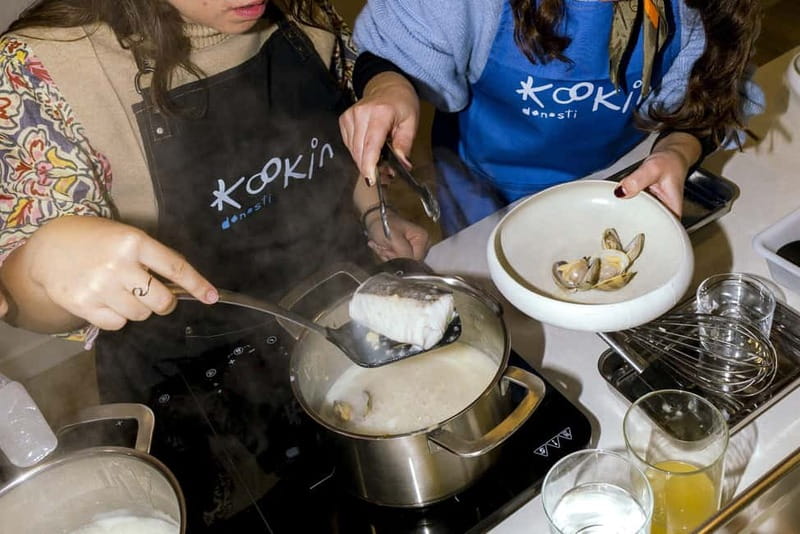
At the cooking school, you work in pairs around the stove. The recipes are described as simple, but not simplistic. That is a good balance for a short class. You can follow the techniques without spending the full session on one complicated dish, yet the food still reflects local cooking.
The cod omelette is paired with local cider. This gives you an early taste of the Basque habit of matching food and drink in a relaxed, natural way. The dish is also a useful starting point because it shows how a few well-handled ingredients can make a satisfying meal.
Next comes hake in green sauce, an iconic Basque dish served with txakoli. This is one of the most useful recipes to learn because the sauce carries much of the character. You get to see how a familiar fish dish becomes distinctly regional through its preparation and pairing.
The class is not simply a chef cooking while you watch. You share the work in pairs, with instruction and support as you go. If Carlos leads your session, you can expect clear explanations and a warm teaching style. His instruction has been praised for being easy to follow, which matters when several dishes are moving through the kitchen at once.
A beautiful, modern cooking space also makes a difference. The school is described as state of the art, so you can expect a setting designed for group cooking rather than a cramped home kitchen. That does not guarantee every task will feel equally hands-on, but a group of 10 or fewer gives you a reasonable chance to participate.
Ribeye, piquillo peppers, and Rioja
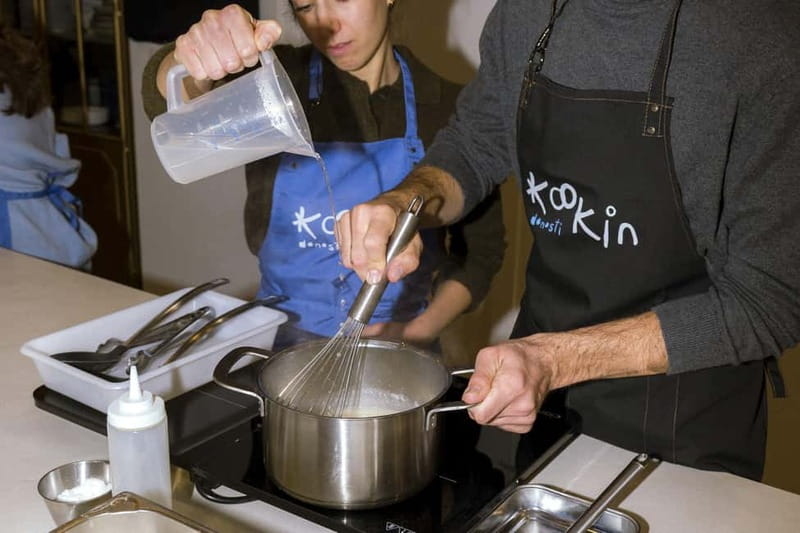
The main course brings grilled ribeye with piquillo peppers, served with Rioja wine.
This is a heartier change from the fish dishes and gives the meal a clear progression. The piquillo peppers add a local touch, while Rioja provides a familiar Spanish pairing for the beef.
You should not expect a formal restaurant service. The meal is cooked and tasted as the class moves along, with each dish served hot when it is ready. That rhythm is one of the stronger features of the experience. You eat the food at the moment it is meant to be eaten, then return to the stove or conversation.
The class encourages you not to rush. That makes the experience feel closer to a shared Basque meal than a timed cooking demonstration. You will spend part of the session cooking and part eating, talking, and learning why each drink works with its dish.
There is also a practical lesson here. The class shows that good Basque cooking does not require a long list of ingredients or elaborate decoration. The focus is on choosing well, cooking with care, and serving at the right moment.
Finishing with burnt Basque cheesecake
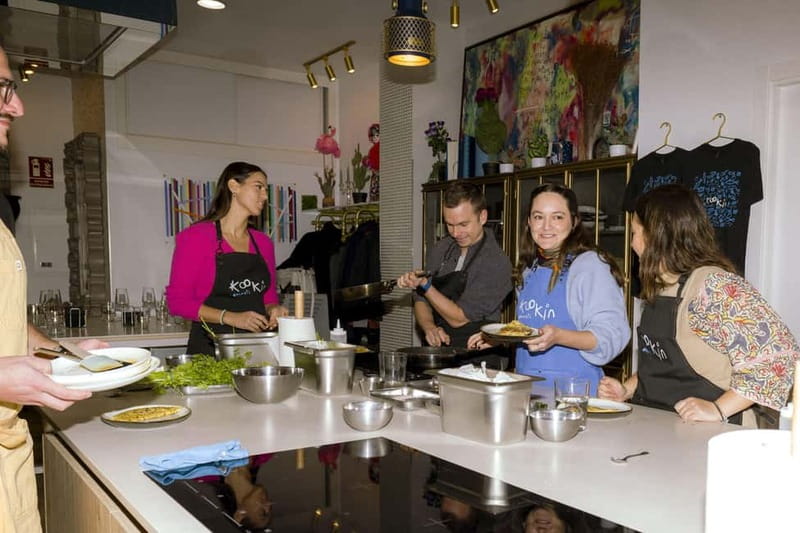
Dessert is burnt Basque cheesecake, one of the region’s best-known modern classics.
The dark top and soft interior make this a memorable finish, especially after a meal that has already covered fish, meat, peppers, cider, txakoli, and Rioja. It also gives you a recipe you can try again at home without needing a long list of unusual ingredients.
The cheesecake closes the class on a relaxed note. You have spent the morning moving through the market, preparing several dishes, and sharing the work with other people. Dessert becomes part of the conversation rather than a rushed final course.
All ingredients for the cooking class are included, along with tastings of the prepared dishes and the listed drink pairings. Additional food and drinks are not included, so budget separately if you want anything beyond what is served during the class.
What the $164 price includes
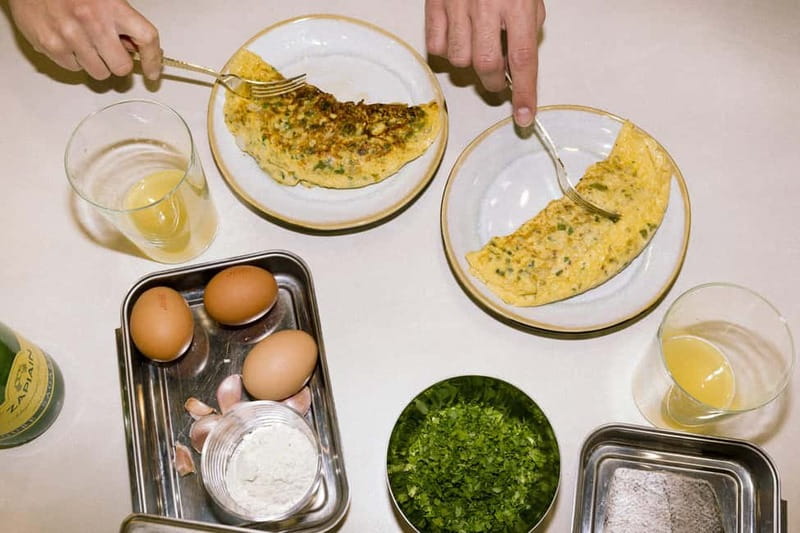
At $164 per person, this is not a budget activity. The value depends on how much you want from the experience.
You are paying for a local market visit, a professional chef, all class ingredients, a small group limited to 10 people, a full meal, and three styles of local drink. The 3.5-hour length also gives the class enough room to include shopping, walking, cooking, and eating rather than squeezing everything into a rushed hour or two.
The drink pairings add real value. Local cider, txakoli, and Rioja are not just refreshments placed on the table. They are matched to specific dishes, giving you a basic lesson in how Basque meals are built.
The experience is also more useful than a standard restaurant meal if you want to take something home besides a memory. You leave with recipes, preparation ideas, and a better sense of how local cooks think about ingredients.
Still, the price may be hard to justify if your main goal is simply eating Basque food. San Sebastián has plenty of restaurants and bars where you can spend less on a meal. Book this class for the market access, instruction, shared cooking, and cultural context, not only for the amount of food.
Who will enjoy this class most
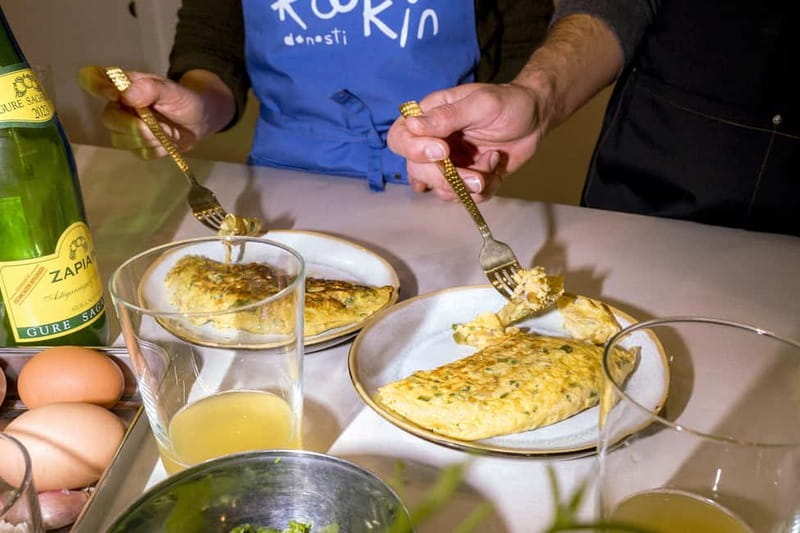
I would recommend it most to people who enjoy food but do not want a stiff, technical cooking school. You get instruction, yet the mood is social and informal.
It suits you especially well if you:
- Want to understand Basque ingredients before tasting them
- Like meeting local vendors and asking questions
- Prefer small groups to large guided outings
- Enjoy cooking with other people
- Want to taste cider, txakoli, and Rioja in one morning
- Appreciate a full experience that combines food, walking, and local culture
It may not suit you if you dislike early starts, walking, standing, or shared kitchen work. It is also not the right choice if you want a private class or a purely restaurant-style meal.
Dietary restrictions and allergies should be given to the provider in advance. The supplied information does not explain how many substitutions are available, so do not wait until the morning of the class to raise an important food concern.
The accessibility information needs special care. One part describes the activity as wheelchair accessible, while another says it is not suitable for wheelchair users or people with mobility impairments. Contact Kookin Donosti SL before paying so you can confirm the route, market access, kitchen layout, and any seating arrangements.
Final call: Should you book it?
Book this experience if you want San Sebastián explained through its food, not just eaten from a plate. The market visit, vendor contact, small group, four-dish menu, and local drink pairings give the morning a clear sense of place.
I especially like the progression from market to kitchen. You first see the ingredients, then learn how to handle them, then eat the finished dishes with the right local drinks. That makes the $164 cost easier to defend for food-focused visitors.
Skip it if you want a late morning, a short activity, or the lowest possible price. Also confirm mobility access before booking, since the available information is inconsistent. For everyone else, this is a strong choice for turning San Sebastián’s famous food culture into something you can understand and repeat at home.
FAQ
Where does the cooking class meet?
The group meets outside the tourist office in San Sebastián.
How long does the experience last?
The activity lasts 3.5 hours. Starting times depend on availability.
Is the class taught in English?
Yes. The instructor language is English.
What dishes will be prepared?
The class includes cod omelette, hake in green sauce, grilled ribeye with piquillo peppers, and burnt Basque cheesecake.
Which drinks are included?
The pairings include local cider, txakoli, and Rioja wine.
Is the market visit optional?
No. The market visit is an integral part of the experience, and participants are encouraged to engage with vendors.
What should I bring and wear?
Bring comfortable walking shoes, water, and a camera if you wish. Wear clothing suitable for cooking. Smoking is not allowed.
Just added around Spain
- Explore Bilbao’s Flavors Mercado de la Ribera and Old Town★ 4.5 · 3 reviews
- CERTAL Exclusive Tour: LA RIBERA Market + GASTROBARS Bilbao (3h)★ 4.5 · 12 reviews
- Barcelona La Boqueria & Sant Antoni Private Food Experience★ 5.0 · 7 reviews
- Taste of Barcelona: Boqueria Market, Tapas & History Tour★ 4.5 · 22 reviews
- Barcelona Tapas Cooking & Cocktail Class with Veronique & Mattias★ 5.0 · 3 reviews
- Spanish Oysters, Cava and Ibérico Ham at Barcelona’s La Boqueria Market★ 5.0 · 8 reviews
- Private Barcelona Market Tour & Paella Cooking Class with Josh★ 5.0 · 4 reviews
- Food and Market Tapas Tour★ 5.0 · 6 reviews
Cooking Classes, compared.
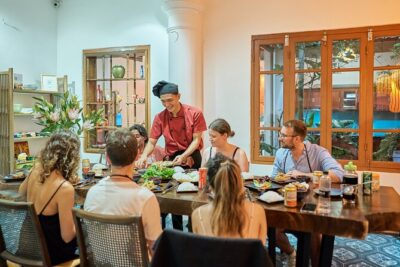
Hanoi Cooking Class: Culture, Local Market & Meaning CSR Impact
Read our review →
5 Traditional Dishes Hanoi Cooking Class with Market Trip
Read our review →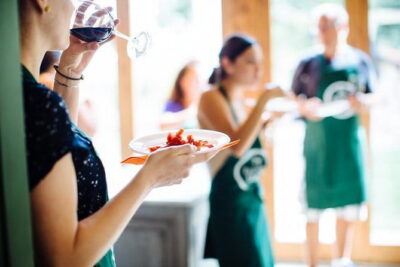
Cooking Class and Lunch at a Tuscan Farmhouse with Local Market Tour from Florence
Read our review →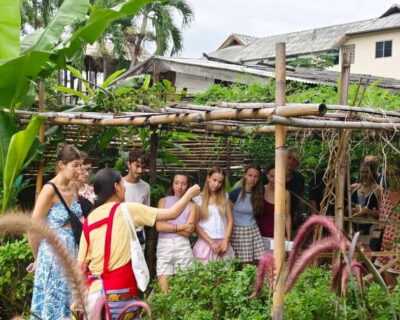
Cooking Class, Market & Thai Herbs Garden Tour
Read our review →
Authentic Cooking Class with Market & Farm Visit
Read our review →
Paella Cooking Experience & Boqueria Market Tour
Read our review →
Cooking Class Hoi An:Local Market, Basket Boat, Fishing & Cooking
Read our review →
Hoi An Cooking Class(Market,BasketBoat Crabfishing&Cooking Class)
Read our review →Browse the lists this tour appears in