
Review · PORTUGAL
Private Lisbon Market Tour & Portuguese Cooking Class with Paula
Cross the river for a tastier Lisbon morning. This private experience combines a short ferry ride, a local market visit, and hands-on cooking in Almada with Paula. I especially like the chance to choose between Portuguese and Goan dishes, and the personal welcome that begins at the Cacilhas ferry stop.
The market visit feels useful rather than decorative. You see where ingredients come from, meet the people Paula has known for years, and then cook with what you have chosen. The main caution is that this is a home visit, not a polished cooking school. Paula’s apartment may be cluttered, and a cat lives there.
At $99 per person for about four and a half hours, this works best if you value conversation, local contact, and a full meal as much as formal instruction. The private format is a strong plus for couples and families, though the relaxed pace can sometimes become chaotic.
Key points to know before booking
- A short ferry ride changes the setting: You leave central Lisbon from Cais do Sodré and cross to Cacilhas in Almada.
- Paula meets you at the ferry stop: From there, expect a walk of about 10 minutes through the town center and along the waterfront area.
- The market visit comes first: You shop near Paula’s home, selecting ingredients and seeing a market where she has bought food for decades.
- Portuguese and Goan cooking share the table: You may prepare cod fritters, Goan bojas, bacalhau dishes, curry, clams, or pastel de nata.
- You choose much of the menu: Paula can adapt the recipes around your preferences, according to the experience details.
- This is personal, not polished: You cook in Paula’s home kitchen or nearby studio, then eat together at her table.
Crossing the Tagus to Cacilhas
The morning begins at 10:00 am at Dá Cacilhas, near the ferry terminal in Cacilhas, Almada. From central Lisbon, you take the ferry from Cais do Sodré. The crossing is short, listed at about seven minutes, although some people describe the ride as closer to 10 minutes.
That brief trip is part of the pleasure. You get changing views across the Tagus and a different angle on Lisbon before the cooking even starts. If you have already spent several days among Lisbon’s major sights, the ferry gives the morning a welcome change of pace.
Paula meets you when you arrive. This matters because the meeting point is across the river, and having a local guide waiting removes much of the uncertainty. She then walks with you through Cacilhas toward the market and her home.
The walk takes about 10 minutes. It may include the riverside and the center of town, with Paula explaining local buildings and the area’s former fish-related activity. The walk is not a formal sightseeing tour, but it helps you understand that Almada is not just a place where a cooking class happens. It is Paula’s neighborhood.
You should allow extra time for finding the ferry terminal and boarding. The activity itself begins at the Cacilhas meeting point, so do not treat the ferry crossing as an afterthought. It is the first part of the experience.
More Cooking Classes in Portugal
- Porto Local Market Visit & Cooking Class / Showcooking
★ 5.0 · 206 reviews - Lisbon Market and Food Tour with Cooking Class and Lunch
★ 5.0 · 117 reviews - Porto Market Tour & Cooking Class – Half Day
★ 5.0 · 34 reviews
Shopping in Almada’s covered market
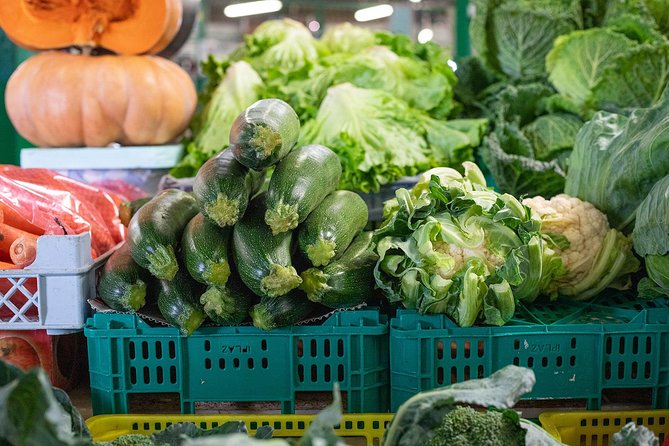
Paula takes you to the neighborhood’s main covered market, only a few meters from her apartment. She has shopped there for decades, and that long connection gives the visit a purpose.
You are not simply shown a market and then hurried away. The idea is to select food for the meal, look at fresh produce and seafood, and learn how Paula judges ingredients. Depending on your chosen dishes, you might help select fish, shellfish, fruit, or other cooking supplies.
This is one of the best parts for anyone who wants to understand how a home meal begins. You can ask about unfamiliar fish, spices, pastry ingredients, and local products while Paula handles the practical choices. One useful lesson described from the cooking experience is how to identify bad clams, a small but valuable bit of kitchen know-how.
The market also brings you into contact with the people who work there. Paula is a familiar figure in the neighborhood, and her relationships with stallholders help the market feel like part of daily life rather than a stop designed for sightseeing.
Still, keep your expectations realistic. A working neighborhood market may look worn or under-served in places. One critical account found the market dirty, so this is not the right choice if you want a spotless, highly staged food hall. I would see the rough edges as part of the setting, but your reaction will depend on how much you value polish.
Cooking in Paula’s home kitchen
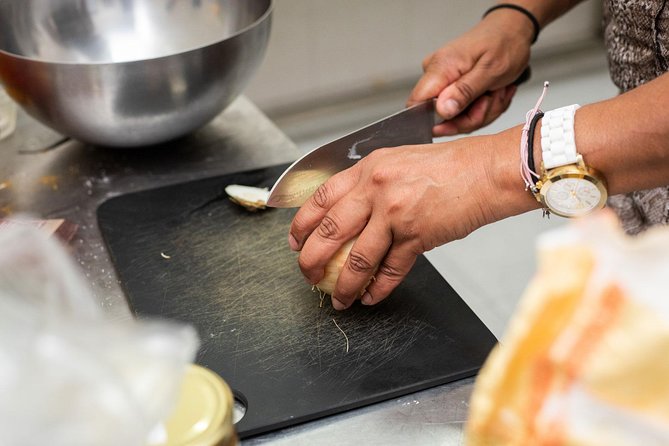
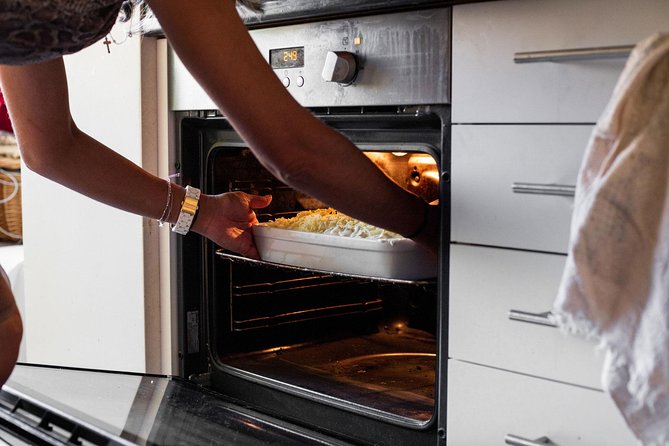
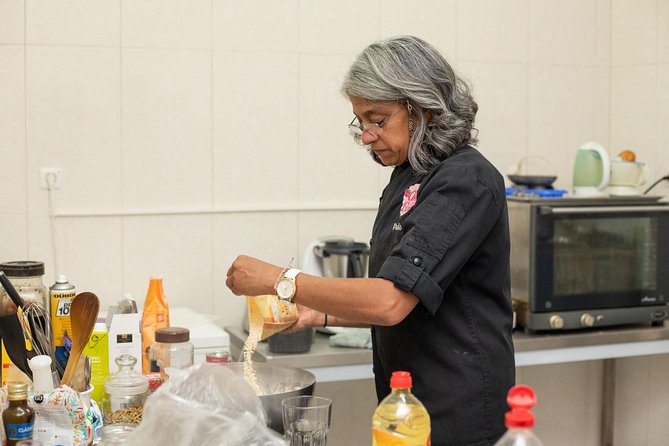
After shopping, you head to Paula’s apartment, or in some cases use her cooking studio across the street. The class is private, so only your own group takes part. That makes a real difference: you can ask questions freely, move at your own pace, and discuss food choices without competing with a large class.
The cooking is built around two or three dishes. The sample menu includes Portuguese cod fritters called pataniscas de bacalhau, Goan bojas made with gram flour, onion, and cumin seeds, and a main course such as bacalhau com natas or Goan crab curry.
Other food prepared during different sessions has included bacalhau à brás, Goan fish curry, chorizo, rice, fresh bread, clams, and pastel de nata. The exact meal is not fixed, which is important. You should communicate with Paula through WhatsApp if you have questions about the menu or want to discuss preferences before the day.
Paula’s teaching covers more than following a recipe. You might learn whisking techniques, work with puff pastry, prepare custard, cook fish in salt, or handle Goan spices. One especially praised skill is her pastry instruction, with pastel de nata appearing more than once as a highlight.
The pace is informal. Paula explains things while cooking and talking, rather than giving a tightly timed demonstration followed by assigned stations. That suits people who want to learn through conversation and practice. It may frustrate you if you expect every ingredient weighed out and every step presented in school-style order.
The private setup is also helpful for families. Paula has been especially warm with children, making sure they have a role in the cooking and can take part in the meal. She can also work around foods you do not like, based on the information provided about the experience.
Portuguese and Goan flavors in one meal
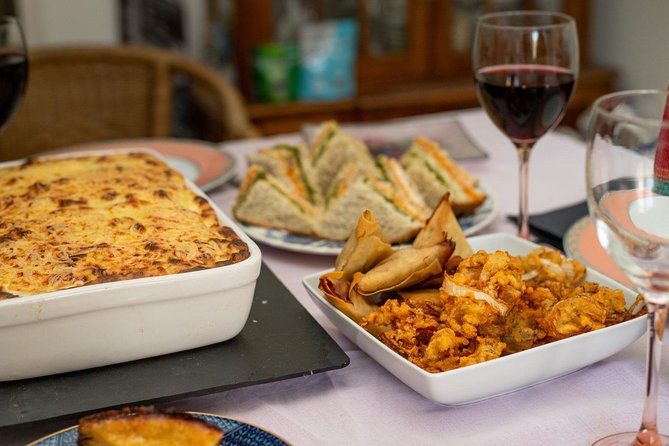
The most distinctive feature here is the blend of Portuguese and Goan food. Portugal’s long connection with Goa appears naturally in Paula’s cooking, rather than as a separate lecture topic.
Portuguese dishes may include cod fritters, bacalhau à brás, or bacalhau with cream. These recipes show how cod is used in several different ways, from crisp fritters to a rich main course. Goan options may include fish or crab curry, often served with basmati rice, as well as bojas seasoned with onion and cumin.
This gives you a choice that many standard Portuguese food classes do not offer. You can stay with familiar Portuguese classics, try Goan cooking, or combine both. If you have Goan family connections, as one participant did, the option may feel especially meaningful.
The meal can also include dessert and coffee or tea. Pastel de nata is a frequent favorite, and making the custard and pastry adds a useful sweet finish to the lesson. Some experiences have also included wine, though the tour details do not promise it, so you should not book expecting alcohol.
Same place, a different set of stalls:
- Chef Led Porto Market Tour and Portuguese Tapas Class with Wine
★ 5.0 · 92 reviews - Arrábida Jeep Tour – Incredible Market & Hidden Gems
★ 5.0 · 61 reviews - Lisbon: Local Market, Food, and Culture Walking Tour
★ 4.7 · 40 reviews - Authentic Market & Food Tour in Portimão, Algarve
★ 5.0 · 38 reviews
Eating together at the table
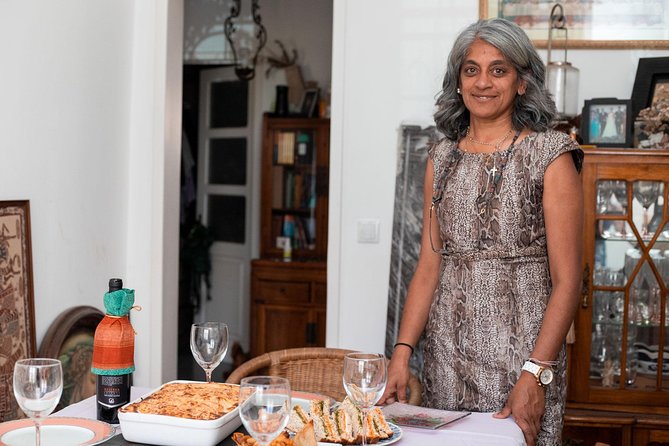
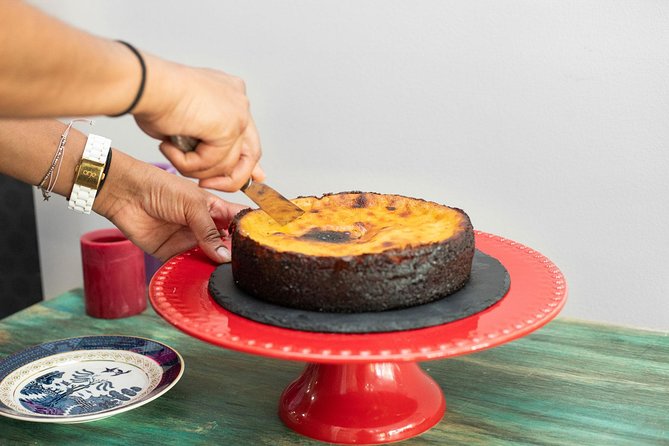
Once the cooking is done, you sit down with Paula to eat what you prepared. You may dine at her apartment table or at the cooking studio table across the street.
That shared meal is central to the experience. You are not handed a plate and sent on your way. The food creates time for conversation about Lisbon, Almada, family, recipes, and daily life. Paula’s personal story is part of what makes the visit memorable, and her connection to the local community comes through in the way people greet her.
Many of the strongest impressions center on her warmth and patience. She treats the experience as time spent with people, not simply a commercial lesson. That can make the day feel like cooking with a much-loved relative.
There is a tradeoff. A home meal is not the same as dining in a restaurant or a professional teaching kitchen. The apartment may be cluttered, and Paula lives with a cat. One negative experience described the apartment as dirty and felt that the cat dominated the space. If you have allergies, dislike cats, or need a spotless environment, ask Paula about the setting before booking.
There can also be distractions if Paula is handling other tasks during your visit. Most people will find the informal atmosphere part of the charm, but you should choose this experience for the human contact, not for laboratory-level order.
Is $99 per person a fair price?
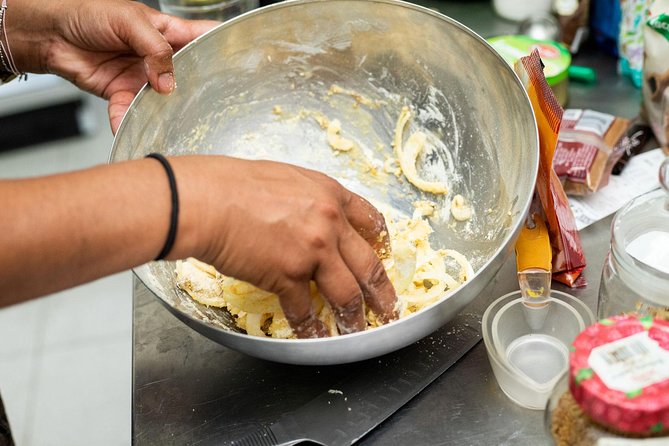
At $99 per person, the price is not simply paying for a cooking lesson. It covers a private, roughly four-and-a-half-hour outing with a ferry crossing, a walk, a market visit, guided shopping, cooking, and a shared meal.
For a couple, the private format may justify the cost. You have Paula’s attention, can help shape the menu, and receive an experience built around your group rather than a fixed public class. Families may also find value in the flexible menu and the chance for children to participate.
The price feels less convincing if you want a formal culinary course with professional equipment, precise recipes, and a highly structured schedule. One critical assessment found the experience too chaotic and not good value, especially when Paula’s attention was divided. That is a fair concern.
The strongest value comes from the combination of food and access. You cross to a neighborhood many short Lisbon visits skip, shop in a local market, and spend several hours in a resident’s home. If you measure value by the number of techniques mastered, there are more efficient classes. If you measure it by the quality of the personal encounter, the price is easier to defend.
The activity is recommended by 96 percent of participants and carries a 4.8 rating from 89 reviews, which points to a consistently positive experience. Still, those figures should not hide the clear limitation: the setting is personal and imperfect.
Who will enjoy this experience most?
I would recommend this to couples, families, food lovers, and repeat visitors to Lisbon who want something beyond the central sightseeing route. It is also a good choice if you enjoy asking questions, learning by doing, and sharing a long meal with your host.
You will probably appreciate it if you:
- Want a private activity rather than a large group class
- Like Portuguese food but also want to try Goan flavors
- Enjoy markets and local neighborhoods
- Prefer a relaxed host-led lesson over formal instruction
- Have menu preferences you want to discuss in advance
- Are happy to cross the river for a different side of the Lisbon area
I would hesitate if you need a spotless professional kitchen, dislike cats, want a fixed menu, or prefer a tight schedule. Some visits run longer than planned, which can be pleasant if you have time but awkward if you have another booking afterward.
Bring an open attitude and leave room in your day. The ferry, market, conversation, and meal can take longer than the advertised four and a half hours. Communicate with Paula on WhatsApp before the visit, especially about food restrictions, menu choices, and the meeting point.
Should you book Paula’s cooking experience?
Book it if your ideal Lisbon memory involves food, conversation, and a neighborhood connection rather than a polished classroom. The ferry ride and market visit give the day a clear sense of place, while the Portuguese-Goan menu makes the cooking more distinctive than a standard cod-and-custard lesson.
I would not book it for technical training alone. I would book it because Paula opens a door into her daily world, lets you help choose the ingredients, and sits down to eat with you afterward.
For the best fit, contact her before the day, confirm the menu, and accept that the apartment is a lived-in home. If that sounds appealing, this is likely to become one of your more personal Lisbon memories.
FAQ
Where does the experience begin?
It begins at Dá Cacilhas, near LG Alfredo Dinis in Cacilhas, Almada, Portugal.
What time does the experience start?
The start time is 10:00 am.
How do I get to Cacilhas from Lisbon?
You take the ferry from Cais do Sodré in central Lisbon. The crossing takes about seven minutes according to the experience details.
Does Paula meet me at the ferry terminal?
Yes. Paula meets you at the Cacilhas ferry stop and walks with you through the town toward the market and her home.
How long does the experience last?
The stated duration is approximately four hours and 30 minutes.
Is this a private activity?
Yes. Only your own group participates in the activity.
What dishes might I learn to prepare?
Possible dishes include pataniscas de bacalhau, Goan bojas, bacalhau à brás, bacalhau com natas, Goan fish or crab curry, and pastel de nata.
Can I choose between Portuguese and Goan food?
Yes. You can select a Portuguese or Goan main dish, and you should contact Paula through WhatsApp to discuss menu questions or preferences.
Does the experience take place in a cooking school?
No. It takes place in Paula’s home kitchen or in her cooking studio across the street. It is an in-home cultural and cooking experience, not a professional cooking-school class.
Is cancellation allowed?
You can cancel at least 24 hours before the local start time for a full refund. Cancellations or changes made less than 24 hours before the start time are not accepted for a refund.
More Private Market Tours in Portugal
- From Market to Table with Paula (Loulé) – Private Cookery Class
★ 5.0 · 21 reviews - Cairo 8 Hour Private Tour of Pyramids, Egyptian Museum and Bazaar
★ 5.0 · 2,931 reviews - Private Excursion to Maeklong Railway and Floating Markets
★ 5.0 · 850 reviews - Floating and Railway Market (Optional Waterfall): Private Tour
★ 5.0 · 827 reviews
Just added around Portugal
- West Algarve Tour Visit Tavira Olhão Market and Ayamonte in Spain★ 5.0 · 2 reviews
- Quarteira Market & Town Bus Trip from Albufeira★ 4.0 · 13 reviews
- From Market to Table with Paula (Loulé) – Private Cookery Class★ 5.0 · 21 reviews
- Algarve Wines Tasting Shared Experience at Mercado Municipal de Silves★ 5.0 · 11 reviews
- Loulé Market and Town Half-Day Bus Round Trip from Albufeira★ 4.5 · 14 reviews
- Quarteira Town & Gypsy Market Tour with Beach Bliss★ 3.5 · 14 reviews
- Loule Traditional Market Tour★ 4.5 · 17 reviews
- Authentic Algarve: Loulé Town Tour and Markets★ 4.0 · 19 reviews
Cooking Classes, compared.
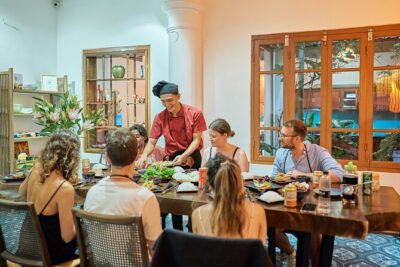
Hanoi Cooking Class: Culture, Local Market & Meaning CSR Impact
Read our review →
5 Traditional Dishes Hanoi Cooking Class with Market Trip
Read our review →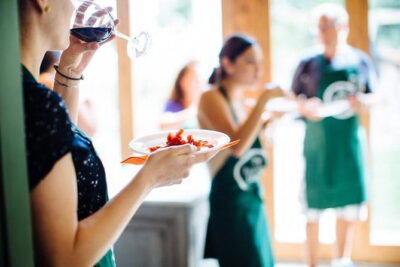
Cooking Class and Lunch at a Tuscan Farmhouse with Local Market Tour from Florence
Read our review →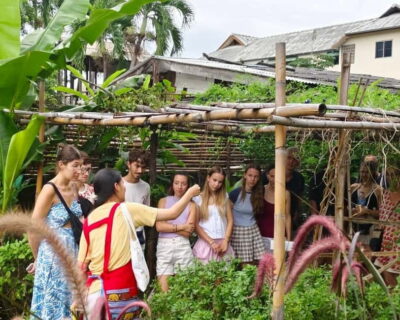
Cooking Class, Market & Thai Herbs Garden Tour
Read our review →
Authentic Cooking Class with Market & Farm Visit
Read our review →
Paella Cooking Experience & Boqueria Market Tour
Read our review →
Cooking Class Hoi An:Local Market, Basket Boat, Fishing & Cooking
Read our review →
Hoi An Cooking Class(Market,BasketBoat Crabfishing&Cooking Class)
Read our review →Browse the lists this tour appears in