
Review · SOUTH KOREA
North Korean Border+Real battleship+submarine & Market Tour
The border view is closer than you expect. This day tour combines the serious tension of the North Korean frontier with a Korean market meal and the hands-on fun of Seoul Battleship Park. I especially like the chance to use a telescope to see actual North Korean villages across the Imjin River, then walk through a retired destroyer and submarine later the same day.
The other strong point is the mix of organized sightseeing and ordinary local life. You get hotel pickup, a guide, lunch, drinks, entrance fees, parking, and hotel drop-off for $95 per person. The main thing to consider is that the tour is closed on Mondays, and at least two people are required for a booking, even though one person may use a reservation paid for two.
Key points to know before you book
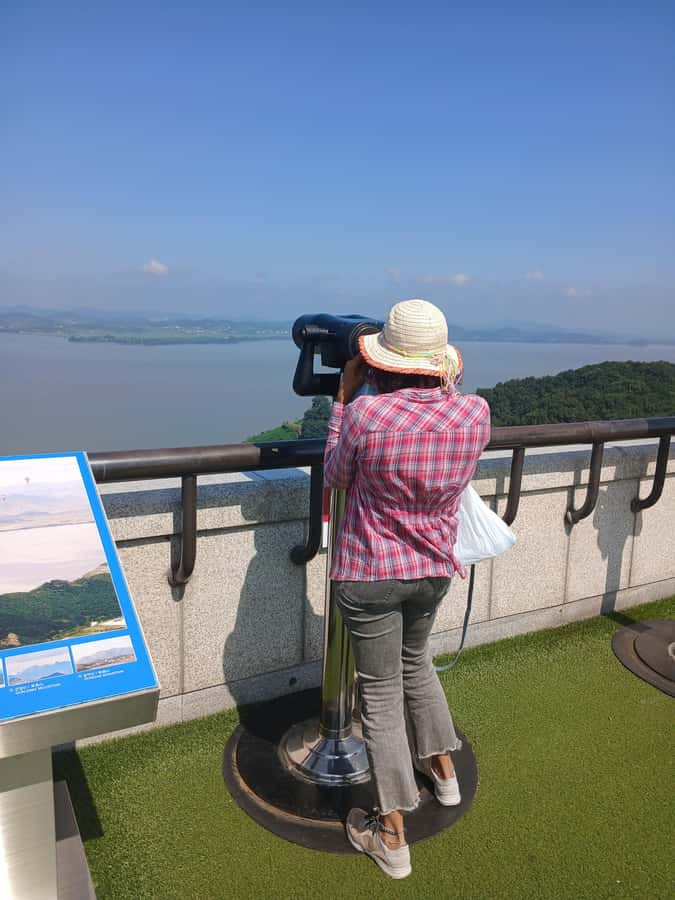
- Telescopes at Odusan Observatory: Look across the Imjin River toward North Korean villages and see how close the two countries are.
- A clear history lesson: Exhibits explain the division of Korea and efforts toward reunification.
- Local food stop: Lunch includes Korean food and drinks, with market time afterward for gimbap, tteokbokki, and other everyday flavors.
- Real naval vessels: Board a retired destroyer and walk through an actual submarine at Seoul Battleship Park.
- English-speaking guidance: The tour includes a friendly, fluent English-speaking guide who helps connect the sights.
- Good value at $95: Transportation, guide service, lunch, drinks, admission, parking, and return to your hotel are included.
Why this tour works as a Seoul day outing
Many Seoul tours stay within the city center. This one gives you a wider view of South Korea, from the politically sensitive northern frontier to the Han River and the country’s naval past. That range gives the day more weight than a simple sightseeing loop.
I like the way the tour places the border first. Odusan Unification Observatory is not just a lookout with a distant view. It is a place built around the division of the Korean Peninsula, so the telescopes and displays have a clear purpose. You are not merely looking at a river. You are looking toward another country that is physically close but politically far away.
The second half shifts tone. A traditional market brings food, movement, and daily routines into the day, while Seoul Battleship Park gives you something you can physically explore. The result is a useful balance: serious political history, Korean food, and large pieces of military hardware.
There is one practical limit. The available information does not give a fixed tour duration or exact pickup time, so you should confirm the schedule when booking. The route includes several distinct stops, and this is better suited to someone who wants a full day of varied activities than someone seeking a slow, single-neighborhood outing.
A few more market tours around Seoul worth a look
- Seoul Street Food Market Tour
★ 5.0 · 1,226 reviews - Local Home Korean Cooking Class & Market Adventure in Seoul
★ 5.0 · 1,024 reviews - Seoul: Night Market Food Tour with Local Guide
★ 4.9 · 943 reviews
Looking toward North Korea from Odusan Observatory
The first major stop is Odusan Unification Observatory, near the northern edge of South Korea. From the observatory, you can look across the Imjin River toward North Korean villages. Telescopes make the view more than a hazy line on the horizon.
That detail matters. Being able to see people and signs of daily life on the other side gives the border a human scale. The distance may not feel vast, but access and political reality are entirely different. You may find the view fascinating, strange, or quietly sobering.
The observatory also gives you a place to learn before or after looking outside. Exhibitions cover the division of Korea and efforts toward reunification. These displays help explain why the border remains such an important part of modern South Korean life.
I would allow yourself time to use the telescopes more than once. Start by taking in the broad view, then look for the North Korean villages and signs of daily activity. The point is not to expect dramatic action. The value comes from seeing an ordinary rural scene in an extraordinary political setting.
Your guide is important here. A friendly, fluent English-speaking guide can help explain what you are seeing and place the observatory in context. Without that background, it would be easy to treat the stop as a scenic overlook. With it, the visit becomes a clearer introduction to relations between North and South Korea.
The emotional tone can shift quickly. One moment you are adjusting a telescope, and the next you are thinking about the people living on the far bank. This is the most reflective part of the day, and it may appeal most to people interested in Korean politics, modern history, or the human effects of division.
Korean lunch and a traditional market stop
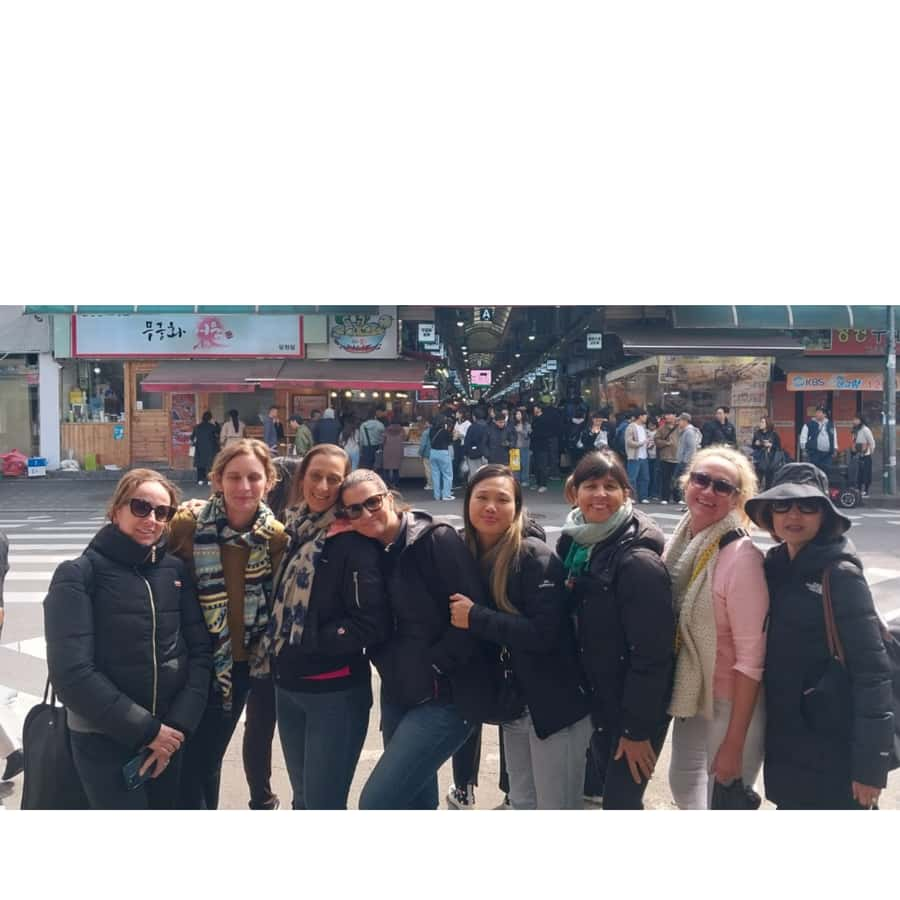
After the observatory, the tour moves to a local traditional market and includes lunch. This is a welcome change of pace. Instead of staying inside a museum or moving directly between major attractions, you get time around food stalls, shops, and the everyday life of local Koreans.
Lunch and drinks are included, which makes the $95 price easier to judge. You are not paying only for transportation and admission. A meal is part of the day, and you have the chance to sample familiar Korean foods in a market setting.
Specific foods highlighted for this stop include gimbap and tteokbokki. Gimbap is a convenient Korean roll filled with rice and other ingredients, while tteokbokki is made with chewy rice cakes in a spicy sauce. Together, they offer two very different textures and flavors. If you like trying ordinary local food rather than a formal restaurant meal, this stop should be one of the day’s pleasures.
The market visit is also useful because it gives you a break from guided interpretation. You can walk, look around, and notice how the market feels as a place used by local residents. It is not presented as a polished showpiece. That makes it a good counterpoint to the carefully arranged exhibits at the observatory.
Keep your personal spending in mind. Personal expenses are not included, so any extra snacks, drinks, or purchases come out of your own pocket. You do not need to buy anything to enjoy the stop, but the food displays may make that difficult.
The exact market is not specified in the available tour details, so you should not expect a particular set of stalls or a guaranteed shopping list. What you can count on is a traditional Korean market visit, lunch, and time to walk through the area. If food is a major reason you book, ask for the market name and meal details before departure.
Boarding the destroyer at Seoul Battleship Park
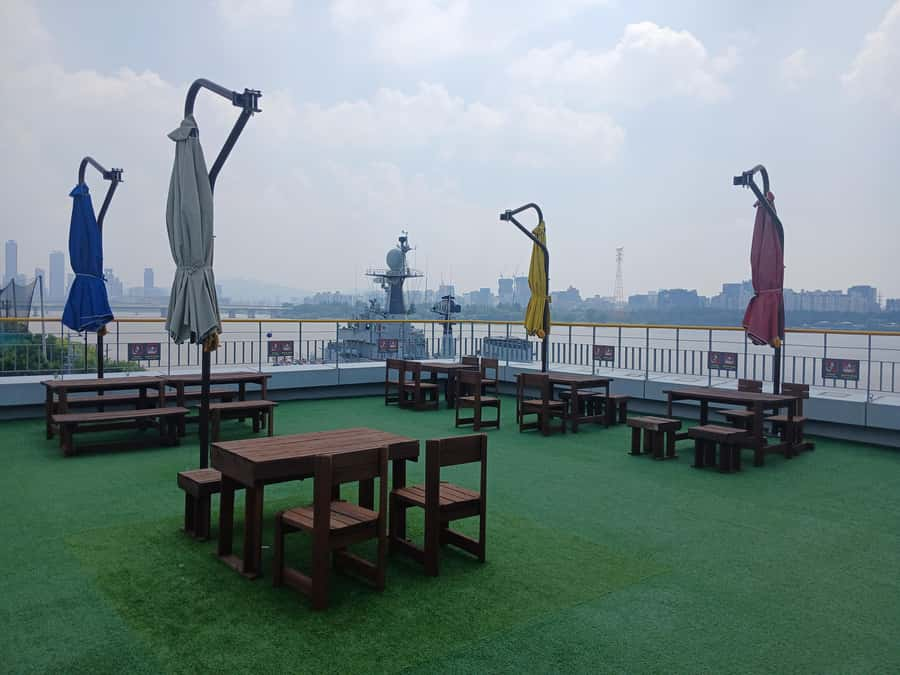
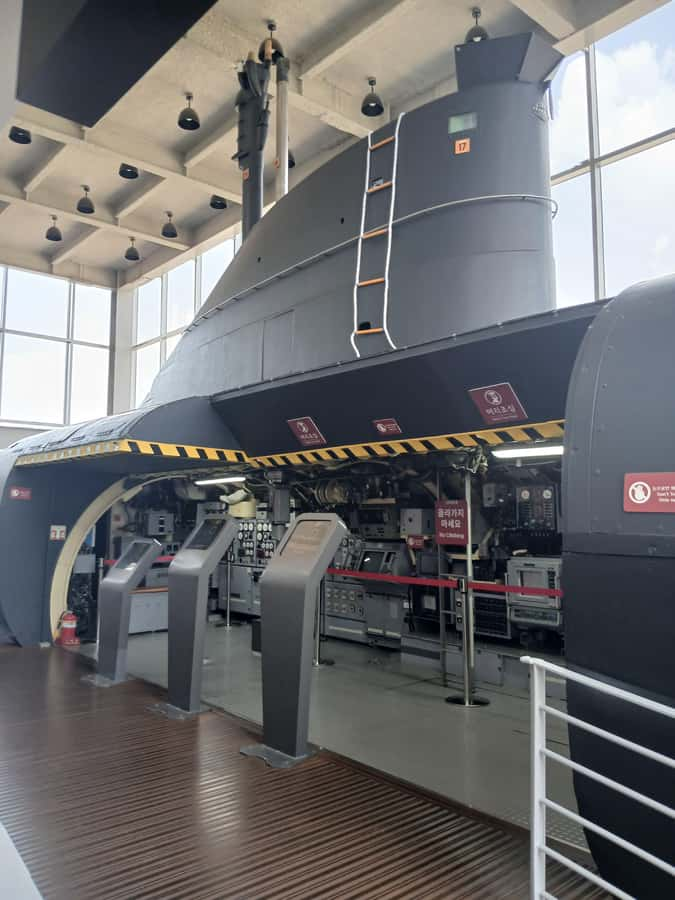
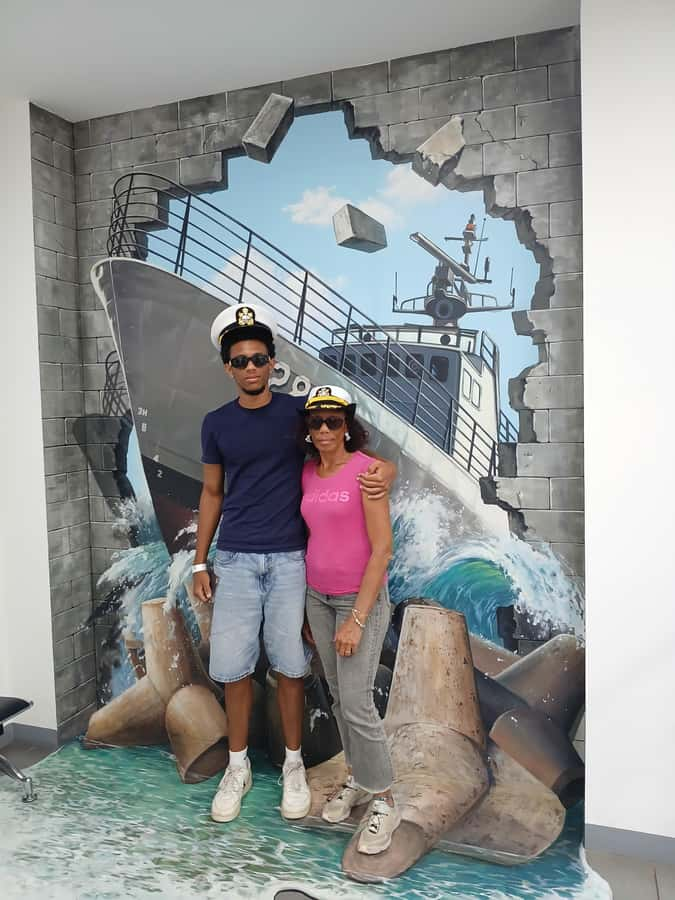
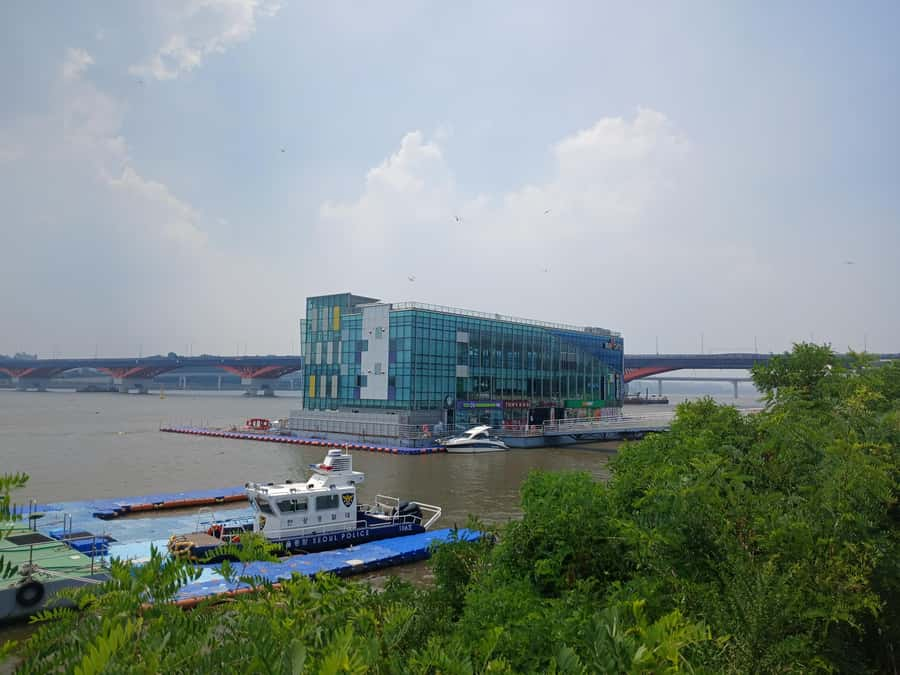
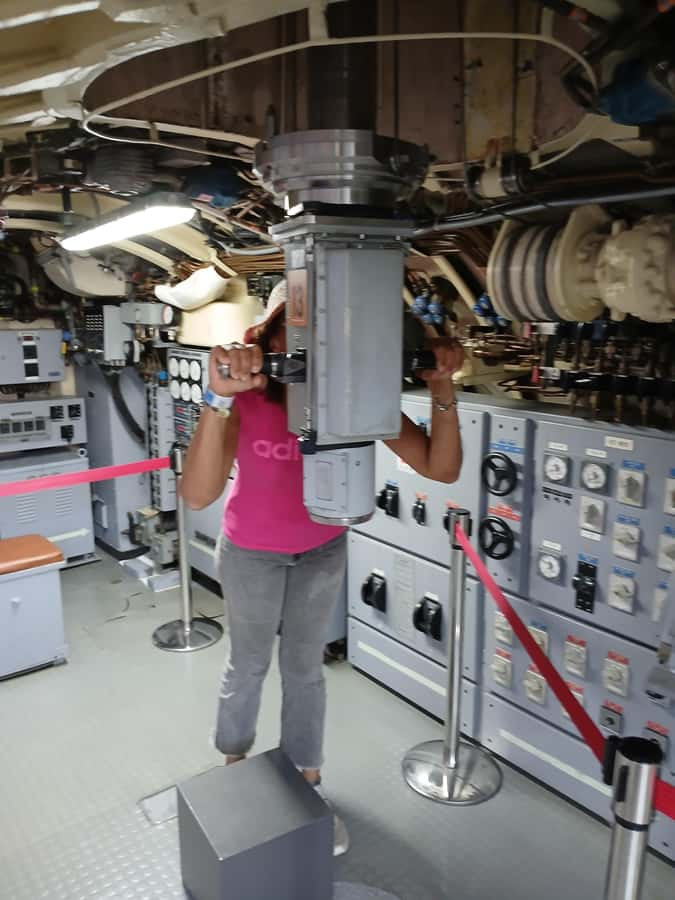
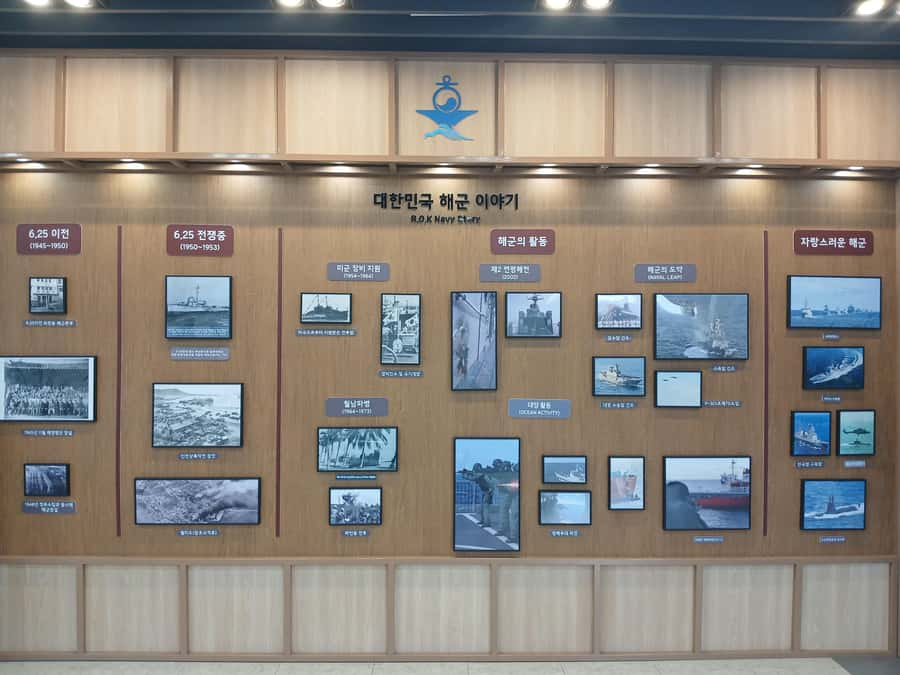
After lunch, the tour continues to Seoul Battleship Park beside the Han River. Here, the experience becomes more physical. You do not simply view naval objects behind a barrier. You can board a large retired naval destroyer and walk inside a real submarine.
That access changes how you understand the vessels. A destroyer can look impressive from the riverbank, but its size becomes more apparent when you move through it. A submarine offers the opposite feeling: the space is enclosed, practical, and designed around strict limits. Walking inside lets you see the difference between these two kinds of naval craft in a direct way.
The park also explains South Korea’s naval history through interactive exhibits. This is useful if you have limited background on the country’s armed forces. The vessels provide the physical impact, while the displays give you the facts and setting needed to understand them.
I like that this stop is not only for military enthusiasts. Anyone who enjoys engineering, unusual public exhibits, or film locations can find something here. The park has been used as a filming location for Running Man and The Iron Squad, which adds a small pop-culture connection to the visit.
Still, you should know what the stop is not. It is not a naval voyage, and the vessels are retired displays rather than active ships. You are there to explore, learn, and get a sense of scale. If you want an operating warship or a longer military program, this visit may feel limited.
The Han River setting also changes the mood. After the close, tense view toward North Korea, the river offers a more open setting for the naval exhibits. The pairing is effective because both stops connect water with Korean security, but in very different ways.
Same place, a different set of stalls:
- Seoul: Palace, Temple and Market Guided Foodie Tour at Night
★ 4.9 · 750 reviews - Seoul: Korean Cooking Class at a Local Home and Market Tour
★ 5.0 · 348 reviews - Seoul: Guided Food & Market Tour with 8+ Tastings
★ 4.9 · 342 reviews - Seoul Night Palace & Market Food Tour with Vehicle
★ 5.0 · 275 reviews
What the $95 price includes
At $95 per person, this tour offers solid value if you would otherwise need to arrange several separate visits. The package includes hotel pickup and drop-off, a tour guide, lunch, drinks, admission fees, and parking. Those included items reduce the small costs and planning tasks that can build up during a day outside central Seoul.
Transportation is especially useful for the observatory. A border-area visit is less straightforward than walking between central Seoul attractions, and having pickup from your hotel makes the day easier to manage. Return transportation also means you do not need to work out a separate route back after the market and battleship park.
The guide adds value beyond transport. At the observatory, explanations about Korean division and reunification help you understand the view. At the market, the guide can help the food stop feel less confusing. At the naval park, the exhibits and vessels have more meaning when you know what to look for.
The two existing ratings for the experience are both five out of five, with particular praise for the guide’s friendly manner and fluent English. That is worth emphasizing because the border stop depends on clear explanation. A good guide can make the difference between simply seeing North Korea in the distance and understanding why the view matters.
The tour is less attractive if you prefer to control every minute or choose your own restaurants. Lunch and the route are arranged for you, and the day covers three different types of stop. You are paying for convenience and variety rather than total independence.
Who will enjoy this day most
I would recommend this tour to you if you are curious about modern Korean history and want more than palace visits and shopping streets. The border observatory offers a perspective that is difficult to recreate on your own, especially with the telescopes and exhibition material.
It also suits anyone who likes experiences with a physical element. Boarding a destroyer and entering a submarine gives the day something hands-on. Families with older children may appreciate that the naval park is easier to engage with than a long sequence of historical displays, though the border discussion may be more interesting to adults.
Food-focused visitors should enjoy the market stop, especially if gimbap and tteokbokki appeal to you. Just remember that the meal is part of a wider cultural outing, not a dedicated food tour.
I would think twice if your main goal is a relaxed market morning, an in-depth military study, or a detailed border-zone excursion with many frontier sites. This tour gives you a strong sample of each theme, but it does not promise an exhaustive treatment of any one of them.
Practical details for planning your day
The tour is offered in English. Hotel pickup and drop-off are included, along with parking, so you should provide accurate hotel information when arranging your reservation.
Monday is a closure day, so choose another day of the week. The minimum booking requirement is two people. A reservation paid for two can be used by one person, which may help solo visitors who cannot find a second participant.
Personal expenses are not included. Lunch, drinks, entrance fees, and parking are covered, but extra market purchases are your responsibility.
You can reserve now and pay later, and cancellation is allowed up to 24 hours in advance for a full refund. Those terms give you some flexibility if your Seoul plans are still changing.
Because no exact duration is provided, confirm the pickup time and expected return time before booking. The day includes the observatory, market, lunch, and battleship park, so plan around it rather than trying to fit another major attraction into the same schedule.
Should you book this tour?
Book it if you want one organized day that links the Korean border, local food, and naval history. The strongest parts are the telescope view of North Korean villages, the fluent English guidance, and the chance to walk inside a real submarine rather than only admire military equipment from outside.
At $95, the package is fair because it includes transport, lunch, drinks, guide service, admissions, parking, and return to your hotel. The best match is a curious visitor who values context and convenience, not someone who wants an unstructured day.
The main check is scheduling. Avoid Monday, plan for a multi-stop outing, and confirm the timing before you go. If those points suit you, this tour gives you a memorable and unusually broad look at South Korea.
FAQ
Is hotel pickup and drop-off included?
Yes. The tour includes pickup from your hotel in Seoul and return to your hotel after the day’s activities.
What can I see from Odusan Unification Observatory?
You can look across the Imjin River toward North Korean villages. Telescopes are available, and the observatory has exhibitions about the division of Korea and reunification efforts.
Is lunch included?
Yes. Lunch and drinks are included in the tour price. The route also includes time at a traditional Korean market.
What food might I find at the market?
The available information specifically mentions gimbap and tteokbokki. Other market food may be available, but personal purchases are not included.
Can I enter the ships at Seoul Battleship Park?
Yes. The tour allows you to board a retired naval destroyer and walk inside a real submarine. The park also has interactive exhibits about South Korea’s naval history.
Is the tour available every day?
No. The tour is closed on Mondays. At least two people are required for a booking, although one person may use a reservation paid for two.
Just added around Seoul
- Seoul: The Biggest Sea-food Noryangjin Market Tour★ 4.3 · 30 reviews
- Seoul: Sokcho beach, market, hot spring and Seorak Cable Car★ 4.8 · 5 reviews
- Seoul Gwangjang Market Foody Walking Tour★ 4.1 · 7 reviews
- Seoul: Namdaemun Market Food Tour★ 4.9 · 34 reviews
- Seoul: Gyeongbokgung Palace Tour & Lunch at Authentic Market★ 4.5 · 2 reviews
- Seoul: Gwangjang Market Vegan & Vegetarian Food Tour★ 5.0 · 16 reviews
- Seoul: Fearless Foodie Gwangjang Market Food Adventure★ 5.0 · 10 reviews
- Seoul: Guided Street Food Tour at Namdaemun Market★ 5.0 · 10 reviews
Market Tours, compared.
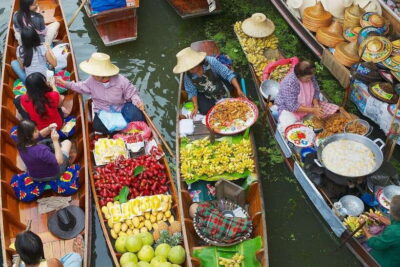
Damnoen Saduak Market and Maeklong Railway Market
Read our review →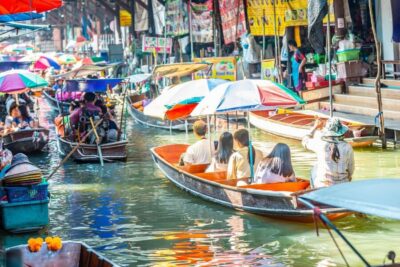
The Old Siam: Damnoen Saduak and Maeklong Railway Market
Read our review →
Old Town, Creek, Museums, Souks, & Street Food Tour
Read our review →Train Market & Floating Market with Boat Ride
Read our review →
Old Town, Souks, Street Food, Guided Tour & Abra Ride
Read our review →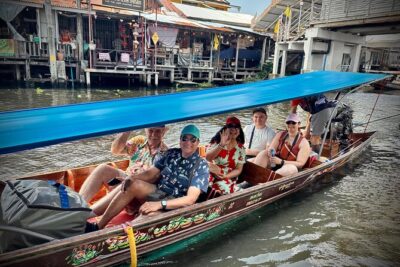
Ayutthaya & Ayothaya Floating Market Day Trip
Read our review →
Frame Tickets, Creek, Souks & Blue Mosque Guided Tour
Read our review →
Hanoi Cooking Class: Culture, Local Market & Meaning CSR Impact
Read our review →Browse the lists this tour appears in