
Review · INDIA
New Delhi: Traditional Indian Cooking Class & Market Visit
Delhi tastes better when you cook it. This three-hour class with Lubna combines a local market visit, hands-on Indian cooking, and a shared meal in her family home. I like the personal menu planning, and I like that you learn real spice mixes rather than simply watching a demonstration. The main consideration is that this is a home kitchen, so space may feel tight when several people are helping.
You meet in Friends Colony East, close to Ashram metro station, then take a short trip to a nearby market with Lubna. Back at her home, you prepare several dishes, breads, and rice before sitting down together. The class is private, held in English, and costs $43 per person, a fair price for the market outing, ingredients, instruction, and full meal.
Why this Delhi cooking class deserves your attention
- A market visit comes first: Shop for ingredients, see everyday Delhi food culture, and perhaps try street food if the stall is open.
- Your menu can be personal: Tell Lubna in advance if you want vegetarian dishes, breakfast foods, snacks, or a particular Indian specialty.
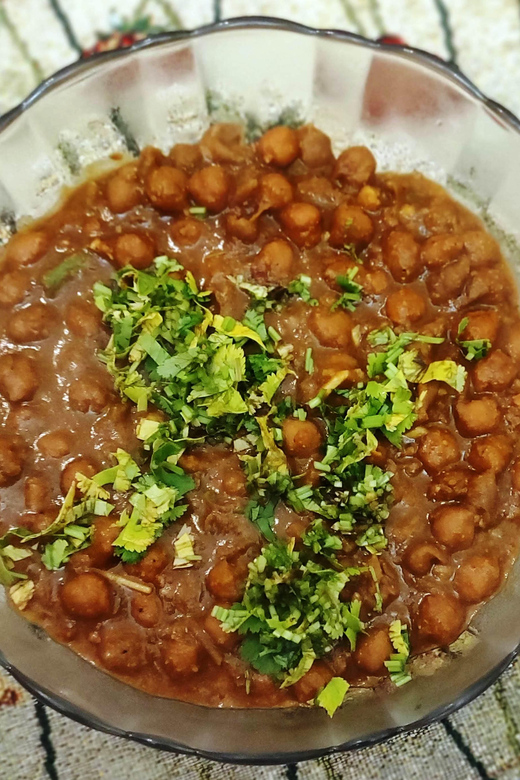
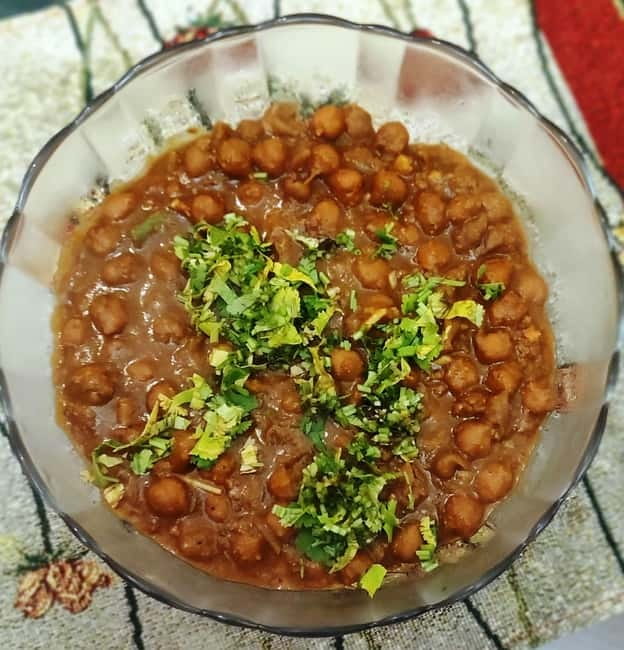
- You cook a full meal: The package includes three main dishes, three types of bread, one rice dish, tea or water, and everything you prepare.
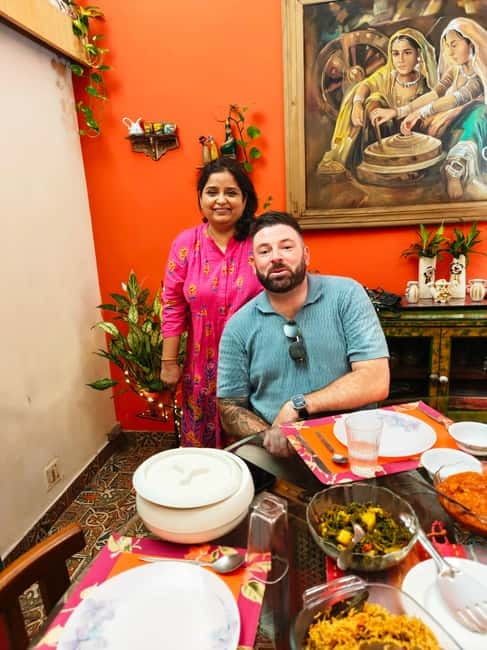
- The setting feels genuinely local: Lubna’s home is a traditional 1974 haveli with plants, family spaces, and a quiet residential setting.
- The teaching goes beyond recipes: You learn how spices, oils, dough, and small cooking choices shape the final taste.
- Only one class runs each day: That keeps the experience personal, but you should confirm whether 11 AM or 4 PM suits your plans.
Meeting Lubna in Friends Colony East
The class begins at Delhi Bed and Breakfast, at A-6 Friends Colony East, New Delhi 110065. The house sits behind an HP petrol pump and about a three-minute walk from Ashram metro station, Gate No. 3.
Use the full address in your map app. Searching only for the bed and breakfast name may not be enough, since Delhi has plenty of similarly named places. Look for the white house with a red sloping roof on a quiet dead-end street.
This location gives you a useful change of pace from Delhi’s major sights. You are still near the usual tourist routes, but the home itself sits in a calmer residential pocket. If you arrive early or have time after class, you can take a short walk around the neighborhood and see a more ordinary side of city life.
Lubna runs the home as a bed and breakfast, and her hospitality shapes the entire class. You do not enter a studio designed to process large groups. You enter a family home, meet your host, and learn in a place where food is part of daily life.
More Cooking Classes in India
- Spice Knight (Cooking Class -> Meal -> Local Market walk)
★ 5.0 · 59 reviews - Jaipur Market Tour & Vegetarian Rajasthani Home Cooking Class
★ 5.0 · 113 reviews - Pondicherry: Indian Cooking Class with Market Visit
★ 4.7 · 18 reviews
The short trip to a real Delhi market
After meeting Lubna, you make a personalized trip to a local market about ten minutes from the usual tourist area. The transport may be by tuk tuk, as it was for some participants, and the ride itself gives you a quick look at Delhi traffic and neighborhood life.
The market is not presented as a polished food hall. You see produce, spices, groceries, and the ingredients that make up everyday Indian cooking. Lubna can explain what you are seeing, answer questions, and help you identify spices that may be difficult to find outside India.
This is one of the strongest parts of the experience because it gives the cooking class a useful starting point. Instead of handling unfamiliar ingredients in the kitchen with no context, you first see how they are sold and used. You can ask about spice blends, oils, vegetables, and local snacks before preparing them.
The market can also be lively during busy shopping periods. A visit during Diwali brought extra activity and a stronger sense of the season. If a street food shop is open, you might have the chance to sample something there, but that should be treated as an optional extra, not a guaranteed part of the tour.
Remember that your own market purchases, tuk tuk fare, metro fare, and snacks are not included. If you want to buy hard-to-find spices for your kitchen at home, bring some extra money and check the rules for bringing food products into your destination country.
Tea, plants, and a 1974 haveli
Back at Lubna’s home, the session starts with tea. That simple welcome matters. It gives you time to settle in, discuss the menu, and get comfortable before handling ingredients.
The house itself adds much to the experience. It was built in 1974 in a traditional Indian haveli style and is filled with plants. The greenery and older architectural details create a peaceful setting, especially after the noise and traffic of the market.
I like this part because you are not only learning food preparation. You are also seeing how an Indian household receives people, arranges a meal, and turns cooking into a social event. Lubna’s husband and other family members may join you at the table, adding a personal touch without making the class feel like a staged performance.
The home kitchen does have a practical limitation. Several people may be working in a fairly small area, so do not expect a large professional cooking school with a separate work station for everyone. The benefit is direct contact with Lubna. You can watch closely, ask questions, and take part in the work.
What you actually cook with Lubna
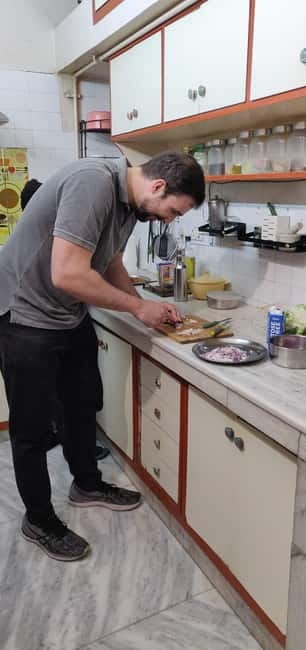
The menu is flexible, which is a major advantage. After booking, you can contact Lubna on WhatsApp and discuss what you want to learn. She may adjust the dishes for vegetarian diners, specific dietary needs, or a particular interest such as breakfast foods or snacks.
Possible dishes include:
- Rogan Josh
- Vegetable or chicken kebabs
- Paneer dishes
- Dhal
- Biryani
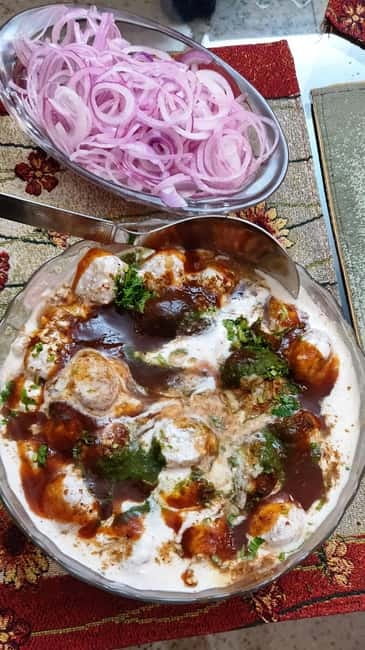
- Aloo chaat
- Bread pakora
- Samosas
- Chapati, roti, and parantha
- Breakfast preparations
- Indian desserts
The package describes three main dishes, three bread types, and one rice dish. The exact menu depends on your discussion with Lubna, so do not assume that every example will appear in one session. If you have a favorite dish, say so before the class rather than hoping it will be added on the day.
Past menus have included paneer nihari, kadhi pakoda, mutton stew, cauliflower and potato starters, potato patties, paneer masala, chicken biryani, and several breads. This range is useful because you can ask for familiar restaurant dishes or choose less common foods that you are unlikely to encounter on a standard Delhi sightseeing route.
I especially like the chance to request something beyond the usual butter chicken and naan routine. If you already cook Indian food, ask for a dish or technique you have not mastered. If you are new to the cuisine, ask Lubna to build a menu that teaches the basics without becoming too ambitious for a three-hour session.
More Cooking Classes in New Delhi:
- Hanoi Cooking Class: Culture, Local Market & Meaning CSR Impact
★ 5.0 · 5,147 reviews - 5 Traditional Dishes Hanoi Cooking Class with Market Trip
★ 5.0 · 4,890 reviews - Cooking Class and Lunch at a Tuscan Farmhouse with Local Market Tour from Florence
★ 5.0 · 4,831 reviews - Chiang Mai: Cooking Class, Market & Thai Herbs Garden Tour
★ 4.9 · 4,824 reviews
The real lesson is in the spices and small techniques
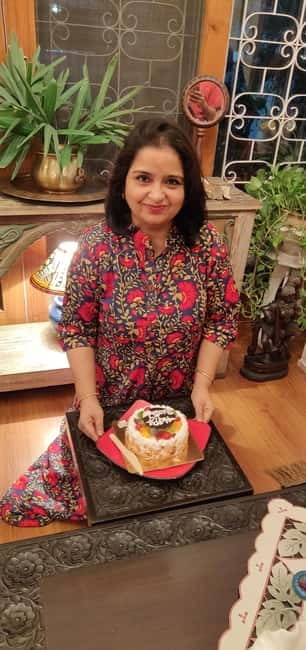
Indian cooking is not just a matter of adding more spice. Timing, heat, texture, oil, and the order of ingredients all matter. Lubna explains the spice mixes used for different dishes and shows how small changes affect aroma and flavor.
You may learn how certain spices work together, how breads are shaped, or how to handle ingredients that are common in Indian kitchens but unfamiliar at home. The instruction is hands-on and clear, which helps if you have never made Indian food before.
At the same time, experienced home cooks should not assume the class is too basic. Some people arrive already comfortable with Indian dishes and still find value in learning traditional methods and family recipes. Lubna draws on recipes from her mother-in-law and adapts them to different dietary needs.
Her flexibility with restrictions is a real strength. One person with no wheat, dairy, or citrus was given a menu based around oats. The point is not that every dietary request will produce the same result, but that you should discuss your needs early so Lubna can plan properly.
Be specific. Vegetarian is easy to understand, but explain allergies, intolerances, religious restrictions, and ingredients you cannot eat. The supplied information confirms that the host can adapt recipes, but it does not promise that every possible restriction can be accommodated.
Eating what you made at the family table
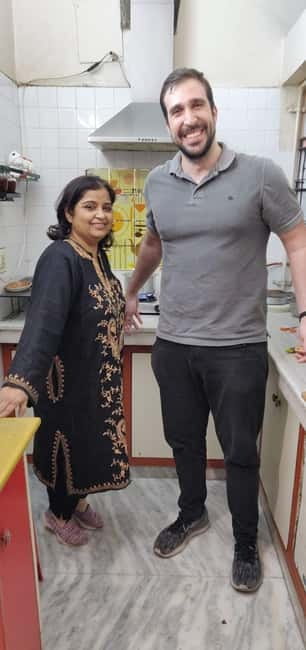
Once the food is ready, you sit down and eat the meal you prepared. This changes the mood from lesson to shared lunch or dinner. You are not packing up a sample to take away. You are tasting the results while the process is still fresh in your mind.
Family members may join the meal, including Lubna’s husband. That can lead to relaxed conversation about food, Delhi, and life in India. It also gives you a chance to ask follow-up questions while you are eating, when a recipe detail or spice name suddenly makes more sense.
The meal is one of the best-value parts of the price. You receive instruction, ingredients, tea or water, a market visit, and several dishes to eat. At $43 per person, the cost is higher than a basic demonstration but reasonable for a private, home-based experience with a full meal and flexible menu planning.
The class also gives you recipes for different Indian dishes to make at home. That long-term value is important. A restaurant meal disappears quickly, but a good recipe and a better understanding of spices can continue to shape your cooking after you leave Delhi.
Breakfast timing and other choices to settle early
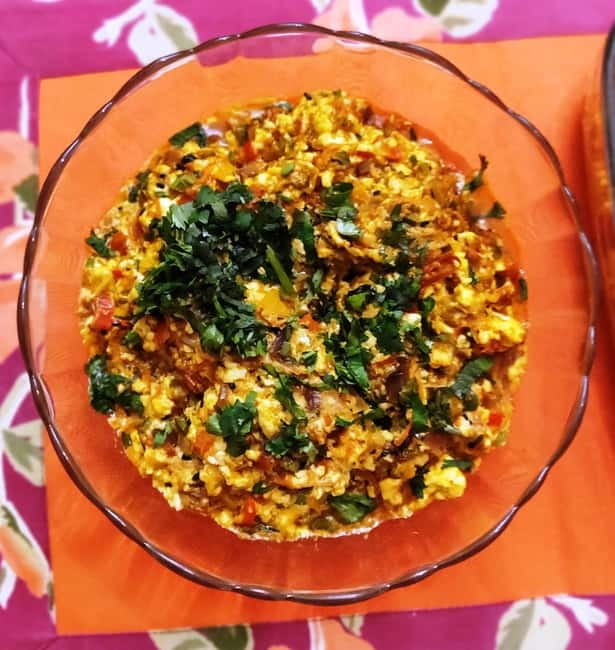
The normal start times are 11 AM or 4 PM, and only one class is held each day. Ask for your preferred time when booking. The timing affects the feel of the meal, with 11 AM working naturally for a late morning or lunch session and 4 PM making more sense for snacks or an evening meal.
There is also a breakfast option, but it comes with a tradeoff. You may be able to convert the 11 AM booking into a breakfast-making session by messaging Lubna, but the market visit would not be possible in that version.
You can also ask to focus on snack items only. This is useful if you are more interested in samosas, bread pakora, or other small foods than in a large meal. Confirm the plan before arrival so the host has time to prepare the right ingredients.
Because the group is private, the class can be shaped around your interests more easily than a large public lesson. The exact amount of hands-on work may depend on the number of people in your booking and the size of the kitchen, so keep your expectations practical.
Who will enjoy this experience most
This class suits you if you want food to open a door into local life. You see a market, enter a private home, cook family-style dishes, and eat with the people who prepared them. It is a good choice for couples, families, and small private groups who prefer conversation and participation over a formal show.
It is also a strong pick for vegetarians and curious home cooks. Lubna can discuss vegetarian menus and specific dishes in advance, and the class offers enough variety to make the session worthwhile for someone who already knows basic Indian cooking.
You may want to choose another activity if you prefer a tightly scripted professional kitchen, a large selection of guaranteed dishes, or hotel pickup and drop-off. Neither transport nor incidental purchases are included, and the market food option depends on what is open that day.
The class is wheelchair accessible, and instruction is in English. Cancellation is free up to 24 hours before the experience, and you can reserve now and pay later, which helps if your Delhi schedule is still shifting.
Should you book Lubna’s cooking class?
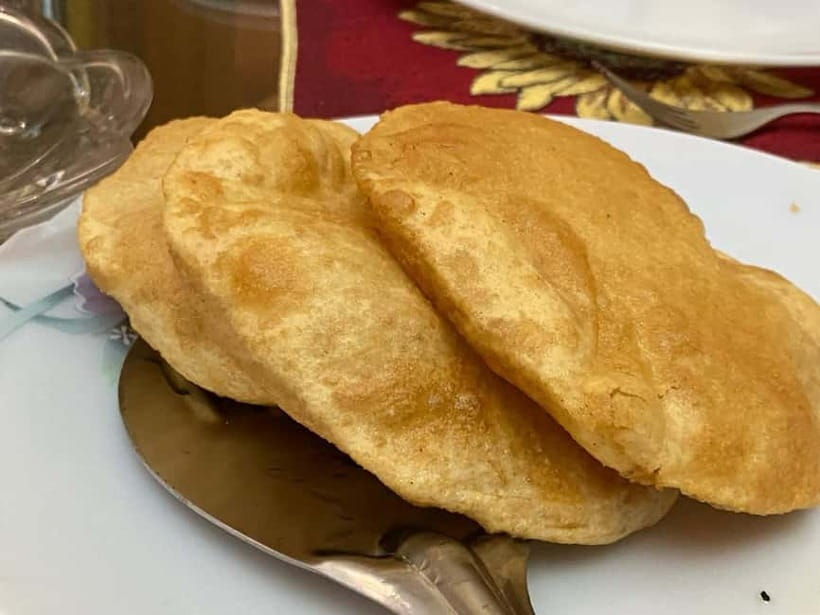
I would book this if you want a personal Delhi experience with useful skills attached. The strongest reasons are the flexible menu, the market visit, Lubna’s clear teaching, and the chance to eat with her family in a real home.
Before booking, send a message with your ideal dishes, dietary needs, and preferred time. Choose the market-and-meal format if you want the fullest experience. Choose the breakfast option only if learning morning dishes matters more to you than visiting the market.
At $43, this is good value for a private three-hour session that includes ingredients, a substantial meal, tea, and recipes to take home. It is not a quick cooking demonstration. It is a small, social encounter with Delhi food, and that is exactly why it deserves a place in your itinerary.
FAQ
Where does the cooking class meet?
It meets at Delhi Bed and Breakfast, A-6 Friends Colony East, New Delhi 110065. The house is behind the HP petrol pump, about a three-minute walk from Ashram metro station, Gate No. 3. Look for the white house with a red slanting roof on a quiet dead-end street.
How long does the experience last?
The cooking experience lasts three hours.
What time does the class start?
The class starts at either 11 AM or 4 PM. You should advise Lubna of your preferred time.
Is the market visit included?
Yes. The experience includes a personalized trip to a local market about ten minutes from typical tourist spots. Your own transport costs, shopping, and snacks are not included.
Can I request vegetarian food or a specific dish?
Yes. You should tell Lubna about vegetarian preferences, dietary requirements, or a specific dish before the class so she can plan the menu.
What food is included?
The package includes all ingredients, three main dishes, three types of bread, one rice dish, tea or water, and the meal you prepare. Recipes for different Indian dishes are also provided.
Is the class private and accessible?
Yes. It is a private group experience, taught in English, and listed as wheelchair accessible.
Just added around New Delhi
- Old Delhi Street Food and Spice Market Tour★ 5.0 · 12 reviews
- Old Delhi Temples and Spice Market Tour★ 5.0 · 5 reviews
- Old Delhi: Khari Bawli – Asia’s Largest Spice Market★ 5.0 · 3 reviews
- Delhi: Old Delhi’s Street Food, Temples & Spice Market Tour★ 5.0 · 30 reviews
- Delhi: Half-Day Old Delhi Private Guided Tour with Markets★ 5.0 · 2 reviews
- Delhi Markets: A Cultural Shopping Experience with an Expert★ 4.8 · 13 reviews
- Old Delhi Odyssey: A Tour of Religion, Spice Market, & Best Food★ 5.0 · 284 reviews
- Old Delhi & Spice Market Tour★ 5.0 · 98 reviews
Cooking Classes, compared.
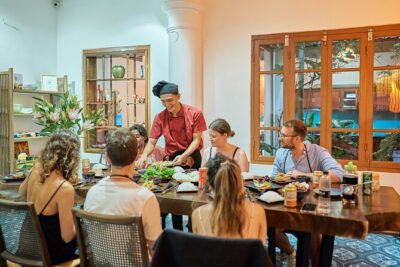
Hanoi Cooking Class: Culture, Local Market & Meaning CSR Impact
Read our review →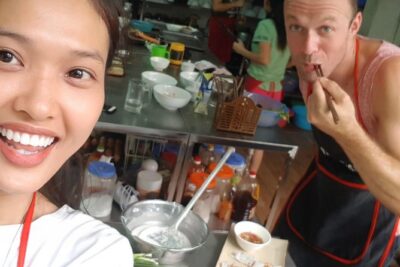
5 Traditional Dishes Hanoi Cooking Class with Market Trip
Read our review →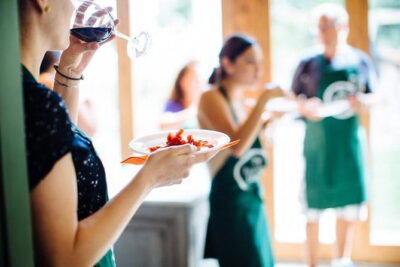
Cooking Class and Lunch at a Tuscan Farmhouse with Local Market Tour from Florence
Read our review →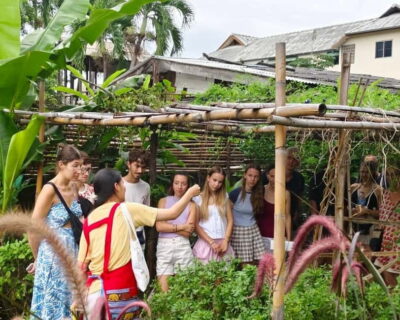
Cooking Class, Market & Thai Herbs Garden Tour
Read our review →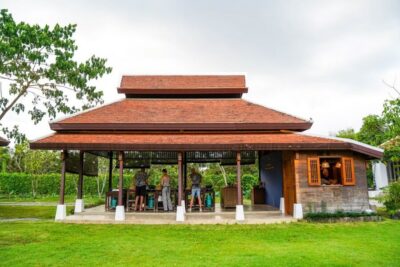
Authentic Cooking Class with Market & Farm Visit
Read our review →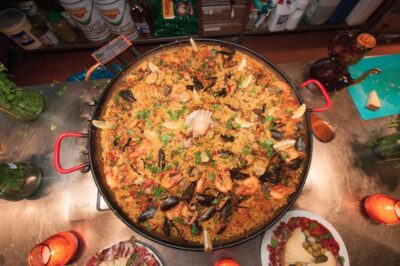
Paella Cooking Experience & Boqueria Market Tour
Read our review →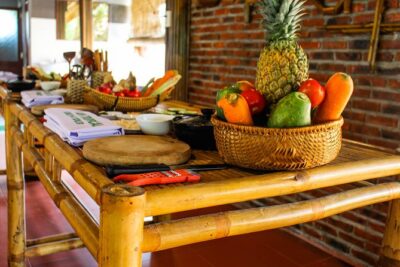
Cooking Class Hoi An:Local Market, Basket Boat, Fishing & Cooking
Read our review →
Hoi An Cooking Class(Market,BasketBoat Crabfishing&Cooking Class)
Read our review →Browse the lists this tour appears in