Review · COLOMBO, SRI LANKA
Market Tour and Hands-On Cooking Class Colombo
Sri Lankan cooking starts at the market. This five-hour Colombo experience combines a local food shop, hands-on cooking, and a shared five-course meal in a private home setting. I especially like the chance to choose your menu and the practical cooking tips that rarely appear in recipe books. The main drawback is transport: hotel pickup is not included, and the meeting point is outside central Colombo in Sri Jayawardenepura Kotte.
Chef Nim keeps the experience personal, with a maximum of eight people. I also like that vegetarian meals and dietary requests can be arranged if you mention them at booking. The $80 price is fair for a market visit, professional instruction, refreshments, recipes, a certificate, and lunch or dinner, but it is less attractive if you are traveling alone and must also pay for transport.
Key points to know before booking
- Choose your five-course menu first: The class begins with a selection from family recipes, so you have a say in what you prepare.
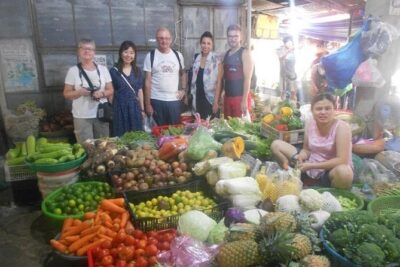
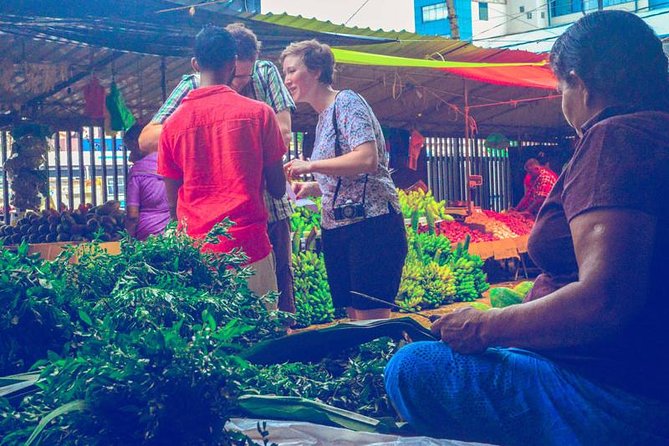
- Visit a real local market: Chef Nim explains unfamiliar fruit, vegetables, spices, and the difference between real and imitation cinnamon.
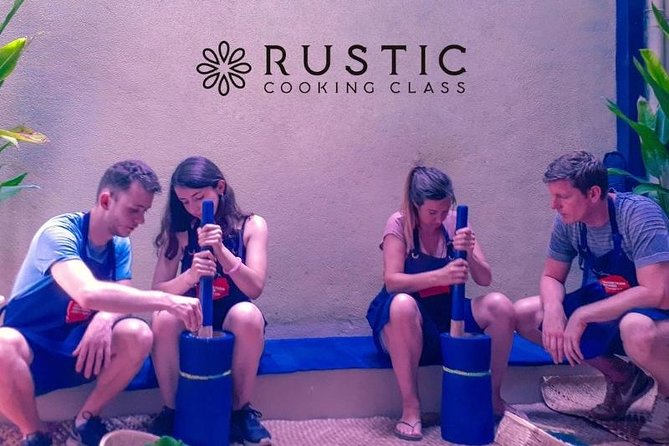
- Cook every stage yourself: You help clean, measure, season, and cook rather than simply watching a chef work.
- Learn Sri Lankan table manners: Serving others before yourself is one of the dining customs explained during the meal.
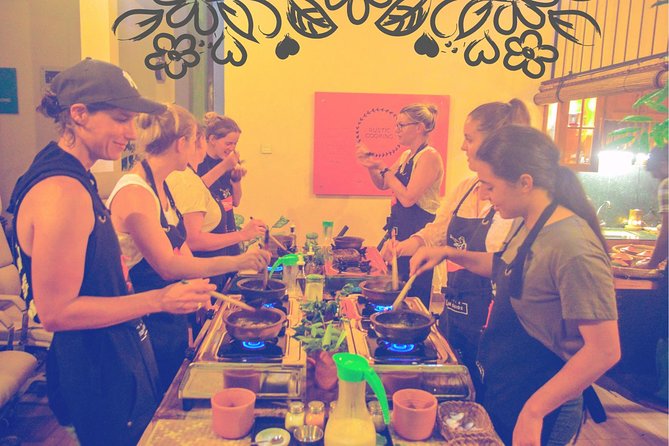
- Cook in a home setting: The class takes place at a villa or private home, with clay-pot cooking included.
- Plan your transport carefully: The meeting point is Villa Ivy Crest in Sri Jayawardenepura Kotte, and exact directions are sent by WhatsApp.
Why this Colombo cooking class feels personal
Many cooking classes give you a recipe, a quick demonstration, and a plate of food. This one tries to explain how Sri Lankan home cooking actually works. That difference matters.
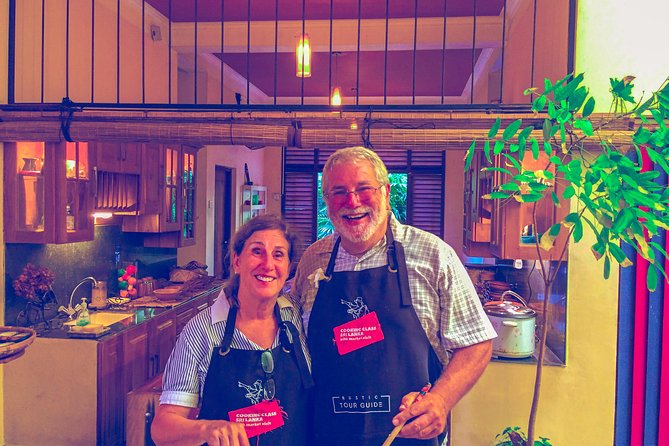
The experience is led by Nim, a relaxed and patient host who welcomes you with fresh fruit juice or a herbal drink. A wood apple drink is also served, a useful introduction to a fruit many visitors may not have tried before. You have time to refresh yourself, look around the villa, and hear how the day will work before heading to the market.
The group size is capped at eight people. That is small enough for direct help at the stove, though the atmosphere will depend on how many people book your session. Some sessions may feel almost like a private lesson, while a full group will be more social.
I would choose this class if you want food connected to daily life. It is not built around restaurant plating or fancy equipment. The focus is on family methods, good ingredients, and the small decisions that shape flavor, color, and aroma.
More Cooking Classes in the world:
- Hanoi Cooking Class: Culture, Local Market & Meaning CSR Impact
★ 5.0 · 5,147 reviews - 5 Traditional Dishes Hanoi Cooking Class with Market Trip
★ 5.0 · 4,890 reviews - Cooking Class and Lunch at a Tuscan Farmhouse with Local Market Tour from Florence
★ 5.0 · 4,831 reviews
Starting with a local market visit
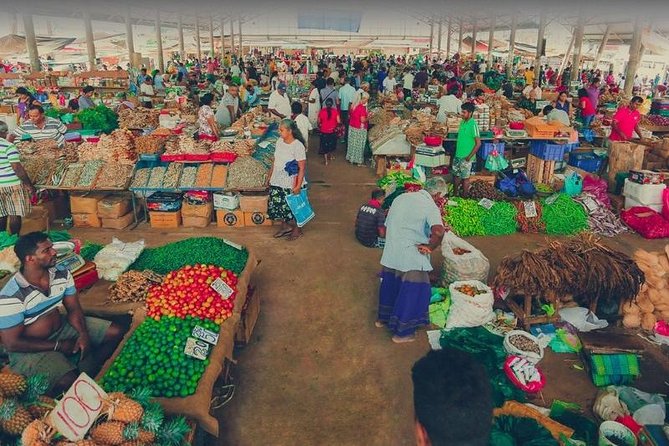
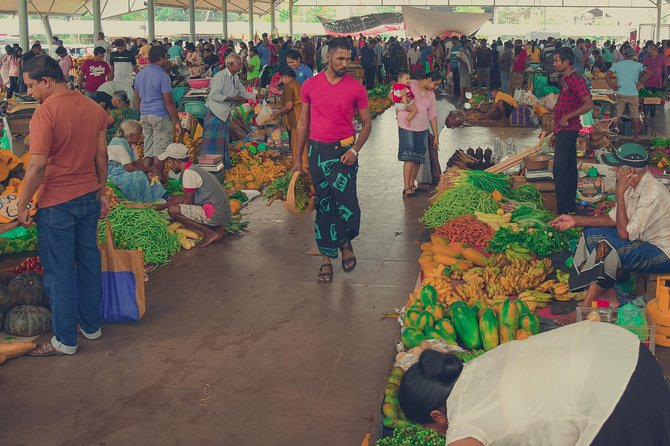
The market visit gives the class a useful beginning. Instead of meeting the ingredients only after they have been chopped and cooked, you see them in their original form and learn how they are used.
Nim explains fruit, vegetables, spices, and other market ingredients that may be unfamiliar to you. This is especially helpful if you have only encountered Sri Lankan food as a finished curry. At the market, you start to understand how many separate ingredients can come together in one meal.
One especially useful lesson concerns cinnamon. Nim explains how to tell real cinnamon from imitation cinnamon. That is the kind of detail you can use after the tour, both in Sri Lanka and at home.
The market stop is also a good place to ask questions. If you are unsure about an ingredient, this is your chance to learn what it is used for, how it is handled, and why it matters in the selected dishes. I would pay close attention here, since the shopping trip sets up the cooking lesson that follows.
There is one practical point to keep in mind: the market is not at the central meeting point listed for the activity. Nim can arrange transport from a Colombo hotel for an additional charge, but hotel pickup is not part of the $80 price. Ask for the exact plan before the day begins.
Choosing the menu before cooking
Before the cooking starts, you select a menu from family recipes. This is a strong feature because it gives you some control over the meal rather than assigning you a fixed set of dishes.
The available information does not specify every menu choice, so you should ask what is offered when you book. You should also mention vegetarian needs or other dietary requirements at that stage. A vegetarian option is available, but the kitchen needs advance notice.
The menu selection can also help you set realistic expectations. If your main goal is learning curries, tell the host. If you want to understand vegetables and spices, ask for dishes that show those ingredients clearly. The class is most useful when the food matches your interests.
A five-course meal takes time to prepare. The host points out that Sri Lankan home cooking is not rushed, and the class may take longer than a typical European or American meal preparation. That slower pace is part of the lesson, not a flaw, but you should allow the full five hours and avoid scheduling a tight connection afterward.
Cooking in the villa with Chef Nim
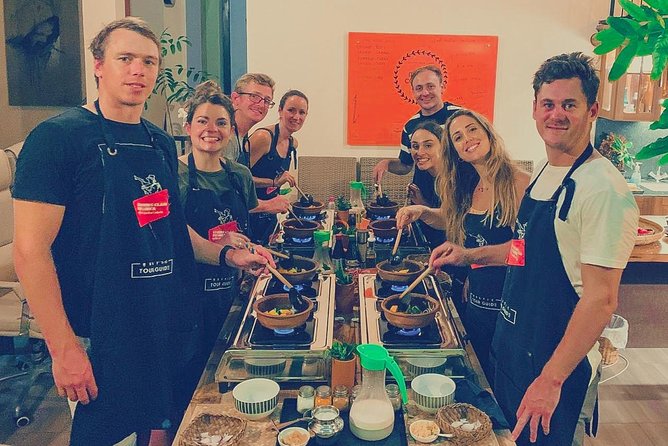
The cooking lesson is hands-on from the start. You help with cleaning, measuring, seasoning, and the actual cooking. Nim shares methods passed down through generations, including techniques that are difficult to explain in a written recipe.
This is where the class offers value beyond a meal. A recipe can tell you how much of an ingredient to use, but it may not tell you how the mixture should look, how the aroma changes during cooking, or how to judge the right stage by sight and smell. Nim focuses on those practical signals.
Clay-pot cooking is included as part of the activity. That adds a traditional element to the lesson and gives you a chance to see how cookware affects the cooking process. The information provided does not specify which dish is prepared in the clay pot, so ask if that detail matters to you.
The host’s teaching style appears to suit beginners. Nim is described as patient, gentle, and willing to explain each step. If you are not confident in the kitchen, you should still be able to take part. You are not expected to arrive with professional skills.
At the same time, this is not a passive demonstration. You need to be ready to work. The best part of the experience is learning by doing, but that means handling ingredients and staying involved while the meal comes together.
A few more market tours around the world worth a look
- Bangkok: Damnoen Saduak Market and Maeklong Railway Market
★ 4.5 · 26,723 reviews - The Old Siam: Damnoen Saduak and Maeklong Railway Market
★ 4.5 · 10,992 reviews - Dubai: Old Town, Creek, Museums, Souks, & Street Food Tour
★ 4.8 · 10,816 reviews - Bangkok: Train Market & Floating Market with Boat Ride
★ 4.7 · 9,547 reviews
Sitting down to a five-course Sri Lankan meal
After the preparation, you eat the meal you helped create. Lunch or dinner can be selected to fit your schedule, and light refreshments are included. The experience also includes a buffet lunch or dinner, bottled water, and the food prepared during the class.
The meal is more than a reward at the end. It gives you a chance to taste the result of each cooking choice while the instructions are still fresh in your mind. If a dish has a particular aroma, level of spice, or texture, you can connect it to the work you did earlier.
The class also covers Sri Lankan dining etiquette. One key rule is to serve others before yourself. This simple custom opens a window onto the social side of eating in Sri Lanka, where a meal is treated as time to share rather than food to consume quickly.
You can expect the meal to be social and unhurried. Afternoon tea is included in the experience description, along with the welcome drink and light refreshments. Alcohol is not included. One beer may be referenced in the arrangements, but extra beers require local cash, so ask the host if you want to clarify what is available.
What the $80 price really covers
At $80 per person, this is not the cheapest way to eat in Colombo. A simple local meal costs far less. The price makes more sense when you treat the activity as a half-day lesson with food included.
You are paying for:
- A market visit with a personal guide
- A menu selected from family recipes
- Hands-on preparation of five courses
- Professional instruction from Chef Nim
- Welcome refreshments and bottled water
- Lunch or dinner
- Recipes to take home
- A certificate
- All listed taxes and handling charges
The recipes improve the value. You can recreate the dishes after returning home, and that gives the class a longer life than a restaurant meal. The certificate is a pleasant extra, though the practical cooking knowledge matters more.
The price is strongest for couples, families, and friends who can share the experience. Group discounts are available, but the amount is not specified, so ask about the current rate. Solo visitors may still find it worthwhile, especially if cooking is a main interest, but transport costs can change the calculation.
Airport pickup is available for $38 in a fully conditioned car for two or three people, with expressway access and a welcome board. Hotel pickup depends on distance and costs extra. Hotel drop-off is not included. Factor those charges into your budget before booking.
Timing, meeting point, and transport details
The activity lasts about five hours and ends back at the meeting point. The listed starting location is Villa Ivy Crest, at VW99+VCV in Sri Jayawardenepura Kotte. The operator asks you to use WhatsApp at +94756066645 to receive the specific meeting point for your booking.
That last step matters. Do not rely only on a general map pin. Contact the operator and confirm the exact place, pickup arrangement, and time.
Traffic can affect transfer times, so leave room around the class if you have a flight, cruise departure, or another fixed appointment. Cruise ship passengers need to provide the ship name, docking time, disembarkation time, and re-boarding time when booking.
The experience is suitable for couples, families, and friends. The small maximum group size also makes it a reasonable choice for anyone who prefers direct instruction instead of a large demonstration. The setting is a private home or villa, so it may feel more relaxed than a formal culinary school.
Free cancellation is available up to 24 hours before the start time. Changes or cancellations inside that window are not refundable. The activity also depends on good weather and a minimum number of participants. If weather or low enrollment causes cancellation, you are offered another date or a full refund.
Who will get the most from the experience
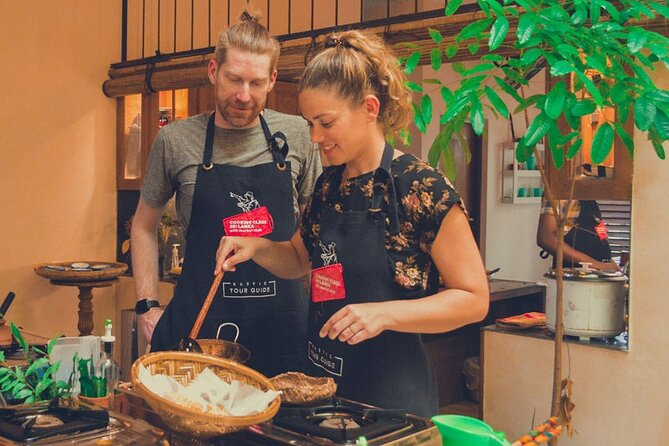
I would recommend this class to you if you want to understand Sri Lankan food from the ingredient level up. It is a good match for home cooks, curious eaters, and anyone who likes bringing practical recipes back from a trip.
Beginners should feel comfortable joining. Nim’s patient approach and step-by-step teaching make the class accessible, while experienced cooks can focus on the traditional methods and ingredient advice.
Families may appreciate the shared work and informal setting, though parents should decide if a five-hour cooking session suits their children. Couples and friends are likely to enjoy the combination of shopping, cooking, and eating because there is plenty of time to talk.
This may not be the right choice if you want a quick activity near central Colombo, a highly polished restaurant setting, or a fixed schedule with no transport planning. It also will not suit you if you prefer to watch rather than take part. The class asks you to get involved.
Small details that make the class useful at home
The strongest teaching points are the ones you can remember after leaving Sri Lanka. Learning how to recognize real cinnamon is one example. The traditional measuring methods are another.
Nim also explains the small choices that affect aroma and color. These details can help you avoid treating a recipe as a rigid list of numbers. Sri Lankan cooking often depends on judgment, and this class gives you a chance to see that judgment in action.
The recipes provide a practical reference once you return home. You may not have every local ingredient available, but the class can still help you understand substitutions and basic preparation. Ask questions while cooking, especially if you want to recreate the dishes outside Sri Lanka.
The meal itself confirms what you have learned. You taste the results, discuss the cooking, and get a final chance to ask how a dish could be adjusted. That link between market, kitchen, table, and recipe is the experience’s clearest strength.
Should you book the Colombo market and cooking class?
Book it if you want more than a meal and you enjoy learning by working with food. The market visit, family recipes, clay-pot cooking, dining customs, and personal instruction from Nim give the five-hour program real substance.
Before paying, confirm the exact menu, the meeting point, transport cost, and any dietary requests. Remember that hotel pickup and drop-off are not included, and extra drinks cost more.
For most couples, families, and food-focused visitors, the $80 price is reasonable because it includes a full meal and useful instruction rather than only sightseeing. If your schedule is tight or you want a central Colombo activity with no added transport planning, choose another option.
FAQ
How long does the cooking class last?
The experience lasts approximately five hours and ends back at the meeting point.
Where does the experience start?
The listed location is Villa Ivy Crest in Sri Jayawardenepura Kotte, Sri Lanka. You should use WhatsApp at +94756066645 to receive the specific meeting point for your booking.
Is hotel pickup included?
No. Hotel pickup is not included in the standard price. The cost depends on the distance from your hotel. Airport pickup is available for $38 for two or three people in a fully conditioned car.
Is a vegetarian option available?
Yes. A vegetarian option is available, but you should advise the operator of this requirement when booking.
What is included in the price?
The experience includes taxes and fees, bottled water, light refreshments, a professional guide, a market visit, hands-on cooking, a five-course lunch or dinner, recipes, and a certificate.
Can I cancel for a full refund?
Yes. You can cancel at least 24 hours before the local start time for a full refund. Cancellations or changes made less than 24 hours before the experience are not refundable.
Just added around the world
- Half-day Dandan Noodles Cooking Class with a Local Market Visit★ 5.0 · 8 reviews
- Three-Hour Private Chengdu Tea Wholesale Market Tour★ 5.0 · 4 reviews
- 3-Hour Herbal Wholesale TCM Market and a Local Wet Market Tour★ 5.0 · 4 reviews
- Moroccan Cooking Class with a Local Family & Market Visit★ 5.0 · 16 reviews
- Charleston International Sweet Treats & Historic City Market Tour★ 5.0 · 22 reviews
- Chania Old Town, Public Market and Chrisopigi Monastery Tour★ 4.5 · 6 reviews
- Chania: Old Town, Public Market, Hill of Prophet Elias, Agia Triada★ 5.0 · 35 reviews
- Cesarine: Market Tour & Home Cooking Class in Catania★ 4.0 · 6 reviews
Cooking Classes, compared.
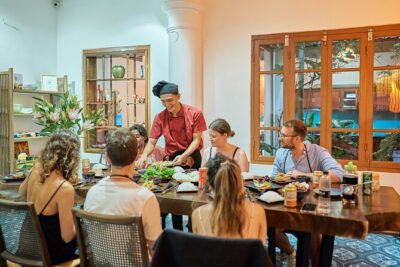
Hanoi Cooking Class: Culture, Local Market & Meaning CSR Impact
Read our review →
5 Traditional Dishes Hanoi Cooking Class with Market Trip
Read our review →
Cooking Class and Lunch at a Tuscan Farmhouse with Local Market Tour from Florence
Read our review →
Cooking Class, Market & Thai Herbs Garden Tour
Read our review →
Authentic Cooking Class with Market & Farm Visit
Read our review →
Paella Cooking Experience & Boqueria Market Tour
Read our review →
Cooking Class Hoi An:Local Market, Basket Boat, Fishing & Cooking
Read our review →