
Review · SPAIN
Mallorca: Market Visit and Traditional Cooking Workshop
Good food makes Mallorca easier to understand. This four-hour experience pairs a guided visit to Palma’s Mercat de L’Olivar with hands-on cooking at Forn de sa Llotgeta, an 18th-century bakery and workshop space. I like the small groups, capped at eight, and the way the menu follows the season instead of forcing the same dishes all year. I also like that you meet local producers through their ingredients, not through a staged show.
The main consideration is the price: $171 per person is a serious spend for four hours. The value depends on how much you want from a cooking class. You receive the market tour, tastings, ingredients, recipes, a four-course meal, wine, and a cultural lesson, but this is not the right pick if you only want a quick demonstration or a cheap lunch.
At a Glance
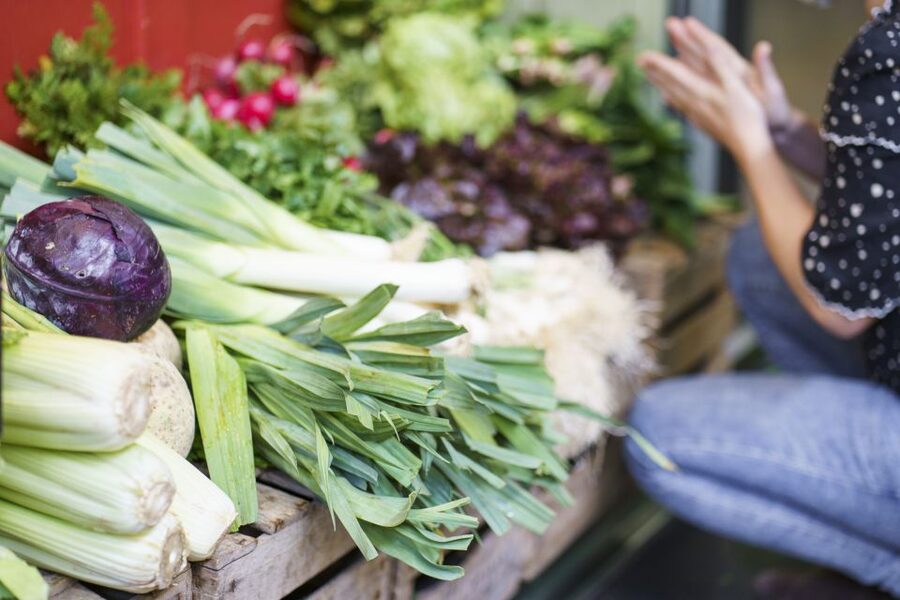
- Start with Mercat de L’Olivar: Spend about an hour visiting fruit, fish, meat, and specialty stalls while sourcing ingredients for the meal.
- Cook at Forn de sa Llotgeta: Work through a complete seasonal menu in a historic bakery setting in central Palma.
- Expect a small class: Open groups are limited to eight people, which gives the instructor time to guide the cooking.
- Taste Mallorca’s food calendar: Recipes and ingredients change with the season, from winter produce to summer specialties.
- Eat what you prepare: The workshop ends with an aperitif or tasting, four courses, and two glasses of local wine.
- Meet Deborah: Her teaching combines food, island culture, and practical suggestions for restaurants and museums.
Why This Workshop Feels Different
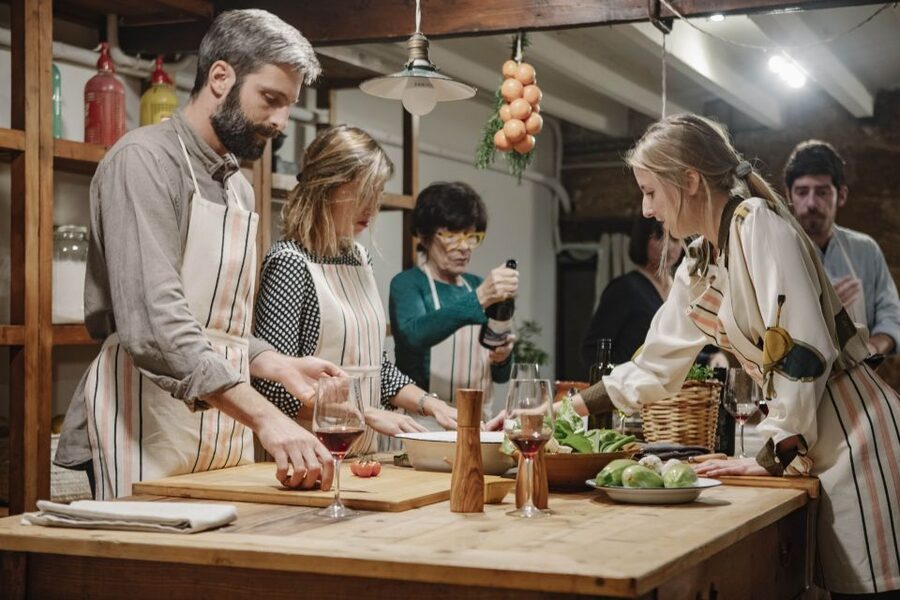
Many cooking classes begin in a kitchen with a recipe already chosen. Here, the food story starts at the market. That matters in Mallorca, where local cooking depends heavily on what farmers, fish sellers, bakers, and small food makers have available at a particular time of year.
You do not simply hear that ingredients are local. You walk through the market, see the stalls, talk about products, and help source some of what will appear on your plate. That gives the class a useful sense of place. A recipe made with seasonal artichokes or island almonds tells you more about Mallorca than a generic paella lesson could.
The workshop also looks at traditional food as a practical response to the island’s climate and resources. The stated values are plain ones: seasonality, thrift, care for nature, and gratitude for food. You will hear how family recipes fit into that approach, then put the ideas to work with your own hands.
I especially like the balance between explanation and activity. You are not expected to watch quietly while someone else does all the work. You help prepare the dishes, learn the methods, and then sit down to eat the results.
More Cooking Classes in Spain
- Barcelona: Paella Cooking Experience & Boqueria Market Tour
★ 4.8 · 3,661 reviews - Barcelona Paella Cooking Class with Market Visit, Tapas & Sangria
★ 5.0 · 2,531 reviews - Paella Cooking Class, Wine Tasting & Central Market in Valencia
★ 5.0 · 1,150 reviews
Starting at Mercat de L’Olivar
The meeting point is in front of the statue El darrer vestit a l’ampla, beside the BBVA bank and directly in front of Mercat de L’Olivar. From there, the first hour takes you through Palma’s largest typical market.
This is a useful place to begin because it gives you a quick look at the range of food used in Mallorcan homes and restaurants. The route includes fruit, fish, and other specialty stalls. You may see the ingredients in their raw form before learning how they are used in a finished dish.
The market visit includes tastings of local products, such as ham. Evening departures offer a different opening, with one vermouth and a banderilla as an aperitif. The tasting element appears to be modest rather than a full meal, so set your expectations accordingly. One attendee found a single slice of ham a little skimpy for the price, a fair point if you arrive hungry and expect generous sampling.
Still, the real value here is the guide’s explanation of the food and the chance to see the products in context. Deborah also brings the group to vendors to source ingredients for the class. That link between shopping and cooking helps you understand why a particular dish belongs to a particular time of year.
Allow yourself enough time to reach the meeting point without rushing. The tour begins at the market, and hotel pickup or drop-off is not included. The later workshop location is only about ten minutes from the market, but the meeting point is the place to use for the start.
Cooking Mallorca’s Seasonal Menu
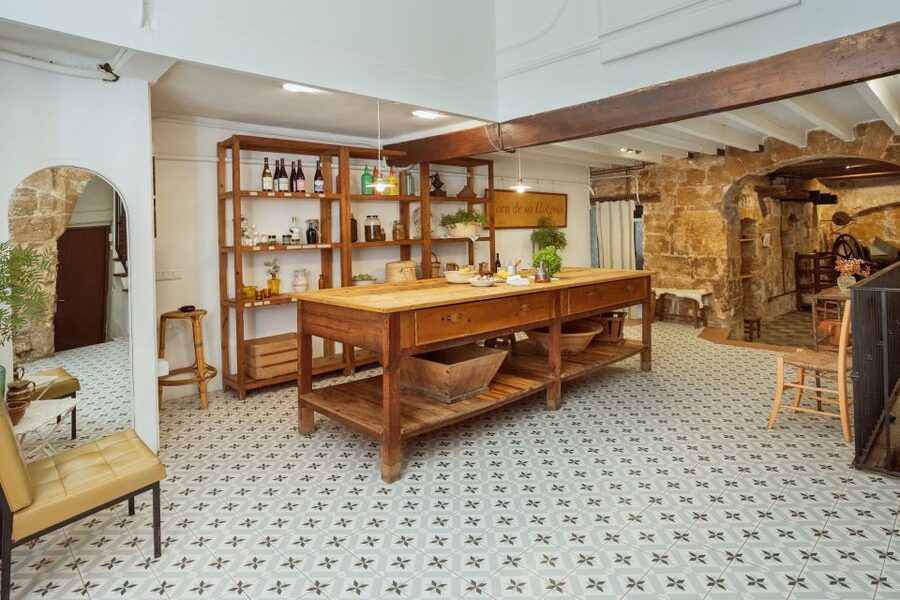
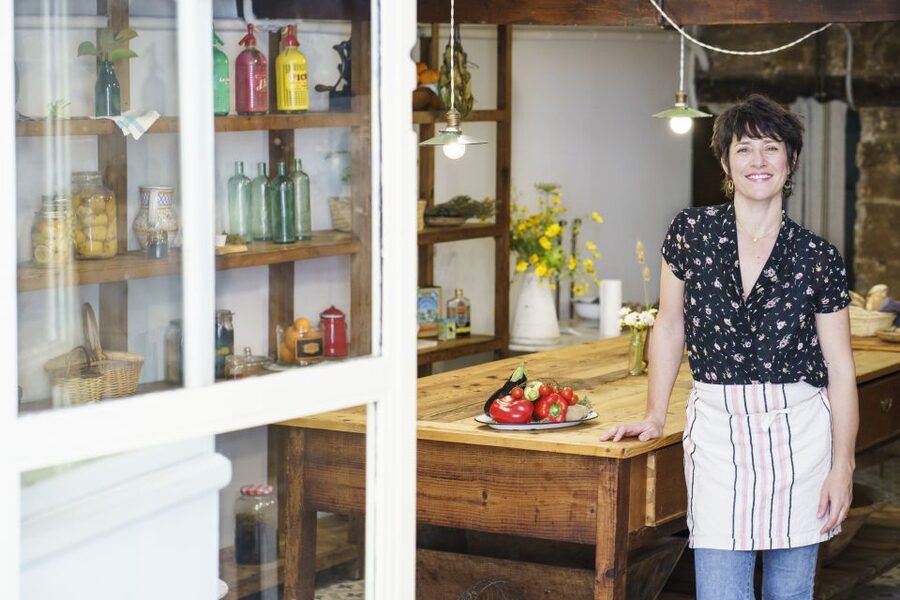
After the market, you move to Forn de sa Llotgeta for roughly three hours of hands-on cooking. The bakery dates from the 18th century, and the setting is part of the appeal. The class takes place in Deborah’s atelier, described in feedback as an attractive, comfortable place for preparing, cooking, and eating.
The sample menu shows how varied the meal can be:
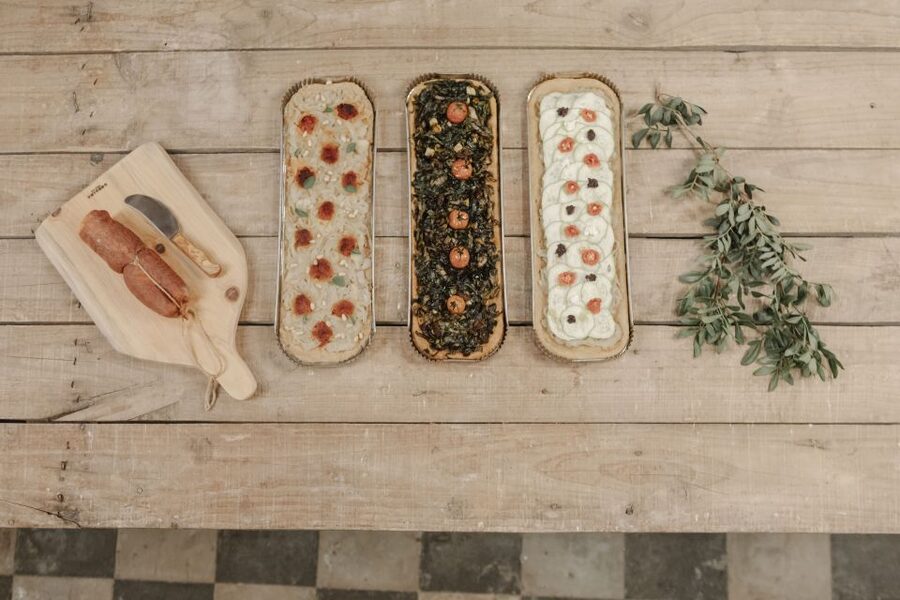
- Local cold meats and artisan cheeses with grapes and almonds
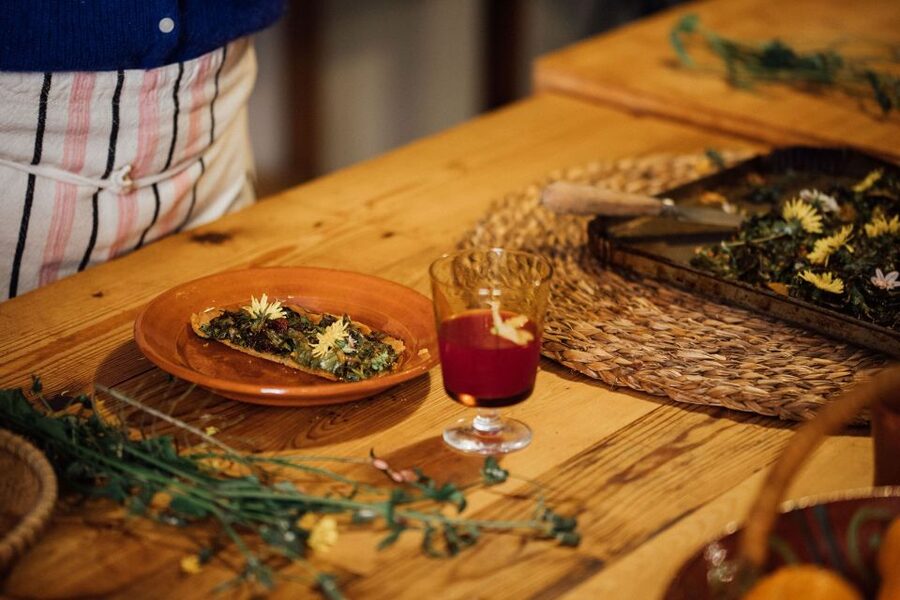
- Mallorcan flatbread with greens and raisins
- Artichoke and sobrasada meloso rice cooked in a clay greixonera
- Gató, a Mallorcan almond cake, served with almond ice cream
This is not a single-dish lesson. You work toward an aperitif, starter, main course, and dessert, then pair the meal with local wine. The menu has a good mix of textures and flavors. Cold meats and cheese offer a simple introduction, the flatbread brings in greens and raisins, and the rice shows how a clay pot can shape a traditional dish.
The artichoke and sobrasada rice is likely to be the most distinctive part of the meal. Sobrasada is a soft, paprika-seasoned Mallorcan sausage, and it gives the dish a strong island identity. It also shows why the class is not merely a Spanish cooking course. The focus is specifically on Mallorca and its family food customs.
Gató is a fitting finish. Almonds are central to many island sweets, and this cake is served with almond ice cream for an unmistakably nutty dessert. If you enjoy baking or want to remember the meal at home, the recipes and ingredients used in the workshop are included.
A Lesson Built Around Local Products
The cooking has a clear sustainable food ethic, but it does not turn into a lecture. Small producers and farmers supply the ingredients, and the food is chosen with the island’s seasons in mind. That approach gives you a better chance of learning something you can use after the trip.
The class also makes an important point about traditional Mallorcan food: animal protein has a real place in it. Cold meats, cheese, and sobrasada are not decorative extras. They help explain how the island’s food culture developed. At the same time, private groups can request vegetarian or vegan menus.
This flexibility comes with a condition. If you have serious food allergies or very specific dietary restrictions, contact the provider before booking online. Private groups are the better choice for major menu changes, since open-group menus are shaped around the season and the people booked into the class.
You can take home the ingredients and materials used during the workshop, along with the recipes. That is a practical bonus. Many cooking classes end when the meal is finished. Here, you have a chance to repeat the dishes later, although the final result will naturally depend on what is available in your own kitchen.
Same place, a different set of stalls:
- Valencian paella cooking class, tapas and visit to Ruzafa market.
★ 5.0 · 828 reviews - Spanish Cooking Class & Triana Market Tour in Sevilla
★ 5.0 · 760 reviews - Seville: 3.5-Hour Spanish Cooking Class & Triana Market Tour
★ 4.9 · 751 reviews - Valencia: Paella Cooking Class with Central Market Tour
★ 5.0 · 721 reviews
Deborah’s Teaching Style and the Group Size
The instructor, Deborah, is one of the strongest reasons to book this experience. Feedback about her teaching consistently points to her warmth, clear explanations, and ability to connect food with island customs. She covers not just what to cook, but why the ingredients and methods matter.
One class member described the group as only seven people, which is small enough for a personal feel while still giving you the social pleasure of cooking with others. The official open-group limit is eight. That is a useful cap because hands-on classes become frustrating when too many people crowd around one work surface.
The class is offered in English and Spanish. If you want to ask detailed questions, a small group gives you a better chance to do so. Deborah has also offered suggestions for less obvious restaurants and museums around Mallorca, which can be helpful if this is your first few days on the island.
The experience is not recommended for children under 12 in the open format. Children under 10 are specifically not recommended, while children may attend private groups. The age details point to the same practical conclusion: this is better for adults and older children who can follow kitchen instructions and stay engaged for several hours.
What the Meal and Wine Add to the Price
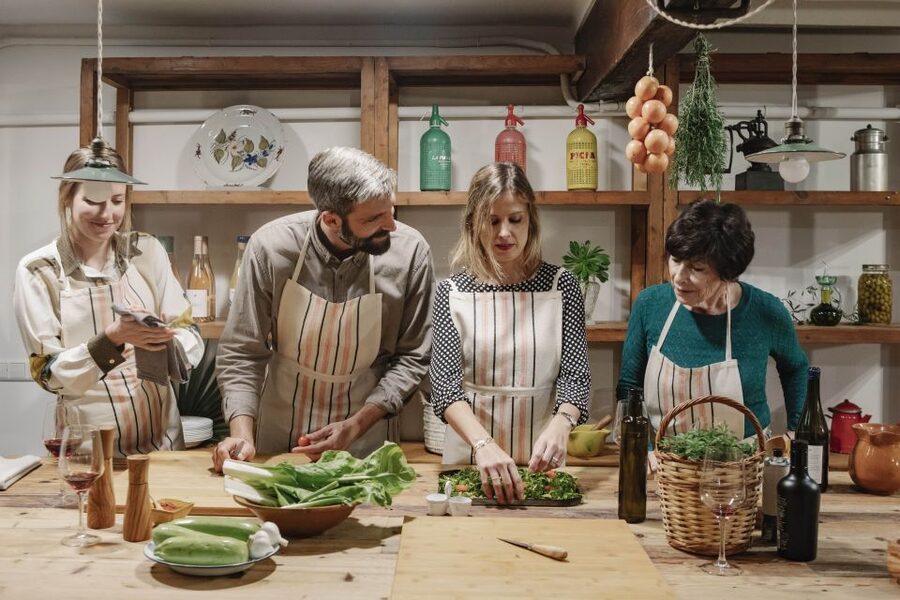
At $171 per person, this is priced as a full cultural activity, not as an inexpensive cooking class. To judge the value fairly, count everything included: one hour at the market, local tastings, a three-hour guided workshop, ingredients, materials, recipes, a four-course lunch, and two glasses of wine.
You are also paying for the small group and the setting. A class limited to eight allows more direct instruction than a large demonstration. The historic bakery adds atmosphere without requiring a separate sightseeing visit. Most important, you eat a complete meal after preparing it, so lunch is part of the activity rather than an extra expense.
The price feels easier to justify if you want food to be a main part of your Palma visit. It is less attractive if you are mainly looking for a market walk. The market segment lasts about an hour, and the greater share of the time goes into cooking.
Only two glasses of wine per person are included. Additional wine costs extra, and personal shopping at the market is not included. That is worth knowing before you arrive, especially if you plan to buy gifts or want more wine with lunch.
One useful detail came from a suggestion for a coffee or espresso at the end of the meal. It is not listed as included, so do not count on it. The class includes wine rather than coffee, and you can plan for a separate café stop afterward.
When the Seasonal Timing Matters Most
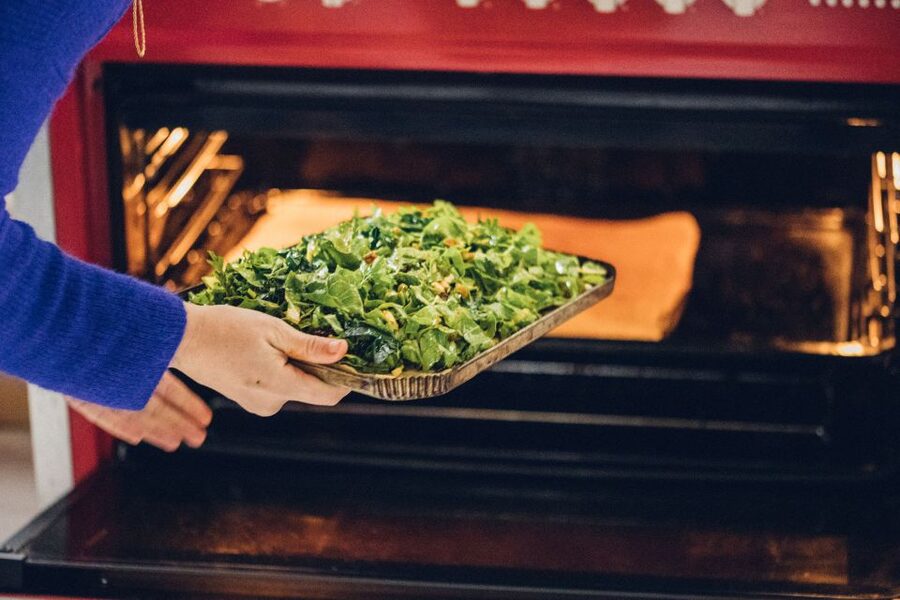
The menu changes with the season, which is one of the best features of the experience. A winter class may focus on cold-weather produce, while another time of year could bring different vegetables, fruits, or market products. You are not receiving a fixed performance repeated regardless of the calendar.
This also means you should avoid booking with a rigid expectation that every sample dish will appear. The sample menu is a useful guide to the style of food, not a promise that you will eat artichoke rice and gató on every date.
One attendee who took a winter class enjoyed the seasonal variation and hoped to return during another season. That is a good sign for repeat visits, particularly if you already know Mallorca and want to see how its cooking changes through the year.
The food calendar is also a lesson in restraint. Traditional island cooking often depends on making a few good ingredients work well, rather than piling on expensive additions. The flatbread with greens and raisins and the almond-based dessert both reflect that simple, economical approach.
Who Will Enjoy This Most
I would recommend this experience to you if you like to understand a place through food rather than simply eat in restaurants. It suits curious cooks, couples, friends, and solo participants who enjoy small-group activities.
It is also a good choice early in a Mallorca stay. The market introduces you to local products, and Deborah’s suggestions for restaurants and museums can help shape the rest of your time on the island. One person described it as an excellent way to begin a week in Mallorca, and that makes practical sense.
You should think twice if you dislike group cooking, have strict dietary needs that cannot be handled in an open class, or want a quick activity. Four hours is a large block of your day. The price is also high enough that you should care about the cultural explanation, not just the meal.
For a private class, groups of two to 15 can be arranged when available. That option is useful for families, celebrations, or groups with vegetarian and vegan requirements. Private classes also allow children, although you should confirm the arrangements before booking.
Practical Details Before You Book
The experience lasts four hours, usually split into one hour at the market and three hours at the workshop. Starting times vary, so check the available date and time before you commit to other plans.
You need to make your own way to the meeting point in central Palma. Hotel pickup and drop-off are not provided. Wear something comfortable for kitchen work, though no special equipment is listed as necessary.
The open group has a maximum of eight people. The instructors speak English and Spanish. You receive the ingredients, cooking materials, and recipes, so you do not need to bring supplies for the class.
You can cancel up to 24 hours in advance for a full refund, and you can reserve without paying immediately under the pay-later option. These policies help if your Palma schedule is still changing, but they do not replace checking the exact conditions attached to your booking.
Should You Book the Mallorca Cooking Workshop?
Book it if you want a personal introduction to Mallorcan food, a small group, and a meal you help create. The market visit gives the class a sense of place, while Forn de sa Llotgeta provides an atmospheric setting for traditional recipes and seasonal cooking.
The strongest reasons to choose it are Deborah’s warm instruction, the limited group size, and the chance to see how local ingredients move from market stall to dinner table. The main drawbacks are the high price, the light market tasting, and the limited suitability for young children or people with severe dietary restrictions.
For food-focused visitors, I think the cost can be fair because it covers a full half-day rather than a short demonstration. If you are mainly seeking an inexpensive lunch, spend your money elsewhere. If you want to leave Palma with recipes, context, and a better sense of what Mallorcan cooking is about, this is a thoughtful choice.
FAQ
Where does the experience begin?
The meeting point is in front of the statue El darrer vestit a l’ampla, in front of Mercat de l’Olivar and beside the BBVA bank.
How long does the experience last?
The experience lasts four hours, including about one hour at the market and three hours at the cooking workshop.
How many people are in the open group?
Open groups are limited to a maximum of eight participants.
Which languages are available?
The instructor provides the experience in English and Spanish.
Is hotel pickup included?
No. Hotel pickup and drop-off are not included, so you must reach the meeting point in central Palma yourself.
What food and drink are included?
The experience includes local tastings during the market visit, a four-course meal prepared during the workshop, and two glasses of wine per person. Evening departures include one vermouth and a banderilla as an aperitif.
Can dietary requirements be accommodated?
Vegetarian and vegan menus can be arranged for private groups. If you have severe allergies or very specific dietary restrictions, contact the provider before booking online.
Just added around Spain
- Explore Bilbao’s Flavors Mercado de la Ribera and Old Town★ 4.5 · 3 reviews
- CERTAL Exclusive Tour: LA RIBERA Market + GASTROBARS Bilbao (3h)★ 4.5 · 12 reviews
- Barcelona La Boqueria & Sant Antoni Private Food Experience★ 5.0 · 7 reviews
- Taste of Barcelona: Boqueria Market, Tapas & History Tour★ 4.5 · 22 reviews
- Barcelona Tapas Cooking & Cocktail Class with Veronique & Mattias★ 5.0 · 3 reviews
- Spanish Oysters, Cava and Ibérico Ham at Barcelona’s La Boqueria Market★ 5.0 · 8 reviews
- Private Barcelona Market Tour & Paella Cooking Class with Josh★ 5.0 · 4 reviews
- Food and Market Tapas Tour★ 5.0 · 6 reviews
Cooking Classes, compared.
Hanoi Cooking Class: Culture, Local Market & Meaning CSR Impact
Read our review →
5 Traditional Dishes Hanoi Cooking Class with Market Trip
Read our review →
Cooking Class and Lunch at a Tuscan Farmhouse with Local Market Tour from Florence
Read our review →
Cooking Class, Market & Thai Herbs Garden Tour
Read our review →
Authentic Cooking Class with Market & Farm Visit
Read our review →
Paella Cooking Experience & Boqueria Market Tour
Read our review →
Cooking Class Hoi An:Local Market, Basket Boat, Fishing & Cooking
Read our review →
Hoi An Cooking Class(Market,BasketBoat Crabfishing&Cooking Class)
Read our review →Browse the lists this tour appears in