
Review · CAMBODIA
Kampot Pepper & Kep/Crab Market Tours: Salt, Secret lake
Pepper, salt, crab, and a quiet lake. This eight-hour outing gives you a useful look at Kampot Province beyond the town center, with village roads, working farms, salt fields, and Kep’s famous seafood market. I especially like the organic pepper plantation visit and the chance to see how farmers and salt workers make a living. I also like that the route joins countryside scenery with a seafood lunch stop, rather than treating Kampot and Kep as separate trips.
The main catch is that the day can feel less complete in the wet season, when the salt fields may not be producing salt. You should also keep an eye on the day’s plan: one recent booking included fewer advertised activities until the guest pushed for the crab market. A friendly guide can make a big difference, and Ali and Micki have both been praised for their care, humor, and useful restaurant advice.
Key points to know before booking
- La Plantation is the star stop: You walk through an organic pepper farm, learn how the crop is grown, and taste several types.
- Secret Lake is quiet and photogenic: Brateak Krola, also called Secret Lake, offers a peaceful stop beside greenery and water.
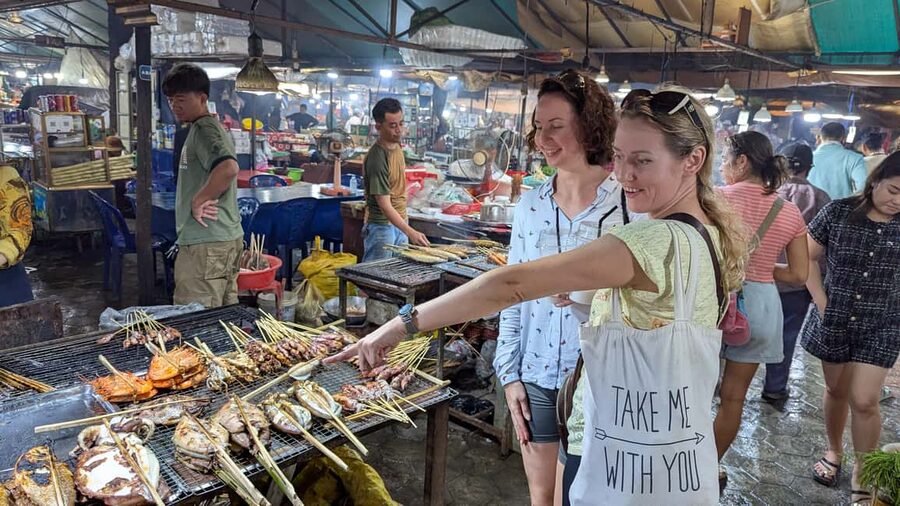
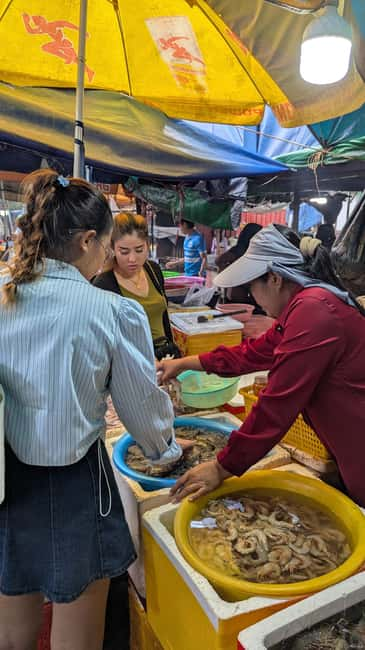
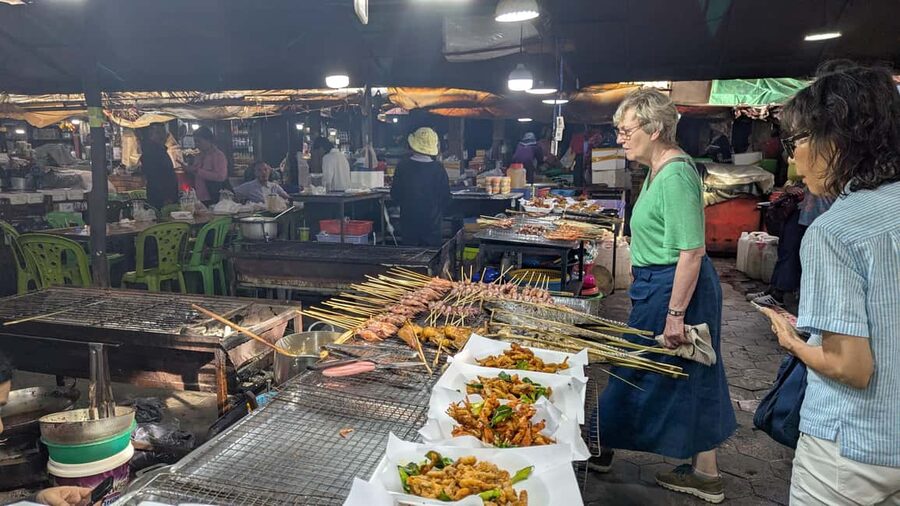
- Kep adds the seafood: You visit the Crab Market, then have time for a local meal, including the chance to try Kampot pepper crab.
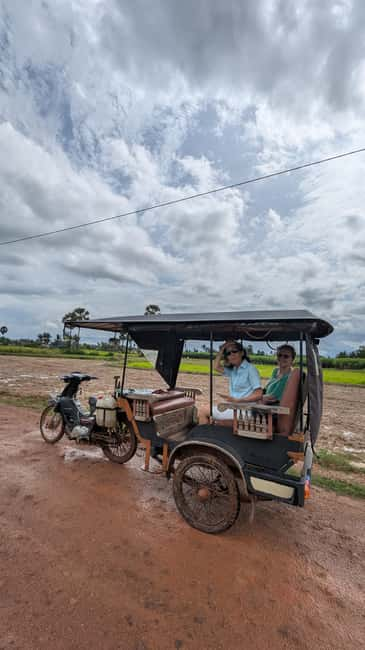
- The ride is by tuk-tuk: Expect open-air travel, countryside roads, dust, sun, and a more direct connection with village life.
- Salt fields depend on the season: During the wet season, there may be no active salt production to see.
- The $23 price is strong value: It covers hotel pickup within 3 kilometers of central Kampot, water, entrance fees, guiding, and a full day out, but not meals.
Why this Kampot and Kep day works
This tour is built around ordinary working places rather than grand monuments. You see rice fields, vegetable farms, Khmer villages, salt workers, pepper growers, fishermen, and seafood sellers. That gives you a clearer sense of how Kampot Province functions day to day.
I like the balance. The first part of the day is rural and agricultural. Later, the scenery shifts toward Kep, where food becomes the main event. You get a little nature, a little local trade, a little history through the Secret Lake story, and a lot of roadside observation from the back of a tuk-tuk.
The experience costs $23 per person. That is good value if you want transportation from Kampot, a guide, entrance fees, bottled water, and a full eight-hour route without arranging several separate rides. You still need to budget for lunch and other food at Kep. Since the crab and seafood are part of the appeal, skipping the meal would miss one of the best reasons to make the trip.
The overall pace is fairly gentle. The listed stops include about 30 minutes at the salt fields, 30 minutes in a traditional village area, 30 minutes at Secret Lake, 90 minutes at La Plantation, 90 minutes for the food market and lunch period, and 30 minutes in Kep. There are also transfers of 15, 15, 40, and 45 minutes, plus the return to Kampot.
A few more market tours around Cambodia worth a look
- Kampot: Tuk Tuk Trip to Pepper Farm, Kep, Crab Market & More
★ 4.9 · 143 reviews - Phnom Penh’s Morning Market and Street Art Tour by Tuk tuk
★ 5.0 · 128 reviews - Phnom Penh Morning Market & Food Tour by Tuktuk – Includes All Food & Drinks!
★ 5.0 · 99 reviews
Setting out from Kampot by tuk-tuk
Pickup is available from hotels within 3 kilometers of Kampot’s center. If you stay farther out, you can go to the Kampot Tourist Information Center or request pickup for an extra charge of about $2 or more. The driver waits for no more than 10 minutes, so be ready in the hotel lobby about 10 minutes before departure.
The tuk-tuk matters here. It is not just a way to move between attractions. You feel the air, see the fields at road level, and notice the changing sounds and smells along the way. On the other hand, it offers less protection from sun, dust, and rain than a car. Wear practical clothes and keep phones and cameras secure.
The tour is offered with an English-speaking driver-guide. Some guests have specifically praised Ali and Micki for being polite, informative, and good-humored. One guide also helped with a restaurant recommendation in Kep, which is useful when you reach the market hungry and faced with several food choices.
Salt fields and the work behind the scenery
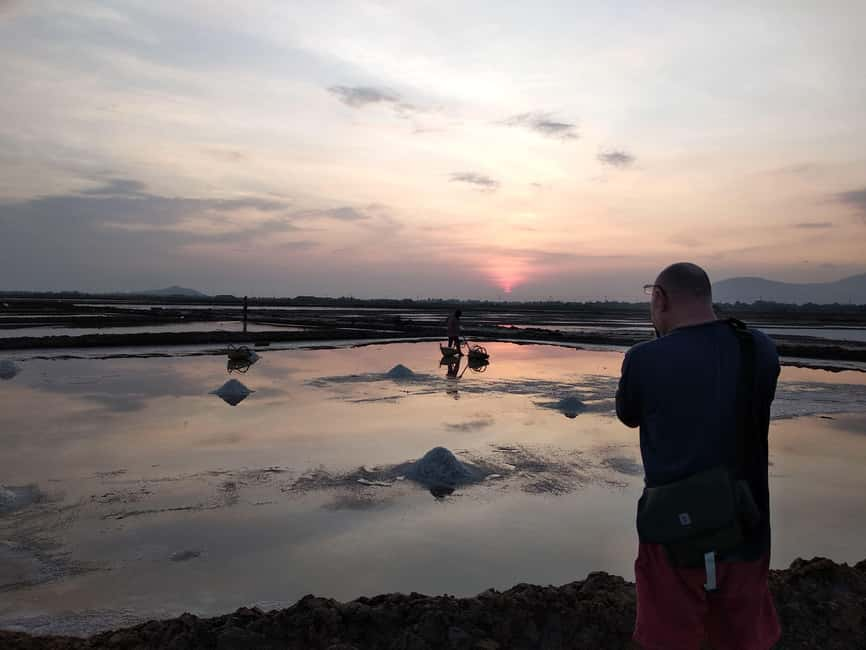
The salt-field stop introduces one of the coastal region’s basic industries. These are not decorative ponds made for sightseeing. They are working areas tied to sea salt production, and the flat open ground gives you a chance to understand how much land and weather shape local work.
You have about 30 minutes here for a visit, explanation, and photographs. The stop will appeal most if you enjoy seeing how food starts before it reaches a plate. It also helps explain why the coast feels different from inland Kampot, even though the two areas are close.
Season matters. There is no salt production in the wet season, so you may see the fields without active harvesting. This is the clearest limitation of the stop, and it is worth asking about conditions before you book if salt production is your main interest.
Bring sunglasses and biodegradable sunscreen. The open fields may offer little shade, and the Cambodian sun can feel strong even when the air seems pleasant.
Khmer villages, rice fields, and the everyday countryside
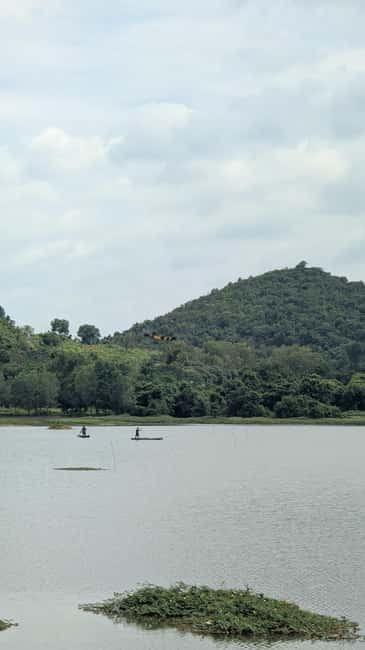
After the salt fields, the route passes traditional villages, rice fields, and vegetable farms. This is one of the most valuable parts of the day because it gives you a look at the province between major stops.
The tour presents farming and village life as lived realities, not as a staged cultural show. You may see homes, cultivated plots, and the road patterns that connect rural communities. The guide can provide context about farmers, salt workers, and fishermen, helping you link the scenery with the people who use it.
This section is also a reminder to keep expectations realistic. It is a scenic drive and sightseeing stop, not a formal village workshop. You are not promised a long conversation in a family home or a hands-on farming session. The value comes from seeing the countryside in motion and having a guide explain what you are passing.
Same place, a different set of stalls:
- KAMPOT TRAVEL-Pepper farm. Cave.Secret lake-Crab market & Salt…
★ 5.0 · 87 reviews - Battambang: Cooking Class and Market Touring
★ 4.8 · 80 reviews - Siem Reap: Morning Bike Tours with Local Market & Lunch
★ 5.0 · 52 reviews - 3 Hour Morning Market and Art Tour
★ 5.0 · 45 reviews
Secret Lake and the Brateak Krola story
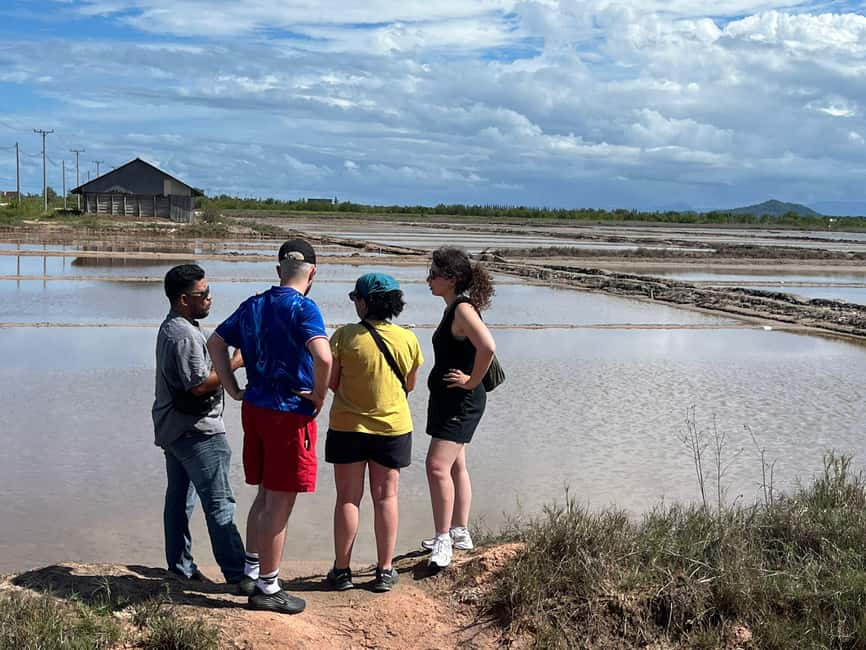
Brateak Krola Lake, known as Secret Lake, is a peaceful break from the road. The stop lasts about 30 minutes and includes a short walk, sightseeing, and time for photographs. Greenery surrounds the water, giving you a calm setting after the more exposed salt fields.
The lake is also tied to a local story, which gives the stop more meaning than a quick photo pullout. The supplied details do not spell out the full tale, so ask your guide to explain it during the visit. That is a good moment to slow down and listen rather than hurry through a few pictures.
For photography, this may be one of the day’s easiest stops. The water and surrounding plants create a softer setting than the salt fields, and the short walk does not demand a major physical effort. Still, closed-toe shoes are sensible because the route includes rural paths and walking.
La Plantation and the pepper tasting
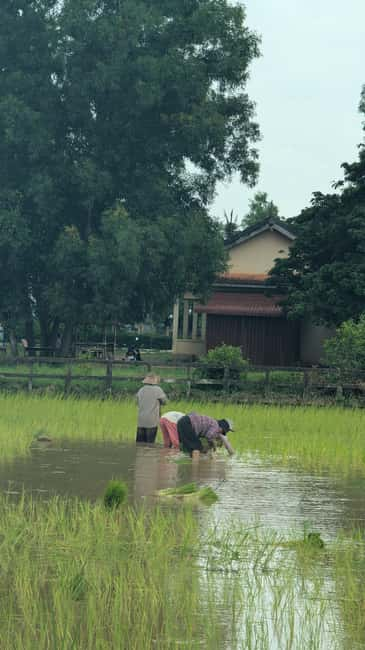
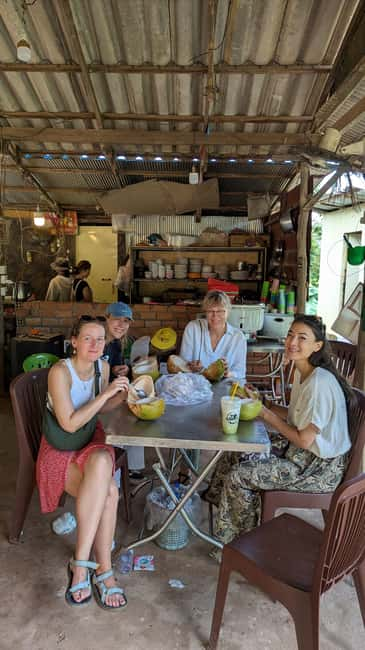
La Plantation is the centerpiece of the tour. You spend about 90 minutes at the organic pepper plantation, with a guided walking tour, explanations about cultivation, free time, and tasting. The visit is available in English, and French-language guiding has also been possible for some bookings.
Kampot pepper is the product that gives this province much of its food identity. The plantation visit helps you understand that pepper is not simply a jar on a market shelf. You see the growing environment, learn about the farm, and taste different types side by side.
The tasting is especially useful. Instead of buying the first packet you see, you can compare the pepper varieties and decide which flavor suits you. Several people have singled out the chance to taste many kinds of pepper as a highlight, and I agree that this is more useful than a basic gift-shop stop.
The plantation is also a commercial place, so expect shopping to be part of the visit. That is not a flaw, but it helps to know what kind of stop this is. One French-language comment described the pepper plantation as commercial and suggested that a smaller local farm might feel more authentic. If your priority is a working family farm with no retail focus, this may not fully satisfy you.
For most visitors, though, La Plantation offers the clearest explanation of Kampot pepper production in one organized stop. You get a guided walk, tasting, and time to browse without paying a separate entrance fee within this tour.
Reaching Kep and the Crab Market
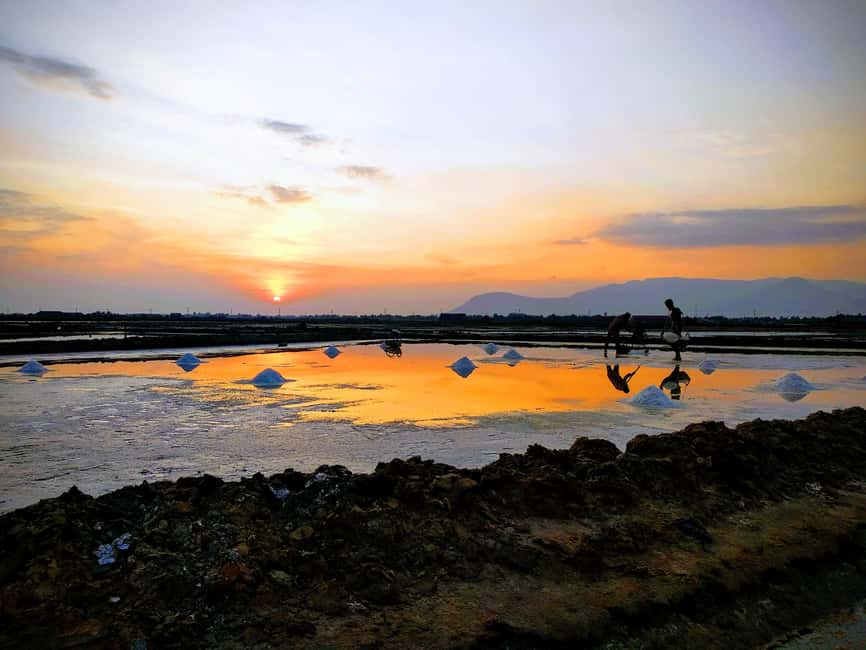
The ride from the pepper farm to the Kep area takes about 40 minutes. The Crab Market is the food highlight, and the stop allows time for a short visit before lunch. This is where the tour shifts from growing ingredients to buying and eating them.
You can look at the seafood trade, watch the market activity, and choose a meal with your guide’s help. Kampot pepper crab is the obvious dish to consider, and one booking specifically praised a meal featuring it. A local specialty sampled at the market also received a special mention, so ask what is fresh and typical that day.
Food is not included in the $23 price. That keeps the tour cost low and gives you some choice, but it means the final expense depends on what you order. If you want crab and other seafood, plan to pay separately and ask the guide for a restaurant recommendation. A good recommendation can help you avoid spending your lunch break guessing.
One practical point deserves attention: make sure the Crab Market stop is clearly confirmed at the beginning of the day. A guest had to insist on visiting it after some advertised activities were missed. The issue may have been a scheduling problem, but you should not assume every stop will happen automatically if the day runs late.
Kep beach and the old town
After the market and lunch period, the route includes time in Kep for a walk by the beach and a look at the old town before returning to Kampot. The listed time in Kep is about 30 minutes, so think of this as a short introduction rather than a long beach visit.
You can stretch your legs, take coastal photographs, and see another side of the province. The beach stop also provides a simple contrast with Secret Lake. The lake is quiet and inland, while Kep brings you back to the coast, fishing, seafood, and open water.
Do not expect a full swimming afternoon. The schedule is tight, and the tour still needs to make the 45-minute return transfer to Kampot. Beachwear is listed among the recommended items, but the information does not promise an extended swim or a dedicated beach break.
The old town portion is similarly brief. It works well if you want a quick overview after lunch, but people who want detailed architectural history or a long independent walk should plan a separate Kep visit.
What the price includes, and what it does not
At $23 per person, this is a practical package for someone staying in Kampot. It includes hotel pickup and drop-off within the central pickup area, bottled water, entrance fees, and the driver-guide. You also get transport between Kampot, the countryside, La Plantation, Kep, and back again.
Meals are not included. Neither are extra pickup charges if your hotel is more than 3 kilometers outside central Kampot. Those costs are easy to manage if you know about them before booking.
The strongest value comes from the transport and route planning. Organizing salt fields, Secret Lake, a pepper farm, Kep’s market, and the beach on your own would require several rides and careful timing. The tour handles that connection for you and adds explanations along the way.
The price is less compelling if you only want to see La Plantation. You could arrange a smaller visit to the pepper farm and skip the long countryside loop. This tour earns its price when you want a full day combining agriculture, scenery, and seafood.
Comfort, fitness, and who should skip it
You should bring sunglasses, biodegradable sunscreen, closed-toe shoes, and beachwear. Bottled water is included, but carrying a small personal bag is still useful for sunscreen, a camera, and purchases from the plantation.
The day includes tuk-tuk travel, short walks, outdoor stops, and time in markets. It is not listed as suitable for wheelchair users, people with heart problems, people over 70, or people weighing more than 110 kilograms. Baby strollers, bicycles, alcohol, drugs, and electric wheelchairs are not allowed.
These restrictions are important because the tour moves through rural sites rather than fully accessible attractions. If you need extra physical support or shade, ask before paying. The tour provider offers free cancellation up to 24 hours before departure and allows you to reserve now and pay later, which gives you some flexibility while checking your plans.
Should you book this Kampot experience?
Book it if you want to understand Kampot Province through its food and working countryside. The pepper tasting, Secret Lake, and Kep seafood stop create a varied day, and the $23 price is fair once you count the transport, guide, water, and entrance fees.
I would be more cautious if your main goal is a highly local, small-scale farm visit, a long beach afternoon, or a detailed tour of Kep’s old town. The plantation has a commercial side, the salt fields may be inactive in wet weather, and the schedule leaves limited time at Kep.
Before departure, confirm the Crab Market stop, ask about the salt-field conditions, and tell the guide which stops matter most to you. If you do that, this is a sensible choice for seeing the area beyond Kampot’s cafes, with enough local food and rural scenery to make the full day worthwhile.
FAQ
How long does the Kampot Pepper and Kep tour last?
The tour lasts 8 hours, including countryside visits, the pepper plantation, the Kep food stop, and transfers back to Kampot.
Where does the tour start?
Pickup is available in Krong Kampot, with hotel pickup included for locations within 3 kilometers of Kampot city center.
Is hotel pickup included?
Yes, hotel pickup and drop-off are included within the stated central Kampot pickup area. Hotels farther away may require an additional fee of about $2 or more, or you can meet at the Kampot Tourist Information Center.
Is lunch included in the price?
No. Meals are not included, so you should budget separately for seafood or other food at the Kep Crab Market area.
What language is the tour offered in?
The live driver-guide service is offered in English. The pepper plantation visit has also been available in French for some bookings.
Does the tour visit a pepper farm?
Yes. You visit La Plantation for about 90 minutes, including a guided walk, information about the farm, pepper tasting, free time, and shopping.
Is there salt production during the wet season?
The supplied tour information says there is no salt production in the wet season. You may still visit the salt fields, but active harvesting may not be taking place.
What should I bring?
Bring sunglasses, biodegradable sunscreen, beachwear, and closed-toe shoes. Bottled water is included, and you should also be ready for outdoor walking and tuk-tuk travel.
Is the tour suitable for wheelchair users?
No. The tour is listed as unsuitable for wheelchair users, people with heart problems, people over 70, and people over 110 kilograms.
Just added around Cambodia
- Phnom Penh: Morning Foodie, Market Walking & Street Art Tour★ 5.0 · 3 reviews
- Siem Reap Morning Market & Food Tour by Tuk Tuk★ 5.0 · 2 reviews
- Siem Reap: FREE Market & Local Temple Tour★ 4.8 · 3 reviews
- Siem Reap: Morning Cooking Class & Market Tour★ 5.0 · 7 reviews
- Siem Reap: Angkor Wat Sunrise and Market Tour by Jeep★ 5.0 · 5 reviews
- Siem Reap Khmer Cooking Class and Local Market Tour★ 4.1 · 4 reviews
- Siem Reap Cambodian Buddhist Water Blessing and Local Market★ 4.8 · 3 reviews
- Phnom Phnom: Local Market & Culture Walking of City Tour★ 5.0 · 3 reviews
Market Tours, compared.
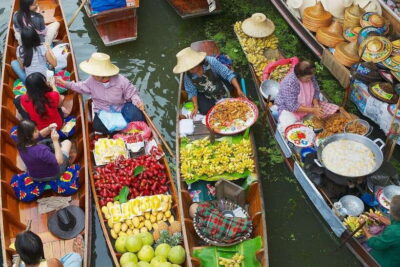
Damnoen Saduak Market and Maeklong Railway Market
Read our review →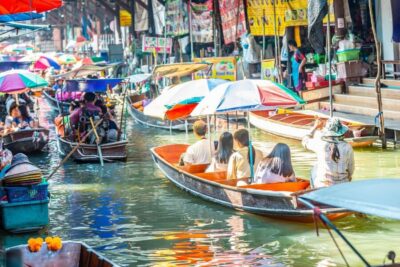
The Old Siam: Damnoen Saduak and Maeklong Railway Market
Read our review →
Old Town, Creek, Museums, Souks, & Street Food Tour
Read our review →Train Market & Floating Market with Boat Ride
Read our review →
Old Town, Souks, Street Food, Guided Tour & Abra Ride
Read our review →
Ayutthaya & Ayothaya Floating Market Day Trip
Read our review →
Frame Tickets, Creek, Souks & Blue Mosque Guided Tour
Read our review →
Hanoi Cooking Class: Culture, Local Market & Meaning CSR Impact
Read our review →Browse the lists this tour appears in