
Review · CAMBODIA
KAMPOT TRAVEL-Pepper farm. Cave.Secret lake-Crab market & Salt…
Kampot saves its best moments for the road. This full-day tuk-tuk trip links pepper farms, cave temples, salt fields, and Kep’s crab market in one well-packed outing, giving you a broad look at southern Cambodia beyond town. I like the mix of food, farming, history, and scenery. I also like the private format, which lets your group move at its own pace and ask questions along the way. The one drawback is that the schedule is full, and one past guest missed the salt fields, so it is worth confirming that every stop is included before setting off.
Guide Tango receives especially warm praise for being friendly, funny, attentive, and willing to answer questions. At $23 per person, the tour offers strong value if you want to cover both Kampot and Kep without arranging separate transport. Just note the extra $5 pickup charge if you stay more than 4 kilometers from Kampot’s Durian Roundabout.
Key points to know
- La Plantation gives you two hours with Kampot pepper: You learn how different pepper varieties are grown, collected, and processed, with free guided walks in English, French, and Khmer.
- Phnom Chhngok is more than a cave: Inside this unusual natural chamber sits a Hindu temple, making it one of the area’s most distinctive stops.
- Secret Lake carries a painful past: Brateak Krola Lake was built by forced labor during the Khmer Rouge period, so this quiet place calls for a respectful visit.
- Kep crab is both dinner and a show: You choose fresh seafood and watch it being cooked in front of you at the market.
- The day ends by the sea: After the crab market, you watch the sunset at Kep Beach.
- The price covers the basics: Transport, water, entrance fees, and fried banana are included, while pickup beyond the Kampot town area costs extra.
Why this Kampot and Kep day trip works
Kampot and Kep sit close enough to combine, yet they offer quite different experiences. Kampot is tied to pepper, salt, caves, rural villages, and inland scenery. Kep is Cambodia’s seaside crab capital, with seafood stalls and a beach finish.
This tour makes sense if you have only one free day and want variety. You are not spending six to eight hours on a single attraction. Instead, the route shifts from a cave temple to a lake, then to a farm, salt fields, and the coast. That variety keeps the day moving, though it also means the schedule may feel active rather than slow and leisurely.
The trip is private for your group, with a maximum of 12 people. That is a useful middle ground. You get more personal attention than on a large coach excursion, but the vehicle may still carry a small group rather than just two people. If you have a question about pepper growing, the cave, or the local food, there should be a reasonable chance to ask it directly.
The exact meeting area deserves attention. The tour information identifies Sihanoukville as the location, but every listed stop is in the Kampot and Kep area, and the pickup note refers to Kampot’s Durian Roundabout. Confirm your pickup point before booking so a city mix-up does not spoil the start of your day.
More Farm Visits in Cambodia:
- Kampot: Tuk Tuk Trip to Pepper Farm, Kep, Crab Market & More
★ 4.9 · 143 reviews - Kampot Pepper Farm, Salt Fields, Crab Market from Phnom Penh
★ 4.8 · 21 reviews - Kampot Countryside include Pepper farm,Kep crab market beach
★ 5.0 · 4 reviews
Phnom Chhngok Cave Temple and its unusual setting
The first major stop is Phnom Chhngok Cave Temple, about one hour. This is not a standard temple visit. The attraction is inside a cave, where a Hindu shrine was built within the rock.
That combination gives the stop its character. You are seeing both a natural formation and a place of worship, rather than a freestanding monument with open courtyards. The cave setting also makes this one of the more unusual sights in Cambodia’s southern region.
Your guide can help place the temple in context and answer questions about its construction and religious purpose. The admission fee is included, so you do not need to budget a separate entrance payment here.
The cave stop may not suit everyone equally. If you prefer broad outdoor views or dislike enclosed places, this will be less appealing than the later lake or beach portions. Still, the one-hour visit is a sensible length. It gives you time to see the temple without allowing one attraction to dominate the whole day.
Wear practical footwear and bring water. The tour includes water, but a full day of stops in warm weather is easier when you stay hydrated from the start.
Brateak Krola Lake and the story behind Secret Lake
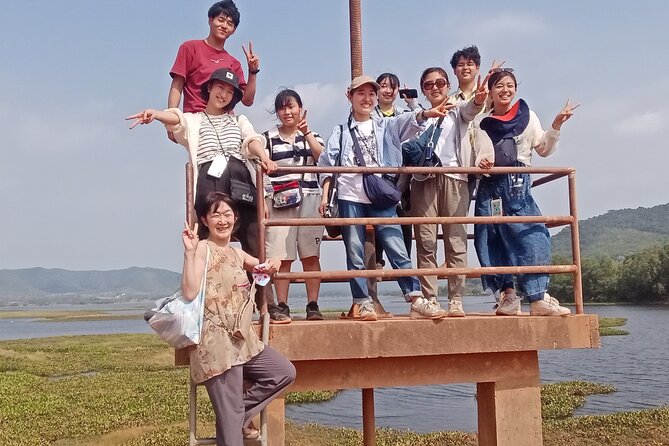
The next stop lasts about 30 minutes at Brateak Krola Lake, often called Secret Lake. The name sounds light, but the place has a dark past.
The lake was built during the 1970s by the Khmer Rouge using forced labor. Many Cambodians died during the work. That fact changes the mood of the stop. This is not simply a pretty stretch of water for a quick photograph. It is also a place connected to suffering and Cambodia’s modern history.
I appreciate that the tour includes this kind of stop. A day centered only on food and scenery would give you a narrow view of the region. At the lake, you have a chance to pause and recognize the human cost behind part of the countryside.
Thirty minutes is enough for a short visit and explanation, but not enough for a long historical lesson. If this subject matters to you, ask Tango questions while you are there. The time is brief, so listen closely and treat the stop with care.
Two hours at La Plantation, the pepper heart of the trip
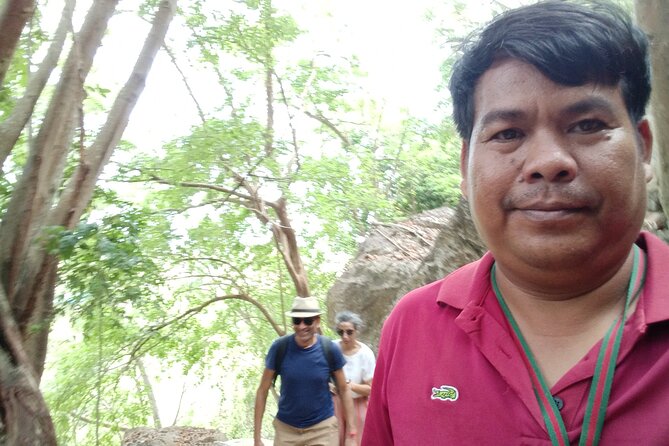
La Plantation is the longest stop, at roughly two hours, and it is likely to be the main attraction for anyone interested in food and agriculture. Kampot pepper is one of the area’s best-known products, and this organic farm explains how it reaches the table.
You can take a free guided walk in English, French, or Khmer. The farm grows several pepper varieties and explains how they are cultivated, harvested, and processed. It also produces fruits, chilies, and herbs, so the visit covers more than a single spice.
What I like most about this stop is the direct link between place and flavor. Instead of simply buying a packet of pepper in a shop, you learn about the work behind it. You see why local farming remains such an important part of Kampot’s identity.
The two-hour visit gives the farm enough time to feel worthwhile rather than rushed. You can listen to the explanation, look at the crops, and ask questions. If you enjoy cooking, markets, or regional produce, this is probably the stop you will remember longest.
The tour also includes fried banana. That small snack fits the farm-to-food theme and gives you something to eat during a long day. Do not mistake it for a full meal, though. Your main food stop comes later at Kep Crab Market.
A few more market tours around Cambodia worth a look
- Phnom Penh’s Morning Market and Street Art Tour by Tuk tuk
★ 5.0 · 128 reviews - Phnom Penh Morning Market & Food Tour by Tuktuk – Includes All Food & Drinks!
★ 5.0 · 99 reviews - Battambang: Cooking Class and Market Touring
★ 4.8 · 80 reviews - Siem Reap: Morning Bike Tours with Local Market & Lunch
★ 5.0 · 52 reviews
Kampot’s salt fields and an easy-to-miss stop
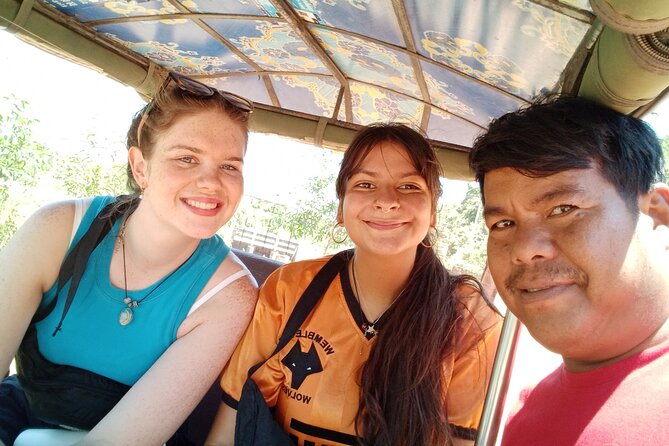
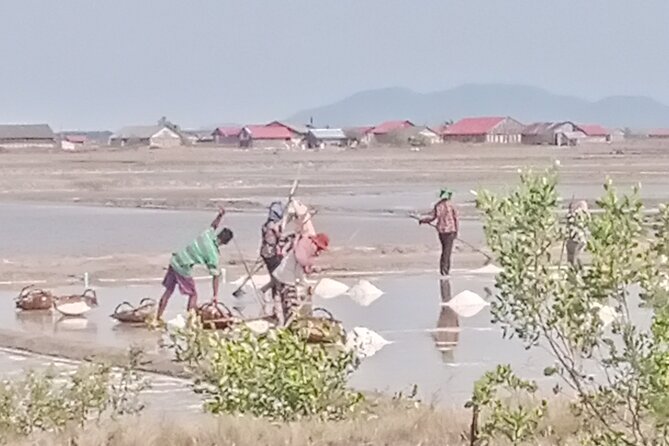
The salt fields receive about 30 minutes. Sea salt production is one of the area’s traditional industries, and the visit shows how salt is still made using old-fashioned methods.
This stop helps balance the pepper farm. Pepper comes from cultivated plants, while salt comes from seawater and careful evaporation. Together, the two visits show why Kampot’s food identity is tied to local farming and coastal conditions.
The salt fields may look simple at first, but that simplicity is the point. You are seeing a working rural practice rather than a polished attraction. The experience depends on the condition of the fields and the explanation you receive, so do not expect a long structured presentation.
There is one practical warning here: check that the salt fields are definitely on your day’s route. One guest later realized this stop had not happened and regretted missing it. Since the visit is short, it may be easier for a busy schedule to lose it unless you confirm the plan with your guide.
Choosing dinner at Kep Crab Market
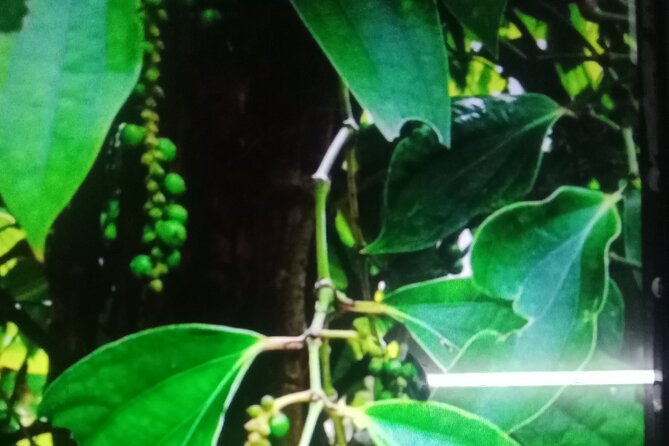
The Kep portion gives the tour its strongest food moment. At Kep Crab Market, fresh crabs, fish, and other seafood arrive daily. You choose what you want, then have it cooked nearby while you watch.
That is more engaging than being handed a prepared meal at a restaurant. You can see the food before it is cooked and watch the preparation happen in front of you. The market setting also connects dinner to the local fishing economy.
The tour allows about two hours here. That gives you time to choose seafood, eat, and enjoy the atmosphere without treating dinner as a rushed roadside stop. If you do not eat seafood, this is an important point to consider before booking, since crab and fresh fish are central to the experience.
The supplied details do not specify an included seafood allowance or a set dinner price. Transport, water, entrance fees, and fried banana are included, but you should confirm how much your market meal costs and pay for any food you select. This is the main place where your final spending may rise above the advertised tour price.
After the meal, the day finishes with sunset at the beach. That provides a calm ending after the market and gives you a chance to enjoy Kep’s coastal setting before returning.
How much value do you get for $23?
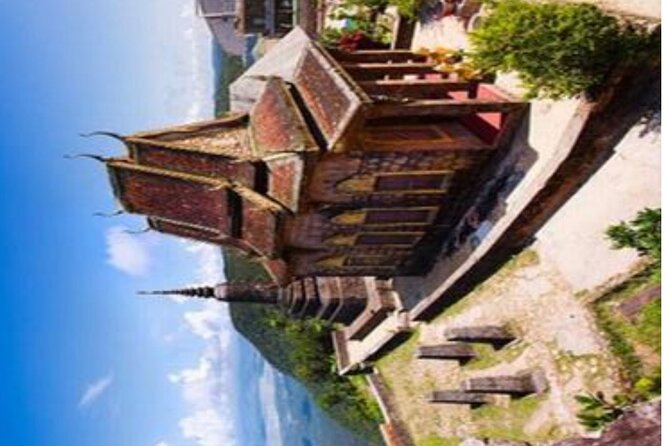
At $23 per person, this is a good-value day if you want several major sights in one outing. The price includes transport, water, entry fees, and fried banana. It also includes the convenience of moving between Kampot, rural sites, and Kep without arranging separate tuk-tuks.
The value improves if your group wants a broad introduction rather than a specialized tour. You see a cave temple, a place connected to Cambodia’s recent past, an organic pepper farm, traditional salt production, a seafood market, and the coast. Booking these separately would take more planning and could cost more once local transport is added.
The price needs a little caution. The crab market meal is not clearly included, and pickup more than 4 kilometers from the Durian Roundabout adds $5. Those costs are not unreasonable, but you should count them when setting your budget.
The 6 to 8 hour duration is also useful. The exact length may depend on the route and the pace of your group. Since there are five main stops, expect a full day rather than a quick half-day outing.
What the private format changes
The private setup is one of the tour’s better features. Your group gets the vehicle and can communicate directly with the guide. That matters on a route with different types of stops, because you may want more time at the pepper farm and less time elsewhere.
Guide Tango is praised for being kind, entertaining, and attentive throughout the day. Those qualities matter in a tuk-tuk tour, where the guide helps connect the stops and keep the day comfortable. A friendly guide can also make the short lake and salt-field visits more meaningful.
The group limit is 12 people, so private does not automatically mean couples-only. If you are booking for two, ask how the private arrangement applies to your reservation. The experience is most appealing for families, friends, or small groups who want a dedicated outing.
The tour is suitable for most people according to the supplied details. Still, the day involves several stops and a cave visit, so anyone concerned about mobility should ask the provider for current access details before booking. No special accessibility information is provided.
Who should book this experience?
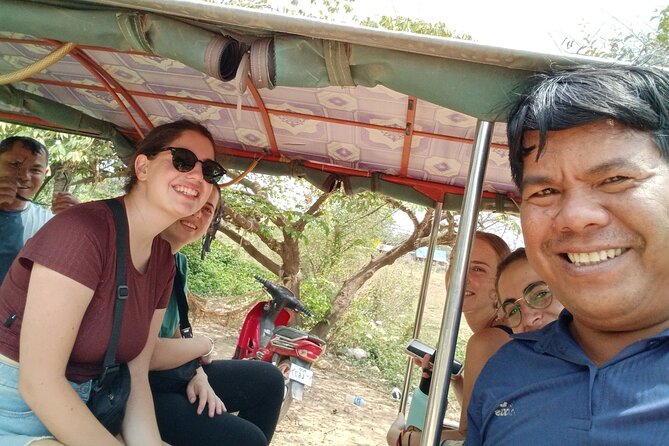
I would choose this tour if you want an efficient first look at Kampot and Kep, especially if pepper, local food, and rural Cambodia interest you. It also suits anyone who prefers seeing how products are made rather than spending the whole day at formal monuments.
Food lovers should pay special attention to La Plantation and Kep Crab Market. History-minded visitors will value the cave temple and the more serious context at Secret Lake. The beach sunset adds a pleasant final note without turning the day into a simple sightseeing loop.
I would hesitate if you want a slow, quiet day with long breaks. The schedule covers a lot of ground, and the six to eight hours may feel busy. I would also think twice if you do not eat seafood or if your main priority is a deep historical tour, since the historical explanations are part of a wider route rather than the central focus.
Booking can be canceled for a full refund up to 24 hours before the start time. Cancellations or changes inside that window are not refunded or accepted, so check your plans before the cutoff.
Should you book the Kampot pepper farm and Kep crab tour?
Yes, if you want variety, local food, and strong value in one day. The best parts are the two-hour pepper-farm visit, the fresh seafood at Kep, the unusual cave temple, and the chance to see traditional salt production.
Before paying, confirm the pickup location, the extra $5 fee if needed, the crab meal cost, and that the salt fields are included. If those details suit your plans, this is a practical way to see the Kampot countryside and Kep without juggling several separate rides.
FAQ
How long does the Kampot and Kep tour last?
The experience lasts approximately 6 to 8 hours.
How much does the tour cost?
The listed price is $23 per person.
What stops are included?
The route includes Phnom Chhngok Cave Temple, Brateak Krola Lake, La Plantation pepper farm, the Kampot Salt Fields, and Kep Crab Market. The day also finishes with sunset at the beach.
Is transportation included?
Yes. Transport, water, entrance fees, and fried banana are included. An extra $5 pickup charge applies if you stay more than 4 kilometers from Kampot’s Durian Roundabout.
Is the tour private?
The experience is described as private for your group, with a maximum of 12 participants.
Can I cancel for a full refund?
Yes. You can cancel at least 24 hours before the local start time for a full refund. Cancellations or changes made less than 24 hours before the start time are not refunded or accepted.
Just added around Cambodia
- Phnom Penh: Morning Foodie, Market Walking & Street Art Tour★ 5.0 · 3 reviews
- Siem Reap Morning Market & Food Tour by Tuk Tuk★ 5.0 · 2 reviews
- Siem Reap: FREE Market & Local Temple Tour★ 4.8 · 3 reviews
- Siem Reap: Morning Cooking Class & Market Tour★ 5.0 · 7 reviews
- Siem Reap: Angkor Wat Sunrise and Market Tour by Jeep★ 5.0 · 5 reviews
- Siem Reap Khmer Cooking Class and Local Market Tour★ 4.1 · 4 reviews
- Siem Reap Cambodian Buddhist Water Blessing and Local Market★ 4.8 · 3 reviews
- Phnom Phnom: Local Market & Culture Walking of City Tour★ 5.0 · 3 reviews
Market Tours, compared.
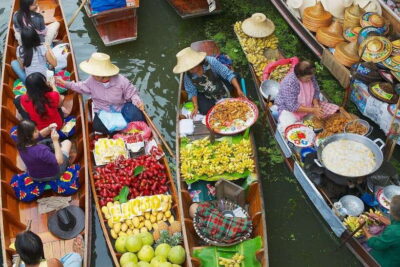
Damnoen Saduak Market and Maeklong Railway Market
Read our review →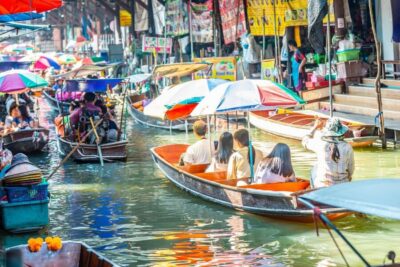
The Old Siam: Damnoen Saduak and Maeklong Railway Market
Read our review →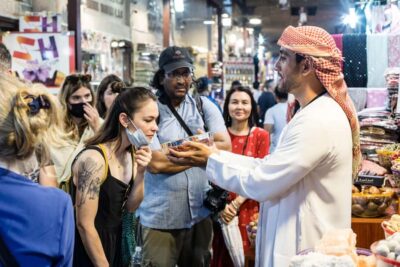
Old Town, Creek, Museums, Souks, & Street Food Tour
Read our review →Train Market & Floating Market with Boat Ride
Read our review →
Old Town, Souks, Street Food, Guided Tour & Abra Ride
Read our review →
Ayutthaya & Ayothaya Floating Market Day Trip
Read our review →
Frame Tickets, Creek, Souks & Blue Mosque Guided Tour
Read our review →
Hanoi Cooking Class: Culture, Local Market & Meaning CSR Impact
Read our review →Browse the lists this tour appears in