
Review · BAGMATI ZONE, NEPAL
Half Day Cooking Class in Thamel with Local Market Visit
Come hungry, leave with recipes. This three-hour cooking class combines a local market visit with hands-on Nepali and Newari cooking, giving you more than a meal in Thamel. I especially like the chance to prepare four traditional dishes, including momos on every menu, and the freedom to adjust chili and other ingredients to your taste.
I also like the small group limit of eight people and the relaxed, family-run feel described by past participants. A family of cooks grows its own spices, and the English-speaking instructors are praised for patient, friendly teaching. The main point to keep in mind is the market visit: it is part of the advertised experience, but one participant did not visit the market, possibly because the class took place on a Saturday morning.
Key Points Before You Book
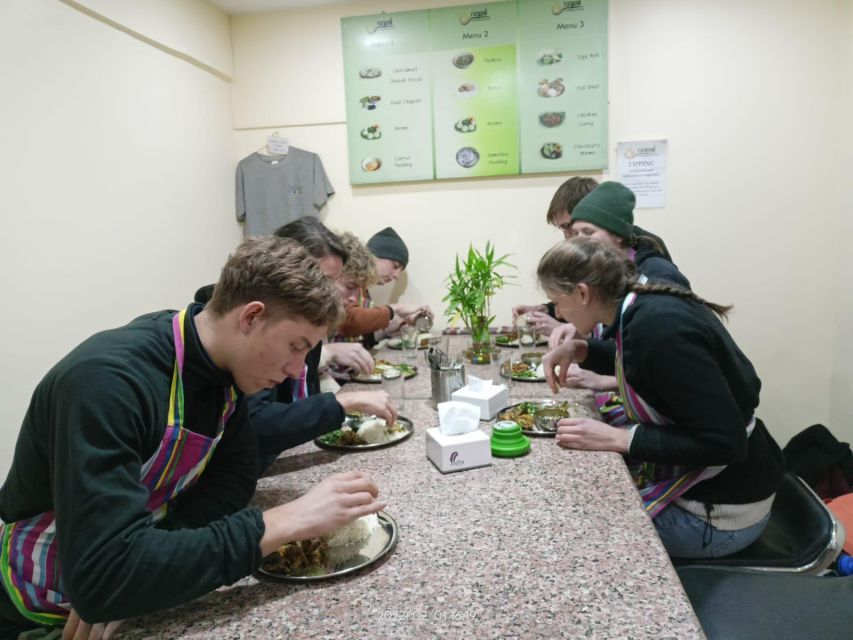
- Four dishes, cooked and eaten one at a time: Your food stays fresh and hot because you prepare a course, eat it, then move on to the next.
- Momos are included on every menu: You choose from three menus, but no menu leaves out Nepal’s famous dumplings.
- A small class makes hands-on cooking practical: With no more than eight participants, you should have room to work and ask questions.
- Three start times suit different days: Choose 9 am, 1:30 pm, or 4:30 pm, subject to availability.
- Market access may vary: The local market visit is included, but the timing or day may affect whether it happens.
- $21 is strong value for Thamel: The price includes ingredients, equipment, four courses, masala tea, water, instruction, and tasting your own food.
What This Thamel Cooking Class Actually Offers
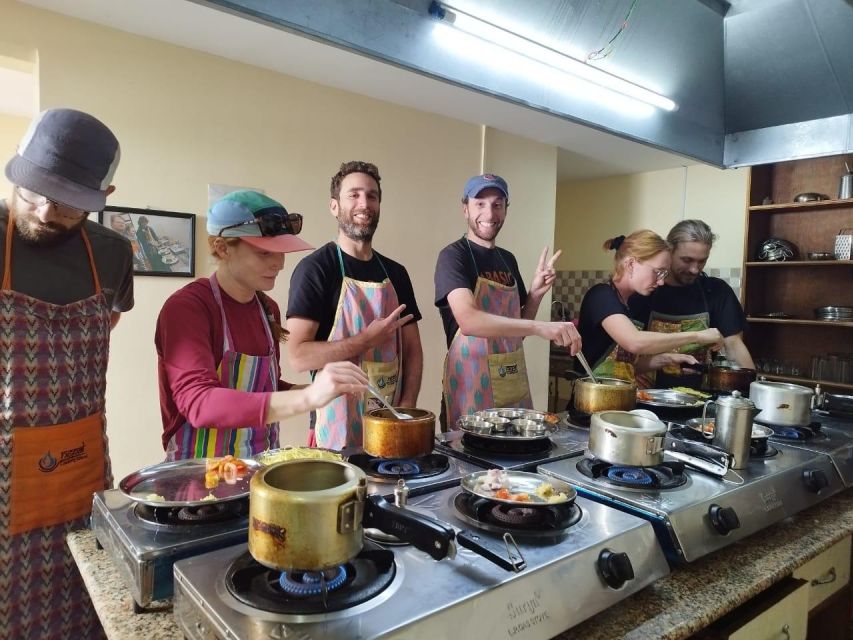
This is a short, practical cooking lesson rather than a formal culinary course. In about three hours, you learn about Nepali food, spices, and cooking methods while preparing a four-course meal with an English-speaking instructor.
That format suits you if you want to do the work yourself. You are not simply watching a chef prepare a plate while you take notes. The chef guides you through each step, and you cook each course before eating it.
The three available menus add useful variety. The exact dishes are not listed, but each menu contains four traditional Nepali and Newari dishes, and momos appear on all three. You can also adjust individual ingredients during the lesson. If you like chili, add more. If you prefer mild food, use little or none.
That flexibility matters. Nepali cooking often uses spices and chilies with a firm hand, and a dish that is comfortable for one person may be too hot for another. Here, you have some control over the final result.
The class also includes masala tea and drinking water. You should still arrive hungry. Four courses is a serious amount of food for a half-day activity.
More Farmers Market Tours in the world:
- Hanoi Cooking Class: Culture, Local Market & Meaning CSR Impact
★ 5.0 · 5,147 reviews - Cooking Class and Lunch at a Tuscan Farmhouse with Local Market Tour from Florence
★ 5.0 · 4,831 reviews - Chef Guided Food Tour of Pike Place Market
★ 5.0 · 3,733 reviews
The Local Market Visit in Thamel
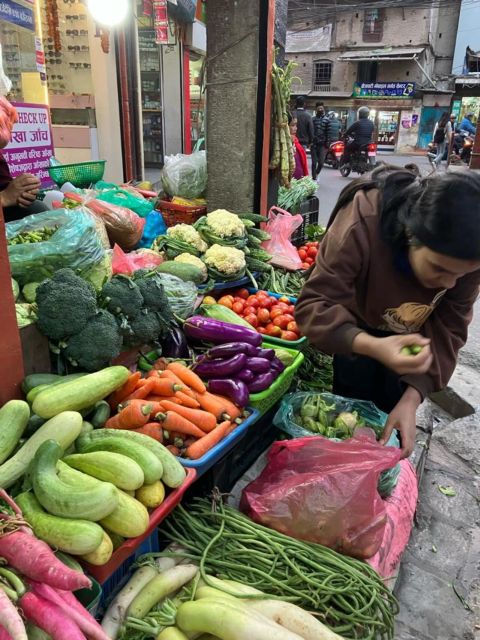
The class begins with a visit to a local market to see and select fresh ingredients. This is one of the most useful parts of the experience because it connects the finished dishes with the everyday ingredients behind them.
A market visit can help you understand the food before you cook it. Instead of hearing a list of spice names in a classroom, you get a chance to see what is being bought and used. You may also learn how ingredients fit into Nepali and Newari cooking, rather than treating each recipe as an isolated set of instructions.
The market portion should not be mistaken for a separate sightseeing tour. Its value is practical. It prepares you for the cooking class and gives the meal a stronger local connection.
There is one important qualification. The market visit did not take place for at least one participant, who suspected the Saturday morning schedule may have been the reason. If this part is especially important to you, ask the school to confirm the market plan for your chosen date and shift.
You should also be careful when buying spices. One participant found the spices offered for purchase expensive. The class may introduce you to ingredients worth taking home, but do not feel obliged to buy anything. Compare prices and only purchase what you genuinely want.
Choosing Between the Three Menus
You receive a choice of three menus, each built around four traditional dishes. That is better than being locked into one fixed meal, especially if you are traveling with someone who has different food preferences.
Momos are included in every menu, which is a smart choice. These filled dumplings are among the dishes many people most want to learn in Nepal, and missing them would be a disappointment for first-time visitors.
The exact menu choices are not provided, so you should check what is available when you book. The class allows some substitutions or adjustments within the menus, according to the information provided and the experience of one solo participant.
That flexibility can make the class work well for mixed groups. You may prefer less spice, while another person wants a stronger chili flavor. You may also have a food allergy or dietary restriction. Tell the cooking school in advance so the instructor can suggest alternative ingredients or make suitable arrangements.
Do not assume every substitution will be possible. The school can offer guidance, but the available choices may depend on the recipe, ingredients, and menu you select.
Cooking Four Courses, One at a Time
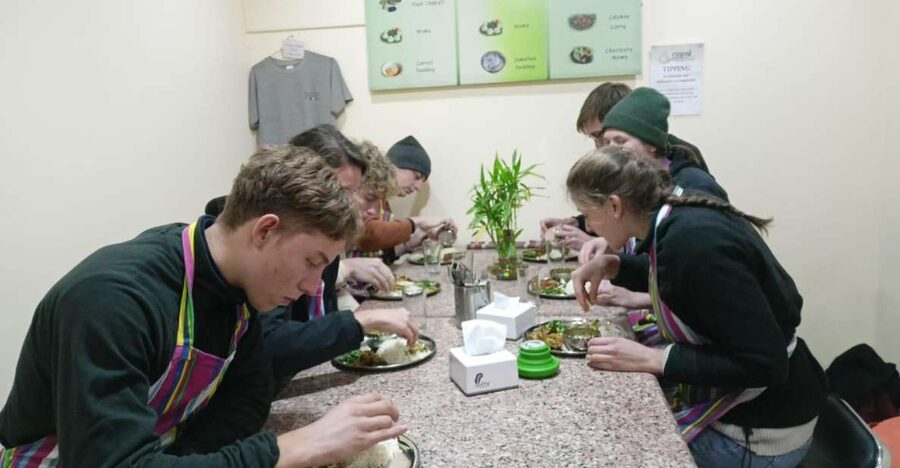
The best feature of the class is the way the meal is served. You prepare one course, eat it while it is fresh, and then continue with the next dish.
That method keeps the activity lively. You are not cooking everything at once and then sitting down to a meal that has been waiting. Each course gives you a separate lesson and a fresh chance to handle the ingredients.
The chef takes you through the process step by step. You learn by doing, which is helpful if you want to repeat the recipes at home. The class is designed for beginners and does not list any previous cooking requirement.
The small group size also helps here. With a maximum of eight participants, the instructor should be able to give individual help, though the exact amount of attention depends on the group and the pace of the lesson.
Past feedback gives the teaching a strong score. The instructors are described as kind, patient, and easy to follow, while the cooking itself is called interactive. One solo participant felt welcome from the first minute, which is useful information if you are booking alone.
The class also seems to have a social side without requiring you to arrive with a group. You cook alongside other participants, share the kitchen experience, and eat the results together.
More Cooking Classes in the world:
- 5 Traditional Dishes Hanoi Cooking Class with Market Trip
★ 5.0 · 4,890 reviews - Chiang Mai: Cooking Class, Market & Thai Herbs Garden Tour
★ 4.9 · 4,824 reviews - Chiang Mai: Authentic Cooking Class with Market & Farm Visit
★ 4.9 · 4,546 reviews - Barcelona: Paella Cooking Experience & Boqueria Market Tour
★ 4.8 · 3,661 reviews
Nepali and Newari Food in One Short Lesson
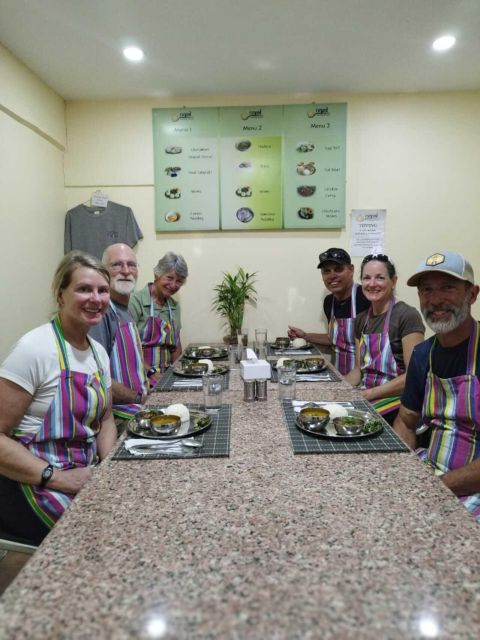
The class covers both Nepali and Newari food. That gives you a broader introduction than a lesson limited to one dish or one cooking style.
Nepali food is often closely tied to home cooking, family meals, spices, and practical preparation. Newari food adds another layer of local character, particularly valuable if you are spending time in the Kathmandu Valley.
The experience is not presented as an academic food lecture. Instead, the cultural information comes through the ingredients, recipes, and cooking methods. That approach suits you if you prefer useful context while working with your hands.
A family of cooks also grows its own spices, according to one participant. That detail adds interest to the lesson because it connects the recipes with the people teaching them. It does not turn the class into a farm visit, but it suggests that spices are more than decorative ingredients in this kitchen.
Expect an informal setting rather than a polished restaurant demonstration. One strong impression is that the class feels more like visiting friends who know how to cook than attending a stiff professional course. That atmosphere can make it easier to ask questions and try unfamiliar steps.
How the Timing Works
You can choose from three daily shifts:
- Morning at 9 am
- Afternoon at 1:30 pm
- Evening at 4:30 pm
The total experience lasts about three hours. The description also refers to a two to three-hour cooking class, so allow the full three hours when planning your day.
The morning class gives you the rest of the day afterward. The afternoon option fits neatly between sightseeing plans, while the evening shift can work as an early dinner activity.
The market visit may affect the rhythm of the class, so avoid booking another fixed activity too close to the end. You also need time to walk to the meeting point if you are being collected inside Thamel.
Pick-up is available inside Thamel on foot. Pick-up outside the Thamel area is not included, and no private transportation is provided. If you are staying elsewhere in Kathmandu, you need to make your own way to the meeting point.
The meeting location and exact walking arrangements should be confirmed before the class. The information provided does not give a detailed address or a precise meeting point.
What the $21 Price Includes
At $21 per person, this is a good-value activity in Thamel, especially if you count it as both a lesson and a substantial meal.
The price includes:
- A two to three-hour cooking class
- Four courses of food
- Ingredients and cooking equipment
- A local market visit
- An English-speaking instructor
- Walking pick-up inside Thamel
- Masala tea
- Drinking water
- Tasting your own creations
You are not paying just for a demonstration. You receive instruction, food, and the chance to prepare the dishes yourself. Four courses can also replace a restaurant meal, although you should not choose the class only as a cheap way to eat. Its main value is the combination of food and participation.
Alcoholic drinks are not included. Private transportation is also excluded, and pick-up outside Thamel costs extra or requires separate arrangements.
The price is particularly attractive for solo visitors. A solo participant described feeling included and well supported, and the small group format means you do not need to bring companions to make the class worthwhile.
The Market and Spice Buying Caveat
The one clear weakness is that the market visit may not happen exactly as expected. Since it is one of the main advertised features, this is worth checking before you commit.
The reason may be scheduling. A Saturday morning class apparently did not include the market stop, though the exact cause was not confirmed. Market conditions, opening times, or the selected shift could affect the plan.
The other caution concerns spice purchases. You may be tempted to buy the ingredients used in class, but one participant felt the spices were expensive. Treat the buying opportunity as optional, not as part of the value you must recover.
You can still enjoy the class if the market portion is shortened or missed, since the cooking lesson remains the main activity. But if you specifically want to see where fresh ingredients are bought, contact Nepal Cooking School before booking and ask for confirmation.
Who Will Enjoy This Class Most
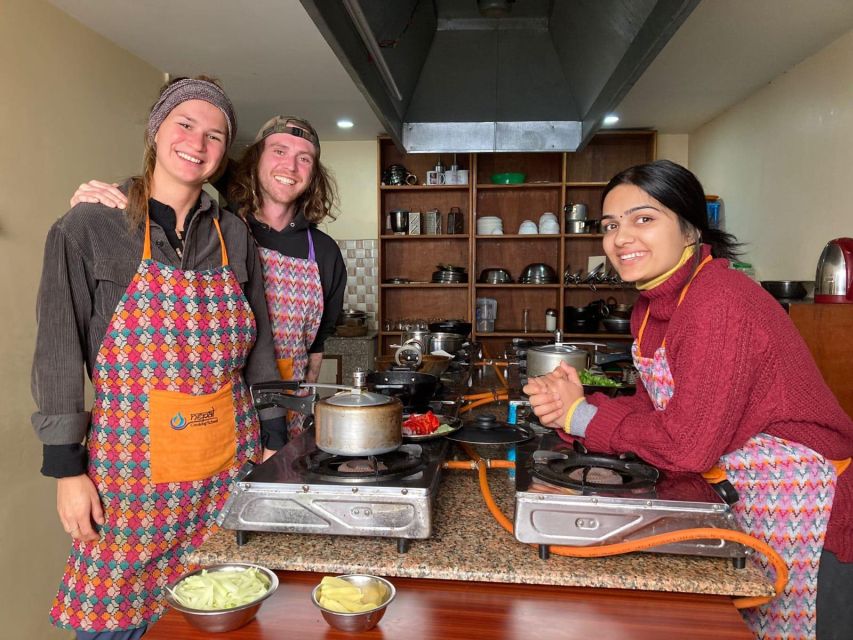
I would recommend this experience to you if you want a hands-on introduction to Nepali cooking without giving up half a day of sightseeing.
It works especially well for:
- First-time visitors to Nepal
- Solo visitors who want a friendly group activity
- Couples and small groups
- People who enjoy momos and spicy food
- Beginners who want clear, guided instruction
- Anyone curious about Nepali and Newari dishes
- Visitors staying in or near Thamel
The class may be less suitable if you want advanced culinary training. The available information describes a friendly, practical lesson, not a professional cooking qualification or a long technical course.
It may also be a poor fit if you have strict dietary needs that cannot be adjusted. You should tell the school about allergies and restrictions before arrival and ask what substitutions are possible.
Practical Tips for a Better Visit
Book the shift that matches your appetite and schedule. The morning class is useful if you want a free afternoon, while the evening class can function as dinner. The afternoon class is a good middle option, but keep your schedule flexible around the three-hour duration.
Wear clothes you can cook in comfortably. The official advice specifically asks you to bring a camera, so you can record the market, ingredients, cooking process, and finished dishes. Keep your camera or phone out of the way while working.
Tell the instructor how much heat you enjoy. You have the option to add more or less chili, so there is no reason to suffer through a dish that is too hot.
If you are traveling alone, do not be put off by the group format. The limit of eight people keeps the class small, and the warm welcome described by a solo participant suggests you will not be left on the edge of the activity.
Finally, confirm the market visit if it is central to your decision. It is the only part of the advertised plan that may vary.
Should You Book the Thamel Cooking Class?
Yes, if you want a friendly, affordable, hands-on taste of Nepal.
For $21, you receive a small-group class, four courses, ingredients, equipment, tea, water, and a chance to eat what you make. The strongest reasons to book are the patient instruction, the choice of three menus, the adjustable spice level, and the promise of momos every time.
I would be slightly more cautious if the market visit is your main reason for booking. Confirm it first, particularly for a Saturday morning class. Also ask about menu choices and dietary adjustments before you pay.
With a 4.5 rating from six ratings and several very positive comments about the food, staff, and interactive format, this looks like a solid Thamel activity. Book it when you want to trade a standard restaurant meal for a useful skill, a generous lunch or dinner, and a better understanding of what is on your plate.
FAQ
How long does the cooking class last?
The full experience lasts about three hours. The cooking portion is described as taking two to three hours.
What time does the class start?
There are three available shifts: 9 am, 1:30 pm, and 4:30 pm. Starting times depend on availability.
How many people are in the class?
The class is limited to eight participants, making it a small-group experience.
Are momos included?
Yes. Momos are included on each of the three available menus.
Is transportation included?
Walking pick-up is included inside Thamel. Pick-up outside Thamel and private transportation are not included.
What does the price include?
The $21 price includes the cooking class, four courses, ingredients, equipment, local market visit, English-speaking instructor, walking pick-up inside Thamel, masala tea, drinking water, and tasting your own creations. Alcoholic drinks are not included.
Just added around the world
- Half-day Dandan Noodles Cooking Class with a Local Market Visit★ 5.0 · 8 reviews
- Three-Hour Private Chengdu Tea Wholesale Market Tour★ 5.0 · 4 reviews
- 3-Hour Herbal Wholesale TCM Market and a Local Wet Market Tour★ 5.0 · 4 reviews
- Moroccan Cooking Class with a Local Family & Market Visit★ 5.0 · 16 reviews
- Charleston International Sweet Treats & Historic City Market Tour★ 5.0 · 22 reviews
- Chania Old Town, Public Market and Chrisopigi Monastery Tour★ 4.5 · 6 reviews
- Chania: Old Town, Public Market, Hill of Prophet Elias, Agia Triada★ 5.0 · 35 reviews
- Cesarine: Market Tour & Home Cooking Class in Catania★ 4.0 · 6 reviews
Local & Farmers Market Tours, compared.
Hanoi Cooking Class: Culture, Local Market & Meaning CSR Impact
Read our review →
Cooking Class and Lunch at a Tuscan Farmhouse with Local Market Tour from Florence
Read our review →
Cooking Class Hoi An:Local Market, Basket Boat, Fishing & Cooking
Read our review →
London Bridge & Borough Market Food Tour with 7 Authentic Dishes
Read our review →
Hoi An Cooking Class(Local market,Basket Boat,Fishing & Cooking)
Read our review →
Browse the lists this tour appears in