
Review · PERU
Cooking class and market tour with a local chef
Food is Cusco’s best classroom. This four-hour experience pairs a walk through San Pedro Market with hands-on cooking led by Ronal, a professional chef born in Cusco. I like the direct link between the market and the kitchen: you see the fruits, cheeses, potatoes, herbs, and other ingredients before using them. I also like the care given to dietary needs. The main drawback is that $57 is not a bargain by Cusco standards, especially since transportation is not included and only one cocktail comes with the meal.
You meet at Calle San Juan de Dios 264, across from the Aranwa Boutique Hotel, then spend the morning or afternoon learning about local food and preparing a starter, main course, and drink. Ronal’s friendly teaching style is a major part of the appeal, but this is still a cooking class, not simply a market walk followed by lunch. You will chop, mix, season, and cook, so come ready to take part.
Key points at a glance
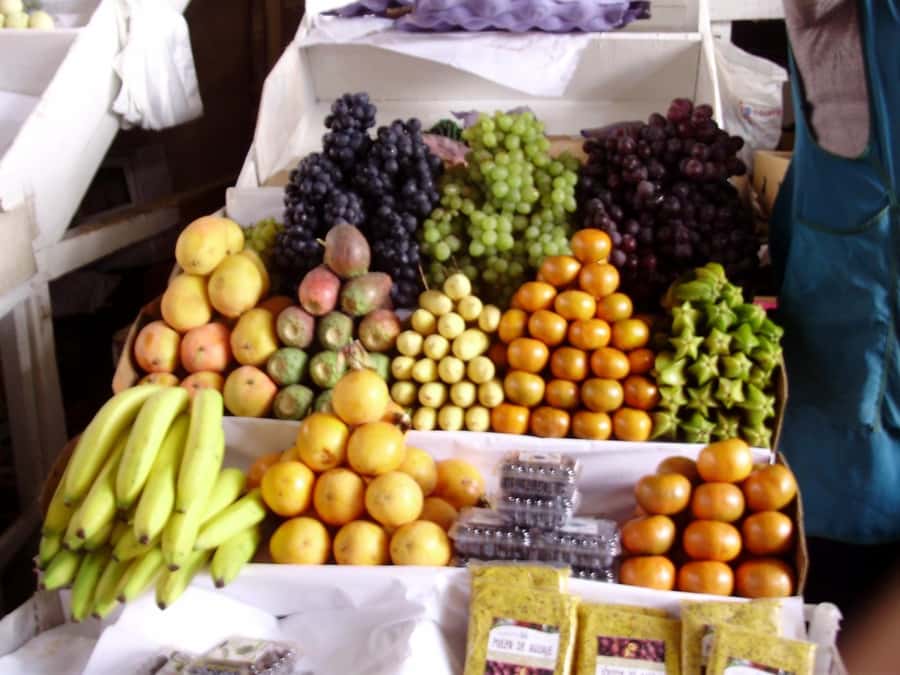
- San Pedro Market comes first: Taste local fruits, cheese, bread, and other ingredients while learning how Cusco shops and eats.
- Choose your main dish: Prepare either lomo saltado or ceviche, with vegetarian adaptations available.
- The starter is rocoto relleno and causa: You learn two Peruvian preparations before sitting down to eat.
- Make a pisco drink: Choose pisco sour, passion fruit sour, or a nonalcoholic fruit drink with honey.
- Ronal teaches more than recipes: Expect practical cutting advice, food stories, cultural context, and tips about altitude and local herbs.
- Small-group feel: Some sessions have been private or nearly private, while others bring solo visitors and families together.
Starting at San Juan de Dios Street
The meeting point is easy to identify if you follow the instructions carefully: Calle San Juan de Dios 264, in front of the Aranwa Boutique Hotel. Look for the glass and wooden door across the street. It has no large sign, so the address matters more than a flashy storefront.
Transportation is not included, which is reasonable for a centrally located activity, but you need to make your own way there. Give yourself a little extra time if you are still learning Cusco’s streets. The class lasts four hours, so it makes sense to book it on a day when you are not racing to a train, museum, or evening reservation.
The activity is offered in English and Spanish. The chef’s role is important here. You are not just following a recipe card while someone cooks in the background. Ronal demonstrates techniques, answers questions, tastes the food as it develops, and adjusts his explanations to the group.
More Cooking Classes in Peru:
- Cusco: Peruvian Cooking Class, Cocktails & Local Market Tour
★ 4.9 · 512 reviews - Market Tour, Tasting of 35 Fruits, and 4-Course Peruvian Cooking Class in Lima
★ 5.0 · 86 reviews - Cusco: Peruvian Cooking Class & Market Tour
★ 4.9 · 19 reviews
San Pedro Market, where the ingredients make sense
The market visit gives the cooking class its local footing. Instead of starting with neatly packaged ingredients, you encounter the foods in the setting where people buy them. The walk includes fruit, vegetables, meat, cheese, herbs, bread, and other products, along with tastings of local fruits and cheeses.
I especially like this part for anyone unfamiliar with Peruvian produce. Peru is famous for potatoes, and one useful fact shared during the market visit is that the country has thousands of potato varieties. You begin to see why a potato cake such as causa is not just a side dish. It reflects an ingredient with an enormous place in Peruvian food.
The fruit tasting also adds value. Several participants enjoyed trying ripe, fresh Peruvian fruit and learning how different ingredients are used. This is a good chance to ask questions about unfamiliar produce before you encounter it on restaurant menus.
The market can be more crowded later in the day. If you have a choice, a morning session may offer a calmer look at the stalls and a wider sense of the shopping routine. That is useful if you want to listen closely rather than hurry through the aisles.
There is one point to keep in mind. A traditional market shows real food culture, which can include meat and animal products that may be unfamiliar to you. The experience is not designed to hide that side of local eating. If you prefer a strictly vegetarian setting, explain your needs before the class.
Preparing rocoto relleno and causa
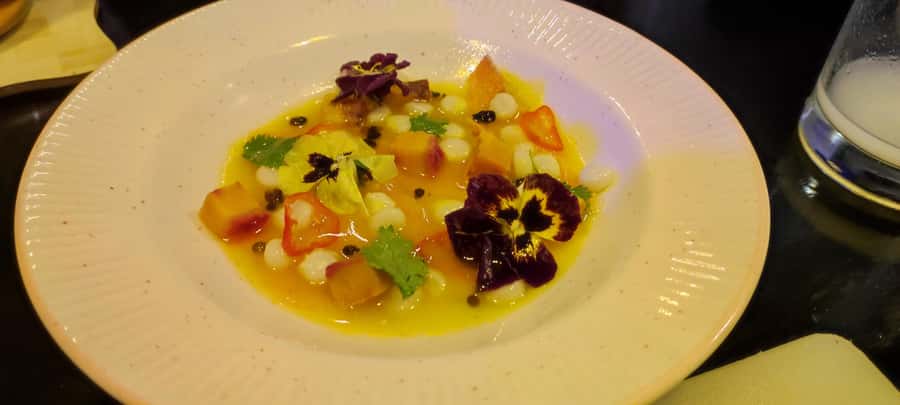
The first food course is built around two Peruvian classics: rocoto relleno and causa rellena.
Rocoto relleno is a stuffed chili prepared with meat, onions, peas, carrots, peanuts, and raisins, then covered with local cheese and baked. Rocoto peppers are known for their heat, so this dish is a useful introduction to the balance of spice, savory filling, sweetness, and cheese.
The class also includes causa rellena, a potato cake made with yellow chili sauce. It is filled with ingredients such as avocado, fish tartare, mayonnaise, and spices. Depending on dietary needs, the fillings can be adapted.
This is where the class works well for beginners. You receive help with basic knife work and preparation, while more experienced home cooks can still pick up useful techniques. The lesson is hands-on without requiring professional kitchen skills. You do not need to arrive knowing how to make Peruvian food.
The starter is the same for everyone in the standard menu, but the wider meal can be adjusted. Vegetarian, allergy-friendly, gluten-free, dairy-free, and other adaptations have been handled in past sessions. Still, do not wait until you arrive to explain a serious allergy. Tell the operator when booking and remind the chef at the start.
Choosing between lomo saltado and ceviche
For the main course, you choose between lomo saltado and ceviche before cooking begins.
Lomo saltado is a hearty stir-fry of beef tenderloin, onions, tomato, soy sauce, oyster sauce, vinegar, rice, and native potato fries. It reflects the meeting of Peruvian ingredients and Chinese-Peruvian cooking methods. If you like hot, savory food with a substantial portion, this is probably the safer choice.
Ceviche offers a fresher and sharper meal. The version here uses trout, mango, avocado, lime juice, onions, celery, ginger, corn, and sweet potato. The combination gives you acidity, sweetness, creaminess, crunch, and heat in one plate.
The choice matters because the two dishes teach different skills. Lomo saltado involves managing heat and timing in a pan. Ceviche depends on balance, freshness, cutting, and the effect of lime juice. The class gives you a better understanding of why Peruvian ceviche tastes different from a generic seafood salad.
Vegetarian options are available, and the chef can adapt the dishes for food restrictions. That flexibility is one of the strongest practical reasons to book this class instead of choosing a fixed-menu food experience.
A few more market tours around Peru worth a look
- Pisac Indian Market and Ollantaytambo Fortress with Lunch
★ 4.5 · 395 reviews - Lima: Historic Center Street Food, Market, and Eateries Tour
★ 4.9 · 216 reviews - Cusco City Sightseeing, San Pedro Market, Cathedral and Qorikancha Temple
★ 4.5 · 139 reviews - Belen Market & Floating City 2-3 Hour Private Tour
★ 4.9 · 38 reviews
Mixing a pisco sour or passion fruit drink
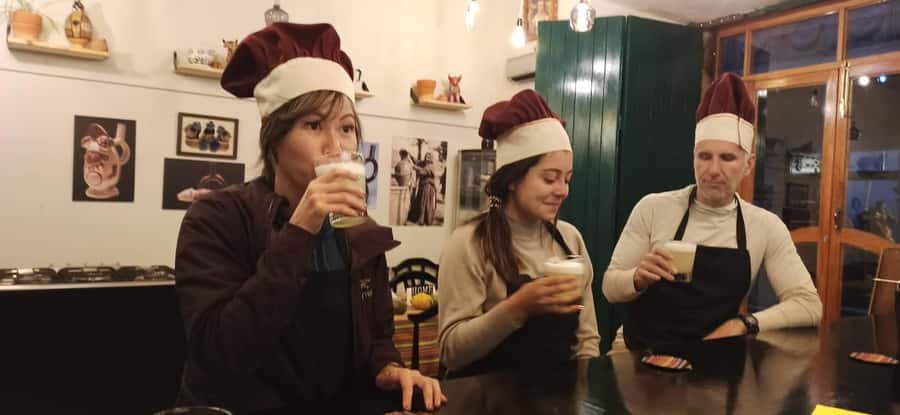
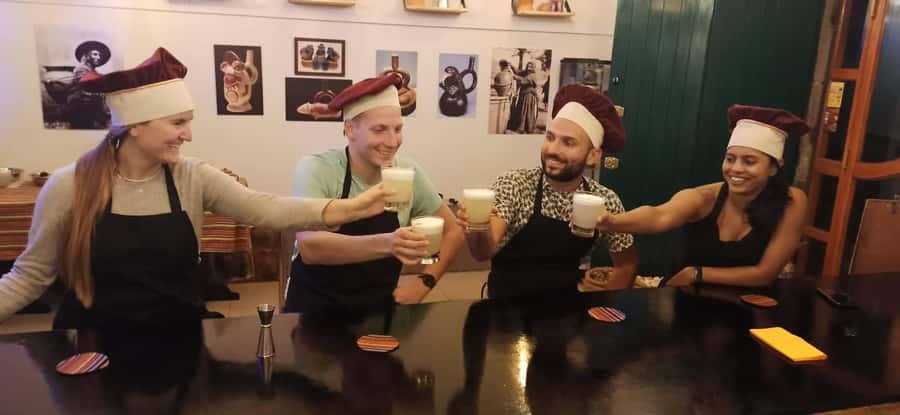
You also prepare one drink. The alcoholic choices are a classic pisco sour or a passion fruit sour. Both use pisco, Peru’s grape-based national spirit. The classic version combines pisco with lime, syrup, and egg white. The passion fruit version adds fresh passion fruit juice.
If you do not drink alcohol, you can choose a fruit-based drink made with Peruvian fruit and honey. That makes the activity workable for people who want the cocktail lesson but not the alcohol.
The drink portion is fun and practical, though the value-minded should note that only one cocktail is included. One person found a second pisco sour would have made the price feel stronger. I agree that this is the clearest limitation in the food and drink package, although the class also includes the market visit, ingredients, instruction, utensils, apron, water, starter, and main dish.
Alcohol and drugs are not allowed beyond the included cocktail experience. If you are visiting Cusco while managing altitude, it is sensible to take the alcohol portion slowly.
Ronal’s approach to teaching
Ronal is the central reason this activity feels personal rather than mechanical. He was born in Cusco and connects the food to local culture, history, ingredients, and daily life. His advice goes beyond recipes, including kitchen tips, cutting methods, local herbs, and suggestions related to altitude sickness.
Several details make the instruction useful. He tastes the food during preparation, explains what needs adjusting, and helps people who are less comfortable with knives or basic cooking tasks. That support makes the class friendly for beginners without making experienced cooks feel ignored.
The group setup can vary. Some morning bookings have turned into private lessons when only one or two people attended. Other sessions brought together solo visitors, couples, families, and mixed-age groups. Solo visitors may find this a natural way to meet people, since everyone works toward the same meal.
The kitchen has been described as clean, cozy, and well equipped. Aprons and kitchen and bar utensils are provided. Recipes may be sent by email afterward, which is a meaningful extra because you can recreate the dishes at home rather than leaving with only a pleasant memory.
What the $57 price really buys
At $57 per person, this is not the cheapest way to eat in Cusco. You could find a filling local meal for far less. The question is what you want from the afternoon or morning.
The price includes a professional chef and guide, a market visit, fresh ingredients, kitchen and bar equipment, an apron, water, one cocktail or nonalcoholic drink, the starter, and the main course. You are also paying for instruction and the chance to ask questions about Peruvian food in real time.
I consider the price fair if you value participation and cultural context. It is especially good value for people with food allergies or specific dietary needs, since the chef can adjust dishes rather than leaving you with a token side plate.
It is less compelling if you only want a market tour or a large restaurant meal. The cooking takes time, and you must be willing to work. You are not simply seated while a chef performs.
Timing, altitude, and practical limits
The activity lasts four hours, with starting times based on availability. A morning class may suit you if you want a quieter market visit and lunch afterward. An afternoon session may work better if you prefer a slower start.
Cusco’s altitude deserves attention. The operator can offer natural medicine for altitude sickness and digestive teas, but this should not be treated as medical care. The activity is listed as unsuitable for people with altitude sickness, so wait until you feel stable before booking an active food class.
The age restrictions are unusually broad and inconsistent in the supplied information. The activity is described as unsuitable for children under 2, 3, 5, and 6 years, as well as babies under 1, and for people over 70. Because those limits conflict, confirm the current rule before booking for a young child or older adult.
People over listed weight limits of 135, 140, and 150 kilograms are also told not to participate. Again, confirm the applicable limit directly if it concerns you. Baby strollers and carriages are not allowed.
Free cancellation is available up to 24 hours before the start time, and you can reserve now and pay later. That gives you some room to watch your Cusco schedule and altitude adjustment.
Who should book this Cusco food experience?
I would choose this class early in a Cusco visit if I wanted an introduction to local ingredients. It can help you recognize dishes and products for the rest of your trip. Booking it later also works if you want a final food memory and recipes to take home.
This is a strong fit for:
- First-time visitors to Peruvian cuisine
- Solo visitors who enjoy social activities
- Couples and families with older children
- Vegetarians and people with food restrictions
- Home cooks who want practical techniques
- Anyone curious about markets, fruit, potatoes, and local food customs
I would think twice if you have severe altitude symptoms, dislike handling meat or seafood, need a completely private experience, or want a purely passive tour. The class is adaptable, but it is still built around cooking and tasting.
Should you book it?
Yes, if you want more than a meal. The market visit, hands-on preparation, and conversation with a Cusco-born chef give the experience real substance. The strongest parts are the ingredient tastings, Ronal’s patient instruction, the choice between lomo saltado and ceviche, and the ability to adapt the menu.
The $57 price is fair for a four-hour activity with food, a drink, equipment, and a professional guide, though the lack of transportation and single-cocktail limit keep it from being an automatic bargain. Book it early if food is a major part of your trip, and tell the operator about dietary needs and age concerns before confirming.
FAQ
Where does the cooking class meet?
The meeting point is Calle San Juan de Dios 264 in Cusco, in front of the Aranwa Boutique Hotel. Look for a glass and wooden door across the street with no advertising.
How long does the experience last?
The activity lasts four hours.
What languages are offered?
The class is offered in English and Spanish.
What dishes can I prepare?
The starter includes rocoto relleno and causa rellena. For the main course, you choose between lomo saltado and ceviche, with adaptations available for dietary needs.
What drinks can I make?
You can choose a classic pisco sour, a passion fruit sour, or a nonalcoholic drink made with Peruvian fruit and honey.
Is transportation included?
No. You arrange your own transportation to and from the meeting point.
Can the menu accommodate dietary restrictions?
Yes. Vegetarian options are available, and the chef can adapt the food for allergies and other dietary restrictions. Tell the operator about your needs before the class.
Is the activity suitable for people with altitude sickness?
No. The activity is listed as unsuitable for people with altitude sickness. Natural medicine for altitude sickness and digestive teas may be available, but these do not replace medical advice.
Can I cancel or pay later?
You can cancel up to 24 hours before the activity for a full refund. Reserve now and pay later is also available.
Just added around Peru
- Lima: Food Tour on Local Market★ 5.0 · 8 reviews
- Lima: Peruvian cooking class and tour of Surquillo market★ 5.0 · 2 reviews
- Lima: Market Tour and Cooking Class with Pisco Sour★ 5.0 · 3 reviews
- Full Day Lima: Local Market+ CityTour+ Barranco & Miraflores★ 5.0 · 3 reviews
- Lima Food Experience with local Markets & Barranco Tour★ 5.0 · 2 reviews
- Lima: Market Tour, 35 Fruits Tasting & Cooking Class★ 5.0 · 3 reviews
- Cusco: Peruvian Cooking Class & Market Tour★ 4.9 · 19 reviews
- Cusco: Coricancha, Cathedral & San Pedro Market Walking Tour★ 5.0 · 2 reviews
Cooking Classes, compared.
Hanoi Cooking Class: Culture, Local Market & Meaning CSR Impact
Read our review →
5 Traditional Dishes Hanoi Cooking Class with Market Trip
Read our review →
Cooking Class and Lunch at a Tuscan Farmhouse with Local Market Tour from Florence
Read our review →
Cooking Class, Market & Thai Herbs Garden Tour
Read our review →
Authentic Cooking Class with Market & Farm Visit
Read our review →
Paella Cooking Experience & Boqueria Market Tour
Read our review →
Cooking Class Hoi An:Local Market, Basket Boat, Fishing & Cooking
Read our review →
Hoi An Cooking Class(Market,BasketBoat Crabfishing&Cooking Class)
Read our review →Browse the lists this tour appears in