
Review · PERU
Lima: Food Tour on Local Market
Come hungry, and let Lima feed you. This three-hour walk links Barrios Altos, Chinatown, Central Market, and neighborhood food stalls, giving you a useful first look at Lima through what people actually eat. I especially like the nine tastings, from ceviche and papa rellena to lucuma juice, anticuchos, and picarones. I also like the way the route connects food with Chinese-Peruvian culture instead of treating the meal as a string of unrelated samples.
The main drawback is pace. You cover several areas and eat a lot in three hours, so this is not a slow restaurant crawl. The route may also feel more comfortable for people who enjoy busy city streets and open-air food stops than for anyone wanting polished dining rooms. One booking was described as taking about two hours, although the advertised duration is three hours, so allow the full time and expect some variation.
Key points to know before you book
- Nine local tastings are included, with ceviche, choclo con queso, papa rellena, siu mai, min pao, lucuma juice, anticuchos, picarones, pan con chicharrón, and emoliente among the food stops.
- Barrios Altos and Chinatown give the tour more depth than a simple market visit, showing how Lima’s food reflects both Peruvian and Chinese traditions.
- The food is included in the $75 price, but the optional Pisco Sour costs extra.
- Guide quality is a strong point, with English and Spanish tours led by a certified guide. Giovanna is specifically praised for her warmth and clear explanations.
- You should eat lightly beforehand, since the tastings add up quickly.
- The tour returns to Jr. Cusco 400, and transportation to or from the meeting point is not included.
Why this Lima food tour works as an introduction
Lima can be hard to understand in a short visit. The city is large, crowded, and spread across districts with very different feels. A food walk gives you a practical way in. You are not just sampling dishes. You are seeing where ingredients are sold, learning how Chinese cooking shaped local food, and hearing stories about daily life in Peru’s largest city.
I like that this route does not stay in one market. You move through Barrios Altos, Chinatown, Central Market, restaurants, and a park. That variety helps you compare formal food traditions with quick street snacks. It also gives you a clearer sense of Lima as a living city rather than a backdrop for a meal.
The tour is sold as one of Peru’s top experiences, listed as number 10 in the country. That ranking is promotional, so I would not use it as the main reason to book. The useful point is simpler: the experience packs a lot of recognizable Peruvian food and cultural context into a short period.
Your guide speaks English or Spanish and leads the group on foot. A strong guide matters here because some snacks may be familiar by name but less familiar in preparation. The best moments come when you learn why a dish is eaten, how a vendor prepares it, or how an ingredient fits into Peruvian life.
More Farmers Market Tours in Peru:
- Cusco: Peruvian Cooking Class, Cocktails & Local Market Tour
★ 4.9 · 512 reviews - Full Day Lima: Local Market+ CityTour+ Barranco & Miraflores
★ 5.0 · 3 reviews - Hanoi Cooking Class: Culture, Local Market & Meaning CSR Impact
★ 5.0 · 5,147 reviews
Starting in Barrios Altos with choclo and papa rellena
The meeting point is Jr. Cusco 400. From there, the route begins with a walk through Barrios Altos, an area known here for its historic streets and local food stops.
Your first bites include choclo con queso and papa rellena. Choclo con queso pairs large-kernel Peruvian corn with cheese. It is a straightforward introduction to the country’s love of potatoes, corn, and filling snacks. Papa rellena is more substantial, with seasoned filling inside a potato mixture that is cooked until firm and golden.
These early tastings set the right tone. You begin with food that feels connected to ordinary local eating rather than a dish designed only for tourists. Since the route covers several stops, do not treat the first samples as a full meal. Take small bites and save room.
The walk through Barrios Altos is part of the point. You are not simply being driven from one restaurant to another. You see the streets between stops and hear explanations about the area as you go. The itinerary describes this as a leisurely stroll, but the total number of food stops means the day still has a clear forward rhythm.
Ceviche in the middle of the city
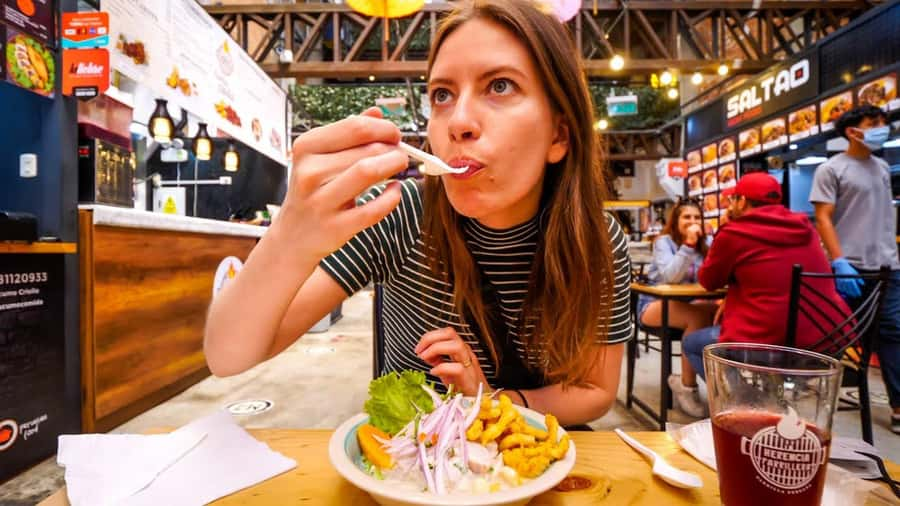
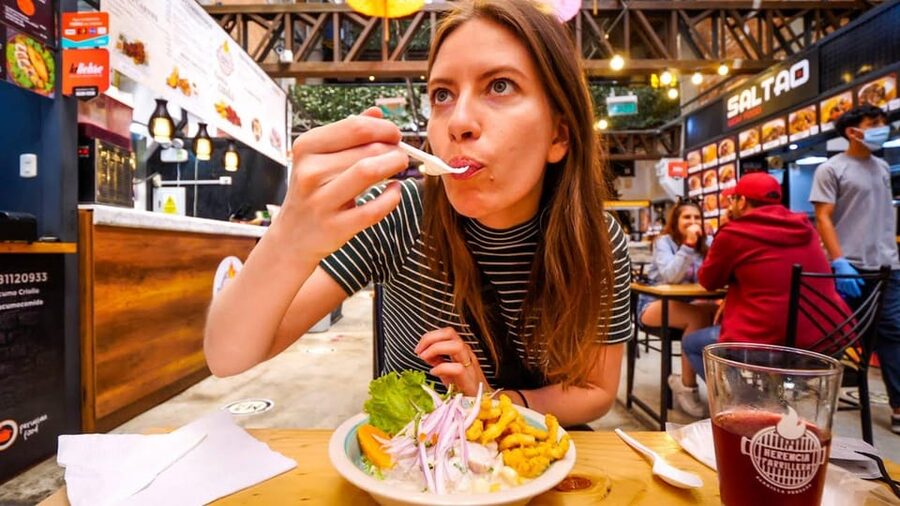
The next major food stop is ceviche. Lima is closely associated with this dish, so trying it during a city food walk makes sense. You get to sample a fresh preparation rather than only hearing about it in a cooking class or reading it on a menu.
The useful advantage here is context. Your guide can explain the dish while you are tasting it, then connect it to the wider food culture around you. Ceviche also gives the tour a different texture and flavor from the heavier potato and fried snacks served earlier.
Food safety and personal comfort matter with any raw seafood tasting. The supplied information does not provide a special seafood alternative, so tell the operator about dietary restrictions when you book. Do not assume that every substitution is available at every stop.
Chinatown and the Peruvian-Chinese connection
Lima’s Chinatown is one of the most interesting parts of the route because it shows that Peruvian food is not a closed tradition. Chinese communities have influenced the city’s cooking, and the tour uses that connection to explain the exchange between the two cultures.
Here you taste siu mai and min pao. These samples help you notice the contrast between Chinese-style dumplings and buns and the Peruvian foods served elsewhere on the walk. The point is not to label one food as purely Chinese and another as purely Peruvian. It is to see how food traditions meet, adapt, and become part of city life.
I would pay close attention during this section. The food is only half of what makes Chinatown worthwhile. The guide’s explanations about Chinese culture and its influence on Peruvian society are what turn a snack stop into a cultural lesson.
The tour stays focused on food, so do not expect a long historical visit with extensive museum-style commentary. You are walking, tasting, and moving on. That is good for a first orientation, but people who want a detailed architectural or political history of Lima will need a separate tour.
More Street Food Market Tours in Peru:
- Lima: Historic Center Street Food, Market, and Eateries Tour
★ 4.9 · 216 reviews - Lima Street Food Tour Beyond Netflix
★ 5.0 · 117 reviews - Dubai: Old Town, Creek, Museums, Souks, & Street Food Tour
★ 4.8 · 10,816 reviews - Dubai: Old Town, Souks, Street Food, Guided Tour & Abra Ride
★ 4.9 · 7,170 reviews
Central Market and lucuma, anticuchos, and picarones
Central Market brings the strongest market element to the experience. You can expect the smells of spices and traditional ingredients, along with the visual energy of a working food market. This is where the tour feels most connected to shopping and daily cooking.
A lucuma juice is one of the featured tastes. Lucuma is a Peruvian fruit with a distinctive sweet flavor, and trying it as a drink gives you a simple way to encounter an ingredient you may not see often outside Peru. The route also includes seasonal exotic fruits later, so fruit lovers get more than one chance to try something unfamiliar.
Anticuchos are another key stop. These grilled skewers are a famous Peruvian street food, and the experience includes a chance to help prepare your own. That small hands-on element makes the stop more memorable than receiving another ready-made sample. It also lets you see the food as something made by people in the city, not just presented for tasting.
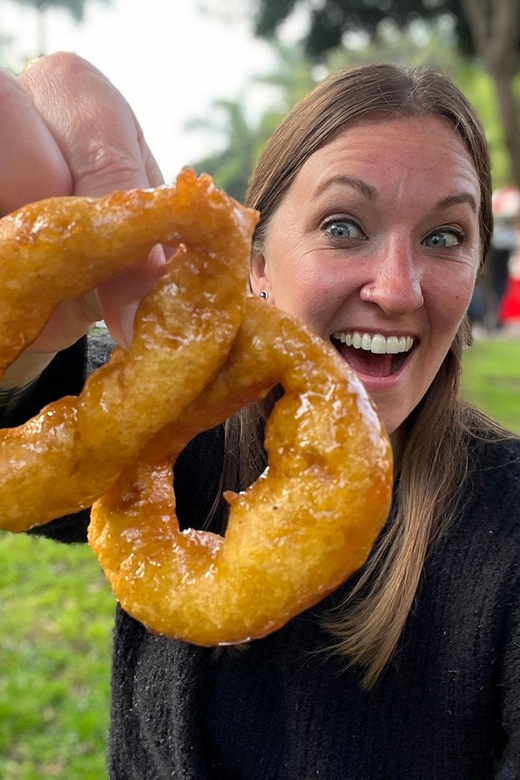
Picarones provide the sweet finish to this section. This traditional dessert is commonly associated with fried dough and sweet syrup, though the exact serving details can depend on the vendor. After the savory foods, it gives your palate a change of direction.
The order and portions are important. Nine tastings can sound modest on paper, but ceviche, anticuchos, pan con chicharrón, drinks, and desserts add up. Eat a light breakfast or snack before you arrive, but do not come on an empty stomach if you tend to feel unwell while sampling rich or unfamiliar foods.
Chinitos for pan con chicharrón and emoliente
The stop at Chinitos restaurant adds a more established food business to the market and street stalls. Here you try pan con chicharrón with emoliente.
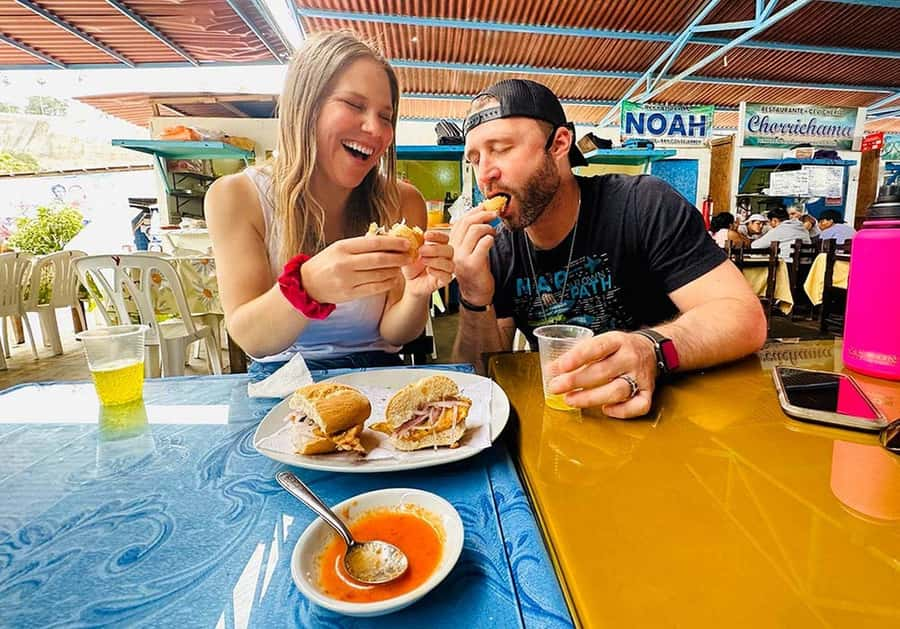
Pan con chicharrón is one of Lima’s well-known sandwich combinations. The pork gives the tasting more weight than the earlier small bites, while emoliente offers a traditional warm drink to pair with it. Together, they show how a quick meal can be both filling and distinctly local.
This is one of the moments when the $75 price becomes easier to assess. You are not paying only for a guide who points out food. The fee includes food at several stops, a restaurant tasting, drinks, market visits, and interpretation in English or Spanish.
Still, value depends on how much you eat and how much guidance you want. If you already know Lima’s food well, you may prefer to order individual dishes on your own for less. If this is your first day in the city, the range of tastings and the explanation between stops can justify the higher cost.
Ending at Bolivarsito and the optional Pisco Sour
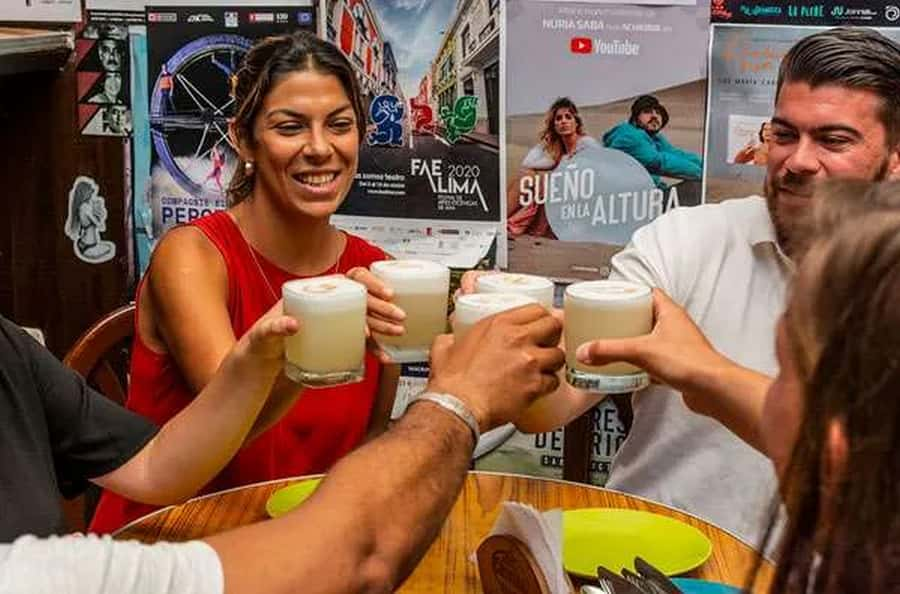
The final stop is Bolivarsito Bar. You have the option to try seasonal exotic fruits and order a Pisco Sour. The Pisco Sour is not included, so bring that extra cost into your decision if it is part of your plan.
I like ending with fruit because it gives the meal a lighter close. Seasonal produce can vary, and the supplied details do not name the exact fruits you will receive. That uncertainty is normal for a market-based experience. It also means the final tasting may change with availability.
A park visit follows as part of the closing stretch. You can enjoy your fruit, listen to popular Peruvian music, and watch local city life around you. This gives the tour a less hurried final note after the market and restaurant stops.
The park is not presented as a major sightseeing attraction, so keep expectations in check. Its value is the setting: a public place where food, music, and everyday city culture come together.
What the $75 price includes
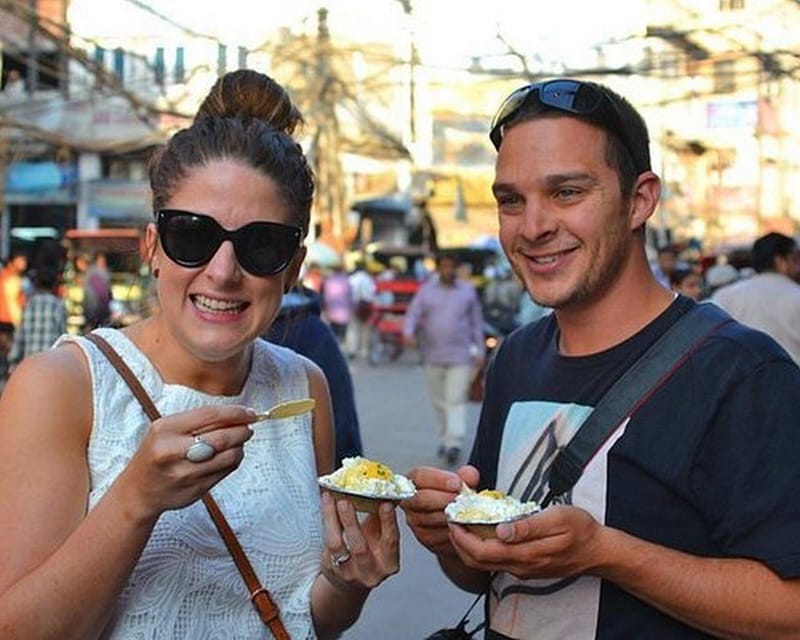
At $75 per person, this is not the cheapest way to eat in Lima. You could buy individual street snacks for much less. The price makes more sense if you value the guide, the route, and the chance to try nine items without having to plan each stop yourself.
The food is included, which removes the uncertainty of paying separately at every vendor. A certified English or Spanish-speaking guide is also included. That is useful in a market, where explanations, ordering, and food names can otherwise be difficult.
Transportation is not included. You need to reach Jr. Cusco 400 on your own, and the tour returns there. Plan your day around that point rather than assuming a hotel pickup or drop-off.
The optional Pisco Sour is also separate. If you want one, ask about its price before ordering. The activity offers free cancellation up to 24 hours in advance and allows you to reserve without paying immediately, which is useful if your Lima schedule is still changing.
Who will get the most from this experience
I would choose this tour for a first visit to Lima, especially if you want a quick introduction to local food without committing to a formal tasting menu. It suits people who like walking, sampling small portions, and asking questions along the way.
It also works well for anyone curious about the Chinese influence on Peruvian cooking. The Chinatown stop gives the route a cultural angle that many food walks miss.
Families and mixed-age groups may appreciate the variety, but the amount of walking and the open-air market setting may not suit everyone. The tour is wheelchair accessible, according to the provided information, though the route includes city streets and food-market stops, so it is sensible to confirm any specific mobility needs in advance.
People with food allergies, religious dietary rules, or other restrictions should contact the operator when booking. The tour includes seafood, meat, dairy, wheat-based foods, fruit, and drinks, so the range is broad.
Practical tips for making the three hours work
- Eat lightly before the tour. You will taste enough food to make a full meal.
- Wear comfortable walking shoes for Barrios Altos, Chinatown, Central Market, and the return to Jr. Cusco 400.
- Bring a phone or camera. One guide made a point of allowing time for photos and video, which is helpful at the market and food stops.
- Ask questions about ingredients before tasting anything unfamiliar.
- Tell the operator about dietary restrictions at booking, not only when you arrive.
- Keep some money available for the optional Pisco Sour.
- Allow three hours in your schedule, even though one booking was described as taking about two hours. The pace may depend on the group and the stops that day.
Should you book the Lima market food tour?
Book it if you want a guided first taste of Lima and prefer a broad sample to one long restaurant meal. The combination of Barrios Altos, Chinatown, Central Market, Chinitos, and Bolivarsito gives you more range than a basic market visit. The strongest reasons to go are the nine included tastings, the cultural explanations, and the chance to help prepare anticuchos.
Skip it if you are looking for a quiet, slow meal, a specialist ceviche class, or a very detailed sightseeing tour. At $75, the value depends on using the guide and tasting the full range of food, not simply counting the retail cost of each snack.
For most first-time visitors who want to understand Lima through its food, I would book it early in the trip. You will leave with a better sense of what to order later, which ingredients to look for, and how Chinese and Peruvian cooking meet on the streets of the capital.
FAQ
How long does the Lima market food tour last?
The advertised duration is three hours. Starting times vary, so check availability when booking.
Where does the tour begin and end?
The tour begins and ends at Jr. Cusco 400.
How many foods will I taste?
The experience includes nine popular Peruvian snacks and tastings. These can include ceviche, choclo con queso, papa rellena, siu mai, min pao, lucuma juice, anticuchos, picarones, pan con chicharrón, and emoliente.
Is food included in the price?
Yes. Food is included in the $75 tour price. The Pisco Sour at Bolivarsito is optional and is not included.
Is the tour available in English?
Yes. A certified guide leads the experience in English or Spanish.
Can I join if I have dietary restrictions?
You should tell the operator about dietary restrictions when you book. The tour includes a wide range of foods, including seafood, meat, dairy, and fruit.
More Food Trips in Peru
- Chef Guided Food Tour of Pike Place Market
★ 5.0 · 3,733 reviews - Tokyo Tsukiji Fish Market Food and Culture Walking Tour
★ 5.0 · 3,184 reviews - Bangkok: Markets, Temples and Food Night Tour by Tuk Tuk
★ 4.9 · 2,371 reviews - London Bridge & Borough Market Food Tour with 7 Authentic Dishes
★ 5.0 · 1,972 reviews
More Food and Drink Trips in Peru
- Market Tour, Tasting of 35 Fruits, and 4-Course Peruvian Cooking Class in Lima
★ 5.0 · 86 reviews - Lima: Market Tour, 35 Fruits Tasting & Cooking Class
★ 5.0 · 3 reviews - Lima Food Experience with local Markets & Barranco Tour
★ 5.0 · 2 reviews - Bangkok by Night: Temples, Markets and Food Tuk-Tuk Tour
★ 5.0 · 3,752 reviews
Just added around Peru
- Lima: Peruvian cooking class and tour of Surquillo market★ 5.0 · 2 reviews
- Lima: Market Tour and Cooking Class with Pisco Sour★ 5.0 · 3 reviews
- Lima Food Experience with local Markets & Barranco Tour★ 5.0 · 2 reviews
- Lima: Market Tour, 35 Fruits Tasting & Cooking Class★ 5.0 · 3 reviews
- Full Day Lima: Local Market+ CityTour+ Barranco & Miraflores★ 5.0 · 3 reviews
- Cusco: Coricancha, Cathedral & San Pedro Market Walking Tour★ 5.0 · 2 reviews
- Cusco: Peruvian Cooking Class & Market Tour★ 4.9 · 19 reviews
- Belen Market & Floating City 2-3 Hour Private Tour★ 4.9 · 38 reviews
Street Food Market Tours, compared.
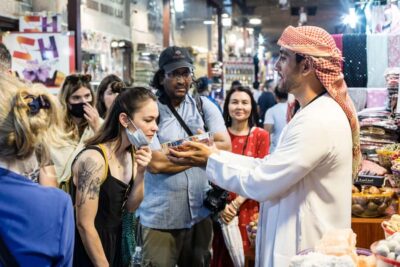
Old Town, Creek, Museums, Souks, & Street Food Tour
Read our review →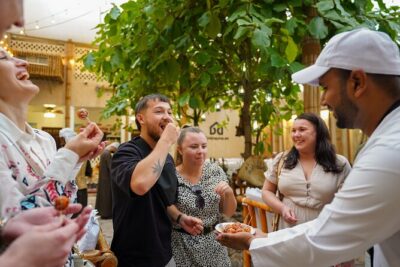
Old Town, Souks, Street Food, Guided Tour & Abra Ride
Read our review →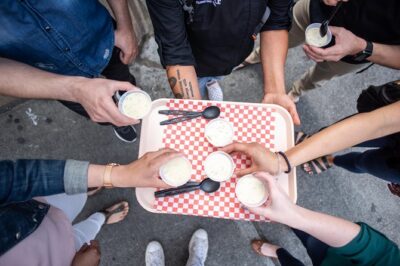
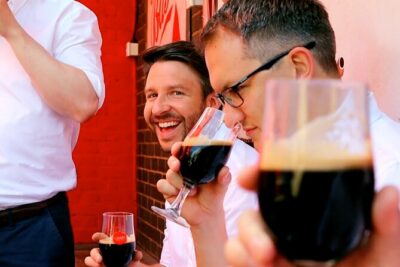
London Bridge & Borough Market Food Tour with 7 Authentic Dishes
Read our review →
Old Town, Souks, Street Food, Guided Tour & Abra Ride
Read our review →
Small Group Cooking Class & Market Food Tour in Florence
Read our review →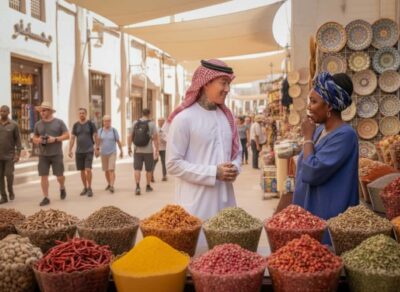
Browse the lists this tour appears in